A Two-sample Mendelian Randomization Study of Air Pollution/Smoking and Cardiac Arrest
Abstract
Background
Observational studies have suggested a connection between air pollution/smoking and cardiac arrest (CA); nevertheless, the causal role of air pollution/smoking in CA remains uncertain.
Objectives
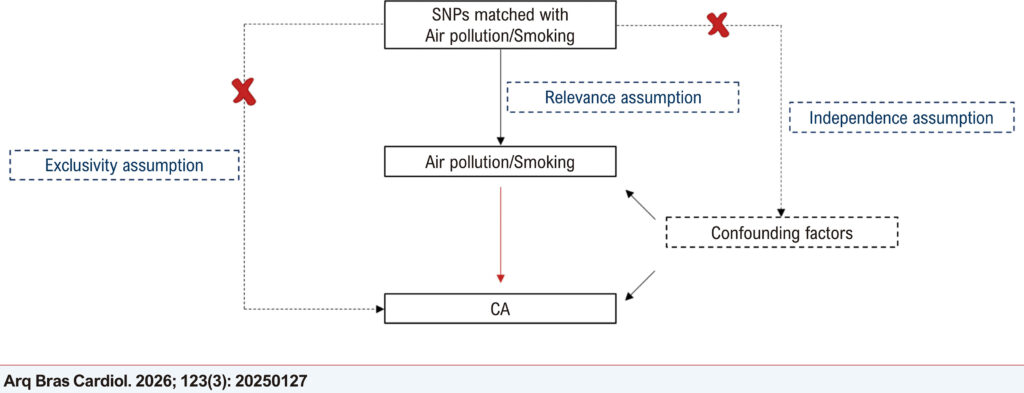
This study aimed to elucidate the causal association between air pollution/smoking and CA using a two-sample Mendelian randomization (MR) approach.
Methods
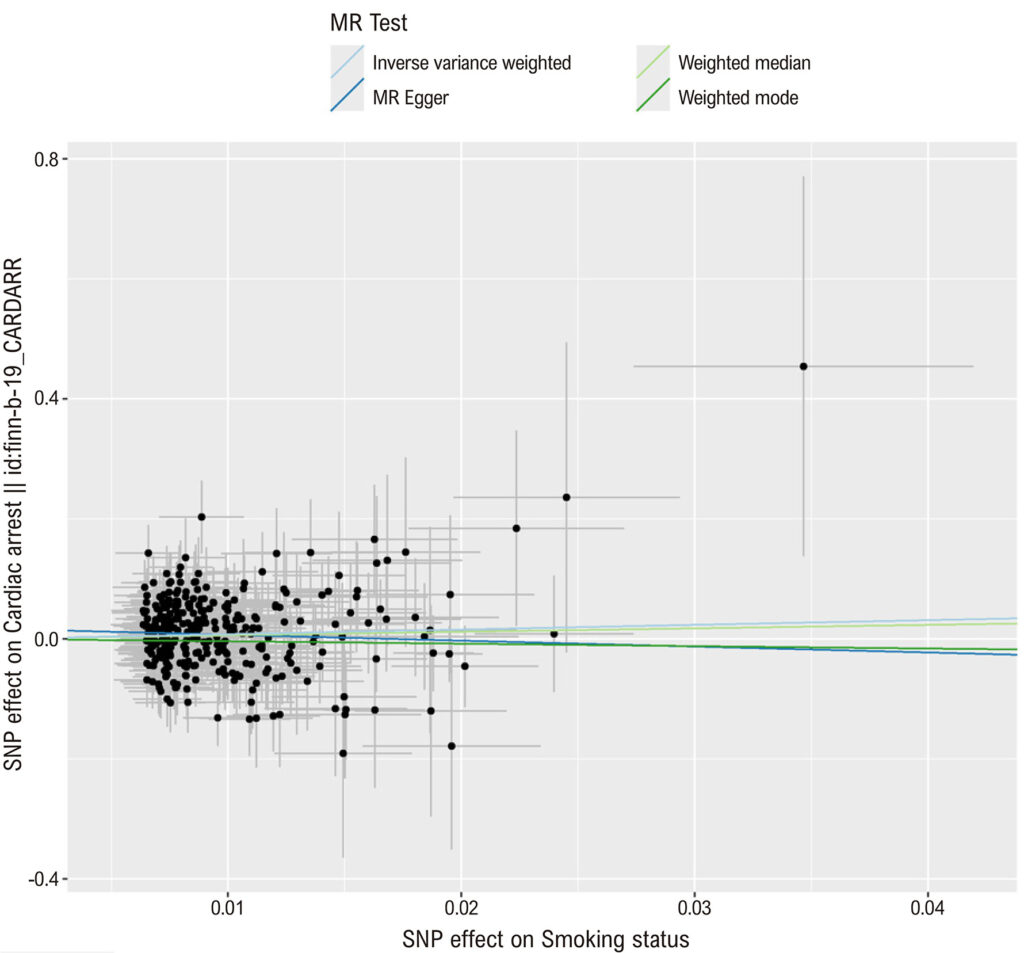
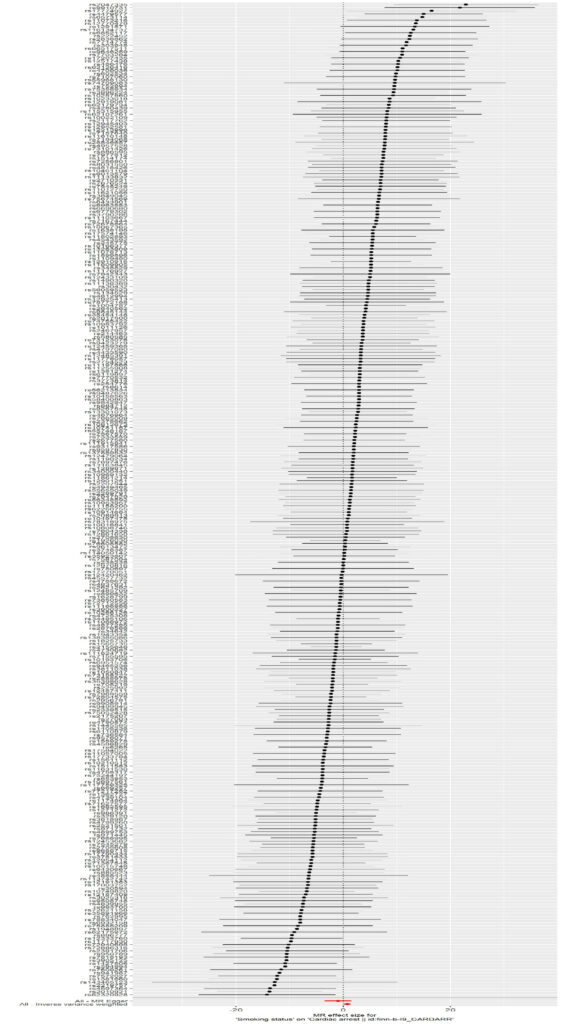
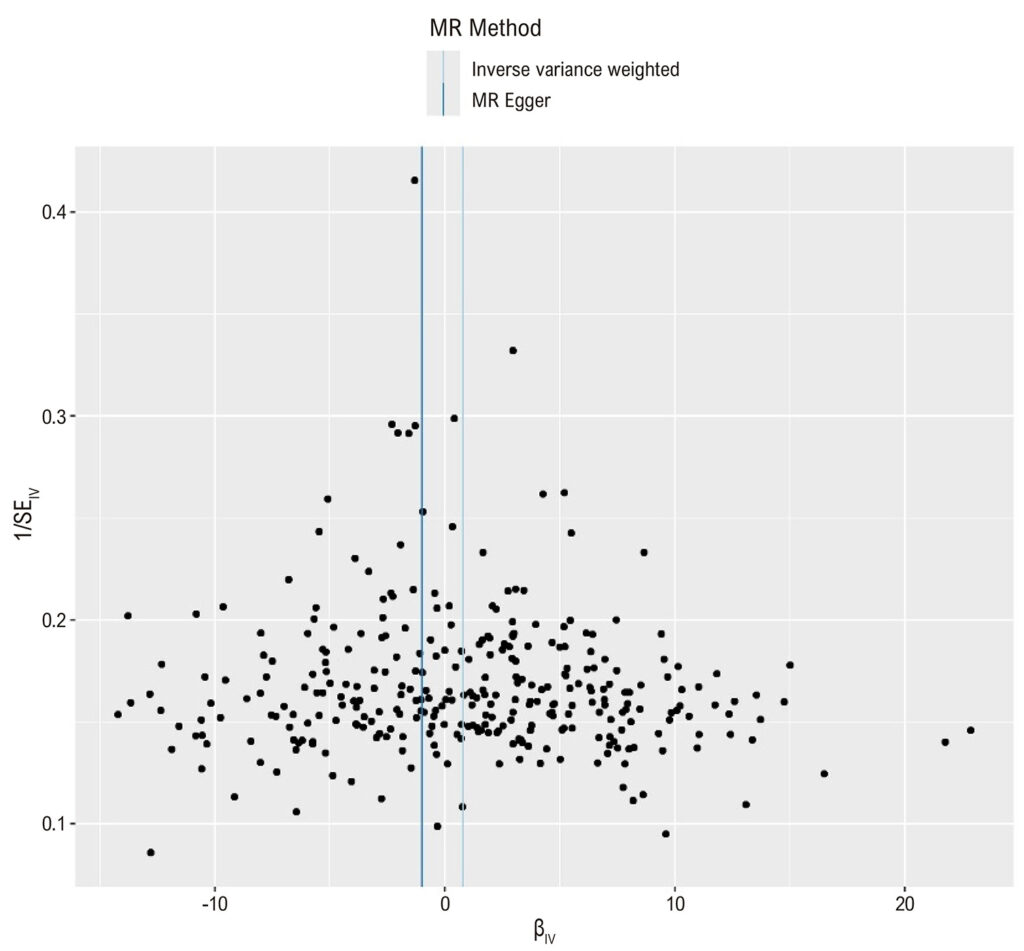
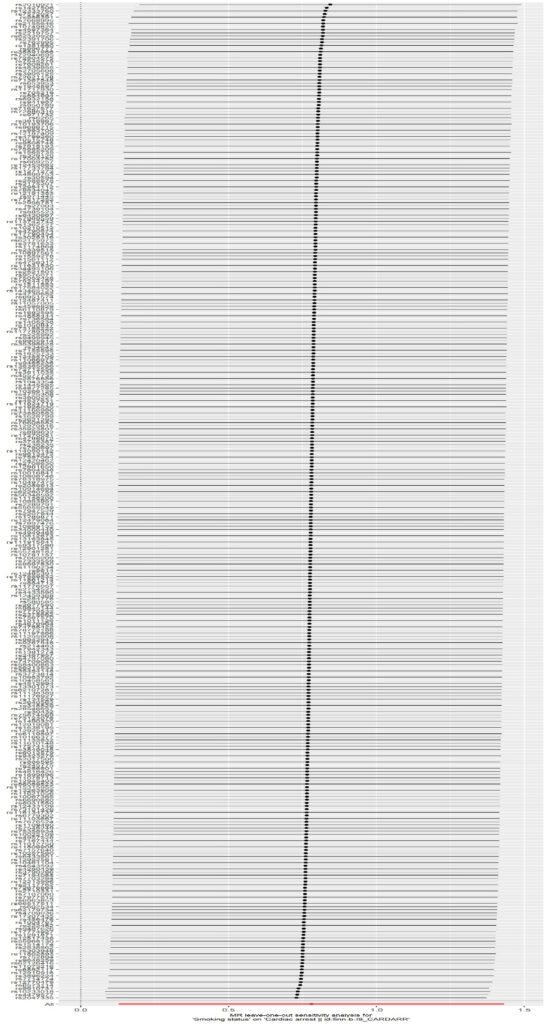
This study utilized summary data from genome-wide association studies (GWAS). The primary analysis employed the inverse-variance weighted (IVW) method, supplemented by MR-Egger, weighted median, and weighted mode methods. For sensitivity analysis, MR-Egger and MR-PRESSO were employed to address horizontal pleiotropy. Cochran’s Q test was used to assess heterogeneity, and leave-one-out analysis was applied to identify the influence of outliers. A two-sided p-value < 0.05 was considered statistically significant for the causal estimates.
Results
IVW method showed a significant association between smoking status and CA (OR = 2.182, 95% CI: 1.137 – 4.188, p = 0.019). No significant causal associations were found for any of the air pollution metrics or other smoking-related traits. Results of MR Egger and weighted median methods revealed an insignificant causal association between air pollution/smoking and CA. Horizontal pleiotropy or outliers were not detected by sensitivity tests.
Conclusions
Findings of this MR study indicate that smoking has a causal effect on the incidence of developing CA. However, the null findings for air pollution should be interpreted with caution, as the statistical power to detect modest effects was limited. More studies are warranted to verify the outcomes of this study.
Images
Image gallery fullscreen viewer
Comments are moderated by the editorial team before publication. Discussions should be evidence-based and use scientific language. Conflicts of interest should be declared.