
| ABCHF
ABC Family Arquivos Brasileiros de Cardiologia International Journal of Cardiovascular Sciences ABC Heart Failure & Cardiomyopathy ABC Imagem Cardiovascular
Português English
ABC Family | ABCHF
Português English
  • About
    • About the Journal
    • Internal Regulation
    • Editors Section
    • Editorial Board
    • SBC Award
  • Instructions to Authors
    • Guidelines for Publication
    • Editorial Policy
    • Ethics Policy
    • Policy on the Use of Artificial Intelligence
    • Mandatory Publication Form
  • Issues
  • SBC Guidelines
  • About
    • About the Journal
    • Internal Regulation
    • Editors Section
    • Editorial Board
    • SBC Award
  • Instructions to Authors
    • Guidelines for Publication
    • Editorial Policy
    • Ethics Policy
    • Policy on the Use of Artificial Intelligence
    • Mandatory Publication Form
  • Issues
  • SBC Guidelines

ABC Family

  • ABC Family
  • Arquivos Brasileiros de Cardiologia
  • International Journal of Cardiovascular Sciences
  • ABC Heart Failure & Cardiomyopathy
  • ABC Imagem Cardiovascular
Search in

No content found.

Journals
Ordering
Article types
Others

  1. Home
  2. ABCHF
  3. Issues
  4. 2023, Volume 3, Number 3
Cardiovascular Diseases in Oncological Patients Treated at a Tertiary Hospital in the Northern Macroregion of Rio Grande do Sul
Original Article

Cardiovascular Diseases in Oncological Patients Treated at a Tertiary Hospital in the Northern Macroregion of Rio Grande do Sul

Gabriel Amaral Lorencini et al. Renata dos Santos Rabello

ABSTRACT

Background:

Cancers (CAs) are related to cardiovascular diseases (CVDs), mainly due to the cardiotoxicity of oncological therapies (OTs).

Objectives:

Analyze and describe the CVDs that affect oncological patients (OPs) before and after the diagnosis of CA.

Methods:

This is a retrospective cohort study carried out with OPs from a Tertiary Hospital in the Northern Macroregion of Rio Grande do Sul, in which data was obtained from medical records dated between 2011 and 2020, which were analyzed using statistical techniques, mainly with the objective of determining the prevalence, incidence, and factors associated with CVDs.

Results:

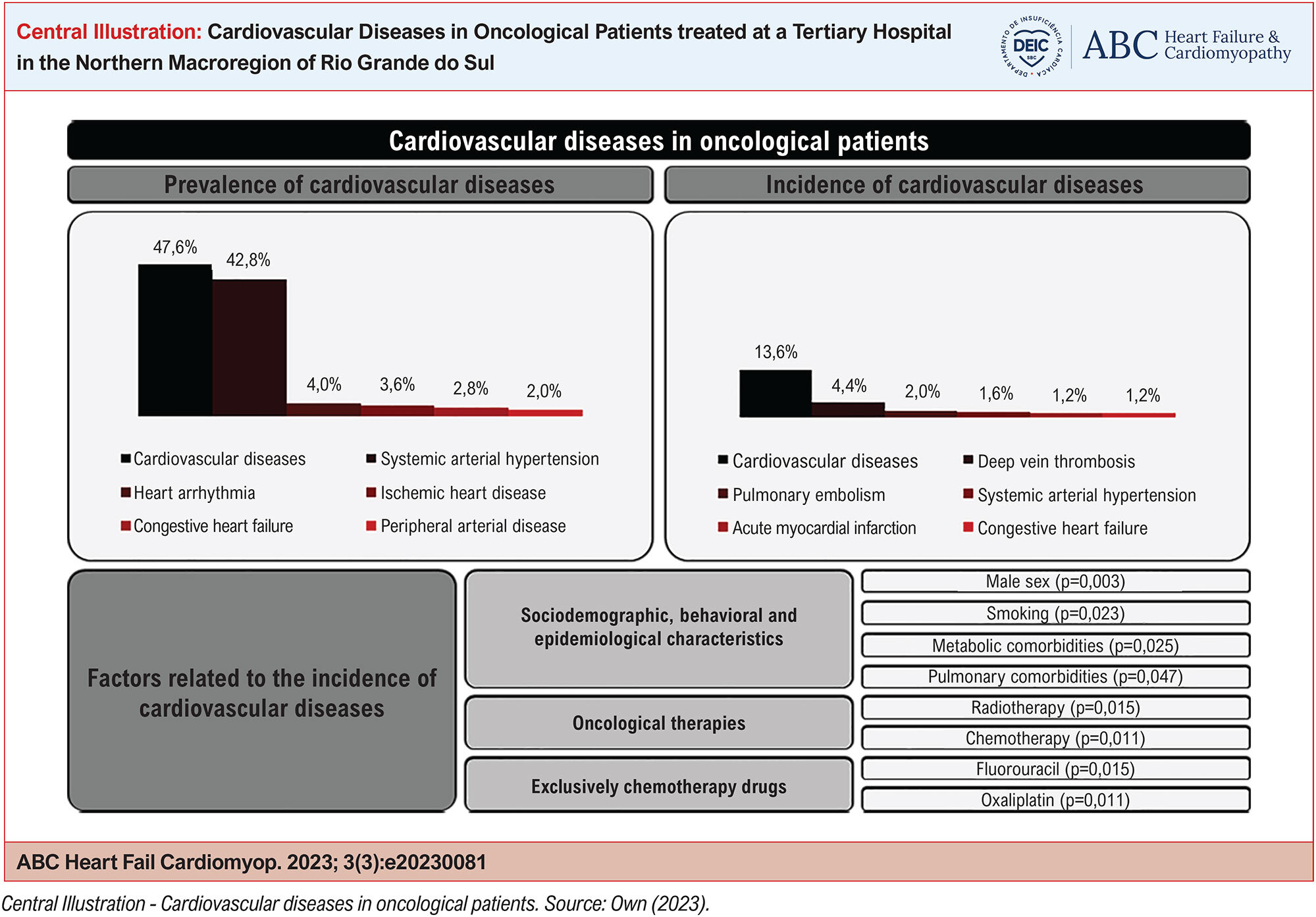
The sample included 250 OPs distributed over 10 years. Regarding CVDs, prevalence and incidence were, respectively, 47.6% and 13.6%. It was noted the predominance, in the previous conditions, of systemic arterial hypertension (67.7%) and, in the incident disorders, of deep vein thrombosis (30.6%). The total incidence was associated with male sex (p=0.003), smoking (p=0.023) and metabolic (p=0.025) and pulmonary (p=0.047) comorbidities. The incidence after the start of OT was linked to radiotherapy (p=0.015) and chemotherapy (p=0.011), in particular, fluorouracil (p=0.025) and oxaliplatin (p=0.033).

Conclusions:

The relationship between CAs and CVDs has become clear, highlighting the importance of promoting the progress of cardio-oncology, especially with the aim of providing better therapeutic perspectives for OPs.

  • Cardiotoxicity
  • Chemically-induced disorders
  • Radiation injuries
Read Full Article
Creative Commons Attribution (CC BY) Creative Commons license
31/12/2023 DOI: 10.36660/abchf.20230081 Views 4
Figure 1
Original Article

Post-COVID-19 Syndrome and the Autonomic Repercussions on Cardiovascular Variables

Giulia Yuni Davanço et al. Matheus Figueiredo Torres Neif Murad Glaucia Luciano da Veiga … Pedro Henrique Alves Reis Juliana de Vasconcellos Barbosa Beatriz da Costa Aguiar Alves Thaís Moura Gascón Rodrigo Daminello Raimundo Fernando Luiz Affonso Fonseca

Abstract

Background:

The SARS-CoV-2 virus is responsible for the COVID-19 pandemic. Several adverse effects on the cardiovascular system were observed in patients hospitalized for COVID-19. SARS-CoV-2 infection added another possible arrhythmia-causing agent due to increased cytokines. It is believed that patients who have had COVID-19 are more prone to develop cardiovascular disease after infection. Heart rate variability (HRV) is an important marker of heart health, with lower values indicating a decrease in vagal heart rate control.

Objectives:

To analyze the autonomic modulation of the heart rate of patients with Post-COVID-19 Syndrome.

Methods:

Our study assessed 50 patients, of both sexes, with at least six months of recovery from COVID-19 and who were attended to in a cardiology outpatient clinic. The recording of RR intervals was performed with a portable heart rate monitor.

Results:

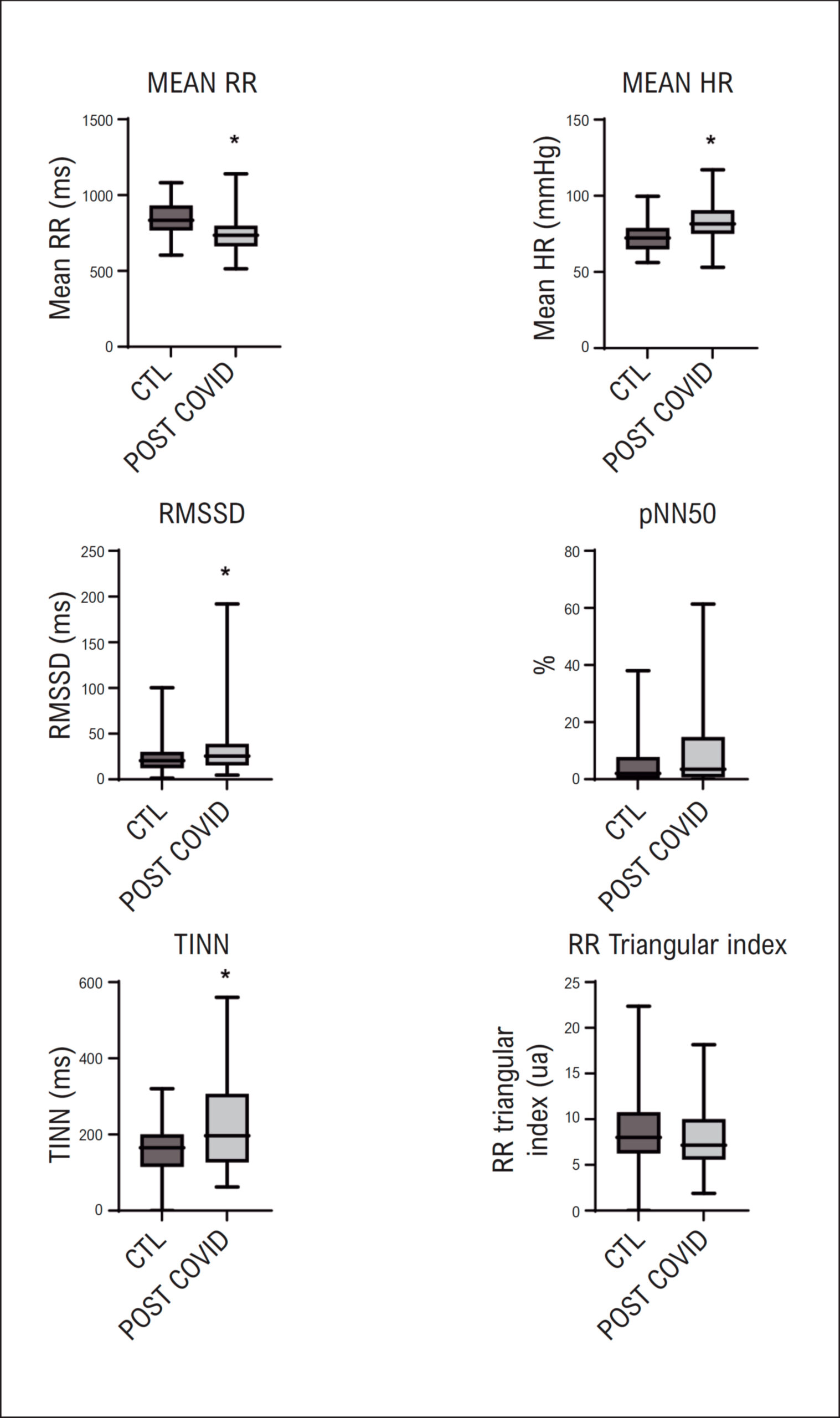
The values of the Root Mean Square of the Successive Differences (RMSSD) (36.3±35.7 ms, p=0.0363) and high frequency (HF) (446.3±632.2 ms2, p=0.0394) were higher in the post-COVID group when compared to the control group. In addition, TINN values (228.0±120.9 ms, p=0.009), LF/HF (3.8±3.8 a.u., p=0.1020), SD2 (40.1±19.3 a.u., p=0.005), and SD1/SD2 (2.2±1.0 a.u., p<0.0001) were lower in the post-COVID group.

Conclusion:

The present study showed an increase in parameters related to parasympathetic autonomic activity and its modulation. In addition, lower heart rate variability was observed in patients during a post-recovery period of COVID-19 when compared to a group that had not contracted the disease.

  • Autonomic Nervous System
  • Cardiovascular System
  • Coronavirus
  • Post-Acute COVID-19 Syndrome
Read Full Article
Creative Commons Attribution (CC BY) Creative Commons license
31/12/2023 DOI: 10.36660/abchf.20230056 Views 3
P-Wave Indices for Risk Assessment of Atrial Fibrillation in Chagas Disease
Original Article

P-Wave Indices for Risk Assessment of Atrial Fibrillation in Chagas Disease

Claudia da Silva Fragata et al. Abilio Augusto Fragata Filho Francisco Faustino França Mariana Fuziy Nogueira … Angela Maria Lourenço Cristiane Castro Faccini Lucas Petri Damiani

ABSTRACT

Background:

Studies analyzing atrial activation on electrocardiograms (ECGs) have usually highlighted P-wave duration, P-wave dispersion, PR interval, P/PRi ratio, and atrial activation time (AAT). Although these indices can be predictors of atrial fibrillation (AF) in different clinical contexts, no study has analyzed them in the context of Chagas disease (CD).

Objectives:

To evaluate the following electrocardiographic indices as predictors of AF in CD: P-wave duration, AAT, P-wave dispersion, PR Interval, and P/PRi ratio.

Methods:

This retrospective study examined ECGs of CD patients who had been monitored for at least 10 years and analyzed the progression of five electrocardiographic indices over time in patients with and without AF.

Results:

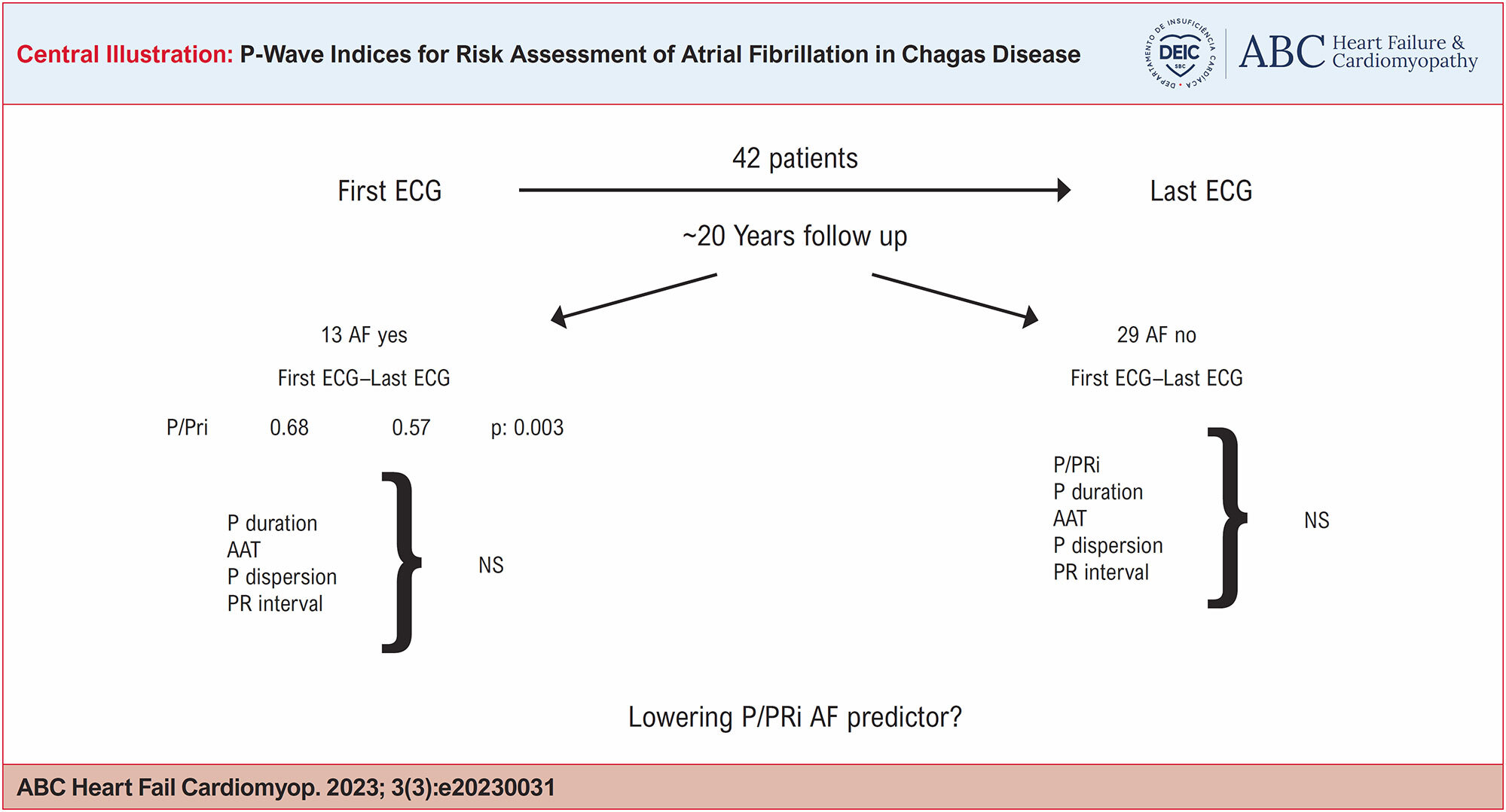
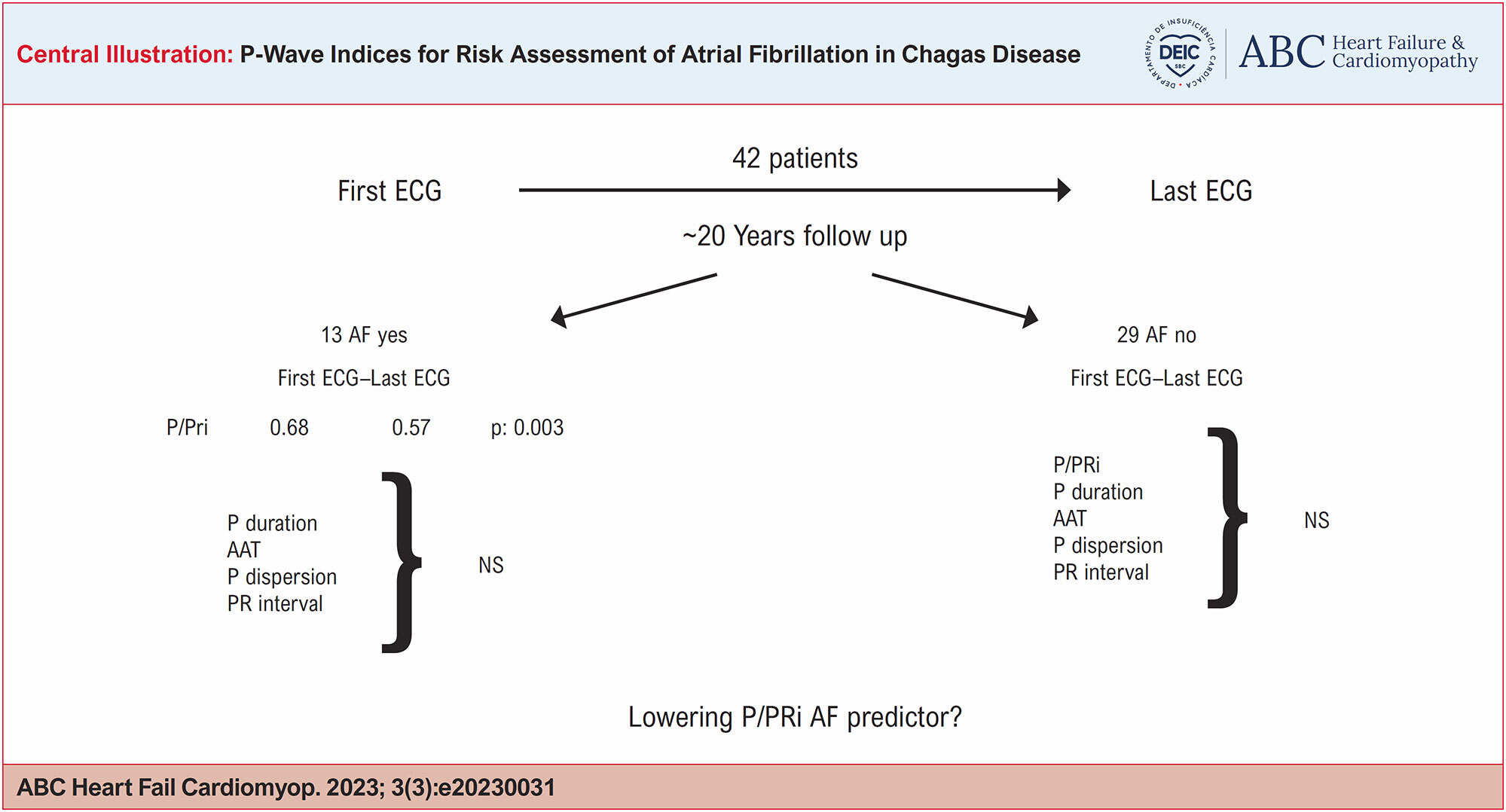
Of the 42 patients with CD included in the study, 13 experienced AF (“with AF” group) and 29 did not (“without AF”). The mean time elapsed between the first and the second ECGs analyzed was 20.55±7.54 years. While the P/PRi ratio was not different between the two groups at the time of the first ECG, it decreased from 0.68±0.11 to 0.57±0.11 in the “with AF” group and was significantly lower than the “without AF” group at the time of the second ECG (p=0.03). There were no statistically significant differences in the other parameters studied.

Conclusions:

In our study, only the P/PRi ratio was shown to predict the onset of paroxysmal AF, with lower values predicting the occurrence of this arrhythmia.

  • Atrial Fibrillation
  • Chagas disease
  • Electrocardiography
Read Full Article
Creative Commons Attribution (CC BY) Creative Commons license
31/12/2023 DOI: 10.36660/abchf.20230058 Views 4
Figure 1
Case Report

Post-COVID Tachycardia Syndrome: Could It Be Myocarditis? A Case Report of a Patient Treated with Ivabradine

Davyson Gerhardt de Souza et al. Vanessa do Amaral Tinoco Ligia Cordeiro Matos Faial Humberto Villacorta

Abstract

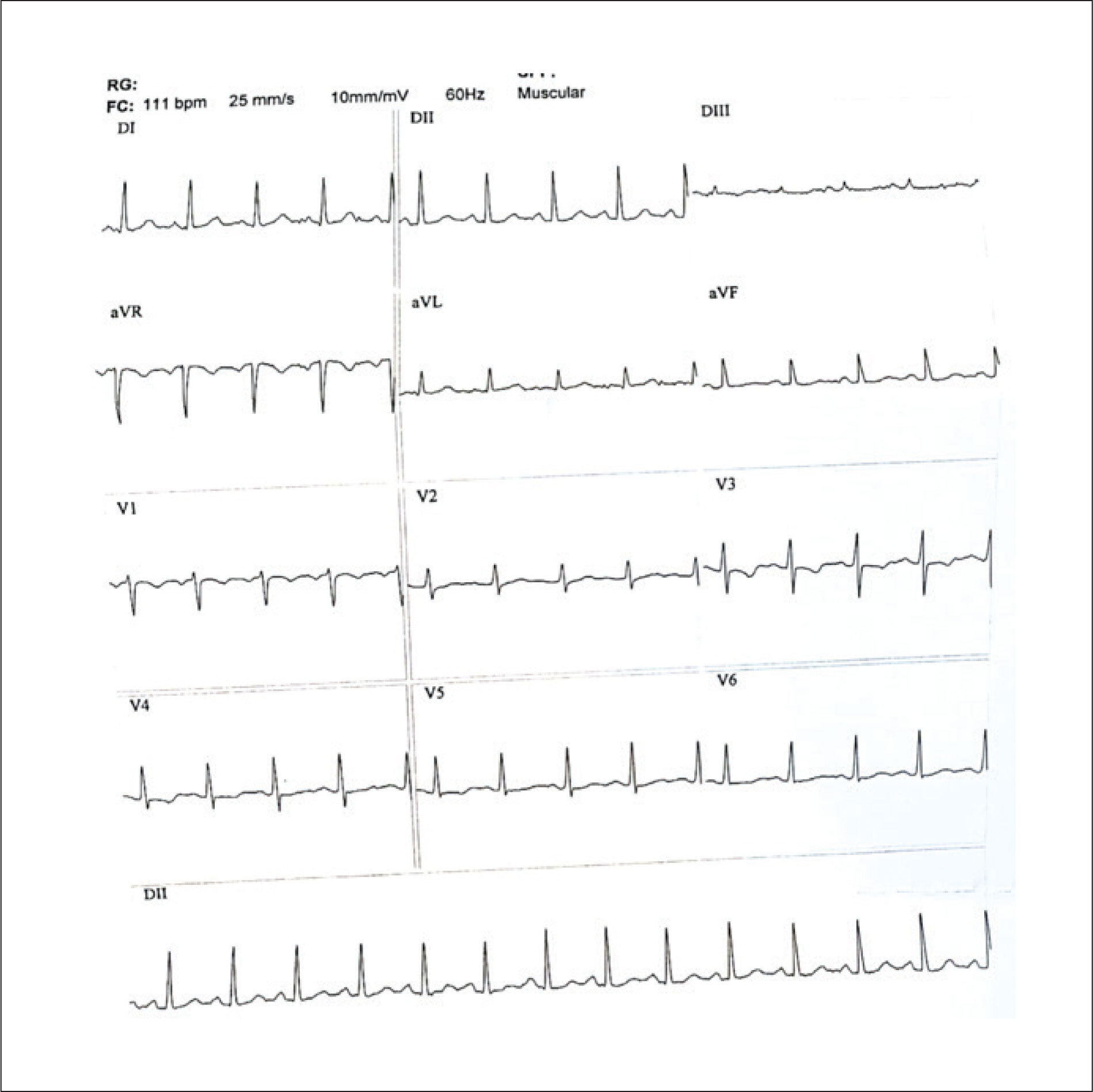
This report illustrates a case of acute myocarditis in a patient who was recently hospitalized for COVID-19. Myocarditis was suspected based on the presence of tachycardia, the only abnormality present on physical examination, as well as high levels of B-type natriuretic peptide. The diagnosis was confirmed with cardiac magnetic resonance image, which showed the presence of late enhancement, predominantly subepicardial, in the inferolateral and inferior walls of the left ventricle. The patient did not meet any of the criteria for endomyocardial biopsy (progressive heart failure, severe cardiac dysfunction, ventricular arrhythmias, atrioventricular blocks). Therefore, the treatment was focused on heart rate control. Beta-blocker is the first option for rate control, but the patient had a contraindication. Thus, ivabradine, a selective heart rate reducer was used. This drug has been poorly studied in the context of post-COVID-19 syndromes, and the present case suggests a benefit for heart rate control in patients with post-COVID-19 tachycardia syndrome.

  • Heart Injuries
  • Ivabradine
  • Myocarditis
  • Post-Acute COVID-19 Syndrome
  • Tachycardia
Read Full Article
Creative Commons Attribution (CC BY) Creative Commons license
31/12/2023 DOI: 10.36660/abchf.20230066 Views 3
Figure 1
Special Article

The 500th Heart Transplant – The Steps That Made Ceará a Reference in Heart Transplants in Brazil

Jefferson Luis Vieira et al. Maria Gyslane Vasconcelos Sobral Viviane Moreira Alves Germana Porto Linhares Almeida … Juliana Rolim Fernandes Laura Leite da Escossia Marinho Glauber Gean Vasconcelos Daniel Francisco de Mendonça Trompieri Glaylton Silva Santos Raissa Marianna Viana Diniz Juliana de Freitas Vasconcelos Sugette Ana Larissa Pedrosa Ximenes Juan Alberto Cosquillo Mejia João David de Souza Neto

The Beginning of Heart Transplantation in Ceará

The first heart transplant in Ceará occurred in the “cyclosporine era” at Hospital Antônio Prudente on February 20, 1993. The team consisted of surgeons José Glauco Lobo Filho (), João Martins de Souza Torres, Francisco Martins de Oliveira, José Maria Furtado Memória Junior, and Haroldo Brasil Barroso, in addition to Dr. Ricardo Lagreca (Natal/RN) as part of the Northeast Program for Heart Transplantation (NE-Tx). João David de Souza () Neto was the clinical cardiologist, and Fátima Sales and Miguel Arraes were the anesthesiologists. At that time, the NE-Tx provided support by sending collaborators with previous experience in the area, hence the valuable contribution of Dr. Lagreca from Natal. The NE-Tx assisted services from Sergipe, Alagoas, Pernambuco, Bahia, Rio Grande do Norte, and Ceará were discontinued after a few years.

In 1997, still at Hospital Antônio Prudente, a team composed of surgeons Juan Alberto Cosquillo Mejía, Valdester Cavalcante Pinto Júnior, Waldemiro Carvalho Júnior, Fernando Antônio de Mesquita and Haroldo Brasil Barroso, and anesthesiologist Rogean Nunes, in addition to cardiologists João David de Souza Neto and Patrícia Lopes de Sousa continued the heart transplant program in Ceará. On April 8, 1998, the same group and the pediatric cardiologists Klébia Castelo Branco and Ricardo Sardenberg were responsible for launching pediatric and neonatal transplantation in the North/Northeast regions.

[…]

  • Article Historic
  • Heart Failure
  • Heart Transplant
Read Full Article
Creative Commons Attribution (CC BY) Creative Commons license
20/12/2023 DOI: 10.36660/abchf.20230053 Views 3
P-Wave Indices for Risk Assessment of Atrial Fibrillation in Chagas Disease
Original Article

P-Wave Indices for Risk Assessment of Atrial Fibrillation in Chagas Disease

Claudia da Silva Fragata et al. Abilio Augusto Fragata Filho Francisco Faustino França Mariana Fuziy Nogueira … Angela Maria Lourenço Cristiane Castro Faccini Lucas Petri Damiani

ABSTRACT

Background:

Studies analyzing atrial activation on electrocardiograms (ECGs) have usually highlighted P-wave duration, P-wave dispersion, PR interval, P/PRi ratio, and atrial activation time (AAT). Although these indices can be predictors of atrial fibrillation (AF) in different clinical contexts, no study has analyzed them in the context of Chagas disease (CD).

Objectives:

To evaluate the following electrocardiographic indices as predictors of AF in CD: P-wave duration, AAT, P-wave dispersion, PR Interval, and P/PRi ratio.

Methods:

This retrospective study examined ECGs of CD patients who had been monitored for at least 10 years and analyzed the progression of five electrocardiographic indices over time in patients with and without AF.

Results:

Of the 42 patients with CD included in the study, 13 experienced AF (“with AF” group) and 29 did not (“without AF”). The mean time elapsed between the first and the second ECGs analyzed was 20.55±7.54 years. While the P/PRi ratio was not different between the two groups at the time of the first ECG, it decreased from 0.68±0.11 to 0.57±0.11 in the “with AF” group and was significantly lower than the “without AF” group at the time of the second ECG (p=0.03). There were no statistically significant differences in the other parameters studied.

Conclusions:

In our study, only the P/PRi ratio was shown to predict the onset of paroxysmal AF, with lower values predicting the occurrence of this arrhythmia.

  • Atrial Fibrillation
  • Chagas disease
  • Electrocardiography
Read Full Article
Creative Commons Attribution (CC BY) Creative Commons license
20/12/2023 DOI: 10.36660/abchf.20230031 Views 3
Central Illustration
Brief Communication

Evidence Based Treatment of Heart Failure: Challenges of Drug Access

Lidia Einsfeld et al. Diogo Pilger Cassiela Roman

Abstract

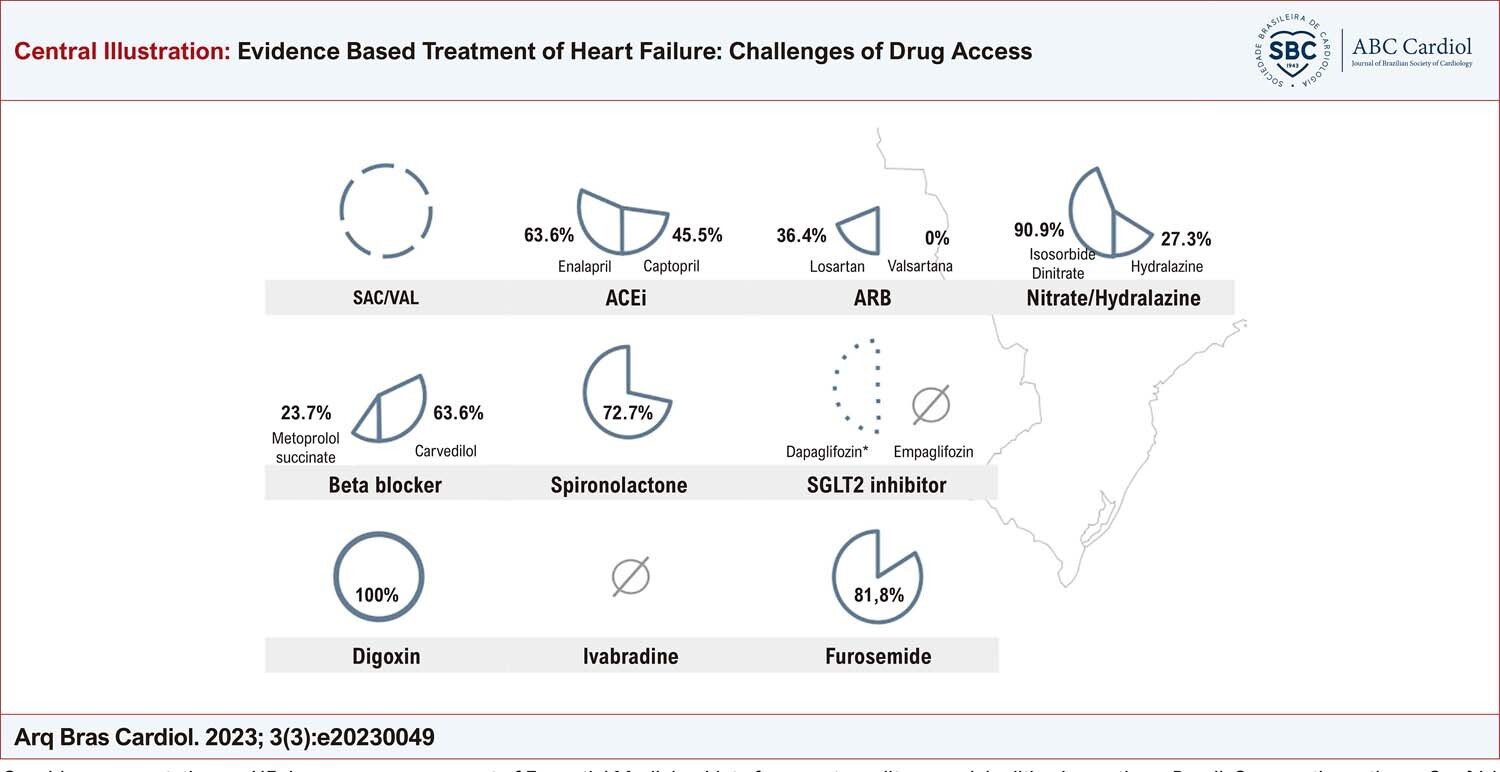
Heart failure (HF) is a complex clinical syndrome with high prevalence, significant morbi-mortality and is the leading cause of hospital admissions of Brazilian patients over 65 years of age. Drug therapy plays a key role in the care of HF patients, aimed to control symptoms, improve functional classification, reduce hospital readmissions and HF-related mortality rates. Despite the evidence of drug therapy proven benefits in HF, their access through the Unified Health System (Sistema Único de Saúde, SUS) remains unexplored. The present study aims to analyze the dynamics of access to HF therapy, based on the list of drugs made available by the SUS through a descriptive and documental methodology. Data were collected from the Municipal Lists of Essential Medicines in a metropolitan region in southern Brazil. Municipalities with a population over 80,000 inhabitants were included, and the respective lists of available drugs were reachable electronically by the health departments themselves. The results showed a partial access to HF treatment via the SUS, especially spironolactone and furosemide, present in 72.7% and 81.8% of the municipalities, respectively. Although drug treatment for HF has proven a high level of evidence, access via SUS represents a challenge to overcome in the continuum of care of patients with heart failure in Brazil

  • Access to Essential Medicines and Health Technologies
  • Drug Therapy
  • Health Services Accessibility
  • Heart Failure
Read Full Article
Creative Commons Attribution (CC BY) Creative Commons license
29/11/2023 DOI: 10.36660/abchf.20230049
Central Illustration
Original Article

Relationship of MAPH Score with Left Ventricular Apical Thrombus and Adverse Events in Patients with Acute Anterior ST-Elevation Myocardial Infarction

Uğur Küçük et al. Meltem Altınsoy

Abstract

Background

Left ventricular apical thrombus (LVAT) is a clinically crucial complication of anterior ST-elevation myocardial infarction (STEMI). The MAPH score is a newly developed thrombosis-related score. MAPH scores are simple scores that estimate blood viscosity and thrombus sensitivity.

Objective

This study aimed to explore the relationship of MAPH score with LVAT and major adverse cardiovascular and cerebrovascular events (MACCE) in patients with acute anterior STEMI.

Methods

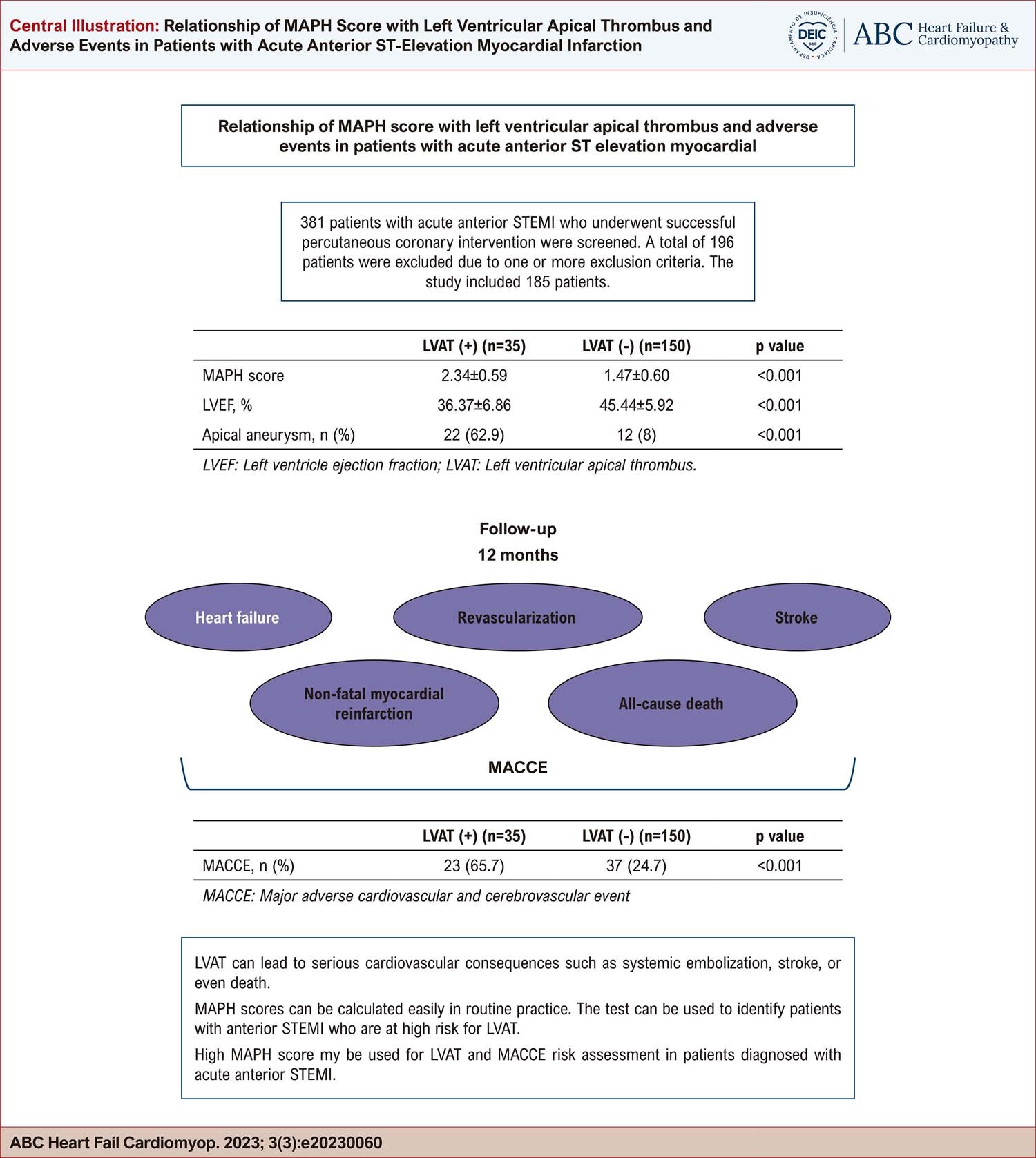
The study included 185 patients with acute anterior STEMI who underwent percutaneous coronary intervention (PCI). LVAT was detected and divided into two groups in clinical follow-up after PCI. MAPH score obtained before PCI was compared between the groups, and its relationship with MACCE was examined. The MACCE included a combination of all-cause death, non-fatal myocardial infarction, target vessel revascularization, heart failure, and stroke.

Results

MAPH score was higher in patients with LVAT than those without LVAT (p < 0.001). High MAPH score was determined to be a predictor of LVAT [odds ratio (OR): 1.265; 95% confidence interval (CI): 1.124-1.423; p < 0.001] and MACCE [hazard ratio (HR): 1.345; 95% CI: 0.984-1.790; p = 0.004] in patients with acute anterior STEMI. A high MAPH score was associated with a higher overall incidence of MACCE in Kaplan-Meier analyses. The cut-off values of the MAPH score for LVAT and MACCE were determined to be 2, based on receiver operating characteristic curve analysis.

Conclusion

A high MAPH score may be used for LVAT and MACCE risk assessment in patients diagnosed with acute anterior STEMI.

  • Anterior Myocardial Infarction
  • Left Ventricular Apical Thrombus
  • Major Cardiovascular and Cerebral Events
  • MAPH Score
Read Full Article
Creative Commons Attribution (CC BY) Creative Commons license
29/11/2023 DOI: 10.36660/abchf.20230060 Views 3
Figure 1
Research Letter

Specific Activity Scale Improves the Detection of Symptomatic Chronic Heart Failure Patients

Eduardo Rubio Azevedo et al. Julio César Crescencio Débora Cristine Prévide da Cunha André Schmidt … Denise Mayumi Tanaka Luciano Fonseca Lemos de Oliveira Marcus Vinicius Simões

Introduction

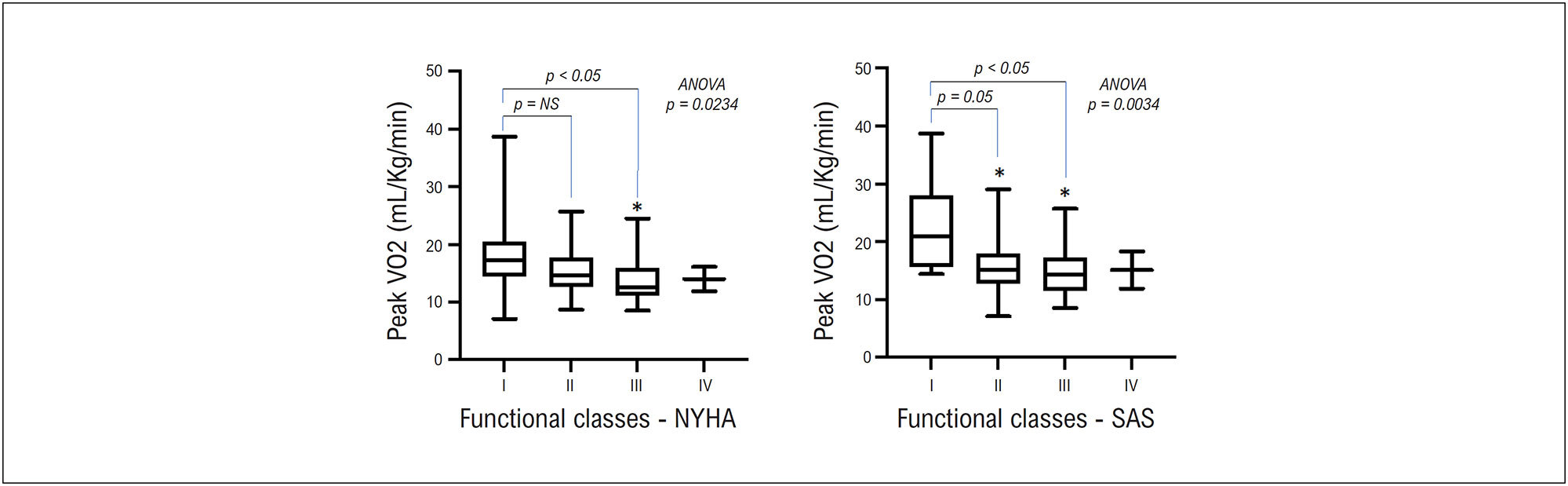
Heart failure (HF) is a highly prevalent, complex clinical syndrome, that is associated with significant morbidity and mortality. HF severity can be estimated by the New York Heart Association (NYHA) classification, however, this has several limitations, including high subjectivity, poor reproducibility, and poor correlation with objective physical capacity measures. Recent studies have suggested limitations of the NYHA classification in differentiating asymptomatic patients, with NYHA functional class (FC) I from patients with mild symptoms.,

The Specific Activity Scale (SAS) is an alternative method to measure functional capacity, by measuring the capacity of patients in performing activities with known oxygen consumption. This method has potentially higher reproducibility and more accurate characterization of physical restriction of HF patients.,

[…]

  • Exercise Test
  • Functional Class
  • Heart Failure
Read Full Article
Creative Commons Attribution (CC BY) Creative Commons license
08/11/2023 DOI: 10.36660/abchf.20230046 Views 2
Figure 1
Review Article

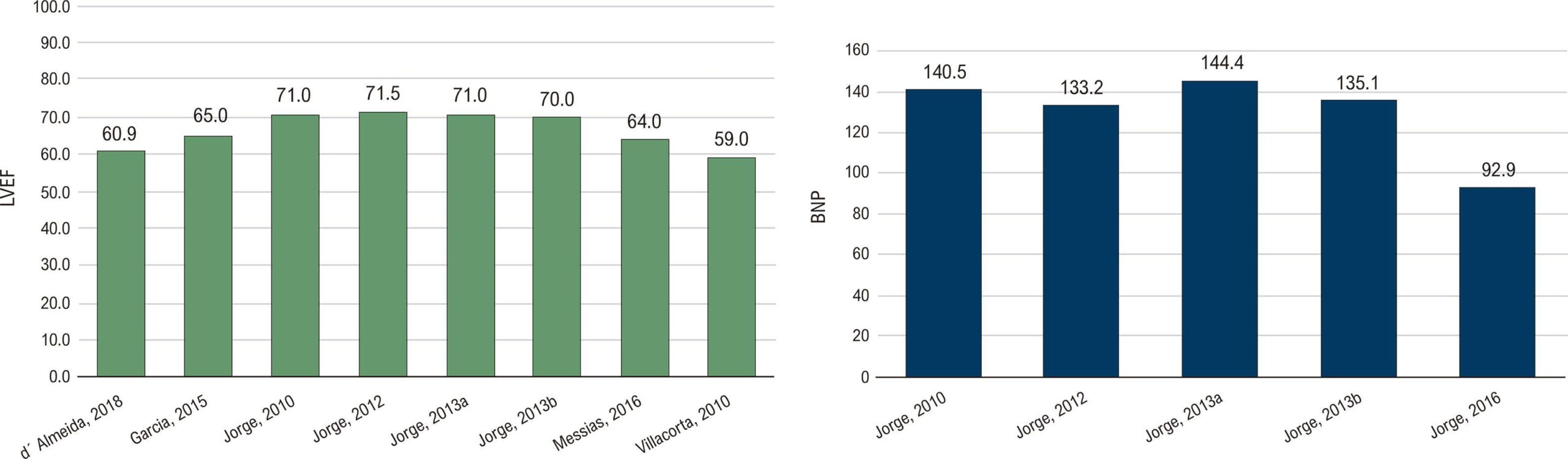
Heart Failure with Preserved Ejection Fraction in Brazil: A Systematic Review

Edimar Alcides Bocchi et al. Andréa Araujo Brandão Evandro Tinoco Mesquita Juliana S. Nakamuta … André Valente Bichels Francisco José Forestiero

Abstract

Heart failure with preserved ejection fraction (HFpEF) is the most common condition of heart failure (HF) in patients over 65 years of age and is associated with high morbidity and mortality. Epidemiological data on this condition are still scarce in Brazil and these data are relevant for a better understanding of the impact and unmet needs in HFpEF and for the planning of actions to improve prevention, diagnosis, and treatment of this disease.

The objective of the study was to identify evidence on the epidemiology and clinical characteristics of Brazilian patients with HFpEF.

We systematically reviewed observational and clinical studies evaluating epidemiological and clinical data of Brazilian patients with HFpEF in the Pubmed/MEDLINE and LILACS databases, following PRISMA guidelines.

The prevalence of HFpEF in patients with confirmed HF ranged from 28.2 to 59.0% in the outpatient setting and from 20.0% to 53.1% in the hospital setting. Among patients with suspected HF, the prevalence of patients with LVEF>50% ranged from 29.0 to 37.6%. The most frequently reported comorbidities were systemic arterial hypertension and diabetes, with a prevalence of 57.4 to 100.0% in studies involving only patients with HFpEF, and from 10.2 to 49.1% in studies on patients with HF with normal ejection fraction (n = 14). Data on mortality and hospitalization rates were scarce.

Despite few and heterogeneous data on the prevalence of HFpEF in Brazil, the prevalence of this condition in primary care patients and in hospitalized patients was relatively high.

  • Comorbidity
  • Epidemiology
  • Heart Failure
  • Heart Failure with Preserved Ejection Fraction
  • Mortality
Read Full Article
Creative Commons Attribution (CC BY) Creative Commons license
06/10/2023 DOI: 10.36660/abchf.20230033 Views 2

How to cite this article

EndNote RIS

Electronic Document Format (Vancouver)

Lorencini GA, Rabello RS. Cardiovascular Diseases in Oncological Patients Treated at a Tertiary Hospital in the Northern Macroregion of Rio Grande do Sul. ABC Heart Fail Cardiomyop 2023;3(3):e20230081.

Electronic Document Format (ABNT)

Lorencini, Gabriel Amaral; Rabello, Renata dos Santos. Cardiovascular Diseases in Oncological Patients Treated at a Tertiary Hospital in the Northern Macroregion of Rio Grande do Sul. ABC Heart Fail Cardiomyop, v. 3, n. 3, e20230081, Dec. 2023.

Electronic Document Format (APA)

Lorencini, G. A., & Rabello, R. S. (2023). Cardiovascular Diseases in Oncological Patients Treated at a Tertiary Hospital in the Northern Macroregion of Rio Grande do Sul. ABC Heart Fail Cardiomyop, 3(3), e20230081.

Electronic Document Format (ISO)

Lorencini, Gabriel Amaral and Rabello, Renata dos Santos. Cardiovascular Diseases in Oncological Patients Treated at a Tertiary Hospital in the Northern Macroregion of Rio Grande do Sul. ABC Heart Fail Cardiomyop [online]. 2023, vol. 3, n. 3, [cited 2026-10-14], e20230081. Available from: <https://journals.cardiol.br/en/article/cardiovascular-diseases-in-oncological-patients-treated-at-a-tertiary-hospital-in-the-northern-macroregion-of-rio-grande-do-sul/>

EndNote RIS

Electronic Document Format (Vancouver)

Davanço GY, Torres MF, Murad N, Veiga GL, Reis PHA, Barbosa JV, Alves BCA, et al. Post-COVID-19 Syndrome and the Autonomic Repercussions on Cardiovascular Variables. ABC Heart Fail Cardiomyop 2023;3(3):e20230056.

Electronic Document Format (ABNT)

Davanço, Giulia Yuni; Torres, Matheus Figueiredo; Murad, Neif; Veiga, Glaucia Luciano da; Reis, Pedro Henrique Alves; Barbosa, Juliana de Vasconcellos; Alves, Beatriz da Costa Aguiar; Gascón, Thaís Moura; Raimundo, Rodrigo Daminello; Fonseca, Fernando Luiz Affonso. Post-COVID-19 Syndrome and the Autonomic Repercussions on Cardiovascular Variables. ABC Heart Fail Cardiomyop, v. 3, n. 3, e20230056, Dec. 2023.

Electronic Document Format (APA)

Davanço, G. Y., Torres, M. F., Murad, N., Veiga, G. L. , Reis, P. H. A., Barbosa, J. V., Alves, B. C. A., Gascón, T. M., Raimundo, R. D., & Fonseca, F. L. A. (2023). Post-COVID-19 Syndrome and the Autonomic Repercussions on Cardiovascular Variables. ABC Heart Fail Cardiomyop, 3(3), e20230056.

Electronic Document Format (ISO)

Davanço, Giulia Yuni and Torres, Matheus Figueiredo and Murad, Neif and Veiga, Glaucia Luciano da and Reis, Pedro Henrique Alves and Barbosa, Juliana de Vasconcellos and Alves, Beatriz da Costa Aguiar and Gascón, Thaís Moura and Raimundo, Rodrigo Daminello and Fonseca, Fernando Luiz Affonso. Post-COVID-19 Syndrome and the Autonomic Repercussions on Cardiovascular Variables. ABC Heart Fail Cardiomyop [online]. 2023, vol. 3, n. 3, [cited 2026-10-14], e20230056. Available from: <https://journals.cardiol.br/en/article/post-covid-19-syndrome-and-the-autonomic-repercussions-on-cardiovascular-variables/>

EndNote RIS

Electronic Document Format (Vancouver)

Fragata CS, Fragata Filho AA, França FF, Nogueira MF, Lourenço AM, Faccini CC, Damiani LP, et al. P-Wave Indices for Risk Assessment of Atrial Fibrillation in Chagas Disease. ABC: Heart Failure & Cardiomyopathy 2023;3(3):e20230058.

Electronic Document Format (ABNT)

Fragata, Claudia da Silva; Fragata Filho, Abilio Augusto; França, Francisco Faustino; Nogueira, Mariana Fuziy; Lourenço, Angela Maria; Faccini, Cristiane Castro; Damiani, Lucas Petri. P-Wave Indices for Risk Assessment of Atrial Fibrillation in Chagas Disease. ABC: Heart Failure & Cardiomyopathy, v. 3, n. 3, e20230058, Dec. 2023.

Electronic Document Format (APA)

Fragata, C. S., Fragata Filho, A. A., França, F. F., Nogueira, M. F., Lourenço, A. M., Faccini, C. C., & Damiani, L. P. (2023). P-Wave Indices for Risk Assessment of Atrial Fibrillation in Chagas Disease. ABC: Heart Failure & Cardiomyopathy, 3(3), e20230058.

Electronic Document Format (ISO)

Fragata, Claudia da Silva and Fragata Filho, Abilio Augusto and França, Francisco Faustino and Nogueira, Mariana Fuziy and Lourenço, Angela Maria and Faccini, Cristiane Castro and Damiani, Lucas Petri. P-Wave Indices for Risk Assessment of Atrial Fibrillation in Chagas Disease. ABC: Heart Failure & Cardiomyopathy [online]. 2023, vol. 3, n. 3, [cited 2026-10-14], e20230058. Available from: <https://journals.cardiol.br/en/article/p-wave-indices-for-risk-assessment-of-atrial-fibrillation-in-chagas-disease/>

EndNote RIS

Electronic Document Format (Vancouver)

Souza DG, Tinoco VA, Faial LCM, Villacorta H. Post-COVID Tachycardia Syndrome: Could It Be Myocarditis? A Case Report of a Patient Treated with Ivabradine. ABC Heart Fail Cardiomyop 2023;3(3):e20230066.

Electronic Document Format (ABNT)

Souza, Davyson Gerhardt de; Tinoco, Vanessa do Amaral; Faial, Ligia Cordeiro Matos; Villacorta, Humberto. Post-COVID Tachycardia Syndrome: Could It Be Myocarditis? A Case Report of a Patient Treated with Ivabradine. ABC Heart Fail Cardiomyop, v. 3, n. 3, e20230066, Dec. 2023.

Electronic Document Format (APA)

Souza, D. G. , Tinoco, V. A., Faial, L. C. M., & Villacorta, H. (2023). Post-COVID Tachycardia Syndrome: Could It Be Myocarditis? A Case Report of a Patient Treated with Ivabradine. ABC Heart Fail Cardiomyop, 3(3), e20230066.

Electronic Document Format (ISO)

Souza, Davyson Gerhardt de and Tinoco, Vanessa do Amaral and Faial, Ligia Cordeiro Matos and Villacorta, Humberto. Post-COVID Tachycardia Syndrome: Could It Be Myocarditis? A Case Report of a Patient Treated with Ivabradine. ABC Heart Fail Cardiomyop [online]. 2023, vol. 3, n. 3, [cited 2026-10-14], e20230066. Available from: <https://journals.cardiol.br/en/article/post-covid-tachycardia-syndrome-could-it-be-myocarditis-a-case-report-of-a-patient-treated-with-ivabradine/>

EndNote RIS

Electronic Document Format (Vancouver)

Vieira JL, Sobral MGV, Alves VM, Almeida GPL, Fernandes JR, Marinho LLE, Vasconcelos GG, et al. The 500th Heart Transplant – The Steps That Made Ceará a Reference in Heart Transplants in Brazil. ABC: Heart Failure & Cardiomyopathy 2023;3(3):e20230053.

Electronic Document Format (ABNT)

Vieira, Jefferson Luis; Sobral, Maria Gyslane Vasconcelos; Alves, Viviane Moreira; Almeida, Germana Porto Linhares; Fernandes, Juliana Rolim; Marinho, Laura Leite da Escossia; Vasconcelos, Glauber Gean; Trompieri, Daniel Francisco de Mendonça; Santos, Glaylton Silva; Diniz, Raissa Marianna Viana; Sugette, Juliana de Freitas Vasconcelos; Ximenes, Ana Larissa Pedrosa; Mejia, Juan Alberto Cosquillo; Souza Neto, João David de. The 500th Heart Transplant – The Steps That Made Ceará a Reference in Heart Transplants in Brazil. ABC: Heart Failure & Cardiomyopathy, v. 3, n. 3, e20230053, Dec. 2023.

Electronic Document Format (APA)

Vieira, J. L., Sobral, M. G. V., Alves, V. M., Almeida, G. P. L., Fernandes, J. R., Marinho, L. L. E., Vasconcelos, G. G., Trompieri, D. F. M., Santos, G. S., Diniz, R. M. V., Sugette, J. F. V., Ximenes, A. L. P., Mejia, J. A. C., & Souza Neto, J. D. (2023). The 500th Heart Transplant – The Steps That Made Ceará a Reference in Heart Transplants in Brazil. ABC: Heart Failure & Cardiomyopathy, 3(3), e20230053.

Electronic Document Format (ISO)

Vieira, Jefferson Luis and Sobral, Maria Gyslane Vasconcelos and Alves, Viviane Moreira and Almeida, Germana Porto Linhares and Fernandes, Juliana Rolim and Marinho, Laura Leite da Escossia and Vasconcelos, Glauber Gean and Trompieri, Daniel Francisco de Mendonça and Santos, Glaylton Silva and Diniz, Raissa Marianna Viana and Sugette, Juliana de Freitas Vasconcelos and Ximenes, Ana Larissa Pedrosa and Mejia, Juan Alberto Cosquillo and Souza Neto, João David de. The 500th Heart Transplant – The Steps That Made Ceará a Reference in Heart Transplants in Brazil. ABC: Heart Failure & Cardiomyopathy [online]. 2023, vol. 3, n. 3, [cited 2026-10-14], e20230053. Available from: <https://journals.cardiol.br/en/article/the-500th-heart-transplant-the-steps-that-made-ceara-a-reference-in-heart-transplants-in-brazil/>

EndNote RIS

Electronic Document Format (Vancouver)

Fragata CS, Fragata Filho AA, França FF, Nogueira MF, Lourenço AM, Faccini CC, Damiani LP, et al. P-Wave Indices for Risk Assessment of Atrial Fibrillation in Chagas Disease. ABC: Heart Failure & Cardiomyopathy 2023;3(3):e20230031.

Electronic Document Format (ABNT)

Fragata, Claudia da Silva; Fragata Filho, Abilio Augusto; França, Francisco Faustino; Nogueira, Mariana Fuziy; Lourenço, Angela Maria; Faccini, Cristiane Castro; Damiani, Lucas Petri. P-Wave Indices for Risk Assessment of Atrial Fibrillation in Chagas Disease. ABC: Heart Failure & Cardiomyopathy, v. 3, n. 3, e20230031, Dec. 2023.

Electronic Document Format (APA)

Fragata, C. S., Fragata Filho, A. A., França, F. F., Nogueira, M. F., Lourenço, A. M., Faccini, C. C., & Damiani, L. P. (2023). P-Wave Indices for Risk Assessment of Atrial Fibrillation in Chagas Disease. ABC: Heart Failure & Cardiomyopathy, 3(3), e20230031.

Electronic Document Format (ISO)

Fragata, Claudia da Silva and Fragata Filho, Abilio Augusto and França, Francisco Faustino and Nogueira, Mariana Fuziy and Lourenço, Angela Maria and Faccini, Cristiane Castro and Damiani, Lucas Petri. P-Wave Indices for Risk Assessment of Atrial Fibrillation in Chagas Disease. ABC: Heart Failure & Cardiomyopathy [online]. 2023, vol. 3, n. 3, [cited 2026-10-14], e20230031. Available from: <https://journals.cardiol.br/en/article/p-wave-indices-for-risk-assessment-of-atrial-fibrillation-in-chagas-disease-2/>

EndNote RIS

Electronic Document Format (Vancouver)

Einsfeld L, Pilger D, Roman C. Evidence Based Treatment of Heart Failure: Challenges of Drug Access. ABC Heart Fail Cardiomyop 2023;3(3):e20230049.

Electronic Document Format (ABNT)

Einsfeld, Lidia; Pilger, Diogo; Roman, Cassiela. Evidence Based Treatment of Heart Failure: Challenges of Drug Access. ABC Heart Fail Cardiomyop, v. 3, n. 3, e20230049, Nov. 2023.

Electronic Document Format (APA)

Einsfeld, L., Pilger, D., & Roman, C. (2023). Evidence Based Treatment of Heart Failure: Challenges of Drug Access. ABC Heart Fail Cardiomyop, 3(3), e20230049.

Electronic Document Format (ISO)

Einsfeld, Lidia and Pilger, Diogo and Roman, Cassiela. Evidence Based Treatment of Heart Failure: Challenges of Drug Access. ABC Heart Fail Cardiomyop [online]. 2023, vol. 3, n. 3, [cited 2026-10-14], e20230049. Available from: <https://journals.cardiol.br/en/article/evidence-based-treatment-of-heart-failure-challenges-of-drug-access/>

EndNote RIS

Electronic Document Format (Vancouver)

Küçük U, Altınsoy M. Relationship of MAPH Score with Left Ventricular Apical Thrombus and Adverse Events in Patients with Acute Anterior ST-Elevation Myocardial Infarction. ABC Heart Fail Cardiomyop 2023;3(3):e20230060.

Electronic Document Format (ABNT)

Küçük, Uğur; Altınsoy, Meltem. Relationship of MAPH Score with Left Ventricular Apical Thrombus and Adverse Events in Patients with Acute Anterior ST-Elevation Myocardial Infarction. ABC Heart Fail Cardiomyop, v. 3, n. 3, e20230060, Nov. 2023.

Electronic Document Format (APA)

Küçük, U., & Altınsoy, M. (2023). Relationship of MAPH Score with Left Ventricular Apical Thrombus and Adverse Events in Patients with Acute Anterior ST-Elevation Myocardial Infarction. ABC Heart Fail Cardiomyop, 3(3), e20230060.

Electronic Document Format (ISO)

Küçük, Uğur and Altınsoy, Meltem. Relationship of MAPH Score with Left Ventricular Apical Thrombus and Adverse Events in Patients with Acute Anterior ST-Elevation Myocardial Infarction. ABC Heart Fail Cardiomyop [online]. 2023, vol. 3, n. 3, [cited 2026-10-14], e20230060. Available from: <https://journals.cardiol.br/en/article/relationship-of-maph-score-with-left-ventricular-apical-thrombus-and-adverse-events-in-patients-with-acute-anterior-st-elevation-myocardial-infarction/>

EndNote RIS

Electronic Document Format (Vancouver)

Azevedo ER, Crescencio JC, Cunha DCP, Schmidt A, Tanaka DM, Oliveira LFL, Simões MV, et al. Specific Activity Scale Improves the Detection of Symptomatic Chronic Heart Failure Patients. ABC: Heart Failure & Cardiomyopathy 2023;3(3):e20230046.

Electronic Document Format (ABNT)

Azevedo, Eduardo Rubio; Crescencio, Julio César; Cunha, Débora Cristine Prévide da; Schmidt, André; Tanaka, Denise Mayumi; Oliveira, Luciano Fonseca Lemos de; Simões, Marcus Vinicius. Specific Activity Scale Improves the Detection of Symptomatic Chronic Heart Failure Patients. ABC: Heart Failure & Cardiomyopathy, v. 3, n. 3, e20230046, Nov. 2023.

Electronic Document Format (APA)

Azevedo, E. R., Crescencio, J. C., Cunha, D. C. P. , Schmidt, A., Tanaka, D. M., Oliveira, L. F. L. , & Simões, M. V. (2023). Specific Activity Scale Improves the Detection of Symptomatic Chronic Heart Failure Patients. ABC: Heart Failure & Cardiomyopathy, 3(3), e20230046.

Electronic Document Format (ISO)

Azevedo, Eduardo Rubio and Crescencio, Julio César and Cunha, Débora Cristine Prévide da and Schmidt, André and Tanaka, Denise Mayumi and Oliveira, Luciano Fonseca Lemos de and Simões, Marcus Vinicius. Specific Activity Scale Improves the Detection of Symptomatic Chronic Heart Failure Patients. ABC: Heart Failure & Cardiomyopathy [online]. 2023, vol. 3, n. 3, [cited 2026-10-14], e20230046. Available from: <https://journals.cardiol.br/en/article/specific-activity-scale-improves-the-detection-of-symptomatic-chronic-heart-failure-patients/>

EndNote RIS

Electronic Document Format (Vancouver)

Bocchi EA, Brandão AA, Mesquita ET, Nakamuta JS, Bichels AV, Forestiero FJ. Heart Failure with Preserved Ejection Fraction in Brazil: A Systematic Review. ABC Heart Fail Cardiomyop 2023;3(3):e20230033.

Electronic Document Format (ABNT)

Bocchi, Edimar Alcides; Brandão, Andréa Araujo; Mesquita, Evandro Tinoco; Nakamuta, Juliana S.; Bichels, André Valente; Forestiero, Francisco José. Heart Failure with Preserved Ejection Fraction in Brazil: A Systematic Review. ABC Heart Fail Cardiomyop, v. 3, n. 3, e20230033, Oct. 2023.

Electronic Document Format (APA)

Bocchi, E. A., Brandão, A. A., Mesquita, E. T., Nakamuta, J. S., Bichels, A. V., & Forestiero, F. J. (2023). Heart Failure with Preserved Ejection Fraction in Brazil: A Systematic Review. ABC Heart Fail Cardiomyop, 3(3), e20230033.

Electronic Document Format (ISO)

Bocchi, Edimar Alcides and Brandão, Andréa Araujo and Mesquita, Evandro Tinoco and Nakamuta, Juliana S. and Bichels, André Valente and Forestiero, Francisco José. Heart Failure with Preserved Ejection Fraction in Brazil: A Systematic Review. ABC Heart Fail Cardiomyop [online]. 2023, vol. 3, n. 3, [cited 2026-10-14], e20230033. Available from: <https://journals.cardiol.br/en/article/heart-failure-with-preserved-ejection-fraction-in-brazil-a-systematic-review/>

Sede – Rio de Janeiro
Av. Marechal Câmara, 160
3º andar – Sala: 330 – Centro
Rio de Janeiro – CEP: 20020-907
Tel.: (+55 21) 3478-2700
ou (21) 99386-3961
E-mail: abcheartfailure@cardiol.br

Sede – São Paulo
Alameda Santos, 705 – 11º andar
Cerqueira César | São Paulo
CEP: 01419-001
Tel.: (55 +11) 3411-5500
E-mail: abcheartfailure@cardiol.br

  • About the Journal
  • Internal Regulation
  • Editors Section
  • Editorial Board
  • SBC Award

  • Guidelines for Publication
  • Editorial Policy
  • Ethics Policy
  • Policy on the Use of Artificial Intelligence
  • Mandatory Publication Form

Issues

SBC Guidelines