| ABCHF
ABC Family Arquivos Brasileiros de Cardiologia International Journal of Cardiovascular Sciences ABC Heart Failure & Cardiomyopathy ABC Imagem Cardiovascular
Português English
ABC Family | ABCHF
Português English
  • About
    • About the Journal
    • Internal Regulation
    • Editors Section
    • Editorial Board
    • SBC Award
  • Instructions to Authors
    • Guidelines for Publication
    • Editorial Policy
    • Ethics Policy
    • Policy on the Use of Artificial Intelligence
    • Mandatory Publication Form
  • Issues
  • SBC Guidelines
  • About
    • About the Journal
    • Internal Regulation
    • Editors Section
    • Editorial Board
    • SBC Award
  • Instructions to Authors
    • Guidelines for Publication
    • Editorial Policy
    • Ethics Policy
    • Policy on the Use of Artificial Intelligence
    • Mandatory Publication Form
  • Issues
  • SBC Guidelines

ABC Family

  • ABC Family
  • Arquivos Brasileiros de Cardiologia
  • International Journal of Cardiovascular Sciences
  • ABC Heart Failure & Cardiomyopathy
  • ABC Imagem Cardiovascular
Search in

No content found.

Journals
Ordering
Article types
Others

  1. Home
  2. ABCHF
  3. Issues
  4. 2025, Volume 5, Number 1
Figure 1
Case Report

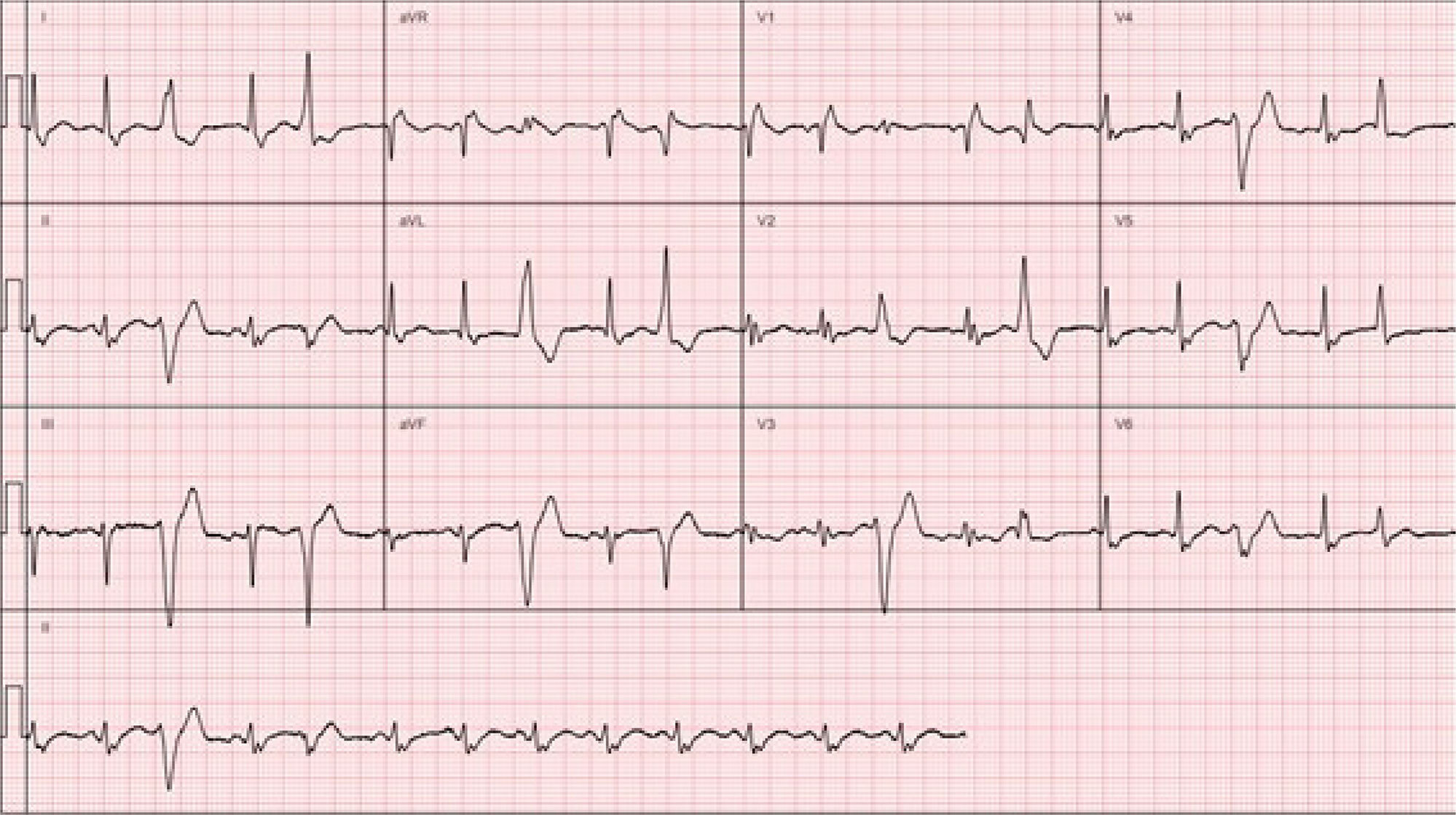
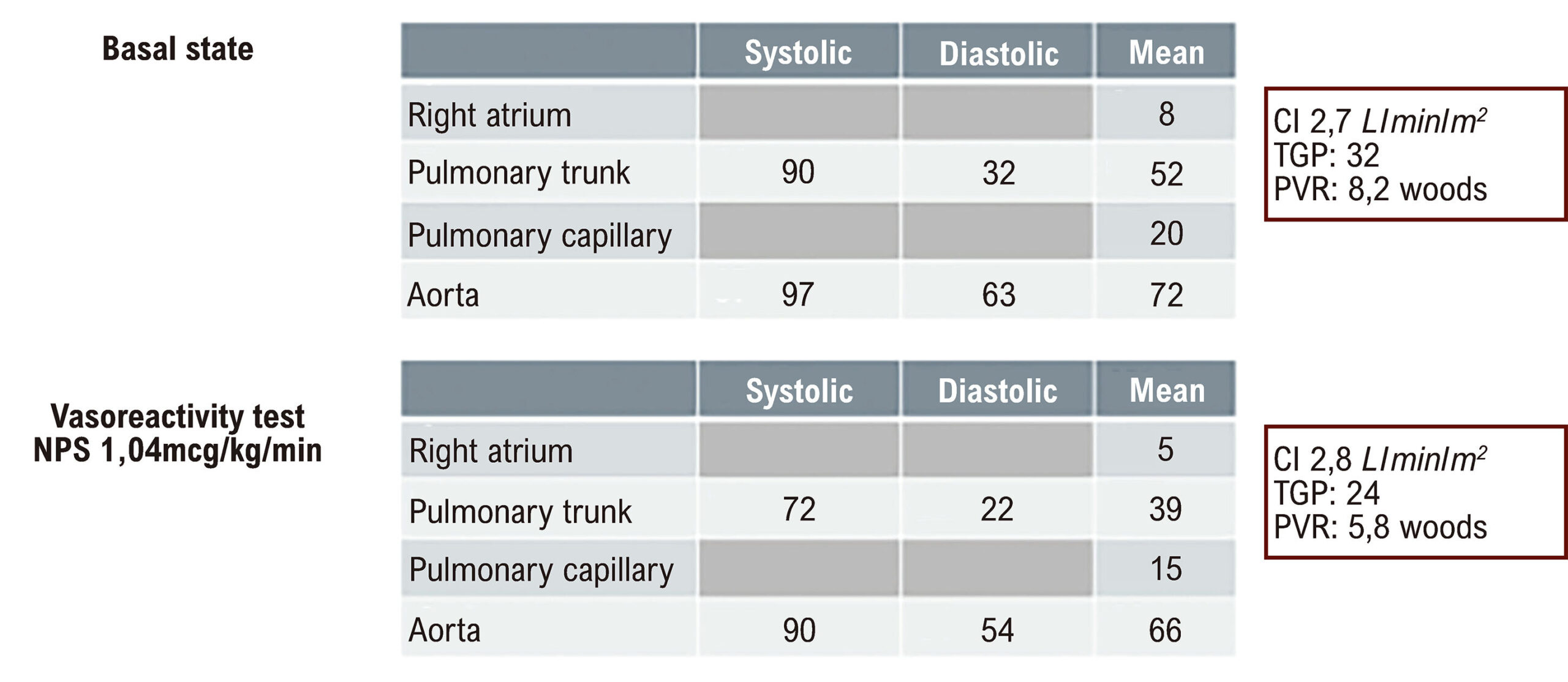
Reversal of Type 2 Pulmonary Hypertension after Levosimendan: A Challenging Approach Bringing New Insights

Helena Garcia Betinardi Bernardi et al. Deborah de Sá Pereira Belfort Bruno Biselli Paulo Roberto Chizzola … Robinson Tadeu Munhoz Silvia M. Ayub-Ferreira Edimar Alcides Bocchi

Abstract

Among the inotropic agents used in the management of heart failure, levosimendan, in particular, has a selective venodilator property that appears to explain its clinical benefit during pulmonary hypertension (PH). Most of the evidence refers to patients with group 2 PH and consequent right ventricular (RV) dysfunction. In this scenario, the observed benefits may be due to the effect of levosimendan on RV contractility and pulmonary vessel dilation, or to the improvement of left ventricular function and consequent reduction of pulmonary congestion. What we have noticed is that more and more studies are being done on this action and applicability of the drug, appearing in small studies, reviews and formal indications.
  • Heart Failure
  • Heart Transplantation
  • Pulmonary Hypertension
  • Simendan
Read Full Article
Creative Commons Attribution (CC BY) Creative Commons license
30/04/2025 DOI: 10.36660/abchf.20250012i Views 1
Central Illustration
Review Article

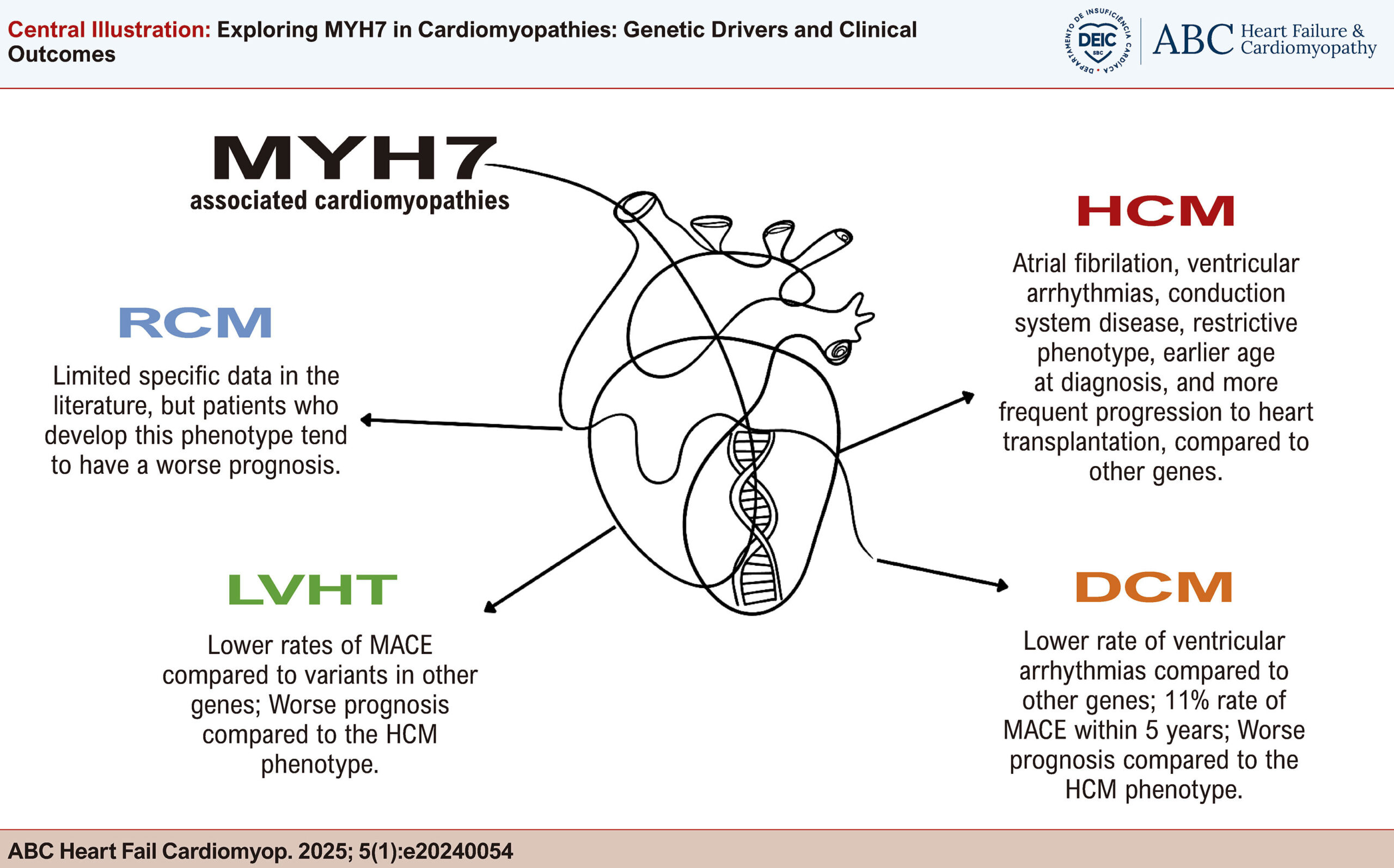
Exploring MYH7 in Cardiomyopathies: Genetic Drivers and Clinical Outcomes

Lucas Vieira Lacerda Pires et al. Vinícius Machado Correia Layara Fernanda Vicente Pereira Lipari Fernanda Almeida Andrade … Fábio Fernandes Vagner Madrini Junior Mariana Lombardi Peres de Carvalho Giovanna Napolitano Elisangela Aparecida da Silva Kelvin Henrique Vilalva Vitória Pelegrino do Val José Eduardo Krieger

Abstract

The MYH7 gene, which encodes the beta-myosin heavy chain, is a critical component in the structural and functional integrity of cardiac and skeletal muscle cells. Variants in MYH7 are among the most common genetic causes of cardiomyopathies, particularly hypertrophic cardiomyopathy (HCM) and dilated cardiomyopathy (DCM), and have also been implicated in restrictive cardiomyopathy (RCM) and left ventricular hypertrabeculation (LVHT). This review explores the molecular mechanisms by which MYH7 variants lead to these diverse phenotypes, focusing on the genotype-phenotype correlations that underlie the clinical manifestations of each condition. MYH7 variants are primarily missense variants concentrated in the myosin head domain, affecting the contractile function of the protein. These variants lead to a wide spectrum of cardiac abnormalities, from thickening of the myocardial walls to dilation of the cardiac chambers. The review also addresses the broader implications of MYH7 mutations, including their role in skeletal myopathies and potential associations with cancer. Understanding the pathogenic mechanisms of MYH7 variants not only increases diagnostic accuracy but also informs the development of targeted therapies. As the integration of genetic knowledge into clinical practice continues to evolve, the MYH7 gene remains a critical focus for advancing the management and treatment of cardiomyopathies, offering patients hope for improved clinical outcomes through precision medicine.

  • Dilated Cardiomyopathy
  • Genetic Cardiomyopathies
  • Hypertrophic Cardiomyopathy
  • MYH7
  • Sarcomeric Genes
Read Full Article
Creative Commons Attribution (CC BY) Creative Commons license
30/04/2025 DOI: 10.36660/abchf.20240054i
Central Illustration
Review Article

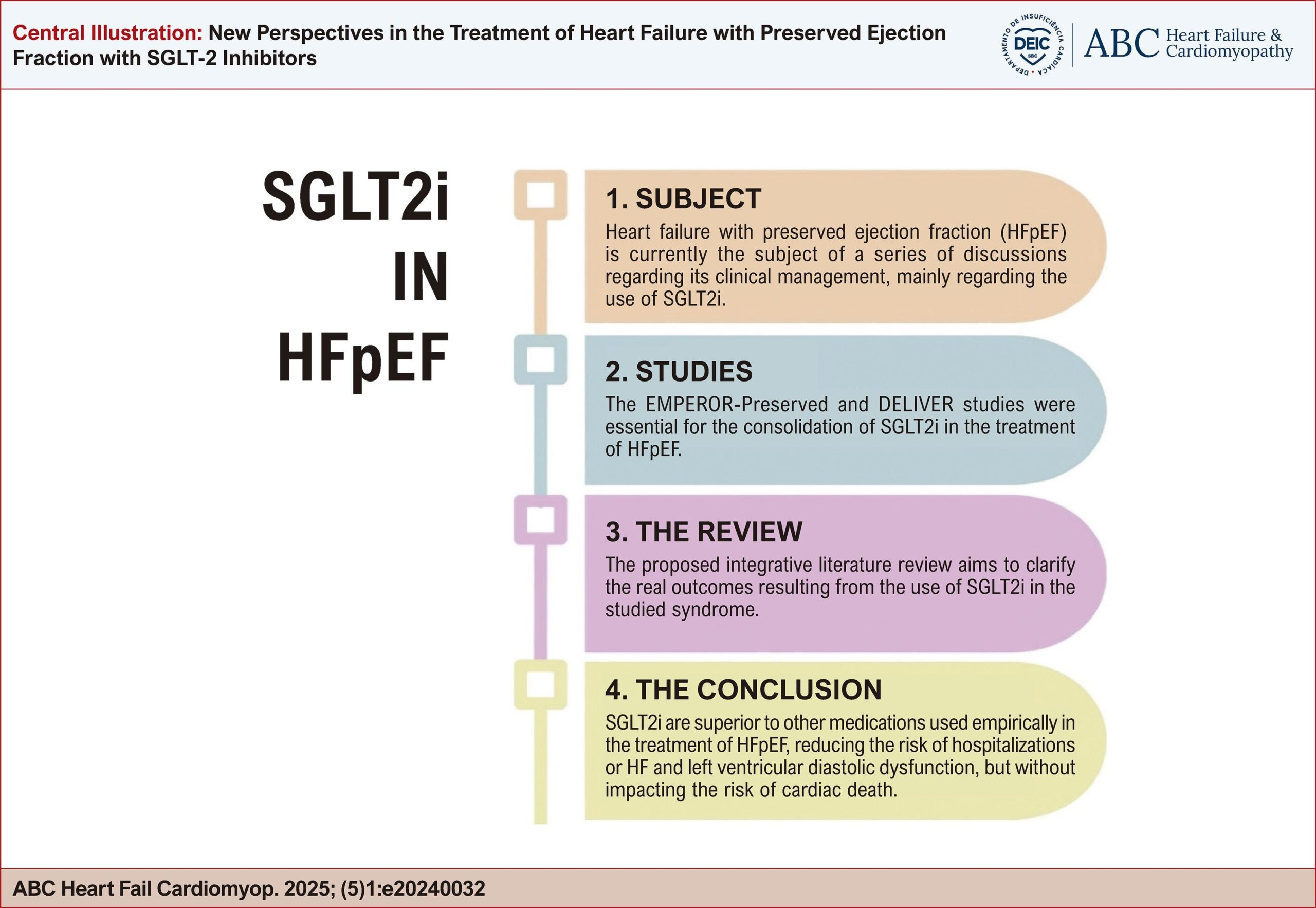
New Perspectives in the Treatment of Heart Failure with Preserved Ejection Fraction with SGLT-2 Inhibitors

José Natthananel de Aquino Gomes et al. Milena dos Santos Barros Campos Carlos Aurélio Santos Aragão Antonio Carlos Sousa

Abstract

The treatment of heart failure with preserved ejection fraction (HFpEF) has always represented a challenge in clinical management. The discovery of sodium-glucose cotransporter 2 inhibitors (SGLT2i) as efficient cardiac protectors brought the possibility of treating HFpEF, a topic driven by robust studies such as EMPEROR-Preserved and DELIVER. The present work aims to identify the main studies on SGLT2i and primary outcomes in HFpEF.

The qualified search was carried out in the BVS and Pubmed indexed databases, with the inclusion criteria being randomized clinical trials, meta-analyses and analyses of clinical trials, full text available, and publication in the last 5 years.

11 articles were selected to compose the review.

SGLT2i shows efficacy in the treatment of HFpEF, reducing hospitalization for heart failure in this population and improving ventricular diastolic function in these patients, but not altering the risk of cardiac death alone.

  • Diastolic Heart Failure
  • Drug Therapy
  • Efficacy
  • Sodium-Glucose Transporter 2 Inhibitors
Read Full Article
Creative Commons Attribution (CC BY) Creative Commons license
10/04/2025 DOI: 10.36660/abchf.20240032i Views 2
Central Illustration
Review Article

The Use of Sodium-Glucose Cotransporter2 (SGLT2) Inhibitors in Patients with Reduced Ejection Fraction: An Integrative Review

Irving Gabriel Araújo Bispo et al. Guilherme Martins Chaves Mariana Gonçalves Fernandes Larissa Hiromi Yamamoto Giulia Amorim Almeida

Abstract

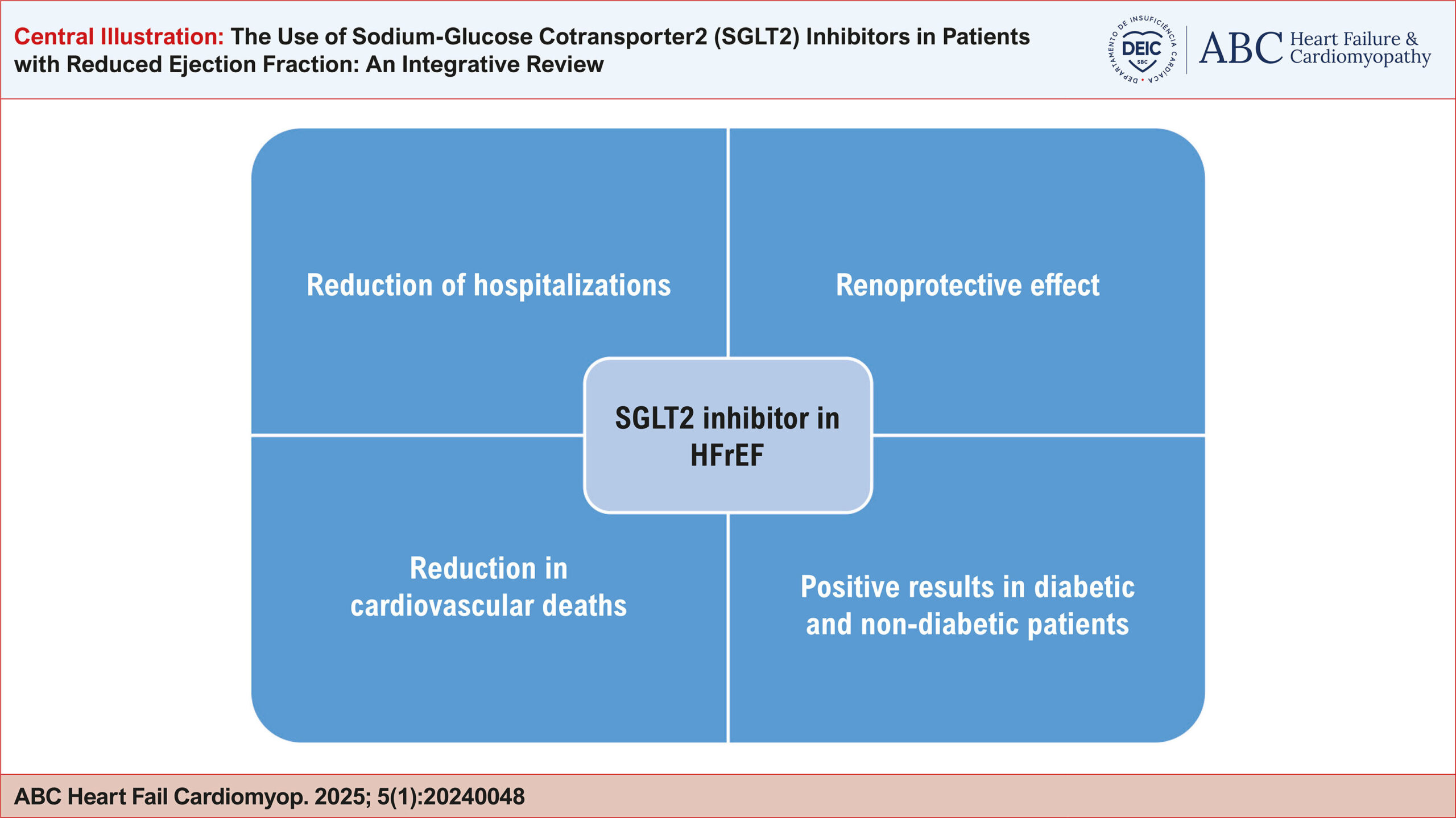
Heart failure (HF) is characterized as a clinical syndrome comprised of different etiologies. HF can be classified according to the left ventricular ejection fraction (LVEF) in heart failure with preserved ejection fraction (HFpEF) and heart failure with reduced ejection fraction (HFrEF). Studies have shown that sodium-glucose cotransporter2 (SGLT2) inhibitors can collaborate in the treatment of HF. To conduct a bibliographic survey in the form of an integrative qualitative review on the use of SGLT2 inhibitors in the treatment of heart failure. This study was carried out through the elaboration of an integrative literature review. Articles published in the last five years were selected from the PubMed, SciELO, LILACS, and Cochrane Library databases, using the following descriptors: “Diabetes Mellitus”, “Heart Failure”, “Heart Failure with Reduced Ejection Fraction” and “Sodium-Glucose Transporter 2 Inhibitors” A total of 1,504 articles, published in the PubMed, SciELO, Cochrane Library, and LILACS databases, were found. After analysis, in accordance with the inclusion and exclusion criteria; reading of the abstracts or full text; and exclusion of duplicate articles, 17 studies were selected, In the past five years, there has been a lack of conclusive studies on the use of SGLT2 inhibitors. Studies, such as DAPA-HF, have shown that dapagliflozin reduces hospitalizations and cardiovascular deaths in patients with HF, regardless of their glycemic status. Recent guidelines have already incorporated SGLT2 inhibitors for the treatment of HFrEF due to strong scientific evidence.

  • Diabetes Mellitus
  • Heart Failure
  • Sodium-Glucose Transporter 2 Inhibitors
  • Systolic Heart Failure
Read Full Article
Creative Commons Attribution (CC BY) Creative Commons license
01/04/2025 DOI: 10.36660/abchf.20240048i
Central Illustration
Review Article

Exploring the Role of ALPK3 Variants in Hypertrophic and Dilated Cardiomyopathies

Fernanda Almeida Andrade et al. Bruno de Oliveira Stephan Silas Ramos Furquim Bianca Domit Werner Linnenkamp … Lucas Vieira Lacerda Pires Vitória Pelegrino do Val Nara Alves Buriti Layara Fernanda Vicente Pereira Lipari Vinícius Machado Correia José Eduardo Krieger

Abstract

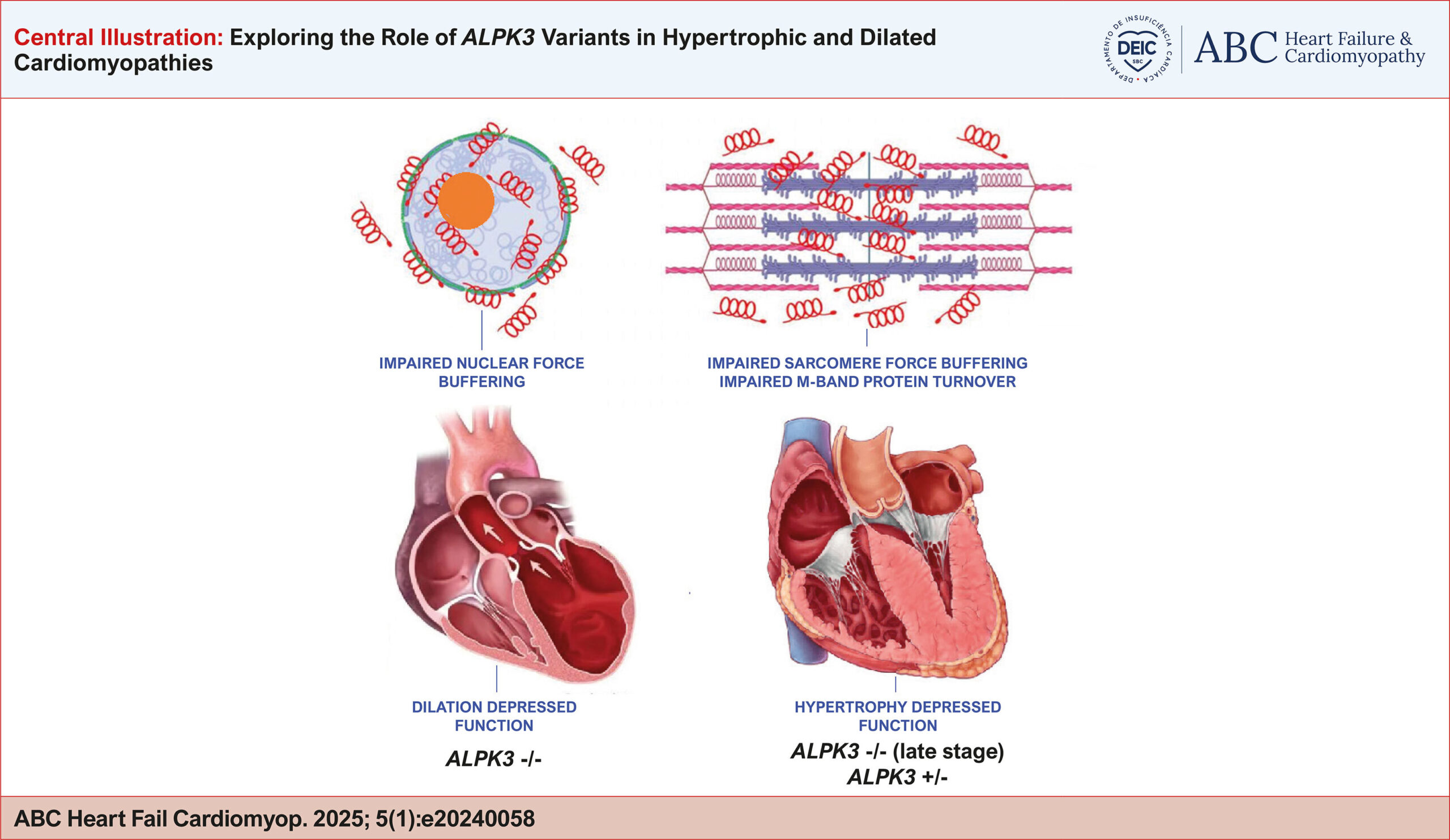
Alpha-protein kinase 3 (ALPK3) variants, particularly truncating mutations (ALPK3tv), have been associated with both hypertrophic cardiomyopathy (HCM) and dilated cardiomyopathy (DCM), contributing to phenotypic variability and severe clinical outcomes. HCM is characterized by left ventricular hypertrophy (LVH) not attributable to other causes and is a common genetic disorder, often linked to pathogenic variants in sarcomeric genes. However, clinical genetic testing fails to identify a causative mutation in approximately 40% of the cases, suggesting the involvement of non-sarcomeric genes such as ALPK3. Recent studies have revealed that biallelic ALPK3tv is associated with severe early-onset cardiomyopathy. Patients may exhibit a clinical progression from DCM in infancy to HCM, with impaired systolic function in later life. The HCM phenotype in these individuals is often characterized by extensive myocardial fibrosis, apical or concentric patterns of left ventricular hypertrophy, and a low prevalence of left ventricular outflow tract obstruction. ALPK3tv carriers are also at risk for progressive myocardial dysfunction, heart failure, and, in some cases, sudden cardiac death. The molecular mechanisms underlying ALPK3-related cardiomyopathy involve the disruption of key structural and regulatory proteins, such as myomesins, which are essential for sarcomere integrity and cardiomyocyte force buffering. The discovery of ALPK3 variants in underrepresented populations further highlights the importance of genetic research in diverse cohorts. Understanding the clinical and molecular consequences of ALPK3 variants could lead to more precise diagnostic and therapeutic approaches for cardiomyopathies associated with this gene.

  • Dilated Cardiomyopathy
  • Hypertrophic Cardiomyopathy
  • Population Biological Variation
  • Sarcomeres
Read Full Article
Creative Commons Attribution (CC BY) Creative Commons license
01/04/2025 DOI: 10.36660/abchf.20240058 Views 1
Figure 1
Case Report

Dilated Cardiomyopathy Associated With A Novel Truncated Filamin C Variant Mimicking Cardiac Amyloidosis: A Diagnostic Challenge

Kelson Kemuel Confessor de Sousa et al. Ferdinand Gilbert Saraiva da Silva Maia Rosiane Viana Zuza Diniz Carla Karini R. A. Costa … Beatriz Andrade da Costa Fabio Mastrocola

Introduction

Filamins interconnect actin filaments and form a broad network in cardiac and skeletal muscle cells by anchoring membrane proteins to the cytoskeleton. Filamin C, encoded by the FLNC gene, is one of three filamin-related proteins and binds to several proteins in the Z-disc of the sarcomere. Mutations in FLNC were initially associated with skeletal myofibrillar myopathy but are now recognized as associated with dilated and arrhythmogenic cardiomyopathy phenotypes, with autosomal dominant inheritance and an estimated penetrance of 92–97%, and are included in the genetic screening of patients with arrhythmogenic heart disease and sudden cardiac death. The prevalence of pathogenic FLNC variants is 1–4.5% among patients with dilated cardiomyopathy (DCM) and up to 6% in patients with arrhythmogenic cardiomyopathy.,

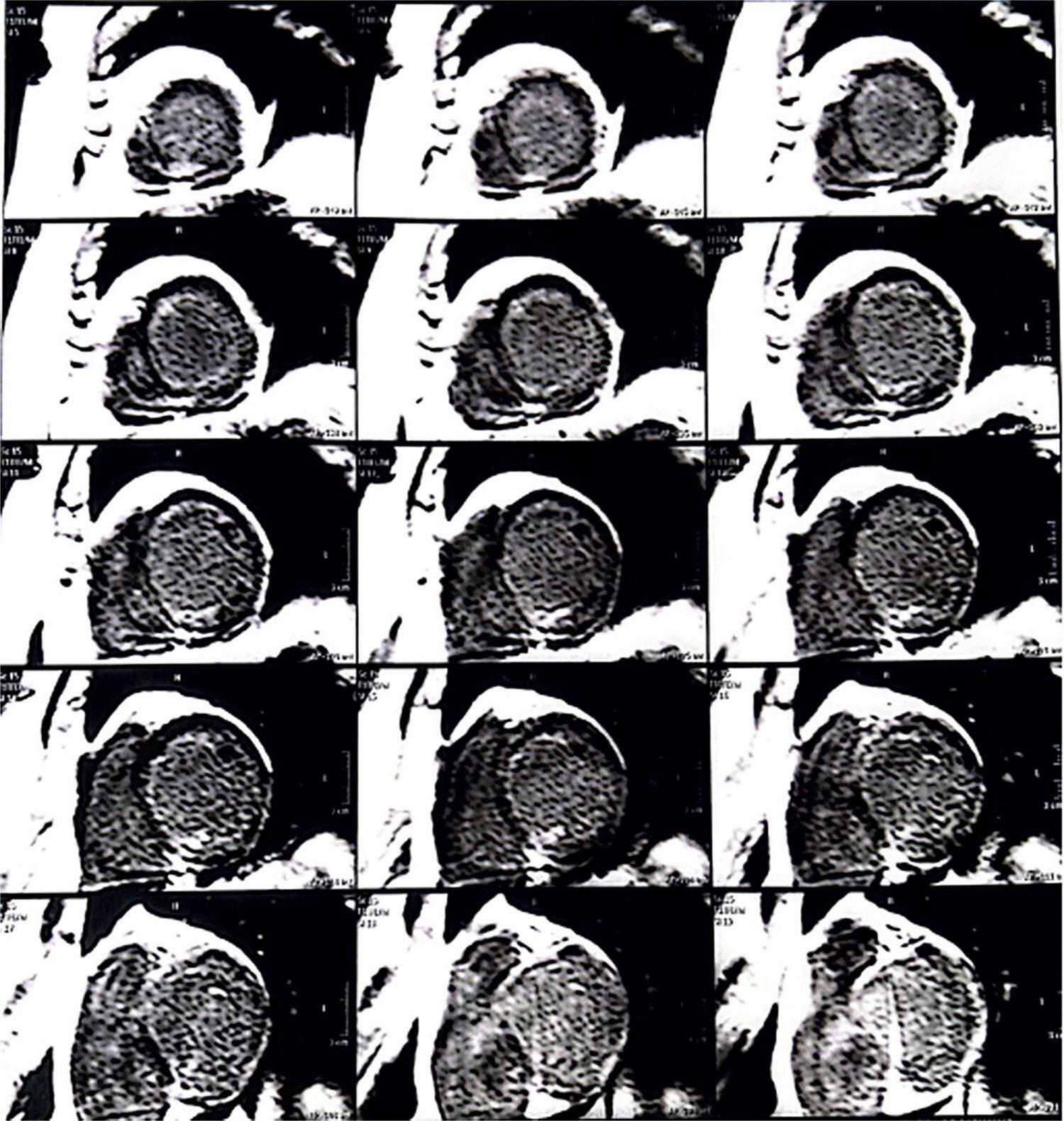
We describe the case of a patient with a novel truncated variant in the filamin C gene with a DCM phenotype who, during clinical follow-up and etiological investigation, presented imaging exams mimicking cardiac amyloidosis.

[…]

  • Amyloidosis
  • Cardiac Arrhythmias
  • Dilated Cardiomyopathy
  • Genetic Testing
Read Full Article
Creative Commons Attribution (CC BY) Creative Commons license
28/03/2025 DOI: 10.36660/abchf.20240053i Views 1
Echocardiographic Parameters for Evaluating the Right Ventricle in Patients with Chronic Obstructive Pulmonary Disease: Literature Review
Review Article

Echocardiographic Parameters for Evaluating the Right Ventricle in Patients with Chronic Obstructive Pulmonary Disease: Literature Review

Irving Gabriel Araújo Bispo et al. Vitor Morais Brambila Gabriela Câmara Chagas Maria Luisa Ribeiro Gonçalves Pereira Maria Angélica Miqueri de Melo

Abstract

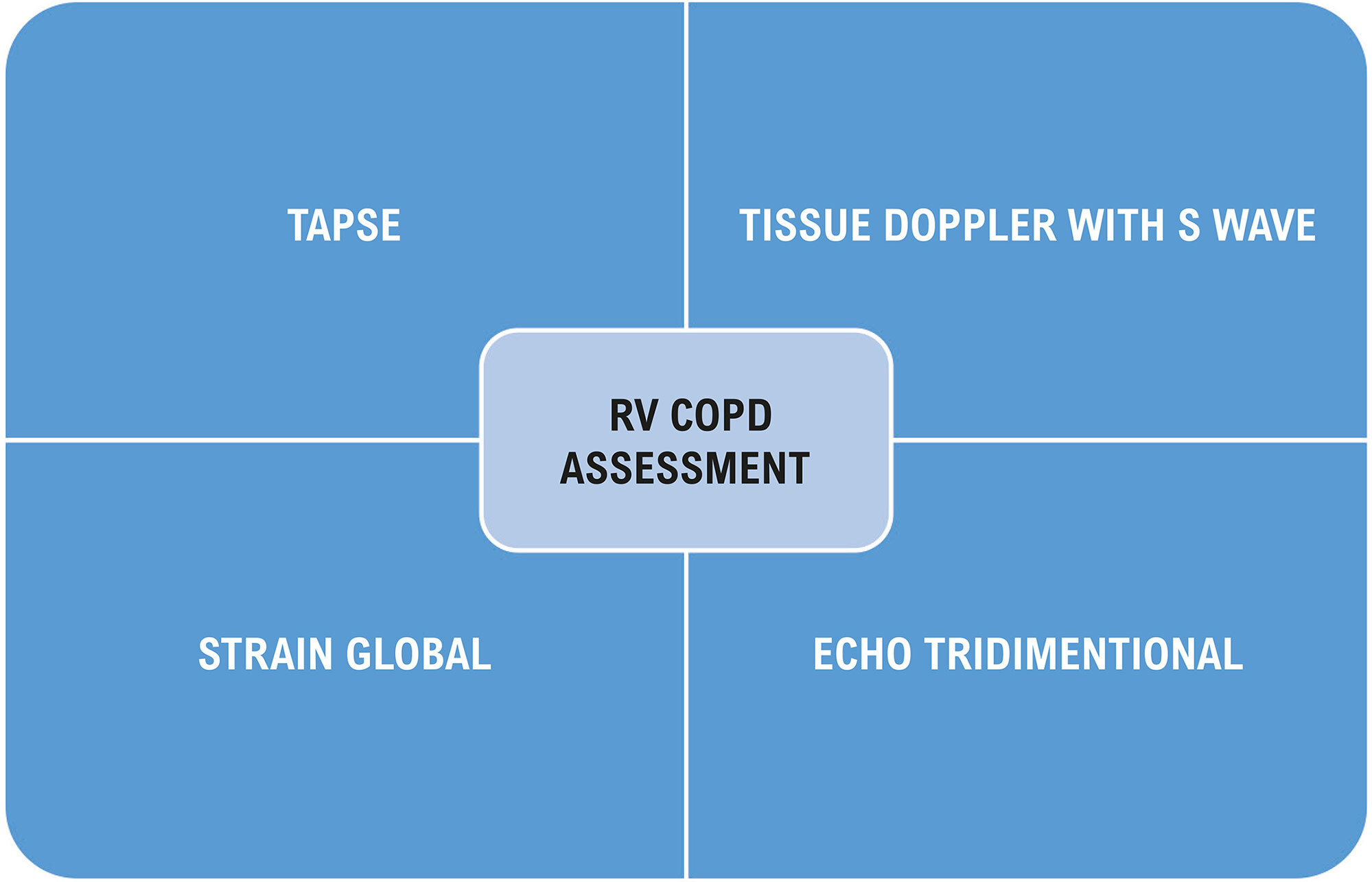
Chronic obstructive pulmonary disease (COPD) is a lung disease that often has an indolent course and systemic repercussions. Its main cause is constant and prolonged exposure to cigarette smoke or other gases. Such particles lead to reduced airflow and consequent lung hyperinflation with varying degrees of airway obstruction, also causing skeletal muscle dysfunction, respiratory failure, and decreased peripheral blood flow. COPD patients with concomitant cardiovascular disease (CVD) have a worse prognosis than simply the prognosis of each disease alone. However, it is difficult to establish what the risk is for a given group of patients due to the complex network of etiological and pathophysiological interactions underlying both diseases. Quantitative and qualitative echocardiographic assessment of right ventricular function is becoming of increasing interest in cardiac diseases that affect the right ventricle (RV), such as congenital heart disease and pulmonary hypertension (PH). However, it is still challenging due to the complex anatomy of the RV. The objective is to revisit the echocardiographic parameters that functionally assess the RV in patients with COPD, even if they do not present clinical signs of ventricular dysfunction.

  • Chronic Obstructive Pulmonary Disease
  • Doppler Echocardiography
  • Global Longitudinal Strain
  • Right Ventricular Dysfunction
Read Full Article
Creative Commons Attribution (CC BY) Creative Commons license
19/03/2025 DOI: 10.36660/abchf.20240046i Views 1
Figure 1
Case Report

Cardiac Sarcoidosis and Complex Arrhythmias

Anna Luiza Souza et al. Renata dos Santos Oliveira Ana Paula Lindoso Lima Barreiro Mauricio Lopes Prudente … Rodrigo Paashaus de Andrade Giulliano Gardenghi

Introduction

Sarcoidosis is a multisystem inflammatory granulomatous disease of unknown cause, related to genetic factors, with an incidence of 1 to 30 cases/100,000 people, and is more prevalent in women over 50 years of age. The formation of scar tissue characterizes it and can affect any organ, with a predilection for the lungs in approximately 90% of cases. Patients with cardiac involvement are mainly male and, in general, have a worse prognosis, with high mortality rates observed in this population (85% of deaths).,

The scar substrate in the myocardium, which presents as multifocal and heterogeneous, is related to several cardiac manifestations. Among the most common, we can mention left ventricular dysfunctions, atrioventricular conduction abnormalities, and ventricular and supraventricular arrhythmias, such as ventricular tachycardia and atrial fibrillation, which can lead, in some cases, to sudden death. In view of this, the use of antiarrhythmic drugs is necessary in clinical practice in most patients, aiming at the control of arrhythmias, especially those of ventricular origin, and consequently improving the quality of life and reducing mortality. In this work, we report the therapeutic management of a case of cardiac sarcoidosis associated with prolonged QT interval that evolved with complex ventricular tachycardia (VT).

[…]

  • Cardiac Arrhythmias
  • Long QT Syndrome
  • Sarcoidosis
Read Full Article
Creative Commons Attribution (CC BY) Creative Commons license
19/03/2025 DOI: 10.36660/abchf.20240062i Views 1

How to cite this article

EndNote RIS

Electronic Document Format (Vancouver)

Bernardi HGB, Belfort DSP, Biselli B, Chizzola PR, Munhoz RT, Ayub-Ferreira SM, Bocchi EA, et al. Reversal of Type 2 Pulmonary Hypertension after Levosimendan: A Challenging Approach Bringing New Insights. ABC Heart Fail Cardiomyop 2025;5(1):e20250012.

Electronic Document Format (ABNT)

Bernardi, Helena Garcia Betinardi; Belfort, Deborah de Sá Pereira; Biselli, Bruno; Chizzola, Paulo Roberto; Munhoz, Robinson Tadeu; Ayub-Ferreira, Silvia M.; Bocchi, Edimar Alcides. Reversal of Type 2 Pulmonary Hypertension after Levosimendan: A Challenging Approach Bringing New Insights. ABC Heart Fail Cardiomyop, v. 5, n. 1, e20250012, Apr. 2025.

Electronic Document Format (APA)

Bernardi, H. G. B., Belfort, D. S. P., Biselli, B., Chizzola, P. R., Munhoz, R. T., Ayub-Ferreira, S. M., & Bocchi, E. A. (2025). Reversal of Type 2 Pulmonary Hypertension after Levosimendan: A Challenging Approach Bringing New Insights. ABC Heart Fail Cardiomyop, 5(1), e20250012.

Electronic Document Format (ISO)

Bernardi, Helena Garcia Betinardi and Belfort, Deborah de Sá Pereira and Biselli, Bruno and Chizzola, Paulo Roberto and Munhoz, Robinson Tadeu and Ayub-Ferreira, Silvia M. and Bocchi, Edimar Alcides. Reversal of Type 2 Pulmonary Hypertension after Levosimendan: A Challenging Approach Bringing New Insights. ABC Heart Fail Cardiomyop [online]. 2025, vol. 5, n. 1, [cited 2026-10-14], e20250012. Available from: <https://journals.cardiol.br/en/article/reversal-of-type-2-pulmonary-hypertension-after-levosimendan-a-challenging-approach-bringing-new-insights/>

EndNote RIS

Electronic Document Format (Vancouver)

Pires LVL, Correia VM, Lipari LFVP, Andrade FA, Fernandes F, Madrini Junior V, Carvalho MLP, et al. Exploring MYH7 in Cardiomyopathies: Genetic Drivers and Clinical Outcomes. ABC Heart Fail Cardiomyop 2025;5(1):e20240054.

Electronic Document Format (ABNT)

Pires, Lucas Vieira Lacerda; Correia, Vinícius Machado; Lipari, Layara Fernanda Vicente Pereira; Andrade, Fernanda Almeida; Fernandes, Fábio; Madrini Junior, Vagner; Carvalho, Mariana Lombardi Peres de; Napolitano, Giovanna; Silva, Elisangela Aparecida da; Vilalva, Kelvin Henrique; Val, Vitória Pelegrino do; Krieger, José Eduardo. Exploring MYH7 in Cardiomyopathies: Genetic Drivers and Clinical Outcomes. ABC Heart Fail Cardiomyop, v. 5, n. 1, e20240054, Apr. 2025.

Electronic Document Format (APA)

Pires, L. V. L., Correia, V. M., Lipari, L. F. V. P., Andrade, F. A., Fernandes, F., Madrini Junior, V., Carvalho, M. L. P. , Napolitano, G., Silva, E. A. , Vilalva, K. H., Val, V. P. , & Krieger, J. E. (2025). Exploring MYH7 in Cardiomyopathies: Genetic Drivers and Clinical Outcomes. ABC Heart Fail Cardiomyop, 5(1), e20240054.

Electronic Document Format (ISO)

Pires, Lucas Vieira Lacerda and Correia, Vinícius Machado and Lipari, Layara Fernanda Vicente Pereira and Andrade, Fernanda Almeida and Fernandes, Fábio and Madrini Junior, Vagner and Carvalho, Mariana Lombardi Peres de and Napolitano, Giovanna and Silva, Elisangela Aparecida da and Vilalva, Kelvin Henrique and Val, Vitória Pelegrino do and Krieger, José Eduardo. Exploring MYH7 in Cardiomyopathies: Genetic Drivers and Clinical Outcomes. ABC Heart Fail Cardiomyop [online]. 2025, vol. 5, n. 1, [cited 2026-10-14], e20240054. Available from: <https://journals.cardiol.br/en/article/exploring-myh7-in-cardiomyopathies-genetic-drivers-and-clinical-outcomes/>

EndNote RIS

Electronic Document Format (Vancouver)

Gomes JNA, Campos MSB, Aragão CAS, Sousa AC. New Perspectives in the Treatment of Heart Failure with Preserved Ejection Fraction with SGLT-2 Inhibitors. ABC Heart Fail Cardiomyop 2025;5(1):e20240032.

Electronic Document Format (ABNT)

Gomes, José Natthananel de Aquino; Campos, Milena dos Santos Barros; Aragão, Carlos Aurélio Santos; Sousa, Antonio Carlos. New Perspectives in the Treatment of Heart Failure with Preserved Ejection Fraction with SGLT-2 Inhibitors. ABC Heart Fail Cardiomyop, v. 5, n. 1, e20240032, Apr. 2025.

Electronic Document Format (APA)

Gomes, J. N. A., Campos, M. S. B., Aragão, C. A. S., & Sousa, A. C. (2025). New Perspectives in the Treatment of Heart Failure with Preserved Ejection Fraction with SGLT-2 Inhibitors. ABC Heart Fail Cardiomyop, 5(1), e20240032.

Electronic Document Format (ISO)

Gomes, José Natthananel de Aquino and Campos, Milena dos Santos Barros and Aragão, Carlos Aurélio Santos and Sousa, Antonio Carlos. New Perspectives in the Treatment of Heart Failure with Preserved Ejection Fraction with SGLT-2 Inhibitors. ABC Heart Fail Cardiomyop [online]. 2025, vol. 5, n. 1, [cited 2026-10-14], e20240032. Available from: <https://journals.cardiol.br/en/article/new-perspectives-in-the-treatment-of-heart-failure-with-preserved-ejection-fraction-with-sglt-2-inhibitors/>

EndNote RIS

Electronic Document Format (Vancouver)

Bispo IGA, Chaves GM, Fernandes MG, Yamamoto LH, Almeida GA. The Use of Sodium-Glucose Cotransporter2 (SGLT2) Inhibitors in Patients with Reduced Ejection Fraction: An Integrative Review. ABC Heart Fail Cardiomyop 2025;5(1):20240048.

Electronic Document Format (ABNT)

Bispo, Irving Gabriel Araújo; Chaves, Guilherme Martins; Fernandes, Mariana Gonçalves; Yamamoto, Larissa Hiromi; Almeida, Giulia Amorim. The Use of Sodium-Glucose Cotransporter2 (SGLT2) Inhibitors in Patients with Reduced Ejection Fraction: An Integrative Review. ABC Heart Fail Cardiomyop, v. 5, n. 1, 20240048, Mar. 2025.

Electronic Document Format (APA)

Bispo, I. G. A., Chaves, G. M., Fernandes, M. G., Yamamoto, L. H., & Almeida, G. A. (2025). The Use of Sodium-Glucose Cotransporter2 (SGLT2) Inhibitors in Patients with Reduced Ejection Fraction: An Integrative Review. ABC Heart Fail Cardiomyop, 5(1), 20240048.

Electronic Document Format (ISO)

Bispo, Irving Gabriel Araújo and Chaves, Guilherme Martins and Fernandes, Mariana Gonçalves and Yamamoto, Larissa Hiromi and Almeida, Giulia Amorim. The Use of Sodium-Glucose Cotransporter2 (SGLT2) Inhibitors in Patients with Reduced Ejection Fraction: An Integrative Review. ABC Heart Fail Cardiomyop [online]. 2025, vol. 5, n. 1, [cited 2026-10-14], 20240048. Available from: <https://journals.cardiol.br/en/article/the-use-of-sodium-glucose-cotransporter2-sglt2-inhibitors-in-patients-with-reduced-ejection-fraction-an-integrative-review/>

EndNote RIS

Electronic Document Format (Vancouver)

Andrade FA, Stephan BO, Furquim SR, Linnenkamp BDW, Pires LVL, Val VP, Buriti NA, et al. Exploring the Role of ALPK3 Variants in Hypertrophic and Dilated Cardiomyopathies. ABC Heart Fail Cardiomyop 2025;5(1):e20240058.

Electronic Document Format (ABNT)

Andrade, Fernanda Almeida; Stephan, Bruno de Oliveira; Furquim, Silas Ramos; Linnenkamp, Bianca Domit Werner; Pires, Lucas Vieira Lacerda; Val, Vitória Pelegrino do; Buriti, Nara Alves; Lipari, Layara Fernanda Vicente Pereira; Correia, Vinícius Machado; Krieger, José Eduardo. Exploring the Role of ALPK3 Variants in Hypertrophic and Dilated Cardiomyopathies. ABC Heart Fail Cardiomyop, v. 5, n. 1, e20240058, Mar. 2025.

Electronic Document Format (APA)

Andrade, F. A., Stephan, B. O., Furquim, S. R., Linnenkamp, B. D. W., Pires, L. V. L., Val, V. P. , Buriti, N. A., Lipari, L. F. V. P., Correia, V. M., & Krieger, J. E. (2025). Exploring the Role of ALPK3 Variants in Hypertrophic and Dilated Cardiomyopathies. ABC Heart Fail Cardiomyop, 5(1), e20240058.

Electronic Document Format (ISO)

Andrade, Fernanda Almeida and Stephan, Bruno de Oliveira and Furquim, Silas Ramos and Linnenkamp, Bianca Domit Werner and Pires, Lucas Vieira Lacerda and Val, Vitória Pelegrino do and Buriti, Nara Alves and Lipari, Layara Fernanda Vicente Pereira and Correia, Vinícius Machado and Krieger, José Eduardo. Exploring the Role of ALPK3 Variants in Hypertrophic and Dilated Cardiomyopathies. ABC Heart Fail Cardiomyop [online]. 2025, vol. 5, n. 1, [cited 2026-10-14], e20240058. Available from: <https://journals.cardiol.br/en/article/exploring-the-role-of-alpk3-variants-in-hypertrophic-and-dilated-cardiomyopathies/>

EndNote RIS

Electronic Document Format (Vancouver)

Sousa KKC, Maia FGSS, Diniz RVZ, Costa CKRA, Costa BA, Mastrocola F. Dilated Cardiomyopathy Associated With A Novel Truncated Filamin C Variant Mimicking Cardiac Amyloidosis: A Diagnostic Challenge. ABC Heart Fail Cardiomyop 2025;5(1):e20240053.

Electronic Document Format (ABNT)

Sousa, Kelson Kemuel Confessor de; Maia, Ferdinand Gilbert Saraiva da Silva; Diniz, Rosiane Viana Zuza; Costa, Carla Karini R. A.; Costa, Beatriz Andrade da; Mastrocola, Fabio. Dilated Cardiomyopathy Associated With A Novel Truncated Filamin C Variant Mimicking Cardiac Amyloidosis: A Diagnostic Challenge. ABC Heart Fail Cardiomyop, v. 5, n. 1, e20240053, Mar. 2025.

Electronic Document Format (APA)

Sousa, K. K. C. , Maia, F. G. S. S., Diniz, R. V. Z., Costa, C. K. R. A., Costa, B. A. , & Mastrocola, F. (2025). Dilated Cardiomyopathy Associated With A Novel Truncated Filamin C Variant Mimicking Cardiac Amyloidosis: A Diagnostic Challenge. ABC Heart Fail Cardiomyop, 5(1), e20240053.

Electronic Document Format (ISO)

Sousa, Kelson Kemuel Confessor de and Maia, Ferdinand Gilbert Saraiva da Silva and Diniz, Rosiane Viana Zuza and Costa, Carla Karini R. A. and Costa, Beatriz Andrade da and Mastrocola, Fabio. Dilated Cardiomyopathy Associated With A Novel Truncated Filamin C Variant Mimicking Cardiac Amyloidosis: A Diagnostic Challenge. ABC Heart Fail Cardiomyop [online]. 2025, vol. 5, n. 1, [cited 2026-10-14], e20240053. Available from: <https://journals.cardiol.br/en/article/dilated-cardiomyopathy-associated-with-a-novel-truncated-filamin-c-variant-mimicking-cardiac-amyloidosis-a-diagnostic-challenge/>

EndNote RIS

Electronic Document Format (Vancouver)

Bispo IGA, Brambila VM, Chagas GC, Pereira MLRG, Melo MAM. Echocardiographic Parameters for Evaluating the Right Ventricle in Patients with Chronic Obstructive Pulmonary Disease: Literature Review. ABC Heart Fail Cardiomyop 2025;5(1):e20240046.

Electronic Document Format (ABNT)

Bispo, Irving Gabriel Araújo; Brambila, Vitor Morais; Chagas, Gabriela Câmara; Pereira, Maria Luisa Ribeiro Gonçalves; Melo, Maria Angélica Miqueri de. Echocardiographic Parameters for Evaluating the Right Ventricle in Patients with Chronic Obstructive Pulmonary Disease: Literature Review. ABC Heart Fail Cardiomyop, v. 5, n. 1, e20240046, Mar. 2025.

Electronic Document Format (APA)

Bispo, I. G. A., Brambila, V. M., Chagas, G. C., Pereira, M. L. R. G., & Melo, M. A. M. (2025). Echocardiographic Parameters for Evaluating the Right Ventricle in Patients with Chronic Obstructive Pulmonary Disease: Literature Review. ABC Heart Fail Cardiomyop, 5(1), e20240046.

Electronic Document Format (ISO)

Bispo, Irving Gabriel Araújo and Brambila, Vitor Morais and Chagas, Gabriela Câmara and Pereira, Maria Luisa Ribeiro Gonçalves and Melo, Maria Angélica Miqueri de. Echocardiographic Parameters for Evaluating the Right Ventricle in Patients with Chronic Obstructive Pulmonary Disease: Literature Review. ABC Heart Fail Cardiomyop [online]. 2025, vol. 5, n. 1, [cited 2026-10-14], e20240046. Available from: <https://journals.cardiol.br/en/article/echocardiographic-parameters-for-evaluating-the-right-ventricle-in-patients-with-chronic-obstructive-pulmonary-disease-literature-review/>

EndNote RIS

Electronic Document Format (Vancouver)

Souza AL, Oliveira RS, Barreiro APLL, Prudente ML, Andrade RP, Gardenghi G. Cardiac Sarcoidosis and Complex Arrhythmias. ABC Heart Fail Cardiomyop 2025;5(1):e20240062.

Electronic Document Format (ABNT)

Souza, Anna Luiza; Oliveira, Renata dos Santos; Barreiro, Ana Paula Lindoso Lima; Prudente, Mauricio Lopes; Andrade, Rodrigo Paashaus de; Gardenghi, Giulliano. Cardiac Sarcoidosis and Complex Arrhythmias. ABC Heart Fail Cardiomyop, v. 5, n. 1, e20240062, Mar. 2025.

Electronic Document Format (APA)

Souza, A. L., Oliveira, R. S., Barreiro, A. P. L. L., Prudente, M. L., Andrade, R. P. , & Gardenghi, G. (2025). Cardiac Sarcoidosis and Complex Arrhythmias. ABC Heart Fail Cardiomyop, 5(1), e20240062.

Electronic Document Format (ISO)

Souza, Anna Luiza and Oliveira, Renata dos Santos and Barreiro, Ana Paula Lindoso Lima and Prudente, Mauricio Lopes and Andrade, Rodrigo Paashaus de and Gardenghi, Giulliano. Cardiac Sarcoidosis and Complex Arrhythmias. ABC Heart Fail Cardiomyop [online]. 2025, vol. 5, n. 1, [cited 2026-10-14], e20240062. Available from: <https://journals.cardiol.br/en/article/cardiac-sarcoidosis-and-complex-arrhythmias/>

Sede – Rio de Janeiro
Av. Marechal Câmara, 160
3º andar – Sala: 330 – Centro
Rio de Janeiro – CEP: 20020-907
Tel.: (+55 21) 3478-2700
ou (21) 99386-3961
E-mail: abcheartfailure@cardiol.br

Sede – São Paulo
Alameda Santos, 705 – 11º andar
Cerqueira César | São Paulo
CEP: 01419-001
Tel.: (55 +11) 3411-5500
E-mail: abcheartfailure@cardiol.br

  • About the Journal
  • Internal Regulation
  • Editors Section
  • Editorial Board
  • SBC Award

  • Guidelines for Publication
  • Editorial Policy
  • Ethics Policy
  • Policy on the Use of Artificial Intelligence
  • Mandatory Publication Form

Issues

SBC Guidelines