Echocardiographic Parameters for Evaluating the Right Ventricle in Patients with Chronic Obstructive Pulmonary Disease: Literature Review
Abstract
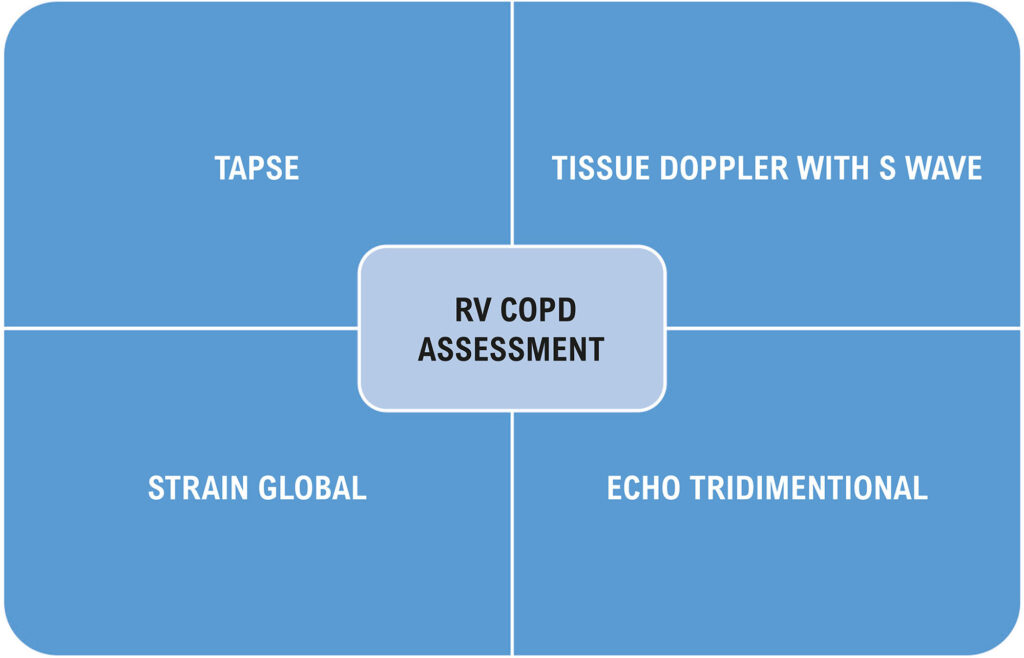
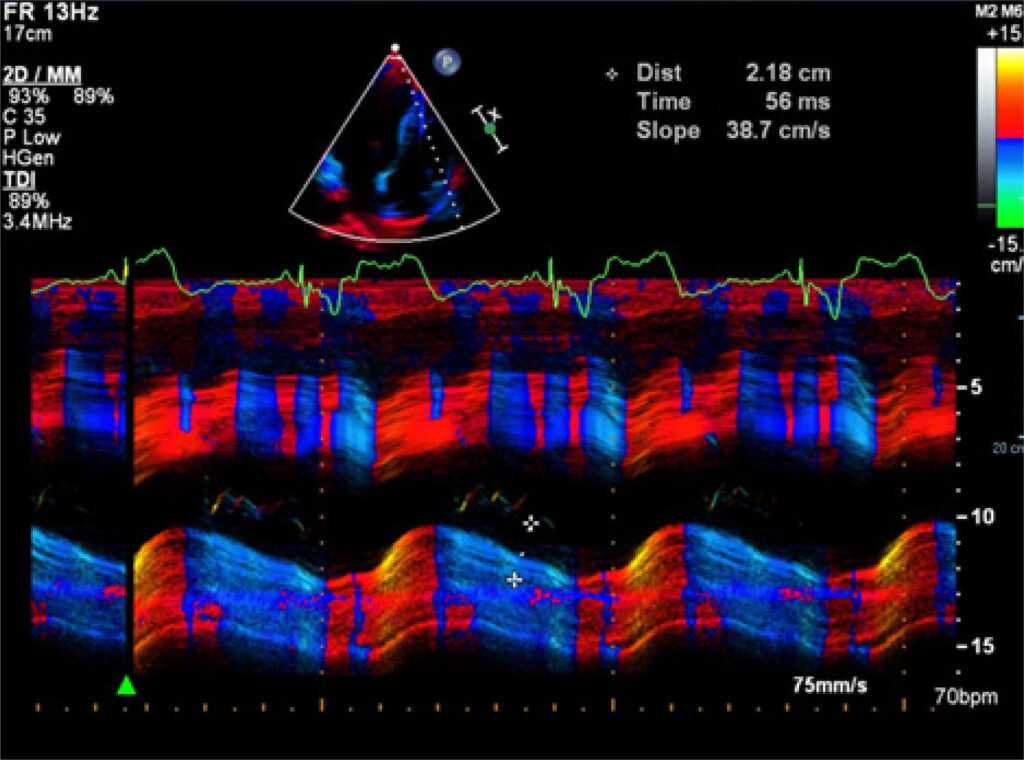
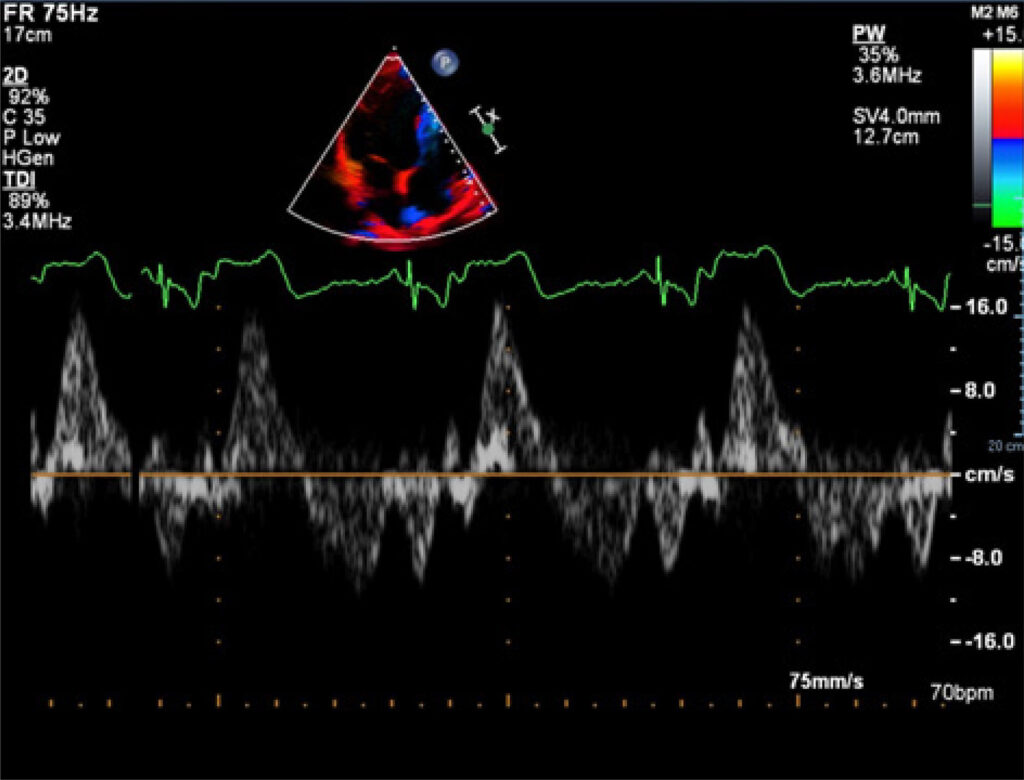
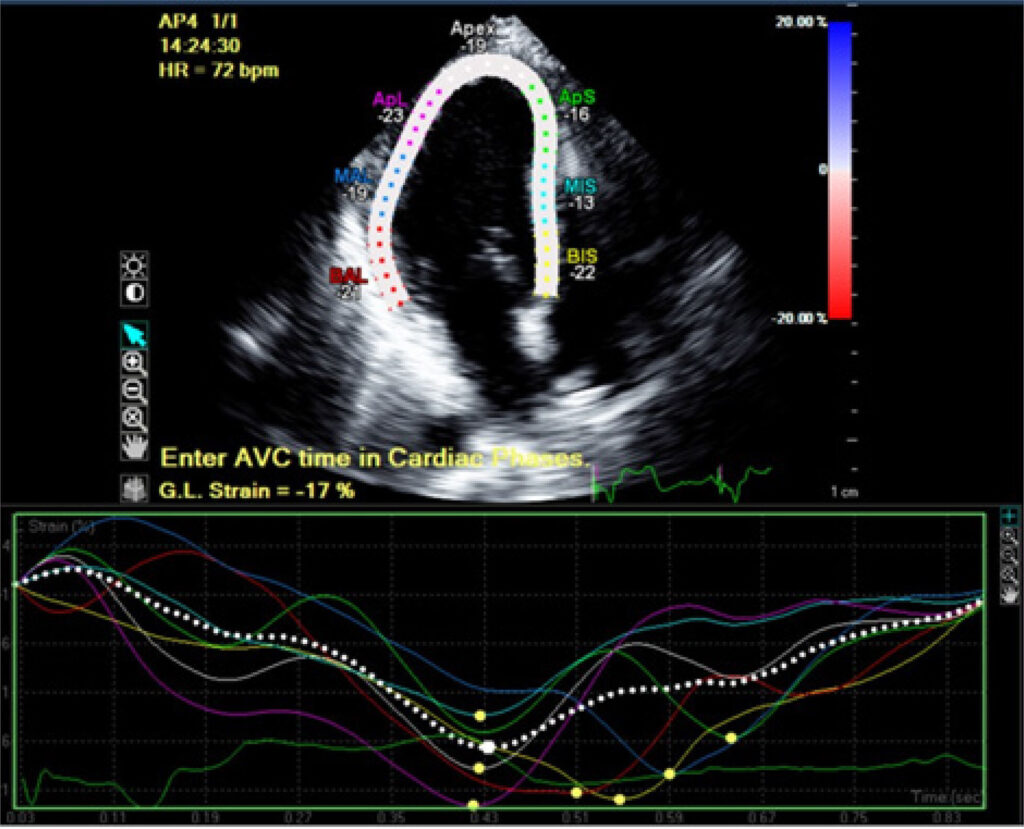
Chronic obstructive pulmonary disease (COPD) is a lung disease that often has an indolent course and systemic repercussions. Its main cause is constant and prolonged exposure to cigarette smoke or other gases. Such particles lead to reduced airflow and consequent lung hyperinflation with varying degrees of airway obstruction, also causing skeletal muscle dysfunction, respiratory failure, and decreased peripheral blood flow. COPD patients with concomitant cardiovascular disease (CVD) have a worse prognosis than simply the prognosis of each disease alone. However, it is difficult to establish what the risk is for a given group of patients due to the complex network of etiological and pathophysiological interactions underlying both diseases. Quantitative and qualitative echocardiographic assessment of right ventricular function is becoming of increasing interest in cardiac diseases that affect the right ventricle (RV), such as congenital heart disease and pulmonary hypertension (PH). However, it is still challenging due to the complex anatomy of the RV. The objective is to revisit the echocardiographic parameters that functionally assess the RV in patients with COPD, even if they do not present clinical signs of ventricular dysfunction.
Images
Image gallery fullscreen viewer
Comments are moderated by the editorial team before publication. Discussions should be evidence-based and use scientific language. Conflicts of interest should be declared.