| ABCHF
ABC Family Arquivos Brasileiros de Cardiologia International Journal of Cardiovascular Sciences ABC Heart Failure & Cardiomyopathy ABC Imagem Cardiovascular
Português English
ABC Family | ABCHF
Português English
  • About
    • About the Journal
    • Internal Regulation
    • Editors Section
    • Editorial Board
    • SBC Award
  • Instructions to Authors
    • Guidelines for Publication
    • Editorial Policy
    • Ethics Policy
    • Policy on the Use of Artificial Intelligence
    • Mandatory Publication Form
  • Issues
  • SBC Guidelines
  • About
    • About the Journal
    • Internal Regulation
    • Editors Section
    • Editorial Board
    • SBC Award
  • Instructions to Authors
    • Guidelines for Publication
    • Editorial Policy
    • Ethics Policy
    • Policy on the Use of Artificial Intelligence
    • Mandatory Publication Form
  • Issues
  • SBC Guidelines

ABC Family

  • ABC Family
  • Arquivos Brasileiros de Cardiologia
  • International Journal of Cardiovascular Sciences
  • ABC Heart Failure & Cardiomyopathy
  • ABC Imagem Cardiovascular
Search in

No content found.

Journals
Ordering
Article types
Others

  1. Home
  2. ABCHF
  3. Issues
  4. 2024, Volume 4, Number 2
Figure 1
Original Article

Characteristics and Prognosis of Patients with Acute Heart Failure According to the Universal Ejection Fraction Classification

Michelle Bozko Collini et al. Gustavo Sarot Pereira da Cunha Leonardo Henrique dos Santos de Melo Matheus Bissa Duarte Ferreira … Jorge Tadashi Daikubara Neto Rafael Moretti Carolina Ruschel Senger Karoline Cordeiro Vercka Jessica Tamires Reichert Lucas Muller Prado Jamilly Giuriatti Anziliero Eduardo Leal Adam Raphael Henrique Déa Cirino Miguel Morita Fernandes-Silva

Abstract

Background:

The universal classification of heart failure (HF) defined four categories based on ejection fraction (EF). Although it has been shown these EF-based categories have distinct prognoses and responses to treatment, most of the data has been focused on chronic HF.

Objectives:

We compared the prognosis and characteristics of patients with acute HF according to the universal EF classification.

Methods:

We performed a prospective cohort study of patients admitted to a tertiary hospital for acute HF. Patients were classified into the four categories of the universal EF classification: reduced (HFrEF), mildly reduced (HFmrEF), preserved (HFpEF), and improved (HFimpEF), based on an echocardiogram conducted during the hospitalization. The primary outcome was all-cause death in six months of follow-up.

Results:

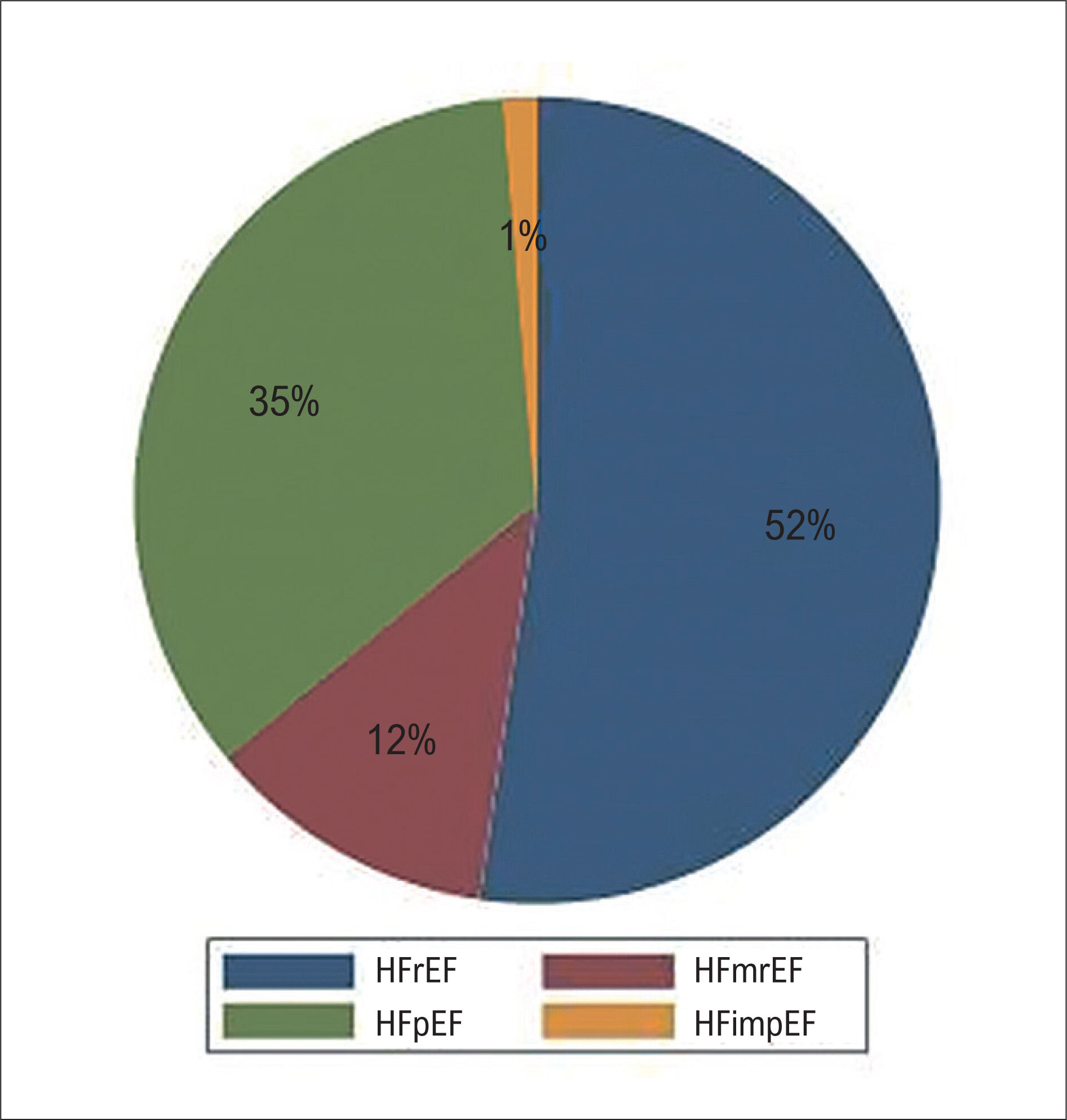
153 patients hospitalized for acute HF (67.2 ± 14.9 years, 50.3% female, EF = 43.8 ± 17.6%) were included, being 52% HFrEF, 35% HFpEF, 12% HFmrEF, and 1% HFimpEF. HFrEF patients were more likely to have an ischemic etiology (42.5%), while HFpEF patients were more likely female (67.3%), had hypertension (90.9%) and atrial fibrillation (49.1%). Six-month mortality was similar among HFrEF, HFpEF, and HFmrEF categories (15% vs 20% vs 11%, respectively, Log-rank p = 0.75), and change in EF from a previous echocardiogram was not associated with outcomes.

Conclusion:

In patients with acute HF, the EF categories from the universal classification had similar mortality rates. The proportion of patients with improved EF was very small in patients with acute HF and improvement of EF was not associated with better outcomes.
  • Heart Failure
  • Prognosis
  • Stroke Volume
Read Full Article
Creative Commons Attribution (CC BY) Creative Commons license
18/10/2024 DOI: 10.36660/abchf.20240035i Views 1
De Novo Versus Upgrade Cardiac Resynchronization Therapy in Patients with Heart Failure: A Cohort Study
Original Article

De Novo Versus Upgrade Cardiac Resynchronization Therapy in Patients with Heart Failure: A Cohort Study

William Carvalho et al. Luíz Carlos Santana Passos Tainá Teixeira Viana Gustavo Pinheiro Santana … Jackson Pedro Barros-Pereira Fernanda Pinheiro Martin Tapioca Caio Rebouças Fonseca Cafezeiro

Abstract

Background:

Cardiac resynchronization therapy (CRT) is beneficial for patients with heart failure (HF) who have left bundle branch block. However, the benefits of CRT in patients with prior cardiac stimulation remain uncertain.

Objective:

Compare short-term mortality between upgrade and de novo CRT implantation.

Methods:

This prospective cohort study included patients with HF indicated for CRT with left ventricular ejection fraction (LVEF) below 35%. Overall survival was assessed using the Kaplan–Meier method, and multivariate analysis was performed using a Cox regression model.

Results:

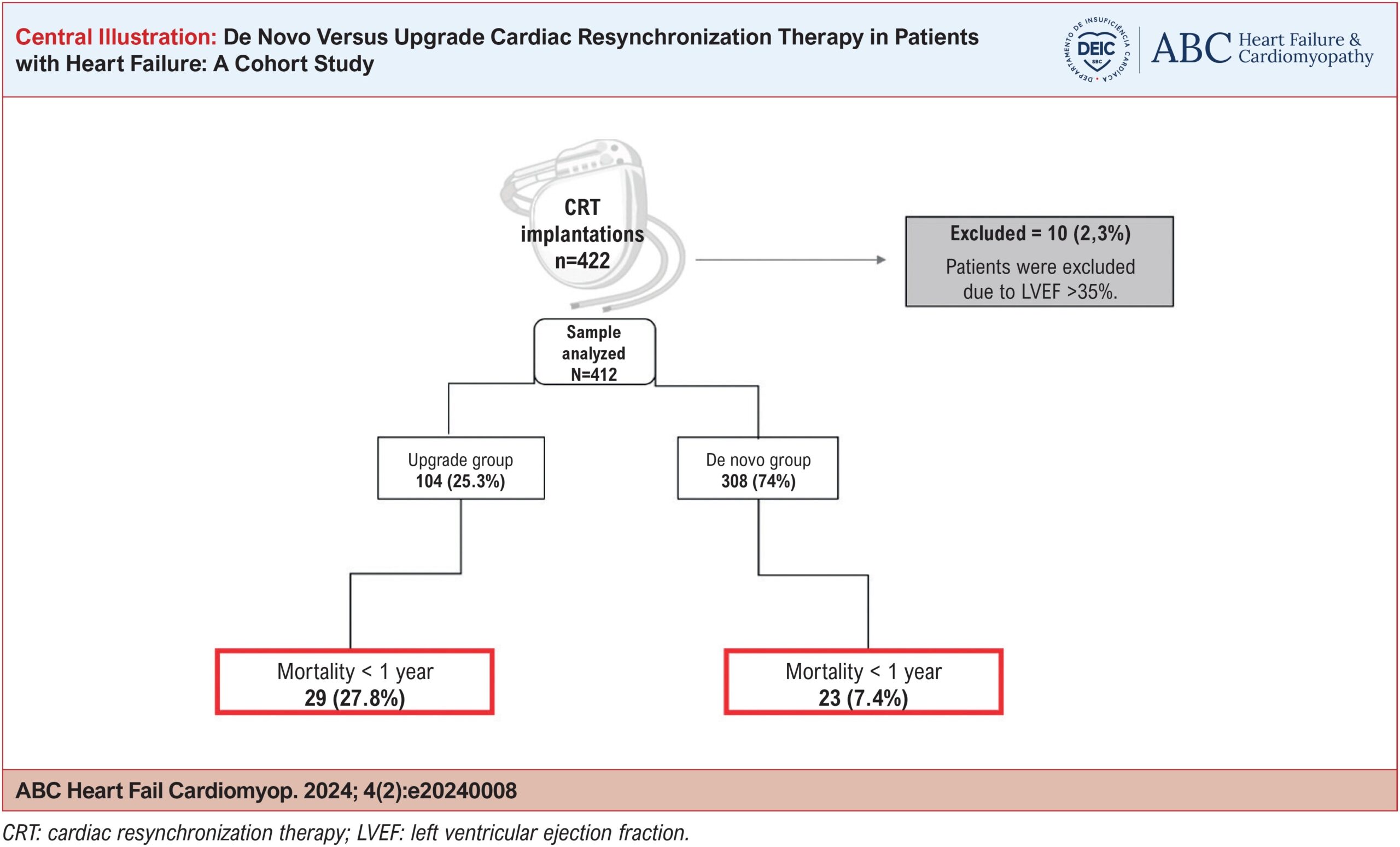
A total of 412 patients were evaluated, with a mean follow-up of 59 ± 8 months. Of these, 104 patients were in the upgrade group, while 308 patients were included in the de novo group. Chagas disease was the most prevalent cause of HF, accounting for 148 cases (36%). While the de novo group progressed with an increase in LVEF (from 25% ± 6.7% to 28% ± 16.3%, p = 0.005), patients who underwent upgrade did not show a statistically significant difference in LVEF at 6 months (from 27.5% ± 6.9% to 27.5% ± 15.5%, p = 0.6). Overall mortality at 1 year was 122 cases (29.6%). In multivariate analysis, only LVEF and CRT upgrade remained independently associated with the outcome (hazard ratio: 0.93, confidence interval: 0.90 to 0.97, p = 0.001 and hazard ratio: 2.90, confidence interval: 1.21 to 7.10, p = 0.002, respectively).

Conclusion:

In this population with HF, the upgrade group was associated with higher 1-year mortality when compared with the de novo group.

  • Chagas Cardiomyopathy
  • Chagas disease
  • Heart Failure
  • Implantable Defibrillators
Read Full Article
Creative Commons Attribution (CC BY) Creative Commons license
31/08/2024 DOI: 10.36660/abchf.20240008i Views 1
Figure 1
Viewpoint

Is Your "Dry" Patient Really Not Congested? Physiological Basis and Clinical Use of Valsalva's Maneuver in Heart Failure

Renata R. T. Castro

Introduction

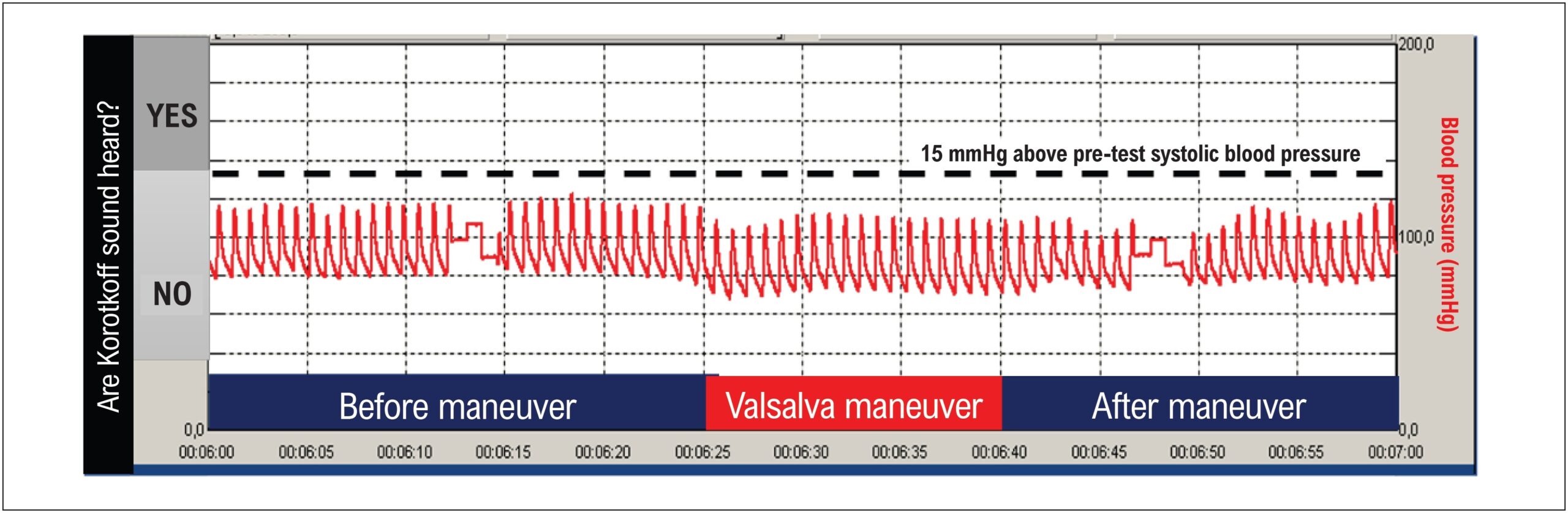
In 2003, Nohria et al. published a manuscript considered a game-changer in acute heart failure (HF) treatment. As by this manuscript, patients admitted with heart failure should be clinically classified into four hemodynamic profiles defined by the presence or absence of congestion and hypoperfusion. Congestion was defined by “recent history of orthopnea and/or physical exam evidence of rales, jugular venous distension, hepatojugular reflux, ascites, peripheral edema, left-ward radiation of the pulmonic heart sound, or a square wave blood pressure response to the Valsalva maneuver.”

More than 20 years after this publication, the Valsalva maneuver continues to be routinely used during clinical evaluation of patients admitted to the advanced heart failure service at the Brigham and Women’s Hospital (personal experience), where profiles were created and validated. However, despite the fact that clinical profile determination has become a routine procedure, few physicians have incorporated the Valsalva maneuver in their practices. To date, no study has compared the accuracy of the different clinical methods available for assessing congestion in patients with HF. Therefore, we should not categorize a patient as “dry” before all possibilities of congestion are excluded. It is possible that patients are being categorized as dry when, in fact, they have congestion that would only be identified by the Valsalva maneuver. Correct determination of hemodynamic profile is pivotal, as the existence of congestion and/or hypoperfusion guides the management of patients admitted with heart failure decompensation. This manuscript aims to review the physiological bases of the Valsalva maneuver, justifying and encouraging its use in clinical practice.

[…]

  • Heart Failure
  • Physical Examination
  • Valsalva Maneuver
Read Full Article
Creative Commons Attribution (CC BY) Creative Commons license
31/08/2024 DOI: 10.36660/abchf.20240039i Views 1
Figure 1
Case Report

Right Heart Failure Caused by Pericardial Mass: Case Report

Isabelle Padilha et al. Bárbara Cristina Amaro Rocha Gizana Carvalho Faria Keila Kristina Kusdra … Alyne Marció Maria Eduarda Andreatta Gilvan Magalhães Pinto Evandro de Campos Albino Rodrigo de Moura Joaquim

Case presentation

A 40-year-old male patient sought emergency care due to intensification of chronic epigastric pain on moderate exertion, without irradiation, and unrelated to food.

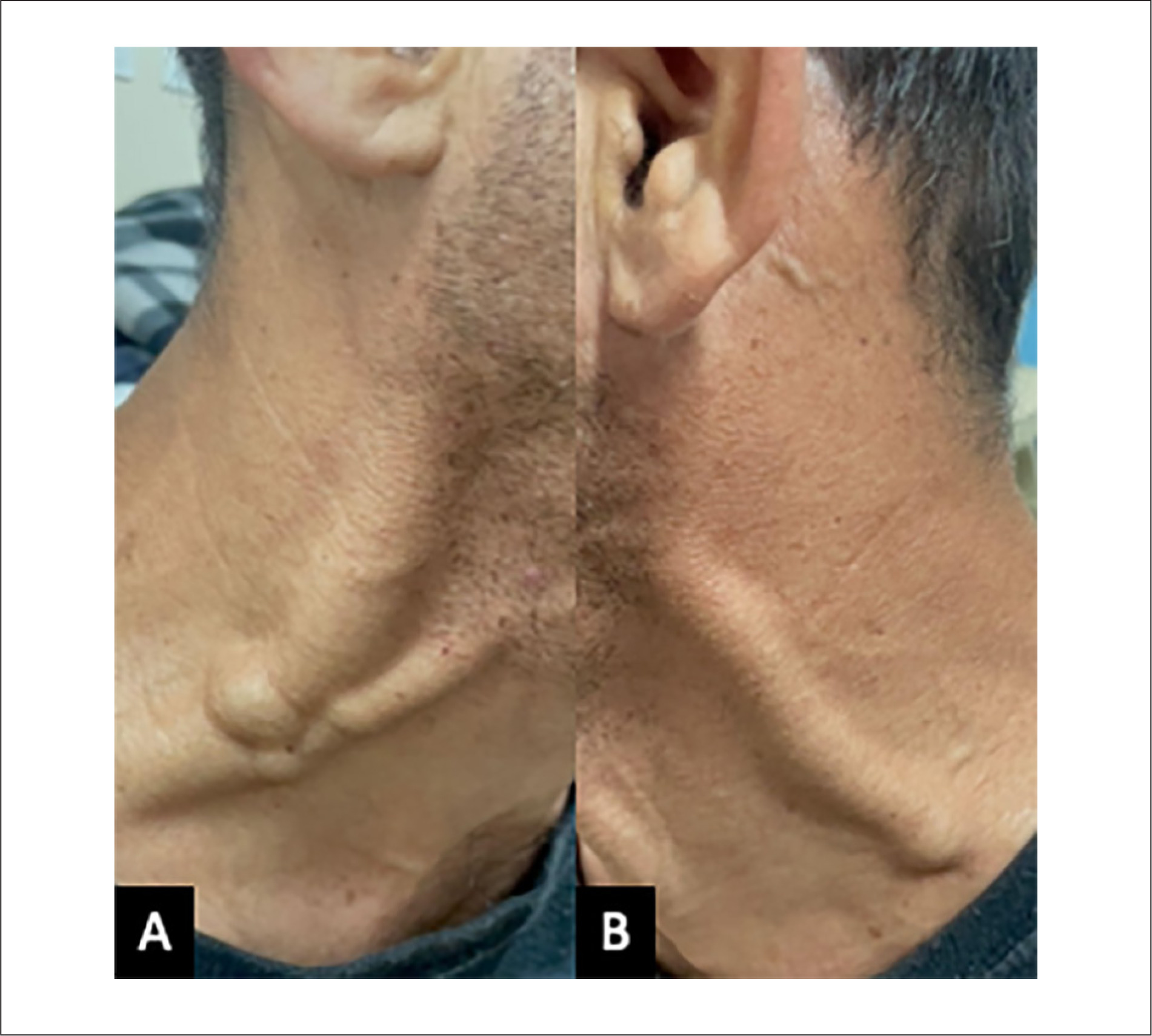
On physical examination, vitals, blood pressure 129/81 mmHg, pulse rate 88 beats per minute, respiratory rate 20 breaths per minute, oxygen saturation 98%. He presented significant bilateral jugular distension (), irregular heart rhythm, and midsystolic click at the low left sternal border, pulmonary auscultation had vesicular murmurs present bilaterally without other adventitious sounds, flaccid abdomen, painful on palpation of the epigastrium and right hypochondrium, without hepatic augmentation and symmetrical edema in lower limbs ++/4. Initial evaluation demonstrated those signs were of right heart failure.

[…]

  • Constrictive pericarditis
  • Heart Failure
  • Pericardium
Read Full Article
Creative Commons Attribution (CC BY) Creative Commons license
31/08/2024 DOI: 10.36660/abchf.20240006i Views 1
Image

Cardiac Tumor in the Left Atrium

Henrique Iahnke Garbin et al. Matheus Piccoli Machado Klauberg Géris Mazzutti

A

[…]

  • Heart Atria
  • Heart Failure
  • Heart Neoplasms
  • Ultrasonography
Read Full Article
Creative Commons Attribution (CC BY) Creative Commons license
07/08/2024 DOI: 10.36660/abchf.20240004i
Case Report

Takotsubo Syndrome and its Relationship with Major Depressive Disorder: Case Report

Wanessa Julia da Silva et al. Gabriel Sembeneli Pedro Petiti Arbex Bueno Rafaela Claro Rodrigues … Fernanda Meirelles Gil Flavia Lima Costa Faldoni Claudia Helena Cury Domingos

Introduction

Takotsubo syndrome (TTS) is a medical condition characterized by reversible regional dysfunction of the left ventricle (LV) and/or right ventricle. TTS is often triggered by situations of acute physical or emotional stress. It presents characteristics similar to an acute coronary syndrome (ACS) event, but without coronary abnormality evidenced by exams such as angiography. Furthermore, upon admission, patients with TTS also manifest substantially lower left ventricular ejection fraction (LVEF) values, when compared to those with ACS. Nonetheless, even with these lower levels, the chances of cardiovascular damage are lower, and the restoration of LVEF is more satisfactory.

Although the pathophysiology of TTS is complex and, in part, unknown, studies suggest that exacerbated sympathetic activation, confirmed by increased levels of plasma catecholamines, and adrenergic drugs may precipitate the condition. It predominantly occurs in postmenopausal women. However, it can affect younger women and men, and it is estimated that 1% to 3% of all patients and 5% to 6% of female patients who undergo coronary angiography due to suspected ACS have TTS. Reproductive and hormonal factors and stressful emotional events are associated with greater occurrence of TTS in women, whereas the physical factor is the most frequent agent in men, as well as in patients undergoing chemotherapy treatment.

[…]

  • Depression
  • Mental Disorders
  • Takotsubo Cardiomyopathy
Read Full Article
Creative Commons Attribution (CC BY) Creative Commons license
07/08/2024 DOI: 10.36660/abchf.20240003i Views 1
Figure 1
Case Report

Pulmonary Embolism and Light Chain Cardiac Amyloidosis with Progression to Heart Transplant

Thales Quintella Drummond et al. Lígia Lopes Balsalobre Trevizan Sandrigo Mangini Fernando Bacal

Introduction

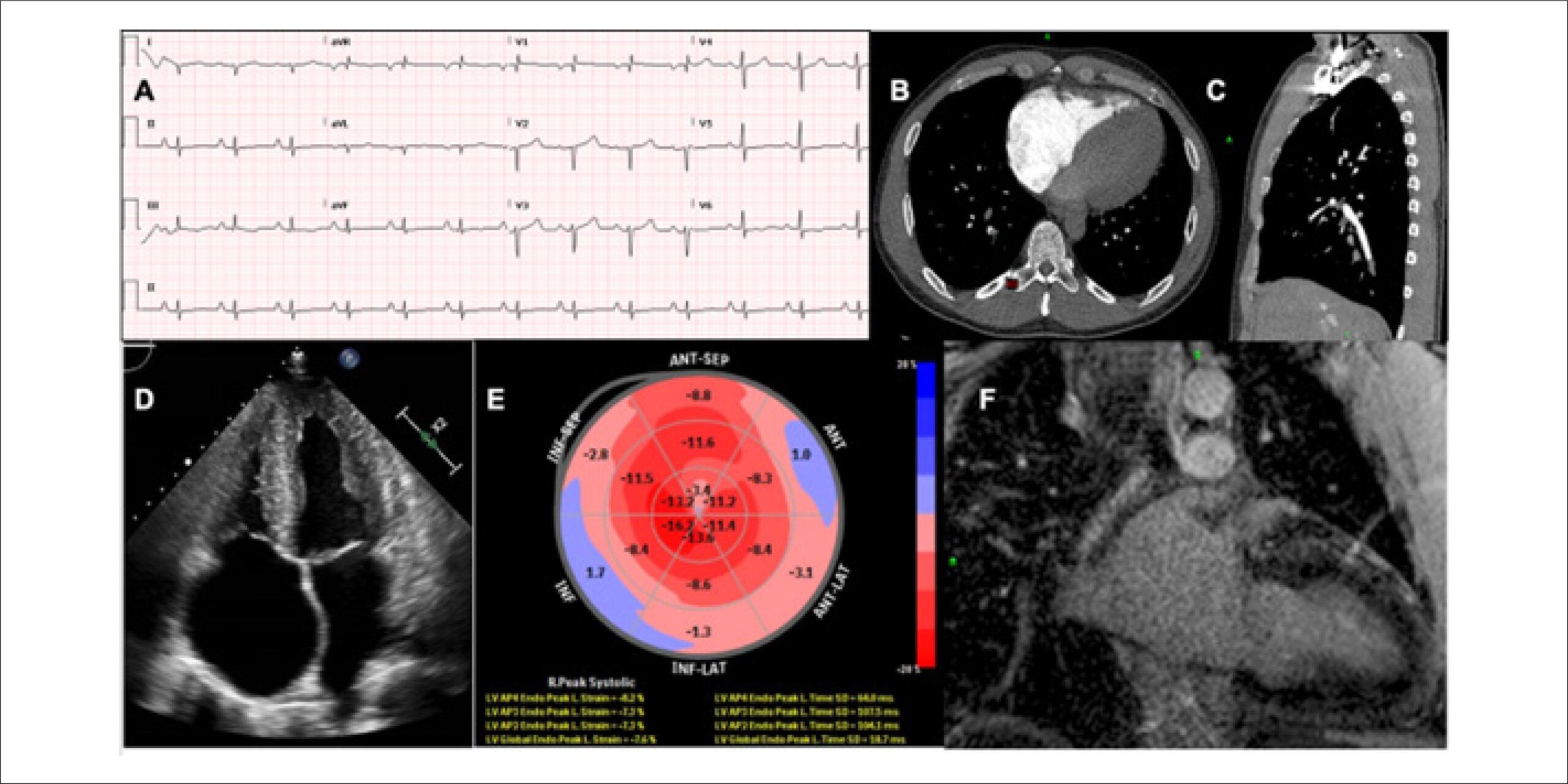
Cardiac amyloidosis results from the deposition of amyloid fibrils in the heart’s extracellular space. This chronic and progressive disease significantly reduces quality of life and carries a high mortality rate if not diagnosed and treated early. Myocardial damage occurs due to direct injury by blood peptides, as well as architectural distortion caused by the extracellular infiltrate, leading primarily to diastolic ventricular dysfunction but also systolic dysfunction, as the disease progresses and cardiac arrhythmias emerge. The most common subtypes include abnormal transthyretin peptides (ATTR) and immunoglobulin light chain (AL), with AL having a worse prognosis and heart transplantation being a potential treatment option. In the United States, the estimated incidence of light chain amyloidosis cardiomyopathy is 1 in 100,000 individuals., The primary risk factor for the development of light chain amyloidosis is a personal history of monoclonal gammopathy.

Cardiac manifestations often involve orthostatic hypotension, arrhythmias, ventricular hypertrophy inconsistent with electrically inactive regions on the electrocardiogram, and heart failure with preserved ejection fraction predominantly, though reduced ejection fraction may occur in advanced cases.

[…]

  • Heart Failure
  • Heart Transplantation
  • Immunoglobulin Light-Chain Amyloidosis
  • Restrictive Restrictive Cardiomyopathy
Read Full Article
Creative Commons Attribution (CC BY) Creative Commons license
23/07/2024 DOI: 10.36660/abchf.20230096i Views 2
Heart Failure in Children and Adolescents with Covid-19: A Systematic Review of the Literature
Original Article

Heart Failure in Children and Adolescents with Covid-19: A Systematic Review of the Literature

Lucas Quaresma Martins et al. Gabriel Ribeiro de Souza Daniel Garcia da Gama Alves Kaylane Fernanda Costa de Melo … Paula Cordeiro Aguiar de Almeida Ádria Rayane Lima Cascaes Antonio Maria Zacarias Araújo Monteiro

Abstract

Background:

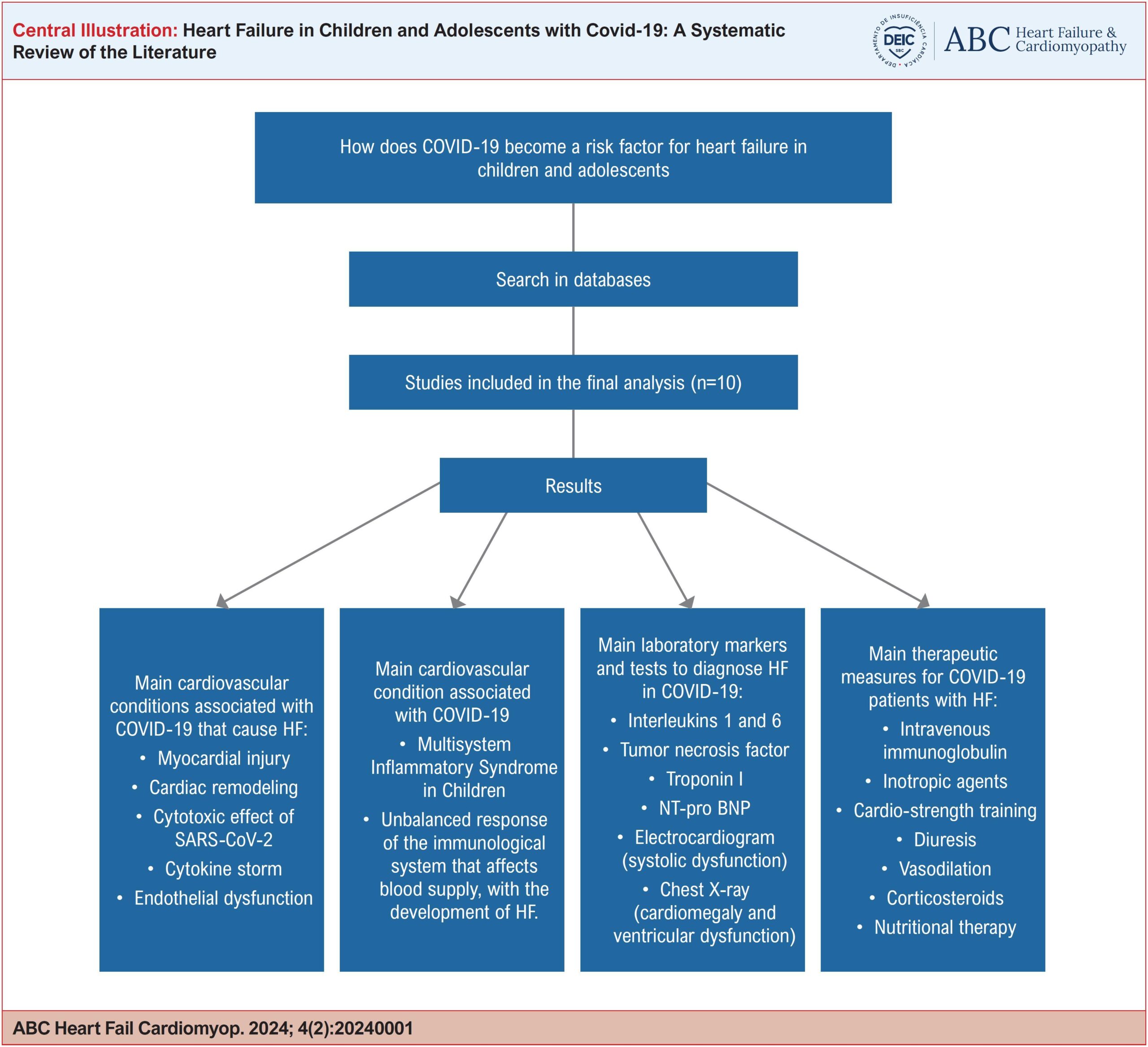
Cardiovascular structural/functional changes caused by COVID-19 may be related to the presence of heart failure (HF), especially in children and adolescents, as the SARS-CoV-2 virus invades cardiomyocytes, leading to cardiac dysfunction.

Objective:

To assess the mechanism by which COVID-19 becomes a risk factor for the development of HF in children and adolescents.

Methods:

This was a systematic literature review of articles indexed in PubMed, BVS and SciELO, following the PRISMA recommendations. DeCS/MeSH descriptors were used in the search.

Results:

A total of 685 studies were identified: 418 in Pubmed, 264 in BVS and three in SciELO. After exclusion of 160 duplicate articles, and analysis of titles and abstracts, 14 articles were read in full, and 10 selected for the final sample. All articles were published between 2020 and 2022; there were 10 cohort studies (eight retrospective and two prospective). Six articles addressed the Multisystem Inflammatory Syndrome in Children (MIS-C), and four articles addressed the reduction in left ventricular ejection fraction in COVID-19 patients.

Conclusions:

Most patients recovered without cardiovascular sequelae, although MIS-C may cause severe systemic failure, which led to death in some studies. More research and more comprehensive studies on this theme are warranted.

  • Adolescent
  • Child
  • COVID-19
  • Heart Failure
  • SARS-CoV-2
Read Full Article
Creative Commons Attribution (CC BY) Creative Commons license
22/07/2024 DOI: 10.36660/abchf.20240001i Views 1
Figure 1
Image

Giant Megacolon in Chagasic Cardiomyopathy: A Challenging Combination

Anderson Oliveira Estevan et al. Aguinaldo Freitas Jr.

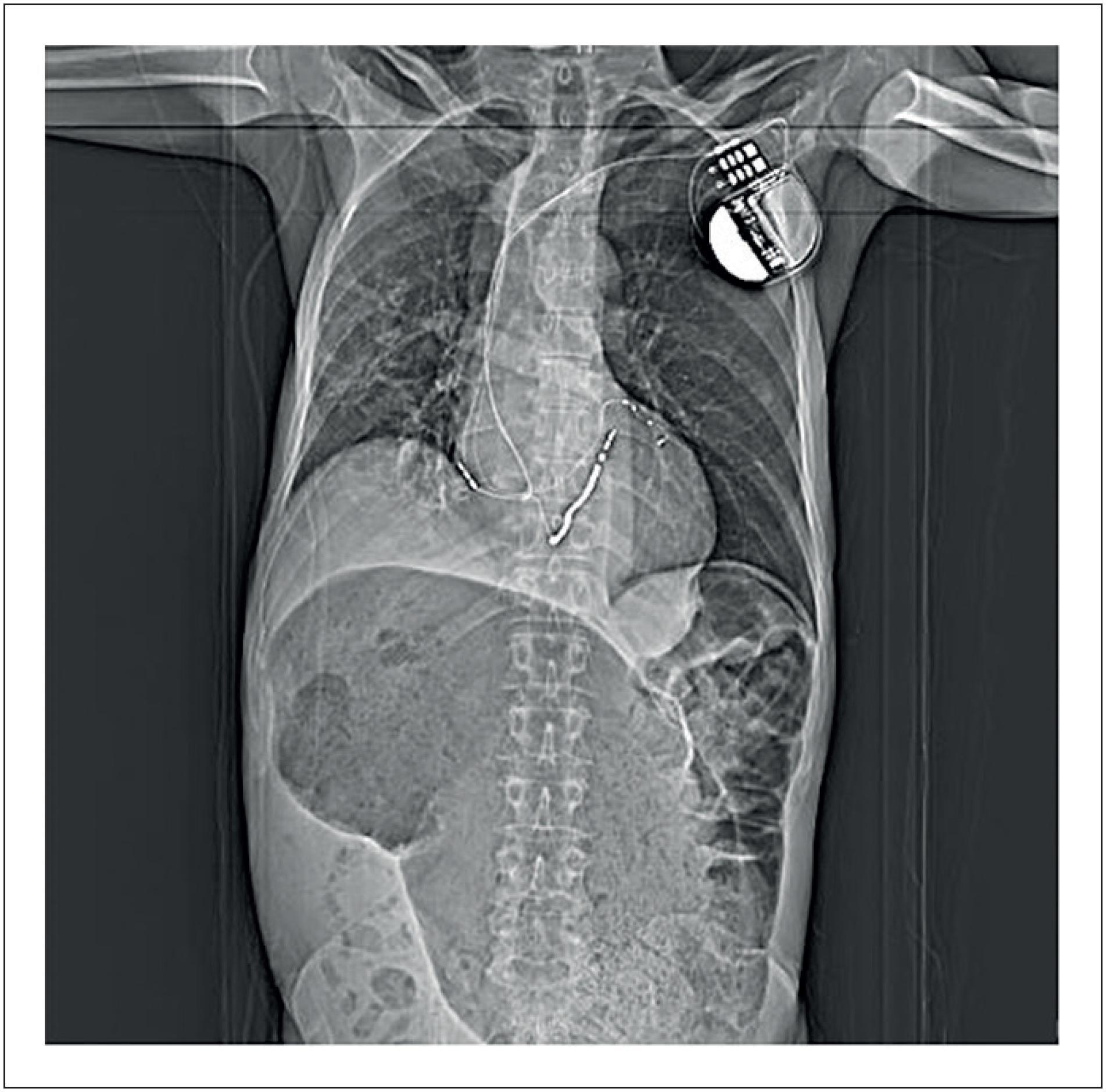
This case concerns a 62-year-old man diagnosed with chagasic cardiomyopathy, presenting with a dilated and arrhythmogenic form, showing significant ventricular dysfunction, and currently undergoing cardiac resynchronization therapy with a previously implanted implantable cardioverter defibrillator. In the outpatient setting prior to admission, the patient’s medical records indicate recurrent ventricular arrhythmias and multiple appropriate shocks from the device over recent years.

Upon admission to the emergency department, the patient complained of severe asthenia, abdominal pain, postprandial vomiting, and choking persisting for a week. His current medication regimen included losartan 100 mg/day, carvedilol 50 mg/day, spironolactone 25 mg/day, empagliflozin 25 mg/day, furosemide 80 mg/day, acetylsalicylic acid 100 mg/day, and atorvastatin 40 mg/day. During the physical examination upon admission, a significant drop in general condition, cachexia, blood pressure of 84×57 mmHg, and heart rate of 93 bpm were observed. In addition to hypotension, cold extremities and prolonged capillary refill time were noted. There were no peripheral edema, jugular distension or pulmonary congestion. In addition, there was significant abdominal distension and pain on palpation. Based on the patient’s clinical history and physical examination findings, a diagnosis of acute obstructive abdomen and decompensated heart failure (HF) with an L-profile was determined.

[…]

  • Chagas Cardiomyopathy
  • Chagas disease
  • Megacolon
Read Full Article
Creative Commons Attribution (CC BY) Creative Commons license
22/07/2024 DOI: 10.36660/abchf.20240011i Views 2

How to cite this article

EndNote RIS

Electronic Document Format (Vancouver)

Collini MB, Cunha GSP, Melo LHS, Ferreira MBD, Daikubara Neto JT, Moretti R, Senger CR, et al. Characteristics and Prognosis of Patients with Acute Heart Failure According to the Universal Ejection Fraction Classification. ABC Heart Fail Cardiomyop 2024;4(2):e20240035.

Electronic Document Format (ABNT)

Collini, Michelle Bozko; Cunha, Gustavo Sarot Pereira da; Melo, Leonardo Henrique dos Santos de; Ferreira, Matheus Bissa Duarte; Daikubara Neto, Jorge Tadashi; Moretti, Rafael; Senger, Carolina Ruschel; Vercka, Karoline Cordeiro; Reichert, Jessica Tamires; Prado, Lucas Muller; Anziliero, Jamilly Giuriatti; Adam, Eduardo Leal; Cirino, Raphael Henrique Déa; Fernandes-Silva, Miguel Morita. Characteristics and Prognosis of Patients with Acute Heart Failure According to the Universal Ejection Fraction Classification. ABC Heart Fail Cardiomyop, v. 4, n. 2, e20240035, Oct. 2024.

Electronic Document Format (APA)

Collini, M. B., Cunha, G. S. P. , Melo, L. H. S. , Ferreira, M. B. D., Daikubara Neto, J. T., Moretti, R., Senger, C. R., Vercka, K. C., Reichert, J. T., Prado, L. M., Anziliero, J. G., Adam, E. L., Cirino, R. H. D., & Fernandes-Silva, M. M. (2024). Characteristics and Prognosis of Patients with Acute Heart Failure According to the Universal Ejection Fraction Classification. ABC Heart Fail Cardiomyop, 4(2), e20240035.

Electronic Document Format (ISO)

Collini, Michelle Bozko and Cunha, Gustavo Sarot Pereira da and Melo, Leonardo Henrique dos Santos de and Ferreira, Matheus Bissa Duarte and Daikubara Neto, Jorge Tadashi and Moretti, Rafael and Senger, Carolina Ruschel and Vercka, Karoline Cordeiro and Reichert, Jessica Tamires and Prado, Lucas Muller and Anziliero, Jamilly Giuriatti and Adam, Eduardo Leal and Cirino, Raphael Henrique Déa and Fernandes-Silva, Miguel Morita. Characteristics and Prognosis of Patients with Acute Heart Failure According to the Universal Ejection Fraction Classification. ABC Heart Fail Cardiomyop [online]. 2024, vol. 4, n. 2, [cited 2026-10-14], e20240035. Available from: <https://journals.cardiol.br/en/article/characteristics-and-prognosis-of-patients-with-acute-heart-failure-according-to-the-universal-ejection-fraction-classification/>

EndNote RIS

Electronic Document Format (Vancouver)

Carvalho W, Passos LCS, Viana TT, Santana GP, Barros-Pereira JP, Tapioca FPM, Cafezeiro CRF, et al. De Novo Versus Upgrade Cardiac Resynchronization Therapy in Patients with Heart Failure: A Cohort Study. ABC Heart Fail Cardiomyop 2024;4(2):e20240008.

Electronic Document Format (ABNT)

Carvalho, William; Passos, Luíz Carlos Santana; Viana, Tainá Teixeira; Santana, Gustavo Pinheiro; Barros-Pereira, Jackson Pedro; Tapioca, Fernanda Pinheiro Martin; Cafezeiro, Caio Rebouças Fonseca. De Novo Versus Upgrade Cardiac Resynchronization Therapy in Patients with Heart Failure: A Cohort Study. ABC Heart Fail Cardiomyop, v. 4, n. 2, e20240008, Nov. 2023.

Electronic Document Format (APA)

Carvalho, W., Passos, L. C. S., Viana, T. T., Santana, G. P., Barros-Pereira, J. P., Tapioca, F. P. M., & Cafezeiro, C. R. F. (2024). De Novo Versus Upgrade Cardiac Resynchronization Therapy in Patients with Heart Failure: A Cohort Study. ABC Heart Fail Cardiomyop, 4(2), e20240008.

Electronic Document Format (ISO)

Carvalho, William and Passos, Luíz Carlos Santana and Viana, Tainá Teixeira and Santana, Gustavo Pinheiro and Barros-Pereira, Jackson Pedro and Tapioca, Fernanda Pinheiro Martin and Cafezeiro, Caio Rebouças Fonseca. De Novo Versus Upgrade Cardiac Resynchronization Therapy in Patients with Heart Failure: A Cohort Study. ABC Heart Fail Cardiomyop [online]. 2024, vol. 4, n. 2, [cited 2026-10-14], e20240008. Available from: <https://journals.cardiol.br/en/article/de-novo-versus-upgrade-cardiac-resynchronization-therapy-in-patients-with-heart-failure-a-cohort-study/>

EndNote RIS

Electronic Document Format (Vancouver)

Castro RRT. Is Your “Dry” Patient Really Not Congested? Physiological Basis and Clinical Use of Valsalva’s Maneuver in Heart Failure. ABC Heart Fail Cardiomyop 2024;4(2):e20240039.

Electronic Document Format (ABNT)

Castro, Renata R. T.. Is Your “Dry” Patient Really Not Congested? Physiological Basis and Clinical Use of Valsalva’s Maneuver in Heart Failure. ABC Heart Fail Cardiomyop, v. 4, n. 2, e20240039, Nov. 2023.

Electronic Document Format (APA)

Castro, R. R. T. (2024). Is Your “Dry” Patient Really Not Congested? Physiological Basis and Clinical Use of Valsalva’s Maneuver in Heart Failure. ABC Heart Fail Cardiomyop, 4(2), e20240039.

Electronic Document Format (ISO)

Castro, Renata R. T.. Is Your “Dry” Patient Really Not Congested? Physiological Basis and Clinical Use of Valsalva’s Maneuver in Heart Failure. ABC Heart Fail Cardiomyop [online]. 2024, vol. 4, n. 2, [cited 2026-10-14], e20240039. Available from: <https://journals.cardiol.br/en/article/is-your-dry-patient-really-not-congested-physiological-basis-and-clinical-use-of-valsalvas-maneuver-in-heart-failure/>

EndNote RIS

Electronic Document Format (Vancouver)

Padilha I, Rocha BCA, Faria GC, Kusdra KK, Marció A, Andreatta ME, Pinto GM, et al. Right Heart Failure Caused by Pericardial Mass: Case Report. ABC Heart Fail Cardiomyop 2024;4(2):e20240006.

Electronic Document Format (ABNT)

Padilha, Isabelle; Rocha, Bárbara Cristina Amaro; Faria, Gizana Carvalho; Kusdra, Keila Kristina; Marció, Alyne; Andreatta, Maria Eduarda; Pinto, Gilvan Magalhães; Albino, Evandro de Campos; Joaquim, Rodrigo de Moura. Right Heart Failure Caused by Pericardial Mass: Case Report. ABC Heart Fail Cardiomyop, v. 4, n. 2, e20240006, Nov. 2023.

Electronic Document Format (APA)

Padilha, I., Rocha, B. C. A., Faria, G. C., Kusdra, K. K., Marció, A., Andreatta, M. E., Pinto, G. M., Albino, E. C., & Joaquim, R. M. (2024). Right Heart Failure Caused by Pericardial Mass: Case Report. ABC Heart Fail Cardiomyop, 4(2), e20240006.

Electronic Document Format (ISO)

Padilha, Isabelle and Rocha, Bárbara Cristina Amaro and Faria, Gizana Carvalho and Kusdra, Keila Kristina and Marció, Alyne and Andreatta, Maria Eduarda and Pinto, Gilvan Magalhães and Albino, Evandro de Campos and Joaquim, Rodrigo de Moura. Right Heart Failure Caused by Pericardial Mass: Case Report. ABC Heart Fail Cardiomyop [online]. 2024, vol. 4, n. 2, [cited 2026-10-14], e20240006. Available from: <https://journals.cardiol.br/en/article/right-heart-failure-caused-by-pericardial-mass-case-report/>

EndNote RIS

Electronic Document Format (Vancouver)

Garbin HI, Klauberg MPM, Mazzutti G. Cardiac Tumor in the Left Atrium. ABC Heart Fail Cardiomyop 2024;4(2):e20240004.

Electronic Document Format (ABNT)

Garbin, Henrique Iahnke; Klauberg, Matheus Piccoli Machado; Mazzutti, Géris. Cardiac Tumor in the Left Atrium. ABC Heart Fail Cardiomyop, v. 4, n. 2, e20240004, Aug. 2024.

Electronic Document Format (APA)

Garbin, H. I., Klauberg, M. P. M., & Mazzutti, G. (2024). Cardiac Tumor in the Left Atrium. ABC Heart Fail Cardiomyop, 4(2), e20240004.

Electronic Document Format (ISO)

Garbin, Henrique Iahnke and Klauberg, Matheus Piccoli Machado and Mazzutti, Géris. Cardiac Tumor in the Left Atrium. ABC Heart Fail Cardiomyop [online]. 2024, vol. 4, n. 2, [cited 2026-10-14], e20240004. Available from: <https://journals.cardiol.br/en/article/cardiac-tumor-in-the-left-atrium/>

EndNote RIS

Electronic Document Format (Vancouver)

Silva WJ, Sembeneli G, Bueno PPA, Rodrigues RC, Gil FM, Faldoni FLC, Domingos CHC, et al. Takotsubo Syndrome and its Relationship with Major Depressive Disorder: Case Report. ABC Heart Fail Cardiomyop 2024;4(2):e20240003.

Electronic Document Format (ABNT)

Silva, Wanessa Julia da; Sembeneli, Gabriel; Bueno, Pedro Petiti Arbex; Rodrigues, Rafaela Claro; Gil, Fernanda Meirelles; Faldoni, Flavia Lima Costa; Domingos, Claudia Helena Cury. Takotsubo Syndrome and its Relationship with Major Depressive Disorder: Case Report. ABC Heart Fail Cardiomyop, v. 4, n. 2, e20240003, Aug. 2024.

Electronic Document Format (APA)

Silva, W. J. , Sembeneli, G., Bueno, P. P. A., Rodrigues, R. C., Gil, F. M., Faldoni, F. L. C., & Domingos, C. H. C. (2024). Takotsubo Syndrome and its Relationship with Major Depressive Disorder: Case Report. ABC Heart Fail Cardiomyop, 4(2), e20240003.

Electronic Document Format (ISO)

Silva, Wanessa Julia da and Sembeneli, Gabriel and Bueno, Pedro Petiti Arbex and Rodrigues, Rafaela Claro and Gil, Fernanda Meirelles and Faldoni, Flavia Lima Costa and Domingos, Claudia Helena Cury. Takotsubo Syndrome and its Relationship with Major Depressive Disorder: Case Report. ABC Heart Fail Cardiomyop [online]. 2024, vol. 4, n. 2, [cited 2026-10-14], e20240003. Available from: <https://journals.cardiol.br/en/article/takotsubo-syndrome-and-its-relationship-with-major-depressive-disorder-case-report/>

EndNote RIS

Electronic Document Format (Vancouver)

Drummond TQ, Trevizan LLB, Mangini S, Bacal F. Pulmonary Embolism and Light Chain Cardiac Amyloidosis with Progression to Heart Transplant. ABC Heart Fail Cardiomyop 2024;4(2):e20230096.

Electronic Document Format (ABNT)

Drummond, Thales Quintella; Trevizan, Lígia Lopes Balsalobre; Mangini, Sandrigo; Bacal, Fernando. Pulmonary Embolism and Light Chain Cardiac Amyloidosis with Progression to Heart Transplant. ABC Heart Fail Cardiomyop, v. 4, n. 2, e20230096, Jul. 2024.

Electronic Document Format (APA)

Drummond, T. Q., Trevizan, L. L. B., Mangini, S., & Bacal, F. (2024). Pulmonary Embolism and Light Chain Cardiac Amyloidosis with Progression to Heart Transplant. ABC Heart Fail Cardiomyop, 4(2), e20230096.

Electronic Document Format (ISO)

Drummond, Thales Quintella and Trevizan, Lígia Lopes Balsalobre and Mangini, Sandrigo and Bacal, Fernando. Pulmonary Embolism and Light Chain Cardiac Amyloidosis with Progression to Heart Transplant. ABC Heart Fail Cardiomyop [online]. 2024, vol. 4, n. 2, [cited 2026-10-14], e20230096. Available from: <https://journals.cardiol.br/en/article/pulmonary-embolism-and-light-chain-cardiac-amyloidosis-with-progression-to-heart-transplant/>

EndNote RIS

Electronic Document Format (Vancouver)

Martins LQ, Souza GR, Alves DGG, Melo KFC, Almeida PCA, Cascaes RL, Monteiro AMZA, et al. Heart Failure in Children and Adolescents with Covid-19: A Systematic Review of the Literature. ABC Heart Fail Cardiomyop 2024;4(2):20240001.

Electronic Document Format (ABNT)

Martins, Lucas Quaresma; Souza, Gabriel Ribeiro de; Alves, Daniel Garcia da Gama; Melo, Kaylane Fernanda Costa de; Almeida, Paula Cordeiro Aguiar de; Cascaes, Ádria Rayane Lima; Monteiro, Antonio Maria Zacarias Araújo. Heart Failure in Children and Adolescents with Covid-19: A Systematic Review of the Literature. ABC Heart Fail Cardiomyop, v. 4, n. 2, 20240001, Jul. 2024.

Electronic Document Format (APA)

Martins, L. Q., Souza, G. R. , Alves, D. G. G., Melo, K. F. C. , Almeida, P. C. A. , Cascaes, R. L., & Monteiro, A. M. Z. A. (2024). Heart Failure in Children and Adolescents with Covid-19: A Systematic Review of the Literature. ABC Heart Fail Cardiomyop, 4(2), 20240001.

Electronic Document Format (ISO)

Martins, Lucas Quaresma and Souza, Gabriel Ribeiro de and Alves, Daniel Garcia da Gama and Melo, Kaylane Fernanda Costa de and Almeida, Paula Cordeiro Aguiar de and Cascaes, Ádria Rayane Lima and Monteiro, Antonio Maria Zacarias Araújo. Heart Failure in Children and Adolescents with Covid-19: A Systematic Review of the Literature. ABC Heart Fail Cardiomyop [online]. 2024, vol. 4, n. 2, [cited 2026-10-14], 20240001. Available from: <https://journals.cardiol.br/en/article/heart-failure-in-children-and-adolescents-with-covid-19-a-systematic-review-of-the-literature/>

EndNote RIS

Electronic Document Format (Vancouver)

Estevan AO, Freitas Jr. A. Giant Megacolon in Chagasic Cardiomyopathy: A Challenging Combination. ABC Heart Fail Cardiomyop 2024;4(2):e20240011.

Electronic Document Format (ABNT)

Estevan, Anderson Oliveira; Freitas Jr., Aguinaldo. Giant Megacolon in Chagasic Cardiomyopathy: A Challenging Combination. ABC Heart Fail Cardiomyop, v. 4, n. 2, e20240011, Jul. 2024.

Electronic Document Format (APA)

Estevan, A. O., & Freitas Jr., A. (2024). Giant Megacolon in Chagasic Cardiomyopathy: A Challenging Combination. ABC Heart Fail Cardiomyop, 4(2), e20240011.

Electronic Document Format (ISO)

Estevan, Anderson Oliveira and Freitas Jr., Aguinaldo. Giant Megacolon in Chagasic Cardiomyopathy: A Challenging Combination. ABC Heart Fail Cardiomyop [online]. 2024, vol. 4, n. 2, [cited 2026-10-14], e20240011. Available from: <https://journals.cardiol.br/en/article/giant-megacolon-in-chagasic-cardiomyopathy-a-challenging-combination/>

Sede – Rio de Janeiro
Av. Marechal Câmara, 160
3º andar – Sala: 330 – Centro
Rio de Janeiro – CEP: 20020-907
Tel.: (+55 21) 3478-2700
ou (21) 99386-3961
E-mail: abcheartfailure@cardiol.br

Sede – São Paulo
Alameda Santos, 705 – 11º andar
Cerqueira César | São Paulo
CEP: 01419-001
Tel.: (55 +11) 3411-5500
E-mail: abcheartfailure@cardiol.br

  • About the Journal
  • Internal Regulation
  • Editors Section
  • Editorial Board
  • SBC Award

  • Guidelines for Publication
  • Editorial Policy
  • Ethics Policy
  • Policy on the Use of Artificial Intelligence
  • Mandatory Publication Form

Issues

SBC Guidelines