Família ABC Arquivos Brasileiros de Cardiologia International Journal of Cardiovascular Sciences ABC Heart Failure & Cardiomyopathy ABC Imagem Cardiovascular
Português English
  • Família ABC
  • Arquivos Brasileiros de Cardiologia
  • International Journal of Cardiovascular Sciences
  • ABC Heart Failure & Cardiomyopathy
  • ABC Imagem Cardiovascular
Português English
  • Sobre
    • Sobre a Família ABC
    • Regimento Interno
    • Conselho Editorial
    • Sociedade Brasileira de Cardiologia (SBC)
  • Edições
  • Diretrizes da SBC
  • Conteúdos
    • Vídeos
    • Podcasts
    • Notícias
  • Sobre
    • Sobre a Família ABC
    • Regimento Interno
    • Conselho Editorial
    • Sociedade Brasileira de Cardiologia (SBC)
  • Edições
  • Diretrizes da SBC
  • Conteúdos
    • Vídeos
    • Podcasts
    • Notícias
Buscar em

Nenhum conteúdo encontrado.

Revistas
Ordenação
Tipos de artigo
Outros

  1. Início
  2. Prognosis
IJCS
Letter to the Editor

Prognostic Value of C-reactive Protein (CRP) in Patients With Acute Heart Failure (AHF) Admitted to General Wards in Brazil

Vanessa Souza Silva Medrado et al. João Emmanuel Coelho de Morais Domingos Sávio de Oliveira e Silva João Pedro Lopes Azevedo … Thalisson Gonçalves Almeida Pedro Pereira Tenório

Dear Editor,

We read with great interest the article by Ferigato et al. investigating the prognostic value of C-reactive protein (CRP) in patients with acute heart failure (AHF) admitted to general wards in Brazil. We would like to congratulate the authors for addressing a topic of substantial practical relevance: the search for accessible biomarkers in settings where gold-standard tools, such as natriuretic peptides, have inconsistent availability.

[…]

  • C-Reactive Protein
  • Heart Failure
  • Prognosis
Ler artigo completo
Creative Commons Attribution (CC BY) Creative Commons license
17/08/2026 DOI: 10.36660/ijcs.20260053 Visualizações 4
IJCS
Original Article

Prognostic Value of Myocardial Perfusion Scintigraphy with IQ∙SPECT Technology in Patients with Suspected or Known Coronary Artery Disease

Maria Fernanda Rezende et al. Davi Shunji Yahiro Fernando de Amorim Fernandes Jader Azevedo Claudio Tinoco Mesquita

Abstract

Background:

IQ∙SPECT is a collimator design coupled with a cardio-centric acquisition orbit and specific reconstruction algorithm that increases camera efficiency. However, there is no prognostic data derived from IQ∙SPECT exams.

Objectives:

To evaluate the prognostic value of IQ∙SPECT myocardial perfusion scintigraphy (MPS) in patients with suspected or known coronary artery disease (CAD).

Methods:

The study population consisted of 734 consecutive patients with suspected or known CAD submitted to MPS with IQ∙SPECT. Adequate follow-up was obtained in 625 patients. We retrospectively analyzed imaging and clinical data. The follow-up was obtained for no less than 12 months after the MPS study. Statistical significance was taken at p < 0.05.

Results:

Normal IQ∙SPECT compared to abnormal IQ∙SPECT had lower annualized incidence of hard events (0.2% and 1.1%, respectively, p = 0.02), late combined events (1.1% and 5.5%, respectively, p = 0.008), and revascularization (1% and 14%, respectively, p < 0.001). Left ventricular ejection fraction ≤ 45% was found to be the only clinical predictor of hard events (p < 0.0003, confidence interval [CI] = 5.25 to 129.02). However, for combined events, abnormal MPS (p < 0.0001, CI = 3.39 to 11.13, hazard ratio [HR] = 6.14) and dyspnea/fatigue (p = 0.013, CI = 1.28 to 8.4, HR = 3.3) obtained statistical significance. In contrast, ischemic burden ≥ 5% (p < 0.0001, HR = 30.3) was the most relevant parameter for revascularization, followed by thoracic pain (p = 0.002, HR = 2.4).

Conclusion:

Our study demonstrates that IQ SPECT MPS has significant prognostic capabilities with very low risk of adverse events in patients with normal findings.

  • Coronary Artery Disease
  • myocardial perfusion scintigraphy
  • Prognosis
Ler artigo completo
Creative Commons Attribution (CC BY) Creative Commons license
01/06/2026 DOI: 10.36660/ijcs.20240202 Visualizações 9
IJCS
Editorial

Forty Years of Silent Revolutions in ICUs: From Clinical Records to Intelligent and Predictive Surveillance

Rubens Carmo Costa-Filho et al. Hugo Caire Castro Faria-Neto

Introduction

In the mid-1980s, as modern intensive care medicine was still consolidating as a specialty, a conceptual challenge emerged that would redefine critical care: how to objectively and comparably quantify the severity of illness across different patients and units. In 1985, William A. Knaus et al. published the Acute Physiology and Chronic Health Evaluation II (APACHE II). This landmark model translated clinical observations into a mathematical framework capable of estimating hospital mortality based on 12 physiological and chronic health variables collected during the first 24 hours of ICU admission.

At that time, computing power was limited, and data were collected manually, the technological ceiling of that era.

[…]

  • APACHE
  • Artificial Intelligence
  • Critical Care
  • Prognosis
  • Simplified Acute Physiology Score
Ler artigo completo
Creative Commons Attribution (CC BY) Creative Commons license
27/04/2026 DOI: 10.36660/ijcs.20250255 Visualizações 7
Como Eu Faço Avaliação do VExUS pela Ecocardiografia Transesofágica: Um Guia Passo a Passo
ABCIC
Review Article

Como Eu Faço Avaliação do VExUS pela Ecocardiografia Transesofágica: Um Guia Passo a Passo

Angelo Antunes Salgado et al. Marcos Paulo Lacerda Bernardo Marcelo Ramalho Fernandes

Resumo

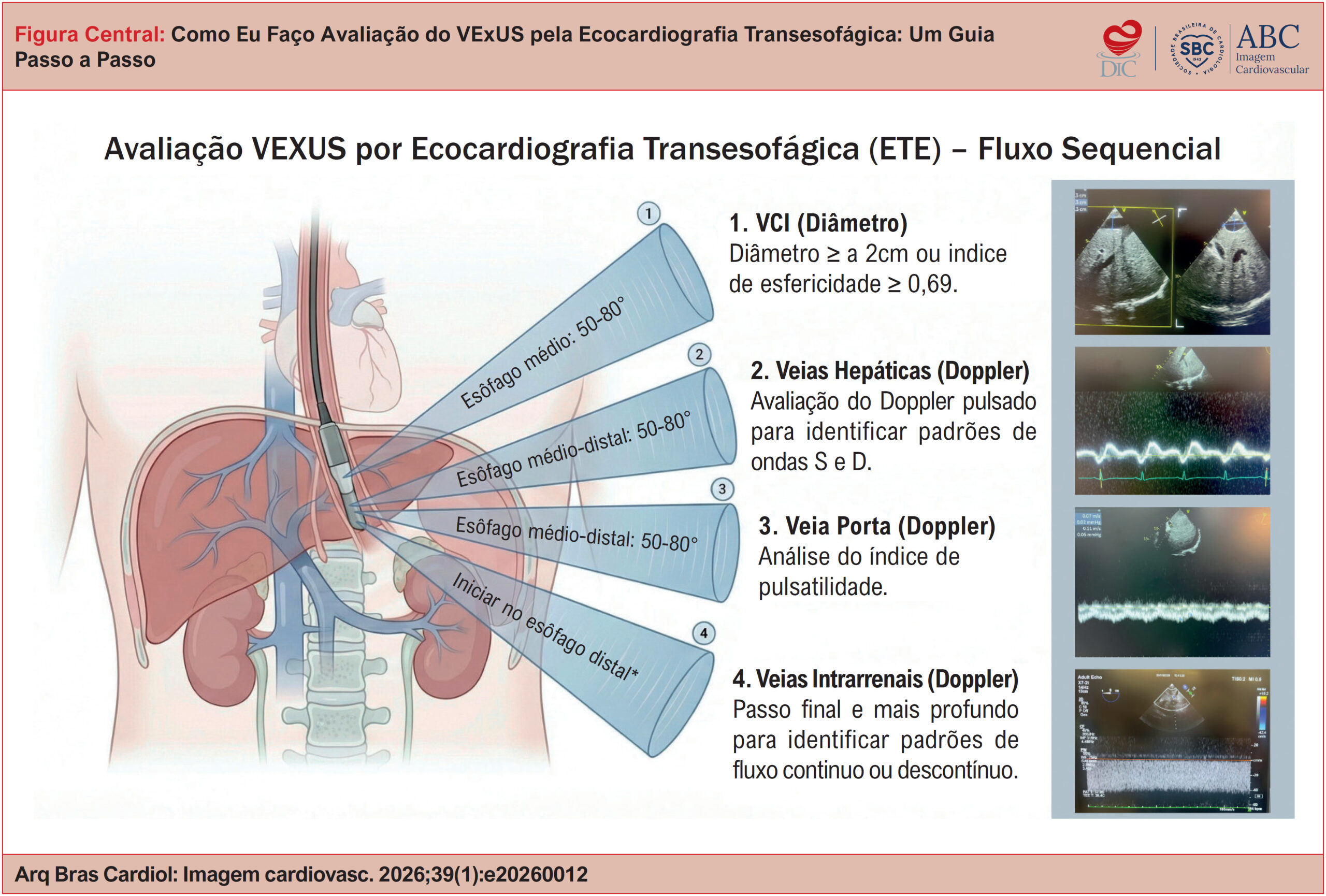
A monitorização da congestão venosa sistêmica tornou-se essencial no manejo de pacientes críticos, permitindo o diagnóstico preciso, a graduação da severidade e a definição de prognóstico. A literatura demonstra que a presença de congestão está fortemente associada ao desenvolvimento de lesão renal aguda e maior mortalidade, quando comparada a estados de volemia otimizada.

Neste contexto, o uso do Ecocardiograma Transesofágico (ETE) durante o procedimento cirúrgico surge como uma ferramenta avançada e versátil. Além de permitir a avaliação detalhada da função cardíaca, o ETE é eficaz na análise do grau de volemia e na predição de fluido-responsividade através da mensuração dinâmica do volume sistólico e do grau de congestão sistêmica. Também possibilita a visualização direta de vasos abdominais, como as veias hepáticas, porta e intrarrenais, facilitando a identificação de fluxos pulsáteis patológicos mesmo em pacientes com janela transtorácica limitada.

A integração de protocolos como o VExUS (ou sua versão modificada mVExUS) permite uma abordagem personalizada, focando na “perfusão sem congestão”. Esta revisão detalha a aplicação prática da avaliação do VExUS pelo ETE, suas limitações técnicas e como utilizá-las para guiar uma ressuscitação hemodinâmica que minimize danos orgânicos e otimize o desfecho clínico.

  • Ecocardiografia Transesofagiana
  • Procedimentos Cirúrgicos Operatórios
  • Prognosis
Ler artigo completo
Creative Commons Attribution (CC BY) Creative Commons license
20/04/2026 DOI: 10.36660/abcimg.20260012 Visualizações 7
IJCS
Original Article

Prognostic Implications of Increased C-Reactive Protein in Patients With Acute Heart Failure Admitted to a General Hospital Ward

Vinicius Ferigato et al. Fernanda Takeyama Mario De Divitiis Giulio Checchinato Facchini … Bruna Gandra Bruno Maciel Goncalves Helder Jorge Andrade Gomes Gustavo A. B. Boros Alcides Rocha de Figueredo Junior

Abstract

Background:

C-reactive protein (CRP) is a widely available inflammatory biomarker. Its prognostic role during hospitalization in patients with acute heart failure (HF) remains unclear.

Objective:

To assess whether CRP measured at hospital admission predicts in-hospital mortality in patients with acute HF admitted to a general public hospital ward.

Methods:

This prospective study enrolled patients (≥18 years old) admitted to a medical ward with a primary diagnosis of acute HF directly from the emergency department. CRP was measured within 72 hours of hospital admission. All patients underwent a structured clinical assessment by a cardiologist and transthoracic echocardiography (TTE). A p-value <0.05 was considered statistically significant.

Results:

A total of 44 patients were included (mean age 68 ± 16 years). TTE showed left ventricular ejection fraction (LVEF) <50% in 43% of patients, preserved LVEF in 43%, and specific causes of HF in the remaining 14%. The median CRP level (2.5 mg/dL) was used to define high and low CRP groups. Reduced LVEF (<50%) was more common, and heart failure with preserved ejection fraction (HFpEF) was less frequent, in the high CRP group (p = 0.014). Clinical assessment showed no differences in hemodynamic profiles (congestion vs. perfusion). Comorbidities, renal function, and infection diagnoses were also similar between groups. In-hospital mortality was 30% in the high CRP group versus 4.8% in the low CRP group (p = 0.046). In multivariable analysis, increased CRP remained independently associated with in-hospital mortality.

Conclusion:

CRP measured near the time of hospital admission may serve as a prognostic marker for in-hospital mortality in patients with acute HF.

  • C-Reactive Protein
  • Heart Failure
  • Prognosis
Ler artigo completo
Creative Commons Attribution (CC BY) Creative Commons license
29/08/2025 DOI: 10.36660/ijcs.20240235 Visualizações 6
IJCS
Editorial

Systemic Biomarkers in Heart Failure: To Measure or Not to Measure?

Humberto Villacorta

Heart failure (HF) is an aggressive disease with unfavorable prognosis if not treated properly. Even after optimal medical treatment, some patients may remain at high risk for clinical events. As such, it is important to identify patients at risk of death or hospitalization. Biomarkers have been used to establish prognosis in HF, and natriuretic peptides (NP) are considered the gold standard biomarker in HF, not only for diagnosis but also for prognosis.

NP are cardiac biomarkers, produced by the heart ventricles in response to wall stretch. However, several systemic biomarkers, reflecting different pathways, have been shown to be elevated in HF with the potential to add information on top of NP ().– Nevertheless, these biomarkers have not been strongly recommended in HF guidelines because their utility in aiding decision-making is unclear.

[…]

  • Biomarkers
  • Heart Failure
  • Infections
  • Prognosis
  • Thrombosis
Ler artigo completo
Creative Commons Attribution (CC BY) Creative Commons license
27/06/2025 DOI: 10.36660/ijcs.20250084 Visualizações 5
IJCS
Editorial

Obstructive Sleep Apnea in Acute Myocardial Infarction: A Prognostic Risk Factor beyond Traditional Players?

Carlos Wollmann et al. Luciano F. Drager

The high prevalence of obstructive sleep apnea (OSA) and its worrisome association with various cardiovascular diseases, particularly ischemic heart disease, demand our attention. This common sleep disordered breathing, characterized by partial or complete upper airway obstructions during sleep, profoundly impacts overall health., In the cardiovascular context, intermittent hypoxia, sleep fragmentation, and intrathoracic pressure swings promoted by repeated respiratory events during sleep promote several potentially deleterious phenomena, including increased sympathetic activity, blood pressure fluctuations, chronic systemic inflammation, reactive oxygen species production, and endothelial dysfunction.– These factors create a fertile ground for the development and progression of atherosclerosis,, significantly increasing the likelihood of ischemic events if the condition remains undetected and untreated., However, the relationship between OSA and acute myocardial infarction (AMI) is complex. Patients with OSA often share risk factors that also increase AMI risk, notably age, male sex, and obesity. While some evidence suggests an independent role for OSA in the cardiovascular risk, its contribution remains controversial in high-risk patients with multiple comorbidities. Further research in this area is therefore warranted in order to provide additional insights.

In this issue of the International Journal of Cardiovascular Sciences, Carrijo et al. explore the complex relationship between OSA and traditional risk factors in 145 patients with ST-segment elevation myocardial infarction (STEMI). The authors used employed the widely used STOP-BANG questionnaire to assess OSA risk. The initial results were consistent with previous literature: a high frequency (58.6%) of patients exhibited a high risk for OSA. This highlights the urgent need for increased attention to this comorbidity, particularly in this specific patient population. In the multivariate analysis, the authors found an independent association of OSA with both male sex and hypertension in these patients. The presence of hypertension in OSA patients is not coincidental. Some of the aforementioned mechanisms associated with OSA directly contribute to elevated blood pressure, thereby increasing cardiovascular risk.,

[…]

  • Myocardial Infarction
  • Obstructive Sleep Apnea
  • Prognosis
  • Risk Factors
  • Sleep
Ler artigo completo
Creative Commons Attribution (CC BY) Creative Commons license
08/05/2025 DOI: 10.36660/ijcs.20250032 Visualizações 10
Delineamento e Racional do Estudo Rosa dos Ventos: Estudo Multicêntrico do Tipo Coorte de Pacientes com Insuficiência Cardíaca com Fração de Ejeção Reduzida ou Moderadamente Reduzida no Brasil
ABC
Artigo Original

Delineamento e Racional do Estudo Rosa dos Ventos: Estudo Multicêntrico do Tipo Coorte de Pacientes com Insuficiência Cardíaca com Fração de Ejeção Reduzida ou Moderadamente Reduzida no Brasil

Dhayn Cassi de Almeida Freitas et al. Larissa Maria de Paula Rebouças da Costa Wilson Nadruz Jr. Fabiana G. Marcondes-Braga … Jefferson Luis Vieira Sabrina Bernardez-Pereira Wilson Rodrigues Barbosa Neto Silvia Marinho Martins Alves Gabriela Arcoverde Wanderley Camila Nogueira Leandro Lira Lucas Yugi de Souza Terui Ana Luísa Guedes de França e Silva Alana de Oliveira Castro Aguinaldo F. Freitas Jr. José Albuquerque de Figueiredo Neto Renato D. Lopes Miguel Morita Fernandes-Silva Odilson Marcos Silvestre

Resumo

Fundamento:

O Brasil é um país com diferentes biomas e desigualdades sociais. Existem poucos dados disponíveis sobre as diferenças regionais e o prognóstico da insuficiência cardíaca (IC) no país.

Objetivo:

O estudo Rosa dos Ventos tem como objetivo investigar as diferenças regionais e o prognóstico atual de pacientes com IC com fração de ejeção reduzida ou moderadamente reduzida no Brasil.

Métodos:

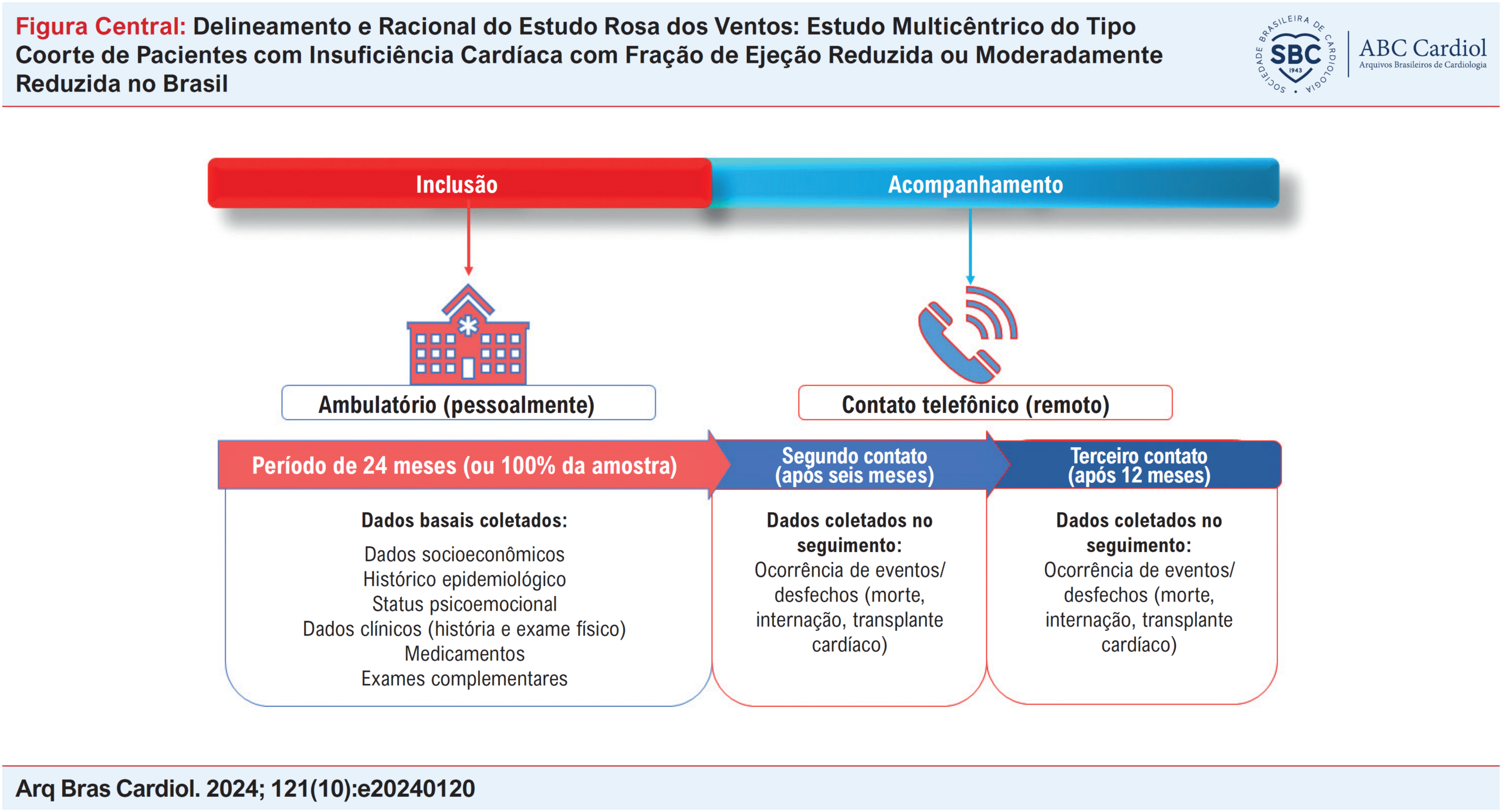
Este é um estudo prospectivo, multicêntrico, observacional, do tipo coorte que incluirá pacientes ambulatoriais com idade superior a 18 anos com IC e fração de ejeção < 50% em 30 centros privados distribuídos nas regiões brasileiras. Um total de 2500 pacientes serão incluídos entre junho de 2021 e outubro de 2023, com um período de 12 meses de seguimento. Coletaremos dados sobre status clínico e socioeconômico, prescrição médica e resultados de exames cardiológicos. Serão realizados telefonemas para o seguimento dos pacientes seis e 12 meses após a inclusão para coleta de informações sobre visitas ao departamento de emergência, internações e mortalidade.

Conclusão:

O estudo Rosa dos Ventos permitirá uma caracterização mais precisa da IC crônica no Brasil. Essa iniciativa proverá informações relevantes para o desenvolvimento de estratégias de manejo efetivas para mitigar o impacto dessa condição sobre os pacientes e o sistema de saúde.

  • Brazil
  • Estratégias de Saúde
  • Insuficiência Cardíaca
  • Prognosis
Ler artigo completo
Creative Commons Attribution (CC BY) Creative Commons license
02/12/2024 DOI: 10.36660/abc.20240120 Visualizações 7
IJCS
Review Article

Cardiac Amyloidosis in Women: An Underappreciated Diagnosis

Larissa Neto Espíndola et al. Gláucia Maria Moraes de Oliveira Cláudia Maria Vilas Freire Marildes Luiza de Castro Maria Cristina Costa de Almeida

Abstract

Cardiac amyloidosis (CA) is an infiltrative cardiomyopathy that affects the heart mostly in two forms: immunoglobulin light chain amyloidosis (AL-CM) and transthyretin amyloidosis.

Transthyretin amyloid cardiomyopathy (ATTR-CM) predominantly affects the elderly population, mainly men (about 70-80%), and usually manifests with symptoms of heart failure (HF).

Despite technological advances in medicine, CA is still an underdiagnosed condition, especially in women, partly due to the known male predominance and high level of suspicion required for diagnosis. It is important to remember that amyloidosis is a systemic disease with a heterogeneous and non-specific presentation. It’s worth paying attention to the patient’s medical history and red flags in clinical and diagnostic tests (electrocardiogram [ECG], echocardiogram [ECHO], cardiac magnetic resonance [CMR]).

Accurate and timely diagnosis is crucial for appropriate management and prognosis.

So far, the under-representation of women in clinical trials may have also limited the evidence on sex-specific diagnosis, and outcomes.

  • Amyloidosis
  • Diagnosis
  • Prognosis
  • Therapeutics
  • Women
Ler artigo completo
Creative Commons Attribution (CC BY) Creative Commons license
26/08/2024 DOI: 10.36660/ijcs.20240088 Visualizações 8
IJCS
Original Article

Elevated D-Dimer as a Marker For Thromboembolic Events in Pediatric Patients With Covid-19: A Systematic Review

Jade Zarichta Costa et al. Pietro Preis Casagrande Franciely Vanessa Costa Maíra Cola Roberta de Paula Martins

Abstract

Background:

The 2019 Coronavirus disease is known to cause thromboembolic events. There is little information on the severe COVID-19 consequences in children.

Objectives:

To determine whether elevated D-dimer levels in the pediatric population with COVID-19 are a risk marker for the development of thromboembolic events. If so, D-dimer levels could be used to determine prophylactic anticoagulation measures if needed.

Methods:

This is a systematic review, performed according to the recommendations of the Preferred Reporting Items for Systematic Reviews and Meta-Analyses (PRISMA) and registered in the International Prospective Register of Systematic Reviews (PROSPERO) database. The last database search update was on December 14, 2021, resulting in 79 documents for analysis. Data were taken from various databases and queried by topic, keyword, or abstract.

Results:

Of the 79 articles found, only seven were selected for this analysis. Of these articles, only one had thromboembolic events. In the other articles, D-dimer levels were elevated but were considered controversial in terms of predicting events, with no clear association between the magnitude of D-dimer change and the magnitude of thrombosis risk.

Conclusions:

Although used for adults, D-dimer was not a good parameter for assessing the risk of thromboembolic events in individuals younger than 21 years. The main shortcomings are the fact that D-dimer increases with any type of inflammation and is, therefore, not a specific marker, and that it is elevated in many patients even without the occurrence of thromboembolic events.

  • COVID-19
  • Prognosis
  • Thromboembolism
Ler artigo completo
Creative Commons Attribution (CC BY) Creative Commons license
27/11/2023 DOI: 10.36660/ijcs.20230039 Visualizações 10
IJCS
Review Article

Exercise Stress Test in The Assessment of Brugada Syndrome Patients

Camila Pinto Cavalcante Miná et al. Eduardo Augusto Quidute Rocha Daniela Gardano Bucharles Mont’Alverne Eduardo Arrais Rocha

Abstract

Brugada syndrome (BS) is a genetic channelopathy, clinically characterized by an increased risk of sudden cardiac death. The diagnosis requires a typical electrocardiographic pattern, and data on risk stratification are limited in the literature. The aim of this study was to conduct a review on the importance of exercise stress test (EST) in risk stratification in BS. Articles were searched in the PubMed, Scielo and Google Scholar databases. From the 200 articles retrieved, eight were included, with a total of 712 patients (95% men) aged between 35 and 60 years. Severe symptoms and ventricular arrhythmias were reported by 256 patients before the EST, with syncope being reported in 70% of cases. The reviewed articles suggest that the EST is a safe method that can help in the diagnosis and risk stratification for malignant arrhythmias in patients with BS. Potential predictors of poor prognosis were: augmentation in ST-segment elevation > 0.5 mV in V1, V2 or V3 in early recovery; J-point elevation in lead > 2mm in aVR in late recovery; heart rate reduction < 40% from maximum heart rate in late recovery and occurrence of ventricular extrasystoles in early recovery.

  • Atrial Fibrillation
  • Brugada Syndrome/complications
  • Bundle Branch Block
  • Diagnosis
  • Exercise Test/methods
  • Prognosis
Ler artigo completo
Creative Commons Attribution (CC BY) Creative Commons license
15/05/2023 DOI: 10.36660/ijcs.20220079 Visualizações 7
IJCS
Original Article

The Impact of Cardiovascular Risk Factors and Renal Disease on Outcomes in Patients Hospitalized with COVID-19: An Observational Study from Two Public Hospitals in Brazil

Humberto Villacorta et al. Diane Xavier de Ávila Tulio Possati de Souza Ana Luíza Carraro de Souza … Gabriel Alverca Meyas Mayara Cristina Villela Santos Jonatas da Costa Mendonça Luciene Maria Mendes da Costa Beatriz de Paula Sousa Maria Victoria Borges de Oliveira Júlia Correia Cardoso Guimarães Ulisses Melo

Abstract

Background

Cardiovascular risk factors are prognostic factors in coronavirus disease 2019 (COVID-19) and have been scarcely studied in Brazil.

Objective

The aim of this study was to assess the impact of cardiovascular risk factors on the outcomes of patients admitted for COVID-19.

Methods

From July 2020 to February 2021, 200 patients from two public hospitals were enrolled. Patients were included if they had typical symptoms or signs of COVID-19, a positive real-time polymerase chain reaction test (RT-PCR) for COVID-19, and an age above 18 years. This is a prospective, observational, and longitudinal study. Data were collected within 24 h of admission. The primary endpoint was a combination of hospital lethality, mechanical ventilation, hemodialysis, or length of hospital stay >28 days. Continuous variables were compared with the Student’s t-test for independent samples or the Mann-Whitney test. For comparisons of proportions, the χ 2 test was applied. ROC curves and survival curves were constructed. Multivariate logistic regression was performed to identify independent predictors of events. The level of significance was 0.05.

Results

There were 98 (49%) events during the hospital course, and 72 (36%) died in the hospital. Patients with a primary endpoint were older and more likely to have a history of hypertension, diabetes, chronic obstructive pulmonary disease (COPD), and chronic kidney disease (CKD). Vital signs at admission associated with events were diastolic blood pressure, respiratory rate, and oxygen saturation in ambient air (O 2 Sat). Serum creatinine >1.37 mg/dL at admission had a sensitivity of 51.6 and a specificity of 82% to predict the primary endpoint, with an area under the curve (AUC) of 0.68. In multivariate analysis, age, diabetes, CKD, and COPD were independent predictors of the primary endpoint. Age and CKD were independent predictors of in-hospital lethality.

Conclusion

Cardiovascular risk factors, such as diabetes and CKD, were related to a worse prognosis in patients hospitalized with COVID-19 in this sample from two public hospitals in the state of Rio de Janeiro.

  • COVID-19
  • Heart Disease Risk Factors
  • Prognosis
Ler artigo completo
Creative Commons Attribution (CC BY) Creative Commons license
26/09/2022 DOI: 10.36660/ijcs.20220041 Visualizações 8
IJCS
Original Article

Dysautonomia Evaluation by Holter in Chagas Heart Disease

Michele Alves Rocha de Oliveira et al. Thais Aguiar Nascimento Gilson Soares Feitosa-Filho Luiz Eduardo Fonteles Ritt … Constança Margarida Sampaio Cruz Mário de Seixas Rocha

Abstract

Background

Sudden cardiac death is the main lethal mechanism associated with Chagas cardiomyopathy. Studies suggest that dysautonomia may represent a relevant, intense, independent, and early phenomenon in the natural history of the disease, even when ventricular systolic function is preserved, and may also be the mechanism that triggers malignant ventricular arrhythmias.

Objective

To evaluate the degree of dysautonomia and its possible association with ventricular arrhythmias in patients with Chagas cardiomyopathy, according to different categories of mortality risk, as defined by the score proposed by Rassi, used as a surrogate outcome for death.

Methods

A cross-sectional study involving 43 patients with Chagas cardiomyopathy stratified into risk categories based on the Rassi score, with 23 being classified as low risk and 20 as intermediate-to-high risk. Heart rate variability (HRV) was assessed using Holter monitoring for long-term recordings of 24 hours (time domain) and for short-term recordings of 5 minutes (frequency domain) at rest and after autonomic tests: deep breathing and Valsalva maneuver. The HRV variables were compared between the groups using the Student’s t-test and α=0.05.

Results

Comparison of the results between the risk stratification groups showed no differences in HRV indexes, either in the time or frequency domain. However, results showed a significant increase in the number of arrhythmias as a function of increased risk (p=0.02).

Conclusion

There was no association between the degree of dysautonomia, evaluated by Holter monitoring, and the categories of mortality risk, despite a direct association between the rate of arrhythmias and the higher risk group.

  • Chagas Cardiomyopathy/physiopathology
  • Chagas Disease
  • Death, Sudden, Cardiac
  • Heart Rate
  • Primary Dysautonomias
  • Prognosis
  • Sympathetic Nervous System/physiopathology
Ler artigo completo
Creative Commons Attribution (CC BY) Creative Commons license
09/05/2022 DOI: 10.36660/ijcs.20200405 Visualizações 8
IJCS
Editorial

Risk Scores in Acute Coronary Syndrome: Current Applications and Future Perspectives

Pedro G. M. de Barros e Silva et al. Renato D. Lopes

Editorial referring to the article: Validation of the Grace Risk Score to Predict In-Hospital and 6-Month Post-Discharge Mortality in Patients with Acute Coronary Syndrome

Acute Coronary Syndrome (ACS) is the most common cause of death worldwide. Nevertheless, ACS represents a heterogenous group of diseases, encompassing since low-risk unstable angina (30-day mortality below 1%), until patients with ST-elevation myocardial infarction (STEMI) and cardiogenic shock (30-day mortality around 50%). Multivariable prediction models have been developed to classify short-term and long-term risk of these patients (). For patients with the diagnosis of ACS, the TIMI risk score and the Global Registry of Acute Coronary Events (GRACE) score have been largely used in clinical practice; the latter, despite being more complex, has shown better performance as a prognostic tool, including prognostic information not only about the acute phase but also about the risk within six months after the cardiac event.

[…]

  • Acute Coronary Syndrome/mortality
  • Forecasting
  • Models
  • Prognosis
  • Statistical
Ler artigo completo
Creative Commons Attribution (CC BY) Creative Commons license
09/03/2022 DOI: 10.36660/ijcs.20220006 Visualizações 7
IJCS
Original Article

Validation of the Grace Risk Score to Predict In-Hospital and 6-Month Post-Discharge Mortality in Patients with Acute Coronary Syndrome

Vítor Boniatti Neves et al. Raquel Melchior Roman Tiago Vendruscolo Gilberto Heineck … Carlos Alberto Santos de Mattos Eduardo Ilha de Mattos Luiz Carlos Pereira Bin Karine de Lima Sírio Boclin Marcelo Fialho Roman

Abstract

Background

The wide range of clinical presentations of acute coronary syndrome (ACS) makes it indispensible to use tools for risk stratification and for appropriate risks management; thus, the use of prognosis scores is recommended in the immediat clinical decision-making.

Objective

To validate the Global Registry of Acute Coronary Events (GRACE) score as a predictor of in-hospital and 6-month post-discharge mortality in a population diagnosed with ACS.

Methods

This is a prospective cohort study of consecutive patients diagnosed with ACS between May and December 2018. GRACE scores were calculated, as well as their predictive value for in-hospital and 6-month post-discharge mortality. The validity of the model was assessed by two techniques: discriminative power using the area under the receiver operating characteristic curve (AUC) and goodness-of-fit, using the Hosmer-Lemeshow (HL) test, at the 5% level of significance.

Results

A total of 160 patients were included, mean age 64 (±10.9) years; of which 60% were men. The risk model showed to have satisfactory ability to predict both in-hospital mortality, with an area under the curve (AUC) of 0.76 (95% confidence interval [CI], 0.57-0.95; p = 0.014), and 6-month post-discharge mortality, with AUC of 0.78 (95%CI, 0.62-0.94), p = 0.002. The HL test indicated good-fit for both models of the GRACE score.

Conclusion

In this study, the GRACE risk score for predicting mortality was appropriately validated in patients with ACS, with good discriminative power and goodness-of-fit. The results suggest that the GRACE score is appropriate for clinical use in our setting.

  • acute coronary syndrome
  • Mortality
  • Prognosis
Ler artigo completo
Creative Commons Attribution (CC BY) Creative Commons license
16/07/2021 DOI: 10.36660/ijcs.20210019 Visualizações 7
IJCS
Original Article

Acute Myocardial Infarction with Non-Obstructive Coronary Arteries – Stratifying the Risk of a “new” Clinical Entity using an “Old” Tool

Pedro Carvalho et al. Mariana Caçoilo Vera Afreixo José Mesquita Bastos … Lisa Ferraz Manuela Vieira Luís Santos Anabela Gonzaga Raquel Ferreira Tiago Adrega Ana Faustino Ana Briosa

Abstract

Background

Some of the patients admitted for acute myocardial infarction have non-obstructive coronary artery disease (MINOCA). Their prognosis is not always benign, making it necessary the development of tools for risk stratification of these patients.

Objectives

To describe the characteristics of a sample of patients admitted for suspected MINOCA and to evaluate the prognostic value of GRACE score in this population.

Methods

This was a retrospective, observational, single-center, cohort study involving 56 consecutive patients with MINOCA. During one-year follow-up, patients were assessed for mortality and major adverse cardiovascular events (MACE) – a composite of all-cause mortality and hospitalization due to acute myocardial infarction, heart failure, ischemic stroke, and acute limb ischemia. Statistical analysis was performed using a non-parametric approach, with the Mann-Whitney U test for quantitative variables and ROC curves for assessing the discriminatory power of the Grace score in predicting cardiovascular events. The level of significance was set at 5%.

Results

Of the 56 MINOCA patients included in the study (median age 67 years), 55.4% were female. During the one-year follow-up, mortality rate was 5.5% and 9.1% of patients had MACE. A higher GRACE score was associated with mortality (p = 0.019; AUC 0.907; 95%CI 0.812–1.000; cut off 138) and MACE (p =0.034; AUC 0.790; 95%CI 0.632–0.948; cutoff 114).

Conclusion

The definition of MINOCA includes various diagnoses and prognoses, and the GRACE score is useful for risk stratification of patients with this condition.

  • Coronary Angiography
  • Coronary Artery Disease
  • Magnetic Resonance Spectroscopy/diagnosis
  • Myocardial Infarction
  • Prognosis
Ler artigo completo
Creative Commons Attribution (CC BY) Creative Commons license
30/06/2021 DOI: 10.36660/ijcs.20190218 Visualizações 6
IJCS
Editorial

AVC – Optimizing Pre-Hospital Care For A Time-Sensitive Disease

André Volschan

The care of patients with acute illnesses, in which the time to start treatment can have an important influence on the prognosis, requires a strategy based on well-defined structure and processes. Acute stroke is a disease whose prognosis is causally related to the length of care, and the possibility of implementing cerebral reperfusion therapies and neuroprotective measures. The recommendations suggest that the time should be optimized in the different phases of care, in the recognition of signs and symptoms, medical evaluation, computed tomography and thrombolysis, for patients who meet the criteria for their performance. The instruction of the population to identify the clinical manifestations of stroke, prioritizing the search for assistance, is an important step in this chain of treatment, which can modify the outcomes of this disease.

As a result, access to treatment is another major challenge. Interventions that effectively demonstrated an impact on outcomes in acute ischemic stroke, need a structure that can be supported, in large part, by telemedicine, significantly increasing patient access. National experiences have shown important results in improving the rate of pharmacological thrombolysis and thrombectomy, when designing a service network strategy with the support of neurologists, neuroradiologists and neurointerventionists.

[…]

  • Brain Ischemia/diagnostic imaging
  • Epidemiology
  • Hospitalization
  • Prognosis
  • Stroke/complications
  • Thrombolytic Therapy
Ler artigo completo
Creative Commons Attribution (CC BY) Creative Commons license
03/05/2021 DOI: 10.36660/ijcs.20210092 Visualizações 6
IJCS
Review Article

Nuclear Medicine Methods for Assessment of Chronic Chagas Heart Disease

Marcus Vinicius Simões et al. Denise Mayumi Tanaka José Antonio Marin-Neto

Abstract

Several different imaging methods can be used to evaluate patients with Chagas heart disease (CHD) for diagnostic and prognostic purposes, including plain chest radiography; echocardiography; myocardial perfusion scintigraphy, for detection of ischemia and fibrosis; radionuclide gated-angiography, for evaluation of biventricular function; 123I-MIBG labeling of sympathetic myocardial innervation; MRI, for detection and quantitation of myocardial fibrosis; and coronary angiography. This study aims to review the contributions of these nuclear medicine methods to understanding of the pathophysiology of chronic Chagas cardiomyopathy (CCC). Careful analysis and integration of findings provided by these imaging methods in patients with CCC at different stages has contributed significantly to improving understanding of several peculiarities of the disease. Clinical and experimental studies in animal models show that perfusion abnormalities detected in association with dysfunctional but viable myocardium are a common finding in CCC patients and correspond to areas of cardiac sympathetic denervation, as assessed by 123I-MIBG imaging. Furthermore, recent reports have demonstrated a close relationship between coronary microvascular disturbances and myocardial inflammation. Thus, ongoing research, mainly focused on refinements of 18F-FDF -PET techniques and further exploration of nuclear methods, such as SPECT, have the potential to contribute to detection and monitoring of early subclinical myocardial damage thereby enabling evaluation of therapeutic strategies targeting inflammation and microvascular ischemia that could result in better prognostic stratification of patients with CHD.

  • Chagas Cardiomyopathy
  • Chagas Disease
  • Diagnostic Imaging
  • Echocardiography
  • myocardial perfusion
  • Prognosis
Ler artigo completo
Creative Commons Attribution (CC BY) Creative Commons license
25/11/2020 DOI: 10.36660/ijcs.20200153 Visualizações 11
IJCS
Editorial

Hepatic Elastography in the Assessment of Heart Failure: Where We Came from and Where We Are Going

Edison Migowski

Conclusion

There seems to be a consensus that the greater the liver stiffness, the greater the risk of mortality (“Stone liver, heart in danger”, according to Pernot and Villemain) However, innumerous studies are necessary to determine which therapeutic interventions would be capable of decreasing that stiffness and whether such decrease would have a consistent impact on prognosis. Another relevant data is that we do not know exactly the amount of information that HE can add to clinical practice, in addition to the information already provided by echocardiography and BNP.

It is believed that a long way must be taken until this technique becomes a useful tool for cardiologists, with favorable impact on the management of a disease with high morbidity, mortality and cost for the healthcare system. Nevertheless, we can state that the interpretation of results by the clinician involved in the patient’s treatment will be undoubtedly crucial for its success.

[…]

  • Elasticity Imaging Techniques/methods
  • Heart Failure
  • Hospitalization
  • Liver Diseases
  • Outcomes
  • Patient Readmission
  • Prognosis
Ler artigo completo
Creative Commons Attribution (CC BY) Creative Commons license
29/05/2020 DOI: 10.36660/ijcs.20200070 Visualizações 5
IJCS
Editorial

The Ejection Fraction Returns to Hyde Park Session's Speakers' Corner

Wolney de Andrade Martins et al. Antonio José Lagoeiro Jorge

The ejection fraction returns to Hyde Park Session’s Speakers’ Corner

About two decades ago, the Heart Failure Society of America created the Hyde Park Session at its annual meeting. The analogy with the free and innovative proposals that took place in the historic London park were transposed to that scientific event. One of the first proposals made there was the extinction of the left ventricular ejection fraction (LVEF) as if it was an absolutist tyrant determining the life of his/her subjects. The proposition took no breath. The overwhelming majority of heart failure (HF) trials used LVEF as an inclusion criterion. The cutoff points varied. Magical numbers had little pathophysiological or clinical foundation. LVEF was measured by noninvasive methods, especially echocardiography, with high intra-and inter-examiner variability, dependent on preload and afterload changes.

Later, in 2001, a clinical entity was recognized, where acute pulmonary edema of cardiogenic cause occurred despite LVEF at levels above 50%. The following years saw incredulous initial acceptance until the epidemiological and clinical characterization of what we today call “heart failure with preserved ejection fraction (HFpEF).” From rare, it became frequent, especially in primary care. Considered benign, the prognosis became almost as reserved as heart failure with reduced ejection fraction (HFrEF). There were different proposals for diagnosis, prognostic scores, but such evolution in the knowledge of HFpEF resulted in a frustrating succession of negative therapeutic trials.

[…]

  • Heart Failure / physiopathology
  • Prognosis
  • Stroke Volume/physiology
  • Ventricular Dysfunction
Ler artigo completo
Creative Commons Attribution (CC BY) Creative Commons license
17/02/2020 DOI: 10.36660/ijcs.20190230 Visualizações 5
IJCS
Original Article

Decompensated Heart Failure with Mid-Range Ejection Fraction: Epidemiology and In-Hospital Mortality Risk Factors

Gabriela Paiva Cavalcanti et al. Camila Sarteschi Glory Eithne Sarinho Gomes Carolina de Araújo Medeiros … José Henrique Martins Pimentel André Rabelo Lafayette Maria Celita Almeida Paulo Sérgio Rodrigues Oliveira Silvia Marinho Martins

Abstract

Background:

Recently, a new HF entity, with LVEF between 40-49%, was presented to comprehend and seek better therapy for HF with preserved LVEF (HFpEF) and borderline, in the means that HF with reduced LVEF (HFrEF) already has well-defined therapy in the literature.

Objective:

To compare the clinical-therapeutic profile of patients with HF with mid-range LVEF (HFmrEF) with HFpEF and HFrEF and to verify predictors of hospital mortality.

Method:

Historical cohort of patients admitted with decompensated HF at a supplementary hospital in Recife/PE between April/2007 – August/2017, stratified by LVEF (< 40%/40 – 49/≥ 50%), based on the guideline of the European Society of Cardiology (ESC) 2016. The groups were compared and Logistic Regression was used to identify predictors of independent risk for in-hospital death.

Results:

A sample of 493 patients, most with HFrEF (43%), HFpEF (30%) and HFmrEF (26%). Average age of 73 (± 14) years, 59% men. Hospital mortality 14%, readmission within 30 days 19%. In therapeutics, it presented statistical significance among the 3 groups, spironolactone, in HFrEF patients. Hospital death and readmission within 30 days did not make difference. In the HFmrEF group, factors independently associated with death were: valve disease (OR: 4.17, CI: 1.01-9.13), altered urea at admission (OR: 6.18, CI: 1.78-11.45) and beta-blocker hospitalization (OR: 0.29, CI: 0.08-0.97). In HFrEF, predictors were: prior renal disease (OR: 2.84, CI: 1.19-6.79), beta-blocker at admission (OR: 0.29, CI: 0.12-0.72) and ACEI/ ARB (OR: 0.21, CI: 0.09-0.49). In HFpEF, only valve disease (OR: 4.61, CI: 1.33-15.96) and kidney disease (OR: 5.18, CI: 1.68-11.98) were relevant.

Conclusion:

In general, HFmrEF presented intermediate characteristics between HFrEF and HFpEF. Independent predictors of mortality may support risk stratification and management of this group.
  • Epidemiology
  • Heart Failure/physiopatology
  • Hospital Mortality
  • Prognosis
  • Stroke Volume/physiology
Ler artigo completo
Creative Commons Attribution (CC BY) Creative Commons license
24/10/2019 DOI: 10.5935/2359-4802.20190075 Visualizações 13
IJCS
Original Article

Association between Therapeutic Adherence and the Profile of Patients with Resistant Hypertension

Luciana Baltazar da Silveira de Araújo et al. Roque Aras Junior

Abstract

Background:

Resistant hypertension (RH) consists of increased blood pressure (BP) despite the use of 3 or more antihypertensives or BP control only when is use of 4 or more antihypertensives. It is fundamental to exclude pseudoresistance, which can be attributed to poor therapeutic adherence. Adherence evaluation, generally by the Morisky-Grenn test, is important because, when appropriate, it is associated with fewer cardiovascular complications and better BP control.

Objectives:

To evaluate the adherence of patients with RH and to investigate its relation with epidemiological, anthropometric and clinical characteristics, as well as to estimate the prevalence of pseudoresistance and to outline strategies to improve adherence.

Methods:

Retrospective observational cohort from an interview with patients followed at an outpatient clinic for RH. Therapeutic adherence, demographic, anthropometric data, cardiovascular risk factors, comorbidities, complementary exams and BP level were collected. One-way ANOVA and Student’s t-tests were used for normal variables, and the Kruskal-Wallis and Mann-Whitney tests were used for non-normal tests. Categorical variables were compared using the Chi-Square test. We considered a 5% significance level in all tests.

Results:

217 individuals were included. Of these, 17% had poor adherence. Epidemiological and clinical characteristics, complications, comorbidities, BP level or drugs used were statistically insignificant between groups. The poor adherence group used significantly more drugs (p = 0.0313) and 28% of pseudoresistance was estimated.

Conclusions:

Most of the individuals presented good therapeutic adherence by the Morisky test. Only the number of antihypertensive drugs had a statistically significant influence on adherence, while the epidemiological, anthropometric and clinical characteristics were statistically insignificant.

  • Antihypertensive Agents/pharmacology
  • Antihypertensive Agents/therapeutic use
  • Blood Pressure Determination
  • Drug Resistance
  • Hypertension
  • Life Style
  • Prognosis
Ler artigo completo
Creative Commons Attribution (CC BY) Creative Commons license
24/10/2019 DOI: 10.5935/2359-4802.20190077 Visualizações 9
IJCS
Original Article

Echocardiographic Assessment of Right Ventricular Function by Two-Dimensional Strain In Patients with Left-Sided Valvular Heart Disease: Comparison with Three-Dimensional Echocardiography

Alex dos Santos Felix et al. Ana Paula dos Reis Velloso Siciliano Luciano Herman Juacaba Belém Fabiula Schwartz de Azevedo … Sergio Salles Xavier Andrea Rocha De Lorenzo Clerio Francisco de Azevedo Filho

Abstract

Background:

Right ventricular (RV) dysfunction is a well-known predictor of mortality in patients with valvular heart disease (VHD). The assessment of RV function is often difficult due to complex geometry and hemodynamic factors. We aim to analyze RV function in patients with severe mitral and/or aortic valve disease using two-dimensional strain (2DS) imaging and conventional echocardiographic parameters, comparing it with right ventricular ejection fraction (RVEF) measured by three-dimensional echocardiography (3DE).

Methods:

Fifty-three patients with severe mitral and/or aortic VHD underwent complete transthoracic echocardiogram in the preoperative setting for cardiac surgery, including conventional echocardiographic parameters of RV function and speckle-tracking derived 2DS indices: RV global longitudinal strain (RVGS) and RV free wall longitudinal strain (RVFWS). Conventional echocardiographic and 2DS parameters were compared with real-time 3DE RVEF using Spearman correlation test. For comparison between two groups of patients based on the presence of RV dysfunction (normal RVEF ≥ 44% – A, abnormal RVEF < 44% – B), we used nonparametric Mann-Whitney U test. ROC (receiver operating characteristic) curve analysis was used to assess the clinical utility of all RV function variables in defining RV dysfunction. P values <0,05 were considered statistically significant.

Results:

We found a significant correlation between all parameters and RVEF (p<0.05), with best results for RV fractional area change (FAC), RVGS, and RVFWS. Dividing the population into two-groups based on RVEF, we found 14 patients with RV dysfunction (27.4%), and significant differences between the groups for all RV function variables. For detection of RV dysfunction defined by 3DE, ROC curve analysis showed the best area under the curve (AUC) for RVGS (0.872), RVFWS (0.851) and FAC (0.932).

Conclusions:

We observed significant correlation between RVGS, RVFWS and RVEF, with good accuracy in detecting RV dysfunction, comparable to FAC and better than other conventional parameters of RV function assessment. The evaluation of RV myocardial deformation with 2DS may have additional diagnostic and prognostic value in patients with severe left-sided VHD. (Int J Cardiovasc Sci. 2018; [online].ahead print, PP.0-0).

  • Echocardiography, Tridimensional/methods
  • Prognosis
  • Stroke Volume
  • Valvular Heart Diseases
  • Ventricular Dysfunction, Right/diagnostic, imaging
  • Ventricular Dysfunction, Right/physiopathology
Ler artigo completo
Creative Commons Attribution (CC BY) Creative Commons license
27/08/2018 DOI: 10.5935/2359-4802.20180062 Visualizações 6
Atualização da diretriz brasileira de insuficiência cardíaca crônica - 2012
ABC
Artigo de Pesquisa

Atualização da diretriz brasileira de insuficiência cardíaca crônica – 2012

EA Bocchi et al. FG Marcondes-Braga F Bacal AS Ferraz … D Albuquerque D Rodrigues

Esta atualização da Diretriz de Insuficiência Cardíaca Crônica (IC) – 2012 surge para reavaliar as recomendações através de uma avaliação criteriosa das pesquisas (considerando-se a qualidade dos estudos), fundamental para que se atinja esse propósito. Para tanto, foi dada ênfase ao efeito em desfechos de morte, à qualidade “CONSORT” (Consolidated Standards of Reporting Trials), à descrição qualitativa e quantitativa da otimização da medicação, à população realmente incluída, às metanálises somente de estudos qualidade “CONSORT”, à custo-efetividade, à existência de efeito de classe, ao número de pacientes incluídos e à análise de subgrupos apenas para gerar hipóteses. Na área da epidemiologia, as recentes abordagens das características da IC com fração de ejeção preservada (ICFEP) e da importância da IC como causa de morte no Brasil foram revisadas. Além disso, este documento contempla a reavaliação do valor dos biomarcadores no diagnóstico e no seguimento da IC, o papel diagnóstico da angiotomografia coronariana nos casos de risco intermediário ou baixo risco de doença coronariana, a não recomendação de rotina do telemonitoramento; o surgimento da avaliação familiar como recomendação importante, e a reavaliação da restrição da adição de sal na dieta. As clínicas de IC e reabilitação física, apesar de alguns resultados negativos ou controversos quanto à mortalidade, continuam com recomendação importante. No campo do tratamento farmacológico, abrange-se a reavaliação da indicação do nebivolol, introduz-se a ivabradina como um novo paradigma no tratamento, os antagonistas da aldosterona não têm efeito de classe reconhecido, o ômega 3 passa a ser recomendado, o ferro administrado por via endovenosa e o sildenafil recebem indicação em casos selecionados. Todas as recomendações para outras etiologias são expandidas para a Doença de Chagas. Na área da anticoagulação, recomenda-se a utilização dos escores CHA2DS2VASC e o HAS-BLED na fibrilação atrial, com introdução de inibidores da trombina e do fator Xa como alternativas na anticoagulação. No tratamento cirúrgico da IC, considerou-se que resultados neutros do estudo STICH influenciaram as recomendações, o transplante cardíaco continua a ser o tratamento indicado nas fases evolutivas tardias de IC, os dispositivos de assistência circulatória mecânica para terapia de destino passam a ter recomendação, a duração do QRS foi fundamental na indicação de TRV-AV, e o CDI continua com recomendação I para miocardiopatia isquêmica. Entretanto, baseada em análise crítica dos estudos considerando-se o custo-efetividade, o CDI não atingiu recomendação I para classes menos graves devido as limitações dos estudos. Também a importância da cardiotoxicidade por drogas para tratamento de neoplasias foi ressaltada, o tratamento da IC na gravidez e da miocardite foi revisado. Novos potenciais métodos de tratamento em fase de pesquisa são apresentados e novos fluxogramas de diagnóstico e tratamento da IC, reformulados, foram incluídos

  • CDI
  • Cirurgia
  • Diagnosis
  • diagnóstico
  • Diretrizes
  • Guidelines
  • Heart Failure
  • Insuficiência Cardíaca
  • Medical treatment
  • Prognosis
  • Prognóstico
  • Review
  • Revisão
  • Surgery
  • Surgical Treatment
  • Tratamento
  • tratamento cirúrgico
  • Tratamento Médico
  • treatment
Ler artigo completo
Creative Commons Attribution (CC BY) Creative Commons license
04/09/2012 DOI: 10.1590/S0066-782X2012000700001 Visualizações 4

Não foi possível carregar mais artigos. Tente novamente.

Como citar este artigo

EndNote RIS

Formato de Documento Eletrônico (Vancouver)

Medrado VSS, Morais JEC, Silva DSO, Azevedo JPL, Almeida TG, Tenório PP. Prognostic Value of C-reactive Protein (CRP) in Patients With Acute Heart Failure (AHF) Admitted to General Wards in Brazil. International Journal of Cardiovascular Sciences 2026;39:e20260053.

Formato de Documento Eletrônico (ABNT)

Medrado, Vanessa Souza Silva; Morais, João Emmanuel Coelho de; Silva, Domingos Sávio de Oliveira e; Azevedo, João Pedro Lopes; Almeida, Thalisson Gonçalves; Tenório, Pedro Pereira. Prognostic Value of C-reactive Protein (CRP) in Patients With Acute Heart Failure (AHF) Admitted to General Wards in Brazil. International Journal of Cardiovascular Sciences, v. 39, e20260053, ago. 2026.

Formato de Documento Eletrônico (APA)

Medrado, V. S. S., Morais, J. E. C. , Silva, D. S. O. , Azevedo, J. P. L., Almeida, T. G., & Tenório, P. P. (2026). Prognostic Value of C-reactive Protein (CRP) in Patients With Acute Heart Failure (AHF) Admitted to General Wards in Brazil. International Journal of Cardiovascular Sciences, 39, e20260053.

Formato de Documento Eletrônico (ISO)

Medrado, Vanessa Souza Silva and Morais, João Emmanuel Coelho de and Silva, Domingos Sávio de Oliveira e and Azevedo, João Pedro Lopes and Almeida, Thalisson Gonçalves and Tenório, Pedro Pereira. Prognostic Value of C-reactive Protein (CRP) in Patients With Acute Heart Failure (AHF) Admitted to General Wards in Brazil. International Journal of Cardiovascular Sciences [online]. 2026, vol. 39, [citado 2026-11-15], e20260053. Disponível em: <https://journals.cardiol.br/article/prognostic-value-of-c-reactive-protein-crp-in-patients-with-acute-heart-failure-ahf-admitted-to-general-wards-in-brazil-2/>. ISSN 2359-4802

EndNote RIS

Formato de Documento Eletrônico (Vancouver)

Rezende MF, Yahiro DS, Fernandes FA, Azevedo J, Mesquita CT. Prognostic Value of Myocardial Perfusion Scintigraphy with IQ∙SPECT Technology in Patients with Suspected or Known Coronary Artery Disease. International Journal of Cardiovascular Sciences 2026;39:e20240202.

Formato de Documento Eletrônico (ABNT)

Rezende, Maria Fernanda; Yahiro, Davi Shunji; Fernandes, Fernando de Amorim; Azevedo, Jader; Mesquita, Claudio Tinoco. Prognostic Value of Myocardial Perfusion Scintigraphy with IQ∙SPECT Technology in Patients with Suspected or Known Coronary Artery Disease. International Journal of Cardiovascular Sciences, v. 39, e20240202, maio. 2026.

Formato de Documento Eletrônico (APA)

Rezende, M. F., Yahiro, D. S., Fernandes, F. A., Azevedo, J., & Mesquita, C. T. (2026). Prognostic Value of Myocardial Perfusion Scintigraphy with IQ∙SPECT Technology in Patients with Suspected or Known Coronary Artery Disease. International Journal of Cardiovascular Sciences, 39, e20240202.

Formato de Documento Eletrônico (ISO)

Rezende, Maria Fernanda and Yahiro, Davi Shunji and Fernandes, Fernando de Amorim and Azevedo, Jader and Mesquita, Claudio Tinoco. Prognostic Value of Myocardial Perfusion Scintigraphy with IQ∙SPECT Technology in Patients with Suspected or Known Coronary Artery Disease. International Journal of Cardiovascular Sciences [online]. 2026, vol. 39, [citado 2026-11-15], e20240202. Disponível em: <https://journals.cardiol.br/article/prognostic-value-of-myocardial-perfusion-scintigraphy-with-iq%e2%88%99spect-technology-in-patients-with-suspected-or-known-coronary-artery-disease-2/>. ISSN 2359-4802

EndNote RIS

Formato de Documento Eletrônico (Vancouver)

Costa-Filho RC, Faria-Neto HCC. Forty Years of Silent Revolutions in ICUs: From Clinical Records to Intelligent and Predictive Surveillance. International Journal of Cardiovascular Sciences 2026;39:e20250255.

Formato de Documento Eletrônico (ABNT)

Costa-Filho, Rubens Carmo; Faria-Neto, Hugo Caire Castro. Forty Years of Silent Revolutions in ICUs: From Clinical Records to Intelligent and Predictive Surveillance. International Journal of Cardiovascular Sciences, v. 39, e20250255, abr. 2026.

Formato de Documento Eletrônico (APA)

Costa-Filho, R. C., & Faria-Neto, H. C. C. (2026). Forty Years of Silent Revolutions in ICUs: From Clinical Records to Intelligent and Predictive Surveillance. International Journal of Cardiovascular Sciences, 39, e20250255.

Formato de Documento Eletrônico (ISO)

Costa-Filho, Rubens Carmo and Faria-Neto, Hugo Caire Castro. Forty Years of Silent Revolutions in ICUs: From Clinical Records to Intelligent and Predictive Surveillance. International Journal of Cardiovascular Sciences [online]. 2026, vol. 39, [citado 2026-11-15], e20250255. Disponível em: <https://journals.cardiol.br/article/forty-years-of-silent-revolutions-in-icus-from-clinical-records-to-intelligent-and-predictive-surveillance-2/>. ISSN 2359-4802

EndNote RIS

Formato de Documento Eletrônico (Vancouver)

Salgado AA, Bernardo MPL, Fernandes MR. Como Eu Faço Avaliação do VExUS pela Ecocardiografia Transesofágica: Um Guia Passo a Passo. ABC Imagem Cardiovascular 2026;39(1):e20260012.

Formato de Documento Eletrônico (ABNT)

Salgado, Angelo Antunes; Bernardo, Marcos Paulo Lacerda; Fernandes, Marcelo Ramalho. Como Eu Faço Avaliação do VExUS pela Ecocardiografia Transesofágica: Um Guia Passo a Passo. ABC Imagem Cardiovascular, v. 39, n. 1, e20260012, abr. 2026.

Formato de Documento Eletrônico (APA)

Salgado, A. A., Bernardo, M. P. L., & Fernandes, M. R. (2026). Como Eu Faço Avaliação do VExUS pela Ecocardiografia Transesofágica: Um Guia Passo a Passo. ABC Imagem Cardiovascular, 39(1), e20260012.

Formato de Documento Eletrônico (ISO)

Salgado, Angelo Antunes and Bernardo, Marcos Paulo Lacerda and Fernandes, Marcelo Ramalho. Como Eu Faço Avaliação do VExUS pela Ecocardiografia Transesofágica: Um Guia Passo a Passo. ABC Imagem Cardiovascular [online]. 2026, vol. 39, n. 1, [citado 2026-11-15], e20260012. Disponível em: <https://journals.cardiol.br/article/como-eu-faco-avaliacao-do-vexus-pela-ecocardiografia-transesofagica-um-guia-passo-a-passo/>. ISSN 2318-8219

EndNote RIS

Formato de Documento Eletrônico (Vancouver)

Ferigato V, Takeyama F, Divitiis MD, Facchini GC, Gandra B, Goncalves BM, Gomes HJA, et al. Prognostic Implications of Increased C-Reactive Protein in Patients With Acute Heart Failure Admitted to a General Hospital Ward. International Journal of Cardiovascular Sciences 2025;38:e20240235.

Formato de Documento Eletrônico (ABNT)

Ferigato, Vinicius; Takeyama, Fernanda; Divitiis, Mario De; Facchini, Giulio Checchinato; Gandra, Bruna; Goncalves, Bruno Maciel; Gomes, Helder Jorge Andrade; Boros, Gustavo A. B.; Figueredo Junior, Alcides Rocha de. Prognostic Implications of Increased C-Reactive Protein in Patients With Acute Heart Failure Admitted to a General Hospital Ward. International Journal of Cardiovascular Sciences, v. 38, e20240235, ago. 2025.

Formato de Documento Eletrônico (APA)

Ferigato, V., Takeyama, F., Divitiis, M. D., Facchini, G. C., Gandra, B., Goncalves, B. M., Gomes, H. J. A., Boros, G. A. B., & Figueredo Junior, A. R. (2025). Prognostic Implications of Increased C-Reactive Protein in Patients With Acute Heart Failure Admitted to a General Hospital Ward. International Journal of Cardiovascular Sciences, 38, e20240235.

Formato de Documento Eletrônico (ISO)

Ferigato, Vinicius and Takeyama, Fernanda and Divitiis, Mario De and Facchini, Giulio Checchinato and Gandra, Bruna and Goncalves, Bruno Maciel and Gomes, Helder Jorge Andrade and Boros, Gustavo A. B. and Figueredo Junior, Alcides Rocha de. Prognostic Implications of Increased C-Reactive Protein in Patients With Acute Heart Failure Admitted to a General Hospital Ward. International Journal of Cardiovascular Sciences [online]. 2025, vol. 38, [citado 2026-11-15], e20240235. Disponível em: <https://journals.cardiol.br/article/prognostic-implications-of-increased-c-reactive-protein-in-patients-with-acute-heart-failure-admitted-to-a-general-hospital-ward-2/>. ISSN 2359-4802

EndNote RIS

Formato de Documento Eletrônico (Vancouver)

Villacorta H. Systemic Biomarkers in Heart Failure: To Measure or Not to Measure?. International Journal of Cardiovascular Sciences 2025;38:e20250084.

Formato de Documento Eletrônico (ABNT)

Villacorta, Humberto. Systemic Biomarkers in Heart Failure: To Measure or Not to Measure?. International Journal of Cardiovascular Sciences, v. 38, e20250084, jun. 2025.

Formato de Documento Eletrônico (APA)

Villacorta, H. (2025). Systemic Biomarkers in Heart Failure: To Measure or Not to Measure?. International Journal of Cardiovascular Sciences, 38, e20250084.

Formato de Documento Eletrônico (ISO)

Villacorta, Humberto. Systemic Biomarkers in Heart Failure: To Measure or Not to Measure?. International Journal of Cardiovascular Sciences [online]. 2025, vol. 38, [citado 2026-11-15], e20250084. Disponível em: <https://journals.cardiol.br/article/systemic-biomarkers-in-heart-failure-to-measure-or-not-to-measure-2/>. ISSN 2359-4802

EndNote RIS

Formato de Documento Eletrônico (Vancouver)

Wollmann C, Drager LF. Obstructive Sleep Apnea in Acute Myocardial Infarction: A Prognostic Risk Factor beyond Traditional Players?. International Journal of Cardiovascular Sciences 2025;38:e20250032.

Formato de Documento Eletrônico (ABNT)

Wollmann, Carlos; Drager, Luciano F.. Obstructive Sleep Apnea in Acute Myocardial Infarction: A Prognostic Risk Factor beyond Traditional Players?. International Journal of Cardiovascular Sciences, v. 38, e20250032, maio. 2025.

Formato de Documento Eletrônico (APA)

Wollmann, C., & Drager, L. F. (2025). Obstructive Sleep Apnea in Acute Myocardial Infarction: A Prognostic Risk Factor beyond Traditional Players?. International Journal of Cardiovascular Sciences, 38, e20250032.

Formato de Documento Eletrônico (ISO)

Wollmann, Carlos and Drager, Luciano F.. Obstructive Sleep Apnea in Acute Myocardial Infarction: A Prognostic Risk Factor beyond Traditional Players?. International Journal of Cardiovascular Sciences [online]. 2025, vol. 38, [citado 2026-11-15], e20250032. Disponível em: <https://journals.cardiol.br/article/obstructive-sleep-apnea-in-acute-myocardial-infarction-a-prognostic-risk-factor-beyond-traditional-players-2/>. ISSN 2359-4802

EndNote RIS

Formato de Documento Eletrônico (Vancouver)

Freitas DCA, Costa LMPR, Nadruz Jr. W, Marcondes-Braga FG, Vieira JL, Bernardez-Pereira S, Barbosa Neto WR, et al. Delineamento e Racional do Estudo Rosa dos Ventos: Estudo Multicêntrico do Tipo Coorte de Pacientes com Insuficiência Cardíaca com Fração de Ejeção Reduzida ou Moderadamente Reduzida no Brasil. Arquivos Brasileiros de Cardiologia 2024;121(10):e20240120.

Formato de Documento Eletrônico (ABNT)

Freitas, Dhayn Cassi de Almeida; Costa, Larissa Maria de Paula Rebouças da; Nadruz Jr., Wilson; Marcondes-Braga, Fabiana G.; Vieira, Jefferson Luis; Bernardez-Pereira, Sabrina; Barbosa Neto, Wilson Rodrigues; Alves, Silvia Marinho Martins; Wanderley, Gabriela Arcoverde; Lira, Camila Nogueira Leandro; Terui, Lucas Yugi de Souza; Silva, Ana Luísa Guedes de França e; Castro, Alana de Oliveira; Freitas Jr., Aguinaldo F.; Figueiredo Neto, José Albuquerque de; Lopes, Renato D.; Fernandes-Silva, Miguel Morita; Silvestre, Odilson Marcos. Delineamento e Racional do Estudo Rosa dos Ventos: Estudo Multicêntrico do Tipo Coorte de Pacientes com Insuficiência Cardíaca com Fração de Ejeção Reduzida ou Moderadamente Reduzida no Brasil. Arquivos Brasileiros de Cardiologia, v. 121, n. 10, e20240120, dez. 2024.

Formato de Documento Eletrônico (APA)

Freitas, D. C. A., Costa, L. M. P. R. , Nadruz Jr., W., Marcondes-Braga, F. G., Vieira, J. L., Bernardez-Pereira, S., Barbosa Neto, W. R., Alves, S. M. M., Wanderley, G. A., Lira, C. N. L., Terui, L. Y. S., Silva, A. L. G. F. , Castro, A. O., Freitas Jr., A. F., Figueiredo Neto, J. A. , Lopes, R. D., Fernandes-Silva, M. M., & Silvestre, O. M. (2024). Delineamento e Racional do Estudo Rosa dos Ventos: Estudo Multicêntrico do Tipo Coorte de Pacientes com Insuficiência Cardíaca com Fração de Ejeção Reduzida ou Moderadamente Reduzida no Brasil. Arquivos Brasileiros de Cardiologia, 121(10), e20240120.

Formato de Documento Eletrônico (ISO)

Freitas, Dhayn Cassi de Almeida and Costa, Larissa Maria de Paula Rebouças da and Nadruz Jr., Wilson and Marcondes-Braga, Fabiana G. and Vieira, Jefferson Luis and Bernardez-Pereira, Sabrina and Barbosa Neto, Wilson Rodrigues and Alves, Silvia Marinho Martins and Wanderley, Gabriela Arcoverde and Lira, Camila Nogueira Leandro and Terui, Lucas Yugi de Souza and Silva, Ana Luísa Guedes de França e and Castro, Alana de Oliveira and Freitas Jr., Aguinaldo F. and Figueiredo Neto, José Albuquerque de and Lopes, Renato D. and Fernandes-Silva, Miguel Morita and Silvestre, Odilson Marcos. Delineamento e Racional do Estudo Rosa dos Ventos: Estudo Multicêntrico do Tipo Coorte de Pacientes com Insuficiência Cardíaca com Fração de Ejeção Reduzida ou Moderadamente Reduzida no Brasil. Arquivos Brasileiros de Cardiologia [online]. 2024, vol. 121, n. 10, [citado 2026-11-15], e20240120. Disponível em: <https://journals.cardiol.br/article/delineamento-e-racional-do-estudo-rosa-dos-ventos-estudo-multicentrico-do-tipo-coorte-de-pacientes-com-insuficiencia-cardiaca-com-fracao-de-ejecao-reduzida-ou-moderadamente-reduzida-no-brasil/>. ISSN 0066-782X

EndNote RIS

Formato de Documento Eletrônico (Vancouver)

Espíndola LN, Oliveira GMM, Freire CMV, Castro ML, Almeida MCC. Cardiac Amyloidosis in Women: An Underappreciated Diagnosis. International Journal of Cardiovascular Sciences 2024;37:e20240088.

Formato de Documento Eletrônico (ABNT)

Espíndola, Larissa Neto; Oliveira, Gláucia Maria Moraes de; Freire, Cláudia Maria Vilas; Castro, Marildes Luiza de; Almeida, Maria Cristina Costa de. Cardiac Amyloidosis in Women: An Underappreciated Diagnosis. International Journal of Cardiovascular Sciences, v. 37, e20240088, ago. 2024.

Formato de Documento Eletrônico (APA)

Espíndola, L. N., Oliveira, G. M. M. , Freire, C. M. V., Castro, M. L. , & Almeida, M. C. C. (2024). Cardiac Amyloidosis in Women: An Underappreciated Diagnosis. International Journal of Cardiovascular Sciences, 37, e20240088.

Formato de Documento Eletrônico (ISO)

Espíndola, Larissa Neto and Oliveira, Gláucia Maria Moraes de and Freire, Cláudia Maria Vilas and Castro, Marildes Luiza de and Almeida, Maria Cristina Costa de. Cardiac Amyloidosis in Women: An Underappreciated Diagnosis. International Journal of Cardiovascular Sciences [online]. 2024, vol. 37, [citado 2026-11-15], e20240088. Disponível em: <https://journals.cardiol.br/article/cardiac-amyloidosis-in-women-an-underappreciated-diagnosis-2/>. ISSN 2359-4802

EndNote RIS

Formato de Documento Eletrônico (Vancouver)

Costa JZ, Casagrande PP, Costa FV, Cola M, Martins RP. Elevated D-Dimer as a Marker For Thromboembolic Events in Pediatric Patients With Covid-19: A Systematic Review. International Journal of Cardiovascular Sciences 2023;36:e20230039.

Formato de Documento Eletrônico (ABNT)

Costa, Jade Zarichta; Casagrande, Pietro Preis; Costa, Franciely Vanessa; Cola, Maíra; Martins, Roberta de Paula. Elevated D-Dimer as a Marker For Thromboembolic Events in Pediatric Patients With Covid-19: A Systematic Review. International Journal of Cardiovascular Sciences, v. 36, e20230039, nov. 2023.

Formato de Documento Eletrônico (APA)

Costa, J. Z., Casagrande, P. P., Costa, F. V., Cola, M., & Martins, R. P. (2023). Elevated D-Dimer as a Marker For Thromboembolic Events in Pediatric Patients With Covid-19: A Systematic Review. International Journal of Cardiovascular Sciences, 36, e20230039.

Formato de Documento Eletrônico (ISO)

Costa, Jade Zarichta and Casagrande, Pietro Preis and Costa, Franciely Vanessa and Cola, Maíra and Martins, Roberta de Paula. Elevated D-Dimer as a Marker For Thromboembolic Events in Pediatric Patients With Covid-19: A Systematic Review. International Journal of Cardiovascular Sciences [online]. 2023, vol. 36, [citado 2026-11-15], e20230039. Disponível em: <https://journals.cardiol.br/article/elevated-d-dimer-as-a-marker-for-thromboembolic-events-in-pediatric-patients-with-covid-19-a-systematic-review-2/>. ISSN 2359-4802

EndNote RIS

Formato de Documento Eletrônico (Vancouver)

Miná CPC, Rocha EAQ, Mont’Alverne DGB, Rocha EA. Exercise Stress Test in The Assessment of Brugada Syndrome Patients. International Journal of Cardiovascular Sciences 2023;36:e20220079.

Formato de Documento Eletrônico (ABNT)

Miná, Camila Pinto Cavalcante; Rocha, Eduardo Augusto Quidute; Mont’Alverne, Daniela Gardano Bucharles; Rocha, Eduardo Arrais. Exercise Stress Test in The Assessment of Brugada Syndrome Patients. International Journal of Cardiovascular Sciences, v. 36, e20220079, maio. 2023.

Formato de Documento Eletrônico (APA)

Miná, C. P. C., Rocha, E. A. Q., Mont’Alverne, D. G. B., & Rocha, E. A. (2023). Exercise Stress Test in The Assessment of Brugada Syndrome Patients. International Journal of Cardiovascular Sciences, 36, e20220079.

Formato de Documento Eletrônico (ISO)

Miná, Camila Pinto Cavalcante and Rocha, Eduardo Augusto Quidute and Mont’Alverne, Daniela Gardano Bucharles and Rocha, Eduardo Arrais. Exercise Stress Test in The Assessment of Brugada Syndrome Patients. International Journal of Cardiovascular Sciences [online]. 2023, vol. 36, [citado 2026-11-15], e20220079. Disponível em: <https://journals.cardiol.br/article/exercise-stress-test-in-the-assessment-of-brugada-syndrome-patients-2/>. ISSN 2359-4802

EndNote RIS

Formato de Documento Eletrônico (Vancouver)

Villacorta H, Ávila DX, Souza TP, Souza ALC, Meyas GA, Santos MCV, Mendonça JC, et al. The Impact of Cardiovascular Risk Factors and Renal Disease on Outcomes in Patients Hospitalized with COVID-19: An Observational Study from Two Public Hospitals in Brazil. International Journal of Cardiovascular Sciences 2022;36:e20220041.

Formato de Documento Eletrônico (ABNT)

Villacorta, Humberto; Ávila, Diane Xavier de; Souza, Tulio Possati de; Souza, Ana Luíza Carraro de; Meyas, Gabriel Alverca; Santos, Mayara Cristina Villela; Mendonça, Jonatas da Costa; Costa, Luciene Maria Mendes da; Sousa, Beatriz de Paula; Oliveira, Maria Victoria Borges de; Guimarães, Júlia Correia Cardoso; Melo, Ulisses. The Impact of Cardiovascular Risk Factors and Renal Disease on Outcomes in Patients Hospitalized with COVID-19: An Observational Study from Two Public Hospitals in Brazil. International Journal of Cardiovascular Sciences, v. 36, e20220041, set. 2022.

Formato de Documento Eletrônico (APA)

Villacorta, H., Ávila, D. X. , Souza, T. P. , Souza, A. L. C. , Meyas, G. A., Santos, M. C. V., Mendonça, J. C., Costa, L. M. M. , Sousa, B. P., Oliveira, M. V. B. , Guimarães, J. C. C., & Melo, U. (2022). The Impact of Cardiovascular Risk Factors and Renal Disease on Outcomes in Patients Hospitalized with COVID-19: An Observational Study from Two Public Hospitals in Brazil. International Journal of Cardiovascular Sciences, 36, e20220041.

Formato de Documento Eletrônico (ISO)

Villacorta, Humberto and Ávila, Diane Xavier de and Souza, Tulio Possati de and Souza, Ana Luíza Carraro de and Meyas, Gabriel Alverca and Santos, Mayara Cristina Villela and Mendonça, Jonatas da Costa and Costa, Luciene Maria Mendes da and Sousa, Beatriz de Paula and Oliveira, Maria Victoria Borges de and Guimarães, Júlia Correia Cardoso and Melo, Ulisses. The Impact of Cardiovascular Risk Factors and Renal Disease on Outcomes in Patients Hospitalized with COVID-19: An Observational Study from Two Public Hospitals in Brazil. International Journal of Cardiovascular Sciences [online]. 2022, vol. 36, [citado 2026-11-15], e20220041. Disponível em: <https://journals.cardiol.br/article/the-impact-of-cardiovascular-risk-factors-and-renal-disease-on-outcomes-in-patients-hospitalized-with-covid-19-an-observational-study-from-two-public-hospitals-in-brazil-2/>. ISSN 2359-4802

EndNote RIS

Formato de Documento Eletrônico (Vancouver)

Oliveira MAR, Nascimento TA, Feitosa-Filho GS, Ritt LEF, Cruz CMS, Rocha MS. Dysautonomia Evaluation by Holter in Chagas Heart Disease. International Journal of Cardiovascular Sciences 2022;35(6):708-17.

Formato de Documento Eletrônico (ABNT)

Oliveira, Michele Alves Rocha de; Nascimento, Thais Aguiar; Feitosa-Filho, Gilson Soares; Ritt, Luiz Eduardo Fonteles; Cruz, Constança Margarida Sampaio; Rocha, Mário de Seixas. Dysautonomia Evaluation by Holter in Chagas Heart Disease. International Journal of Cardiovascular Sciences, v. 35, n. 6, p. 708-717, maio. 2022.

Formato de Documento Eletrônico (APA)

Oliveira, M. A. R. , Nascimento, T. A., Feitosa-Filho, G. S., Ritt, L. E. F., Cruz, C. M. S., & Rocha, M. S. (2022). Dysautonomia Evaluation by Holter in Chagas Heart Disease. International Journal of Cardiovascular Sciences, 35(6), 708-717.

Formato de Documento Eletrônico (ISO)

Oliveira, Michele Alves Rocha de and Nascimento, Thais Aguiar and Feitosa-Filho, Gilson Soares and Ritt, Luiz Eduardo Fonteles and Cruz, Constança Margarida Sampaio and Rocha, Mário de Seixas. Dysautonomia Evaluation by Holter in Chagas Heart Disease. International Journal of Cardiovascular Sciences [online]. 2022, vol. 35, n. 6, [citado 2026-11-15], pp. 708-717. Disponível em: <https://journals.cardiol.br/article/dysautonomia-evaluation-by-holter-in-chagas-heart-disease-2/>. ISSN 2359-4802

EndNote RIS

Formato de Documento Eletrônico (Vancouver)

Silva PGMB, Lopes RD. Risk Scores in Acute Coronary Syndrome: Current Applications and Future Perspectives. International Journal of Cardiovascular Sciences 2022;35(2):181-3.

Formato de Documento Eletrônico (ABNT)

Silva, Pedro G. M. de Barros e; Lopes, Renato D.. Risk Scores in Acute Coronary Syndrome: Current Applications and Future Perspectives. International Journal of Cardiovascular Sciences, v. 35, n. 2, p. 181-183, mar. 2022.

Formato de Documento Eletrônico (APA)

Silva, P. G. M. B. , & Lopes, R. D. (2022). Risk Scores in Acute Coronary Syndrome: Current Applications and Future Perspectives. International Journal of Cardiovascular Sciences, 35(2), 181-183.

Formato de Documento Eletrônico (ISO)

Silva, Pedro G. M. de Barros e and Lopes, Renato D.. Risk Scores in Acute Coronary Syndrome: Current Applications and Future Perspectives. International Journal of Cardiovascular Sciences [online]. 2022, vol. 35, n. 2, [citado 2026-11-15], pp. 181-183. Disponível em: <https://journals.cardiol.br/article/risk-scores-in-acute-coronary-syndrome-current-applications-and-future-perspectives-2/>. ISSN 2359-4802

EndNote RIS

Formato de Documento Eletrônico (Vancouver)

Neves VB, Roman RM, Vendruscolo T, Heineck G, Mattos CAS, Mattos EI, Bin LCP, et al. Validation of the Grace Risk Score to Predict In-Hospital and 6-Month Post-Discharge Mortality in Patients with Acute Coronary Syndrome. International Journal of Cardiovascular Sciences 2021;35(2):174-80.

Formato de Documento Eletrônico (ABNT)

Neves, Vítor Boniatti; Roman, Raquel Melchior; Vendruscolo, Tiago; Heineck, Gilberto; Mattos, Carlos Alberto Santos de; Mattos, Eduardo Ilha de; Bin, Luiz Carlos Pereira; Boclin, Karine de Lima Sírio; Roman, Marcelo Fialho. Validation of the Grace Risk Score to Predict In-Hospital and 6-Month Post-Discharge Mortality in Patients with Acute Coronary Syndrome. International Journal of Cardiovascular Sciences, v. 35, n. 2, p. 174-180, jul. 2021.

Formato de Documento Eletrônico (APA)

Neves, V. B., Roman, R. M., Vendruscolo, T., Heineck, G., Mattos, C. A. S. , Mattos, E. I. , Bin, L. C. P., Boclin, K. L. S., & Roman, M. F. (2021). Validation of the Grace Risk Score to Predict In-Hospital and 6-Month Post-Discharge Mortality in Patients with Acute Coronary Syndrome. International Journal of Cardiovascular Sciences, 35(2), 174-180.

Formato de Documento Eletrônico (ISO)

Neves, Vítor Boniatti and Roman, Raquel Melchior and Vendruscolo, Tiago and Heineck, Gilberto and Mattos, Carlos Alberto Santos de and Mattos, Eduardo Ilha de and Bin, Luiz Carlos Pereira and Boclin, Karine de Lima Sírio and Roman, Marcelo Fialho. Validation of the Grace Risk Score to Predict In-Hospital and 6-Month Post-Discharge Mortality in Patients with Acute Coronary Syndrome. International Journal of Cardiovascular Sciences [online]. 2021, vol. 35, n. 2, [citado 2026-11-15], pp. 174-180. Disponível em: <https://journals.cardiol.br/article/validation-of-the-grace-risk-score-to-predict-in-hospital-and-6-month-post-discharge-mortality-in-patients-with-acute-coronary-syndrome-2/>. ISSN 2359-4802

EndNote RIS

Formato de Documento Eletrônico (Vancouver)

Carvalho P, Caçoilo M, Afreixo V, Bastos JM, Ferraz L, Vieira M, Santos L, et al. Acute Myocardial Infarction with Non-Obstructive Coronary Arteries – Stratifying the Risk of a “new” Clinical Entity using an “Old” Tool. International Journal of Cardiovascular Sciences 2021;34(5 Supl 1):1-9.

Formato de Documento Eletrônico (ABNT)

Carvalho, Pedro; Caçoilo, Mariana; Afreixo, Vera; Bastos, José Mesquita; Ferraz, Lisa; Vieira, Manuela; Santos, Luís; Gonzaga, Anabela; Ferreira, Raquel; Adrega, Tiago; Faustino, Ana; Briosa, Ana. Acute Myocardial Infarction with Non-Obstructive Coronary Arteries – Stratifying the Risk of a “new” Clinical Entity using an “Old” Tool. International Journal of Cardiovascular Sciences, v. 34, n. 5 Supl 1, p. 1-9, jun. 2021.

Formato de Documento Eletrônico (APA)

Carvalho, P., Caçoilo, M., Afreixo, V., Bastos, J. M., Ferraz, L., Vieira, M., Santos, L., Gonzaga, A., Ferreira, R., Adrega, T., Faustino, A., & Briosa, A. (2021). Acute Myocardial Infarction with Non-Obstructive Coronary Arteries – Stratifying the Risk of a “new” Clinical Entity using an “Old” Tool. International Journal of Cardiovascular Sciences, 34(5 Supl 1), 1-9.

Formato de Documento Eletrônico (ISO)

Carvalho, Pedro and Caçoilo, Mariana and Afreixo, Vera and Bastos, José Mesquita and Ferraz, Lisa and Vieira, Manuela and Santos, Luís and Gonzaga, Anabela and Ferreira, Raquel and Adrega, Tiago and Faustino, Ana and Briosa, Ana. Acute Myocardial Infarction with Non-Obstructive Coronary Arteries – Stratifying the Risk of a “new” Clinical Entity using an “Old” Tool. International Journal of Cardiovascular Sciences [online]. 2021, vol. 34, n. 5 Supl 1, [citado 2026-11-15], pp. 1-9. Disponível em: <https://journals.cardiol.br/article/acute-myocardial-infarction-with-non-obstructive-coronary-arteries-stratifying-the-risk-of-a-new-clinical-entity-using-an-old-tool-2/>. ISSN 2359-4802

EndNote RIS

Formato de Documento Eletrônico (Vancouver)

Volschan A. AVC – Optimizing Pre-Hospital Care For A Time-Sensitive Disease. International Journal of Cardiovascular Sciences 2021;34(3):253-4.

Formato de Documento Eletrônico (ABNT)

Volschan, André. AVC – Optimizing Pre-Hospital Care For A Time-Sensitive Disease. International Journal of Cardiovascular Sciences, v. 34, n. 3, p. 253-254, maio. 2021.

Formato de Documento Eletrônico (APA)

Volschan, A. (2021). AVC – Optimizing Pre-Hospital Care For A Time-Sensitive Disease. International Journal of Cardiovascular Sciences, 34(3), 253-254.

Formato de Documento Eletrônico (ISO)

Volschan, André. AVC – Optimizing Pre-Hospital Care For A Time-Sensitive Disease. International Journal of Cardiovascular Sciences [online]. 2021, vol. 34, n. 3, [citado 2026-11-15], pp. 253-254. Disponível em: <https://journals.cardiol.br/article/avc-optimizing-pre-hospital-care-for-a-time-sensitive-disease-2/>. ISSN 2359-4802

EndNote RIS

Formato de Documento Eletrônico (Vancouver)

Simões MV, Tanaka DM, Marin-Neto JA. Nuclear Medicine Methods for Assessment of Chronic Chagas Heart Disease. International Journal of Cardiovascular Sciences 2020;33(6):686-9.

Formato de Documento Eletrônico (ABNT)

Simões, Marcus Vinicius; Tanaka, Denise Mayumi; Marin-Neto, José Antonio. Nuclear Medicine Methods for Assessment of Chronic Chagas Heart Disease. International Journal of Cardiovascular Sciences, v. 33, n. 6, p. 686-696, nov. 2020.

Formato de Documento Eletrônico (APA)

Simões, M. V., Tanaka, D. M., & Marin-Neto, J. A. (2020). Nuclear Medicine Methods for Assessment of Chronic Chagas Heart Disease. International Journal of Cardiovascular Sciences, 33(6), 686-696.

Formato de Documento Eletrônico (ISO)

Simões, Marcus Vinicius and Tanaka, Denise Mayumi and Marin-Neto, José Antonio. Nuclear Medicine Methods for Assessment of Chronic Chagas Heart Disease. International Journal of Cardiovascular Sciences [online]. 2020, vol. 33, n. 6, [citado 2026-11-15], pp. 686-696. Disponível em: <https://journals.cardiol.br/article/nuclear-medicine-methods-for-assessment-of-chronic-chagas-heart-disease-2/>. ISSN 2359-4802

EndNote RIS

Formato de Documento Eletrônico (Vancouver)

Migowski E. Hepatic Elastography in the Assessment of Heart Failure: Where We Came from and Where We Are Going. International Journal of Cardiovascular Sciences 2020;33(3):233-4.

Formato de Documento Eletrônico (ABNT)

Migowski, Edison. Hepatic Elastography in the Assessment of Heart Failure: Where We Came from and Where We Are Going. International Journal of Cardiovascular Sciences, v. 33, n. 3, p. 233-234, maio. 2020.

Formato de Documento Eletrônico (APA)

Migowski, E. (2020). Hepatic Elastography in the Assessment of Heart Failure: Where We Came from and Where We Are Going. International Journal of Cardiovascular Sciences, 33(3), 233-234.

Formato de Documento Eletrônico (ISO)

Migowski, Edison. Hepatic Elastography in the Assessment of Heart Failure: Where We Came from and Where We Are Going. International Journal of Cardiovascular Sciences [online]. 2020, vol. 33, n. 3, [citado 2026-11-15], pp. 233-234. Disponível em: <https://journals.cardiol.br/article/hepatic-elastography-in-the-assessment-of-heart-failure-where-we-came-from-and-where-we-are-going-2/>. ISSN 2359-4802

EndNote RIS

Formato de Documento Eletrônico (Vancouver)

Martins WA, Jorge AJL. The Ejection Fraction Returns to Hyde Park Session’s Speakers’ Corner. International Journal of Cardiovascular Sciences 2020;33(1):43-4.

Formato de Documento Eletrônico (ABNT)

Martins, Wolney de Andrade; Jorge, Antonio José Lagoeiro. The Ejection Fraction Returns to Hyde Park Session’s Speakers’ Corner. International Journal of Cardiovascular Sciences, v. 33, n. 1, p. 43-44, fev. 2020.

Formato de Documento Eletrônico (APA)

Martins, W. A., & Jorge, A. J. L. (2020). The Ejection Fraction Returns to Hyde Park Session’s Speakers’ Corner. International Journal of Cardiovascular Sciences, 33(1), 43-44.

Formato de Documento Eletrônico (ISO)

Martins, Wolney de Andrade and Jorge, Antonio José Lagoeiro. The Ejection Fraction Returns to Hyde Park Session’s Speakers’ Corner. International Journal of Cardiovascular Sciences [online]. 2020, vol. 33, n. 1, [citado 2026-11-15], pp. 43-44. Disponível em: <https://journals.cardiol.br/article/the-ejection-fraction-returns-to-hyde-park-sessions-speakers-corner-2/>. ISSN 2359-4802

EndNote RIS

Formato de Documento Eletrônico (Vancouver)

Cavalcanti GP, Sarteschi C, Gomes GES, Medeiros CA, Pimentel JHM, Lafayette AR, Almeida MC, et al. Decompensated Heart Failure with Mid-Range Ejection Fraction: Epidemiology and In-Hospital Mortality Risk Factors. International Journal of Cardiovascular Sciences 2019;33(1):45-54.

Formato de Documento Eletrônico (ABNT)

Cavalcanti, Gabriela Paiva; Sarteschi, Camila; Gomes, Glory Eithne Sarinho; Medeiros, Carolina de Araújo; Pimentel, José Henrique Martins; Lafayette, André Rabelo; Almeida, Maria Celita; Oliveira, Paulo Sérgio Rodrigues; Martins, Silvia Marinho. Decompensated Heart Failure with Mid-Range Ejection Fraction: Epidemiology and In-Hospital Mortality Risk Factors. International Journal of Cardiovascular Sciences, v. 33, n. 1, p. 45-54, out. 2019.

Formato de Documento Eletrônico (APA)

Cavalcanti, G. P., Sarteschi, C., Gomes, G. E. S., Medeiros, C. A., Pimentel, J. H. M., Lafayette, A. R., Almeida, M. C., Oliveira, P. S. R., & Martins, S. M. (2019). Decompensated Heart Failure with Mid-Range Ejection Fraction: Epidemiology and In-Hospital Mortality Risk Factors. International Journal of Cardiovascular Sciences, 33(1), 45-54.

Formato de Documento Eletrônico (ISO)

Cavalcanti, Gabriela Paiva and Sarteschi, Camila and Gomes, Glory Eithne Sarinho and Medeiros, Carolina de Araújo and Pimentel, José Henrique Martins and Lafayette, André Rabelo and Almeida, Maria Celita and Oliveira, Paulo Sérgio Rodrigues and Martins, Silvia Marinho. Decompensated Heart Failure with Mid-Range Ejection Fraction: Epidemiology and In-Hospital Mortality Risk Factors. International Journal of Cardiovascular Sciences [online]. 2019, vol. 33, n. 1, [citado 2026-11-15], pp. 45-54. Disponível em: <https://journals.cardiol.br/article/decompensated-heart-failure-with-mid-range-ejection-fraction-epidemiology-and-in-hospital-mortality-risk-factors-2/>. ISSN 2359-4802

EndNote RIS

Formato de Documento Eletrônico (Vancouver)

Araújo LBS, Aras Junior R. Association between Therapeutic Adherence and the Profile of Patients with Resistant Hypertension. International Journal of Cardiovascular Sciences 2019;33(2):121-30.

Formato de Documento Eletrônico (ABNT)

Araújo, Luciana Baltazar da Silveira de; Aras Junior, Roque. Association between Therapeutic Adherence and the Profile of Patients with Resistant Hypertension. International Journal of Cardiovascular Sciences, v. 33, n. 2, p. 121-130, out. 2019.

Formato de Documento Eletrônico (APA)

Araújo, L. B. S. , & Aras Junior, R. (2019). Association between Therapeutic Adherence and the Profile of Patients with Resistant Hypertension. International Journal of Cardiovascular Sciences, 33(2), 121-130.

Formato de Documento Eletrônico (ISO)

Araújo, Luciana Baltazar da Silveira de and Aras Junior, Roque. Association between Therapeutic Adherence and the Profile of Patients with Resistant Hypertension. International Journal of Cardiovascular Sciences [online]. 2019, vol. 33, n. 2, [citado 2026-11-15], pp. 121-130. Disponível em: <https://journals.cardiol.br/article/association-between-therapeutic-adherence-and-the-profile-of-patients-with-resistant-hypertension-2/>. ISSN 2359-4802

EndNote RIS

Formato de Documento Eletrônico (Vancouver)

Felix AS, Siciliano APRV, Belém LHJ, Azevedo FS, Xavier SS, Lorenzo ARD, Azevedo Filho CF, et al. Echocardiographic Assessment of Right Ventricular Function by Two-Dimensional Strain In Patients with Left-Sided Valvular Heart Disease: Comparison with Three-Dimensional Echocardiography. International Journal of Cardiovascular Sciences 2018;31(6):630-42.

Formato de Documento Eletrônico (ABNT)

Felix, Alex dos Santos; Siciliano, Ana Paula dos Reis Velloso; Belém, Luciano Herman Juacaba; Azevedo, Fabiula Schwartz de; Xavier, Sergio Salles; Lorenzo, Andrea Rocha De; Azevedo Filho, Clerio Francisco de. Echocardiographic Assessment of Right Ventricular Function by Two-Dimensional Strain In Patients with Left-Sided Valvular Heart Disease: Comparison with Three-Dimensional Echocardiography. International Journal of Cardiovascular Sciences, v. 31, n. 6, p. 630-642, ago. 2018.

Formato de Documento Eletrônico (APA)

Felix, A. S., Siciliano, A. P. R. V., Belém, L. H. J., Azevedo, F. S. , Xavier, S. S., Lorenzo, A. R. D., & Azevedo Filho, C. F. (2018). Echocardiographic Assessment of Right Ventricular Function by Two-Dimensional Strain In Patients with Left-Sided Valvular Heart Disease: Comparison with Three-Dimensional Echocardiography. International Journal of Cardiovascular Sciences, 31(6), 630-642.

Formato de Documento Eletrônico (ISO)

Felix, Alex dos Santos and Siciliano, Ana Paula dos Reis Velloso and Belém, Luciano Herman Juacaba and Azevedo, Fabiula Schwartz de and Xavier, Sergio Salles and Lorenzo, Andrea Rocha De and Azevedo Filho, Clerio Francisco de. Echocardiographic Assessment of Right Ventricular Function by Two-Dimensional Strain In Patients with Left-Sided Valvular Heart Disease: Comparison with Three-Dimensional Echocardiography. International Journal of Cardiovascular Sciences [online]. 2018, vol. 31, n. 6, [citado 2026-11-15], pp. 630-642. Disponível em: <https://journals.cardiol.br/article/echocardiographic-assessment-of-right-ventricular-function-by-two-dimensional-strain-in-patients-with-left-sided-valvular-heart-disease-comparison-with-three-dimensional-echocardiography-2/>. ISSN 2359-4802

EndNote RIS

Formato de Documento Eletrônico (Vancouver)

Bocchi E, Marcondes-Braga F, Bacal F, Ferraz A, Albuquerque D, Rodrigues D. Atualização da diretriz brasileira de insuficiência cardíaca crônica – 2012. Arquivos Brasileiros de Cardiologia 2012;98(1 suppl 1):1-33.

Formato de Documento Eletrônico (ABNT)

Bocchi, EA; Marcondes-Braga, FG; Bacal, F; Ferraz, AS; Albuquerque, D; Rodrigues, D. Atualização da diretriz brasileira de insuficiência cardíaca crônica – 2012. Arquivos Brasileiros de Cardiologia, v. 98, n. 1 suppl 1, p. 1-33, set. 2012.

Formato de Documento Eletrônico (APA)

Bocchi, E., Marcondes-Braga, F., Bacal, F., Ferraz, A., Albuquerque, D., & Rodrigues, D. (2012). Atualização da diretriz brasileira de insuficiência cardíaca crônica – 2012. Arquivos Brasileiros de Cardiologia, 98(1 suppl 1), 1-33.

Formato de Documento Eletrônico (ISO)

Bocchi, EA and Marcondes-Braga, FG and Bacal, F and Ferraz, AS and Albuquerque, D and Rodrigues, D. Atualização da diretriz brasileira de insuficiência cardíaca crônica – 2012. Arquivos Brasileiros de Cardiologia [online]. 2012, vol. 98, n. 1 suppl 1, [citado 2026-11-15], pp. 1-33. Disponível em: <https://journals.cardiol.br/article/atualizacao-da-diretriz-brasileira-de-insuficiencia-cardiaca-cronica-2012/>. ISSN 0066-782X

  • Sobre a Família ABC
  • Regimento Interno
  • Conselho Editorial
  • Sociedade Brasileira de Cardiologia (SBC)

Edições

Diretrizes da SBC

  • Vídeos
  • Podcasts
  • Notícias
Accessibility Adjustments

Powered by OneTap

How long do you want to hide the toolbar?
Hide Toolbar Duration
Select your accessibility profile
Vision Impaired Mode
Enhances website's visuals
Seizure Safe Profile
Clear flashes & reduces color
ADHD Friendly Mode
Focused browsing, distraction-free
Blindness Mode
Reduces distractions, improves focus
Epilepsy Safe Mode
Dims colors and stops blinking
Content Modules
Font Size

Default

Line Height

Default

Color Modules
Orientation Modules