Família ABC Arquivos Brasileiros de Cardiologia International Journal of Cardiovascular Sciences ABC Heart Failure & Cardiomyopathy ABC Imagem Cardiovascular
Português English
  • Família ABC
  • Arquivos Brasileiros de Cardiologia
  • International Journal of Cardiovascular Sciences
  • ABC Heart Failure & Cardiomyopathy
  • ABC Imagem Cardiovascular
Português English
  • Sobre
    • Sobre a Família ABC
    • Regimento Interno
    • Conselho Editorial
    • Sociedade Brasileira de Cardiologia (SBC)
  • Edições
  • Diretrizes da SBC
  • Conteúdos
    • Vídeos
    • Podcasts
    • Notícias
  • Sobre
    • Sobre a Família ABC
    • Regimento Interno
    • Conselho Editorial
    • Sociedade Brasileira de Cardiologia (SBC)
  • Edições
  • Diretrizes da SBC
  • Conteúdos
    • Vídeos
    • Podcasts
    • Notícias
Buscar em

Nenhum conteúdo encontrado.

Revistas
Ordenação
Tipos de artigo
Outros

  1. Início
  2. acute coronary syndrome
IJCS
Original Article

Reversal of Therapeutic Recommendations in the American College of Cardiology Coronary Artery Disease Guidelines

Alessandra Carvalho Caldas et al. Denise Matias Daniel Medina Luis Claudio Lemos Correia

Abstract

Background:

Medical reversal is defined as the discontinuation of a procedure’s recommendation due to new evidence regarding its efficacy or safety. Cardiology is the specialty with the highest number of documented reversals, yet there is no information available about the probability of reversal.

Objectives:

To describe the frequency of medical reversal in the ischemic heart disease guidelines published by the American College of Cardiology/American Heart Association (ACC/AHA), according to levels of evidence.

Methods:

The most recent guidelines for stable coronary disease, non-ST-elevation acute coronary syndrome, and ST-elevation myocardial infarction were compared with the first version. Medical reversal was defined as a shift from a recommended procedure to a contraindicated one or the removal of the recommendation. The quality of evidence was categorized by the guidelines as high, moderate, or low.

Results:

A total of 224 therapeutic recommendations were identified, with 19% based on high-quality evidence, 42% on moderate-quality evidence, and 39% on low-quality evidence. Forty-nine medical reversals were observed, constituting 22% of all therapeutic recommendations included in the first version of the guidelines. The probability of reversal for procedures based on high-quality evidence was 2%, compared with 25% for procedures with moderate-quality evidence and 30% for procedures with low-quality evidence.

Conclusion:

In the ACC/AHA ischemic heart disease guidelines, medical reversal is common in recommendations based on moderate or low-quality evidence, but rare in those with high-quality evidence.
  • acute coronary syndrome
  • Coronary Artery Disease
  • Myocardial Infarction
Ler artigo completo
Creative Commons Attribution (CC BY) Creative Commons license
07/09/2026 DOI: 10.36660/ijcs.20250148 Visualizações 9
IJCS
Viewpoint

Asymptomatic Patients With Suspected Coronary Artery Disease: What Are Clinicians Afraid Of?

Antônio Sérgio Cordeiro da Rocha et al. Dany Kruczan

Introduction

In contemporary practice, myocardial revascularization, particularly Percutaneous Coronary Intervention (PCI), is frequently performed in asymptomatic individuals with suspected Coronary Artery Disease (CAD). This occurs despite robust evidence from Randomized Clinical Trials (RCTs) over the past two decades demonstrating that, in patients with Chronic Coronary Syndromes (CCS), neither PCI nor Coronary Artery Bypass Grafting (CABG) reduces mortality when compared with Guideline-directed Medical Therapy (GDMT). In selected populations, revascularization confers symptomatic relief, particularly among patients with frequent angina, but without prognostic advantage.

The persistence of invasive strategies in asymptomatic patients appears to be driven largely by two cognitive biases: the “oculostenotic reflex”, the impulse to correct angiographically visible stenoses, and the “oculoischemic reflex”, the perceived need to revascularize documented ischemia irrespective of symptoms. Both are rooted in the fear that untreated coronary obstructions inevitably herald sudden cardiac death or Acute Myocardial Infarction (AMI).,

[…]

  • acute coronary syndrome
  • Coronary Artery Disease
  • Percutaneous Coronary Intervention
  • Risk Factors
Ler artigo completo
Creative Commons Attribution (CC BY) Creative Commons license
21/08/2026 DOI: 10.36660/ijcs.20250075 Visualizações 9
IJCS
Original Article

Association Between Inflammatory Hematologic Indices and Acute Coronary Syndrome Phenotypes

Fabiele de Lima Righi et al. Gustavo Sugai Paula Araujo Renato Jorge Alves

Abstract

Background:

The systemic immune-inflammation index (SII) and the systemic inflammation response index (SIRI) are inflammatory biomarkers derived from neutrophil (N), platelet (P), lymphocyte (L), and monocyte (M) counts. These indices have been associated with prognostic value in patients with coronary artery disease (CAD) and may contribute to risk stratification in acute coronary syndrome (ACS).

Objectives:

To evaluate the independent association between inflammatory hematologic indices and ACS phenotypes and to explore their relationship with cardiovascular risk factors.

Methods:

This retrospective study analyzed data collected from medical records between July 2022 and July 2023, including 333 patients aged ≥ 18 years of both sexes diagnosed with ACS and admitted to the emergency department of a public hospital in the state of São Paulo, Brazil. Sample was divided into two groups: i) ST-segment elevation myocardial infarction (STEMI) and ii) non-ST-segment elevation myocardial infarction plus unstable angina (NSTEMI+UA). SII was calculated as N × P / L and SIRI as N × M / L. The association between inflammatory indices and ACS phenotypes was assessed using multivariable logistic regression models. Statistical significance was set at 5%.

Results:

Higher values of the inflammatory indices SII (odds ratio [OR], 2.27; 95%CI, 1.66-3.10) and SIRI (OR, 2.92; 95%CI, 2.15-3.96), as well as a history of smoking, were independently associated with a higher likelihood of STEMI diagnosis. Additionally, the STEMI group showed significantly higher values of SII, SIRI, MLR, NLR, and PLR compared with the NSTEMI+UA group.

Conclusions:

Higher SII and SIRI values were independently associated with STEMI diagnosis, which suggests these indices may reflect differences in the inflammatory profile across ACS phenotypes.

  • acute coronary syndrome
  • Biomarcadores
  • Coronary Artery Disease
  • Inflammation
Ler artigo completo
Creative Commons Attribution (CC BY) Creative Commons license
07/08/2026 DOI: 10.36660/ijcs.20250264 Visualizações 10
IJCS
Case Report

Allergy and Ischemia: A Case Report of Type II Kounis Syndrome

Rafael Viana et al. Miguel Carias Diogo Brás

Introduction

Kounis Syndrome (KS), also known as “allergic angina,” is a rare condition in which an allergic reaction triggers acute coronary events. Its mechanism involves mast cell degranulation, releasing inflammatory mediators such as histamine, cytokines, and proteases. These substances can induce coronary artery spasm, plaque rupture, or thrombus formation. KS is classified into three types: Type I (occurring in patients without coronary artery disease, CAD), Type II (in patients with pre-existing CAD), and Type III (associated with stent thrombosis). In this report, we present a case of Type II KS.

[…]

  • acute coronary syndrome
  • Anaphylaxis
  • Kounis Syndrome
Ler artigo completo
Creative Commons Attribution (CC BY) Creative Commons license
03/08/2026 DOI: 10.36660/ijcs.20250037 Visualizações 6
IJCS
Original Article

Prognostic Value of Adding Admission Blood Glucose to the GRACE Score: Systematic Review and Meta-Analysis

Loren Lacerda-Rodrigues et al. Alleh Nogueira Hayala M. Cavalcante Conceicao Sarah C. Fernandez … Nicole Felix Rafael Modesto Fernandes

Abstract

Background:

Hyperglycemia at admission is associated with higher morbidity and mortality in patients with Acute Coronary Syndrome (ACS). However, it remains unclear whether the inclusion of admission glycemia improves risk prediction atop established prognostic models.

Objectives:

To evaluate the incremental prognostic value of admission glycemia when added to the Global Registry of Acute Coronary Events (GRACE) risk score.

Methods:

A systematic search of PubMed, Embase, and ScienceDirect was conducted to identify cohort studies comparing GRACE with models that included admission blood glucose in patients with ACS. Random-effects meta-analyses were performed to compare mean differences (MDs) in predictive discrimination between models, measured by the area under the receiver operating characteristic curve (AUROC). Statistical significance was defined as p <0.05. Heterogeneity was assessed using Cochran's Q and Higgins–Thompson's I² statistics. In accordance with Cochrane recommendations, the risk of bias in individual studies was evaluated using the Quality in Prognosis Studies (QUIPS) tool.

Results:

In a pooled analysis of eight independent comparisons from seven studies encompassing 6,536 patients, a statistically significant difference was observed between GRACE and GRACE-glucose models (MD, 0.03; 95% CI, 0.00–0.05; p = 0.027; I² = 0%). Leave-one-out sensitivity analyses confirmed statistically significant differences in AUROCs. Meta-regression analyses did not demonstrate any modification in predictive discrimination based on overall risk of bias, mortality follow-up, or baseline prevalence of STEMI. Underreporting of calibration measures precluded a definitive assessment of predictive calibration.

Conclusions:

In this systematic review and meta-analysis, the inclusion of admission blood glucose enhanced prognostic value beyond the GRACE score alone.

  • acute coronary syndrome
  • Hyperglycemia
  • Risk Stratification
Ler artigo completo
Creative Commons Attribution (CC BY) Creative Commons license
12/06/2026 DOI: 10.36660/ijcs.20240108 Visualizações 8
IJCS
Original Article

Acute Coronary Syndrome Patient Profile in Emergency Department: A cross-sectional study

Riza Fikriana et al. Al Afik Randy Eka Prasetya

Abstract

Background:

Acute Coronary Syndrome (ACS) remains one of the leading causes of high morbidity and mortality worldwide. Psychological factors are considered important contributors to increasing recurrence rates in patients.

Objective:

This study aimed to analyze the association between stress, chest pain complaints, electrocardiographic changes, and cardiac enzyme levels.

Methods:

A cross-sectional design was employed. A sample of 105 ACS patients presenting to the hospital emergency department was selected using an accidental sampling technique. Variables measured included stress scores, chest pain, electrocardiographic findings, troponin, and CK-MB levels. Data were analyzed using the Spearman rank test and linear regression, with a significance level set at p < 0.05.

Results:

Stress scores were significantly associated with chest pain (p < 0.001), electrocardiographic changes (p < 0.001), troponin levels (p < 0.001), and CK-MB levels (p < 0.001). ECG findings showed that most STEMI patients (68.9%) experienced severe pain. Linear regression analysis indicated that troponin and CK-MB levels were significantly influenced by chest pain (p < 0.001).

Conclusions:

Stress is positively correlated with chest pain in ACS patients and is reflected in ECG changes and elevated cardiac enzymes (troponin and CK-MB).

  • acute coronary syndrome
  • chest pain
  • Electrocardiography
Ler artigo completo
Creative Commons Attribution (CC BY) Creative Commons license
01/06/2026 DOI: 10.36660/ijcs.20250120 Visualizações 7
IJCS
Original Article

Right Ventricle Infarction in Current Practice: Insights from a Contemporary Registry at a High-Volume Tertiary Center in Brazil

Giulia Bonatto Reichert et al. Pedro Henrique Torres Tietz Vitoria Silva Marcia Moura Schmidt … Carlos A. M. Gottschall Alexandre Schaan de Quadros

Abstract

Background:

Right ventricular (RV) involvement in acute ST-segment elevation myocardial infarction (STEMI) has scarcely been studied in contemporary cardiology practice.

Objective:

To evaluate the clinical, angiographic, procedural characteristics and outcomes of patients with STEMI and RV involvement undergoing primary percutaneous coronary intervention (pPCI).

Methods:

This prospective cohort included consecutive patients with STEMI presenting within 12 hours of symptom onset and undergoing pPCI between 2009 and 2023 at a high-volume tertiary cardiology center in Brazil. Clinical characteristics and outcomes of patients with RV infarction were compared to those without RV involvement. Continuous and categorical variables were analyzed using appropriate statistical tests, with a significance level of 5% (p < 0.05). Logistic regression models were used to identify independent predictors.

Results:

Among 5,611 patients, 13% had RV involvement. These individuals were more frequently female, had right coronary artery as the culprit vessel, had greater thrombotic burden, and more often presented with total atrioventricular block (TAVB). Acute kidney injury (5.8% versus 4.1%, p = 0.03) and stroke (1.6% versus 0.8%, p = 0.04) were more common in the RV group. Thirty-day (10.5% versus 8.7%, p = 0.16) and 2-year mortality (19.5% versus 18.5%, p = 0.11) were higher among patients with RV infarction, although not statistically significant. In multivariable analysis, TAVB and female sex were independently associated with RV involvement. RV infarction was not an independent predictor of 30-day mortality.

Conclusion:

In current practice, approximately 1 in 7 STEMI patients present with RV involvement. These patients have a higher-risk profile, though RV infarction was not independently associated with short-term mortality.

  • acute coronary syndrome
  • Myocardial Infarction
  • Right Ventricular
  • ST-segment Elevation Myocardial Infarction
Ler artigo completo
Creative Commons Attribution (CC BY) Creative Commons license
13/03/2026 DOI: 10.36660/ijcs.20250098 Visualizações 9
IJCS
Case Report

Spontaneous Multivessel Coronary Artery Dissection: Case Report

Ana Paula Schonarth et al. Ottávia Zainho Helbok Caroline de Oliveira Fischer Bacca Arieli Carini Michels

Abstract

Spontaneous coronary artery dissection (SCAD) is a rare condition that can cause acute myocardial infarction (AMI), especially in young women without risk factors for coronary artery disease. Diagnosis is made by cardiac catheterization, and treatment varies from conservative to surgical approaches, depending on the severity. We report the case of a woman with a history of AMI who underwent initial catheterization without requiring percutaneous coronary intervention due to the absence of an obstructive lesion. Subsequently, the patient presented episodes of angina, and a new catheterization was performed, which revealed dissection in the left anterior descending and right coronary arteries. Given the lack of spontaneous resolution of the dissection, which was initially unilateral and progressed to bilateral, the patient underwent myocardial revascularization with mammary artery and saphenous vein bypass grafts. The objective of this study is to document a case of SCAD and to describe its characteristics, diagnosis, and therapeutic management.

  • acute coronary syndrome
  • Aortic Dissection
  • Myocardial Infarction
Ler artigo completo
Creative Commons Attribution (CC BY) Creative Commons license
16/06/2025 DOI: 10.36660/ijcs.20240013 Visualizações 7
IJCS
Editorial

Platelet Distribution Width: A New Prognostic Marker for Patients with Acute Coronary Syndrome?

Angelo Roncalli Ramalho Sampaio

The study by Polat et al. published in the International Journal of Cardiovascular Sciences explored the association between platelet distribution width (PDW) and the severity and extent of coronary artery disease (CAD) in patients with acute coronary syndrome (ACS). This retrospective study involved a comprehensive analysis of clinical, angiographic, and laboratory data obtained from a consecutive cohort of 1043 patients diagnosed with ACS, stratified into two groups based on PDW values (> 11.8 fL and ≤ 11.8 fL), with the aim of investigating the association of PDW levels with the clinical severity and extent of CAD in patients diagnosed with ACS.

GRACE (Global Registry of Acute Coronary Events) score, SYNTAX score, TIMI flow grade, thrombosis grades of culprit lesions, and neutrophil-lymphocyte ratio (NLR) were calculated in patients. The associations of these with PDW were also examined.

[…]

  • acute coronary syndrome
  • Blood Platelets
  • Coronary Artery Disease
Ler artigo completo
Creative Commons Attribution (CC BY) Creative Commons license
11/04/2025 DOI: 10.36660/ijcs.20250021 Visualizações 5
IJCS
Original Article

Platelet Distribution Width as a Marker for Severity and Extent of Coronary Artery Disease in Acute Coronary Syndrome

Fuat Polat et al. Zeynettin Kaya Atakan Yanikoğlu

Abstract

Background

Previous studies have demonstrated an association between larger platelet volume and coronary thrombus formation in acute coronary syndrome (ACS).

Objectives

We aimed to investigate the association of platelet distribution width (PDW) levels with both the clinical severity and the extent of coronary artery disease (CAD) in patients diagnosed with ACS.

Methods

A retrospective evaluation was conducted on 1043 consecutive patients diagnosed with ACS. Patients were stratified into two groups based on their PDW values: group 1 (PDW > 11.8 fL) and group 2 (PDW ≤ 11.8 fL). For each patient, Global Registry of Acute Coronary Events (GRACE) score, SYNTAX score, Thrombolysis in Myocardial Infarction (TIMI) flow grade, thrombus grades of culprit lesions, and neutrophil–lymphocyte ratio (NLR) were calculated, and their associations with PDW were examined.

Results

The mean age of the patients was 60.1 ± 12.4 years, with the majority being male (78.5%). The mean PDW was 11.8 fL (range: 8.9 to 22.0). Patients in group 1 exhibited higher NLR (3.21 versus 2.13, p < 0.05) and higher GRACE scores (139 versus 126, p < 0.05) compared to group 2. Group 1 patients also showed lower TIMI flow grades (0 and 1). A positive correlation was observed between PDW and GRACE score (R: 0.304, p = 0.01), but not with the SYNTAX score.

Conclusion

Elevated PDW levels in patients with ACS were associated with more severe disease, as indicated by higher GRACE scores and reduced TIMI flow grades.

  • acute coronary syndrome
  • Blood Platelets
  • Coronary Artery Disease
Ler artigo completo
Creative Commons Attribution (CC BY) Creative Commons license
03/03/2025 DOI: 10.36660/ijcs.20240055 Visualizações 9
IJCS
Original Article

Impact of Digital Technology Intervention on Medication Compliance, Modification of Risk Factors, and Clinical Outcome in Patients With Acute Coronary Syndrome: A Follow-Up Study

C. J Devaraju et al. S Sunil Kumar K. S. Sadananda K Vinay Kumar … Veena Nanjappa K. S. Rajith K. S. Ravindranath

Abstract

Background

Coronary artery disease (CAD) is prevalent worldwide, presenting significant morbidity and mortality. Despite the advances in the management of CAD, the primary focus continues to be risk factor reduction, lifestyle changes, and medication adherence, all of which contribute considerably to favorable outcomes. Long-term CAD outcomes tend to be poor, especially in developing countries, due to medication non-compliance, a lack of education, and appropriate measures for the modification of risk factors.

Objectives

The present study aims to investigate the use of digital technology in assessing medication compliance, modifying risk factors, and evaluating clinical outcomes in patients with acute coronary syndrome (ACS).

Methods

A prospective, randomized study will be conducted with patients diagnosed with ACS at the Sri Jayadeva Institute of Cardiovascular Disease and Research, Mysore, and JSS Medical College, Mysore, India. A total of 522 patients will be randomized in a 1:1 ratio into either the digital intervention group or the control group. Digital technology registration will be completed during hospitalization, with guidance from the research team. Follow-up assessments will occur every three months for one year. Statistical analysis will be conducted at a 5% significance level. Categorical variables will be analyzed using the Z test for proportions or the Chi-square test, while continuous variables will be assessed using the independent sample t-test.

Results

The results will be presented after data collection and statistical analysis. This study aims to focus on clinical outcomes in patients with ACS, highlighting the importance of lifestyle modification, adherence to medications, and modifications of risk factors by digital technology, bridging the gap between patients and healthcare providers.

Conclusions

We intend for the outcomes of this study to produce an initiative for larger randomized control trials regarding web application in the management of ACS. Favorable outcomes could significantly impact the management of ACS, and web applications can be recommended as part of a routine standard of care established by societal guidelines.

  • acute coronary syndrome
  • digital health
  • digital technology
  • Risk Factors
Ler artigo completo
Creative Commons Attribution (CC BY) Creative Commons license
03/03/2025 DOI: 10.36660/ijcs.20240127 Visualizações 3
IJCS
Original Article

Enoxaparin Versus Unfractionated Heparin in Acute Coronary Syndrome Without St-Segment Elevation: A Systematic Review and Meta-Analysis

Edmundo Damiani Bertoli et al. Maria Luísa Siegloch Barros Eric Pasqualotto Pedro Lucas Gomes Lima … Raphael Camerotte Thiago Faraco Nienkötter Maria Eduarda Cavalcanti Souza Isabela Tonon Floriano Francinny Alves Kelly

Abstract

Introduction

Enoxaparin is a known alternative to the use of unfractionated heparin (UFH) in patients with acute coronary syndrome (ACS). However, the evidence about which of these medications would have the best benefit for these patients in 48 hours and 14 days is limited.

Objectives

Perform a meta-analysis of randomized controlled trials (RCTs) comparing the safety of enoxaparin versus UFH in ACS without ST-segment elevation (NSTE-ACS).

Methods

PubMed and Scopus databases were searched for RCTs that compared enoxaparin versus UFH in patients with NSTE-ACS. Risk ratios (RRs) for binary endpoints were computed with 95% confidence intervals (CIs). Heterogeneity was examined with I2 statistics. Statistical significance was defined as P-value <0.05.

Results

Five RCTs with 17,644 patients were included, of whom 8,898 (50.4%) were treated with enoxaparin. There were no significant differences between groups in myocardial infarction (MI) at 48h (RR 0.87; 95% CI 0.75-1.01) and 14 days (RR 0.91; 95% CI 0.79-1.05), all-cause mortality at 48h (RR 1.02; 95% CI 0.62-1.69) and 14 days (RR 0.93; 95% CI 0.74-1.18), composite endpoint of death or MI at 48h (RR 0.87; 95% CI 0.75-1.00) and 14 days (RR 0.91; 95% CI 0.82-1.01), and urgent revascularization at 48h (RR 0.40; 95% CI 0.08-1.95).

Conclusion

These findings suggest that the use of enoxaparin in the treatment of NSTE-ACS presents similar results to UFH.

  • acute coronary syndrome
  • Enoxaparin
  • Heparin
Ler artigo completo
Creative Commons Attribution (CC BY) Creative Commons license
10/02/2025 DOI: 10.36660/ijcs.20240149 Visualizações 8
IJCS
Original Article

Triglyceride-Glucose Index: Evaluation as a Potential New Risk Marker for SYNTAX Score in Acute Coronary Syndrome

Murat Özmen et al. Erhan Arikan Faik Ozel İsa Ardahanlı

Abstract

Background:

The triglyceride glucose (TyG) index is known to indicate conditions such as metabolic syndrome and atherosclerotic process. SYNergy between PCI with TAXUS (SYNTAX) and Cardiac Surgery scoring systems (SS) can show coronary anatomic severity and complexity because it is a quantitative and reproducible basic measurement before revascularization. There is no study in the literature investigating the relationship between the TyG index and the SYNTAX SS.

Objective:

This study aims to investigate a potential association between the TyG index and the SYNTAX score in patients with acute coronary syndrome (ACS).

Methods:

We retrospectively analyzed 214 patients hospitalized for ACS. Patient demographics and clinical characteristics were recorded, and participants were categorized into low, intermediate, and high SYNTAX score groups. The relationship between SS and TyG index was then evaluated using statistical analysis (chi-square test, p < 0.05).

Results:

The mean age of participants was 63.15 ± 12.69 years, with 67.8% being male. The majority (65.4%) had low SS, while 24.3% had intermediate SS, and 10.3% had high SS. As expected, the SYNTAX score correlated significantly with diabetes mellitus (DM) (p < 0.001). However, no statistically significant association was found between the SYNTAX score and the TyG index (p = 0.312).

Conclusion:

In patients diagnosed with ACS and undergoing coronary angiography (CAG), our study confirmed a strong link between SYNTAX score and DM. Unexpectedly, we did not find a significant relationship between the TyG index and SYNTAX score, suggesting that TyG may not directly reflect coronary artery disease (CAD) complexity as assessed by the SS.

  • acute coronary syndrome
  • Coronary Artery Disease
  • Triglycerides
Ler artigo completo
Creative Commons Attribution (CC BY) Creative Commons license
04/11/2024 DOI: 10.36660/ijcs.20240096 Visualizações 7
IJCS
Case Report

Acute Ischemic Stroke as the Only Clinical Manifestation of Spontaneous Coronary Artery Dissection in an Athlete: A Case Report

Isabela Martins Rodrigues et al. Dennis Miguel Lemos da Silva Fabiane Mian de Souza Gustavo Nahuel Leyes Ontivero … Rodrigo Penha de Almeida João Lucas O’Connel

Introduction

Spontaneous coronary artery dissection (SCAD) is a rare but important cause of acute coronary syndrome. SCAD involves the spontaneous formation of an intramural hematoma in coronary arteries, frequently presenting as severe acute-onset chest pain. Although extremely rare, cases of acute ischemic stroke (AIS) secondary to SCAD have been reported in the literature,,none of which were secondary to intracoronary thrombus displacement.

In this report, we present the case of a 39-year-old man with no atherosclerotic risk factors who presented with AIS and myocardial infarction secondary to SCAD.

[…]

  • acute coronary syndrome
  • Blood Vessel Dissection
  • Ischemic Stroke
Ler artigo completo
Creative Commons Attribution (CC BY) Creative Commons license
19/08/2024 DOI: 10.36660/ijcs.20230135 Visualizações 3
IJCS
Editorial

Inflammatory Indices Derived from Hemogram as Prognostic Markers of Cardiovascular Outcome

Gulali Aktas et al. Burcin Atak Tel Tuba Taslamacioglu Duman

In parallel with the increasing incidence of metabolic disorders, such as obesity and type 2 diabetes mellitus, which increase the incidence of cardiovascular diseases, the incidence of heart conditions is also growing. Many markers are being investigated for the prediction of the prognosis of cardiovascular diseases. In a recent work, Kilic et al. have studied the association of the hemoglobin to red cell distribution width (Hb/RDW) ratio with the long-term survival of patients with acute coronary syndrome.

Acute coronary syndrome is one of the leading causes of death worldwide. Coronary artery disease is one of the most important causes of mortality and morbidity, responsible for approximately 7 million deaths and morbidity in 129 million people annually. The highest increases in the cardiac disease incidence worldwide have occurred in Latin America, the Middle East, and, to a lesser extent, in the Far East, but it varies by region.

[…]

  • acute coronary syndrome
  • hemoglobin to red cell distribution width ratio
  • Inflammation
Ler artigo completo
Creative Commons Attribution (CC BY) Creative Commons license
18/03/2024 DOI: 10.36660/ijcs.20240012 Visualizações 9
IJCS
Original Article

Hemoglobin/Red Cell Distribution Width Ratio is Associated With Poor Prognosis in Patients With Acute Coronary Syndrome in Long-Term Follow-Up

Oğuz Kılıç et al. Mehmet Mustu Hakan Suygun Enes Con … Ahmet Karakurt Sümeyye Fatma Özer

Abstract

Background

Acute coronary syndrome (ACS) is the most common subtype of coronary artery disease (CAD). It is one of the main reasons affecting the expected life expectancy and quality of life.

Objetives

In this study, we aimed to investigate the relationship between major adverse cardiac events (MACE) and Hemoglobin (Hb)/Red cell distribution width (RDW) in long-term follow-up after ACS.

Methods

A total of 1,146 ACS patients were included in the study, being classified according to the type of myocordial infarction (MI). MACE were recorded in long-term follow-up. The relationship between Hb/RDW and MACE was investigated. The statistical analyses of Mann-Whitney U test for comparison of two independent groups and chi-square test for categorical variables were used. In order to determine the diagnostic feature of the HB/RDW ratio, the diagnostic ratios were calculated by applying Receiver Operating Characteristic Curve (ROC) analysis. A p < 0.05 value was considered statistically significant in all analyses. Results: When the patients were analyzed according to MI types — ST segment elevation myocardial infarction (STEMI)/Non-ST segment elevation myocardial infarction (NSTEMI) —, it was observed that Hb/RDW (p = 0.038) was significantly higher in the STEMI group. The Hb/RDW ratio was statistically significant in predicting mortality. As a result of ROC analysis, Area Under the Curve (AUC) = 0.654 (p < 0.001) was found. The cut-off value for the Hb/RDW ratio was calculated as 0.947. The sensitivity and specificity of 76.9% and 48.4% for the diagnostic rates obtained were moderately acceptable.

Conclusion

The Hb/RDW-long-term mortality relationship was found to be significant in ROC analysis. It can be used in clinical practice as it is cheap, easy to apply, and reduces possible bias in post-ACS follow-up.

  • acute coronary syndrome
  • Hemoglobins
  • Inflammation
  • Mortality
  • Throcyte Indices
Ler artigo completo
Creative Commons Attribution (CC BY) Creative Commons license
11/03/2024 DOI: 10.36660/ijcs.20230099 Visualizações 4
IJCS
Original Article

Performance Measures in STEMI after COVID-19 Pandemic: Results from the RECUIMA Registry

Nilda Gladys Espinola-Zavaleta et al. Ana Danissa Michel-Vasquez Maikel Santos-Medina Geovedys Martinez-Garcia … Maidelis Prieto-Guerra Lázaro Mata Cuevas Miguel Alejandro Rodriguez-Ramos

Abstract

Background

To offer proper medical care to patients with ST-segment Elevation Acute Myocardial Infarction (STEMI) in low- and middle-income settings (LMIS) is challenging. However, it is not known if performance indicators have changed back after the epidemiological recovery.

Objective

to describe performance measures (PM) in patients with STEMI during and after the COVID-19 pandemic.

Methods

Observational study of patients with STEMI, from an LMIS, with analysis of PM suggested in the 2017 AHA-ACC Performance Measures for Adults with STEMI. COVID-19 period was determined from January 2020 to October 2021, and from November 2021 to February 2022 as the post-COVID-19 period. Baseline characteristics, treatments and selected PM were compared using the χ2 test or Mann-Whitney U test. All tests were two-sided, and statistical significance was considered as p-value <0.05. Coronary interventionism-related PM were not reported.

Results

Administration of thrombolysis decreased (71.2% vs 51.6% (p: 0.001)), while the delay time for its administration (Median (Interquartile Range)) increased considerably (30 min (16-60) to 45 min (35- 60) (p: 0.003)). Aspirin at admission was administered in each period at 92.9% vs 94.2% (p: 0.62); and at discharge to 97.8% vs 98.9% (p: 0.48). Beta-blockers, P2Y12 inhibitors, statins, and angiotensin-converting enzyme inhibitors in patients with heart failure were administered to 67.1% vs 85.1% (p: 0.01), 96.4% vs 84% (p: 0.001), 96.2 % vs 95.7% (p: 1), and 81.2% vs 94.3% (p: 0.14), respectively.

Conclusion

Despite this being a current period of epidemiological recovery, the COVID-19 pandemic continues to negatively impact the care of patients with STEMI.

  • acute coronary syndrome
  • COVID-19
  • ST-segment Elevation Myocardial Infarction
Ler artigo completo
Creative Commons Attribution (CC BY) Creative Commons license
15/09/2023 DOI: 10.36660/ijcs.20220118 Visualizações 11
IJCS
Editorial

Neuropeptides Y and Other Promising Biomarkers in Acute Coronary Syndrome

Fernanda A. Andrade et al. Leonardo Carvalho Pedro Gabriel Melo de Barros Silva

Neuropeptide Y (NPY) is a very common neurotransmitter with 36 amino acids that acts as a stimulator of angiogenesis, inflammation and adipogenesis through the NPY2 receptor. The description of high plasma concentrations of NPY in acute coronary syndrome (ACS) and left ventricular dysfunction and its close relationship with the sympathetic nervous system reinforces the possibility of a new prognostic biomarker for risk stratification.,

In recent years, changes in the NPY signalling pathway have been related to ACS. For example, the NPYc.20T>C mutation is associated with increased serum lipid levels and consequent increase in the risk of ACS, stroke, hypertension, and obesity., The NPYc.-485T>C variant has been linked to the development of early atherosclerosis and stroke, and possibly to insulin resistance reduction and development of type 2 diabetes mellitus.–

[…]

  • acute coronary syndrome
  • Biomarkers
  • Hypertension
  • Mortality
  • Neuropeptide Y
  • Nucleotide Polymorphism
  • Obesity
  • Receptors Neuropeptide Y
  • Stroke
Ler artigo completo
Creative Commons Attribution (CC BY) Creative Commons license
13/07/2022 DOI: 10.36660/ijcs.20220087 Visualizações 6
Figura 1
ABC
Artigo Original

Troponina I por Percentil 99 da Definição Universal de Infarto do Miocárdio versus Ponto de Corte de Melhor Acurácia em Síndromes Coronárias Agudas

Antonio Haddad Tapias Filho et al. Gustavo Bernardes de Figueiredo Oliveira João Italo Dias França Rui Fernando Ramos

Resumo

Fundamento

O diagnóstico de síndrome coronária aguda (SCA) e a estratificação de risco contemporâneos são fundamentais para o manejo apropriado e redução da mortalidade e eventos isquêmicos recorrentes, tanto na fase aguda quanto após hospitalização. A Definição Universal de Infarto do Miocárdio recomenda a detecção de curva de troponina acima do limite superior do percentil 99.

Objetivos

Avaliar a ocorrência de óbito e infarto agudo do miocárdio (IAM) na fase precoce em pacientes sem elevação de troponina (0,034 ng/mL e <0,12 ng/mL)], e pacientes com maiores elevações [acima do ponto de corte para IAM pelo kit utilizado (≥0,12 ng/mL)]; e avaliar o impacto dos níveis de troponina na indicação de estratégia invasiva e revascularização miocárdica.

Métodos

Estudo de corte transversal de pacientes com SCA com avaliação do pico da troponina I, escores de risco, análise prospectiva de desfechos clínicos até 30 dias e testes bilaterais de significância, com nível de significância adotado sendo < 0,05.

Resultados

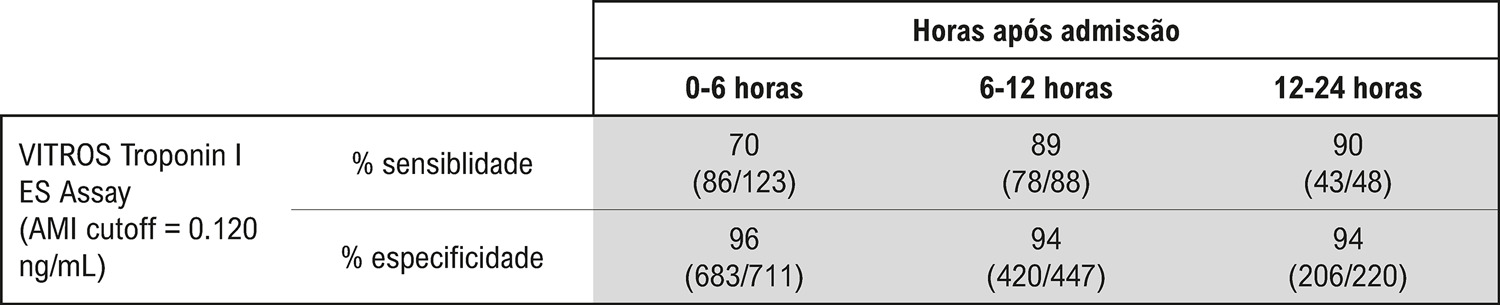
Foram avaliados 494 pacientes com SCA. Troponina > percentil 99 e abaixo do ponto de corte, assim como valores maiores (acima do ponto de corte), foram associados à maior incidência do desfecho composto (p<0,01) e de revascularização percutânea ou cirúrgica (p<0,01), sem diferença significante em mortalidade até 30 dias.

Conclusões

Valores de troponina elevados acima do percentil 99 pela Definição Universal de IAM apresentam papel prognóstico e agregam informação útil ao diagnóstico clínico e escores de risco na identificação de pacientes com maior probabilidade de benefício com estratificação invasiva e procedimentos de revascularização coronária.

  • acute coronary syndrome
  • Myocardial revascularization
  • troponin-I
Ler artigo completo
Creative Commons Attribution (CC BY) Creative Commons license
09/05/2022 DOI: 10.36660/abc.20210191 Visualizações 8
IJCS
Editorial

Abdominal Subcutaneous Adipose Tissue, Diet, and Risk of Cardiovascular Disease: What do we Know?

Camila Weschenfelder et al. Penny M. Kris-Etherton

Excess adiposity increases the risk of cardiovascular disease (CVD) due to dyslipidemia, systemic inflammation and other risk factors. The distribution of body fat depots, and central adiposity in particular, is related to cardiometabolic diseases. The different adipose tissue depots in the body, ie, epicardial adipose tissue, visceral adipose tissue (VAT) and subcutaneous adipose tissue (SAT), have different biochemical characteristics and produce unique biologically active molecules that affect normal and pathological processes related to CVD risk. , Abdominal SAT is classified as superficial or deep. Deep subcutaneous adipose tissue (DSAT) has a higher ratio of saturated to monounsaturated fatty acids, and, consequently, is more saturated than superficial subcutaneous adipose tissue (SSAT). Despite being in the subcutaneous compartment, DSAT differs from VAT because of differences in gene transcription, having different metabolic functions than SSAT.

In Acute Coronary Syndrome (ACS) patients, coronary plaque instability is related to abnormal abdominal fat distribution. Analyses of the abdominal fat distribution of ACS patients have demonstrated that both VAT and SAT are positively correlated with vessel and plaque volumes, but not with plaque tissue components, the fibrous and lipid content of plaque. However, considering coronary plaque characteristics, a higher VAT/SAT ratio was independently associated with a higher percentage of plaque lipid content, with a lower percentage of fibrous volumes and a thinner fibrous cap thickness, characteristics that define greater plaque rupture vulnerability and a high risk for coronary events.

[…]

  • Abdominal Subcutaneous Fat
  • acute coronary syndrome
  • Diet
  • Inflammation
  • Metabolic Syndrome
  • Obesity, Abdominal
  • Risk Factors/prevention and control
Ler artigo completo
Creative Commons Attribution (CC BY) Creative Commons license
14/01/2022 DOI: 10.36660/ijcs.20210233 Visualizações 10
IJCS
Original Article

Influence of Neuropeptide Y and Neuropeptide Y 2 Receptor Variants in Acute Coronary Syndrome

Fábia C. S. Soares et al. Romário M. Araújo Roberto P. Werkhauser George T. Diniz … Lakkakula V.K.S Bhaskar Viviane D. C. V. Carvalho Tetsuo Tashiro Ester A. S. Amorim Lilian C. A. Silva Sergio Tavares Montenegro Heytor V. P. C. Neco Clarice N. L. Moraes Danyelly B. G. Martins Silvia M. L. Montenegro

Abstract

Background

The neuropeptide Y (NPY) is one of the most abundant neurotransmitters in the nervous system. NPY acts as a potent stimulator of angiogenesis, inflammation, and adipogenesis, through the NPY 2 receptor (NPY2R). Changes in the NPY signaling pathway have been linked to Acute Coronary Syndrome (ACS).

Objectives

The purpose of this study is to determine the association between variants in the NPY and NPY2R genes, as well as the severity of acute coronary syndrome (ACS).

Methods

Approximately 221 ACS patients and 278 healthy controls were selected for this study. Four variants in NPY and two variants in NPY2R genes were genotyped using Taqman allelic discrimination and sequencing. The Chi-square and Fisher’s exact tests were used to verify the genotype frequencies. The logistic regression analyses were used for the evaluation of the studied variables. Haplotype analysis was used to evaluate the linkage disequilibrium (LD) between the variants (p<0.05).

Results

An association of NPY c.20T>C variant was found with the ACS group when compared to the healthy group. In the analysis between variants and risk factors in the ACS group, NPY c.84G>A was associated with hypertension. The analysis between TIMI risk showed a significance for NPY c.20T>C between the low and intermediate/high TIMI risk groups. In the haplotype analysis, strong linkage disequilibrium (LD) was found between the variants NPY c.150G>A and NPY c.-485T>C.

Conclusion

The NPY c.20T>C variant appears to contribute to the development of ACS. The NPY2R c.-1116A>G variant may contribute to the early development of ACS and the NPY c.84G>A variant appears to contribute to the development of hypertension. In addition, the NPY c.20T>C is associated with a protective effect in ACS severity.

  • acute coronary syndrome
  • Epidemiology
  • Neuropeptide Y
  • Nucleotide Polymorphism
  • Receptors Neuropeptide Y
Ler artigo completo
Creative Commons Attribution (CC BY) Creative Commons license
07/01/2022 DOI: 10.36660/ijcs.20210053 Visualizações 7
IJCS
Editorial

Back to The Future: How To Define Prognosis in MINOCA?

Luiz Eduardo Fonteles Ritt et al. Mateus dos Santos Viana

Myocardial Infarction with non-Obstructive Coronary Arteries (MINOCA) is the final diagnosis in 6-10% of all acute coronary syndromes (ACS). It is mostly present in female individuals. MINOCA was defined by the European Society of Cardiology (ESC) in 2017, and the Fourth Universal Definition of Myocardial Infarction (2018) further reinforced this concept. ,

Dreyer et al., analyzing Medicare data in the United States, determined an incidence for MINOCA of 5.9%. Lower rates of one-year MACE (1.7% vs 27.6%), mortality (12.3% vs 16.7%) and re-hospitalization for ACS (1.3% vs 6.1%) were observed in MINOCA compared with ACS with coronary obstruction. Although the prognosis of MINOCA seems to be better than conventional ACS, a better understanding of which conditions are associated with better or worse prognosis within the MINOCA spectrum is needed.

[…]

  • acute coronary syndrome
  • cardiovascular diseases
  • Coronary Angiography
  • Coronary Artery Disease
  • Magnetic Resonance/diagnostic imaging
  • Myocardial Infarction
Ler artigo completo
Creative Commons Attribution (CC BY) Creative Commons license
01/11/2021 DOI: 10.36660/ijcs.20210229 Visualizações 8
IJCS
Original Article

Text Messages to Promote Secondary Prevention after Acute Coronary Syndrome (IMPACS trial)

Luiz Guilherme Passaglia et al. Luisa Campos Caldeira Brant José Luiz Padilha da Silva Bruno Ramos Nascimento Antônio Luiz Pinho Ribeiro

Abstract

Background

Short message service (SMS) to promote healthcare improves the control of cardiovascular risk factors, but there is a lack of evidence in low and middle-income countries, particularly after acute coronary syndromes (ACS).

Objective

This study aims to evaluate whether the use of SMS increases risk factor control after hospital discharge for ACS.

Methods

IMPACS is a 2-arm randomized trial with 180 patients hospitalized due to ACS at a tertiary hospital in Brazil. Eligible patients were randomized (1:1) to an SMS intervention (G1) or standard care (G2) upon hospital discharge. The primary endpoint was set to achieve 4 or 5 points in a risk factor control score, consisting of a cluster of 5 modifiable risk factors: LDL-C <70mg/dL, blood pressure (BP) <140/90mmHg, regular exercise (≥5 days/week, 30 minutes/session), nonsmoker status, and body mass index (BMI) <25 kg/m2] at 6 months. Secondary outcomes were components of the primary outcome plus rehospitalization, cardiovascular death, and death from any cause. Results are designated as significant if p<0.05.

Results

From randomized patients, 147 were included in the final analysis. Mean age was 58 (51–64) years, 74% males. The primary outcome was achieved by 12 (16.2%) patients in G1 and 15 (20.8%) in G2 (OR=0.73, 95%CI 0.32–1.70, p=0.47). Secondary outcomes were also similar: LDL-C<70 mg/dl (p=0.33), BP<140/90 mmHg (p=0.32), non-smoker (p=0.74), regular exercise (p=0.97), BMI (p=0.71), and rehospitalization (p=0.06). Death from any cause occurred in three participants (2%), including one cardiovascular death in each group.

Conclusion

SMS intervention did not significantly improve cardiovascular risk factor control when compared to standard care in patients discharged after ACS in Brazil.

  • acute coronary syndrome
  • Risk Factors
  • Telemedicine
  • Text Messages
Ler artigo completo
Creative Commons Attribution (CC BY) Creative Commons license
03/09/2021 DOI: 10.36660/ijcs.20200378 Visualizações 12
IJCS
Original Article

Validation of the Grace Risk Score to Predict In-Hospital and 6-Month Post-Discharge Mortality in Patients with Acute Coronary Syndrome

Vítor Boniatti Neves et al. Raquel Melchior Roman Tiago Vendruscolo Gilberto Heineck … Carlos Alberto Santos de Mattos Eduardo Ilha de Mattos Luiz Carlos Pereira Bin Karine de Lima Sírio Boclin Marcelo Fialho Roman

Abstract

Background

The wide range of clinical presentations of acute coronary syndrome (ACS) makes it indispensible to use tools for risk stratification and for appropriate risks management; thus, the use of prognosis scores is recommended in the immediat clinical decision-making.

Objective

To validate the Global Registry of Acute Coronary Events (GRACE) score as a predictor of in-hospital and 6-month post-discharge mortality in a population diagnosed with ACS.

Methods

This is a prospective cohort study of consecutive patients diagnosed with ACS between May and December 2018. GRACE scores were calculated, as well as their predictive value for in-hospital and 6-month post-discharge mortality. The validity of the model was assessed by two techniques: discriminative power using the area under the receiver operating characteristic curve (AUC) and goodness-of-fit, using the Hosmer-Lemeshow (HL) test, at the 5% level of significance.

Results

A total of 160 patients were included, mean age 64 (±10.9) years; of which 60% were men. The risk model showed to have satisfactory ability to predict both in-hospital mortality, with an area under the curve (AUC) of 0.76 (95% confidence interval [CI], 0.57-0.95; p = 0.014), and 6-month post-discharge mortality, with AUC of 0.78 (95%CI, 0.62-0.94), p = 0.002. The HL test indicated good-fit for both models of the GRACE score.

Conclusion

In this study, the GRACE risk score for predicting mortality was appropriately validated in patients with ACS, with good discriminative power and goodness-of-fit. The results suggest that the GRACE score is appropriate for clinical use in our setting.

  • acute coronary syndrome
  • Mortality
  • Prognosis
Ler artigo completo
Creative Commons Attribution (CC BY) Creative Commons license
16/07/2021 DOI: 10.36660/ijcs.20210019 Visualizações 7

Não foi possível carregar mais artigos. Tente novamente.

Como citar este artigo

EndNote RIS

Formato de Documento Eletrônico (Vancouver)

Caldas AC, Matias D, Medina D, Correia LCL. Reversal of Therapeutic Recommendations in the American College of Cardiology Coronary Artery Disease Guidelines. International Journal of Cardiovascular Sciences 2026;39:e20250148.

Formato de Documento Eletrônico (ABNT)

Caldas, Alessandra Carvalho; Matias, Denise; Medina, Daniel; Correia, Luis Claudio Lemos. Reversal of Therapeutic Recommendations in the American College of Cardiology Coronary Artery Disease Guidelines. International Journal of Cardiovascular Sciences, v. 39, e20250148, set. 2026.

Formato de Documento Eletrônico (APA)

Caldas, A. C., Matias, D., Medina, D., & Correia, L. C. L. (2026). Reversal of Therapeutic Recommendations in the American College of Cardiology Coronary Artery Disease Guidelines. International Journal of Cardiovascular Sciences, 39, e20250148.

Formato de Documento Eletrônico (ISO)

Caldas, Alessandra Carvalho and Matias, Denise and Medina, Daniel and Correia, Luis Claudio Lemos. Reversal of Therapeutic Recommendations in the American College of Cardiology Coronary Artery Disease Guidelines. International Journal of Cardiovascular Sciences [online]. 2026, vol. 39, [citado 2026-11-15], e20250148. Disponível em: <https://journals.cardiol.br/article/reversal-of-therapeutic-recommendations-in-the-american-college-of-cardiology-coronary-artery-disease-guidelines-2/>. ISSN 2359-4802

EndNote RIS

Formato de Documento Eletrônico (Vancouver)

Rocha ASC, Kruczan D. Asymptomatic Patients With Suspected Coronary Artery Disease: What Are Clinicians Afraid Of?. International Journal of Cardiovascular Sciences 2026;39:e20250075.

Formato de Documento Eletrônico (ABNT)

Rocha, Antônio Sérgio Cordeiro da; Kruczan, Dany. Asymptomatic Patients With Suspected Coronary Artery Disease: What Are Clinicians Afraid Of?. International Journal of Cardiovascular Sciences, v. 39, e20250075, ago. 2026.

Formato de Documento Eletrônico (APA)

Rocha, A. S. C. , & Kruczan, D. (2026). Asymptomatic Patients With Suspected Coronary Artery Disease: What Are Clinicians Afraid Of?. International Journal of Cardiovascular Sciences, 39, e20250075.

Formato de Documento Eletrônico (ISO)

Rocha, Antônio Sérgio Cordeiro da and Kruczan, Dany. Asymptomatic Patients With Suspected Coronary Artery Disease: What Are Clinicians Afraid Of?. International Journal of Cardiovascular Sciences [online]. 2026, vol. 39, [citado 2026-11-15], e20250075. Disponível em: <https://journals.cardiol.br/article/asymptomatic-patients-with-suspected-coronary-artery-disease-what-are-clinicians-afraid-of-2/>. ISSN 2359-4802

EndNote RIS

Formato de Documento Eletrônico (Vancouver)

Righi FL, Sugai G, Araujo P, Alves RJ. Association Between Inflammatory Hematologic Indices and Acute Coronary Syndrome Phenotypes. International Journal of Cardiovascular Sciences 2026;39:e20250264.

Formato de Documento Eletrônico (ABNT)

Righi, Fabiele de Lima; Sugai, Gustavo; Araujo, Paula; Alves, Renato Jorge. Association Between Inflammatory Hematologic Indices and Acute Coronary Syndrome Phenotypes. International Journal of Cardiovascular Sciences, v. 39, e20250264, ago. 2026.

Formato de Documento Eletrônico (APA)

Righi, F. L., Sugai, G., Araujo, P., & Alves, R. J. (2026). Association Between Inflammatory Hematologic Indices and Acute Coronary Syndrome Phenotypes. International Journal of Cardiovascular Sciences, 39, e20250264.

Formato de Documento Eletrônico (ISO)

Righi, Fabiele de Lima and Sugai, Gustavo and Araujo, Paula and Alves, Renato Jorge. Association Between Inflammatory Hematologic Indices and Acute Coronary Syndrome Phenotypes. International Journal of Cardiovascular Sciences [online]. 2026, vol. 39, [citado 2026-11-15], e20250264. Disponível em: <https://journals.cardiol.br/article/association-between-inflammatory-hematologic-indices-and-acute-coronary-syndrome-phenotypes-2/>. ISSN 2359-4802

EndNote RIS

Formato de Documento Eletrônico (Vancouver)

Viana R, Carias M, Brás D. Allergy and Ischemia: A Case Report of Type II Kounis Syndrome. International Journal of Cardiovascular Sciences 2026;39:e20250037.

Formato de Documento Eletrônico (ABNT)

Viana, Rafael; Carias, Miguel; Brás, Diogo. Allergy and Ischemia: A Case Report of Type II Kounis Syndrome. International Journal of Cardiovascular Sciences, v. 39, e20250037, ago. 2026.

Formato de Documento Eletrônico (APA)

Viana, R., Carias, M., & Brás, D. (2026). Allergy and Ischemia: A Case Report of Type II Kounis Syndrome. International Journal of Cardiovascular Sciences, 39, e20250037.

Formato de Documento Eletrônico (ISO)

Viana, Rafael and Carias, Miguel and Brás, Diogo. Allergy and Ischemia: A Case Report of Type II Kounis Syndrome. International Journal of Cardiovascular Sciences [online]. 2026, vol. 39, [citado 2026-11-15], e20250037. Disponível em: <https://journals.cardiol.br/article/allergy-and-ischemia-a-case-report-of-type-ii-kounis-syndrome-2/>. ISSN 2359-4802

EndNote RIS

Formato de Documento Eletrônico (Vancouver)

Lacerda-Rodrigues L, Nogueira A, Conceicao HMC, Fernandez SC, Felix N, Fernandes RM. Prognostic Value of Adding Admission Blood Glucose to the GRACE Score: Systematic Review and Meta-Analysis. International Journal of Cardiovascular Sciences 2026;39:e20240108.

Formato de Documento Eletrônico (ABNT)

Lacerda-Rodrigues, Loren; Nogueira, Alleh; Conceicao, Hayala M. Cavalcante; Fernandez, Sarah C.; Felix, Nicole; Fernandes, Rafael Modesto. Prognostic Value of Adding Admission Blood Glucose to the GRACE Score: Systematic Review and Meta-Analysis. International Journal of Cardiovascular Sciences, v. 39, e20240108, jun. 2026.

Formato de Documento Eletrônico (APA)

Lacerda-Rodrigues, L., Nogueira, A., Conceicao, H. M. C., Fernandez, S. C., Felix, N., & Fernandes, R. M. (2026). Prognostic Value of Adding Admission Blood Glucose to the GRACE Score: Systematic Review and Meta-Analysis. International Journal of Cardiovascular Sciences, 39, e20240108.

Formato de Documento Eletrônico (ISO)

Lacerda-Rodrigues, Loren and Nogueira, Alleh and Conceicao, Hayala M. Cavalcante and Fernandez, Sarah C. and Felix, Nicole and Fernandes, Rafael Modesto. Prognostic Value of Adding Admission Blood Glucose to the GRACE Score: Systematic Review and Meta-Analysis. International Journal of Cardiovascular Sciences [online]. 2026, vol. 39, [citado 2026-11-15], e20240108. Disponível em: <https://journals.cardiol.br/article/prognostic-value-of-adding-admission-blood-glucose-to-the-grace-score-systematic-review-and-meta-analysis-2/>. ISSN 2359-4802

EndNote RIS

Formato de Documento Eletrônico (Vancouver)

Fikriana R, Afik A, Prasetya RE. Acute Coronary Syndrome Patient Profile in Emergency Department: A cross-sectional study. International Journal of Cardiovascular Sciences 2026;39:e20250120.

Formato de Documento Eletrônico (ABNT)

Fikriana, Riza; Afik, Al; Prasetya, Randy Eka. Acute Coronary Syndrome Patient Profile in Emergency Department: A cross-sectional study. International Journal of Cardiovascular Sciences, v. 39, e20250120, maio. 2026.

Formato de Documento Eletrônico (APA)

Fikriana, R., Afik, A., & Prasetya, R. E. (2026). Acute Coronary Syndrome Patient Profile in Emergency Department: A cross-sectional study. International Journal of Cardiovascular Sciences, 39, e20250120.

Formato de Documento Eletrônico (ISO)

Fikriana, Riza and Afik, Al and Prasetya, Randy Eka. Acute Coronary Syndrome Patient Profile in Emergency Department: A cross-sectional study. International Journal of Cardiovascular Sciences [online]. 2026, vol. 39, [citado 2026-11-15], e20250120. Disponível em: <https://journals.cardiol.br/article/acute-coronary-syndrome-patient-profile-in-emergency-department-a-cross-sectional-study-2/>. ISSN 2359-4802

EndNote RIS

Formato de Documento Eletrônico (Vancouver)

Reichert GB, Tietz PHT, Silva V, Schmidt MM, Gottschall CAM, Quadros AS. Right Ventricle Infarction in Current Practice: Insights from a Contemporary Registry at a High-Volume Tertiary Center in Brazil. International Journal of Cardiovascular Sciences 2026;39:e20250098.

Formato de Documento Eletrônico (ABNT)

Reichert, Giulia Bonatto; Tietz, Pedro Henrique Torres; Silva, Vitoria; Schmidt, Marcia Moura; Gottschall, Carlos A. M.; Quadros, Alexandre Schaan de. Right Ventricle Infarction in Current Practice: Insights from a Contemporary Registry at a High-Volume Tertiary Center in Brazil. International Journal of Cardiovascular Sciences, v. 39, e20250098, mar. 2026.

Formato de Documento Eletrônico (APA)

Reichert, G. B., Tietz, P. H. T., Silva, V., Schmidt, M. M., Gottschall, C. A. M., & Quadros, A. S. (2026). Right Ventricle Infarction in Current Practice: Insights from a Contemporary Registry at a High-Volume Tertiary Center in Brazil. International Journal of Cardiovascular Sciences, 39, e20250098.

Formato de Documento Eletrônico (ISO)

Reichert, Giulia Bonatto and Tietz, Pedro Henrique Torres and Silva, Vitoria and Schmidt, Marcia Moura and Gottschall, Carlos A. M. and Quadros, Alexandre Schaan de. Right Ventricle Infarction in Current Practice: Insights from a Contemporary Registry at a High-Volume Tertiary Center in Brazil. International Journal of Cardiovascular Sciences [online]. 2026, vol. 39, [citado 2026-11-15], e20250098. Disponível em: <https://journals.cardiol.br/article/right-ventricle-infarction-in-current-practice-insights-from-a-contemporary-registry-at-a-high-volume-tertiary-center-in-brazil-2/>. ISSN 2359-4802

EndNote RIS

Formato de Documento Eletrônico (Vancouver)

Schonarth AP, Helbok OZ, Bacca COF, Michels AC. Spontaneous Multivessel Coronary Artery Dissection: Case Report. International Journal of Cardiovascular Sciences 2025;38:e20240013.

Formato de Documento Eletrônico (ABNT)

Schonarth, Ana Paula; Helbok, Ottávia Zainho; Bacca, Caroline de Oliveira Fischer; Michels, Arieli Carini. Spontaneous Multivessel Coronary Artery Dissection: Case Report. International Journal of Cardiovascular Sciences, v. 38, e20240013, jun. 2025.

Formato de Documento Eletrônico (APA)

Schonarth, A. P., Helbok, O. Z., Bacca, C. O. F., & Michels, A. C. (2025). Spontaneous Multivessel Coronary Artery Dissection: Case Report. International Journal of Cardiovascular Sciences, 38, e20240013.

Formato de Documento Eletrônico (ISO)

Schonarth, Ana Paula and Helbok, Ottávia Zainho and Bacca, Caroline de Oliveira Fischer and Michels, Arieli Carini. Spontaneous Multivessel Coronary Artery Dissection: Case Report. International Journal of Cardiovascular Sciences [online]. 2025, vol. 38, [citado 2026-11-15], e20240013. Disponível em: <https://journals.cardiol.br/article/spontaneous-multivessel-coronary-artery-dissection-case-report-2/>. ISSN 2359-4802

EndNote RIS

Formato de Documento Eletrônico (Vancouver)

Sampaio ARR. Platelet Distribution Width: A New Prognostic Marker for Patients with Acute Coronary Syndrome?. International Journal of Cardiovascular Sciences 2025;38:e20250021.

Formato de Documento Eletrônico (ABNT)

Sampaio, Angelo Roncalli Ramalho. Platelet Distribution Width: A New Prognostic Marker for Patients with Acute Coronary Syndrome?. International Journal of Cardiovascular Sciences, v. 38, e20250021, abr. 2025.

Formato de Documento Eletrônico (APA)

Sampaio, A. R. R. (2025). Platelet Distribution Width: A New Prognostic Marker for Patients with Acute Coronary Syndrome?. International Journal of Cardiovascular Sciences, 38, e20250021.

Formato de Documento Eletrônico (ISO)

Sampaio, Angelo Roncalli Ramalho. Platelet Distribution Width: A New Prognostic Marker for Patients with Acute Coronary Syndrome?. International Journal of Cardiovascular Sciences [online]. 2025, vol. 38, [citado 2026-11-15], e20250021. Disponível em: <https://journals.cardiol.br/article/platelet-distribution-width-a-new-prognostic-marker-for-patients-with-acute-coronary-syndrome-2/>. ISSN 2359-4802

EndNote RIS

Formato de Documento Eletrônico (Vancouver)

Polat F, Kaya Z, Yanikoğlu A. Platelet Distribution Width as a Marker for Severity and Extent of Coronary Artery Disease in Acute Coronary Syndrome. International Journal of Cardiovascular Sciences 2025;38:e20240055.

Formato de Documento Eletrônico (ABNT)

Polat, Fuat; Kaya, Zeynettin; Yanikoğlu, Atakan. Platelet Distribution Width as a Marker for Severity and Extent of Coronary Artery Disease in Acute Coronary Syndrome. International Journal of Cardiovascular Sciences, v. 38, e20240055, mar. 2025.

Formato de Documento Eletrônico (APA)

Polat, F., Kaya, Z., & Yanikoğlu, A. (2025). Platelet Distribution Width as a Marker for Severity and Extent of Coronary Artery Disease in Acute Coronary Syndrome. International Journal of Cardiovascular Sciences, 38, e20240055.

Formato de Documento Eletrônico (ISO)

Polat, Fuat and Kaya, Zeynettin and Yanikoğlu, Atakan. Platelet Distribution Width as a Marker for Severity and Extent of Coronary Artery Disease in Acute Coronary Syndrome. International Journal of Cardiovascular Sciences [online]. 2025, vol. 38, [citado 2026-11-15], e20240055. Disponível em: <https://journals.cardiol.br/article/platelet-distribution-width-as-a-marker-for-severity-and-extent-of-coronary-artery-disease-in-acute-coronary-syndrome-2/>. ISSN 2359-4802

EndNote RIS

Formato de Documento Eletrônico (Vancouver)

Devaraju CJ, Kumar SS, Sadananda KS, Kumar KV, Nanjappa V, Rajith KS, Ravindranath KS, et al. Impact of Digital Technology Intervention on Medication Compliance, Modification of Risk Factors, and Clinical Outcome in Patients With Acute Coronary Syndrome: A Follow-Up Study. International Journal of Cardiovascular Sciences 2025;38:e20240127.

Formato de Documento Eletrônico (ABNT)

Devaraju, C. J; Kumar, S Sunil; Sadananda, K. S.; Kumar, K Vinay; Nanjappa, Veena; Rajith, K. S.; Ravindranath, K. S.. Impact of Digital Technology Intervention on Medication Compliance, Modification of Risk Factors, and Clinical Outcome in Patients With Acute Coronary Syndrome: A Follow-Up Study. International Journal of Cardiovascular Sciences, v. 38, e20240127, mar. 2025.

Formato de Documento Eletrônico (APA)

Devaraju, C. J., Kumar, S. S., Sadananda, K. S., Kumar, K. V., Nanjappa, V., Rajith, K. S., & Ravindranath, K. S. (2025). Impact of Digital Technology Intervention on Medication Compliance, Modification of Risk Factors, and Clinical Outcome in Patients With Acute Coronary Syndrome: A Follow-Up Study. International Journal of Cardiovascular Sciences, 38, e20240127.

Formato de Documento Eletrônico (ISO)

Devaraju, C. J and Kumar, S Sunil and Sadananda, K. S. and Kumar, K Vinay and Nanjappa, Veena and Rajith, K. S. and Ravindranath, K. S.. Impact of Digital Technology Intervention on Medication Compliance, Modification of Risk Factors, and Clinical Outcome in Patients With Acute Coronary Syndrome: A Follow-Up Study. International Journal of Cardiovascular Sciences [online]. 2025, vol. 38, [citado 2026-11-15], e20240127. Disponível em: <https://journals.cardiol.br/article/impact-of-digital-technology-intervention-on-medication-compliance-modification-of-risk-factors-and-clinical-outcome-in-patients-with-acute-coronary-syndrome-a-follow-up-study-2/>. ISSN 2359-4802

EndNote RIS

Formato de Documento Eletrônico (Vancouver)

Bertoli ED, Barros MLS, Pasqualotto E, Lima PLG, Camerotte R, Nienkötter TF, Souza MEC, et al. Enoxaparin Versus Unfractionated Heparin in Acute Coronary Syndrome Without St-Segment Elevation: A Systematic Review and Meta-Analysis. International Journal of Cardiovascular Sciences 2025;38:e20240149.

Formato de Documento Eletrônico (ABNT)

Bertoli, Edmundo Damiani; Barros, Maria Luísa Siegloch; Pasqualotto, Eric; Lima, Pedro Lucas Gomes; Camerotte, Raphael; Nienkötter, Thiago Faraco; Souza, Maria Eduarda Cavalcanti; Floriano, Isabela Tonon; Kelly, Francinny Alves. Enoxaparin Versus Unfractionated Heparin in Acute Coronary Syndrome Without St-Segment Elevation: A Systematic Review and Meta-Analysis. International Journal of Cardiovascular Sciences, v. 38, e20240149, fev. 2025.

Formato de Documento Eletrônico (APA)

Bertoli, E. D., Barros, M. L. S., Pasqualotto, E., Lima, P. L. G., Camerotte, R., Nienkötter, T. F., Souza, M. E. C., Floriano, I. T., & Kelly, F. A. (2025). Enoxaparin Versus Unfractionated Heparin in Acute Coronary Syndrome Without St-Segment Elevation: A Systematic Review and Meta-Analysis. International Journal of Cardiovascular Sciences, 38, e20240149.

Formato de Documento Eletrônico (ISO)

Bertoli, Edmundo Damiani and Barros, Maria Luísa Siegloch and Pasqualotto, Eric and Lima, Pedro Lucas Gomes and Camerotte, Raphael and Nienkötter, Thiago Faraco and Souza, Maria Eduarda Cavalcanti and Floriano, Isabela Tonon and Kelly, Francinny Alves. Enoxaparin Versus Unfractionated Heparin in Acute Coronary Syndrome Without St-Segment Elevation: A Systematic Review and Meta-Analysis. International Journal of Cardiovascular Sciences [online]. 2025, vol. 38, [citado 2026-11-15], e20240149. Disponível em: <https://journals.cardiol.br/article/enoxaparin-versus-unfractionated-heparin-in-acute-coronary-syndrome-without-st-segment-elevation-a-systematic-review-and-meta-analysis-2/>. ISSN 2359-4802

EndNote RIS

Formato de Documento Eletrônico (Vancouver)

Özmen M, Arikan E, Ozel F, Ardahanlı . Triglyceride-Glucose Index: Evaluation as a Potential New Risk Marker for SYNTAX Score in Acute Coronary Syndrome. International Journal of Cardiovascular Sciences 2024;37:e20240096.

Formato de Documento Eletrônico (ABNT)

Özmen, Murat; Arikan, Erhan; Ozel, Faik; Ardahanlı, İsa. Triglyceride-Glucose Index: Evaluation as a Potential New Risk Marker for SYNTAX Score in Acute Coronary Syndrome. International Journal of Cardiovascular Sciences, v. 37, e20240096, nov. 2024.

Formato de Documento Eletrônico (APA)

Özmen, M., Arikan, E., Ozel, F., & Ardahanlı, (2024). Triglyceride-Glucose Index: Evaluation as a Potential New Risk Marker for SYNTAX Score in Acute Coronary Syndrome. International Journal of Cardiovascular Sciences, 37, e20240096.

Formato de Documento Eletrônico (ISO)

Özmen, Murat and Arikan, Erhan and Ozel, Faik and Ardahanlı, İsa. Triglyceride-Glucose Index: Evaluation as a Potential New Risk Marker for SYNTAX Score in Acute Coronary Syndrome. International Journal of Cardiovascular Sciences [online]. 2024, vol. 37, [citado 2026-11-15], e20240096. Disponível em: <https://journals.cardiol.br/article/triglyceride-glucose-index-evaluation-as-a-potential-new-risk-marker-for-syntax-score-in-acute-coronary-syndrome-2/>. ISSN 2359-4802

EndNote RIS

Formato de Documento Eletrônico (Vancouver)

Rodrigues IM, Silva DML, Souza FM, Ontivero GNL, Almeida RP, O’Connel JL. Acute Ischemic Stroke as the Only Clinical Manifestation of Spontaneous Coronary Artery Dissection in an Athlete: A Case Report. International Journal of Cardiovascular Sciences 2024;37:e20230135.

Formato de Documento Eletrônico (ABNT)

Rodrigues, Isabela Martins; Silva, Dennis Miguel Lemos da; Souza, Fabiane Mian de; Ontivero, Gustavo Nahuel Leyes; Almeida, Rodrigo Penha de; O’Connel, João Lucas. Acute Ischemic Stroke as the Only Clinical Manifestation of Spontaneous Coronary Artery Dissection in an Athlete: A Case Report. International Journal of Cardiovascular Sciences, v. 37, e20230135, ago. 2024.

Formato de Documento Eletrônico (APA)

Rodrigues, I. M., Silva, D. M. L. , Souza, F. M. , Ontivero, G. N. L., Almeida, R. P. , & O’Connel, J. L. (2024). Acute Ischemic Stroke as the Only Clinical Manifestation of Spontaneous Coronary Artery Dissection in an Athlete: A Case Report. International Journal of Cardiovascular Sciences, 37, e20230135.

Formato de Documento Eletrônico (ISO)

Rodrigues, Isabela Martins and Silva, Dennis Miguel Lemos da and Souza, Fabiane Mian de and Ontivero, Gustavo Nahuel Leyes and Almeida, Rodrigo Penha de and O’Connel, João Lucas. Acute Ischemic Stroke as the Only Clinical Manifestation of Spontaneous Coronary Artery Dissection in an Athlete: A Case Report. International Journal of Cardiovascular Sciences [online]. 2024, vol. 37, [citado 2026-11-15], e20230135. Disponível em: <https://journals.cardiol.br/article/acute-ischemic-stroke-as-the-only-clinical-manifestation-of-spontaneous-coronary-artery-dissection-in-an-athlete-a-case-report-2/>. ISSN 2359-4802

EndNote RIS

Formato de Documento Eletrônico (Vancouver)

Aktas G, Tel BA, Duman TT. Inflammatory Indices Derived from Hemogram as Prognostic Markers of Cardiovascular Outcome. International Journal of Cardiovascular Sciences 2024;37:e20240012.

Formato de Documento Eletrônico (ABNT)

Aktas, Gulali; Tel, Burcin Atak; Duman, Tuba Taslamacioglu. Inflammatory Indices Derived from Hemogram as Prognostic Markers of Cardiovascular Outcome. International Journal of Cardiovascular Sciences, v. 37, e20240012, mar. 2024.

Formato de Documento Eletrônico (APA)

Aktas, G., Tel, B. A., & Duman, T. T. (2024). Inflammatory Indices Derived from Hemogram as Prognostic Markers of Cardiovascular Outcome. International Journal of Cardiovascular Sciences, 37, e20240012.

Formato de Documento Eletrônico (ISO)

Aktas, Gulali and Tel, Burcin Atak and Duman, Tuba Taslamacioglu. Inflammatory Indices Derived from Hemogram as Prognostic Markers of Cardiovascular Outcome. International Journal of Cardiovascular Sciences [online]. 2024, vol. 37, [citado 2026-11-15], e20240012. Disponível em: <https://journals.cardiol.br/article/inflammatory-indices-derived-from-hemogram-as-prognostic-markers-of-cardiovascular-outcome-2/>. ISSN 2359-4802

EndNote RIS

Formato de Documento Eletrônico (Vancouver)

Kılıç O, Mustu M, Suygun H, Con E, Karakurt A, Özer SF. Hemoglobin/Red Cell Distribution Width Ratio is Associated With Poor Prognosis in Patients With Acute Coronary Syndrome in Long-Term Follow-Up. International Journal of Cardiovascular Sciences 2024;37:e20230099.

Formato de Documento Eletrônico (ABNT)

Kılıç, Oğuz; Mustu, Mehmet; Suygun, Hakan; Con, Enes; Karakurt, Ahmet; Özer, Sümeyye Fatma. Hemoglobin/Red Cell Distribution Width Ratio is Associated With Poor Prognosis in Patients With Acute Coronary Syndrome in Long-Term Follow-Up. International Journal of Cardiovascular Sciences, v. 37, e20230099, mar. 2024.

Formato de Documento Eletrônico (APA)

Kılıç, O., Mustu, M., Suygun, H., Con, E., Karakurt, A., & Özer, S. F. (2024). Hemoglobin/Red Cell Distribution Width Ratio is Associated With Poor Prognosis in Patients With Acute Coronary Syndrome in Long-Term Follow-Up. International Journal of Cardiovascular Sciences, 37, e20230099.

Formato de Documento Eletrônico (ISO)

Kılıç, Oğuz and Mustu, Mehmet and Suygun, Hakan and Con, Enes and Karakurt, Ahmet and Özer, Sümeyye Fatma. Hemoglobin/Red Cell Distribution Width Ratio is Associated With Poor Prognosis in Patients With Acute Coronary Syndrome in Long-Term Follow-Up. International Journal of Cardiovascular Sciences [online]. 2024, vol. 37, [citado 2026-11-15], e20230099. Disponível em: <https://journals.cardiol.br/article/hemoglobin-red-cell-distribution-width-ratio-is-associated-with-poor-prognosis-in-patients-with-acute-coronary-syndrome-in-long-term-follow-up-2/>. ISSN 2359-4802

EndNote RIS

Formato de Documento Eletrônico (Vancouver)

Espinola-Zavaleta NG, Michel-Vasquez AD, Santos-Medina M, Martinez-Garcia G, Prieto-Guerra M, Cuevas LM, Rodriguez-Ramos MA, et al. Performance Measures in STEMI after COVID-19 Pandemic: Results from the RECUIMA Registry. International Journal of Cardiovascular Sciences 2023;36:e20220118.

Formato de Documento Eletrônico (ABNT)

Espinola-Zavaleta, Nilda Gladys; Michel-Vasquez, Ana Danissa; Santos-Medina, Maikel; Martinez-Garcia, Geovedys; Prieto-Guerra, Maidelis; Cuevas, Lázaro Mata; Rodriguez-Ramos, Miguel Alejandro. Performance Measures in STEMI after COVID-19 Pandemic: Results from the RECUIMA Registry. International Journal of Cardiovascular Sciences, v. 36, e20220118, set. 2023.

Formato de Documento Eletrônico (APA)

Espinola-Zavaleta, N. G., Michel-Vasquez, A. D., Santos-Medina, M., Martinez-Garcia, G., Prieto-Guerra, M., Cuevas, L. M., & Rodriguez-Ramos, M. A. (2023). Performance Measures in STEMI after COVID-19 Pandemic: Results from the RECUIMA Registry. International Journal of Cardiovascular Sciences, 36, e20220118.

Formato de Documento Eletrônico (ISO)

Espinola-Zavaleta, Nilda Gladys and Michel-Vasquez, Ana Danissa and Santos-Medina, Maikel and Martinez-Garcia, Geovedys and Prieto-Guerra, Maidelis and Cuevas, Lázaro Mata and Rodriguez-Ramos, Miguel Alejandro. Performance Measures in STEMI after COVID-19 Pandemic: Results from the RECUIMA Registry. International Journal of Cardiovascular Sciences [online]. 2023, vol. 36, [citado 2026-11-15], e20220118. Disponível em: <https://journals.cardiol.br/article/performance-measures-in-stemi-after-covid-19-pandemic-results-from-the-recuima-registry-2/>. ISSN 2359-4802

EndNote RIS

Formato de Documento Eletrônico (Vancouver)

Andrade FA, Carvalho L, Silva PGMB. Neuropeptides Y and Other Promising Biomarkers in Acute Coronary Syndrome. International Journal of Cardiovascular Sciences 2022;35(4):457-8.

Formato de Documento Eletrônico (ABNT)

Andrade, Fernanda A.; Carvalho, Leonardo; Silva, Pedro Gabriel Melo de Barros. Neuropeptides Y and Other Promising Biomarkers in Acute Coronary Syndrome. International Journal of Cardiovascular Sciences, v. 35, n. 4, p. 457-458, jul. 2022.

Formato de Documento Eletrônico (APA)

Andrade, F. A., Carvalho, L., & Silva, P. G. M. B. (2022). Neuropeptides Y and Other Promising Biomarkers in Acute Coronary Syndrome. International Journal of Cardiovascular Sciences, 35(4), 457-458.

Formato de Documento Eletrônico (ISO)

Andrade, Fernanda A. and Carvalho, Leonardo and Silva, Pedro Gabriel Melo de Barros. Neuropeptides Y and Other Promising Biomarkers in Acute Coronary Syndrome. International Journal of Cardiovascular Sciences [online]. 2022, vol. 35, n. 4, [citado 2026-11-15], pp. 457-458. Disponível em: <https://journals.cardiol.br/article/neuropeptides-y-and-other-promising-biomarkers-in-acute-coronary-syndrome-2/>. ISSN 2359-4802

EndNote RIS

Formato de Documento Eletrônico (Vancouver)

Tapias Filho AH, Oliveira GBF, França JID, Ramos RF. Troponina I por Percentil 99 da Definição Universal de Infarto do Miocárdio versus Ponto de Corte de Melhor Acurácia em Síndromes Coronárias Agudas. Arquivos Brasileiros de Cardiologia 2022;118(6):1006-15.

Formato de Documento Eletrônico (ABNT)

Tapias Filho, Antonio Haddad; Oliveira, Gustavo Bernardes de Figueiredo; França, João Italo Dias; Ramos, Rui Fernando. Troponina I por Percentil 99 da Definição Universal de Infarto do Miocárdio versus Ponto de Corte de Melhor Acurácia em Síndromes Coronárias Agudas. Arquivos Brasileiros de Cardiologia, v. 118, n. 6, p. 1006-1015, maio. 2022.

Formato de Documento Eletrônico (APA)

Tapias Filho, A. H., Oliveira, G. B. F., França, J. I. D., & Ramos, R. F. (2022). Troponina I por Percentil 99 da Definição Universal de Infarto do Miocárdio versus Ponto de Corte de Melhor Acurácia em Síndromes Coronárias Agudas. Arquivos Brasileiros de Cardiologia, 118(6), 1006-1015.

Formato de Documento Eletrônico (ISO)

Tapias Filho, Antonio Haddad and Oliveira, Gustavo Bernardes de Figueiredo and França, João Italo Dias and Ramos, Rui Fernando. Troponina I por Percentil 99 da Definição Universal de Infarto do Miocárdio versus Ponto de Corte de Melhor Acurácia em Síndromes Coronárias Agudas. Arquivos Brasileiros de Cardiologia [online]. 2022, vol. 118, n. 6, [citado 2026-11-15], pp. 1006-1015. Disponível em: <https://journals.cardiol.br/article/troponina-i-por-percentil-99-da-definicao-universal-de-infarto-do-miocardio-versus-ponto-de-corte-de-melhor-acuracia-em-sindromes-coronarias-agudas/>. ISSN 0066-782X

EndNote RIS

Formato de Documento Eletrônico (Vancouver)

Weschenfelder C, Kris-Etherton PM. Abdominal Subcutaneous Adipose Tissue, Diet, and Risk of Cardiovascular Disease: What do we Know?. International Journal of Cardiovascular Sciences 2022;35(1):46-7.

Formato de Documento Eletrônico (ABNT)

Weschenfelder, Camila; Kris-Etherton, Penny M.. Abdominal Subcutaneous Adipose Tissue, Diet, and Risk of Cardiovascular Disease: What do we Know?. International Journal of Cardiovascular Sciences, v. 35, n. 1, p. 46-47, jan. 2022.

Formato de Documento Eletrônico (APA)

Weschenfelder, C., & Kris-Etherton, P. M. (2022). Abdominal Subcutaneous Adipose Tissue, Diet, and Risk of Cardiovascular Disease: What do we Know?. International Journal of Cardiovascular Sciences, 35(1), 46-47.

Formato de Documento Eletrônico (ISO)

Weschenfelder, Camila and Kris-Etherton, Penny M.. Abdominal Subcutaneous Adipose Tissue, Diet, and Risk of Cardiovascular Disease: What do we Know?. International Journal of Cardiovascular Sciences [online]. 2022, vol. 35, n. 1, [citado 2026-11-15], pp. 46-47. Disponível em: <https://journals.cardiol.br/article/abdominal-subcutaneous-adipose-tissue-diet-and-risk-of-cardiovascular-disease-what-do-we-know-2/>. ISSN 2359-4802

EndNote RIS

Formato de Documento Eletrônico (Vancouver)

Soares FCS, Araújo RM, Werkhauser RP, Diniz GT, Bhaskar LV, Carvalho VDCV, Tashiro T, et al. Influence of Neuropeptide Y and Neuropeptide Y 2 Receptor Variants in Acute Coronary Syndrome. International Journal of Cardiovascular Sciences 2022;35(4):444-56.

Formato de Documento Eletrônico (ABNT)

Soares, Fábia C. S.; Araújo, Romário M.; Werkhauser, Roberto P.; Diniz, George T.; Bhaskar, Lakkakula V.K.S; Carvalho, Viviane D. C. V.; Tashiro, Tetsuo; Amorim, Ester A. S.; Silva, Lilian C. A.; Montenegro, Sergio Tavares; Neco, Heytor V. P. C.; Moraes, Clarice N. L.; Martins, Danyelly B. G.; Montenegro, Silvia M. L.. Influence of Neuropeptide Y and Neuropeptide Y 2 Receptor Variants in Acute Coronary Syndrome. International Journal of Cardiovascular Sciences, v. 35, n. 4, p. 444-456, jan. 2022.

Formato de Documento Eletrônico (APA)

Soares, F. C. S., Araújo, R. M., Werkhauser, R. P., Diniz, G. T., Bhaskar, L. V., Carvalho, V. D. C. V., Tashiro, T., Amorim, E. A. S., Silva, L. C. A., Montenegro, S. T., Neco, H. V. P. C., Moraes, C. N. L., Martins, D. B. G., & Montenegro, S. M. L. (2022). Influence of Neuropeptide Y and Neuropeptide Y 2 Receptor Variants in Acute Coronary Syndrome. International Journal of Cardiovascular Sciences, 35(4), 444-456.

Formato de Documento Eletrônico (ISO)

Soares, Fábia C. S. and Araújo, Romário M. and Werkhauser, Roberto P. and Diniz, George T. and Bhaskar, Lakkakula V.K.S and Carvalho, Viviane D. C. V. and Tashiro, Tetsuo and Amorim, Ester A. S. and Silva, Lilian C. A. and Montenegro, Sergio Tavares and Neco, Heytor V. P. C. and Moraes, Clarice N. L. and Martins, Danyelly B. G. and Montenegro, Silvia M. L.. Influence of Neuropeptide Y and Neuropeptide Y 2 Receptor Variants in Acute Coronary Syndrome. International Journal of Cardiovascular Sciences [online]. 2022, vol. 35, n. 4, [citado 2026-11-15], pp. 444-456. Disponível em: <https://journals.cardiol.br/article/influence-of-neuropeptide-y-and-neuropeptide-y-2-receptor-variants-in-acute-coronary-syndrome-2/>. ISSN 2359-4802

EndNote RIS

Formato de Documento Eletrônico (Vancouver)

Ritt LEF, Viana MS. Back to The Future: How To Define Prognosis in MINOCA?. International Journal of Cardiovascular Sciences 2021;34(5 Supl 1):10-1.

Formato de Documento Eletrônico (ABNT)

Ritt, Luiz Eduardo Fonteles; Viana, Mateus dos Santos. Back to The Future: How To Define Prognosis in MINOCA?. International Journal of Cardiovascular Sciences, v. 34, n. 5 Supl 1, p. 10-11, out. 2021.

Formato de Documento Eletrônico (APA)

Ritt, L. E. F., & Viana, M. S. (2021). Back to The Future: How To Define Prognosis in MINOCA?. International Journal of Cardiovascular Sciences, 34(5 Supl 1), 10-11.

Formato de Documento Eletrônico (ISO)

Ritt, Luiz Eduardo Fonteles and Viana, Mateus dos Santos. Back to The Future: How To Define Prognosis in MINOCA?. International Journal of Cardiovascular Sciences [online]. 2021, vol. 34, n. 5 Supl 1, [citado 2026-11-15], pp. 10-11. Disponível em: <https://journals.cardiol.br/article/back-to-the-future-how-to-define-prognosis-in-minoca-2/>. ISSN 2359-4802

EndNote RIS

Formato de Documento Eletrônico (Vancouver)

Passaglia LG, Brant LCC, Silva JLP, Nascimento BR, Ribeiro ALP. Text Messages to Promote Secondary Prevention after Acute Coronary Syndrome (IMPACS trial). International Journal of Cardiovascular Sciences 2021;35(2):202-13.

Formato de Documento Eletrônico (ABNT)

Passaglia, Luiz Guilherme; Brant, Luisa Campos Caldeira; Silva, José Luiz Padilha da; Nascimento, Bruno Ramos; Ribeiro, Antônio Luiz Pinho. Text Messages to Promote Secondary Prevention after Acute Coronary Syndrome (IMPACS trial). International Journal of Cardiovascular Sciences, v. 35, n. 2, p. 202-213, set. 2021.

Formato de Documento Eletrônico (APA)

Passaglia, L. G., Brant, L. C. C., Silva, J. L. P. , Nascimento, B. R., & Ribeiro, A. L. P. (2021). Text Messages to Promote Secondary Prevention after Acute Coronary Syndrome (IMPACS trial). International Journal of Cardiovascular Sciences, 35(2), 202-213.

Formato de Documento Eletrônico (ISO)

Passaglia, Luiz Guilherme and Brant, Luisa Campos Caldeira and Silva, José Luiz Padilha da and Nascimento, Bruno Ramos and Ribeiro, Antônio Luiz Pinho. Text Messages to Promote Secondary Prevention after Acute Coronary Syndrome (IMPACS trial). International Journal of Cardiovascular Sciences [online]. 2021, vol. 35, n. 2, [citado 2026-11-15], pp. 202-213. Disponível em: <https://journals.cardiol.br/article/text-messages-to-promote-secondary-prevention-after-acute-coronary-syndrome-impacs-trial-2/>. ISSN 2359-4802

EndNote RIS

Formato de Documento Eletrônico (Vancouver)

Neves VB, Roman RM, Vendruscolo T, Heineck G, Mattos CAS, Mattos EI, Bin LCP, et al. Validation of the Grace Risk Score to Predict In-Hospital and 6-Month Post-Discharge Mortality in Patients with Acute Coronary Syndrome. International Journal of Cardiovascular Sciences 2021;35(2):174-80.

Formato de Documento Eletrônico (ABNT)

Neves, Vítor Boniatti; Roman, Raquel Melchior; Vendruscolo, Tiago; Heineck, Gilberto; Mattos, Carlos Alberto Santos de; Mattos, Eduardo Ilha de; Bin, Luiz Carlos Pereira; Boclin, Karine de Lima Sírio; Roman, Marcelo Fialho. Validation of the Grace Risk Score to Predict In-Hospital and 6-Month Post-Discharge Mortality in Patients with Acute Coronary Syndrome. International Journal of Cardiovascular Sciences, v. 35, n. 2, p. 174-180, jul. 2021.

Formato de Documento Eletrônico (APA)

Neves, V. B., Roman, R. M., Vendruscolo, T., Heineck, G., Mattos, C. A. S. , Mattos, E. I. , Bin, L. C. P., Boclin, K. L. S., & Roman, M. F. (2021). Validation of the Grace Risk Score to Predict In-Hospital and 6-Month Post-Discharge Mortality in Patients with Acute Coronary Syndrome. International Journal of Cardiovascular Sciences, 35(2), 174-180.

Formato de Documento Eletrônico (ISO)

Neves, Vítor Boniatti and Roman, Raquel Melchior and Vendruscolo, Tiago and Heineck, Gilberto and Mattos, Carlos Alberto Santos de and Mattos, Eduardo Ilha de and Bin, Luiz Carlos Pereira and Boclin, Karine de Lima Sírio and Roman, Marcelo Fialho. Validation of the Grace Risk Score to Predict In-Hospital and 6-Month Post-Discharge Mortality in Patients with Acute Coronary Syndrome. International Journal of Cardiovascular Sciences [online]. 2021, vol. 35, n. 2, [citado 2026-11-15], pp. 174-180. Disponível em: <https://journals.cardiol.br/article/validation-of-the-grace-risk-score-to-predict-in-hospital-and-6-month-post-discharge-mortality-in-patients-with-acute-coronary-syndrome-2/>. ISSN 2359-4802

  • Sobre a Família ABC
  • Regimento Interno
  • Conselho Editorial
  • Sociedade Brasileira de Cardiologia (SBC)

Edições

Diretrizes da SBC

  • Vídeos
  • Podcasts
  • Notícias
Accessibility Adjustments

Powered by OneTap

How long do you want to hide the toolbar?
Hide Toolbar Duration
Select your accessibility profile
Vision Impaired Mode
Enhances website's visuals
Seizure Safe Profile
Clear flashes & reduces color
ADHD Friendly Mode
Focused browsing, distraction-free
Blindness Mode
Reduces distractions, improves focus
Epilepsy Safe Mode
Dims colors and stops blinking
Content Modules
Font Size

Default

Line Height

Default

Color Modules
Orientation Modules