Família ABC Arquivos Brasileiros de Cardiologia International Journal of Cardiovascular Sciences ABC Heart Failure & Cardiomyopathy ABC Imagem Cardiovascular
Português English
Família ABC
Português English
  • Sobre
    • Sobre a Família ABC
    • Regimento Interno
    • Conselho Editorial
    • Sociedade Brasileira de Cardiologia (SBC)
  • Edições
  • Diretrizes da SBC
  • Conteúdos
    • Vídeos
    • Podcasts
    • Notícias
  • Sobre
    • Sobre a Família ABC
    • Regimento Interno
    • Conselho Editorial
    • Sociedade Brasileira de Cardiologia (SBC)
  • Edições
  • Diretrizes da SBC
  • Conteúdos
    • Vídeos
    • Podcasts
    • Notícias

Família ABC

  • Família ABC
  • Arquivos Brasileiros de Cardiologia
  • International Journal of Cardiovascular Sciences
  • ABC Heart Failure & Cardiomyopathy
  • ABC Imagem Cardiovascular
Buscar em

Nenhum conteúdo encontrado.

Revistas
Ordenação
Tipos de artigo
Outros

  1. Início
  2. Palavra-chave: Atherosclerosis
IJCS
Case Report

Early Cascade Screening and Lipid-Lowering Therapy in Childhood: Challenges in the Management of Familial Hypercholesterolemia

Juliana Simões Zanotti et al. Eduardo Tomaz Quartero Martim Renato Jorge Alves

Abstract

This case highlights the importance of cascade screening for the early diagnosis of Familial Hypercholesterolemia (FH) in children. Early identification at the age of five enabled the timely initiation of lipid-lowering therapy and underscored the need for individualized treatment based on atherosclerotic risk. Despite a substantial reduction in LDL-C levels, the patient remained above recommended therapeutic targets, emphasizing the need for ongoing monitoring and treatment intensification. The detection of subclinical atherosclerosis further reinforces the importance of continuous cardiovascular surveillance. A comprehensive management strategy combining cascade screening, family-based risk assessment, and early intervention is essential to reduce long-term cardiovascular risk and improve clinical outcomes.

  • Atherosclerosis
  • Hyperlipoproteinemia Type II
  • LDL Lipoproteins
Ler artigo completo
Creative Commons Attribution (CC BY) Creative Commons license
07/09/2026 DOI: 10.36660/ijcs.20260095
IJCS
Original Article

Low-Dose Colchicine for Secondary Prevention: A Systematic Review and Meta-Analysis of Randomized Clinical Trials

Rita Barbosa Sousa et al. Joana Certo Pereira João Presume Daniel A. Gomes … Afonso Félix de Oliveira Jorge Ferreira

Introduction

Inflammation is recognized as a probable causal factor in recurrence of atherosclerotic events, making it a promising therapeutic target., Plasma C-reactive protein, a marker of systemic inflammation, has been shown to predict the risk of cardiovascular events regardless of cholesterol and other traditional risk factors., In the Antiinflammatory Therapy with Canakinumab for Atherosclerotic Disease (CANTOS) trial, inhibition of interleukin-1β demonstrated a reduction in cardiovascular events. Afterwards, colchicine, an inexpensive anti-inflammatory drug, emerged as a promising treatment to target residual inflammatory risk. Its primary mechanism involves inhibiting the NLRP3 inflammasome, which plays a crucial role in atherosclerosis-associated inflammation by producing pro-inflammatory cytokines like interleukin-1β.

The Efficacy and Safety of Low-Dose Colchicine after Myocardial Infarction (COLCOT) and the Colchicine in Patients with Chronic Coronary Disease (LoDoCo2) trials demonstrated a reduction in major adverse cardiovascular events (MACE)., A meta-analysis of these two major trials and several smaller randomized controlled trials (RCTs) concluded that colchicine reduces MACE, myocardial infarction (MI), coronary revascularization, and stroke in secondary prevention, although it did not improve cardiovascular mortality. Consequently, colchicine is now recommended for secondary prevention by European guidelines for managing acute and chronic coronary syndromes and by American guidelines for chronic coronary disease.–

[…]

  • Atherosclerosis
  • Colchicine
  • Inflammation
Ler artigo completo
Creative Commons Attribution (CC BY) Creative Commons license
27/07/2026 DOI: 10.36660/ijcs.20250245 Visualizações 1
IJCS
Original Article

Assessment of Cardiovascular-Metabolic Risk in Wistar Rats Fed a Hypercaloric Diet Supplemented with Selenium: A Preclinical Animal Study

Matheus Von Jelita Salina et al. Vitor Hugo Moro Pironatto André Amaro Mamédio dos Santos Tiago Daniel Gueiber … Luiz Gustavo Lima Eduardo Machado Dechandt Camila Cury Caruso Pedro Henrique Karpinski Thiago Martins Figueiredo Alceu de Oliveira Toledo-Junior Camila Marinelli Martins Ricardo Zanetti Gomes

Abstract

Background:

Residual cardiovascular risk persists even with adequate serum LDL-c control through statins, possibly due to dysfunctions in serum triglycerides and HDL-c. Elevated TG and reduced HDL-c are associated with metabolic syndrome and cardiovascular diseases. The TG/HDL-c ratio may predict these risks. Selenium, an antioxidant cofactor, may modulate these alterations, especially in diets that dysregulate serum lipid metabolism.

Objectives:

To evaluate the effects of selenium supplementation on the cardiometabolic risk (CMR) of Wistar rats exposed to a high-fat hyperglycemic diet (HHD).

Methods:

For 11 weeks, 55 female Wistar rats were divided into the following five groups: standard diet (SD), SD + ContinuousSe, HHD, HHD + LateSe, and HHD + EarlySe. Selenium was supplemented using sodium selenite (1 mg/kg). We performed one-way ANOVA, Kruskal–Wallis, and post hoc tests, adopting a significance level of p < 0.05.

Results:

Total cholesterol increased in HHD + LateSe compared to SD (p = 0.032) and to HHD (p = 0.013). HDL-c increased in HHD + LateSe compared to SD (p = 0.004) and to HHD (p = 0.008). LDL-c increased in HHD + LateSe compared to HHD (p = 0.008). TG decreased in HHD + LateSe (p = 0.006) and in HHD + EarlySe (p = 0.016) compared to SD. TG/HDL-c ratio decreased in HHD + LateSe compared to SD (p < 0.001) and SD + ContinuousSe (p = 0.013); and in HHD + EarlySe compared to SD (p = 0.005).

Conclusion:

Selenium supplementation showed potential to increase HDL-c and reduce TG, key diagnostic components of metabolic syndrome. It also demonstrated potential to lower the TG/HDL-c ratio, a possible predictor of CMR, in rats fed HHD. Further studies are needed in subjects with high CMR and statin use to better define the clinical response to this therapy.

  • Atherosclerosis
  • Heart Disease Risk Factors
  • Metabolic Syndrome
  • Sodium Selenite
  • Triglycerides
Ler artigo completo
Creative Commons Attribution (CC BY) Creative Commons license
12/06/2026 DOI: 10.36660/ijcs.20250069 Visualizações 1
IJCS
Original Article

Systemic Inflammation, Fibrinogen, and Lipoprotein(a) as Composite Predictors of Peripheral Arterial Disease

Alim Namitokov et al. Karina Karabakhtsieva Irina Gilevich

Abstract

Background:

Early detection of peripheral atherosclerosis remains a clinical challenge, especially in asymptomatic individuals. This study aimed to evaluate the predictive value of systemic inflammatory indices and lipid-related biomarkers for early atherosclerosis.

Objectives:

To investigate the diagnostic value of systemic inflammation indices, fibrinogen, and lipoprotein(a) as individual biomarkers and as a combined predictive model for early peripheral arterial disease.

Methods:

A prospective case-control study was conducted in 54 individuals: 20 patients diagnosed with early peripheral atherosclerosis (<55 years) and 34 healthy controls. Laboratory data included complete blood count, lipid profile, fibrinogen, lipoprotein(a), angiopoietin-like protein 3 (ANGPTL3), and Lp-PLA2. Inflammatory indices, including NLR, PLR, SII, SIRI, AISI, and MLR, were calculated. Logistic regression and ROC analysis were performed. A two-sided p-value < 0.05 was considered statistically significant.

Results:

SIRI (1.70 vs. 0.93, p = 0.0039) and AISI (431.6 vs. 236.4, p = 0.0128) were significantly higher in the atherosclerosis group. Fibrinogen showed the most robust association (5.46 vs. 3.71 g/L, p < 0.00001). Lp(a) alone was not statistically different between groups but improved the multivariate model (AUC 0.85 vs. 0.82). The final model, including age, inflammatory indices, LDL, Lp (a), and fibrinogen, achieved an AUC of 0.91.

Conclusion:

Systemic inflammation and fibrinogen levels are strongly associated with early atherosclerosis. Their combination with lipoprotein(a) enhances diagnostic performance, offering a simple, cost-effective strategy for early vascular risk assessment.

  • Atherosclerosis
  • Biomarkers
  • Fibrinogen
  • Inflammation
  • Lipoprotein(a)
  • Peripheral Arterial Disease
Ler artigo completo
Creative Commons Attribution (CC BY) Creative Commons license
25/05/2026 DOI: 10.36660/ijcs.20250165 Visualizações 2
IJCS
Original Article

Electrocardiographic Findings Among Asymptomatic Adults With Haemophilia

Ricardo Mesquita Camelo et al. Camila Caram-Deelder Carlos Guilherme Piscoya Roncal Bruna Pontes Duarte … Marilia Carolina Braga de Moura Neuza Cavalcanti de Moraes Costa Iris Maciel Costa Ana Maria Vanderlei Tania Maria Rocha Guimaraes Samantha Gouw Suely Meireles Rezende Johanna van der Bom

Abstract

Background:

People with haemophilia (PwH) are living longer. Therefore, they can develop atherosclerotic cardiovascular disease (ASCVD). Electrocardiogram (ECG) alterations may be a sign of initial ASCVD before the occurrence of symptoms.

Objective:

To describe the prevalence of resting ECG alterations among PwH adults asymptomatic for ASCVD.

Methods:

PwH aged ≥ 30 years without previous ASCVD events were considered for the analysis. Resting ECG traces were analysed according to international reference values and the Brazilian Longitudinal Adult Health Study (ELSA-Brasil) results for asymptomatic Brazilian men. Based on the established normal values and using the QT index, we further described the altered ECGs as minor or major changes, according to the Minnesota Code. Differences between prevalences were evaluated by Pearson’s χ2 test. Differences between medians were evaluated by the Mann-Whitney U test. A p-value < 0.05 was accepted as statistically significant.

Results:

A total of 64 PwH were included in the study. Median age was 44 years (interquartile range 35-52). Most patients had haemophilia A (81%) and 47% were severe. The prevalence of obesity, systemic arterial hypertension (SAH), diabetes mellitus (DM), and dyslipidaemia were 16%, 56%, 14%, and 72%, respectively. All the PwH had sinus rhythm, except for one, who had an implanted pacemaker due to idiopathic third-degree atrioventricular block. Altered ECGs were found in 25% and 30% of PwH, according to established criteria and ELSA-Brasil criteria, respectively. Major changes were found in eight (13%) PwH according to the Minnesota Code, including two ECGs with ischaemia-like wall inactivity.

Conclusions:

The prevalence of altered ECG varied from 25% to 30% among asymptomatic PwH.

  • Atherosclerosis
  • Atherosclerotic
  • Electrocardiography
  • Haemophilia A
  • Haemophilia B
Ler artigo completo
Creative Commons Attribution (CC BY) Creative Commons license
12/02/2024 DOI: 10.36660/ijcs.20220179 Visualizações 1
IJCS
Original Article

Biomarker-associated Monocyte Inflammatory Signaling in Myocardial Infarction

Raphael Boesche Guimarães et al. Julio Marchini Luz Marina Gomez Rogério Sarmento Leite … Oscar Dutra Iran Castro André Luiz Manica

Abstract

Background:

Monocytes are essential components in inflammatory signaling, and their recruitment is crucial in the signaling pathway, which directs and determines cell adhesion to the activated endothelium. A better understanding of the correlation between monocyte subsets and inflammatory signaling in patients with atherosclerotic disease in acute coronary syndrome (ACS) is essential for the development of more effective therapies for the prevention and treatment of cardiovascular diseases.

Objective:

To analyze differences between biomarkers and monocyte activation in the setting of ischemic heart disease.

Methods:

This was a case-control study comparing biomarkers and monocyte subsets between patients with ACS with and without ST-segment elevation and individuals without coronary stenosis. The nonparametric Kruskal-Wallis test was used to assess differences between groups, and Dunn’s post hoc test was used to identify which groups were different. Cuzick’s test for ordered group trends was used to assess falling or rising trends. Participants were classified into 3 groups: control (0); non-ST-elevation myocardial infarction (NSTEMI) (1); ST-elevation myocardial infarction (STEMI) D1 (2).

Results:

Forty-seven patients with ACS and 19 controls with no obstructive lesions on coronary angiography were recruited. Monocyte profile assessment was statistically different regarding time of symptom onset and the presence or absence of atherosclerotic disease (Kruskal-Wallis, p = 0.0009). Dunn’s post hoc test showed a significant difference between the control group and the STEMI D1 (p = 0.0014), STEMI D3 (p = 0.0036), and STEMI D7 (p = 0.0195) groups, corresponding to a 2-fold increase in classical (p = 0.0022) and nonclassical (p = 0.0031) monocytes compared with controls. For classical monocytes, there was a difference between the control group and all STEMI groups and between the NSTEMI group and the STEMI D1, D3, and D7 groups. For nonclassical monocytes, there was a difference between the control group and the STEMI D7 group (p = 0.0056) and between the NSTEMI group and the STEMI D7 group (p = 0.0166).

Conclusion:

This study found that there was an increase in total and classical monocyte mobilization at the time of acute myocardial infarction in patients with ACS.

  • Atherosclerosis
  • Monocytes
  • Myocardial Infarction
Ler artigo completo
Creative Commons Attribution (CC BY) Creative Commons license
21/04/2023 DOI: 10.36660/ijcs.20220007
IJCS
Editorial

The Influence of Primary Atherosclerotic Diseases on the Occurrence of Secondary Disease

Marcelo Chiara Bertolami

Atherosclerosis is a chronic inflammatory process in which the accumulation of cholesterol-laden plaque restricts blood flowin the arterial vasculature. The occlusion of arteries by expanding plaque or emboli from plaque rupture or erosion underlies a variety of cardiovascular diseases including myocardial infarction, ischemic cardiomyopathy, stroke, and peripheral vascular disease. Although cardiovascular disease remains a leading cause of morbidity and mortality in high-income countries, an epidemiological shift has occurred in recent decades., Improvements in vaccination and treatment of infectious diseases have led to a notable increase in the prevalence of cardiovascular diseases in low- and middle-income nations.

The prominent and increasing burden of atherosclerotic cardiovascular disease has stimulated growing interest in the elucidation of its pathogenesis, risk factors, prevention, and treatments. There has been remarkable progress in the understanding of atherosclerosis pathophysiology, and new risk factors, in addition to traditional ones, have been described to be implicated, including disturbed sleep, physical inactivity, the microbiome, the microbiota and gender-related factors. Also, knowledge about the importance and possibility of its early prevention, preferably during childhood or even earlier in pregnancy, and about optimized treatment by non-pharmacological therapies, pharmacotherapy, and/or interventional procedures, has expanded, tremendously; but even so, atherosclerotic cardiovascular disease remains the number one killer in the world.

[…]

  • Atherosclerosis
  • cardiovascular diseases
  • Myocardial Infarction
  • Peripheral Vascular Disease
  • Stroke
Ler artigo completo
Creative Commons Attribution (CC BY) Creative Commons license
27/01/2023 DOI: 10.36660/ijcs.20220193
IJCS
Original Article

HDL-Cholesterol in Children and Adolescents with Congenital Heart Disease

Matheus Alves Pacheco et al. Silvia Meyer Cardoso Michele Honicky Yara Maria Franco Moreno … Luiz Rodrigo Augustemak de Lima Camila Souza Marcos Isabela de Carlos Back

Abstract

Background

Children and adolescents with congenital heart disease may be more likely to develop atherogenic cardiovascular diseases in adulthood. Therefore, the early identification of risk factors and intervention in childhood may be crucial for a good quality of life and longevity.

Objectives

To describe the distribution of high-density lipoprotein-cholesterol (HDL-c) levels and its association with socioeconomic, clinical and cardiovascular risk factors in children and adolescents with congenital heart disease.

Methods

Cross-sectional study with children and adolescents aged between 5 and 18 years, with congenital heart disease. Socioeconomic, clinical and cardiovascular risk factors were evaluated. HDL-c concentrations were evaluated by the direct method and categorized as desirable (>45 mg/dL), borderline (40-45 mg/dL) and low (<40 mg/dL). We also assessed the “undesirable” levels, consisting of the sum of “borderline” and “low” values for comparative purposes. The multivariate logistic regression analysis was used to evaluate the factor associated with undesirable HDL-c levels. A p<0.05 value was adopted as statistically significant.

Results

Mean HDL-c was 51.2 mg/dL (SD 12.6), with a prevalence of 33.2% of undesirable HDL-c. In the multivariate analysis, C-reactive protein levels ≥ 3mg/dL (OR 3.26; 95% CI 1.32-8.04), age ≥ 10 years old (OR: 2.11; 95% CI 1.12-3.99) and undesirable levels of triglycerides (OR 2.21; 95% CI 1.13-4.75) were associated with undesirable HDL-c.

Conclusion

In this sample of children and adolescents with congenital heart disease, almost one third presented low or borderline HDL-c levels. Age ≥10 years, C-reactive protein and triglycerides were associated with undesirable HDL-c levels. These factors should be considered in the prevention of cerebrovascular diseases in adulthood in this population.

  • Adolescent
  • Atherosclerosis
  • Child
  • cholesterol
  • Congenital/genetics
  • Dyslipidemia
  • HDL-Cholesterol/genetics
  • Heart Defects
  • Risk Factors
Ler artigo completo
Creative Commons Attribution (CC BY) Creative Commons license
19/08/2022 DOI: 10.36660/ijcs.20210106
IJCS
Original Article

Effects of Physical Exercise on Lipid and Inflammatory Profile of Women Using Combined Oral Contraceptive: A Cross-Over Study

Vinícius Afonso Gomes et al. Marvyn de Santana do Sacramento Lucas Mendes Santa Cecilia Daniela Santos de Jesus … Juliane Santos Barbosa Fernanda Oliveira Baptista de Almeida Elaine Carvalho de Oliveira Jefferson Petto

Abstract

Background:

The use of combined oral contraceptives (COC) is a risk factor for atherosclerotic disease, and physical exercise can minimize this condition.

Objective:

To verify if high intensity interval training (HIIT) promotes changes in the lipid and inflammatory profile of women using COC.

Methods:

Sequential crossover study with women aged 20-30 years, classified as irregularly active by the international physical activity questionnaire (IPAQ), when using COC. A physical-clinical assessment was performed with anthropometric measurements, VO2max, and analysis of lipid and inflammatory profile. Participants were divided into 2 groups: the initial intervention group (GII), which began practicing HIIT for 2 months, and the posterior intervention group (GIP), which remained inactive for the same period. The GII and GIP would then alternate their conditions. The collected data was divided into: Initial moment (IM), post-exercise moment (PEM) and post-inactivity (PIM). The statistical analyses were performed using the Statistical Package for the Social Sciences, adopting a significance level of p <0.05 .

Results:

Twelve women were evaluated. After crossing the GII and GIP data, there was a difference in the C-reactive protein values between the IM of 4 (1.6-6.3 mg/dL) vs. PEM 2 (1.5-5 mg/dL); as well as between the PEM vs. the PIM= 4 (1.5-5.8 mg/dL), with a p -value = 0.04 in the comparisons. There was no change between the “moments” of the lipid profile, although it was possible to notice a reduction in resting HR and an increase in indirect VO2max.

Conclusion:

The HIIT program was able to reduce the inflammatory profile, but it did not alter the lipid profile of irregularly active women using COC.

  • Atherosclerosis
  • Contraceptives, Oral, Combined
  • High Intensity Interval Training
  • Inflammation
  • Lipids
  • Physical Activity
  • Risk Factors
  • Women
Ler artigo completo
Creative Commons Attribution (CC BY) Creative Commons license
21/03/2022 DOI: 10.36660/ijcs.20200399 Visualizações 1
IJCS
Original Article

9p21 Locus Polymorphisms: Risk and Severity Factors of Coronary Artery Disease in Venezuelan Patients

Susana Blanco Sobrino et al. Eva Salazar Alcalá Asdrúbal Alfonzo Reyes Jesus Flores-Soler … Romina Leras Mirabal Yettana Luti Ingrid Márquez Mercedes Teresita Fernandez Mestre

Abstract

Background:

The 9p21 region is the most relevant locus associated with coronary heart disease in different populations. However, there are no studies that prove that this region is a risk factor in the Venezuelan population.

Objectives:

To analyze whether or not the 9p21 rs1333049 polymorphism is a risk factor for acute myocardial infarction (AMI) in Venezuelan patients, as well as to investigate its correlation with cardiovascular risk factors (CVRF), age of occurrence, type and severity of infarction, and the correlation of the rs10757274 polymorphism with severity of coronary artery disease.

Methods:

This was an association study, including 487 unrelated Venezuelan individuals, grouped in 354 patients with AMI and 133 controls. The rs1333049 and rs10757274 polymorphisms were determined using the polymerase chain reaction (PCR) technique with sequence-specific primers. The analysis of association was determined using the SNPStats tool. The continuous variable description and the correlations were performed using the SPSS statistical software. Significance was established at p<0.05.

Results:

A positive correlation was observed between the rs1333049 polymorphism and the presence of hypertension ( r: 0.145, p: 0.006), and between hypertension and heart infarction ( r: 0.318, p: <0.0001). A positive correlation was found between the rs10757274 polymorphism and the number of coronary vessels that presented obstructive lesions in patients aged ≤ 55 years ( r: 0.276, p: 0.0078).

Conclusion:

The rs1333049 polymorphism at the 9p21 locus is correlated with hypertension in Venezuelan patients, while the rs10757274 polymorphism is associated with the progression of coronary atherosclerosis, suggested by the correlation with the number of coronary vessels that presented significant obstructive lesions.

  • Atherosclerosis
  • Cardiovascular Diseases/complications
  • Chromosomes (9p21)/ genetics
  • Coronary Artery Disease
  • Epidemiology
  • Myocardial Infarction
  • Polymorphism/ genetics
Ler artigo completo
Creative Commons Attribution (CC BY) Creative Commons license
25/02/2022 DOI: 10.36660/ijcs.20200404 Visualizações 2
IJCS
Editorial

Immigrants, Descendants and the Risk of Coronary Heart Disease

Antonio Carlos Palandri Chagas et al. João Fernando Monteiro Ferreira

Cardiovascular disease remains the leading cause of death worldwide and in all regions of Brazil. Racial, cultural, and environmental factors contribute to different prevalence rates of risk factors and presentations of the disease. Differences have been found between Whites, Hispanics, Asians, and Afro-descendants, and even within each race, due to migratory movements. ,

Changes in the socio-demographic profile of migrant populations have resulted in health transitions, considering the country of origin (some of them with a high risk for certain diseases) and changes in lifestyle and diet in the new country. Several studies have found a significant linear relationship between migration and acculturation, alcohol consumption, lipid profile, blood pressure, body mass index and physical activity. –

[…]

  • Atherosclerosis
  • Coronary Artery Disease
  • Epidemiology
  • Imigrants and Descendants
  • Risk Factors
Ler artigo completo
Creative Commons Attribution (CC BY) Creative Commons license
14/01/2022 DOI: 10.36660/ijcs.20210260 Visualizações 1
IJCS
Original Article

Exercise Testing, Family History, and Subclinical Atherosclerosis Markers for Cardiovascular Risk Reclassification in Middle-Aged Women

Ricardo Quental Coutinho et al. Ulisses Ramos Montarroyos Isly Maria Lucena de Barros Maria José Bezerra Guimarães … Ana Paula Dornelas Leão Laura Olinda Bregieiro Fernandes Costa Ana Kelley de Lima Medeiros Maria de Fátima Monteiro Moacir de Novaes Lima Ferreira William Azem Chalela Rodrigo Pinto Pedrosa

Abstract

Background

Cardiovascular diseases are the main cause of death in women and the accuracy of currently available risk scores is questionable.

Objective

To reclassify the risk estimated by the Framingham Risk Score (FRS) in asymptomatic middle-aged women by incorporating family history, exercise testing variables, and subclinical atherosclerosis markers.

Methods

This cross-sectional study included 509 women (age range, 46-65 years) without cardiovascular symptoms. Those at low or intermediate risk by the FRS were reclassified to a higher level considering premature family history of acute myocardial infarction and/or sudden death; four variables from exercise testing; and two variables related to subclinical atherosclerosis markers. The homogeneity of these variables according to the FRS was verified by Pearson chi-square test (p<0.05).

Results

According to the FRS, 80.2%, 6.2%, and 13.6% of the women were classified as low (10%) risks, respectively. The intermediate-risk stratum showed the highest increase (from 6.2% to 33.3%) with addition of family history; followed by addition of chronotropic index <80% (to 24.2%); functional capacity 0 (20.6%); decreased one-minute heart rate recovery ≤12 bpm (15.2%); carotid intima-media thickness >1 mm and/or carotid plaque (13.8%) and ST-segment depression (9.0%). The high-risk stratum increased to 14.4% with the addition of reduced heart rate recovery and to 17.1% with the coronary calcium score.

Conclusion

Incorporation of premature family history of cardiovascular events, exercise testing abnormal parameters, and subclinical atherosclerosis markers into the FRS led to risk reclassification in 3.0-29.7% of asymptomatic middle-aged women, mainly by an increase from low to intermediate risk.

  • Atherosclerosis
  • Estrogens
  • Exercise Test
  • Heredity
  • Hypertension
  • Middle Aged
  • Myocardial Infarction
  • Obesity
  • Risk Factor
  • Sudden Death
  • Women
Ler artigo completo
Creative Commons Attribution (CC BY) Creative Commons license
16/07/2021 DOI: 10.36660/ijcs.20200414 Visualizações 1
IJCS
Original Article

Relationship between Discordance of Low-Density Lipoprotein and Non-High-Density Lipoprotein Cholesterol and Risk Stratification in Acute Myocardial Infarction

Murat Eren et al. Ozge Kurmus Turgay Aslan Kursat Akbuga Hatice Tolunay

Abstract

Background:

Sizeable proportion of patients have discordant low-density lipoprotein cholesterol (LDL-C) and non-high density lipoprotein cholesterol (NHDL-C). It has been shown that discordance of LDL-C and NHDL-C either underestimates or overestimates coronary risk.

Objectıve:

We assessed whether this discordance has an impact on GRACE and TIMI risk scores in patients with acute myocardial infarction (AMI).

Methods:

We retrospectively evaluated the data of 198 consecutive patients with AMI. Fasting serum lipid profiles were recorded, GRACE and TIMI scores were calculated. Patients were divided into 3 groups according to LDL-C and NHDL-C percentiles: Discordant group: LDL-CNHDL-C (n=48). GRACE and TIMI scores, mortality and cardiovascular events (heart failure, non-fatal myocardial infarction and angina) at sixth month were compared between these three groups. Differences between these groups were analyzed with One-way ANOVA or Kruskal-Wallis rank test, and with chi-square for percentages. Also, post hoc LSD or Conover-Iman’s non-parametric multiple comparison test were used. A p value <0.05 was accepted as statistically significant.

Results:

TIMI risk score didn’t differ between discordant or concordant groups. Mean GRACE (death) and GRACE (death and MI) scores were higher in group with LDL-CNHDL-C (p=0.029 and 0.008, respectively). Cardiovascular events and mortality at sixth month were not different among groups (p=0.473 and p=0.176, respectively).

Conclusion:

GRACE score was higher in discordant group with LDL-C<NHDL-C, but there is no difference regarding TIMI scores between discordant and concordant groups in AMI patients.

  • Atherosclerosis
  • Cardiovascular Diseases/complications
  • Cholesteroç-HDL
  • Low Density Lipoprotein Receptor –Related Protein
  • Triglycerides
Ler artigo completo
Creative Commons Attribution (CC BY) Creative Commons license
12/05/2021 DOI: 10.36660/ijcs.20200172 Visualizações 1
IJCS
Editorial

Mortality from Cardiovascular Disease in Bahia

Gilson Feitosa

The adoption of preventive measures against cardiovascular diseases based on greater knowledge and dissemination of information regarding the risk factors that determine their occurrence, has positively modified the incidence of these diseases, especially those of atherosclerotic or hypertensive nature. This is a worldwide record.

However, two factors must be considered: first, cardiovascular disease continues to be the main cause of death in the contemporary world, and second, this favorable reduction behavior is not seen evenly everywhere.

[…]

  • Atherosclerosis
  • Cardiovascular Diseases, mortality
  • Epidemiology
  • Hypertension
  • Prevention and Control
  • Risk Factors
Ler artigo completo
Creative Commons Attribution (CC BY) Creative Commons license
30/04/2021 DOI: 10.36660/ijcs.20200374 Visualizações 1
IJCS
Editorial

Elevated Lipoprotein(A) in Children and Adolescents: Early Identification is Key for Successful Intervention

Sergio Emanuel Kaiser

Over the last decades, numerous studies have demonstrated that elevated lipoprotein (Lp)(a) is a powerful and independent risk factor for coronary heart disease,, ischemic stroke, and calcific aortic stenosis. Even in patients treated with statins who achieve LDL-cholesterol goals below 70 mg/dL, elevated Lp(a) levels remain independently related to an increased risk of atherosclerotic events.

The LDL particle has a unique molecular structure, as exemplified by its covalent bond with an apolipoprotein(a) that bears resemblance to plasminogen and may well represent an evolutionary deviation of this well-known plasmin precursor. Lp(a) is synthesized by the liver and the amount of circulating particles in the bloodstream is almost exclusively determined by inheritance, leaving very little space for environmental influence. The distribution of Lp(a) levels in the population is highly skewed with approximately 80% of people exhibiting plasma concentrations below 50 mg/dL, and the remaining 20% with a wide range of values above that limit.

[…]

  • Adolescents
  • aortic stenosis
  • Atherosclerosis
  • Child
  • Coronary Artery Diseases
  • Lipoprotein(a)
  • Statins/therapeutic, use
Ler artigo completo
Creative Commons Attribution (CC BY) Creative Commons license
01/02/2021 DOI: 10.36660/ijcs.20200303
IJCS
Case Report

Acute Coronary Disease in very Young Patient: A Reality!

Erivelton Nascimento et al. Ana Luisa Freitas e Pena Mello Ludmila Souza da Cunha Marcelo Ferreira Villela

Introduction

Acute cardiovascular events such as acute myocardial infarction (AMI) are uncommon in young individuals. Additionally, it is known that different factors may be involved in the occurrence of AMI. Here, we report a case of acute myocardial infarction due to severe coronary lesion in a very young patient.

[…]

  • Artery Coronary Diseases
  • Atherosclerosis
  • Enoxaparin
  • Hereditity
  • Hyperlipidemias
  • Myocardial Infarction
  • Platelets/treatment
  • statins
  • Street Drugs
  • young
Ler artigo completo
Creative Commons Attribution (CC BY) Creative Commons license
23/11/2020 DOI: 10.36660/ijcs.20200010 Visualizações 1
IJCS
Original Article

The Role of Cardiovascular Risk Factors and Risk Scoring Systems in Predicting Coronary Atherosclerosis

Suat Gormel et al. Uygar Cagdas Yuksel Murat Celik Salim Yasar … Erkan Yildirim Baris Bugan Yalcin Gokoglan Hasan Kutsi Kabul Salim Yasar Mustafa Köklü Cem Barçın

Abstract

Background

Comparative data on the performance of cardiovascular risk scoring systems (CRSSs) in patients with severe coronary artery disease (CAD) are lacking.

Objectives

To compare different CRSSs regarding their ability to discriminate patients with severe CAD.

Method

A total of 414 patients (297 men; 61.3±12.3 years of age) undergoing coronary angiography were enrolled and evaluated for major risk factors. Cardiovascular risk and risk category were defined for each patient using the Framingham, Systemic Coronary Risk Evaluation (SCORE), and Pooled Cohort Risk Assessment Equation (PCRAE) tools. Severe CAD was defined as ≥ 50% stenosis in at least one major coronary artery and/or previous coronary stenting or coronary artery bypass grafting. A p < 0.05 was considered statistically significant.

Results

Severe CAD was identified in 271 (65.4%) patients. The ROC curves of the 3 CRSSs for predicting severe CAD were compared and showed no significant difference: the area under the ROC curve was 0.727, 0.694, and 0.717 for the Framingham, SCORE, and PCRAE tools, respectively (p > 0.05). However, when individual patients were classified as having low, intermediate, or high cardiovascular risk, the rate of patients in the high-risk group was significantly different between the PCRAE, Framingham, and SCORE tools (73.4%, 27.5%, and 37.9%, respectively; p < 0.001).

Discussion

PCRAE had higher positive and negative predictive values for detecting severe CAD in high-risk patients than the Framingham and SCORE tools.

Conclusion

We can speculate that currently used CRSSs are not sufficient, and new scoring systems are needed. In addition, other risk factors, such as serum creatinine, should be considered in future CRSSs. Int J Cardiovasc Sci. 2020; [online].ahead print, PP.0-0

  • Atherosclerosis
  • cardiovascular diseases
  • Coronary Angiography
  • Coronary Artery Diseases
  • Diabetes mellitus
  • Epidemiology
  • Heredity
  • Hypertension
  • Renal Insufficiency
  • Risk Factors
Ler artigo completo
Creative Commons Attribution (CC BY) Creative Commons license
06/11/2020 DOI: 10.36660/ijcs.20190134 Visualizações 1
IJCS
Editorial

Association between the Average Ratio of Platelet Volume and the Presence of Mural Thrombus in Post-Myocardial Infarction

Fernando Augusto Alves da Costa

Cardiovascular disease is a serious public health problem, responsible for 31% of all deaths worldwide. Population growth, urbanization and the lack of proper policies to control modifiable risk factors lead to an increased number in cases. Associated with this, we have new factors such as stress, pollution, income, unemployment, among others, which, associated with classical factors, increase the speed of atherosclerosis development. Acute ischemic syndromes are some of the worst consequences of the evolution of atherosclerosis, with mortality rates varying according to the type of infarction, place of care and the healthcare resources available.

Among the types of infarction, those with ST segment elevation (STEMI), particularly in the anterior wall, present peculiarities in their natural history, and may lead to complications, such as sudden death, heart failure and embolic events, usually due to the formation of apical thrombus (AT) in the left ventricle.

[…]

  • Atherosclerosis
  • Cardiovascular Diseases/prevention and control
  • Mortality
  • Public Health Program
  • Risk Factors
  • ST Elevation Myocardial Infarction
  • stress
  • Thrombosis
Ler artigo completo
Creative Commons Attribution (CC BY) Creative Commons license
09/10/2020 DOI: 10.36660/ijcs.20200263 Visualizações 1
IJCS
Viewpoint

Potential Role of Hematological Parameters in Patients with Acute Myocardial Infarction: viewpoint

José Gildo de Moura Monteiro Júnior et al. Dário Celestino Sobral Filho

Acute myocardial infarction (AMI) is one of the most important cardiovascular diseases, leading to disability and death worldwide. Atherosclerosis is the main etiology of AMI, which is characterized by a series of highly specific cellular and molecular responses that can best be described, in aggregate, as an inflammatory disease. Risk factors such as arterial hypertension, diabetes mellitus, smoking, dyslipidemia, obesity, emotional stress and family history are not, in themselves, sufficient for in-hospital risk assessment of patients with AMI. Recently, several studies have found an association between oxidative stress, due to inflammation, and hypoxemia processes, with hematological changes and coronary arterial diseases, suggesting their usefulness in identifying the risk of death. These studies have shown the association of hematological parameters with prognostic biomarkers in patients with coronary artery disease. – This issue of the International Journal of Cardiovascular Sciences includes the paper “Performance of a Hematological Scoring System in Predicting All-Cause Mortality in Patients with Acute Myocardial Infarction”, with a proposed scoring system for in-hospital surveillance.

Several studies have shown that hypoxemia and infection are the main stimulus to differentiation processes in distinct hematological cell lines in the bone marrow, when hematological diseases, cancer, congestive heart failure, acute and chronic anemias are excluded. , These cells originate from a single progenitor cell called the stem cell, when for example, blood exposure to low oxygen concentrations over a long period results in differentiation and increased production of red blood cells. This stimulus to the bone marrow is produced by erythropoietin, a glycoprotein, 90% of which is produced in the kidneys, the rest being mostly formed in the liver, in response to hypoxemia. Infectious diseases cause the differentiation and final formation of specific types of leukocytes for each pathogen. Platelets have an important role in hemostasis, inflammation and innate immunity. In the last five decades, with the advent of automated counting, the hemogram was transformed into a useful clinical tool to demonstrate the daily variability in the hematopoietic response according to the patient’s injury. , In recent years, a large number of studies have provided a better knowledge of these hematological parameters, with independent information on pathophysiology and risk stratification. For example, nucleated red blood cells (NRBCs) are immature erythrocyte cells present in the bone marrow in the process of hematopoiesis. In a healthy adult, there are no NRBCs in the peripheral blood. Therefore, the presence of NRBCs in the peripheral circulation is associated with a poorer prognosis. – The neutrophil to lymphocyte ratio (NLR), a combination of two independent markers of inflammation, is considered a simple and nonspecific marker of inflammation. White blood cells, particularly lymphocytes, cause a major important modulation in the inflammatory response. Clinical and experimental studies have associated lymphopenia with progressive atherosclerosis. , Basem et al., demonstrated that NLR is a strong predictor of short- and long-term mortality in stable and unstable coronary insufficiency. Patients with non-ST-segment elevation myocardial infarction with NLR > 4.7 have a mortality rate of 29.8%, whereas those with NLR < 3 have a mortality rate of 8.4 (p <0.001). In another study, using a 2.54 cut-off point, NLR was a predictor of severe atherosclerosis, with a sensitivity of 74% and specificity of 53% (ROC curve 0.627; 95% CI: 0.545-0.704, p = 0.004). There are also studies demonstrating the association between NLR and the extent and severity of coronary artery disease. , Large platelets are metabolically and enzymatically more active than small platelets and are characterized by an elevation in mean platelet volume (MPV). In the study by Uysal et al., an MPV value greater than 10.4 is considered a predictor of severe atherosclerosis, with a senstitivity of 39% and specificity of 90% (ROC curve: 0.631, 95% CI: 0.549-0.708, p = 0.003), and can be used as a predictor and cardiac risk identifier in patients with coronary artery disease. MPV has thus been identified as an independent risk factor for acute myocardial infarction in patients with coronary artery disease. ,

[…]

  • Atherosclerosis
  • Inflamatory Diseases
  • Mean Platelet Volume
  • Mortality
  • Myocardial Infarction
  • Neutrophil to Lymphocyte Ratio
  • Nucleated Red Blood Cells
Ler artigo completo
Creative Commons Attribution (CC BY) Creative Commons license
17/07/2020 DOI: 10.36660/ijcs.20200108 Visualizações 1
IJCS
Original Article

Intestinal Microbiota and Cardiovascular Diseases

Protásio L. da Luz et al. Elisa Alberton Haas Desiderio Favarato

Abstract

Recently, gut microbiota has emerged as an important mediator of several diseases such as diabetes, atherosclerosis, arterial hypertension, obesity, cancers and neuropsychiatric diseases including Alzheimer, autism and depression. Intestinal microbiota is formed by bacteria, fungi and viruses and its main function is to facilitate the absorption and metabolism of foods (protein, fat and carbohydrate). One example of the multiple actions of the gut microbiota is the bidirectional relationship between the intestine and the brain, the so-called “gut/brain axis”. Furthermore, metabolites produced by gut microbiota can induce effects locally or at distance, which suggests that the intestine is an endocrine organ. Given the participation of the gut microbiota in several diseases, there is great interest in strategies that may positively affect the gut flora and prevent or even treat diseases. Among these strategies, lifestyle change, but specially diet modulation has gained importance. In this article, we review the mechanisms through which intestinal microbiota participates in cardiovascular diseases and possible therapeutic interventions.

  • Alzheimer Disease
  • Atherosclerosis
  • cardiovascular diseases
  • Diabetes mellitus
  • Diet, Mediterranean
  • Gastrointestinal Microbiome/physiology
  • Hypertension
  • Metabolism
  • Neoplasms
  • Obesity
  • Risk Factors
Ler artigo completo
Creative Commons Attribution (CC BY) Creative Commons license
17/07/2020 DOI: 10.36660/ijcs.20200043
IJCS
Case Report

Acute Coronary Syndrome in a Patient With Single-Vessel Coronary Artery: Case Report

Bruno Dala Vedova Gomes Beato et al. Carolina de Souza Galvão Eduardo Belisário Falchetto Eduardo Kei Marquesini Washizu … Fábio Ávila Tofani Juliano Moreira Reis Filho

Introduction

Anomalies of coronary arteries affect 1-2% of the population. , They are associated with increased risk of sudden death and coronary artery injury during surgical procedures. , Among the coronary artery anomalies, the single-vessel coronary artery disease subtype has a low incidence – 0.03-0.04% in patients without other heart diseases and 0.024% in patients with other heart diseases. Concomitant presence of acute coronary syndrome in these patients may have an impact on their prognosis and survival.

Here we report a rare and challenging case of an 81-year-old woman with high-risk unstable angina undergoing emergency catheterization which indicated the presence of single-vessel coronary artery disease with lesions in multiple segments.

[…]

  • acute coronary syndrome
  • Atherosclerosis
  • Cardiac Catheterization
  • Coronary Vessels
  • Myocardial Ischemia
  • stent
Ler artigo completo
Creative Commons Attribution (CC BY) Creative Commons license
15/07/2020 DOI: 10.36660/ijcs.20190211 Visualizações 1
IJCS
Editorial

Obesity: A Risk Marker or an Independent Risk Factor for Coronary Artery Disease?

Tufi Dippe Jr et al. Rodrigo Julio Cerci

We congratulate Pereira et al. for their study investigating the role of obesity as a risk factor for coronary artery disease (CAD) using coronary computed tomography angiography. The study included 1,383 patients, none with a history of CAD.

Obesity is a multifactorial chronic disease, characterized by accumulation of subcutaneous and visceral fat, that predisposes individuals to metabolic disorders. Several mechanisms are involved in the association between obesity and atherosclerosis, including lipid abnormalities, insulin resistance, chronic inflammation, endothelial dysfunction, reduction of fibrinolysis and hypercoagulability. In addition, the production of proinflammatory cytokines, such as IL-6, TNF-alpha, MCP-1 and leptin contributes to chronic subclinical inflammation. More recent data have indicated that impaired autophagy and altered gut microbiome homeostasis are contributing factors for the development of atherosclerosis in obese individuals.

[…]

  • Angiography, Coronary
  • Atherosclerosis
  • Coronary Artery Disease/physiopathology
  • Metabolic Syndrome
  • Obesity
  • Risk Factors
Ler artigo completo
Creative Commons Attribution (CC BY) Creative Commons license
17/02/2020 DOI: 10.36660/ijcs.20190210 Visualizações 1
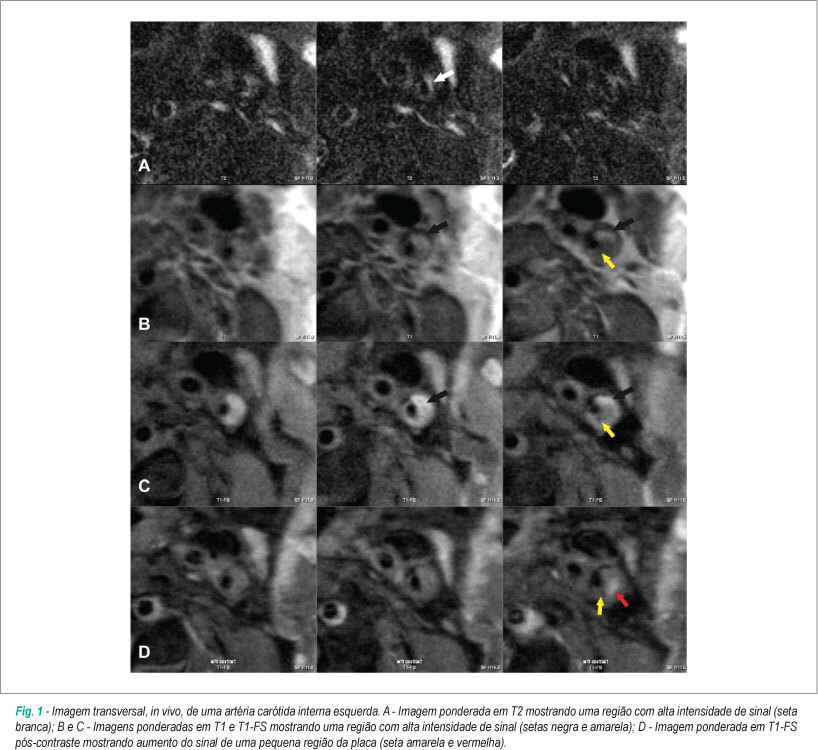
18F-FDG na diferenciação da placa aterosclerótica: inovação com a tecnologia PET/RM
ABC
Relato de Caso

18F-FDG na diferenciação da placa aterosclerótica: inovação com a tecnologia PET/RM

Raquel Benedetto et al. Michel Pontes Carneiro Flávia Albuquerque Junqueira Antônio Coutinho Jr. … Arno von Ristow Lea Mirian Barbosa da Fonseca

RELATO DE CASO

18F-FDG na diferenciação da placa aterosclerótica: inovação com a tecnologia PET/RM

[…]

  • Aterosclerose
  • Atherosclerosis
  • Fluordesoxiglucose F18
  • fluorodeoxyglucose F18
  • Positron emission tomography
  • Tomografia por Emissão de Pósitrons
Ler artigo completo
Creative Commons Attribution (CC BY) Creative Commons license
05/05/2010 DOI: 10.1590/S0066-782X2009001200025
ABC
Original Article

National alert campaign about increased cholesterol: determination of cholesterol levels in 81,262 Brazilians

Tania L. Rocha Martinez et al. Raul D. Santos Dikran Armaganijan Kerginaldo P Torres … Andréia Loures-Vale Maria Eliane Magalhães José Carlos Lima Emilio Moriguchi Celso Amodeo Juarez Ortiz

OBJECTIVE: To determine the levels of total cholesterol in a significant sample of the Brazilian population. METHODS: Blood cholesterol was determined in 81.262 individuals > 18 years old (51% male, 44.7 ± 15.7 years), using Accutrend equipment, in the cities São Paulo, Campinas, Campos do Jordão, São José dos Campos, Santos, Santo André, Ribeirão Preto, Porto Alegre, Rio de Janeiro, Belo Horizonte, Curitiba, Brasília, Salvador and documented in the presence of other risk factors (RF) for coronary artery disease (CAD) (systemic hypertension, CAD in the family, smoking, and diabetes). Participants were classified according to sex, age, and the presence or absence of RF, respectively, as 0 RF, 1 RF and > 2 RF. The percentage of individuals with cholesterol > 200 mg/dL and > 240 mg/dL was evaluated. RESULTS: The prevalence of individuals with 0, 1, and > 2 risk factors was 30% (n = 24,589), 36% (n =29,324), and 34% (n = 27,349) respectively, (P=0.657), and the mean total cholesterol of the population was 199.0 ± 35.0 mg/dL. Cholesterol levels above 200 and 240 mg/dL were found, respectively, in 40% (n = 32,515) and 13% (10.942) of individuals. The greater the number of risk factors the higher the levels of cholesterol (P 200 mg/dL (P=0.032). No difference existed in the proportion of individuals with cholesterol > 240 mg/dL (P=0.11). CONCLUSION: A great percentage of individuals with cholesterol levels above those recommended to prevent coronary artery disease was found.

  • Atherosclerosis
  • cholesterol
  • Risk Factors
Ler artigo completo
Creative Commons Attribution (CC BY) Creative Commons license
08/07/2003 DOI: 10.1590/S0066-782X2003000600006

Não foi possível carregar mais artigos. Tente novamente.

Como citar este artigo

EndNote RIS

Formato de Documento Eletrônico (Vancouver)

Zanotti JS, Martim ETQ, Alves RJ. Early Cascade Screening and Lipid-Lowering Therapy in Childhood: Challenges in the Management of Familial Hypercholesterolemia. International Journal of Cardiovascular Sciences 2026;39:e20260095.

Formato de Documento Eletrônico (ABNT)

Zanotti, Juliana Simões; Martim, Eduardo Tomaz Quartero; Alves, Renato Jorge. Early Cascade Screening and Lipid-Lowering Therapy in Childhood: Challenges in the Management of Familial Hypercholesterolemia. International Journal of Cardiovascular Sciences, v. 39, e20260095, set. 2026.

Formato de Documento Eletrônico (APA)

Zanotti, J. S., Martim, E. T. Q., & Alves, R. J. (2026). Early Cascade Screening and Lipid-Lowering Therapy in Childhood: Challenges in the Management of Familial Hypercholesterolemia. International Journal of Cardiovascular Sciences, 39, e20260095.

Formato de Documento Eletrônico (ISO)

Zanotti, Juliana Simões and Martim, Eduardo Tomaz Quartero and Alves, Renato Jorge. Early Cascade Screening and Lipid-Lowering Therapy in Childhood: Challenges in the Management of Familial Hypercholesterolemia. International Journal of Cardiovascular Sciences [online]. 2026, vol. 39, [citado 2026-10-14], e20260095. Disponível em: <https://journals.cardiol.br/article/early-cascade-screening-and-lipid-lowering-therapy-in-childhood-challenges-in-the-management-of-familial-hypercholesterolemia-2/>. ISSN 2359-4802

EndNote RIS

Formato de Documento Eletrônico (Vancouver)

Sousa RB, Pereira JC, Presume J, Gomes DA, Oliveira AF, Ferreira J. Low-Dose Colchicine for Secondary Prevention: A Systematic Review and Meta-Analysis of Randomized Clinical Trials. International Journal of Cardiovascular Sciences 2026;39:e20250245.

Formato de Documento Eletrônico (ABNT)

Sousa, Rita Barbosa; Pereira, Joana Certo; Presume, João; Gomes, Daniel A.; Oliveira, Afonso Félix de; Ferreira, Jorge. Low-Dose Colchicine for Secondary Prevention: A Systematic Review and Meta-Analysis of Randomized Clinical Trials. International Journal of Cardiovascular Sciences, v. 39, e20250245, jul. 2026.

Formato de Documento Eletrônico (APA)

Sousa, R. B., Pereira, J. C., Presume, J., Gomes, D. A., Oliveira, A. F. , & Ferreira, J. (2026). Low-Dose Colchicine for Secondary Prevention: A Systematic Review and Meta-Analysis of Randomized Clinical Trials. International Journal of Cardiovascular Sciences, 39, e20250245.

Formato de Documento Eletrônico (ISO)

Sousa, Rita Barbosa and Pereira, Joana Certo and Presume, João and Gomes, Daniel A. and Oliveira, Afonso Félix de and Ferreira, Jorge. Low-Dose Colchicine for Secondary Prevention: A Systematic Review and Meta-Analysis of Randomized Clinical Trials. International Journal of Cardiovascular Sciences [online]. 2026, vol. 39, [citado 2026-10-14], e20250245. Disponível em: <https://journals.cardiol.br/article/low-dose-colchicine-for-secondary-prevention-a-systematic-review-and-meta-analysis-of-randomized-clinical-trials-2/>. ISSN 2359-4802

EndNote RIS

Formato de Documento Eletrônico (Vancouver)

Salina MVJ, Pironatto VHM, Santos AAM, Gueiber TD, Lima LG, Dechandt EM, Caruso CC, et al. Assessment of Cardiovascular-Metabolic Risk in Wistar Rats Fed a Hypercaloric Diet Supplemented with Selenium: A Preclinical Animal Study. International Journal of Cardiovascular Sciences 2026;39:e20250069.

Formato de Documento Eletrônico (ABNT)

Salina, Matheus Von Jelita; Pironatto, Vitor Hugo Moro; Santos, André Amaro Mamédio dos; Gueiber, Tiago Daniel; Lima, Luiz Gustavo; Dechandt, Eduardo Machado; Caruso, Camila Cury; Karpinski, Pedro Henrique; Figueiredo, Thiago Martins; Toledo-Junior, Alceu de Oliveira; Martins, Camila Marinelli; Gomes, Ricardo Zanetti. Assessment of Cardiovascular-Metabolic Risk in Wistar Rats Fed a Hypercaloric Diet Supplemented with Selenium: A Preclinical Animal Study. International Journal of Cardiovascular Sciences, v. 39, e20250069, jun. 2026.

Formato de Documento Eletrônico (APA)

Salina, M. V. J., Pironatto, V. H. M., Santos, A. A. M. , Gueiber, T. D., Lima, L. G., Dechandt, E. M., Caruso, C. C., Karpinski, P. H., Figueiredo, T. M., Toledo-Junior, A. O., Martins, C. M., & Gomes, R. Z. (2026). Assessment of Cardiovascular-Metabolic Risk in Wistar Rats Fed a Hypercaloric Diet Supplemented with Selenium: A Preclinical Animal Study. International Journal of Cardiovascular Sciences, 39, e20250069.

Formato de Documento Eletrônico (ISO)

Salina, Matheus Von Jelita and Pironatto, Vitor Hugo Moro and Santos, André Amaro Mamédio dos and Gueiber, Tiago Daniel and Lima, Luiz Gustavo and Dechandt, Eduardo Machado and Caruso, Camila Cury and Karpinski, Pedro Henrique and Figueiredo, Thiago Martins and Toledo-Junior, Alceu de Oliveira and Martins, Camila Marinelli and Gomes, Ricardo Zanetti. Assessment of Cardiovascular-Metabolic Risk in Wistar Rats Fed a Hypercaloric Diet Supplemented with Selenium: A Preclinical Animal Study. International Journal of Cardiovascular Sciences [online]. 2026, vol. 39, [citado 2026-10-14], e20250069. Disponível em: <https://journals.cardiol.br/article/assessment-of-cardiovascular-metabolic-risk-in-wistar-rats-fed-a-hypercaloric-diet-supplemented-with-selenium-a-preclinical-animal-study-2/>. ISSN 2359-4802

EndNote RIS

Formato de Documento Eletrônico (Vancouver)

Namitokov A, Karabakhtsieva K, Gilevich I. Systemic Inflammation, Fibrinogen, and Lipoprotein(a) as Composite Predictors of Peripheral Arterial Disease. International Journal of Cardiovascular Sciences 2026;39:e20250165.

Formato de Documento Eletrônico (ABNT)

Namitokov, Alim; Karabakhtsieva, Karina; Gilevich, Irina. Systemic Inflammation, Fibrinogen, and Lipoprotein(a) as Composite Predictors of Peripheral Arterial Disease. International Journal of Cardiovascular Sciences, v. 39, e20250165, maio. 2026.

Formato de Documento Eletrônico (APA)

Namitokov, A., Karabakhtsieva, K., & Gilevich, I. (2026). Systemic Inflammation, Fibrinogen, and Lipoprotein(a) as Composite Predictors of Peripheral Arterial Disease. International Journal of Cardiovascular Sciences, 39, e20250165.

Formato de Documento Eletrônico (ISO)

Namitokov, Alim and Karabakhtsieva, Karina and Gilevich, Irina. Systemic Inflammation, Fibrinogen, and Lipoprotein(a) as Composite Predictors of Peripheral Arterial Disease. International Journal of Cardiovascular Sciences [online]. 2026, vol. 39, [citado 2026-10-14], e20250165. Disponível em: <https://journals.cardiol.br/article/systemic-inflammation-fibrinogen-and-lipoproteina-as-composite-predictors-of-peripheral-arterial-disease-2/>. ISSN 2359-4802

EndNote RIS

Formato de Documento Eletrônico (Vancouver)

Camelo RM, Caram-Deelder C, Roncal CGP, Duarte BP, Moura MCB, Costa NCM, Costa IM, et al. Electrocardiographic Findings Among Asymptomatic Adults With Haemophilia. International Journal of Cardiovascular Sciences 2024;37:e20220179.

Formato de Documento Eletrônico (ABNT)

Camelo, Ricardo Mesquita; Caram-Deelder, Camila; Roncal, Carlos Guilherme Piscoya; Duarte, Bruna Pontes; Moura, Marilia Carolina Braga de; Costa, Neuza Cavalcanti de Moraes; Costa, Iris Maciel; Vanderlei, Ana Maria; Guimaraes, Tania Maria Rocha; Gouw, Samantha; Rezende, Suely Meireles; Bom, Johanna van der. Electrocardiographic Findings Among Asymptomatic Adults With Haemophilia. International Journal of Cardiovascular Sciences, v. 37, e20220179, fev. 2024.

Formato de Documento Eletrônico (APA)

Camelo, R. M., Caram-Deelder, C., Roncal, C. G. P., Duarte, B. P., Moura, M. C. B. , Costa, N. C. M., Costa, I. M., Vanderlei, A. M., Guimaraes, T. M. R., Gouw, S., Rezende, S. M., & Bom, J. (2024). Electrocardiographic Findings Among Asymptomatic Adults With Haemophilia. International Journal of Cardiovascular Sciences, 37, e20220179.

Formato de Documento Eletrônico (ISO)

Camelo, Ricardo Mesquita and Caram-Deelder, Camila and Roncal, Carlos Guilherme Piscoya and Duarte, Bruna Pontes and Moura, Marilia Carolina Braga de and Costa, Neuza Cavalcanti de Moraes and Costa, Iris Maciel and Vanderlei, Ana Maria and Guimaraes, Tania Maria Rocha and Gouw, Samantha and Rezende, Suely Meireles and Bom, Johanna van der. Electrocardiographic Findings Among Asymptomatic Adults With Haemophilia. International Journal of Cardiovascular Sciences [online]. 2024, vol. 37, [citado 2026-10-14], e20220179. Disponível em: <https://journals.cardiol.br/article/electrocardiographic-findings-among-asymptomatic-adults-with-haemophilia-2/>. ISSN 2359-4802

EndNote RIS

Formato de Documento Eletrônico (Vancouver)

Guimarães RB, Marchini J, Gomez LM, Leite RS, Dutra O, Castro I, Manica AL, et al. Biomarker-associated Monocyte Inflammatory Signaling in Myocardial Infarction. International Journal of Cardiovascular Sciences 2023;36:e20220007.

Formato de Documento Eletrônico (ABNT)

Guimarães, Raphael Boesche; Marchini, Julio; Gomez, Luz Marina; Leite, Rogério Sarmento; Dutra, Oscar; Castro, Iran; Manica, André Luiz. Biomarker-associated Monocyte Inflammatory Signaling in Myocardial Infarction. International Journal of Cardiovascular Sciences, v. 36, e20220007, abr. 2023.

Formato de Documento Eletrônico (APA)

Guimarães, R. B., Marchini, J., Gomez, L. M., Leite, R. S., Dutra, O., Castro, I., & Manica, A. L. (2023). Biomarker-associated Monocyte Inflammatory Signaling in Myocardial Infarction. International Journal of Cardiovascular Sciences, 36, e20220007.

Formato de Documento Eletrônico (ISO)

Guimarães, Raphael Boesche and Marchini, Julio and Gomez, Luz Marina and Leite, Rogério Sarmento and Dutra, Oscar and Castro, Iran and Manica, André Luiz. Biomarker-associated Monocyte Inflammatory Signaling in Myocardial Infarction. International Journal of Cardiovascular Sciences [online]. 2023, vol. 36, [citado 2026-10-14], e20220007. Disponível em: <https://journals.cardiol.br/article/biomarker-associated-monocyte-inflammatory-signaling-in-myocardial-infarction-2/>. ISSN 2359-4802

EndNote RIS

Formato de Documento Eletrônico (Vancouver)

Bertolami MC. The Influence of Primary Atherosclerotic Diseases on the Occurrence of Secondary Disease. International Journal of Cardiovascular Sciences 2023;36:e20220193.

Formato de Documento Eletrônico (ABNT)

Bertolami, Marcelo Chiara. The Influence of Primary Atherosclerotic Diseases on the Occurrence of Secondary Disease. International Journal of Cardiovascular Sciences, v. 36, e20220193, jan. 2023.

Formato de Documento Eletrônico (APA)

Bertolami, M. C. (2023). The Influence of Primary Atherosclerotic Diseases on the Occurrence of Secondary Disease. International Journal of Cardiovascular Sciences, 36, e20220193.

Formato de Documento Eletrônico (ISO)

Bertolami, Marcelo Chiara. The Influence of Primary Atherosclerotic Diseases on the Occurrence of Secondary Disease. International Journal of Cardiovascular Sciences [online]. 2023, vol. 36, [citado 2026-10-14], e20220193. Disponível em: <https://journals.cardiol.br/article/the-influence-of-primary-atherosclerotic-diseases-on-the-occurrence-of-secondary-disease-2/>. ISSN 2359-4802

EndNote RIS

Formato de Documento Eletrônico (Vancouver)

Pacheco MA, Cardoso SM, Honicky M, Moreno YMF, Lima LRA, Marcos CS, Back IC, et al. HDL-Cholesterol in Children and Adolescents with Congenital Heart Disease. International Journal of Cardiovascular Sciences 2022;35(6):784-93.

Formato de Documento Eletrônico (ABNT)

Pacheco, Matheus Alves; Cardoso, Silvia Meyer; Honicky, Michele; Moreno, Yara Maria Franco; Lima, Luiz Rodrigo Augustemak de; Marcos, Camila Souza; Back, Isabela de Carlos. HDL-Cholesterol in Children and Adolescents with Congenital Heart Disease. International Journal of Cardiovascular Sciences, v. 35, n. 6, p. 784-793, ago. 2022.

Formato de Documento Eletrônico (APA)

Pacheco, M. A., Cardoso, S. M., Honicky, M., Moreno, Y. M. F., Lima, L. R. A. , Marcos, C. S., & Back, I. C. (2022). HDL-Cholesterol in Children and Adolescents with Congenital Heart Disease. International Journal of Cardiovascular Sciences, 35(6), 784-793.

Formato de Documento Eletrônico (ISO)

Pacheco, Matheus Alves and Cardoso, Silvia Meyer and Honicky, Michele and Moreno, Yara Maria Franco and Lima, Luiz Rodrigo Augustemak de and Marcos, Camila Souza and Back, Isabela de Carlos. HDL-Cholesterol in Children and Adolescents with Congenital Heart Disease. International Journal of Cardiovascular Sciences [online]. 2022, vol. 35, n. 6, [citado 2026-10-14], pp. 784-793. Disponível em: <https://journals.cardiol.br/article/hdl-cholesterol-in-children-and-adolescents-with-congenital-heart-disease-2/>. ISSN 2359-4802

EndNote RIS

Formato de Documento Eletrônico (Vancouver)

Gomes VA, Sacramento MS, Cecilia LMS, Jesus DS, Barbosa JS, Almeida FOB, Oliveira EC, et al. Effects of Physical Exercise on Lipid and Inflammatory Profile of Women Using Combined Oral Contraceptive: A Cross-Over Study. International Journal of Cardiovascular Sciences 2022;35(4):500-1.

Formato de Documento Eletrônico (ABNT)

Gomes, Vinícius Afonso; Sacramento, Marvyn de Santana do; Cecilia, Lucas Mendes Santa; Jesus, Daniela Santos de; Barbosa, Juliane Santos; Almeida, Fernanda Oliveira Baptista de; Oliveira, Elaine Carvalho de; Petto, Jefferson. Effects of Physical Exercise on Lipid and Inflammatory Profile of Women Using Combined Oral Contraceptive: A Cross-Over Study. International Journal of Cardiovascular Sciences, v. 35, n. 4, p. 500-510, mar. 2022.

Formato de Documento Eletrônico (APA)

Gomes, V. A., Sacramento, M. S. , Cecilia, L. M. S., Jesus, D. S. , Barbosa, J. S., Almeida, F. O. B. , Oliveira, E. C. , & Petto, J. (2022). Effects of Physical Exercise on Lipid and Inflammatory Profile of Women Using Combined Oral Contraceptive: A Cross-Over Study. International Journal of Cardiovascular Sciences, 35(4), 500-510.

Formato de Documento Eletrônico (ISO)

Gomes, Vinícius Afonso and Sacramento, Marvyn de Santana do and Cecilia, Lucas Mendes Santa and Jesus, Daniela Santos de and Barbosa, Juliane Santos and Almeida, Fernanda Oliveira Baptista de and Oliveira, Elaine Carvalho de and Petto, Jefferson. Effects of Physical Exercise on Lipid and Inflammatory Profile of Women Using Combined Oral Contraceptive: A Cross-Over Study. International Journal of Cardiovascular Sciences [online]. 2022, vol. 35, n. 4, [citado 2026-10-14], pp. 500-510. Disponível em: <https://journals.cardiol.br/article/effects-of-physical-exercise-on-lipid-and-inflammatory-profile-of-women-using-combined-oral-contraceptive-a-cross-over-study-2/>. ISSN 2359-4802

EndNote RIS

Formato de Documento Eletrônico (Vancouver)

Sobrino SB, Alcalá ES, Reyes AA, Flores-Soler J, Mirabal RL, Luti Y, Márquez I, et al. 9p21 Locus Polymorphisms: Risk and Severity Factors of Coronary Artery Disease in Venezuelan Patients. International Journal of Cardiovascular Sciences 2022;35(4):434-43.

Formato de Documento Eletrônico (ABNT)

Sobrino, Susana Blanco; Alcalá, Eva Salazar; Reyes, Asdrúbal Alfonzo; Flores-Soler, Jesus; Mirabal, Romina Leras; Luti, Yettana; Márquez, Ingrid; Mestre, Mercedes Teresita Fernandez. 9p21 Locus Polymorphisms: Risk and Severity Factors of Coronary Artery Disease in Venezuelan Patients. International Journal of Cardiovascular Sciences, v. 35, n. 4, p. 434-443, fev. 2022.

Formato de Documento Eletrônico (APA)

Sobrino, S. B., Alcalá, E. S., Reyes, A. A., Flores-Soler, J., Mirabal, R. L., Luti, Y., Márquez, I., & Mestre, M. T. F. (2022). 9p21 Locus Polymorphisms: Risk and Severity Factors of Coronary Artery Disease in Venezuelan Patients. International Journal of Cardiovascular Sciences, 35(4), 434-443.

Formato de Documento Eletrônico (ISO)

Sobrino, Susana Blanco and Alcalá, Eva Salazar and Reyes, Asdrúbal Alfonzo and Flores-Soler, Jesus and Mirabal, Romina Leras and Luti, Yettana and Márquez, Ingrid and Mestre, Mercedes Teresita Fernandez. 9p21 Locus Polymorphisms: Risk and Severity Factors of Coronary Artery Disease in Venezuelan Patients. International Journal of Cardiovascular Sciences [online]. 2022, vol. 35, n. 4, [citado 2026-10-14], pp. 434-443. Disponível em: <https://journals.cardiol.br/article/9p21-locus-polymorphisms-risk-and-severity-factors-of-coronary-artery-disease-in-venezuelan-patients-2/>. ISSN 2359-4802

EndNote RIS

Formato de Documento Eletrônico (Vancouver)

Chagas ACP, Ferreira JFM. Immigrants, Descendants and the Risk of Coronary Heart Disease. International Journal of Cardiovascular Sciences 2022;35(1):56-7.

Formato de Documento Eletrônico (ABNT)

Chagas, Antonio Carlos Palandri; Ferreira, João Fernando Monteiro. Immigrants, Descendants and the Risk of Coronary Heart Disease. International Journal of Cardiovascular Sciences, v. 35, n. 1, p. 56-57, jan. 2022.

Formato de Documento Eletrônico (APA)

Chagas, A. C. P., & Ferreira, J. F. M. (2022). Immigrants, Descendants and the Risk of Coronary Heart Disease. International Journal of Cardiovascular Sciences, 35(1), 56-57.

Formato de Documento Eletrônico (ISO)

Chagas, Antonio Carlos Palandri and Ferreira, João Fernando Monteiro. Immigrants, Descendants and the Risk of Coronary Heart Disease. International Journal of Cardiovascular Sciences [online]. 2022, vol. 35, n. 1, [citado 2026-10-14], pp. 56-57. Disponível em: <https://journals.cardiol.br/article/immigrants-descendants-and-the-risk-of-coronary-heart-disease-2/>. ISSN 2359-4802

EndNote RIS

Formato de Documento Eletrônico (Vancouver)

Coutinho RQ, Montarroyos UR, Barros IML, Guimarães MJB, Leão APD, Costa LOBF, Medeiros AKL, et al. Exercise Testing, Family History, and Subclinical Atherosclerosis Markers for Cardiovascular Risk Reclassification in Middle-Aged Women. International Journal of Cardiovascular Sciences 2021;34(4):383-92.

Formato de Documento Eletrônico (ABNT)

Coutinho, Ricardo Quental; Montarroyos, Ulisses Ramos; Barros, Isly Maria Lucena de; Guimarães, Maria José Bezerra; Leão, Ana Paula Dornelas; Costa, Laura Olinda Bregieiro Fernandes; Medeiros, Ana Kelley de Lima; Monteiro, Maria de Fátima; Ferreira, Moacir de Novaes Lima; Chalela, William Azem; Pedrosa, Rodrigo Pinto. Exercise Testing, Family History, and Subclinical Atherosclerosis Markers for Cardiovascular Risk Reclassification in Middle-Aged Women. International Journal of Cardiovascular Sciences, v. 34, n. 4, p. 383-392, jul. 2021.

Formato de Documento Eletrônico (APA)

Coutinho, R. Q., Montarroyos, U. R., Barros, I. M. L. , Guimarães, M. J. B., Leão, A. P. D., Costa, L. O. B. F., Medeiros, A. K. L., Monteiro, M. F., Ferreira, M. N. L., Chalela, W. A., & Pedrosa, R. P. (2021). Exercise Testing, Family History, and Subclinical Atherosclerosis Markers for Cardiovascular Risk Reclassification in Middle-Aged Women. International Journal of Cardiovascular Sciences, 34(4), 383-392.

Formato de Documento Eletrônico (ISO)

Coutinho, Ricardo Quental and Montarroyos, Ulisses Ramos and Barros, Isly Maria Lucena de and Guimarães, Maria José Bezerra and Leão, Ana Paula Dornelas and Costa, Laura Olinda Bregieiro Fernandes and Medeiros, Ana Kelley de Lima and Monteiro, Maria de Fátima and Ferreira, Moacir de Novaes Lima and Chalela, William Azem and Pedrosa, Rodrigo Pinto. Exercise Testing, Family History, and Subclinical Atherosclerosis Markers for Cardiovascular Risk Reclassification in Middle-Aged Women. International Journal of Cardiovascular Sciences [online]. 2021, vol. 34, n. 4, [citado 2026-10-14], pp. 383-392. Disponível em: <https://journals.cardiol.br/article/exercise-testing-family-history-and-subclinical-atherosclerosis-markers-for-cardiovascular-risk-reclassification-in-middle-aged-women-2/>. ISSN 2359-4802

EndNote RIS

Formato de Documento Eletrônico (Vancouver)

Eren M, Kurmus O, Aslan T, Akbuga K, Tolunay H. Relationship between Discordance of Low-Density Lipoprotein and Non-High-Density Lipoprotein Cholesterol and Risk Stratification in Acute Myocardial Infarction. International Journal of Cardiovascular Sciences 2021;34(5):550-6.

Formato de Documento Eletrônico (ABNT)

Eren, Murat; Kurmus, Ozge; Aslan, Turgay; Akbuga, Kursat; Tolunay, Hatice. Relationship between Discordance of Low-Density Lipoprotein and Non-High-Density Lipoprotein Cholesterol and Risk Stratification in Acute Myocardial Infarction. International Journal of Cardiovascular Sciences, v. 34, n. 5, p. 550-556, maio. 2021.

Formato de Documento Eletrônico (APA)

Eren, M., Kurmus, O., Aslan, T., Akbuga, K., & Tolunay, H. (2021). Relationship between Discordance of Low-Density Lipoprotein and Non-High-Density Lipoprotein Cholesterol and Risk Stratification in Acute Myocardial Infarction. International Journal of Cardiovascular Sciences, 34(5), 550-556.

Formato de Documento Eletrônico (ISO)

Eren, Murat and Kurmus, Ozge and Aslan, Turgay and Akbuga, Kursat and Tolunay, Hatice. Relationship between Discordance of Low-Density Lipoprotein and Non-High-Density Lipoprotein Cholesterol and Risk Stratification in Acute Myocardial Infarction. International Journal of Cardiovascular Sciences [online]. 2021, vol. 34, n. 5, [citado 2026-10-14], pp. 550-556. Disponível em: <https://journals.cardiol.br/article/relationship-between-discordance-of-low-density-lipoprotein-and-non-high-density-lipoprotein-cholesterol-and-risk-stratification-in-acute-myocardial-infarction-2/>. ISSN 2359-4802

EndNote RIS

Formato de Documento Eletrônico (Vancouver)

Feitosa G. Mortality from Cardiovascular Disease in Bahia. International Journal of Cardiovascular Sciences 2021;35(3):302-3.

Formato de Documento Eletrônico (ABNT)

Feitosa, Gilson. Mortality from Cardiovascular Disease in Bahia. International Journal of Cardiovascular Sciences, v. 35, n. 3, p. 302-303, abr. 2021.

Formato de Documento Eletrônico (APA)

Feitosa, G. (2021). Mortality from Cardiovascular Disease in Bahia. International Journal of Cardiovascular Sciences, 35(3), 302-303.

Formato de Documento Eletrônico (ISO)

Feitosa, Gilson. Mortality from Cardiovascular Disease in Bahia. International Journal of Cardiovascular Sciences [online]. 2021, vol. 35, n. 3, [citado 2026-10-14], pp. 302-303. Disponível em: <https://journals.cardiol.br/article/mortality-from-cardiovascular-disease-in-bahia-2/>. ISSN 2359-4802

EndNote RIS

Formato de Documento Eletrônico (Vancouver)

Kaiser SE. Elevated Lipoprotein(A) in Children and Adolescents: Early Identification is Key for Successful Intervention. International Journal of Cardiovascular Sciences 2021;34(1):19-20.

Formato de Documento Eletrônico (ABNT)

Kaiser, Sergio Emanuel. Elevated Lipoprotein(A) in Children and Adolescents: Early Identification is Key for Successful Intervention. International Journal of Cardiovascular Sciences, v. 34, n. 1, p. 19-20, jan. 2021.

Formato de Documento Eletrônico (APA)

Kaiser, S. E. (2021). Elevated Lipoprotein(A) in Children and Adolescents: Early Identification is Key for Successful Intervention. International Journal of Cardiovascular Sciences, 34(1), 19-20.

Formato de Documento Eletrônico (ISO)

Kaiser, Sergio Emanuel. Elevated Lipoprotein(A) in Children and Adolescents: Early Identification is Key for Successful Intervention. International Journal of Cardiovascular Sciences [online]. 2021, vol. 34, n. 1, [citado 2026-10-14], pp. 19-20. Disponível em: <https://journals.cardiol.br/article/elevated-lipoproteina-in-children-and-adolescents-early-identification-is-key-for-successful-intervention-2/>. ISSN 2359-4802

EndNote RIS

Formato de Documento Eletrônico (Vancouver)

Nascimento E, Mello ALFP, Cunha LS, Villela MF. Acute Coronary Disease in very Young Patient: A Reality!. International Journal of Cardiovascular Sciences 2020;34(5 Supl 1):150-3.

Formato de Documento Eletrônico (ABNT)

Nascimento, Erivelton; Mello, Ana Luisa Freitas e Pena; Cunha, Ludmila Souza da; Villela, Marcelo Ferreira. Acute Coronary Disease in very Young Patient: A Reality!. International Journal of Cardiovascular Sciences, v. 34, n. 5 Supl 1, p. 150-153, nov. 2020.

Formato de Documento Eletrônico (APA)

Nascimento, E., Mello, A. L. F. P., Cunha, L. S. , & Villela, M. F. (2020). Acute Coronary Disease in very Young Patient: A Reality!. International Journal of Cardiovascular Sciences, 34(5 Supl 1), 150-153.

Formato de Documento Eletrônico (ISO)

Nascimento, Erivelton and Mello, Ana Luisa Freitas e Pena and Cunha, Ludmila Souza da and Villela, Marcelo Ferreira. Acute Coronary Disease in very Young Patient: A Reality!. International Journal of Cardiovascular Sciences [online]. 2020, vol. 34, n. 5 Supl 1, [citado 2026-10-14], pp. 150-153. Disponível em: <https://journals.cardiol.br/article/acute-coronary-disease-in-very-young-patient-a-reality-2/>. ISSN 2359-4802

EndNote RIS

Formato de Documento Eletrônico (Vancouver)

Gormel S, Yuksel UC, Celik M, Yasar S, Yildirim E, Bugan B, Gokoglan Y, et al. The Role of Cardiovascular Risk Factors and Risk Scoring Systems in Predicting Coronary Atherosclerosis. International Journal of Cardiovascular Sciences 2020;34(1):32-8.

Formato de Documento Eletrônico (ABNT)

Gormel, Suat; Yuksel, Uygar Cagdas; Celik, Murat; Yasar, Salim; Yildirim, Erkan; Bugan, Baris; Gokoglan, Yalcin; Kabul, Hasan Kutsi; Yasar, Salim; Köklü, Mustafa; Barçın, Cem. The Role of Cardiovascular Risk Factors and Risk Scoring Systems in Predicting Coronary Atherosclerosis. International Journal of Cardiovascular Sciences, v. 34, n. 1, p. 32-38, nov. 2020.

Formato de Documento Eletrônico (APA)

Gormel, S., Yuksel, U. C., Celik, M., Yasar, S., Yildirim, E., Bugan, B., Gokoglan, Y., Kabul, H. K., Yasar, S., Köklü, M., & Barçın, C. (2020). The Role of Cardiovascular Risk Factors and Risk Scoring Systems in Predicting Coronary Atherosclerosis. International Journal of Cardiovascular Sciences, 34(1), 32-38.

Formato de Documento Eletrônico (ISO)

Gormel, Suat and Yuksel, Uygar Cagdas and Celik, Murat and Yasar, Salim and Yildirim, Erkan and Bugan, Baris and Gokoglan, Yalcin and Kabul, Hasan Kutsi and Yasar, Salim and Köklü, Mustafa and Barçın, Cem. The Role of Cardiovascular Risk Factors and Risk Scoring Systems in Predicting Coronary Atherosclerosis. International Journal of Cardiovascular Sciences [online]. 2020, vol. 34, n. 1, [citado 2026-10-14], pp. 32-38. Disponível em: <https://journals.cardiol.br/article/the-role-of-cardiovascular-risk-factors-and-risk-scoring-systems-in-predicting-coronary-atherosclerosis-2/>. ISSN 2359-4802

EndNote RIS

Formato de Documento Eletrônico (Vancouver)

Costa FAA. Association between the Average Ratio of Platelet Volume and the Presence of Mural Thrombus in Post-Myocardial Infarction. International Journal of Cardiovascular Sciences 2020;33(5):516-7.

Formato de Documento Eletrônico (ABNT)

Costa, Fernando Augusto Alves da. Association between the Average Ratio of Platelet Volume and the Presence of Mural Thrombus in Post-Myocardial Infarction. International Journal of Cardiovascular Sciences, v. 33, n. 5, p. 516-517, out. 2020.

Formato de Documento Eletrônico (APA)

Costa, F. A. A. (2020). Association between the Average Ratio of Platelet Volume and the Presence of Mural Thrombus in Post-Myocardial Infarction. International Journal of Cardiovascular Sciences, 33(5), 516-517.

Formato de Documento Eletrônico (ISO)

Costa, Fernando Augusto Alves da. Association between the Average Ratio of Platelet Volume and the Presence of Mural Thrombus in Post-Myocardial Infarction. International Journal of Cardiovascular Sciences [online]. 2020, vol. 33, n. 5, [citado 2026-10-14], pp. 516-517. Disponível em: <https://journals.cardiol.br/article/association-between-the-average-ratio-of-platelet-volume-and-the-presence-of-mural-thrombus-in-post-myocardial-infarction-2/>. ISSN 2359-4802

EndNote RIS

Formato de Documento Eletrônico (Vancouver)

Monteiro Júnior JGM, Sobral Filho DC. Potential Role of Hematological Parameters in Patients with Acute Myocardial Infarction: viewpoint. International Journal of Cardiovascular Sciences 2020;33(5):586-8.

Formato de Documento Eletrônico (ABNT)

Monteiro Júnior, José Gildo de Moura; Sobral Filho, Dário Celestino. Potential Role of Hematological Parameters in Patients with Acute Myocardial Infarction: viewpoint. International Journal of Cardiovascular Sciences, v. 33, n. 5, p. 586-588, jul. 2020.

Formato de Documento Eletrônico (APA)

Monteiro Júnior, J. G. M., & Sobral Filho, D. C. (2020). Potential Role of Hematological Parameters in Patients with Acute Myocardial Infarction: viewpoint. International Journal of Cardiovascular Sciences, 33(5), 586-588.

Formato de Documento Eletrônico (ISO)

Monteiro Júnior, José Gildo de Moura and Sobral Filho, Dário Celestino. Potential Role of Hematological Parameters in Patients with Acute Myocardial Infarction: viewpoint. International Journal of Cardiovascular Sciences [online]. 2020, vol. 33, n. 5, [citado 2026-10-14], pp. 586-588. Disponível em: <https://journals.cardiol.br/article/potential-role-of-hematological-parameters-in-patients-with-acute-myocardial-infarction-viewpoint-2/>. ISSN 2359-4802

EndNote RIS

Formato de Documento Eletrônico (Vancouver)

Luz PL, Haas EA, Favarato D. Intestinal Microbiota and Cardiovascular Diseases. International Journal of Cardiovascular Sciences 2020;33(5):462-71.

Formato de Documento Eletrônico (ABNT)

Luz, Protásio L. da; Haas, Elisa Alberton; Favarato, Desiderio. Intestinal Microbiota and Cardiovascular Diseases. International Journal of Cardiovascular Sciences, v. 33, n. 5, p. 462-471, jul. 2020.

Formato de Documento Eletrônico (APA)

Luz, P. L. , Haas, E. A., & Favarato, D. (2020). Intestinal Microbiota and Cardiovascular Diseases. International Journal of Cardiovascular Sciences, 33(5), 462-471.

Formato de Documento Eletrônico (ISO)

Luz, Protásio L. da and Haas, Elisa Alberton and Favarato, Desiderio. Intestinal Microbiota and Cardiovascular Diseases. International Journal of Cardiovascular Sciences [online]. 2020, vol. 33, n. 5, [citado 2026-10-14], pp. 462-471. Disponível em: <https://journals.cardiol.br/article/intestinal-microbiota-and-cardiovascular-diseases-2/>. ISSN 2359-4802

EndNote RIS

Formato de Documento Eletrônico (Vancouver)

Beato BDVG, Galvão CS, Falchetto EB, Washizu EKM, Tofani F, Reis Filho JM. Acute Coronary Syndrome in a Patient With Single-Vessel Coronary Artery: Case Report. International Journal of Cardiovascular Sciences 2020;34(3):326-9.

Formato de Documento Eletrônico (ABNT)

Beato, Bruno Dala Vedova Gomes; Galvão, Carolina de Souza; Falchetto, Eduardo Belisário; Washizu, Eduardo Kei Marquesini; Tofani, Fábio Ávila; Reis Filho, Juliano Moreira. Acute Coronary Syndrome in a Patient With Single-Vessel Coronary Artery: Case Report. International Journal of Cardiovascular Sciences, v. 34, n. 3, p. 326-329, jul. 2020.

Formato de Documento Eletrônico (APA)

Beato, B. D. V. G., Galvão, C. S., Falchetto, E. B., Washizu, E. K. M., Tofani, F. , & Reis Filho, J. M. (2020). Acute Coronary Syndrome in a Patient With Single-Vessel Coronary Artery: Case Report. International Journal of Cardiovascular Sciences, 34(3), 326-329.

Formato de Documento Eletrônico (ISO)

Beato, Bruno Dala Vedova Gomes and Galvão, Carolina de Souza and Falchetto, Eduardo Belisário and Washizu, Eduardo Kei Marquesini and Tofani, Fábio Ávila and Reis Filho, Juliano Moreira. Acute Coronary Syndrome in a Patient With Single-Vessel Coronary Artery: Case Report. International Journal of Cardiovascular Sciences [online]. 2020, vol. 34, n. 3, [citado 2026-10-14], pp. 326-329. Disponível em: <https://journals.cardiol.br/article/acute-coronary-syndrome-in-a-patient-with-single-vessel-coronary-artery-case-report-2/>. ISSN 2359-4802

EndNote RIS

Formato de Documento Eletrônico (Vancouver)

Dippe Jr T, Cerci RJ. Obesity: A Risk Marker or an Independent Risk Factor for Coronary Artery Disease?. International Journal of Cardiovascular Sciences 2020;33(1):55-6.

Formato de Documento Eletrônico (ABNT)

Dippe Jr, Tufi; Cerci, Rodrigo Julio. Obesity: A Risk Marker or an Independent Risk Factor for Coronary Artery Disease?. International Journal of Cardiovascular Sciences, v. 33, n. 1, p. 55-56, fev. 2020.

Formato de Documento Eletrônico (APA)

Dippe Jr, T., & Cerci, R. J. (2020). Obesity: A Risk Marker or an Independent Risk Factor for Coronary Artery Disease?. International Journal of Cardiovascular Sciences, 33(1), 55-56.

Formato de Documento Eletrônico (ISO)

Dippe Jr, Tufi and Cerci, Rodrigo Julio. Obesity: A Risk Marker or an Independent Risk Factor for Coronary Artery Disease?. International Journal of Cardiovascular Sciences [online]. 2020, vol. 33, n. 1, [citado 2026-10-14], pp. 55-56. Disponível em: <https://journals.cardiol.br/article/obesity-a-risk-marker-or-an-independent-risk-factor-for-coronary-artery-disease-2/>. ISSN 2359-4802

EndNote RIS

Formato de Documento Eletrônico (Vancouver)

Benedetto R, Carneiro MP, Junqueira FA, Coutinho Jr. A, Ristow A, Fonseca LMB. 18F-FDG na diferenciação da placa aterosclerótica: inovação com a tecnologia PET/RM. Arquivos Brasileiros de Cardiologia 2010;93(6):e97-e100.

Formato de Documento Eletrônico (ABNT)

Benedetto, Raquel; Carneiro, Michel Pontes; Junqueira, Flávia Albuquerque; Coutinho Jr., Antônio; Ristow, Arno von; Fonseca, Lea Mirian Barbosa da. 18F-FDG na diferenciação da placa aterosclerótica: inovação com a tecnologia PET/RM. Arquivos Brasileiros de Cardiologia, v. 93, n. 6, p. e97-e100, maio. 2010.

Formato de Documento Eletrônico (APA)

Benedetto, R., Carneiro, M. P., Junqueira, F. A., Coutinho Jr., A., Ristow, A. , & Fonseca, L. M. B. (2010). 18F-FDG na diferenciação da placa aterosclerótica: inovação com a tecnologia PET/RM. Arquivos Brasileiros de Cardiologia, 93(6), e97-e100.

Formato de Documento Eletrônico (ISO)

Benedetto, Raquel and Carneiro, Michel Pontes and Junqueira, Flávia Albuquerque and Coutinho Jr., Antônio and Ristow, Arno von and Fonseca, Lea Mirian Barbosa da. 18F-FDG na diferenciação da placa aterosclerótica: inovação com a tecnologia PET/RM. Arquivos Brasileiros de Cardiologia [online]. 2010, vol. 93, n. 6, [citado 2026-10-14], pp. e97-e100. Disponível em: <https://journals.cardiol.br/article/18f-fdg-na-diferenciacao-da-placa-aterosclerotica-inovacao-com-a-tecnologia-pet-rm/>. ISSN 0066-782X

EndNote RIS

Formato de Documento Eletrônico (Vancouver)

Martinez TLR, Santos RD, Armaganijan D, Torres KP, Loures-Vale A, Magalhães ME, Lima JC, et al. National alert campaign about increased cholesterol: determination of cholesterol levels in 81,262 Brazilians. Arquivos Brasileiros de Cardiologia 2003;80(6):635-8.

Formato de Documento Eletrônico (ABNT)

Martinez, Tania L. Rocha; Santos, Raul D.; Armaganijan, Dikran; Torres, Kerginaldo P; Loures-Vale, Andréia; Magalhães, Maria Eliane; Lima, José Carlos; Moriguchi, Emilio; Amodeo, Celso; Ortiz, Juarez. National alert campaign about increased cholesterol: determination of cholesterol levels in 81,262 Brazilians. Arquivos Brasileiros de Cardiologia, v. 80, n. 6, p. 635-638, jul. 2003.

Formato de Documento Eletrônico (APA)

Martinez, T. L. R., Santos, R. D., Armaganijan, D., Torres, K. P., Loures-Vale, A., Magalhães, M. E., Lima, J. C., Moriguchi, E., Amodeo, C., & Ortiz, J. (2003). National alert campaign about increased cholesterol: determination of cholesterol levels in 81,262 Brazilians. Arquivos Brasileiros de Cardiologia, 80(6), 635-638.

Formato de Documento Eletrônico (ISO)

Martinez, Tania L. Rocha and Santos, Raul D. and Armaganijan, Dikran and Torres, Kerginaldo P and Loures-Vale, Andréia and Magalhães, Maria Eliane and Lima, José Carlos and Moriguchi, Emilio and Amodeo, Celso and Ortiz, Juarez. National alert campaign about increased cholesterol: determination of cholesterol levels in 81,262 Brazilians. Arquivos Brasileiros de Cardiologia [online]. 2003, vol. 80, n. 6, [citado 2026-10-14], pp. 635-638. Disponível em: <https://journals.cardiol.br/article/national-alert-campaign-about-increased-cholesterol-determination-of-cholesterol-levels-in-81262-brazilians-2/>. ISSN 0066-782X

  • Sobre a Família ABC
  • Regimento Interno
  • Conselho Editorial
  • Sociedade Brasileira de Cardiologia (SBC)

Edições

Diretrizes da SBC

  • Vídeos
  • Podcasts
  • Notícias