| ABCHF
ABC Family Arquivos Brasileiros de Cardiologia International Journal of Cardiovascular Sciences ABC Heart Failure & Cardiomyopathy ABC Imagem Cardiovascular
Português English
ABC Family | ABCHF
Português English
  • About
    • About the Journal
    • Internal Regulation
    • Editors Section
    • Editorial Board
    • SBC Award
  • Instructions to Authors
    • Guidelines for Publication
    • Editorial Policy
    • Ethics Policy
    • Policy on the Use of Artificial Intelligence
    • Mandatory Publication Form
  • Issues
  • SBC Guidelines
  • About
    • About the Journal
    • Internal Regulation
    • Editors Section
    • Editorial Board
    • SBC Award
  • Instructions to Authors
    • Guidelines for Publication
    • Editorial Policy
    • Ethics Policy
    • Policy on the Use of Artificial Intelligence
    • Mandatory Publication Form
  • Issues
  • SBC Guidelines

ABC Family

  • ABC Family
  • Arquivos Brasileiros de Cardiologia
  • International Journal of Cardiovascular Sciences
  • ABC Heart Failure & Cardiomyopathy
  • ABC Imagem Cardiovascular
Search in

No content found.

Journals
Ordering
Article types
Others

  1. Home
  2. ABCHF
  3. Issues
  4. 2024, Volume 4, Number 1
Figure 1
Viewpoint

Non-Ischemic Cardiogenic Shock: How to Improve Outcomes – From Early Recognition to Distinctive Management

Rodrigo P. Amantéa et al. Laura Hastenteufel Fernando Luís Scolari Lívia A. Goldraich Nadine Clausell

Introduction

Cardiogenic shock is a clinical condition with an increasing incidence that presents with tissue hypoperfusion, leading to multiorgan dysfunction with a high mortality rate. Non-ischemic cardiogenic shock has been recognized as an important cause of shock in emergency rooms, with an incidence exceeding that of shock related to acute myocardial infarction (AMI) in some populations. Recent data from the Cardiogenic Shock Working Group (CSWG), an international multicenter registry, reveals that the mortality rate for this condition varies from 22 to 32%, depending on the type of institution.

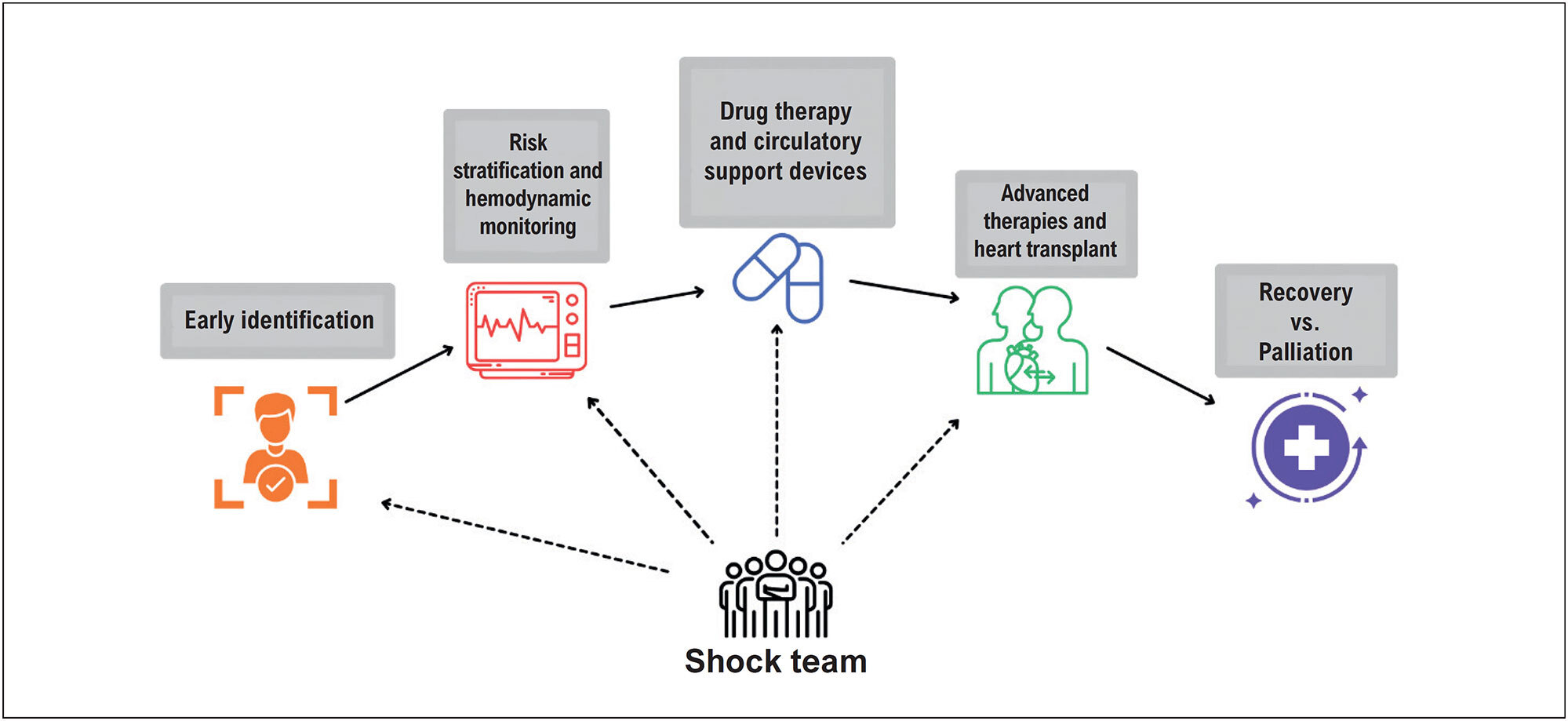
Unlike cardiogenic shock of ischemic origin, in which an index event marks the beginning of myocardial injury, potentially leading to the state of shock, in cardiogenic shock of non-ischemic origin the presentation represents the continuum of advanced heart failure. For the purposes of this article, we will be focusing exclusively on shock related to advanced heart failure, since it is the most prevalent type and often presents with a wide range of symptoms, which can delay diagnosis and contribute to poorer outcomes. The following topics will be covered: definitions pertinent to diagnosing cardiogenic shock and its various clinical presentations; initial systematic evaluation of these patients, including recent updates on the use of pulmonary artery catheters and individualized risk stratification for morbidity and mortality; and management strategies for non-ischemic cardiogenic shock, including pharmacological treatments, mechanical devices, and the role of “Shock Teams” in coordinated care.

[…]
  • Cardiogenic shock
  • Heart Failure
  • Intensive Care Unit
Read Full Article
Creative Commons Attribution (CC BY) Creative Commons license
18/10/2024 DOI: 10.36660/abchf.20240033i Views 2
Central Illustration
Review Article

The Trajectory of Gliflozins: From Apple Tree Bark to Reduced Overall Mortality in Heart Failure

Fabiana Marques et al. Flávio Henrique Valicelli Denise Mayumi Tanaka Marcus Vinícius Simões

Abstract

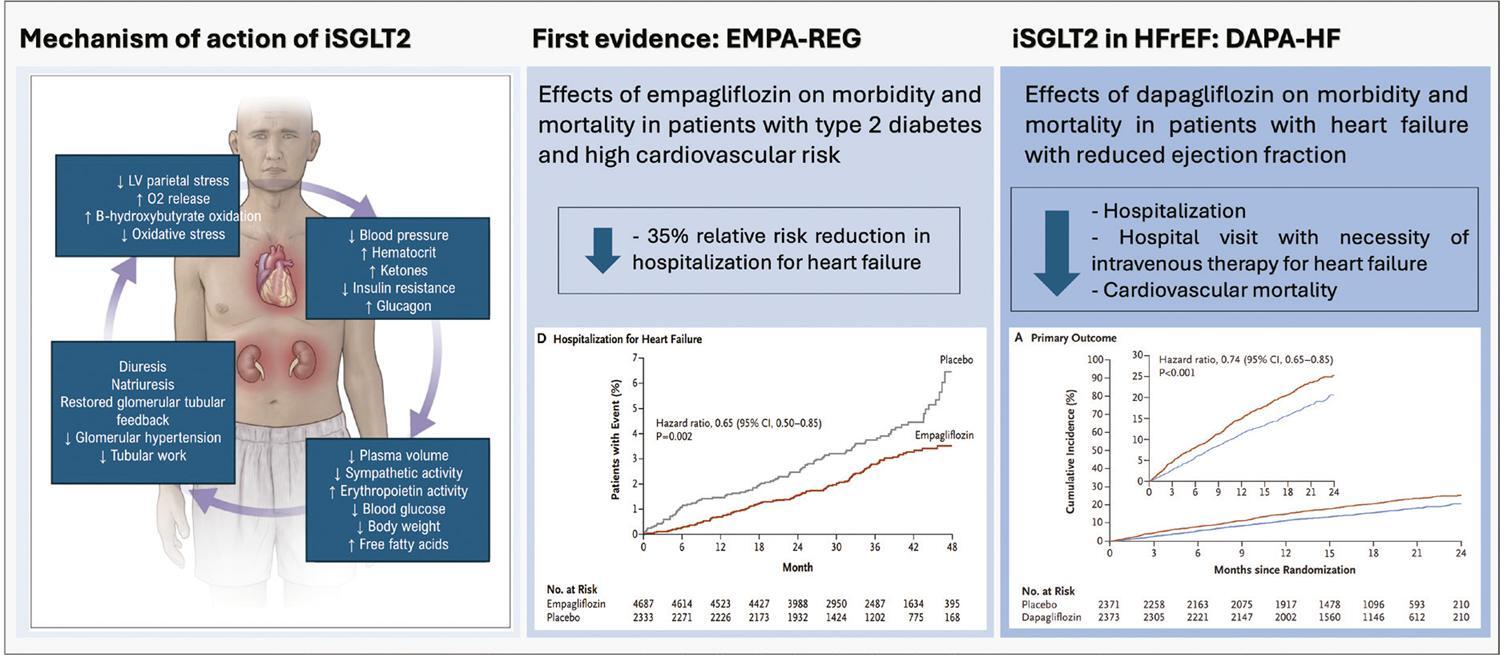
A small number of drugs have been responsible for major advances in medical practice throughout history, for instance, the discovery of penicillin, insulin, aspirin, and statins. Diabetes treatment began with parenteral insulin, discovered by Banting and Bet approximately a century ago; since then, several classes of oral medications that improve glycemic control have been developed and become available for widespread use. More recently, sodium-glucose cotransporter inhibitors have emerged, with a surprising impact and effect on the treatment of patients with diabetes, heart failure, and renal failure, and they are currently considered one of the greatest therapeutic advances in cardiovascular medicine in the twenty-first century. 1 Initially developed only for glycemic control, their effects on cardiovascular protection have been widely demonstrated in large clinical trials in patients with diabetes, showing a significant reduction in the risk of cardiovascular diseases, prevention of hospitalization due to heart failure by 25% to 35%, and reduction of renal outcomes, regardless of the presence or absence of diabetes and the therapies used to treat these conditions.2 In this trajectory of discoveries, gliflozins culminated by demonstrating beneficial effects, including reduced cardiovascular mortality and overall mortality in patients with heart failure, regardless of the presence of diabetes mellitus, in all ranges of left ventricular ejection fraction.

  • Heart Failure
  • Mortality
  • Sodium-Glucose Transporter 2 Inhibitors
Read Full Article
Creative Commons Attribution (CC BY) Creative Commons license
06/09/2024 DOI: 10.36660/abchf.20240027i Views 2
Review Article

Theoretical Concepts of Lung Ultrasound in the Diagnosis of Congestion

Willian Roberto Menegazzo et al. Marina Petersen Saadi Gustavo Paes Silvano Vinícius Leite Gonzalez Anderson Donelli da Silveira

Abstract

Accurate detection of pulmonary congestion remains a challenge in cardiology, despite advances in diagnostic methods. Traditional approaches, such as physical examination and chest radiography, have limitations in real-time assessment and dynamic monitoring of volume status. Lung ultrasound (LUS) has emerged as a promising tool, offering a non-invasive, bedside approach to detect pulmonary congestion with greater diagnostic accuracy, providing valuable information about volume status. In patients with heart failure, LUS has demonstrated high sensitivity and specificity in detecting pulmonary congestion, contributing to more accurate differential diagnosis and streamlining clinical decision-making. In the context of stress echocardiography, LUS improves risk stratification, identifying patients with a greater likelihood of adverse cardiovascular events. Beyond the context of heart failure, LUS has also been applied in other clinical scenarios, such as acute coronary syndrome and assessment of volume status in patients on dialysis. This expanded use reflects the potential of LUS as a versatile and valuable tool in different clinical settings, offering an earlier, more accurate, and more effective approach to cardiology care.

  • Heart Failure
  • Pulmonary Edema
  • Stress echocardiography
  • Ultrasonography
Read Full Article
Creative Commons Attribution (CC BY) Creative Commons license
28/08/2024 DOI: 10.36660/abchf.20240022i Views 1
Central Illustration
Review Article

Particularities of Heart Failure with Preserved Ejection Fraction in Women – Pathways to Better Care

Larissa Neto Espíndola et al. Maria Cristina Costa de Almeida Marildes Luíza de Castro Cláudia Maria Vilas Freire Gláucia Maria Moraes de Oliveira

Abstract

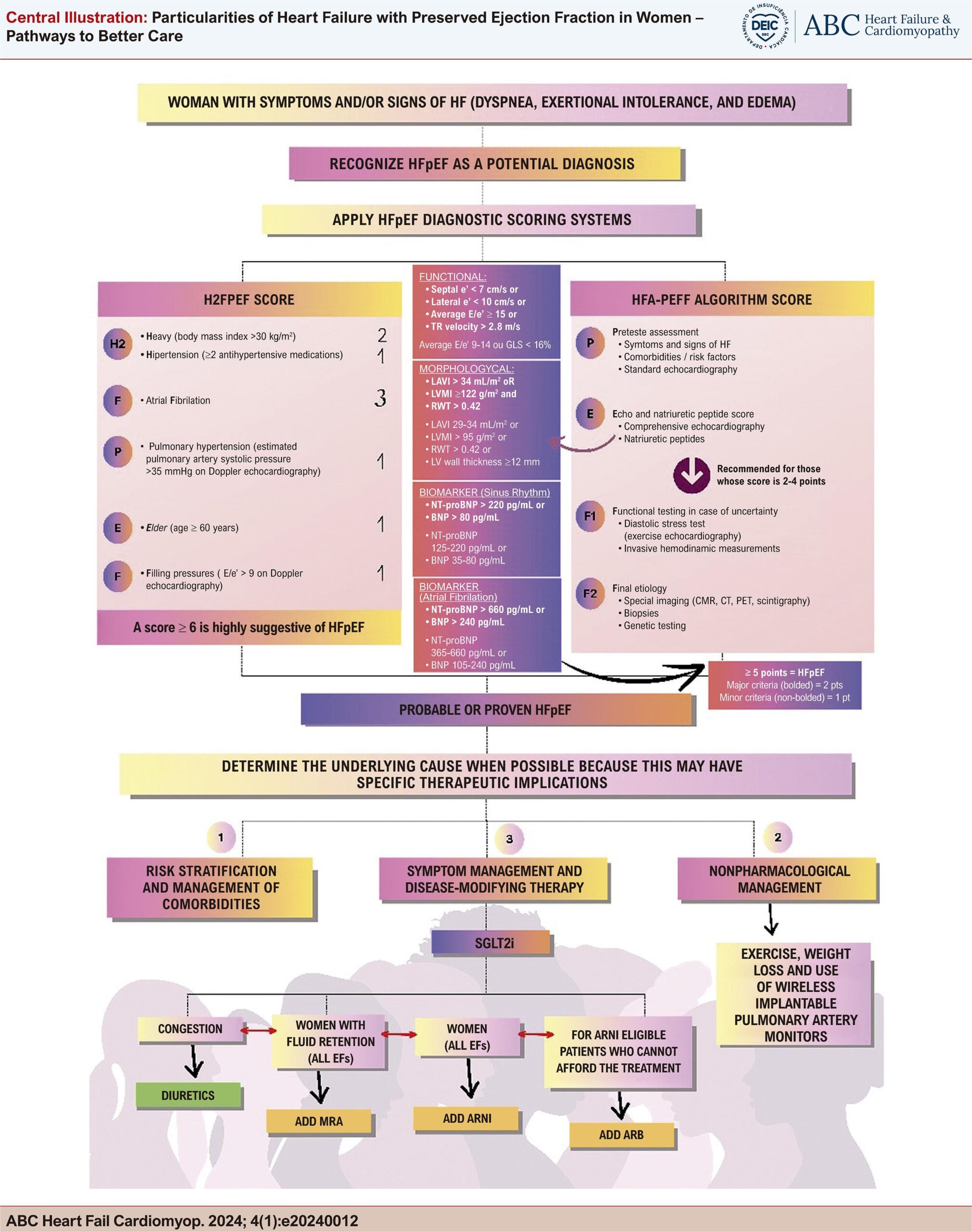
While heart failure with reduced ejection fraction (HFrEF) is more prevalent in males, female predominance is a striking feature in heart failure with preserved ejection fraction (HFpEF).

The incidence of HFpEF has been gaining alarming proportions. It has exceeded HFrEF as the primary form of heart failure, especially in the female sex. Women tend to have smaller cardiac chambers with higher left ventricular ejection fraction; however, they have more severe symptoms and signs. Until now, there is no consensus about the exact mechanisms of these differences related to sex. Understanding these mechanisms is essential to mitigate the risks for HFpEF and direct efforts towards identifying novel preventive and disease-modifying treatments. Lifestyle, pharmacologic, and device-based approaches to reduce the medical and societal impact of HFpEF could improve patients’ quality of life.

The purpose of this review is to outline known biological sex differences in women with HFpEF with a specific focus on pathways to better care for the diagnosis and treatment of women with HFpEF.

  • Diagnosis
  • Heart Failure
  • Left Ventricular Function
  • Therapeutics
  • Women
Read Full Article
Creative Commons Attribution (CC BY) Creative Commons license
13/08/2024 DOI: 10.36660/abchf.20240012i Views 3
Contribution of Lung Ultrasound and VExUS in the Diagnosis and Monitoring of Patients with Heart Failure
Review Article

Contribution of Lung Ultrasound and VExUS in the Diagnosis and Monitoring of Patients with Heart Failure

Guilherme Heiden Telo et al. Marina Petersen Saadi Gustavo Paes Silvano Anderson Donelli da Silveira Andreia Biolo

Abstract

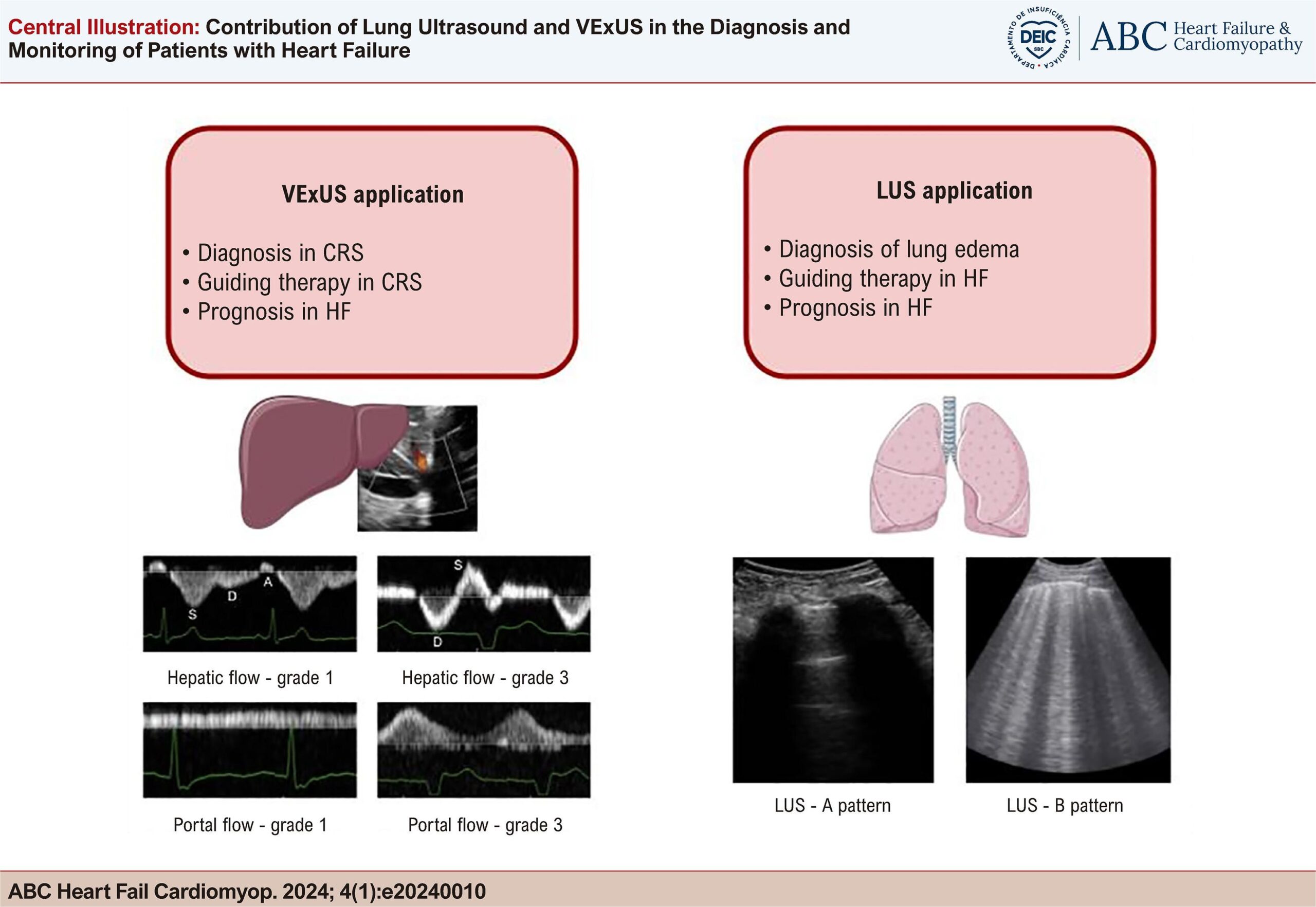
Despite advancements in the treatment of heart failure (HF), accurately assessing and monitoring fluid status and congestion remains a challenge. Traditional methods, including clinical evaluation, biomarker analysis, and imaging techniques, exhibit limitations in their capacity for real-time evaluation and monitoring of venous and pulmonary congestion. Lung ultrasound (LUS) detects B-lines and provides a rapid, sensitive assessment of pulmonary congestion, crucial for both acute and chronic HF management. Venous Excess Ultrasound Score (VExUS) provides a comprehensive assessment of systemic venous congestion by evaluating venous flows in hepatic, portal, and renal veins, alongside the inferior vena cava measurement. This review explores the integration of LUS and VExUS as innovative non-invasive, bedside technologies poised to enhance diagnostic accuracy, predict outcomes, and guide therapeutic decisions, potentially improving patient care. By shedding light on the underlying pathophysiological processes of HF, and offering insights into fluid dynamics, the synergistic application of LUS and VExUS, in conjunction with clinical examination, promises to significantly transform and personalize treatment strategies in both acute and chronic HF scenarios.

  • Heart Failure
  • Pulmonary Edema
  • Ultrasonography
Read Full Article
Creative Commons Attribution (CC BY) Creative Commons license
22/07/2024 DOI: 10.36660/abchf.20240010i Views 2
Figure 1
Review Article

Hydralazine and Isosorbide Dinitrate in Heart Failure: From Evidence to Clinical Practice

Miguel Morita Fernandes-Silva et al. Ana Carolina Krachinski de Andrade Gama Gabriela Yumi Konno Saito Bruna Czelusniak Goulart … Even Edilce Mol Marco Stephan Lofrano-Alves

Abstract

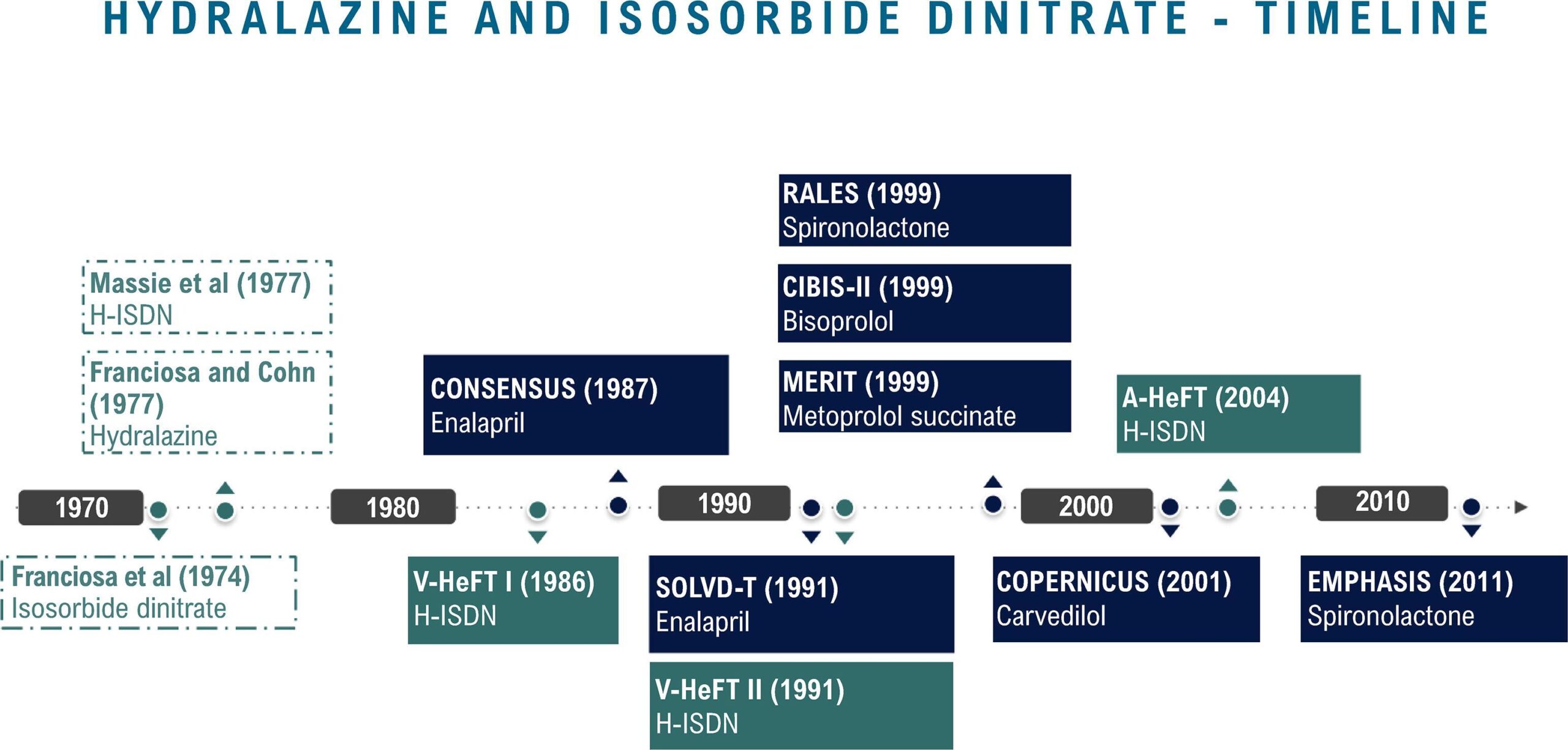
The treatment of heart failure (HF) with reduced ejection fraction (HFrEF) has evolved significantly over time, with the emergence of various pharmacotherapies targeting different pathophysiological pathways. While neurohumoral antagonists like angiotensin converting enzyme (ACE) inhibitors and beta-blockers have become first-line therapies, the main paradigm shift occurred with medications with vasodilatory effects, including the combination of hydralazine and isosorbide dinitrate (H-ISDN). Although the role of H-ISDN has been overshadowed over time, it remains significant, particularly in certain populations.

With proven hemodynamic benefits in HF by reducing both preload and afterload, H-ISDN was initially tested in the 1980s in the Vasodilator Heart Failure Trial I (V-HeFT I), with promising results. Nevertheless, subsequent trials like V-HeFT II indicated that ACE inhibitors were superior to H-ISDN in reducing mortality.

Later, post-hoc analyses of V-HeFT trials suggested a potential benefit of H-ISDN among black patients. This prompted the African-American Heart Failure trial (A-HeFT), which demonstrated a significant reduction in mortality with H-ISDN in black patients with HFrEF, who were under standard HF treatment including ACE inhibitors.

Current guidelines recommend H-ISDN in black patients with HFrEF who remain symptomatic despite optimized therapy or in those who cannot tolerate ACE inhibitors or angiotensin receptor blockers. However, the use of H-ISDN in other racial groups and in certain clinical scenarios like decompensated HF or renal failure remains less clear due to limited evidence. In this article, we review the history, pharmacological mechanisms, and clinical evidence for the H-ISDN in the treatment of HFrEF.

  • Heart Failure
  • Hydralazine
  • Isosorbide Dinitrate
  • Race
Read Full Article
Creative Commons Attribution (CC BY) Creative Commons license
19/07/2024 DOI: 10.36660/abchf.20240019i Views 1
Neprilysin Inhibitors: History, Pharmacology, Pharmacological-Clinical Evidence, and Clinical Practice, from the Risk of Angioedema to a Pillar of Therapy in Heart Failure
Review Article

Neprilysin Inhibitors: History, Pharmacology, Pharmacological-Clinical Evidence, and Clinical Practice, from the Risk of Angioedema to a Pillar of Therapy in Heart Failure

Paulo Vinicius Ramos Souza et al. Vagner Madrini Junior Fabio Fernandes Fábio Danziato Fernandes Felix José Alvarez Ramires

Abstract

The recognition that alterations in the regulation of the neurohormonal axis are the main factor behind the development and progression of heart failure was fundamental to constructing the pillars of therapy currently available for the treatment of this syndrome.

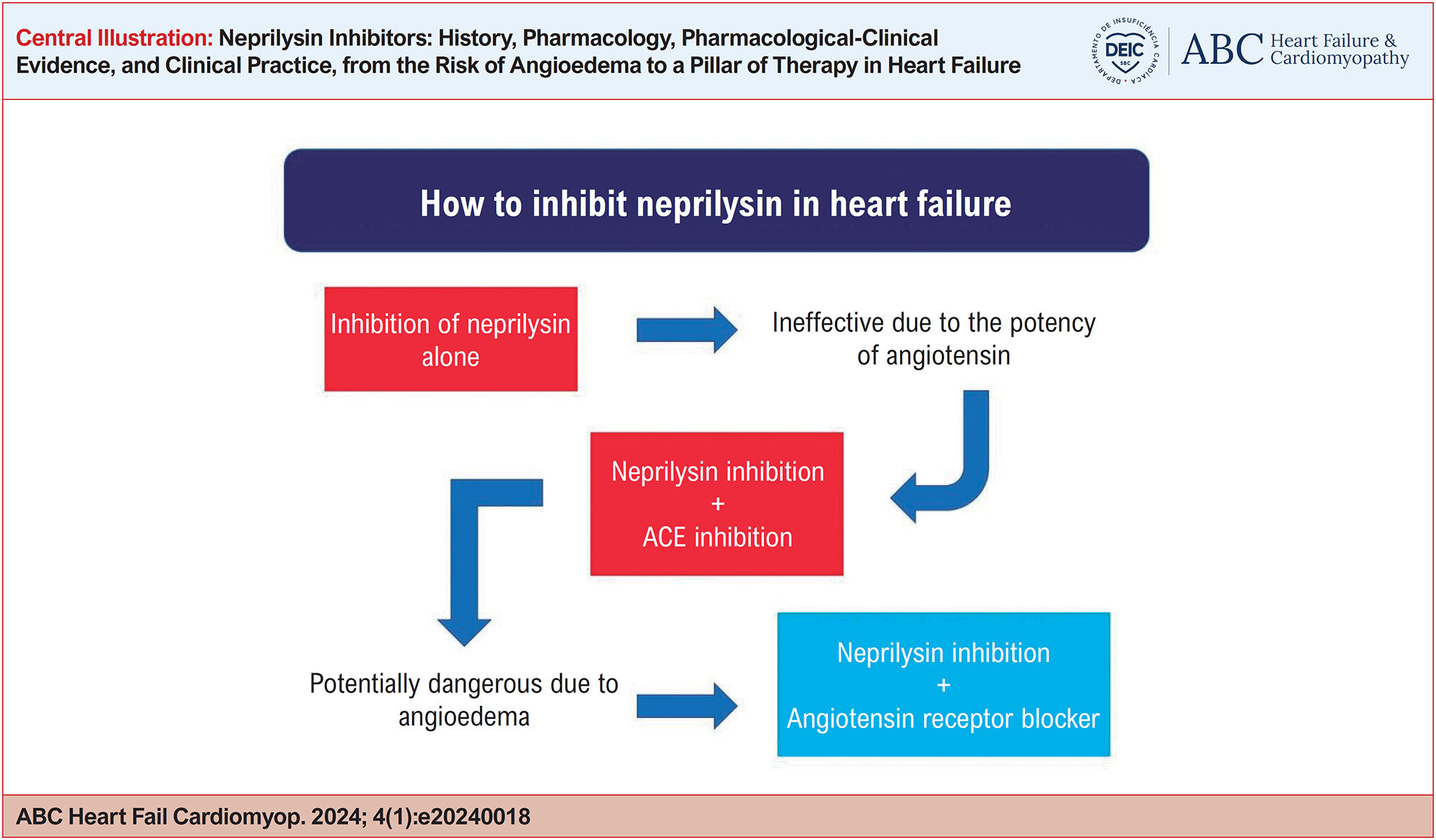
The main objective of this review is to understand the entire historical and pharmacological process that has led neprilysin inhibition to become one of the pillars of heart failure treatment.

For years, there was a gap in drug therapy for heart failure with reduced ejection fraction, and it took years to understand neprilysin inhibition, establish its safety, and confirm its effects, in order to achieve the beneficial results we have today.

  • Angioedema
  • Heart Failure
  • Neprilysin
Read Full Article
Creative Commons Attribution (CC BY) Creative Commons license
11/07/2024 DOI: 10.36660/abchf.20240018i Views 4
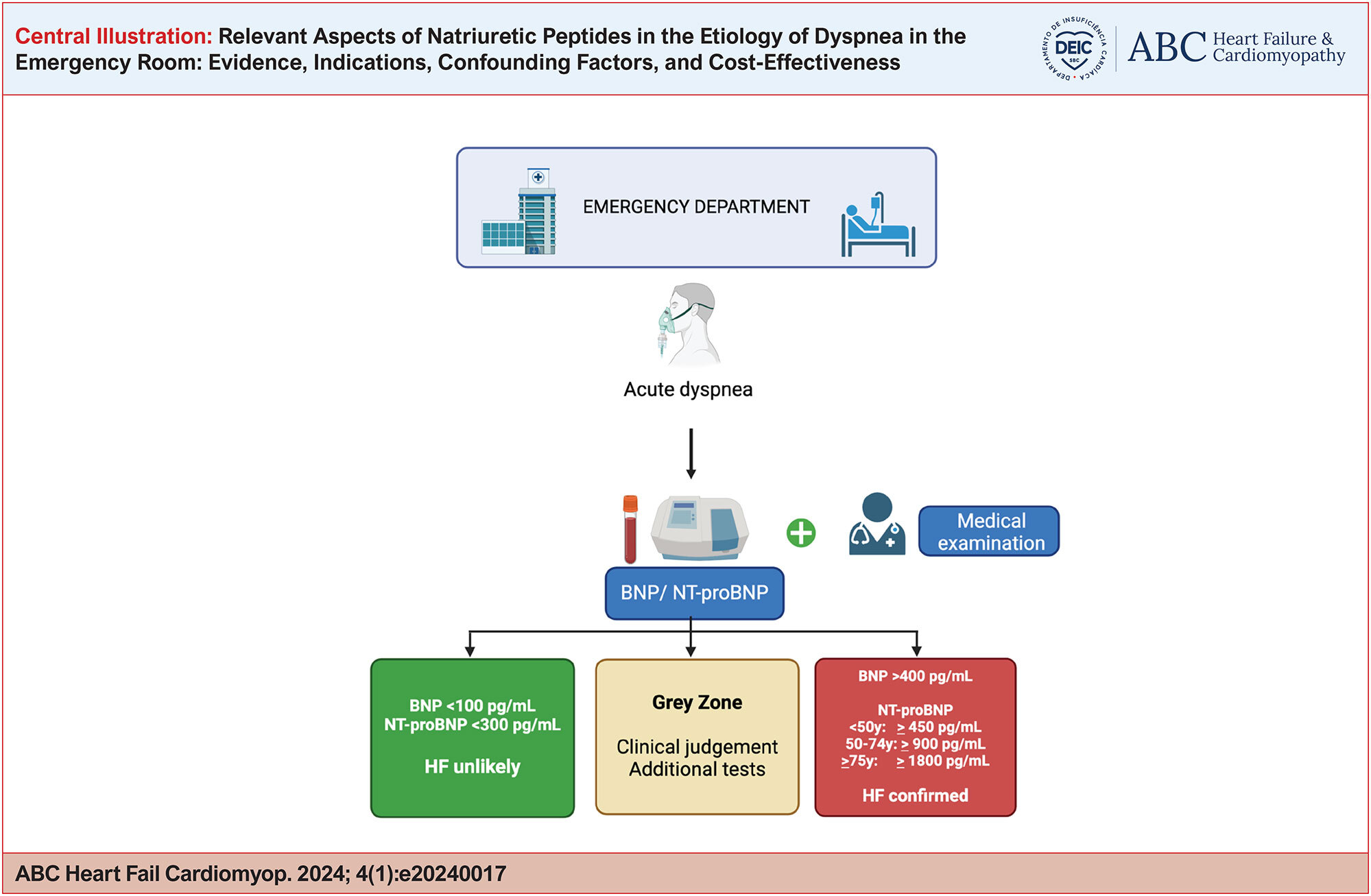
Relevant Aspects of Natriuretic Peptides in the Etiology of Dyspnea in the Emergency Room: Evidence, Indications, Confounding Factors, and Cost-Effectiveness
Review Article

Relevant Aspects of Natriuretic Peptides in the Etiology of Dyspnea in the Emergency Room: Evidence, Indications, Confounding Factors, and Cost-Effectiveness

Humberto Villacorta

Abstract

Natriuretic peptides are hormones released by the heart after acute or chronic aggression. They are produced exclusively by the heart and are, therefore, specific cardiac biomarkers. Recent pivotal studies have confirmed that they are useful in the diagnostic assessment of patients with dyspnea in the emergency room, with a high predictive value in ruling out acute heart failure, and they are indicated when there are doubts in clinical examination. They are also useful as prognostic markers and in monitoring response to treatment. Multiple studies have demonstrated that they are cost-effective in the emergency room. However, it is important to underscore that they should always be used in conjunction with clinical examination, and they have the limitation of reduced accuracy in some subgroups, due to the influence of some clinical variables, such as age, renal function, atrial fibrillation, and obesity. The use of cutoff values stratified by age group and machine learning techniques minimize the influence of confounding factors.

  • Diagnosis
  • Dyspnea
  • Emergency Medical Services
  • Heart Failure
  • Natriuretic Peptides
Read Full Article
Creative Commons Attribution (CC BY) Creative Commons license
11/07/2024 DOI: 10.36660/abchf.20240017i Views 2

How to cite this article

EndNote RIS

Electronic Document Format (Vancouver)

Amantéa RP, Hastenteufel L, Scolari FL, Goldraich LA, Clausell N. Non-Ischemic Cardiogenic Shock: How to Improve Outcomes – From Early Recognition to Distinctive Management. ABC Heart Fail Cardiomyop 2024;4(1):e20240033.

Electronic Document Format (ABNT)

Amantéa, Rodrigo P.; Hastenteufel, Laura; Scolari, Fernando Luís; Goldraich, Lívia A.; Clausell, Nadine. Non-Ischemic Cardiogenic Shock: How to Improve Outcomes – From Early Recognition to Distinctive Management. ABC Heart Fail Cardiomyop, v. 4, n. 1, e20240033, Oct. 2024.

Electronic Document Format (APA)

Amantéa, R. P., Hastenteufel, L., Scolari, F. L., Goldraich, L. A., & Clausell, N. (2024). Non-Ischemic Cardiogenic Shock: How to Improve Outcomes – From Early Recognition to Distinctive Management. ABC Heart Fail Cardiomyop, 4(1), e20240033.

Electronic Document Format (ISO)

Amantéa, Rodrigo P. and Hastenteufel, Laura and Scolari, Fernando Luís and Goldraich, Lívia A. and Clausell, Nadine. Non-Ischemic Cardiogenic Shock: How to Improve Outcomes – From Early Recognition to Distinctive Management. ABC Heart Fail Cardiomyop [online]. 2024, vol. 4, n. 1, [cited 2026-10-14], e20240033. Available from: <https://journals.cardiol.br/en/article/non-ischemic-cardiogenic-shock-how-to-improve-outcomes-from-early-recognition-to-distinctive-management/>

EndNote RIS

Electronic Document Format (Vancouver)

Marques F, Valicelli FH, Tanaka DM, Simões MV. The Trajectory of Gliflozins: From Apple Tree Bark to Reduced Overall Mortality in Heart Failure. ABC Heart Fail Cardiomyop 2024;4(1):e20240027.

Electronic Document Format (ABNT)

Marques, Fabiana; Valicelli, Flávio Henrique; Tanaka, Denise Mayumi; Simões, Marcus Vinícius. The Trajectory of Gliflozins: From Apple Tree Bark to Reduced Overall Mortality in Heart Failure. ABC Heart Fail Cardiomyop, v. 4, n. 1, e20240027, Sep. 2024.

Electronic Document Format (APA)

Marques, F., Valicelli, F. H., Tanaka, D. M., & Simões, M. V. (2024). The Trajectory of Gliflozins: From Apple Tree Bark to Reduced Overall Mortality in Heart Failure. ABC Heart Fail Cardiomyop, 4(1), e20240027.

Electronic Document Format (ISO)

Marques, Fabiana and Valicelli, Flávio Henrique and Tanaka, Denise Mayumi and Simões, Marcus Vinícius. The Trajectory of Gliflozins: From Apple Tree Bark to Reduced Overall Mortality in Heart Failure. ABC Heart Fail Cardiomyop [online]. 2024, vol. 4, n. 1, [cited 2026-10-14], e20240027. Available from: <https://journals.cardiol.br/en/article/the-trajectory-of-gliflozins-from-apple-tree-bark-to-reduced-overall-mortality-in-heart-failure/>

EndNote RIS

Electronic Document Format (Vancouver)

Menegazzo WR, Saadi MP, Silvano GP, Gonzalez VL, Silveira AD. Theoretical Concepts of Lung Ultrasound in the Diagnosis of Congestion. ABC Heart Fail Cardiomyop 2024;4(1):e20240022.

Electronic Document Format (ABNT)

Menegazzo, Willian Roberto; Saadi, Marina Petersen; Silvano, Gustavo Paes; Gonzalez, Vinícius Leite; Silveira, Anderson Donelli da. Theoretical Concepts of Lung Ultrasound in the Diagnosis of Congestion. ABC Heart Fail Cardiomyop, v. 4, n. 1, e20240022, Aug. 2024.

Electronic Document Format (APA)

Menegazzo, W. R., Saadi, M. P., Silvano, G. P., Gonzalez, V. L., & Silveira, A. D. (2024). Theoretical Concepts of Lung Ultrasound in the Diagnosis of Congestion. ABC Heart Fail Cardiomyop, 4(1), e20240022.

Electronic Document Format (ISO)

Menegazzo, Willian Roberto and Saadi, Marina Petersen and Silvano, Gustavo Paes and Gonzalez, Vinícius Leite and Silveira, Anderson Donelli da. Theoretical Concepts of Lung Ultrasound in the Diagnosis of Congestion. ABC Heart Fail Cardiomyop [online]. 2024, vol. 4, n. 1, [cited 2026-10-14], e20240022. Available from: <https://journals.cardiol.br/en/article/theoretical-concepts-of-lung-ultrasound-in-the-diagnosis-of-congestion/>

EndNote RIS

Electronic Document Format (Vancouver)

Espíndola LN, Almeida MCC, Castro ML, Freire CMV, Oliveira GMM. Particularities of Heart Failure with Preserved Ejection Fraction in Women – Pathways to Better Care. ABC Heart Fail Cardiomyop 2024;4(1):e20240012.

Electronic Document Format (ABNT)

Espíndola, Larissa Neto; Almeida, Maria Cristina Costa de; Castro, Marildes Luíza de; Freire, Cláudia Maria Vilas; Oliveira, Gláucia Maria Moraes de. Particularities of Heart Failure with Preserved Ejection Fraction in Women – Pathways to Better Care. ABC Heart Fail Cardiomyop, v. 4, n. 1, e20240012, Aug. 2024.

Electronic Document Format (APA)

Espíndola, L. N., Almeida, M. C. C. , Castro, M. L. , Freire, C. M. V., & Oliveira, G. M. M. (2024). Particularities of Heart Failure with Preserved Ejection Fraction in Women – Pathways to Better Care. ABC Heart Fail Cardiomyop, 4(1), e20240012.

Electronic Document Format (ISO)

Espíndola, Larissa Neto and Almeida, Maria Cristina Costa de and Castro, Marildes Luíza de and Freire, Cláudia Maria Vilas and Oliveira, Gláucia Maria Moraes de. Particularities of Heart Failure with Preserved Ejection Fraction in Women – Pathways to Better Care. ABC Heart Fail Cardiomyop [online]. 2024, vol. 4, n. 1, [cited 2026-10-14], e20240012. Available from: <https://journals.cardiol.br/en/article/particularities-of-heart-failure-with-preserved-ejection-fraction-in-women-pathways-to-better-care/>

EndNote RIS

Electronic Document Format (Vancouver)

Telo GH, Saadi MP, Silvano GP, Silveira AD, Biolo A. Contribution of Lung Ultrasound and VExUS in the Diagnosis and Monitoring of Patients with Heart Failure. ABC Heart Fail Cardiomyop 2024;4(1):e20240010.

Electronic Document Format (ABNT)

Telo, Guilherme Heiden; Saadi, Marina Petersen; Silvano, Gustavo Paes; Silveira, Anderson Donelli da; Biolo, Andreia. Contribution of Lung Ultrasound and VExUS in the Diagnosis and Monitoring of Patients with Heart Failure. ABC Heart Fail Cardiomyop, v. 4, n. 1, e20240010, Jul. 2024.

Electronic Document Format (APA)

Telo, G. H., Saadi, M. P., Silvano, G. P., Silveira, A. D. , & Biolo, A. (2024). Contribution of Lung Ultrasound and VExUS in the Diagnosis and Monitoring of Patients with Heart Failure. ABC Heart Fail Cardiomyop, 4(1), e20240010.

Electronic Document Format (ISO)

Telo, Guilherme Heiden and Saadi, Marina Petersen and Silvano, Gustavo Paes and Silveira, Anderson Donelli da and Biolo, Andreia. Contribution of Lung Ultrasound and VExUS in the Diagnosis and Monitoring of Patients with Heart Failure. ABC Heart Fail Cardiomyop [online]. 2024, vol. 4, n. 1, [cited 2026-10-14], e20240010. Available from: <https://journals.cardiol.br/en/article/contribution-of-lung-ultrasound-and-vexus-in-the-diagnosis-and-monitoring-of-patients-with-heart-failure/>

EndNote RIS

Electronic Document Format (Vancouver)

Fernandes-Silva MM, Gama ACKA, Saito GYK, Goulart BC, Mol EE, Lofrano-Alves MS. Hydralazine and Isosorbide Dinitrate in Heart Failure: From Evidence to Clinical Practice. ABC Heart Fail Cardiomyop 2024;4(1):e20240019.

Electronic Document Format (ABNT)

Fernandes-Silva, Miguel Morita; Gama, Ana Carolina Krachinski de Andrade; Saito, Gabriela Yumi Konno; Goulart, Bruna Czelusniak; Mol, Even Edilce; Lofrano-Alves, Marco Stephan. Hydralazine and Isosorbide Dinitrate in Heart Failure: From Evidence to Clinical Practice. ABC Heart Fail Cardiomyop, v. 4, n. 1, e20240019, Jul. 2024.

Electronic Document Format (APA)

Fernandes-Silva, M. M., Gama, A. C. K. A., Saito, G. Y. K., Goulart, B. C., Mol, E. E., & Lofrano-Alves, M. S. (2024). Hydralazine and Isosorbide Dinitrate in Heart Failure: From Evidence to Clinical Practice. ABC Heart Fail Cardiomyop, 4(1), e20240019.

Electronic Document Format (ISO)

Fernandes-Silva, Miguel Morita and Gama, Ana Carolina Krachinski de Andrade and Saito, Gabriela Yumi Konno and Goulart, Bruna Czelusniak and Mol, Even Edilce and Lofrano-Alves, Marco Stephan. Hydralazine and Isosorbide Dinitrate in Heart Failure: From Evidence to Clinical Practice. ABC Heart Fail Cardiomyop [online]. 2024, vol. 4, n. 1, [cited 2026-10-14], e20240019. Available from: <https://journals.cardiol.br/en/article/hydralazine-and-isosorbide-dinitrate-in-heart-failure-from-evidence-to-clinical-practice/>

EndNote RIS

Electronic Document Format (Vancouver)

Souza PVR, Madrini Junior V, Fernandes F, Fernandes FD, Ramires FJA. Neprilysin Inhibitors: History, Pharmacology, Pharmacological-Clinical Evidence, and Clinical Practice, from the Risk of Angioedema to a Pillar of Therapy in Heart Failure. ABC Heart Fail Cardiomyop 2024;4(1):e20240018.

Electronic Document Format (ABNT)

Souza, Paulo Vinicius Ramos; Madrini Junior, Vagner; Fernandes, Fabio; Fernandes, Fábio Danziato; Ramires, Felix José Alvarez. Neprilysin Inhibitors: History, Pharmacology, Pharmacological-Clinical Evidence, and Clinical Practice, from the Risk of Angioedema to a Pillar of Therapy in Heart Failure. ABC Heart Fail Cardiomyop, v. 4, n. 1, e20240018, Jul. 2024.

Electronic Document Format (APA)

Souza, P. V. R., Madrini Junior, V., Fernandes, F., Fernandes, F. D., & Ramires, F. J. A. (2024). Neprilysin Inhibitors: History, Pharmacology, Pharmacological-Clinical Evidence, and Clinical Practice, from the Risk of Angioedema to a Pillar of Therapy in Heart Failure. ABC Heart Fail Cardiomyop, 4(1), e20240018.

Electronic Document Format (ISO)

Souza, Paulo Vinicius Ramos and Madrini Junior, Vagner and Fernandes, Fabio and Fernandes, Fábio Danziato and Ramires, Felix José Alvarez. Neprilysin Inhibitors: History, Pharmacology, Pharmacological-Clinical Evidence, and Clinical Practice, from the Risk of Angioedema to a Pillar of Therapy in Heart Failure. ABC Heart Fail Cardiomyop [online]. 2024, vol. 4, n. 1, [cited 2026-10-14], e20240018. Available from: <https://journals.cardiol.br/en/article/neprilysin-inhibitors-history-pharmacology-pharmacological-clinical-evidence-and-clinical-practice-from-the-risk-of-angioedema-to-a-pillar-of-therapy-in-heart-failure/>

EndNote RIS

Electronic Document Format (Vancouver)

Villacorta H. Relevant Aspects of Natriuretic Peptides in the Etiology of Dyspnea in the Emergency Room: Evidence, Indications, Confounding Factors, and Cost-Effectiveness. ABC Heart Fail Cardiomyop 2024;4(1):e20240017.

Electronic Document Format (ABNT)

Villacorta, Humberto. Relevant Aspects of Natriuretic Peptides in the Etiology of Dyspnea in the Emergency Room: Evidence, Indications, Confounding Factors, and Cost-Effectiveness. ABC Heart Fail Cardiomyop, v. 4, n. 1, e20240017, Jul. 2024.

Electronic Document Format (APA)

Villacorta, H. (2024). Relevant Aspects of Natriuretic Peptides in the Etiology of Dyspnea in the Emergency Room: Evidence, Indications, Confounding Factors, and Cost-Effectiveness. ABC Heart Fail Cardiomyop, 4(1), e20240017.

Electronic Document Format (ISO)

Villacorta, Humberto. Relevant Aspects of Natriuretic Peptides in the Etiology of Dyspnea in the Emergency Room: Evidence, Indications, Confounding Factors, and Cost-Effectiveness. ABC Heart Fail Cardiomyop [online]. 2024, vol. 4, n. 1, [cited 2026-10-14], e20240017. Available from: <https://journals.cardiol.br/en/article/relevant-aspects-of-natriuretic-peptides-in-the-etiology-of-dyspnea-in-the-emergency-room-evidence-indications-confounding-factors-and-cost-effectiveness/>

Sede – Rio de Janeiro
Av. Marechal Câmara, 160
3º andar – Sala: 330 – Centro
Rio de Janeiro – CEP: 20020-907
Tel.: (+55 21) 3478-2700
ou (21) 99386-3961
E-mail: abcheartfailure@cardiol.br

Sede – São Paulo
Alameda Santos, 705 – 11º andar
Cerqueira César | São Paulo
CEP: 01419-001
Tel.: (55 +11) 3411-5500
E-mail: abcheartfailure@cardiol.br

  • About the Journal
  • Internal Regulation
  • Editors Section
  • Editorial Board
  • SBC Award

  • Guidelines for Publication
  • Editorial Policy
  • Ethics Policy
  • Policy on the Use of Artificial Intelligence
  • Mandatory Publication Form

Issues

SBC Guidelines