| ABC
ABC Family Arquivos Brasileiros de Cardiologia International Journal of Cardiovascular Sciences ABC Heart Failure & Cardiomyopathy ABC Imagem Cardiovascular
Português English
ABC Family | ABC
Português English
  • About
    • About the Journal
    • Internal Regulation
    • Editors Section
    • Editorial Board
    • History
    • SBC Award
  • Instructions to Authors
    • Guidelines for Publication
    • Editorial Policy
    • Ethics Policy
    • Policy on the Use of Artificial Intelligence
    • Mandatory Publication Form
    • Publication Fee
  • Issues
  • SBC Guidelines
  • Abstracts
    • How to Publish an Abstract Supplement?
    • Supplements from the Brazilian Congress of Cardiology
  • About
    • About the Journal
    • Internal Regulation
    • Editors Section
    • Editorial Board
    • History
    • SBC Award
  • Instructions to Authors
    • Guidelines for Publication
    • Editorial Policy
    • Ethics Policy
    • Policy on the Use of Artificial Intelligence
    • Mandatory Publication Form
    • Publication Fee
  • Issues
  • SBC Guidelines
  • Abstracts
    • How to Publish an Abstract Supplement?
    • Supplements from the Brazilian Congress of Cardiology

ABC Family

  • ABC Family
  • Arquivos Brasileiros de Cardiologia
  • International Journal of Cardiovascular Sciences
  • ABC Heart Failure & Cardiomyopathy
  • ABC Imagem Cardiovascular
Search in

No content found.

Journals
Ordering
Article types
Others

  1. Home
  2. ABC
  3. Issues
  4. 2022, Volume 119 (5 suppl 1)
Figure 1
Original Article

Deduction, Induction and the Art of Clinical Reasoning in Medical Education: Systematic Review and Bayesian Proposal

Marcos Roberto de-Sousa et al. Túlio Roberto Xavier de Aguiar

Abstract

Background

Clinical reasoning is at the core of medical practice and entangled in a conceptual confusion. The duality theory in probability allows to evaluate its objective and subjective aspects.

Objectives

To conduct a systematic review of the literature about clinical reasoning in decision making in medical education and to propose a “reasoning based on the Bayesian rule” (RBBR).

Methods

A systematic review on PubMed was conducted (until February 27, 2022), following a strict methodology, by a researcher experienced in systematic review. The RBBR, presented in the discussion section, was constructed in his undergraduate dissertation in Philosophy at Minas Gerais Federal University. Heart failure was used as example.

Results

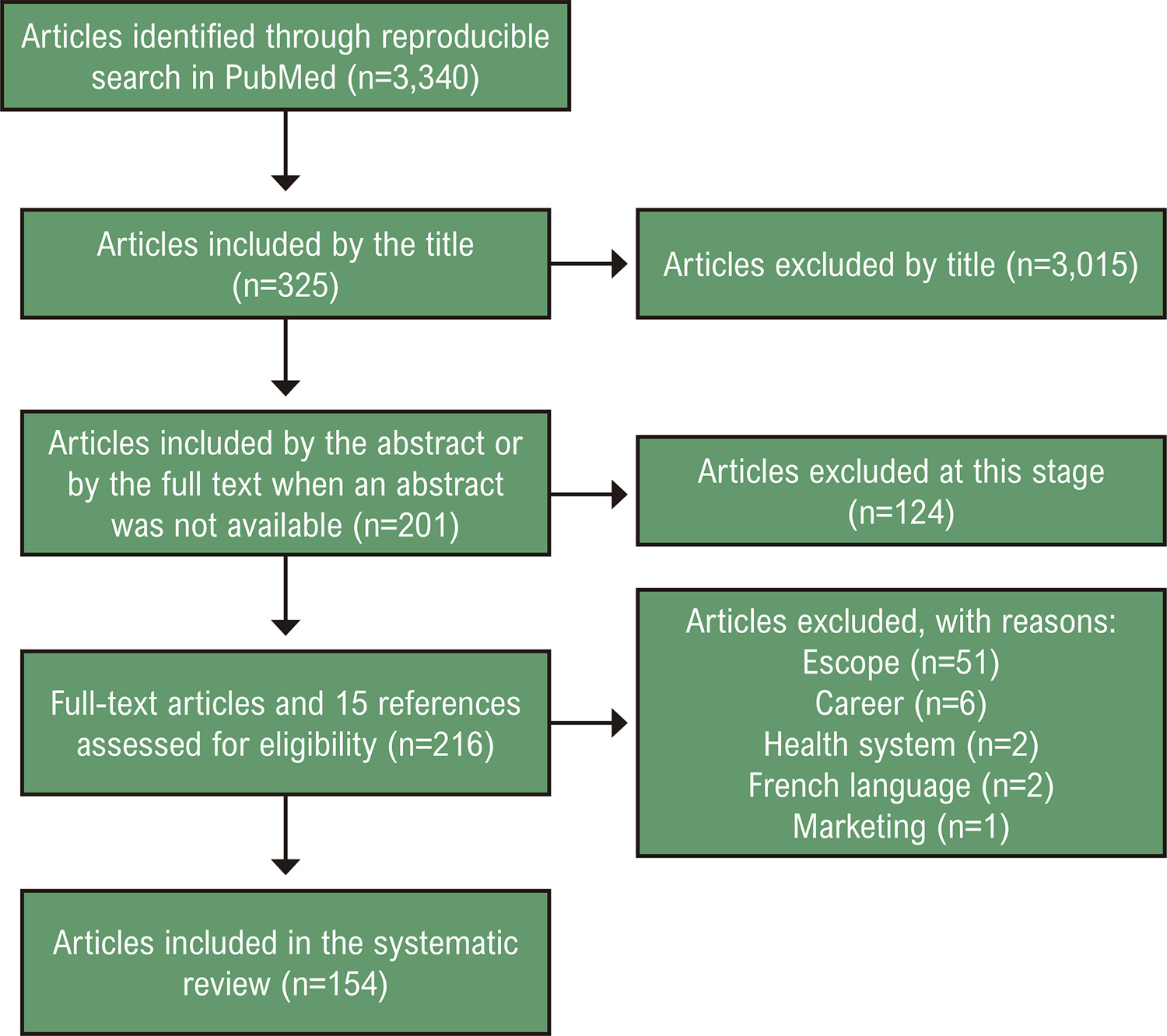
Of 3,340 articles retrieved, 154 were included: 24 discussing the uncertainty condition, 87 on vague concepts (case discussion, heuristics, list of cognitive biases, choosing wisely) subsumed under the term “art”, and 43 discussing the general idea of inductive or deductive reasoning. RBBR provides coherence and reproducibility rules, inference under uncertainty, and learning rule, and can incorporate those vague terms classified as “art”, arguments and evidence, from a subjective perspective about probability.

Conclusions

This systematic review shows that reasoning is grounded in uncertainty, predominantly probabilistic, and reviews possible errors of the hypothetico-deductive reasoning. RBBR is a two-step probabilistic reasoning that can be taught. The Bayes theorem is a linguistic tool, a general rule of reasoning, diagnosis, scientific communication and review of medical knowledge according to new evidence.
  • Bayes Theorem
  • Clinical Decision – Making
  • Education, Medical
  • Evidence-Based Medicine
  • Learning
  • Problem Solving
  • systematic review
Read Full Article
Creative Commons Attribution (CC BY) Creative Commons license
25/11/2022 DOI: 10.36660/abc.20220405 Views 1
Original Article

Effectiveness of an Active Methodology for Learning ECG during the Internal Medicine Internship

Márcia Cristina Amélia da Silva et al. Maria Elisa Lucena Sales de Melo Assunção

Abstract

Background

Studies have shown a low accuracy of urgent care physicians in interpreting electrocardiogram (ECG) in severe cardiovascular conditions.

Objective

To evaluate the effectiveness of an ECG learning method in internal medicine internships and to know the perception of interns regarding learning before and after the methodology.

Methods

This study used a database with the results of an ECG pre- and post-test of the classes in the internal medicine internship from 2017 to 2022. A qualitative questionnaire was sent with questions for self-assessment of perception of learning.

Results

The study included a total of 227 students, 161 of whom (70.9%) were female. The mean age was 26.4 ± 4.2 years old. The pre-test mean was 3.75 ± 2.0 points, and the post-test mean was 8.48 ± 1.5 points, showing a statistically significant difference, even after stratification by sex, age, and course period (p < 0.001 for all comparisons). Sixty-nine (30%) of the students responded to the qualitative questionnaire. The three predominant feelings prior to learning were despair, fear, and insecurity. After the Club, the predominant feelings were security, tranquility, and confidence.

Conclusion

The level of prior knowledge regarding ECG was low among students in the medical internship, and the proposed methodology was effective for learning ECG, regardless of age, sex, or course period. It was possible to transform negative beliefs regarding ECG learning and make learning meaningful and enjoyable. A more incisive look at medical courses for learning the ECG in a more practical and contextualized way can improve this scenario.

  • Education, Medical
  • Electrocardiography
  • Problem-Based Learning
Read Full Article
Creative Commons Attribution (CC BY) Creative Commons license
25/11/2022 DOI: 10.36660/abc.20220446 Views 2
Figure 1
Original Article

Psychometric Evaluation of the Cardiology Certification Exam of the Brazilian Society of Cardiology

Gustavo Eugênio Martins Marinho et al. José Maria Peixoto José Knopfholz Marcus Vinicius Santos Andrade

Abstract

Background

The Cardiology Certification Exam is issued annually by the Brazilian Cardiology Society and set and applied by the Judging Committee for the Cardiologist Title (CJTEC). The psychometric analysis of the exam items using the Item Response Theory (IRT) may provide robust data that can help in the continuous improvement of this instrument.

Objectives

To evaluate the psychometric properties of the 2019 Cardiology Certification Exam in relation to the IR parameters.

Methods

This was an observational study, with psychometric analysis of the 120 questions of the exam taken by 1,120 candidates for the title of Cardiologist in 2019.

Results

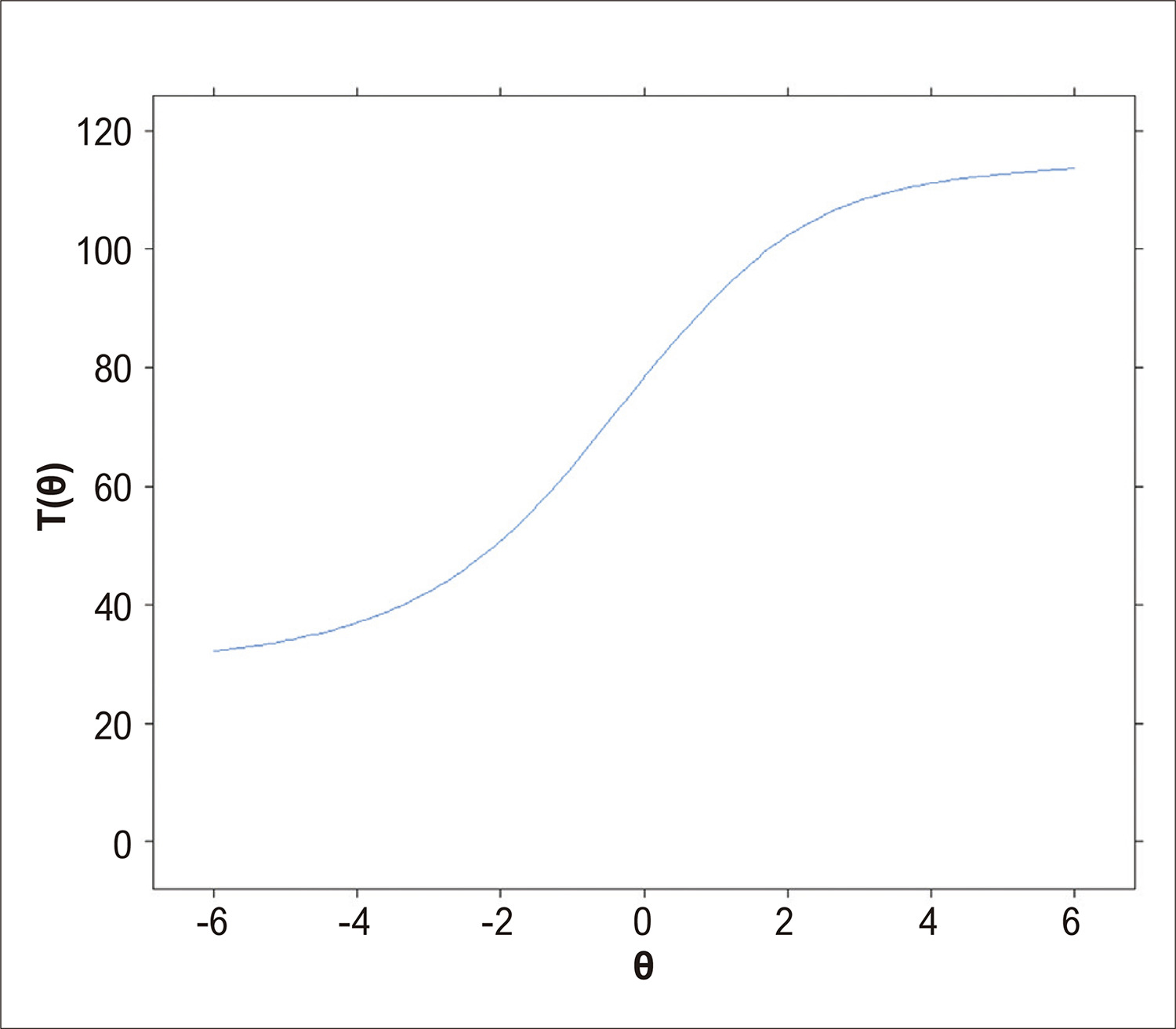
The IRT analysis revealed that 32.2% of the items had a “high” or “very high” discriminating power, 49.2% were categorized as “easy” or “very easy”, and 41.5% showed a high probability of a correct guessing. Sixty-nine deficient items in terms of the IRT parameters were identified, which were then considered poorly effective in evaluating the candidate’s ability.

Conclusions

The psychometric analysis of the 2019 Cardiology Certification Exam by the IRT revealed a high percentage of easy questions, with nearly two thirds of the items with a high probability of correct guessing. These data may serve as a basis for a series of discussions and proposals for the elaboration of future certificate exams in Cardiology.

  • Cardiology
  • Psychometrics
  • Specialization
Read Full Article
Creative Commons Attribution (CC BY) Creative Commons license
25/11/2022 DOI: 10.36660/abc.20220355 Views 1
Editorial

Challenges and Opportunities for the Development of Medical Education Research

Sílvia Mamede

The year was 1747. The doctor on board the Salisbury, Dr. James Lindt, upset with the high number of deaths by scurvy among the mariners, planned and conducted a study comparing different therapeutic approaches. Described in his “Treatise of the Scurvy”, published in Edinburgh in 1753, his study is considered to be the first controlled clinical trial in the modern era. But the history goes even further. Clearly, without the requirements of a controlled clinical trial, the experiment, conducted during the reign of King Nebuchadnezzar in the years of 500 BC in Babylonia, is cited as the first record of a medical study that guided a public health decision. A “herbivorous” diet was authorized when, contradicting what the King believed, it showed more benefits than the preferred “carnivorous” alternative.

The year was 1926. The Journal of the Association of American Medical Colleges (known today as Academic Medicine) was launched described at that time by Fred Zapffe, its editor, as “the only scientific publication of its type in the world – a journal dedicated to medical education and pedagogy.” Three decades later, the first departments of medical education emerged in American universities, which many believe to be the origins of medical research. In view of the long history of clinical research, medical education research can be seen as newborn. In its few years of life, its development has been quite remarkable. The number of journals on medical education have multiplied. The Science Citation Index offers 19 publications, and the list continues to grow each year. The number of scientific article submissions to these journals has also increased significantly. For example, in the first 5 years since its foundation in 1996, Advances in Health Sciences Education had received a total of 78 submissions. In 2019 alone, the number of submissions reached 750.

[…]

  • Biomedical Research/trends
  • Data Collection
  • Education, Medical/trends
  • Empirical Research
  • Research Design
  • Research Promotion
Read Full Article
Creative Commons Attribution (CC BY) Creative Commons license
25/11/2022 DOI: 10.36660/abc.20220434 Views 1
Figure 1
Original Article

Learning: New Strategy for Humanized Digital Medical Education and Training in Cardiology

Manoel Fernandes Canesin et al. Fabrício Nogueira Furtado Rodrigo Marques Gonçalves Diogo Cesar Carraro … Thaísa Mariela Nascimento de Oliveira Ricardo Rodrigues Cláudio José Fuganti Cézar Eumann Mesas Laércio Uemura

Abstract

Background

The consolidation of new educational paradigms requires the implementation of innovative strategies to transform students into competent professionals.

Objectives

To assess knowledge and satisfaction of medical students before and after the use of a new humanized digital model of active learning, called virtual case-based learning (VCBL).

Methods

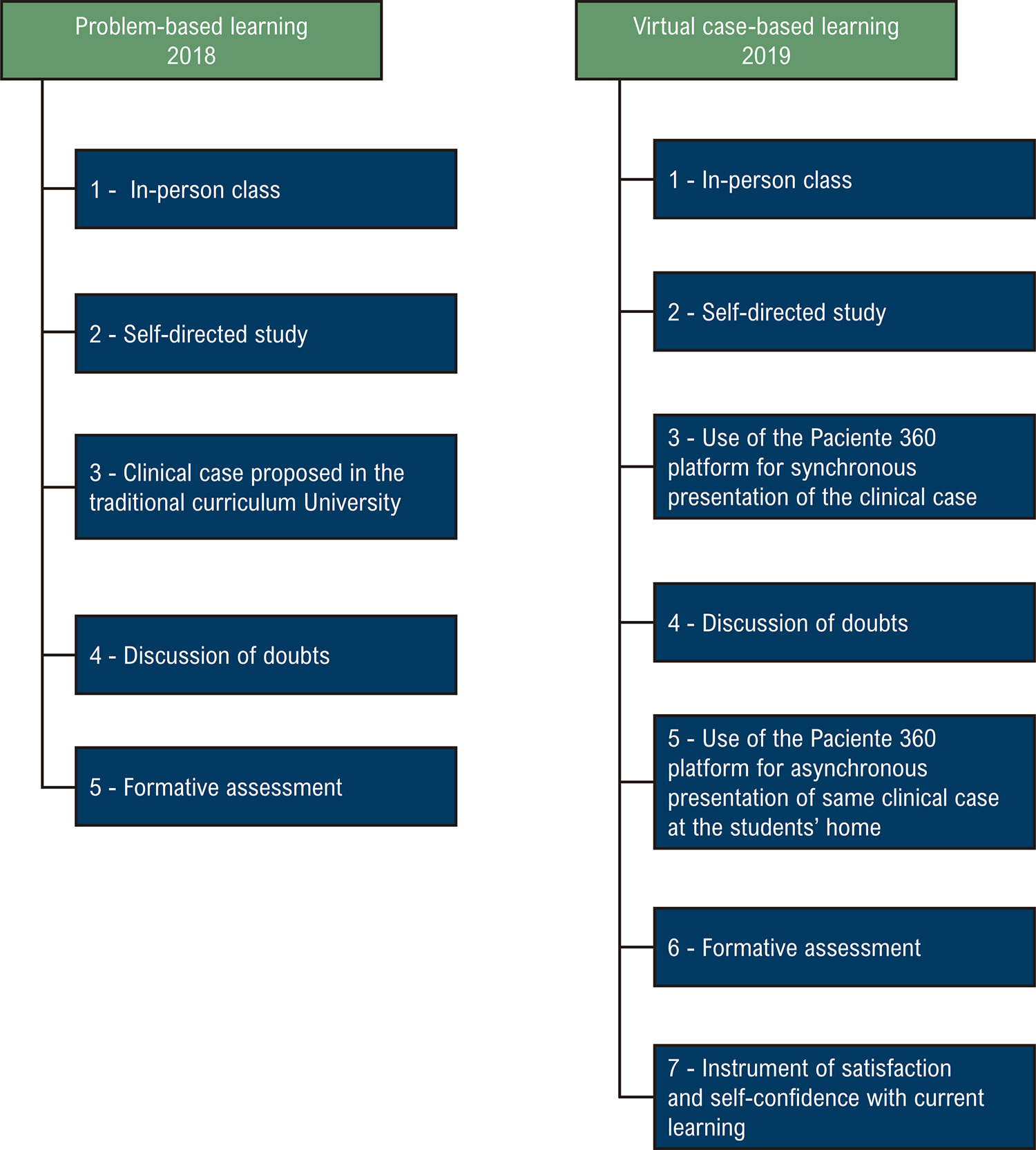
This was a descriptive, documentary analysis of the teaching-learning process of medical students. Data obtained from theoretical knowledge assessment and satisfaction evaluation questionnaires applied in 2018 and 2019 were analyzed, and the new VCBL was compared with the traditional active methodology PBL (problem-based learning). Descriptive and association analyses were made using the Statistical Package for the Social Sciences.

Results

A total of 167 evaluation forms administered to medical students were analyzed. In the evaluation of theoretical knowledge, the 2018 and the 2019 student groups had a mean of 41.7% and 73.3%, respectively (p<0.001). Among the students who responded to the satisfaction evaluation form, 76.0% gave the highest rating to question one, and 83.0% to question two. Nearly 70.0% of students positively evaluated knowledge acquisition with the Paciente 360 platform; 78.0% reported to feel prepared for working in outpatient care; and 94.0% positively evaluated the new method.

Conclusion

In this initial study, the results indicate that the new active method for humanized digital medical education, the VCBL, can help in the betterment of the teaching-learning process, promoting knowledge and satisfaction by the students.

  • Aprendizagem
  • Computer Simulation
  • Education, Medical
  • Humanization of Assistance
  • Students, Medical
Read Full Article
Creative Commons Attribution (CC BY) Creative Commons license
25/11/2022 DOI: 10.36660/abc.20220423 Views 2
Figure 1
Original Article

Teaching of Clinical Reasoning Guided by Illness Script Theory

Juliana de Cássia Vaz Oliveira et al. Aline Barbosa Peixoto Gustavo Eugênio Martins Marinho José Maria Peixoto

Abstract

Background

Teaching of clinical reasoning (CR) can be facilitated by educational strategies guided by illness script theory.

Objective

To evaluate the effects of an educational strategy guided by illness script theory on the diagnostic accuracy of chest pain in medical students.

Methods

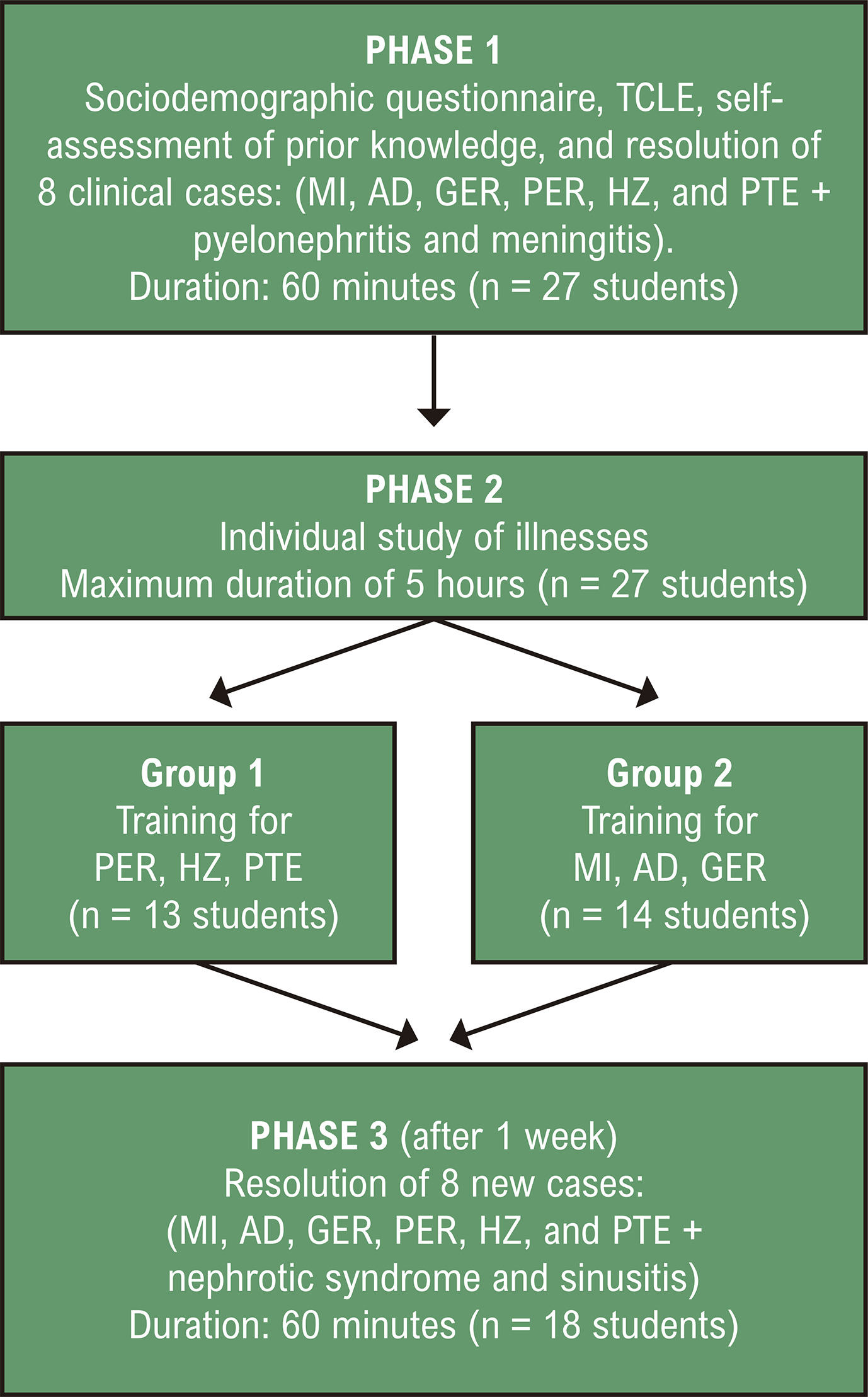
Experimental study in 3 phases, with 18 third-year medical students completing phase 3. Phases 1 and 2 had 27 students. In phase 1, each participant solved 8 clinical cases (6 of chest pain and 2 distractors). In phase 2, participants were divided into 2 groups, which distinctly trained 3 of the chest pain diagnoses from phase 1. In phase 3, after 1 week, each participant solved 8 new cases, with the same diagnoses as phase 1. Case resolution time and diagnostic accuracy were evaluated. The significance level adopted for statistical analysis was p < 0.05.

Results

In phase 3, both groups showed improved diagnostic accuracy and reduced case resolution time for the trained diagnoses, with no transfer of learning. For these diagnoses, the diagnostic accuracy scores in phases 1 and 3 were: group 1 = 1.00, IQR [0.00 to 1.00] versus 2.00, IQR [2.00 to 2.50], p = 0.017 and group 2 = 1.00, IQR [0.66 to 1.17] versus 3.00, IQR [1.33 to 3.00], p = 0.006. Case resolution times in seconds were: group 1: 485, IQR [450 to 583] versus 318, IQR [284 to 418], p = 0.027 and group 2: 655, IQR [543 to 740] versus 408, IQR [337 to 569], p = 0.010.

Conclusion

The proposed strategy seems to contribute to improved diagnostic accuracy, and it may be considered for teaching CR.

  • Cardiovascular Diseases
  • Clinical Decision – Making
  • Decision Making
  • Education,Medical
  • Learning
  • Students, Medical
Read Full Article
Creative Commons Attribution (CC BY) Creative Commons license
25/11/2022 DOI: 10.36660/abc.20220419 Views 1
Editorial

Medical Education: Interlocutor of Science and Society

José Maria Peixoto

Scientific progress in Cardiology is unquestionable. , We must have in mind, however, that the propelling of this development lies on education sciences , which transform the world by mobilizing people to knowledge. Despite the debate on what types of knowledge are related to them, according to Kant, education sciences enable individuals to reach autonomy and freedom to live in society.

Traditional science produces knowledge from experiment and observation, using rational methods that guarantee the validity of the results. Nevertheless, these assumptions favor the separation between the subject and the object of study, resulting in a technical-scientific culture that often ignores philosophical thinking, which drives individual’s desire for knowledge.

[…]

  • Cardiology/education
  • Education, Medical
  • Faculty, Medicine
  • Learning
  • Scientific Research and Technological Development
Read Full Article
Creative Commons Attribution (CC BY) Creative Commons license
25/11/2022 DOI: 10.36660/abc.20220491 Views 1
Figure 1
Original Article

Incor Residency Program in Adult Cardiology in 2022: 40 Years Preparing Cardiologists for the Demands in Brazil

Marcos Pita Lottenberg et al. Luciana Dornfeld Bichuette Luiz Aparecido Bortolotto Luís Henrique Wolff Gowdak … Francisco Carlos da Costa Darrieux Maria Angélica Binotto Roberto Kalil Filho Bruno Caramelli

Abstract

Background

Considering demographic data related to the cardiologist’s fields of work in Brazil, the administrative board of the InCor medical residency program decided for an update of its curriculum content, to adapt the educational process to the cardiologist’s work reality.

Objective

This article aimed to describe the recent updates applied to the InCor medical residency program.

Methods

In the article, we described the recent updates on the InCor residency program, and compared the current curriculum track with the previous one. We also presented the rationale for these changes, based on the literature on the participation of cardiologists in the labor market.

Results

There was a reduction in the working hours of residents in training in the intensive care unit, and an increase in the outpatient activities of primary and secondary prevention. Also, the didactic content was reformulated and became organized by the corresponding division.

Conclusion

The update of the curriculum track of the InCor medical residency program was required in order to adapt it to the Brazilian labor market. The commission in charge of this update is aware that this is a dynamic process that may need changes over time.

  • Cardiology
  • Medical Education
  • Medical residency
Read Full Article
Creative Commons Attribution (CC BY) Creative Commons license
25/11/2022 DOI: 10.36660/abc.20220457 Views 2

How to cite this article

EndNote RIS

Electronic Document Format (Vancouver)

de-Sousa MR, Aguiar TRX. Deduction, Induction and the Art of Clinical Reasoning in Medical Education: Systematic Review and Bayesian Proposal. Arquivos Brasileiros de Cardiologia 2022;119(5 suppl 1):27-34.

Electronic Document Format (ABNT)

de-Sousa, Marcos Roberto; Aguiar, Túlio Roberto Xavier de. Deduction, Induction and the Art of Clinical Reasoning in Medical Education: Systematic Review and Bayesian Proposal. Arquivos Brasileiros de Cardiologia, v. 119, n. 5 suppl 1, p. 27-34, Nov. 2022.

Electronic Document Format (APA)

de-Sousa, M. R., & Aguiar, T. R. X. (2022). Deduction, Induction and the Art of Clinical Reasoning in Medical Education: Systematic Review and Bayesian Proposal. Arquivos Brasileiros de Cardiologia, 119(5 suppl 1), 27-34.

Electronic Document Format (ISO)

de-Sousa, Marcos Roberto and Aguiar, Túlio Roberto Xavier de. Deduction, Induction and the Art of Clinical Reasoning in Medical Education: Systematic Review and Bayesian Proposal. Arquivos Brasileiros de Cardiologia [online]. 2022, vol. 119, n. 5 suppl 1, [cited 2026-10-14], pp. 27-34. Available from: <https://journals.cardiol.br/en/article/deduction-induction-and-the-art-of-clinical-reasoning-in-medical-education-systematic-review-and-bayesian-proposal/>. ISSN 0066-782X

EndNote RIS

Electronic Document Format (Vancouver)

Silva MCA, Assunção MELSM. Effectiveness of an Active Methodology for Learning ECG during the Internal Medicine Internship. Arquivos Brasileiros de Cardiologia 2022;119(5 suppl 1):22-6.

Electronic Document Format (ABNT)

Silva, Márcia Cristina Amélia da; Assunção, Maria Elisa Lucena Sales de Melo. Effectiveness of an Active Methodology for Learning ECG during the Internal Medicine Internship. Arquivos Brasileiros de Cardiologia, v. 119, n. 5 suppl 1, p. 22-26, Nov. 2022.

Electronic Document Format (APA)

Silva, M. C. A. , & Assunção, M. E. L. S. M. (2022). Effectiveness of an Active Methodology for Learning ECG during the Internal Medicine Internship. Arquivos Brasileiros de Cardiologia, 119(5 suppl 1), 22-26.

Electronic Document Format (ISO)

Silva, Márcia Cristina Amélia da and Assunção, Maria Elisa Lucena Sales de Melo. Effectiveness of an Active Methodology for Learning ECG during the Internal Medicine Internship. Arquivos Brasileiros de Cardiologia [online]. 2022, vol. 119, n. 5 suppl 1, [cited 2026-10-14], pp. 22-26. Available from: <https://journals.cardiol.br/en/article/effectiveness-of-an-active-methodology-for-learning-ecg-during-the-internal-medicine-internship/>. ISSN 0066-782X

EndNote RIS

Electronic Document Format (Vancouver)

Marinho GEM, Peixoto JM, Knopfholz J, Andrade MVS. Psychometric Evaluation of the Cardiology Certification Exam of the Brazilian Society of Cardiology. Arquivos Brasileiros de Cardiologia 2022;119(5 suppl 1):6-13.

Electronic Document Format (ABNT)

Marinho, Gustavo Eugênio Martins; Peixoto, José Maria; Knopfholz, José; Andrade, Marcus Vinicius Santos. Psychometric Evaluation of the Cardiology Certification Exam of the Brazilian Society of Cardiology. Arquivos Brasileiros de Cardiologia, v. 119, n. 5 suppl 1, p. 6-13, Nov. 2022.

Electronic Document Format (APA)

Marinho, G. E. M., Peixoto, J. M., Knopfholz, J., & Andrade, M. V. S. (2022). Psychometric Evaluation of the Cardiology Certification Exam of the Brazilian Society of Cardiology. Arquivos Brasileiros de Cardiologia, 119(5 suppl 1), 6-13.

Electronic Document Format (ISO)

Marinho, Gustavo Eugênio Martins and Peixoto, José Maria and Knopfholz, José and Andrade, Marcus Vinicius Santos. Psychometric Evaluation of the Cardiology Certification Exam of the Brazilian Society of Cardiology. Arquivos Brasileiros de Cardiologia [online]. 2022, vol. 119, n. 5 suppl 1, [cited 2026-10-14], pp. 6-13. Available from: <https://journals.cardiol.br/en/article/psychometric-evaluation-of-the-cardiology-certification-exam-of-the-brazilian-society-of-cardiology/>. ISSN 0066-782X

EndNote RIS

Electronic Document Format (Vancouver)

Mamede S. Challenges and Opportunities for the Development of Medical Education Research. Arquivos Brasileiros de Cardiologia 2022;119(5 suppl 1):1-3.

Electronic Document Format (ABNT)

Mamede, Sílvia. Challenges and Opportunities for the Development of Medical Education Research. Arquivos Brasileiros de Cardiologia, v. 119, n. 5 suppl 1, p. 1-3, Nov. 2022.

Electronic Document Format (APA)

Mamede, S. (2022). Challenges and Opportunities for the Development of Medical Education Research. Arquivos Brasileiros de Cardiologia, 119(5 suppl 1), 1-3.

Electronic Document Format (ISO)

Mamede, Sílvia. Challenges and Opportunities for the Development of Medical Education Research. Arquivos Brasileiros de Cardiologia [online]. 2022, vol. 119, n. 5 suppl 1, [cited 2026-10-14], pp. 1-3. Available from: <https://journals.cardiol.br/en/article/challenges-and-opportunities-for-the-development-of-medical-education-research/>. ISSN 0066-782X

EndNote RIS

Electronic Document Format (Vancouver)

Canesin MF, Furtado FN, Gonçalves RM, Carraro DC, Oliveira TMN, Rodrigues R, Fuganti CJ, et al. Learning: New Strategy for Humanized Digital Medical Education and Training in Cardiology. Arquivos Brasileiros de Cardiologia 2022;119(5 suppl 1):35-42.

Electronic Document Format (ABNT)

Canesin, Manoel Fernandes; Furtado, Fabrício Nogueira; Gonçalves, Rodrigo Marques; Carraro, Diogo Cesar; Oliveira, Thaísa Mariela Nascimento de; Rodrigues, Ricardo; Fuganti, Cláudio José; Mesas, Cézar Eumann; Uemura, Laércio. Learning: New Strategy for Humanized Digital Medical Education and Training in Cardiology. Arquivos Brasileiros de Cardiologia, v. 119, n. 5 suppl 1, p. 35-42, Nov. 2022.

Electronic Document Format (APA)

Canesin, M. F., Furtado, F. N., Gonçalves, R. M., Carraro, D. C., Oliveira, T. M. N. , Rodrigues, R., Fuganti, C. J., Mesas, C. E., & Uemura, L. (2022). Learning: New Strategy for Humanized Digital Medical Education and Training in Cardiology. Arquivos Brasileiros de Cardiologia, 119(5 suppl 1), 35-42.

Electronic Document Format (ISO)

Canesin, Manoel Fernandes and Furtado, Fabrício Nogueira and Gonçalves, Rodrigo Marques and Carraro, Diogo Cesar and Oliveira, Thaísa Mariela Nascimento de and Rodrigues, Ricardo and Fuganti, Cláudio José and Mesas, Cézar Eumann and Uemura, Laércio. Learning: New Strategy for Humanized Digital Medical Education and Training in Cardiology. Arquivos Brasileiros de Cardiologia [online]. 2022, vol. 119, n. 5 suppl 1, [cited 2026-10-14], pp. 35-42. Available from: <https://journals.cardiol.br/en/article/learning-new-strategy-for-humanized-digital-medical-education-and-training-in-cardiology/>. ISSN 0066-782X

EndNote RIS

Electronic Document Format (Vancouver)

Oliveira JCV, Peixoto AB, Marinho GEM, Peixoto JM. Teaching of Clinical Reasoning Guided by Illness Script Theory. Arquivos Brasileiros de Cardiologia 2022;119(5 suppl 1):14-21.

Electronic Document Format (ABNT)

Oliveira, Juliana de Cássia Vaz; Peixoto, Aline Barbosa; Marinho, Gustavo Eugênio Martins; Peixoto, José Maria. Teaching of Clinical Reasoning Guided by Illness Script Theory. Arquivos Brasileiros de Cardiologia, v. 119, n. 5 suppl 1, p. 14-21, Nov. 2022.

Electronic Document Format (APA)

Oliveira, J. C. V., Peixoto, A. B., Marinho, G. E. M., & Peixoto, J. M. (2022). Teaching of Clinical Reasoning Guided by Illness Script Theory. Arquivos Brasileiros de Cardiologia, 119(5 suppl 1), 14-21.

Electronic Document Format (ISO)

Oliveira, Juliana de Cássia Vaz and Peixoto, Aline Barbosa and Marinho, Gustavo Eugênio Martins and Peixoto, José Maria. Teaching of Clinical Reasoning Guided by Illness Script Theory. Arquivos Brasileiros de Cardiologia [online]. 2022, vol. 119, n. 5 suppl 1, [cited 2026-10-14], pp. 14-21. Available from: <https://journals.cardiol.br/en/article/teaching-of-clinical-reasoning-guided-by-illness-script-theory/>. ISSN 0066-782X

EndNote RIS

Electronic Document Format (Vancouver)

Peixoto JM. Medical Education: Interlocutor of Science and Society. Arquivos Brasileiros de Cardiologia 2022;119(5 suppl 1):4-5.

Electronic Document Format (ABNT)

Peixoto, José Maria. Medical Education: Interlocutor of Science and Society. Arquivos Brasileiros de Cardiologia, v. 119, n. 5 suppl 1, p. 4-5, Nov. 2022.

Electronic Document Format (APA)

Peixoto, J. M. (2022). Medical Education: Interlocutor of Science and Society. Arquivos Brasileiros de Cardiologia, 119(5 suppl 1), 4-5.

Electronic Document Format (ISO)

Peixoto, José Maria. Medical Education: Interlocutor of Science and Society. Arquivos Brasileiros de Cardiologia [online]. 2022, vol. 119, n. 5 suppl 1, [cited 2026-10-14], pp. 4-5. Available from: <https://journals.cardiol.br/en/article/medical-education-interlocutor-of-science-and-society/>. ISSN 0066-782X

EndNote RIS

Electronic Document Format (Vancouver)

Lottenberg MP, Bichuette LD, Bortolotto LA, Gowdak LHW, Darrieux FCC, Binotto MA, Kalil Filho R, et al. Incor Residency Program in Adult Cardiology in 2022: 40 Years Preparing Cardiologists for the Demands in Brazil. Arquivos Brasileiros de Cardiologia 2022;119(5 suppl 1):43-51.

Electronic Document Format (ABNT)

Lottenberg, Marcos Pita; Bichuette, Luciana Dornfeld; Bortolotto, Luiz Aparecido; Gowdak, Luís Henrique Wolff; Darrieux, Francisco Carlos da Costa; Binotto, Maria Angélica; Kalil Filho, Roberto; Caramelli, Bruno. Incor Residency Program in Adult Cardiology in 2022: 40 Years Preparing Cardiologists for the Demands in Brazil. Arquivos Brasileiros de Cardiologia, v. 119, n. 5 suppl 1, p. 43-51, Nov. 2022.

Electronic Document Format (APA)

Lottenberg, M. P., Bichuette, L. D., Bortolotto, L. A., Gowdak, L. H. W., Darrieux, F. C. C., Binotto, M. A., Kalil Filho, R., & Caramelli, B. (2022). Incor Residency Program in Adult Cardiology in 2022: 40 Years Preparing Cardiologists for the Demands in Brazil. Arquivos Brasileiros de Cardiologia, 119(5 suppl 1), 43-51.

Electronic Document Format (ISO)

Lottenberg, Marcos Pita and Bichuette, Luciana Dornfeld and Bortolotto, Luiz Aparecido and Gowdak, Luís Henrique Wolff and Darrieux, Francisco Carlos da Costa and Binotto, Maria Angélica and Kalil Filho, Roberto and Caramelli, Bruno. Incor Residency Program in Adult Cardiology in 2022: 40 Years Preparing Cardiologists for the Demands in Brazil. Arquivos Brasileiros de Cardiologia [online]. 2022, vol. 119, n. 5 suppl 1, [cited 2026-10-14], pp. 43-51. Available from: <https://journals.cardiol.br/en/article/incor-residency-program-in-adult-cardiology-in-2022-40-years-preparing-cardiologists-for-the-demands-in-brazil/>. ISSN 0066-782X

Sede – Rio de Janeiro
Av. Marechal Câmara, 160
3º andar – Sala: 330 – Centro
Rio de Janeiro – CEP: 20020-907
Tel.: (55 +21) 3478-2700
ou (21) 99386-3961
E-mail: revista@cardiol.br

Sede – São Paulo
Alameda Santos, 705 – 11º andar
Cerqueira César | São Paulo
CEP: 01419-001
Tel.: (55 +11) 3411-5500
E-mail: revista@cardiol.br

  • About the Journal
  • Internal Regulation
  • Editors Section
  • Editorial Board
  • History
  • SBC Award

  • Guidelines for Publication
  • Editorial Policy
  • Ethics Policy
  • Policy on the Use of Artificial Intelligence
  • Mandatory Publication Form
  • Publication Fee

Issues

SBC Guidelines

  • How to Publish an Abstract Supplement?
  • Supplements from the Brazilian Congress of Cardiology