Família ABC Arquivos Brasileiros de Cardiologia International Journal of Cardiovascular Sciences ABC Heart Failure & Cardiomyopathy ABC Imagem Cardiovascular
Português English
  • Família ABC
  • Arquivos Brasileiros de Cardiologia
  • International Journal of Cardiovascular Sciences
  • ABC Heart Failure & Cardiomyopathy
  • ABC Imagem Cardiovascular
Português English
  • Sobre
    • Sobre a Família ABC
    • Regimento Interno
    • Conselho Editorial
    • Sociedade Brasileira de Cardiologia (SBC)
  • Edições
  • Diretrizes da SBC
  • Conteúdos
    • Vídeos
    • Podcasts
    • Notícias
  • Sobre
    • Sobre a Família ABC
    • Regimento Interno
    • Conselho Editorial
    • Sociedade Brasileira de Cardiologia (SBC)
  • Edições
  • Diretrizes da SBC
  • Conteúdos
    • Vídeos
    • Podcasts
    • Notícias
Buscar em

Nenhum conteúdo encontrado.

Revistas
Ordenação
Tipos de artigo
Outros

  1. Início
  2. Myocardial revascularization
IJCS
Original Article

Quality of Life Assessment of Patients Infected With COVID-19 and Prior Coronary Artery Bypass Graft Surgery in Brazil: Four Years Follow-up

Adnaldo da Silveira Maia et al. Matheus Maia Adnaldo Lucas da Silveira Maia Magaly Arrais dos Santos

Abstract

Background

The COVID-19 pandemic has been a worldwide challenge. In patients with coronary artery disease (CAD), previously submitted to coronary artery bypass graft surgery (CABG), such impact should be analyzed.

Objectives

Evaluate the impact on quality of life of COVID-19 infection in patients with prior CABG.

Methods

Patients undergoing isolated CABG between July 2016 and July 2017 were enrolled. This is an observational, cross-sectional, prospective study. Patients were divided into two groups: Group (COVID-19) and Group (No-COVID), for analysis of variables. The World Health Organization’s (WHO) definitions of confirmed cases were used to define the diagnosis of COVID-19 infection. Quality of life was assessed using the Quality of Life in Cardiovascular Surgery (QLCS) questionnaire, applied 30 days, 6 months, 1 year, and 4 years after surgery. The primary endpoint was improvement in quality of life at 4 years after CABG. The local ethics committee approved the study. Continuous variables were described by their means and standard deviations (SD). Categorical variables were described using absolute or relative frequencies. The items that make up the quality of life questionnaire were added together to calculate the score. A linear mixed model was used to assess the effect of time on the score. The significance level adopted was 5%. The analyses were carried out using R software, version 4.2.1.

Results

The total sample consisted of 434 patients who underwent isolated CABG; the mean age was 63 years, with a prevalence of males (71%). Among the patients followed up at the 4-year follow-up (115), 60 (52%) were positive according to the WHO’s definitions. After multiple comparisons, there was a statistical difference in quality of life in all periods (P<0.001). Between patients with and without COVID-19, a statistical difference was observed at 1 and 4 years (p = 0.0039).

Conclusion

Patients who underwent CABG and had a history of COVID-19 infection experienced worsening quality of life within 4 years. There was no difference between groups regarding new acute myocardial infarction (AMI), stroke, or hospitalization.
  • COVID-19
  • Myocardial revascularization
  • Quality of life
Ler artigo completo
Creative Commons Attribution (CC BY) Creative Commons license
26/08/2024 DOI: 10.36660/ijcs.20230171 Visualizações 3
IJCS
Original Article

Impact of the COVID-19 Outbreak on Coronary Artery Bypass Grafting in Brazil

Felipy de Almeida Machado et al. Rui M. S. Almeida

Abstract

Background

The COVID-19 pandemic has disrupted the routine of emergency centers around the world, including in Brazil, where the crisis has affected the volume of major cardiac surgeries such as coronary artery bypass grafting.

Objective

To analyze the impact of the COVID-19 pandemic on the number of surgical procedures for coronary artery bypass grafting in Brazil.

Methods

An ecological, cross-sectional, quantitative, and descriptive study was conducted. Data for the period from July 2018 to June 2019 and from July 2020 to June 2021 were collected from SIHSUS using DATASUS/Tabwin.

Results

A global reduction of 26.58% was observed in the analyzed population, with on-pump coronary artery bypass grafting decreasing by 28.10%, and off-pump coronary artery bypass grafting reduced by only 10.31%.

Conclusion

During the pandemic, there was a 26.58% reduction in the number of surgical procedures for myocardial revascularization in Brazil.

  • Cardiovascular Surgical Procedures
  • Coronary disease
  • COVID-19
  • Myocardial revascularization
  • Public Health
Ler artigo completo
Creative Commons Attribution (CC BY) Creative Commons license
17/07/2023 DOI: 10.36660/ijcs.20220160 Visualizações 8
IJCS
Original Article

Effectiveness of Early Mobilization in Prevention and Rehabilitation of Functional Impairment After Myocardial Revascularization Surgery: A Systematic Review

Marcia Cristina Lacerda das Judas et al. Rodrigo de Freitas Fontes Renata de Moura Larissa dos Santos … Mônica de Almeida Vinicius Gomes

Abstract

Introduction

Myocardial revascularization surgery is associated with high morbidity and mortality, due to factors like the general anesthesia and the surgical procedure itself. Physiotherapy, combined with early mobilization (EM), can provide the patient with better functional parameters.

Objective

To review, identify and describe the effectiveness of EM in the prevention and rehabilitation of functional parameters of coronary artery bypass graft surgery.

Methodology

This is a systematic review conducted between February 2020 and 2021 of randomized clinical trials (RCTs) published in the Cochrane databases Library, LILACS, Scielo and Medline / PubMed. The Physiotherapy Evidence Database (PEDro) scale was used for assessment of the methodological quality of studies included.

Results

Four studies were reviewed. Two articles assessed functional capacity, one using the cycle ergometer and one with inspiratory muscle training (IMT) together with active exercises and early walking. One article reported a reduction in the incidence of atelectasis and pleural effusion with EM and one article reported improvements in the alveolus-artery gradient and inspiratory muscle power using an inspiratory muscle trainer combined with EM.

Conclusion

EM is effective in the prevention and rehabilitation of functional parameters after CABG surgery, by improving functional capacity, respiratory muscle power, quality of life and gas exchange, and reducing the incidence of atelectasis and pleural effusion.

  • Early mobilization
  • Myocardial revascularization
  • Rehabilitation
Ler artigo completo
Creative Commons Attribution (CC BY) Creative Commons license
30/06/2023 DOI: 10.36660/ijcs.20210166 Visualizações 14
IJCS
Original Article

Prevalence of Surgical Myocardial Revascularization in Diabetics and Non-diabetics After Acute Myocardial Infarction

Ariane Maggi Coelho Schwanck et al. Iara Schardosin Bayma de Menezes Marina Casagrande Canto

Abstract

Background

Diabetes mellitus (DM) is a metabolic disorder characterized by persistent hyperglycemia. The main cause of death among diabetics is cardiovascular disease (CVD), which is a precursor to acute myocardial infarction (AMI). Approximately 30% of diabetic patients with AMI require myocardial revascularization surgery (MRS).

Objective

To evaluate the prevalence of MRS in diabetic and non-diabetic patients after AMI in a hospital in the city Criciúma, Brazil, during the period from 2016 to 2019.

Methods

A cross-sectional study was carried out with secondary data collection, with analysis of 215 medical records of diabetic and non-diabetic patients with AMI, submitted or not to MRS during the study period. For statistical analysis, the Shapiro-Wilk test, Pearson’s chi-square test and Fisher’s exact test were used, with a significance level of α = 0.05.

Results

The frequency of diabetic AMI patients with hypertension (88.1%) was significantly higher (p<0.01) than of diabetic AMI patients without hypertension. Although no statistically significant differences were found in the other variables between the groups, smoking, hypertension and dyslipidemia were more prevalent in diabetic than in non-diabetic patients with AMI undergoing MRS.

Conclusion

The prevalence of MRS after AMI in diabetic patients was higher than in non-diabetic patients.

  • Diabetes mellitus
  • Hyperglycemia
  • Myocardial revascularization
Ler artigo completo
Creative Commons Attribution (CC BY) Creative Commons license
03/04/2023 DOI: 10.36660/ijcs.20210208 Visualizações 9
IJCS
Review Article

Chronic Coronary Syndrome: Medical Therapy or Myocardial Revascularization?

Antônio Sérgio Cordeiro da Rocha et al. Paulo Roberto Dutra da Silva

Abstract

The best therapeutic strategy for chronic coronary syndrome (CCS) is still controversial. The lack of contemporaneity of medical treatment in many randomized clinical trials prior to the large-scale use of statins, antiplatelet agents, anti-diabetic drugs with cardiovascular protection, and changes in life habits with well-established goals limits the applicability of such studies in current clinical practice.

Medical treatment is the only therapeutic option capable of reducing atherosclerotic damage and, therefore, of acting effectively in preventing the progression of this disease.

The purpose of this brief review is to critically analyze the main contemporary studies that confront medical treatment with myocardial revascularization in CCS.

  • Chronic coronary syndrome
  • Medical treatment
  • Myocardial Ischemia
  • Myocardial revascularization
  • Stable coronary artery disease
Ler artigo completo
Creative Commons Attribution (CC BY) Creative Commons license
30/05/2022 DOI: 10.36660/ijcs.20210223 Visualizações 6
Figura 1
ABC
Artigo Original

Troponina I por Percentil 99 da Definição Universal de Infarto do Miocárdio versus Ponto de Corte de Melhor Acurácia em Síndromes Coronárias Agudas

Antonio Haddad Tapias Filho et al. Gustavo Bernardes de Figueiredo Oliveira João Italo Dias França Rui Fernando Ramos

Resumo

Fundamento

O diagnóstico de síndrome coronária aguda (SCA) e a estratificação de risco contemporâneos são fundamentais para o manejo apropriado e redução da mortalidade e eventos isquêmicos recorrentes, tanto na fase aguda quanto após hospitalização. A Definição Universal de Infarto do Miocárdio recomenda a detecção de curva de troponina acima do limite superior do percentil 99.

Objetivos

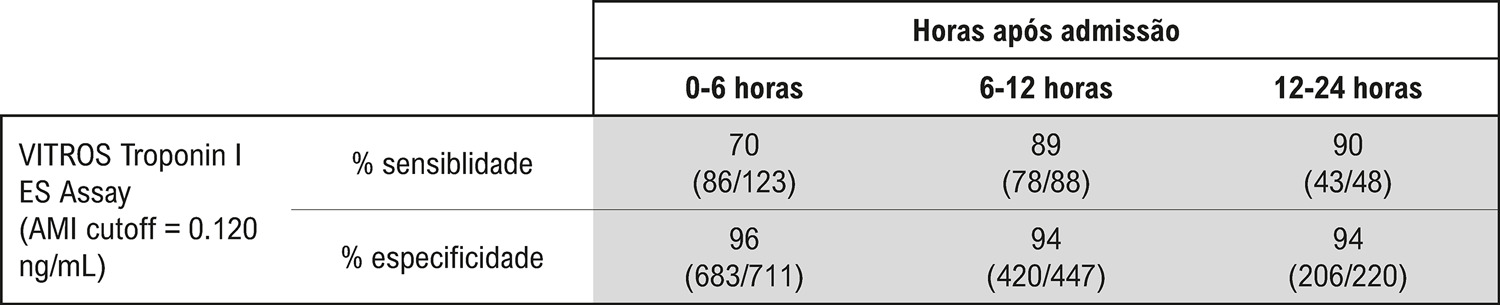
Avaliar a ocorrência de óbito e infarto agudo do miocárdio (IAM) na fase precoce em pacientes sem elevação de troponina (0,034 ng/mL e <0,12 ng/mL)], e pacientes com maiores elevações [acima do ponto de corte para IAM pelo kit utilizado (≥0,12 ng/mL)]; e avaliar o impacto dos níveis de troponina na indicação de estratégia invasiva e revascularização miocárdica.

Métodos

Estudo de corte transversal de pacientes com SCA com avaliação do pico da troponina I, escores de risco, análise prospectiva de desfechos clínicos até 30 dias e testes bilaterais de significância, com nível de significância adotado sendo < 0,05.

Resultados

Foram avaliados 494 pacientes com SCA. Troponina > percentil 99 e abaixo do ponto de corte, assim como valores maiores (acima do ponto de corte), foram associados à maior incidência do desfecho composto (p<0,01) e de revascularização percutânea ou cirúrgica (p<0,01), sem diferença significante em mortalidade até 30 dias.

Conclusões

Valores de troponina elevados acima do percentil 99 pela Definição Universal de IAM apresentam papel prognóstico e agregam informação útil ao diagnóstico clínico e escores de risco na identificação de pacientes com maior probabilidade de benefício com estratificação invasiva e procedimentos de revascularização coronária.

  • acute coronary syndrome
  • Myocardial revascularization
  • troponin-I
Ler artigo completo
Creative Commons Attribution (CC BY) Creative Commons license
09/05/2022 DOI: 10.36660/abc.20210191 Visualizações 8
IJCS
Original Article

Risk Score for Prolonged Mechanical Ventilation in Coronary Artery Bypass Grafting

Fernanda Dallazen-Sartori et al. Luciano Cabral Albuquerque João Carlos Vieira da Costa Guaragna Ellen Hettwer Magedanz … João Batista Petracco Rodrigo Bodanese Mario Bernardes Wagner Luiz Carlos Bodanese

Abstract

Background

Prolonged mechanical ventilation (MV) after cardiac surgery imposes a significant burden on the patient in terms of morbidity and financial hospital costs.

Objective

To develop a risk score model to predict prolonged MV in patients undergoing coronary artery bypass grafting (CABG) surgery.

Methods

This was a historical cohort study of 4165 adult patients undergoing CABG between January 1996 and December 2016. MV for periods ≥ 12 hours was considered prolonged. Logistic regression was used to examine the relationship between risk predictors and prolonged MV. The variables were scored according to the odds ratio. To build the risk score, the database was randomly divided into 2 parts: development data set (2/3) with 2746 patients and internal validation data set (1/3) with 1419 patients. The final score was validated in the total database and the model’s accuracy was tested by performance statistics. Significance was established at p < 0.05.

Results

Prolonged MV was observed in 783 (18.8%) patients. Predictors of risk were age ≥ 65 years, urgent/emergency surgery, body mass index ≥ 30 kg/m2, chronic kidney disease, chronic obstructive pulmonary disease, and cardiopulmonary bypass time ≥ 120 minutes. The area under the ROC curve was 0.66 (95% CI, 0.64-0.68; p<0.001), the Hosmer-Lemeshow chi-square test was χ2: 3.38 (p=0.642), and Pearson’s correlation was r = 0.99 (p<0.001), indicating the model’s satisfactory ability to predict the occurrence of prolonged MV.

Conclusion

Selected variables allowed the construction of a simplified risk score for daily practice, which may classify the patients as having low, moderate, high, and very high risk. (Int J Cardiovasc Sci. 2020; [online].ahead print, PP.0-0

  • Coronary Artery Disease
  • Myocardial revascularization
  • Probability
  • Respiration, Artificial
  • Risk Factors
  • Thoracic Surgery
Ler artigo completo
Creative Commons Attribution (CC BY) Creative Commons license
08/01/2021 DOI: 10.36660/ijcs.20200068 Visualizações 5
IJCS
Viewpoint

Controversies in the Indications of Percutaneous Angioplasty Or Coronary Artery Bypass Grafting In The Treatment Of Left Main Disease

Renato A. K. Kalil et al. Roberto T. Sant´Anna Felipe Borsu de Salles

Introduction

Left main coronary artery (LMCA) disease is a high-risk clinical situation, since this artery is responsible for the irrigation of more than two-thirds of the myocardial tissue, LMCA disease is associated with increased risk of adverse cardiac events. Traditionally, the gold standard of treatment for significant LMCA disase, understood as a stenosis> 50%, is coronary artery bypass grafting (CABG) surgery. –

The technological evolution of percutaneous treatment and its safe application for LMCA disease in the PRECOMBAT study made it a viable alternative, initially restricted to patients at high surgical risk and with LMCA disease confined to the proximal portion of the trunk. Subsequent studies have suggested the equivalence of percutaneous coronary intervention (PCI) and CABG in low and moderate complexity LMCA disease, which was reflected in the most recent guidelines ( ). Clinical registries, with real-patient outcomes, – and long-term results from the EXCEL study, contest this notion of equivalence between therapies in terms of mortality. The study was controversial, especially regarding the definition of clinical outcomes.

[…]

  • Coronary Angiography
  • Coronary Artery Bypass
  • Coronary Artery Disease
  • Coronary Restenosis
  • Left Main Coronary Artery
  • Myocardial revascularization
  • Percutaneous Coronary Intervention
Ler artigo completo
Creative Commons Attribution (CC BY) Creative Commons license
17/07/2020 DOI: 10.36660/ijcs.20200037 Visualizações 8
IJCS
Original Article

Correlation between Surgical Risk Scales with Respiratory Muscle Strength and Functional Independence in Patients Submitted to Coronary Artery Bypass Grafting

André Luiz Lisboa Cordeiro et al. Átila Darlan Queiroz de Brito Graziele Freitas Almeida Leilane Souza Jesus … Flávia de Araújo Oliveira Janinne Lima da Silva André Raimundo França Guimarães Roberto Moreno Barros

Abstract

Background

The European Heart Surgery Risk Assessment System (EuroSCORE) and InsCor have been used to predict complications of cardiac surgery. However, their application to predict lung function and functionality is still uncertain.

Objective

To correlate surgical risk scales with functional independence and pulmonary function in patients undergoing coronary artery bypass grafting.

Methods

This was a prospective cohort study. In the preoperative period, the two surgical scales were applied, the maximal inspiratory pressure (MIP), maximal expiratory pressure (MEP), and peak expiratory flow (PEF) were measured, and functionality was assessed using the functional independence measure (FIM). On the seventh postoperative day, the pulmonary function and functionality variables were reevaluated, compared with the preoperative values (delta) and correlated with the risk scales. Correlations of pulmonary function, functional independence and muscle strength variables with the surgical scales were made by Pearson correlation test. The significance level adopted was 5%.

Results

Thirty-one patients were studied; most were male (77%), with a mean age of 56±8 years. Mean EuroSCORE was 2.3±0.5 and mean InsCOR was 1.2±0.5. MIP, MEP, and PEF reduced 30% (p<0.001), 33% (p<0.001) and 10% (p=0.23), respectively. The EuroSCORE correlated with MIP (r-0.78; p = 0.02) and FIM (r-0.79; p <0.01), and the InsCor correlated with MIP (r-0.77), MEP (r-0.73) and MIF (r-0.89; p=0.02).

Conclusion

The EuroSCORE showed a strong negative correlation with MIP and FIM, while InsCor had a strong negative correlation with MIP, MEP and FIM. (Int J Cardiovasc Sci. 2020; [online].ahead print, PP.0-0)

  • Cardiovascular Diseases, mortality
  • Muscle Stremght
  • Myocardial revascularization
  • Physical Therapy Speciality
  • Postoperative Care
  • Pre-Operative Care
  • Respiratory Pressures
  • Risk Assessment
Ler artigo completo
Creative Commons Attribution (CC BY) Creative Commons license
15/07/2020 DOI: 10.36660/ijcs.20190161 Visualizações 7
IJCS
Case Report

Entrapment of Broken Guidewire in the Coronary Artery: A Rare Percutaneous Coronary Intervention Complication Requiring Urgent Revascularization

Elif Coskun et al. Levent Altınay Anıl Tekin Ufuk Tutun

Introduction

Entrapment and fracture of the coronary guidewire is a rare complication of percutaneous coronary interventions (PCIs). The incidence of such complication in PCI is reported to be between 0.2 and 0.8%., Despite technical improvements and development of more flexible and high-quality guidewires, the incidence of these complications is increasing.

There are many management strategies for entrapped guidewires reported in the literature. In a report including 67 patients, surgery was performed in 43.4%, percutaneous interventions were performed in 41.8% and conservative therapies were chosen for 14.9% of the patients.

[…]

  • Angiography, Coronary
  • Coronary Artery Disease
  • Myocardial Infarction
  • Myocardial revascularization
  • Percutaneous Coronary Intervention/complications, Device Removal
Ler artigo completo
Creative Commons Attribution (CC BY) Creative Commons license
24/10/2019 DOI: 10.5935/2359-4802.20190086 Visualizações 7
IJCS
Original Article

Internal Validation of a Risk Score for Prediction of Postoperative Atrial Fibrillation after Cardiac Surgery

Rafael de March Ronsoni et al. Tiago Luiz Luz Leiria Leonardo Martins Pires Marcelo Lapa Kruse … Edemar Pereira Rogerio Gomes da Silva Gustavo Glotz de Lima

Abstract

Background:

Postoperative atrial fibrillation (POAF) after cardiac surgery has great clinical and economic implications. Many attempts have been made to identify risk factors aiming at a better evaluation of prophylactic treatment strategies.

Objective:

To perform an internal validation of a risk score for POAF.

Methods:

A prospective cohort of 1,054 patients who underwent myocardial revascularization and/or valve surgery was included. The risk score model was developed in 448 patients, and its performance was tested in the remaining 606 patients. Variables with a significance level of 5% in the cohort were included and subjected to a multiple logistic regression model with backward selection. Performance statistics was performed using the c-statistic, the chi-square and the Hosmer-Lemeshow (HL) goodness-of-fit, Pearson’s correlation coefficient.

Results:

Four variables were considered predictors of outcome: age (≥ 70 years), mitral valve disease, the non-use or discontinuation of beta-blockers and a positive water balance (> 1,500 mL). The ROC curve was 0.76 (95% confidence interval [CI]: 0.72-0.79). The risk model showed a good ability according to the performance statistics – HL test x(2) = 0.93; p = 0.983 and r = 0.99 (Pearson’s coefficient). There was an increase in the frequency of POAF with the increase of the score: very low risk = 0.0%; low risk = 3.9%; intermediate risk = 10.9%; and high risk = 60.0%; p < 0.0001.

Conclusion:

The predictive variables of POAF allowed us to construct a simplified risk score. This scoring system showed good accuracy and can be used in routine clinical practice.

  • Atrial Fibrillation
  • Heart Valves/surgery
  • Myocardial revascularization
  • Perioperative Care
  • Prevention and Control
  • Risk Score
Ler artigo completo
Creative Commons Attribution (CC BY) Creative Commons license
24/10/2019 DOI: 10.5935/2359-4802.20190085 Visualizações 8
IJCS
Original Article

Behavior of Pulmonary Function after Hospital Discharge in Patients Submitted to Myocardial Revascularization

André Luiz Lisboa Cordeiro et al. Letícia Gardênia Romualdo da Silva Milena Oliveira Pinto Jaclene da Silva Araújo … André Raimundo Guimarães Jefferson Petto

Abstract

Background:

Coronary artery bypass grafting (CABG) is a type of surgery where there is a compromise in one or more coronary arteries, with the objective of restoring function to the areas that have been compromised in the heart, possibly leading to respiratory compromise and postoperative complications. The return time of the pulmonary function to the preoperative condition is still indeterminate in the literature.

Objective:

To describe the behavior of pulmonary function after hospital discharge in patients submitted to CABG.

Methods:

This is a prospective cohort study. Only patients undergoing MRI, whose lung function was evaluated preoperatively, at hospital discharge and 30 days after surgery, were evaluated. This evaluation consisted of maximum inspiratory pressure (MIP) and expiratory (MEP), vital capacity (VC) and expiratory flow peak (EFP).

Results:

A total of 30 patients were evaluated, of which 18 (60%) were males, mean age 62 ± 9 years. A reduction in lung function from preoperative time to hospital discharge was observed in all variables. There was improvement in MIP (88 ± 9 vs 109 ± 5, p < 0.001), MEP (67 ± 10 for 90 ± 8, p < 0.001) and EFP (310 ± 59 for 390 ± 32, p < 0.001), high for review. At the time of the review, no variables returned to their preoperative value: MIP (116 ± 5 for 109 ± 5, p = 0.43), MEP (111 ± 8 for 90 ± 8, p < 0.001), VC (45 ± 12 for 39 ± 7, p = 0.33) and EFP (430 ± 40 for 390 ± 32, p < 0.001).

Conclusion:

It is concluded that MRI surgery reduces lung function and is not reestablished after 30 days of the procedure. Being the expiratory muscular force and the peak of expiratory flow the most affected.

  • Cardiovascular Diseases/physiopathology
  • Coronary Artery Bypass, Myocardial Infarction
  • Myocardial revascularization
  • Patient Discharge
Ler artigo completo
Creative Commons Attribution (CC BY) Creative Commons license
17/12/2018 DOI: 10.5935/2359-4802.20180092 Visualizações 10
IJCS
Brief Communication

The Influence of Comorbid Conditions on Graft Stenosis in Patients with Coronary Artery Bypass Graft Operation

Turgut Karabag et al. Belma Kalayci Bahar Sahin Elif Coskun … Mustafa Umut Somuncu Mustafa Ozan Cakir

Abstract

The primary goal of coronary artery bypass grafting is to achieve complete revascularization with grafts that will remain patent throughout the patient’s lifetime. This study investigated the association between bypass graft patency and comorbidity burden determined by Charlson comorbidity index (CCI) among patients with previous bypass operation who underwent a control angiography. One-hundred and two patients who had undergone CABG in the past were included to the study. Critical stenosis was defined as 50% or greater coronary luminal obstruction of any coronary vessel or its lateral branch. Patients were divided into 2 groups group 1; critical graft stenosis; (54 pts; 41M, mean age 66.5 ± 7.8 years), group 2; graft patent (48 pts; 31M, mean age; 65.9 ± 8.2 years). Charlson comorbidity index (CCI) and modified CCI scores were used for detecting comorbidities. The comparison of continuous variables between the control and critical CAD groups was performed by the independent sample test. A p value less than 0.05 was considered statistically significant. The two groups were statistically similar with respect to demographic properties, time since bypass operation, cardiovascular risk factors, systolic blood pressure, heart rate, medications used, complete blood counts parameters, and lipid profiles. CCI was significantly higher in Group 1 compared to Group 2 (7.14 ± 2.02 vs 4.72 ± 1.58; p < 0.001). Modified CCI scores were also higher in Group 1 than in Group 2 (6.14 ± 2.02 vs 3.73 ± 1.60; p < 0.001). Graft occlusion was more common among patients with a high comorbidity burden. CCI scoring system may be helpful for determining patients at increased risk at both the preoperative and postoperative periods.

  • Comorbidity
  • Coronary Artery Disease
  • Coronary Stenosis
  • Myocardial revascularization
  • Vascular Patency
Ler artigo completo
Creative Commons Attribution (CC BY) Creative Commons license
01/01/2018 DOI: 10.5935/2359-4802.20180055 Visualizações 5
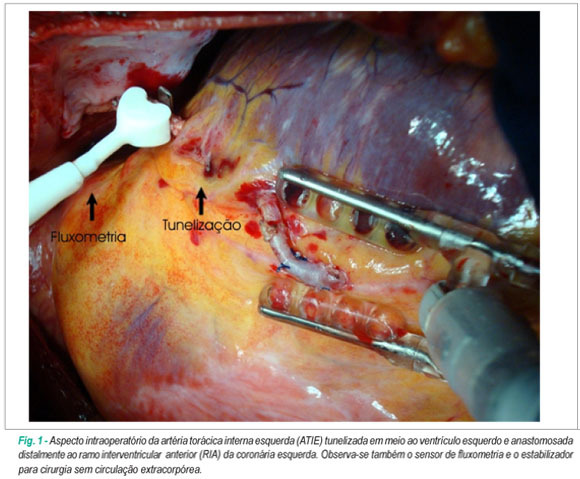
Modificação de antigo método (Vineberg) na era das células tronco: nova tática?
ABC
Comunicação Breve

Modificação de antigo método (Vineberg) na era das células tronco: nova tática?

Luís Alberto Oliveira Dallan et al. Luis Henrique Wolff Gowdak Luís Augusto Ferreira Lisboa Adriano Márcio de Melo Milanez … Fernando Platania Luís Felipe Moreira Noedir Antônio Groppo Stolf

COMUNICAÇÃO BREVE

Modificação de antigo método (Vineberg) na era das células tronco: nova tática?

[…]

  • Coronary Artery Disease
  • Doença da Artéria Coronariana
  • Enfermedad de la Arteria Coronaria
  • Myocardial Reperfusion
  • Myocardial revascularization
  • Reperfusão Miocárdica
  • Reperfusión Miocárdica
  • Revascularização Miocárdica
  • Revascularización Miocárdica
Ler artigo completo
Creative Commons Attribution (CC BY) Creative Commons license
11/01/2010 DOI: 10.1590/S0066-782X2009001100023 Visualizações 6
ABC
Original Article

Surgical myocardial revascularization without extracorporeal circulation

Salomón Soriano Ordinola Rojas et al. Viviane C. Veiga Januario M. Souza Marcos S. Berlinck … José Alberto Iasbech Luiz Alberto Magna Reinaldo W. Vieira Sergio A. Oliveira

OBJECTIVE: To assess the immediate postoperative period of patients undergoing myocardial revascularization without extracorporeal circulation with different types of grafts. METHODS: One hundred and twelve patients, 89 (79.5%) of whom were males, were revascularized without extracorporeal circulation. Their ages ranged from 39 to 85 years. The criteria for indicating myocardial revascularization without extracorporeal circulation were as follows: revascularized coronary artery caliber > 1.5 mm, lack of intramyocardial trajectory on coronary angiography, noncalcified coronary arteries, and tolerance of the heart to the different rotation maneuvers. RESULTS: Myocardial revascularization without extracorporeal circulation was performed in 112 patients. Three were converted to extracorporeal circulation, which required a longer hospital stay but did not impact mortality. During the procedure, the following events were observed: atrial fibrillation in 10 patients, ventricular fibrillation in 4, total transient atrioventricular block in 2, ventricular extrasystoles in 58, use of a device to retrieve red blood cells in 53, blood transfusion in 8, and arterial hypotension in 89 patients. Coronary angiography was performed in 20 patients on the seventh postoperative day when the grafts were patent. CONCLUSION: Myocardial revascularization without extracorporeal circulation is a reproducible technique that is an alternative for treating ischemic heart disease.

  • Coronary Artery Disease
  • ischemia
  • Myocardial revascularization
Ler artigo completo
Creative Commons Attribution (CC BY) Creative Commons license
26/06/2003 DOI: 10.1590/S0066-782X2003000500003 Visualizações 9
ABC
Original Article

Risk factors for acute myocardial infarction during the postoperative period of myocardial revascularization

José Ribamar Costa Jr. et al. Dinaldo C. Oliveira Alexei DerBedrossian Enilton T. Egito … Edson R. Romano Marcos O. Barbosa Ieda M. Liguori Jorge Fahran Luis C. B. Souza Adib D. Jatene Leopoldo S. Piegas

OBJECTIVE: To identify risk factors for acute myocardial infarction during the postoperative period after myocardial revascularization. METHODS: This was a case-control study paired for sex, age, number, type of graft used, coronary endarterectomy, type of myocardial protection, and use of extracorporeal circulation. We assessed 178 patients (89 patients in each group) undergoing myocardial revascularization, and the following variables were considered: dyslipidemia, systemic hypertension, smoking, diabetes mellitus, previous myocardial revascularization surgery, previous coronary angioplasty, and acute myocardial infarction. RESULTS: Baseline clinical characteristics did not differ in the groups, except for previous myocardial revascularization surgery, prevalent in the case group (34 patients vs. 12 patients; p = 0.0002). This was the only independent predictor of risk for acute myocardial infarction in the postoperative period, based on a multivariate logistic regression analysis (p=0.0001). Mortality and the time of hospital stay of the case group were significantly higher (19.1% vs. 1.1%; p<0.001 and 15.7 days vs. 10.6 days; p<0.05 respectively) than those of the control. CONCLUSION: Only previous myocardial revascularization was an independent predictor of acute myocardial infarction in the postoperative period, based on multivariate logistic regression analysis.

  • Acute Myocardial Infarction
  • extracorporeal circulation
  • Myocardial revascularization
Ler artigo completo
Creative Commons Attribution (CC BY) Creative Commons license
28/03/2003 DOI: 10.1590/S0066-782X2003000300008 Visualizações 9
ABC
Original Article

Risk stratification with troponin I in patients undergoing myocardial revascularization surgery

João Carlos Ferreira Leal et al. Alfredo de Paula Neto Luis Ernesto Avanci Maria Cristiane Valéria Braga Braile … Moacir Fernandes de Godoy Domingo Marcolino Braile

OBJECTIVE: To determine the immediate behavior and the prognostic value in terms of late survival of serum troponin I measurement in patients undergoing myocardial revascularization surgery with extracorporeal circulation. METHODS: We studied 88 random patients, 65 (73.8%) of the male sex, who underwent myocardial revascularization surgery with extracorporeal circulation. Troponin measurements were performed as follows: in the preoperative period, right after intensive care unit admission, and on the first and second postoperative days. Values below 0.1 nanogram per milliliter (ng/mL) were considered normal. The cut points for late prognostic assessment were 0.5 ng/mL; 1 ng/mL; 2.5 ng/mL; and 5 ng/mL. RESULTS: The serum troponin I levels were elevated on the first postoperative day, suggesting the occurrence of specific myocardial damage. Patients with a poor prognosis could be identified, because the serum levels above 2.5 ng/mL and 5 ng/mL in the postoperative period resulted, respectively, in mortality rates of 33% and 50% in a maximum 6-month follow-up. CONCLUSION: Troponin I values around 2.5 ng/mL in the postoperative period should call attention to the need for more aggressive diagnostic or therapeutical measures.

  • cardiac marker
  • Myocardial revascularization
  • troponin-I
Ler artigo completo
Creative Commons Attribution (CC BY) Creative Commons license
28/03/2003 DOI: 10.1590/S0066-782X2003000300004 Visualizações 3
ABC
Original Article

Myocardial revascularization in renal transplant patients

Daniel de Souza Delgado et al. Luís Roberto Gerola Nelson Américo Hossne Jr. João Nelson R. Branco Enio Buffolo

OBJECTIVE: To assess the results of surgical myocardial revascularization in renal transplant patients. METHODS: From 1991 to 2000, 11 renal transplant patients, whose ages ranged from 36 to 59 (47.5±8) years, 8 males and 3 females, underwent myocardial revascularization. The time interval between renal transplantation and myocardial revascularization ranged from 25 to 120 (mean of 63.8±32.7) months. RESULTS: The in-hospital mortality rate was 9%. One patient died on the 4th postoperative day from septicemia and respiratory failure. The mean graft/patient ratio was 2.7±0.8. Only 1 patient required slow hemodialysis during 24 hours in the postoperative period, and no patient had a definitive renal lesion or lost the transplanted kidney. The actuarial survival curves after 1, 2, and 3 years were, respectively, 90.9%, 56.8%, and 56.8%. CONCLUSION: Renal transplant patients may undergo myocardial revascularization with no lesion in or loss of the transplanted kidney.

  • coronary atherosclerosis
  • Myocardial revascularization
  • renal transplantation
Ler artigo completo
Creative Commons Attribution (CC BY) Creative Commons license
17/12/2002 DOI: 10.1590/S0066-782X2002001400005 Visualizações 9
ABC
Original Article

Transmyocardial laser revascularization. Early clinical experience

Sérgio Almeida de Oliveira et al. Luis Alberto Oliveira Dallan Luiz Augusto F. Lisboa Maria Cristina Chavantes … Luis Antonio Machado Cesar Miriam J. Pardi Adib D. Jatene

OBJECTIVE: To analyze the initial clinical experience of transmyocardial laser revascularization (TMLR) in patients with severe diffuse coronary artery disease. METHODS: Between February, 1998 and February, 1999, 20 patients were submitted to TMLR at the Heart Institute (InCor), University of São Paulo Medical School, Brazil, isolated or in association with conventional coronary artery bypass graft (CABG). All patients had severe diffuse coronary artery disease, with angina functional class III/IV (Canadian Cardiovascular Society score) unresponsive to medical therapy. Fourteen patients were submitted to TMLR as the sole therapy, whereas 6 underwent concomitant CABG. Fifty per cent of the patients had either been previously submitted to a CABG or to a percutaneous transluminal coronary angioplasty (PTCA). Mean age was 60 years, ranging from 45 to 74 years. RESULTS: All patients had three-vessel disease, with normal or mildly impaired left ventricular global function. Follow-up ranged from 1 to 13 months (mean 6.6 months), with no postoperative short or long term mortality. There was significant symptom improvement after the procedure, with 85% of the patients free of angina, and the remaining 15 % of the patients showing improvement in functional class, as well as in exercise tolerance. CONCLUSION: This novel technique can be considered a low risk alternative for a highly selected group of patients not suitable for conventional revascularization procedures.

  • laser surgery
  • Myocardial Ischemia
  • Myocardial revascularization
  • Surgery
Ler artigo completo
Creative Commons Attribution (CC BY) Creative Commons license
08/01/2002 DOI: 10.1590/S0066-782X1999000400005 Visualizações 10
ABC
Original Article

Influence of ischemic preconditioning in myocardial protection in patients undergoing myocardial revascularization with intermittent crossclamping of the aorta. Analysis of ions and blood gases

Paulo Manuel Pêgo Fernandes et al. Fabio Biscegli Jatene André Felix Gentil Fabrício Ferreira Coelho … Karina Kwasnicka Noedir Antonio Groppo Stolf Sérgio Almeida de Oliveira

OBJECTIVE: To test the hypothesis that short periods of ischemia may increase the myocardial protection obtained with intermittent crossclamping of the aorta. METHODS: In the control group (18 patients), surgery was performed with systemic hypothermia at 32ºC and intermittent crossclamping of the aorta. Extracorporeal circulation was used. In the preconditioning group (17 patients), 2 crossclampings of the aorta lasting 3min each were added prior to the intermittent crossclamping of the conventional technique with an interval of 2min of reperfusion between them. Blood samples for analyses of pH, pCO2, pO2, sodium, potassium, calcium, and magnesium were obtained from the coronary sinus at the beginning of extracorporeal circulation (time 1), at the end of the first anastomosis (time 2), and at the end of extracorporeal circulation (time 3). RESULTS: No difference was observed in the results of the 2 groups, except for a variation in the ionic values in the different times of blood withdrawal; sodium values, however, remained stable. All patients had a good clinical outcome. CONCLUSION: The results of intermittent crossclamping of the aorta with moderate hypothermia were not altered by the use of ischemic preconditioning.

  • ions
  • myocardial preconditioning
  • Myocardial revascularization
Ler artigo completo
Creative Commons Attribution (CC BY) Creative Commons license
28/11/2001 DOI: 10.1590/S0066-782X2001001000001 Visualizações 6
ABC
Original Article

Short-term follow-up of patients after aneurysmectomy of the left ventricle

Wilson Luiz da Silveira et al. Adélio Ferreira Leite Érica Coelho Garcia Soares Max Weyler Nery … Antônio Fernando Carneiro Vilmondes Gonçalves de Oliveira

OBJECTIVE: Left ventricular aneurysm is a complication of myocardial infarction that can best be treated by reconstructive surgeries that can restore ventricular geometry. We analyzed immediate results in a group of consecutive patients who underwent surgical correction of left ventricular aneurysms. METHODS: From January ’90 to August ’99, 94 patients – mean age 58.4 (ranging from 36 to 73 years), 65 (69.1%) males and 9 ( 30.8%) females – were operated upon. Pre-operative ejection fraction ranged from 0.22 to 0.58 (mean = 0.52), and the aneurysm was located in the antero-lateral area in 90.4% of the cases. Functional class III and IV (NYHA) was present in 82 (87.2%) patients, and 12 (12.7%) were in functional class I and II. Congestive heart failure was the most frequent cause (77.6%), occurring in isolation in 24.4% or associated with coronary artery diseases in 53.2%. RESULTS: Short-term follow-up showed a 7.4% mortality, and low cardiac output was the main cause of death. Coming off pump was uneventful in 73 patients (77.6%), with a 3.2% mortality and with the use of inotropics in 20 (21.3%). One patient (1%) did not come off the pump. CONCLUSION: Surgical correction was adequate in the immediate follow-up of operated patients, and mortality was higher in patients with higher functional class.

  • Cardiac Surgery
  • Coronary Artery Disease
  • left ventricular aneurysm
  • Myocardial revascularization
Ler artigo completo
Creative Commons Attribution (CC BY) Creative Commons license
21/11/2000 DOI: 10.1590/S0066-782X2000001100004 Visualizações 8
ABC
Original Article

Surgical revascularization of posterior coronary arteries without cardiopulomonary bypass

J. Glauco Lobo Filho et al. João Marcelo A. C. de Albuquerque Carlos Bellini G. Gomes Rafael P. de Siqueira … Rodrigo M. Landim Ricardo R. M. de Oliveira Francisco M. de Oliveira Ciro Ciarline J. Acácio Feitosa Maria Claudia Leitão Francisca Elita B. Pinheiro Erirtonio Façanha J. Nogueira Paes Jr

OBJECTIVE: To assess the results observed during the early postoperative period in patients who had the posterior coronary arteries revascularized without cardiopulmonary bypass (CPB), in regard to the following parameters: age, sex,bypass grafts types, morbidity and mortality. METHODS: From January 1995 to June 1998, 673 patients underwent myocardial revascularization (MR). Of this total, 607 (90.20%) MR procedures were performed without CPB. The posterior coronary arteries (PCA) were revascularized in 298 (44.27%) patients, 280 (93.95%) without CPB. The age of the patients ranged from 37 to 88 years (mean, 61 years). The male gender predominated, with 198 men (70.7%). The revascularization of the posterior coronary arteries had the following distribution: diagonalis artery (31 patients, 10%); marginal branches of the circumflex artery (243 patients, 78.7%); posterior ventricular artery (4 patients, 1.3%); and posterior descending artery (31 patients, 10%). RESULTS: Procedure-related complications without death occurred in 7 cases, giving a morbidity of 2.5%. There were 11 deaths in the early postoperative period (mortality of 3.9%). CONCLUSION: Similarly to the anterior coronary arteries, the posterior coronary arteries may benefit from myocardial revascularization without CPB.

  • cardiopulmonary bypass
  • minimally invasive surgery
  • Myocardial revascularization
Ler artigo completo
Creative Commons Attribution (CC BY) Creative Commons license
27/10/2000 DOI: 10.1590/S0066-782X1999000500006 Visualizações 6
ABC
Original Article

Myocardial revascularization with coronary endarterectomy. Stratification of risk factors for early mortality

Fernando Antibas Atik et al. Luís Alberto Oliveira Dallan Sérgio Almeida de Oliveira Luiz Augusto Ferreira Lisboa … Fernando Platania Richard Halti Cabral Adib Domingos Jatene

OBJECTIVE: To determine the risk factors for mortality related to myocardial revascularization when performed in association with coronary endarterectomy. METHODS: We assessed retrospectively 353 patients who underwent 373 coronary endarterectomies between January ’89 and November ’98, representing 3.73% of the myocardial revascularizations in this period of time. The arteries involved were as follows: right coronary artery in 218 patients (58.45%); left anterior descending in 102 patients (27.35%); circumflex artery in 39 patients (10.46%); and diagonal artery in 14 patients (3.74%). We used 320 (85.79%) venous grafts and 53 (14.21%) arterial grafts. RESULTS: In-hospital mortality among our patients was 9.3% as compared with 5.7% in patients with myocardial revascularizations without endarterectomy (p=0.003). Cause of death was related to acute myocardial infarction in 18 (54.55%) patients. The most significant risk factors for mortality identified were as follows: diabetes mellitus (p=0.001; odds ratio =7.168), left main disease (<0.001; 9.283), female sex (0.01; 3.111), acute myocardial infarction (0.02; 3.546), ejection fraction <35% (<0.001; 5.89), and previous myocardial revascularization (<0.001; 4.295). CONCLUSION: Coronary endarterectomy is related to higher mortality, and the risk factors involved are important elements of a poor outcome.

  • Atherosclerosis
  • coronary endarterectomy
  • Myocardial revascularization
Ler artigo completo
Creative Commons Attribution (CC BY) Creative Commons license
25/10/2000 DOI: 10.1590/S0066-782X2000001000002 Visualizações 7

Como citar este artigo

EndNote RIS

Formato de Documento Eletrônico (Vancouver)

Maia AS, Maia M, Maia ALS, Santos MA. Quality of Life Assessment of Patients Infected With COVID-19 and Prior Coronary Artery Bypass Graft Surgery in Brazil: Four Years Follow-up. International Journal of Cardiovascular Sciences 2024;37:e20230171.

Formato de Documento Eletrônico (ABNT)

Maia, Adnaldo da Silveira; Maia, Matheus; Maia, Adnaldo Lucas da Silveira; Santos, Magaly Arrais dos. Quality of Life Assessment of Patients Infected With COVID-19 and Prior Coronary Artery Bypass Graft Surgery in Brazil: Four Years Follow-up. International Journal of Cardiovascular Sciences, v. 37, e20230171, ago. 2024.

Formato de Documento Eletrônico (APA)

Maia, A. S., Maia, M., Maia, A. L. S., & Santos, M. A. (2024). Quality of Life Assessment of Patients Infected With COVID-19 and Prior Coronary Artery Bypass Graft Surgery in Brazil: Four Years Follow-up. International Journal of Cardiovascular Sciences, 37, e20230171.

Formato de Documento Eletrônico (ISO)

Maia, Adnaldo da Silveira and Maia, Matheus and Maia, Adnaldo Lucas da Silveira and Santos, Magaly Arrais dos. Quality of Life Assessment of Patients Infected With COVID-19 and Prior Coronary Artery Bypass Graft Surgery in Brazil: Four Years Follow-up. International Journal of Cardiovascular Sciences [online]. 2024, vol. 37, [citado 2026-11-15], e20230171. Disponível em: <https://journals.cardiol.br/article/quality-of-life-assessment-of-patients-infected-with-covid-19-and-prior-coronary-artery-bypass-graft-surgery-in-brazil-four-years-follow-up-2/>. ISSN 2359-4802

EndNote RIS

Formato de Documento Eletrônico (Vancouver)

Machado FA, Almeida RMS. Impact of the COVID-19 Outbreak on Coronary Artery Bypass Grafting in Brazil. International Journal of Cardiovascular Sciences 2023;36:e20220160.

Formato de Documento Eletrônico (ABNT)

Machado, Felipy de Almeida; Almeida, Rui M. S.. Impact of the COVID-19 Outbreak on Coronary Artery Bypass Grafting in Brazil. International Journal of Cardiovascular Sciences, v. 36, e20220160, jul. 2023.

Formato de Documento Eletrônico (APA)

Machado, F. A., & Almeida, R. M. S. (2023). Impact of the COVID-19 Outbreak on Coronary Artery Bypass Grafting in Brazil. International Journal of Cardiovascular Sciences, 36, e20220160.

Formato de Documento Eletrônico (ISO)

Machado, Felipy de Almeida and Almeida, Rui M. S.. Impact of the COVID-19 Outbreak on Coronary Artery Bypass Grafting in Brazil. International Journal of Cardiovascular Sciences [online]. 2023, vol. 36, [citado 2026-11-15], e20220160. Disponível em: <https://journals.cardiol.br/article/impact-of-the-covid-19-outbreak-on-coronary-artery-bypass-grafting-in-brazil-2/>. ISSN 2359-4802

EndNote RIS

Formato de Documento Eletrônico (Vancouver)

Judas MCL, Fontes RF, Moura R, Santos L, Almeida M, Gomes V. Effectiveness of Early Mobilization in Prevention and Rehabilitation of Functional Impairment After Myocardial Revascularization Surgery: A Systematic Review. International Journal of Cardiovascular Sciences 2023;36:e20210166.

Formato de Documento Eletrônico (ABNT)

Judas, Marcia Cristina Lacerda das; Fontes, Rodrigo de Freitas; Moura, Renata de; Santos, Larissa dos; Almeida, Mônica de; Gomes, Vinicius. Effectiveness of Early Mobilization in Prevention and Rehabilitation of Functional Impairment After Myocardial Revascularization Surgery: A Systematic Review. International Journal of Cardiovascular Sciences, v. 36, e20210166, jun. 2023.

Formato de Documento Eletrônico (APA)

Judas, M. C. L. , Fontes, R. F., Moura, R. , Santos, L. , Almeida, M. , & Gomes, V. (2023). Effectiveness of Early Mobilization in Prevention and Rehabilitation of Functional Impairment After Myocardial Revascularization Surgery: A Systematic Review. International Journal of Cardiovascular Sciences, 36, e20210166.

Formato de Documento Eletrônico (ISO)

Judas, Marcia Cristina Lacerda das and Fontes, Rodrigo de Freitas and Moura, Renata de and Santos, Larissa dos and Almeida, Mônica de and Gomes, Vinicius. Effectiveness of Early Mobilization in Prevention and Rehabilitation of Functional Impairment After Myocardial Revascularization Surgery: A Systematic Review. International Journal of Cardiovascular Sciences [online]. 2023, vol. 36, [citado 2026-11-15], e20210166. Disponível em: <https://journals.cardiol.br/article/effectiveness-of-early-mobilization-in-prevention-and-rehabilitation-of-functional-impairment-after-myocardial-revascularization-surgery-a-systematic-review-2/>. ISSN 2359-4802

EndNote RIS

Formato de Documento Eletrônico (Vancouver)

Schwanck AMC, Menezes ISB, Canto MC. Prevalence of Surgical Myocardial Revascularization in Diabetics and Non-diabetics After Acute Myocardial Infarction. International Journal of Cardiovascular Sciences 2023;36:e20210208.

Formato de Documento Eletrônico (ABNT)

Schwanck, Ariane Maggi Coelho; Menezes, Iara Schardosin Bayma de; Canto, Marina Casagrande. Prevalence of Surgical Myocardial Revascularization in Diabetics and Non-diabetics After Acute Myocardial Infarction. International Journal of Cardiovascular Sciences, v. 36, e20210208, abr. 2023.

Formato de Documento Eletrônico (APA)

Schwanck, A. M. C., Menezes, I. S. B. , & Canto, M. C. (2023). Prevalence of Surgical Myocardial Revascularization in Diabetics and Non-diabetics After Acute Myocardial Infarction. International Journal of Cardiovascular Sciences, 36, e20210208.

Formato de Documento Eletrônico (ISO)

Schwanck, Ariane Maggi Coelho and Menezes, Iara Schardosin Bayma de and Canto, Marina Casagrande. Prevalence of Surgical Myocardial Revascularization in Diabetics and Non-diabetics After Acute Myocardial Infarction. International Journal of Cardiovascular Sciences [online]. 2023, vol. 36, [citado 2026-11-15], e20210208. Disponível em: <https://journals.cardiol.br/article/prevalence-of-surgical-myocardial-revascularization-in-diabetics-and-non-diabetics-after-acute-myocardial-infarction-2/>. ISSN 2359-4802

EndNote RIS

Formato de Documento Eletrônico (Vancouver)

Rocha ASC, Silva PRD. Chronic Coronary Syndrome: Medical Therapy or Myocardial Revascularization?. International Journal of Cardiovascular Sciences 2022;36:e20210223.

Formato de Documento Eletrônico (ABNT)

Rocha, Antônio Sérgio Cordeiro da; Silva, Paulo Roberto Dutra da. Chronic Coronary Syndrome: Medical Therapy or Myocardial Revascularization?. International Journal of Cardiovascular Sciences, v. 36, e20210223, maio. 2022.

Formato de Documento Eletrônico (APA)

Rocha, A. S. C. , & Silva, P. R. D. (2022). Chronic Coronary Syndrome: Medical Therapy or Myocardial Revascularization?. International Journal of Cardiovascular Sciences, 36, e20210223.

Formato de Documento Eletrônico (ISO)

Rocha, Antônio Sérgio Cordeiro da and Silva, Paulo Roberto Dutra da. Chronic Coronary Syndrome: Medical Therapy or Myocardial Revascularization?. International Journal of Cardiovascular Sciences [online]. 2022, vol. 36, [citado 2026-11-15], e20210223. Disponível em: <https://journals.cardiol.br/article/chronic-coronary-syndrome-medical-therapy-or-myocardial-revascularization-2/>. ISSN 2359-4802

EndNote RIS

Formato de Documento Eletrônico (Vancouver)

Tapias Filho AH, Oliveira GBF, França JID, Ramos RF. Troponina I por Percentil 99 da Definição Universal de Infarto do Miocárdio versus Ponto de Corte de Melhor Acurácia em Síndromes Coronárias Agudas. Arquivos Brasileiros de Cardiologia 2022;118(6):1006-15.

Formato de Documento Eletrônico (ABNT)

Tapias Filho, Antonio Haddad; Oliveira, Gustavo Bernardes de Figueiredo; França, João Italo Dias; Ramos, Rui Fernando. Troponina I por Percentil 99 da Definição Universal de Infarto do Miocárdio versus Ponto de Corte de Melhor Acurácia em Síndromes Coronárias Agudas. Arquivos Brasileiros de Cardiologia, v. 118, n. 6, p. 1006-1015, maio. 2022.

Formato de Documento Eletrônico (APA)

Tapias Filho, A. H., Oliveira, G. B. F., França, J. I. D., & Ramos, R. F. (2022). Troponina I por Percentil 99 da Definição Universal de Infarto do Miocárdio versus Ponto de Corte de Melhor Acurácia em Síndromes Coronárias Agudas. Arquivos Brasileiros de Cardiologia, 118(6), 1006-1015.

Formato de Documento Eletrônico (ISO)

Tapias Filho, Antonio Haddad and Oliveira, Gustavo Bernardes de Figueiredo and França, João Italo Dias and Ramos, Rui Fernando. Troponina I por Percentil 99 da Definição Universal de Infarto do Miocárdio versus Ponto de Corte de Melhor Acurácia em Síndromes Coronárias Agudas. Arquivos Brasileiros de Cardiologia [online]. 2022, vol. 118, n. 6, [citado 2026-11-15], pp. 1006-1015. Disponível em: <https://journals.cardiol.br/article/troponina-i-por-percentil-99-da-definicao-universal-de-infarto-do-miocardio-versus-ponto-de-corte-de-melhor-acuracia-em-sindromes-coronarias-agudas/>. ISSN 0066-782X

EndNote RIS

Formato de Documento Eletrônico (Vancouver)

Dallazen-Sartori F, Albuquerque LC, Guaragna JCVC, Magedanz EH, Petracco JB, Bodanese R, Wagner MB, et al. Risk Score for Prolonged Mechanical Ventilation in Coronary Artery Bypass Grafting. International Journal of Cardiovascular Sciences 2021;34(3):264-71.

Formato de Documento Eletrônico (ABNT)

Dallazen-Sartori, Fernanda; Albuquerque, Luciano Cabral; Guaragna, João Carlos Vieira da Costa; Magedanz, Ellen Hettwer; Petracco, João Batista; Bodanese, Rodrigo; Wagner, Mario Bernardes; Bodanese, Luiz Carlos. Risk Score for Prolonged Mechanical Ventilation in Coronary Artery Bypass Grafting. International Journal of Cardiovascular Sciences, v. 34, n. 3, p. 264-271, jan. 2021.

Formato de Documento Eletrônico (APA)

Dallazen-Sartori, F., Albuquerque, L. C., Guaragna, J. C. V. C., Magedanz, E. H., Petracco, J. B., Bodanese, R., Wagner, M. B., & Bodanese, L. C. (2021). Risk Score for Prolonged Mechanical Ventilation in Coronary Artery Bypass Grafting. International Journal of Cardiovascular Sciences, 34(3), 264-271.

Formato de Documento Eletrônico (ISO)

Dallazen-Sartori, Fernanda and Albuquerque, Luciano Cabral and Guaragna, João Carlos Vieira da Costa and Magedanz, Ellen Hettwer and Petracco, João Batista and Bodanese, Rodrigo and Wagner, Mario Bernardes and Bodanese, Luiz Carlos. Risk Score for Prolonged Mechanical Ventilation in Coronary Artery Bypass Grafting. International Journal of Cardiovascular Sciences [online]. 2021, vol. 34, n. 3, [citado 2026-11-15], pp. 264-271. Disponível em: <https://journals.cardiol.br/article/risk-score-for-prolonged-mechanical-ventilation-in-coronary-artery-bypass-grafting-2/>. ISSN 2359-4802

EndNote RIS

Formato de Documento Eletrônico (Vancouver)

Kalil RAK, Sant´Anna RT, Salles FB. Controversies in the Indications of Percutaneous Angioplasty Or Coronary Artery Bypass Grafting In The Treatment Of Left Main Disease. International Journal of Cardiovascular Sciences 2020;33(5):565-71.

Formato de Documento Eletrônico (ABNT)

Kalil, Renato A. K.; Sant´Anna, Roberto T.; Salles, Felipe Borsu de. Controversies in the Indications of Percutaneous Angioplasty Or Coronary Artery Bypass Grafting In The Treatment Of Left Main Disease. International Journal of Cardiovascular Sciences, v. 33, n. 5, p. 565-571, jul. 2020.

Formato de Documento Eletrônico (APA)

Kalil, R. A. K., Sant´Anna, R. T., & Salles, F. B. (2020). Controversies in the Indications of Percutaneous Angioplasty Or Coronary Artery Bypass Grafting In The Treatment Of Left Main Disease. International Journal of Cardiovascular Sciences, 33(5), 565-571.

Formato de Documento Eletrônico (ISO)

Kalil, Renato A. K. and Sant´Anna, Roberto T. and Salles, Felipe Borsu de. Controversies in the Indications of Percutaneous Angioplasty Or Coronary Artery Bypass Grafting In The Treatment Of Left Main Disease. International Journal of Cardiovascular Sciences [online]. 2020, vol. 33, n. 5, [citado 2026-11-15], pp. 565-571. Disponível em: <https://journals.cardiol.br/article/controversies-in-the-indications-of-percutaneous-angioplasty-or-coronary-artery-bypass-grafting-in-the-treatment-of-left-main-disease-2/>. ISSN 2359-4802

EndNote RIS

Formato de Documento Eletrônico (Vancouver)

Cordeiro ALL, Brito DQ, Almeida GF, Jesus LS, Oliveira FA, Silva JL, Guimarães ARF, et al. Correlation between Surgical Risk Scales with Respiratory Muscle Strength and Functional Independence in Patients Submitted to Coronary Artery Bypass Grafting. International Journal of Cardiovascular Sciences 2020;34(1):60-6.

Formato de Documento Eletrônico (ABNT)

Cordeiro, André Luiz Lisboa; Brito, Átila Darlan Queiroz de; Almeida, Graziele Freitas; Jesus, Leilane Souza; Oliveira, Flávia de Araújo; Silva, Janinne Lima da; Guimarães, André Raimundo França; Barros, Roberto Moreno. Correlation between Surgical Risk Scales with Respiratory Muscle Strength and Functional Independence in Patients Submitted to Coronary Artery Bypass Grafting. International Journal of Cardiovascular Sciences, v. 34, n. 1, p. 60-66, jul. 2020.

Formato de Documento Eletrônico (APA)

Cordeiro, A. L. L., Brito, D. Q. , Almeida, G. F., Jesus, L. S., Oliveira, F. A., Silva, J. L. , Guimarães, A. R. F., & Barros, R. M. (2020). Correlation between Surgical Risk Scales with Respiratory Muscle Strength and Functional Independence in Patients Submitted to Coronary Artery Bypass Grafting. International Journal of Cardiovascular Sciences, 34(1), 60-66.

Formato de Documento Eletrônico (ISO)

Cordeiro, André Luiz Lisboa and Brito, Átila Darlan Queiroz de and Almeida, Graziele Freitas and Jesus, Leilane Souza and Oliveira, Flávia de Araújo and Silva, Janinne Lima da and Guimarães, André Raimundo França and Barros, Roberto Moreno. Correlation between Surgical Risk Scales with Respiratory Muscle Strength and Functional Independence in Patients Submitted to Coronary Artery Bypass Grafting. International Journal of Cardiovascular Sciences [online]. 2020, vol. 34, n. 1, [citado 2026-11-15], pp. 60-66. Disponível em: <https://journals.cardiol.br/article/correlation-between-surgical-risk-scales-with-respiratory-muscle-strength-and-functional-independence-in-patients-submitted-to-coronary-artery-bypass-grafting-2/>. ISSN 2359-4802

EndNote RIS

Formato de Documento Eletrônico (Vancouver)

Coskun E, Altınay L, Tekin A, Tutun U. Entrapment of Broken Guidewire in the Coronary Artery: A Rare Percutaneous Coronary Intervention Complication Requiring Urgent Revascularization. International Journal of Cardiovascular Sciences 2019;33(4):419-22.

Formato de Documento Eletrônico (ABNT)

Coskun, Elif; Altınay, Levent; Tekin, Anıl; Tutun, Ufuk. Entrapment of Broken Guidewire in the Coronary Artery: A Rare Percutaneous Coronary Intervention Complication Requiring Urgent Revascularization. International Journal of Cardiovascular Sciences, v. 33, n. 4, p. 419-422, out. 2019.

Formato de Documento Eletrônico (APA)

Coskun, E., Altınay, L., Tekin, A., & Tutun, U. (2019). Entrapment of Broken Guidewire in the Coronary Artery: A Rare Percutaneous Coronary Intervention Complication Requiring Urgent Revascularization. International Journal of Cardiovascular Sciences, 33(4), 419-422.

Formato de Documento Eletrônico (ISO)

Coskun, Elif and Altınay, Levent and Tekin, Anıl and Tutun, Ufuk. Entrapment of Broken Guidewire in the Coronary Artery: A Rare Percutaneous Coronary Intervention Complication Requiring Urgent Revascularization. International Journal of Cardiovascular Sciences [online]. 2019, vol. 33, n. 4, [citado 2026-11-15], pp. 419-422. Disponível em: <https://journals.cardiol.br/article/entrapment-of-broken-guidewire-in-the-coronary-artery-a-rare-percutaneous-coronary-intervention-complication-requiring-urgent-revascularization-2/>. ISSN 2359-4802

EndNote RIS

Formato de Documento Eletrônico (Vancouver)

Ronsoni RM, Leiria TLL, Pires LM, Kruse ML, Pereira E, Silva RG, Lima GG, et al. Internal Validation of a Risk Score for Prediction of Postoperative Atrial Fibrillation after Cardiac Surgery. International Journal of Cardiovascular Sciences 2019;33(2):158-66.

Formato de Documento Eletrônico (ABNT)

Ronsoni, Rafael de March; Leiria, Tiago Luiz Luz; Pires, Leonardo Martins; Kruse, Marcelo Lapa; Pereira, Edemar; Silva, Rogerio Gomes da; Lima, Gustavo Glotz de. Internal Validation of a Risk Score for Prediction of Postoperative Atrial Fibrillation after Cardiac Surgery. International Journal of Cardiovascular Sciences, v. 33, n. 2, p. 158-166, out. 2019.

Formato de Documento Eletrônico (APA)

Ronsoni, R. M., Leiria, T. L. L., Pires, L. M., Kruse, M. L., Pereira, E., Silva, R. G. , & Lima, G. G. (2019). Internal Validation of a Risk Score for Prediction of Postoperative Atrial Fibrillation after Cardiac Surgery. International Journal of Cardiovascular Sciences, 33(2), 158-166.

Formato de Documento Eletrônico (ISO)

Ronsoni, Rafael de March and Leiria, Tiago Luiz Luz and Pires, Leonardo Martins and Kruse, Marcelo Lapa and Pereira, Edemar and Silva, Rogerio Gomes da and Lima, Gustavo Glotz de. Internal Validation of a Risk Score for Prediction of Postoperative Atrial Fibrillation after Cardiac Surgery. International Journal of Cardiovascular Sciences [online]. 2019, vol. 33, n. 2, [citado 2026-11-15], pp. 158-166. Disponível em: <https://journals.cardiol.br/article/internal-validation-of-a-risk-score-for-prediction-of-postoperative-atrial-fibrillation-after-cardiac-surgery-2/>. ISSN 2359-4802

EndNote RIS

Formato de Documento Eletrônico (Vancouver)

Cordeiro ALL, Silva LGR, Pinto MO, Araújo JS, Guimarães AR, Petto J. Behavior of Pulmonary Function after Hospital Discharge in Patients Submitted to Myocardial Revascularization. International Journal of Cardiovascular Sciences 2018;32(2):104-9.

Formato de Documento Eletrônico (ABNT)

Cordeiro, André Luiz Lisboa; Silva, Letícia Gardênia Romualdo da; Pinto, Milena Oliveira; Araújo, Jaclene da Silva; Guimarães, André Raimundo; Petto, Jefferson. Behavior of Pulmonary Function after Hospital Discharge in Patients Submitted to Myocardial Revascularization. International Journal of Cardiovascular Sciences, v. 32, n. 2, p. 104-109, dez. 2018.

Formato de Documento Eletrônico (APA)

Cordeiro, A. L. L., Silva, L. G. R. , Pinto, M. O., Araújo, J. S., Guimarães, A. R., & Petto, J. (2018). Behavior of Pulmonary Function after Hospital Discharge in Patients Submitted to Myocardial Revascularization. International Journal of Cardiovascular Sciences, 32(2), 104-109.

Formato de Documento Eletrônico (ISO)

Cordeiro, André Luiz Lisboa and Silva, Letícia Gardênia Romualdo da and Pinto, Milena Oliveira and Araújo, Jaclene da Silva and Guimarães, André Raimundo and Petto, Jefferson. Behavior of Pulmonary Function after Hospital Discharge in Patients Submitted to Myocardial Revascularization. International Journal of Cardiovascular Sciences [online]. 2018, vol. 32, n. 2, [citado 2026-11-15], pp. 104-109. Disponível em: <https://journals.cardiol.br/article/behavior-of-pulmonary-function-after-hospital-discharge-in-patients-submitted-to-myocardial-revascularization-2/>. ISSN 2359-4802

EndNote RIS

Formato de Documento Eletrônico (Vancouver)

Karabag T, Kalayci B, Sahin B, Coskun E, Somuncu MU, Cakir MO. The Influence of Comorbid Conditions on Graft Stenosis in Patients with Coronary Artery Bypass Graft Operation. International Journal of Cardiovascular Sciences 2018;31(5):544-7.

Formato de Documento Eletrônico (ABNT)

Karabag, Turgut; Kalayci, Belma; Sahin, Bahar; Coskun, Elif; Somuncu, Mustafa Umut; Cakir, Mustafa Ozan. The Influence of Comorbid Conditions on Graft Stenosis in Patients with Coronary Artery Bypass Graft Operation. International Journal of Cardiovascular Sciences, v. 31, n. 5, p. 544-547, dez. 2017.

Formato de Documento Eletrônico (APA)

Karabag, T., Kalayci, B., Sahin, B., Coskun, E., Somuncu, M. U., & Cakir, M. O. (2018). The Influence of Comorbid Conditions on Graft Stenosis in Patients with Coronary Artery Bypass Graft Operation. International Journal of Cardiovascular Sciences, 31(5), 544-547.

Formato de Documento Eletrônico (ISO)

Karabag, Turgut and Kalayci, Belma and Sahin, Bahar and Coskun, Elif and Somuncu, Mustafa Umut and Cakir, Mustafa Ozan. The Influence of Comorbid Conditions on Graft Stenosis in Patients with Coronary Artery Bypass Graft Operation. International Journal of Cardiovascular Sciences [online]. 2018, vol. 31, n. 5, [citado 2026-11-15], pp. 544-547. Disponível em: <https://journals.cardiol.br/article/the-influence-of-comorbid-conditions-on-graft-stenosis-in-patients-with-coronary-artery-bypass-graft-operation-2/>. ISSN 2359-4802

EndNote RIS

Formato de Documento Eletrônico (Vancouver)

Dallan LAO, Gowdak LHW, Lisboa LAF, Milanez AMM, Platania F, Moreira LF, Stolf NAG, et al. Modificação de antigo método (Vineberg) na era das células tronco: nova tática?. Arquivos Brasileiros de Cardiologia 2010;93(5):e79-81.

Formato de Documento Eletrônico (ABNT)

Dallan, Luís Alberto Oliveira; Gowdak, Luis Henrique Wolff; Lisboa, Luís Augusto Ferreira; Milanez, Adriano Márcio de Melo; Platania, Fernando; Moreira, Luís Felipe; Stolf, Noedir Antônio Groppo. Modificação de antigo método (Vineberg) na era das células tronco: nova tática?. Arquivos Brasileiros de Cardiologia, v. 93, n. 5, p. e79-e81, jan. 2010.

Formato de Documento Eletrônico (APA)

Dallan, L. A. O., Gowdak, L. H. W., Lisboa, L. A. F., Milanez, A. M. M., Platania, F., Moreira, L. F., & Stolf, N. A. G. (2010). Modificação de antigo método (Vineberg) na era das células tronco: nova tática?. Arquivos Brasileiros de Cardiologia, 93(5), e79-e81.

Formato de Documento Eletrônico (ISO)

Dallan, Luís Alberto Oliveira and Gowdak, Luis Henrique Wolff and Lisboa, Luís Augusto Ferreira and Milanez, Adriano Márcio de Melo and Platania, Fernando and Moreira, Luís Felipe and Stolf, Noedir Antônio Groppo. Modificação de antigo método (Vineberg) na era das células tronco: nova tática?. Arquivos Brasileiros de Cardiologia [online]. 2010, vol. 93, n. 5, [citado 2026-11-15], pp. e79-e81. Disponível em: <https://journals.cardiol.br/article/modificacao-de-antigo-metodo-vineberg-na-era-das-celulas-tronco-nova-tatica/>. ISSN 0066-782X

EndNote RIS

Formato de Documento Eletrônico (Vancouver)

Rojas SSO, Veiga VC, Souza JM, Berlinck MS, Iasbech JA, Magna LA, Vieira RW, et al. Surgical myocardial revascularization without extracorporeal circulation. Arquivos Brasileiros de Cardiologia 2003;80(5):502-8.

Formato de Documento Eletrônico (ABNT)

Rojas, Salomón Soriano Ordinola; Veiga, Viviane C.; Souza, Januario M.; Berlinck, Marcos S.; Iasbech, José Alberto; Magna, Luiz Alberto; Vieira, Reinaldo W.; Oliveira, Sergio A.. Surgical myocardial revascularization without extracorporeal circulation. Arquivos Brasileiros de Cardiologia, v. 80, n. 5, p. 502-508, jun. 2003.

Formato de Documento Eletrônico (APA)

Rojas, S. S. O., Veiga, V. C., Souza, J. M., Berlinck, M. S., Iasbech, J. A., Magna, L. A., Vieira, R. W., & Oliveira, S. A. (2003). Surgical myocardial revascularization without extracorporeal circulation. Arquivos Brasileiros de Cardiologia, 80(5), 502-508.

Formato de Documento Eletrônico (ISO)

Rojas, Salomón Soriano Ordinola and Veiga, Viviane C. and Souza, Januario M. and Berlinck, Marcos S. and Iasbech, José Alberto and Magna, Luiz Alberto and Vieira, Reinaldo W. and Oliveira, Sergio A.. Surgical myocardial revascularization without extracorporeal circulation. Arquivos Brasileiros de Cardiologia [online]. 2003, vol. 80, n. 5, [citado 2026-11-15], pp. 502-508. Disponível em: <https://journals.cardiol.br/article/surgical-myocardial-revascularization-without-extracorporeal-circulation-2/>. ISSN 0066-782X

EndNote RIS

Formato de Documento Eletrônico (Vancouver)

Costa Jr. JR, Oliveira DC, DerBedrossian A, Egito ET, Romano ER, Barbosa MO, Liguori IM, et al. Risk factors for acute myocardial infarction during the postoperative period of myocardial revascularization. Arquivos Brasileiros de Cardiologia 2003;80(3):325-8.

Formato de Documento Eletrônico (ABNT)

Costa Jr., José Ribamar; Oliveira, Dinaldo C.; DerBedrossian, Alexei; Egito, Enilton T.; Romano, Edson R.; Barbosa, Marcos O.; Liguori, Ieda M.; Fahran, Jorge; Souza, Luis C. B.; Jatene, Adib D.; Piegas, Leopoldo S.. Risk factors for acute myocardial infarction during the postoperative period of myocardial revascularization. Arquivos Brasileiros de Cardiologia, v. 80, n. 3, p. 325-328, mar. 2003.

Formato de Documento Eletrônico (APA)

Costa Jr., J. R., Oliveira, D. C., DerBedrossian, A., Egito, E. T., Romano, E. R., Barbosa, M. O., Liguori, I. M., Fahran, J., Souza, L. C. B., Jatene, A. D., & Piegas, L. S. (2003). Risk factors for acute myocardial infarction during the postoperative period of myocardial revascularization. Arquivos Brasileiros de Cardiologia, 80(3), 325-328.

Formato de Documento Eletrônico (ISO)

Costa Jr., José Ribamar and Oliveira, Dinaldo C. and DerBedrossian, Alexei and Egito, Enilton T. and Romano, Edson R. and Barbosa, Marcos O. and Liguori, Ieda M. and Fahran, Jorge and Souza, Luis C. B. and Jatene, Adib D. and Piegas, Leopoldo S.. Risk factors for acute myocardial infarction during the postoperative period of myocardial revascularization. Arquivos Brasileiros de Cardiologia [online]. 2003, vol. 80, n. 3, [citado 2026-11-15], pp. 325-328. Disponível em: <https://journals.cardiol.br/article/risk-factors-for-acute-myocardial-infarction-during-the-postoperative-period-of-myocardial-revascularization-2/>. ISSN 0066-782X

EndNote RIS

Formato de Documento Eletrônico (Vancouver)

Leal JCF, Paula Neto A, Avanci LE, Braile MCVB, Godoy MF, Braile DM. Risk stratification with troponin I in patients undergoing myocardial revascularization surgery. Arquivos Brasileiros de Cardiologia 2003;80(3):284-8.

Formato de Documento Eletrônico (ABNT)

Leal, João Carlos Ferreira; Paula Neto, Alfredo de; Avanci, Luis Ernesto; Braile, Maria Cristiane Valéria Braga; Godoy, Moacir Fernandes de; Braile, Domingo Marcolino. Risk stratification with troponin I in patients undergoing myocardial revascularization surgery. Arquivos Brasileiros de Cardiologia, v. 80, n. 3, p. 284-288, mar. 2003.

Formato de Documento Eletrônico (APA)

Leal, J. C. F., Paula Neto, A. , Avanci, L. E., Braile, M. C. V. B., Godoy, M. F. , & Braile, D. M. (2003). Risk stratification with troponin I in patients undergoing myocardial revascularization surgery. Arquivos Brasileiros de Cardiologia, 80(3), 284-288.

Formato de Documento Eletrônico (ISO)

Leal, João Carlos Ferreira and Paula Neto, Alfredo de and Avanci, Luis Ernesto and Braile, Maria Cristiane Valéria Braga and Godoy, Moacir Fernandes de and Braile, Domingo Marcolino. Risk stratification with troponin I in patients undergoing myocardial revascularization surgery. Arquivos Brasileiros de Cardiologia [online]. 2003, vol. 80, n. 3, [citado 2026-11-15], pp. 284-288. Disponível em: <https://journals.cardiol.br/article/risk-stratification-with-troponin-i-in-patients-undergoing-myocardial-revascularization-surgery-2/>. ISSN 0066-782X

EndNote RIS

Formato de Documento Eletrônico (Vancouver)

Delgado DS, Gerola LR, Hossne Jr. NA, Branco JNR, Buffolo E. Myocardial revascularization in renal transplant patients. Arquivos Brasileiros de Cardiologia 2002;79(5):480-3.

Formato de Documento Eletrônico (ABNT)

Delgado, Daniel de Souza; Gerola, Luís Roberto; Hossne Jr., Nelson Américo; Branco, João Nelson R.; Buffolo, Enio. Myocardial revascularization in renal transplant patients. Arquivos Brasileiros de Cardiologia, v. 79, n. 5, p. 480-483, dez. 2002.

Formato de Documento Eletrônico (APA)

Delgado, D. S., Gerola, L. R., Hossne Jr., N. A., Branco, J. N. R., & Buffolo, E. (2002). Myocardial revascularization in renal transplant patients. Arquivos Brasileiros de Cardiologia, 79(5), 480-483.

Formato de Documento Eletrônico (ISO)

Delgado, Daniel de Souza and Gerola, Luís Roberto and Hossne Jr., Nelson Américo and Branco, João Nelson R. and Buffolo, Enio. Myocardial revascularization in renal transplant patients. Arquivos Brasileiros de Cardiologia [online]. 2002, vol. 79, n. 5, [citado 2026-11-15], pp. 480-483. Disponível em: <https://journals.cardiol.br/article/myocardial-revascularization-in-renal-transplant-patients-2/>. ISSN 0066-782X

EndNote RIS

Formato de Documento Eletrônico (Vancouver)

Oliveira SA, Dallan LAO, Lisboa LAF, Chavantes MC, Cesar LAM, Pardi MJ, Jatene AD, et al. Transmyocardial laser revascularization. Early clinical experience. Arquivos Brasileiros de Cardiologia 2002;72(4):446-50.

Formato de Documento Eletrônico (ABNT)

Oliveira, Sérgio Almeida de; Dallan, Luis Alberto Oliveira; Lisboa, Luiz Augusto F.; Chavantes, Maria Cristina; Cesar, Luis Antonio Machado; Pardi, Miriam J.; Jatene, Adib D.. Transmyocardial laser revascularization. Early clinical experience. Arquivos Brasileiros de Cardiologia, v. 72, n. 4, p. 446-450, jan. 2002.

Formato de Documento Eletrônico (APA)

Oliveira, S. A. , Dallan, L. A. O., Lisboa, L. A. F., Chavantes, M. C., Cesar, L. A. M., Pardi, M. J., & Jatene, A. D. (2002). Transmyocardial laser revascularization. Early clinical experience. Arquivos Brasileiros de Cardiologia, 72(4), 446-450.

Formato de Documento Eletrônico (ISO)

Oliveira, Sérgio Almeida de and Dallan, Luis Alberto Oliveira and Lisboa, Luiz Augusto F. and Chavantes, Maria Cristina and Cesar, Luis Antonio Machado and Pardi, Miriam J. and Jatene, Adib D.. Transmyocardial laser revascularization. Early clinical experience. Arquivos Brasileiros de Cardiologia [online]. 2002, vol. 72, n. 4, [citado 2026-11-15], pp. 446-450. Disponível em: <https://journals.cardiol.br/article/transmyocardial-laser-revascularization-early-clinical-experience-2/>. ISSN 0066-782X

EndNote RIS

Formato de Documento Eletrônico (Vancouver)

Fernandes PMP, Jatene FB, Gentil AF, Coelho FF, Kwasnicka K, Stolf NAG, Oliveira SA, et al. Influence of ischemic preconditioning in myocardial protection in patients undergoing myocardial revascularization with intermittent crossclamping of the aorta. Analysis of ions and blood gases. Arquivos Brasileiros de Cardiologia 2001;77(4):318-23.

Formato de Documento Eletrônico (ABNT)

Fernandes, Paulo Manuel Pêgo; Jatene, Fabio Biscegli; Gentil, André Felix; Coelho, Fabrício Ferreira; Kwasnicka, Karina; Stolf, Noedir Antonio Groppo; Oliveira, Sérgio Almeida de. Influence of ischemic preconditioning in myocardial protection in patients undergoing myocardial revascularization with intermittent crossclamping of the aorta. Analysis of ions and blood gases. Arquivos Brasileiros de Cardiologia, v. 77, n. 4, p. 318-323, nov. 2001.

Formato de Documento Eletrônico (APA)

Fernandes, P. M. P., Jatene, F. B., Gentil, A. F., Coelho, F. F., Kwasnicka, K., Stolf, N. A. G., & Oliveira, S. A. (2001). Influence of ischemic preconditioning in myocardial protection in patients undergoing myocardial revascularization with intermittent crossclamping of the aorta. Analysis of ions and blood gases. Arquivos Brasileiros de Cardiologia, 77(4), 318-323.

Formato de Documento Eletrônico (ISO)

Fernandes, Paulo Manuel Pêgo and Jatene, Fabio Biscegli and Gentil, André Felix and Coelho, Fabrício Ferreira and Kwasnicka, Karina and Stolf, Noedir Antonio Groppo and Oliveira, Sérgio Almeida de. Influence of ischemic preconditioning in myocardial protection in patients undergoing myocardial revascularization with intermittent crossclamping of the aorta. Analysis of ions and blood gases. Arquivos Brasileiros de Cardiologia [online]. 2001, vol. 77, n. 4, [citado 2026-11-15], pp. 318-323. Disponível em: <https://journals.cardiol.br/article/influence-of-ischemic-preconditioning-in-myocardial-protection-in-patients-undergoing-myocardial-revascularization-with-intermittent-crossclamping-of-the-aorta-analysis-of-ions-and-blood-gases-2/>. ISSN 0066-782X

EndNote RIS

Formato de Documento Eletrônico (Vancouver)

Silveira WL, Leite AF, Soares CG, Nery MW, Carneiro AF, Oliveira VG. Short-term follow-up of patients after aneurysmectomy of the left ventricle. Arquivos Brasileiros de Cardiologia 2000;75(5):401-4.

Formato de Documento Eletrônico (ABNT)

Silveira, Wilson Luiz da; Leite, Adélio Ferreira; Soares, Érica Coelho Garcia; Nery, Max Weyler; Carneiro, Antônio Fernando; Oliveira, Vilmondes Gonçalves de. Short-term follow-up of patients after aneurysmectomy of the left ventricle. Arquivos Brasileiros de Cardiologia, v. 75, n. 5, p. 401-404, nov. 2000.

Formato de Documento Eletrônico (APA)

Silveira, W. L. , Leite, A. F., Soares, C. G., Nery, M. W., Carneiro, A. F., & Oliveira, V. G. (2000). Short-term follow-up of patients after aneurysmectomy of the left ventricle. Arquivos Brasileiros de Cardiologia, 75(5), 401-404.

Formato de Documento Eletrônico (ISO)

Silveira, Wilson Luiz da and Leite, Adélio Ferreira and Soares, Érica Coelho Garcia and Nery, Max Weyler and Carneiro, Antônio Fernando and Oliveira, Vilmondes Gonçalves de. Short-term follow-up of patients after aneurysmectomy of the left ventricle. Arquivos Brasileiros de Cardiologia [online]. 2000, vol. 75, n. 5, [citado 2026-11-15], pp. 401-404. Disponível em: <https://journals.cardiol.br/article/short-term-follow-up-of-patients-after-aneurysmectomy-of-the-left-ventricle-2/>. ISSN 0066-782X

EndNote RIS

Formato de Documento Eletrônico (Vancouver)

Lobo Filho JG, Albuquerque JMAC, Gomes CBG, Siqueira RP, Landim RM, Oliveira RRM, Oliveira FM, et al. Surgical revascularization of posterior coronary arteries without cardiopulomonary bypass. Arquivos Brasileiros de Cardiologia 2000;72(5):597-600.

Formato de Documento Eletrônico (ABNT)

Lobo Filho, J. Glauco; Albuquerque, João Marcelo A. C. de; Gomes, Carlos Bellini G.; Siqueira, Rafael P. de; Landim, Rodrigo M.; Oliveira, Ricardo R. M. de; Oliveira, Francisco M. de; Ciarline, Ciro; Feitosa, J. Acácio; Leitão, Maria Claudia; Pinheiro, Francisca Elita B.; Façanha, Erirtonio; Paes Jr, J. Nogueira. Surgical revascularization of posterior coronary arteries without cardiopulomonary bypass. Arquivos Brasileiros de Cardiologia, v. 72, n. 5, p. 597-600, out. 2000.

Formato de Documento Eletrônico (APA)

Lobo Filho, J. G., Albuquerque, J. M. A. C. , Gomes, C. B. G., Siqueira, R. P. , Landim, R. M., Oliveira, R. R. M. , Oliveira, F. M. , Ciarline, C., Feitosa, J. A., Leitão, M. C., Pinheiro, F. E. B., Façanha, E., & Paes Jr, J. N. (2000). Surgical revascularization of posterior coronary arteries without cardiopulomonary bypass. Arquivos Brasileiros de Cardiologia, 72(5), 597-600.

Formato de Documento Eletrônico (ISO)

Lobo Filho, J. Glauco and Albuquerque, João Marcelo A. C. de and Gomes, Carlos Bellini G. and Siqueira, Rafael P. de and Landim, Rodrigo M. and Oliveira, Ricardo R. M. de and Oliveira, Francisco M. de and Ciarline, Ciro and Feitosa, J. Acácio and Leitão, Maria Claudia and Pinheiro, Francisca Elita B. and Façanha, Erirtonio and Paes Jr, J. Nogueira. Surgical revascularization of posterior coronary arteries without cardiopulomonary bypass. Arquivos Brasileiros de Cardiologia [online]. 2000, vol. 72, n. 5, [citado 2026-11-15], pp. 597-600. Disponível em: <https://journals.cardiol.br/article/surgical-revascularization-of-posterior-coronary-arteries-without-cardiopulomonary-bypass-2/>. ISSN 0066-782X

EndNote RIS

Formato de Documento Eletrônico (Vancouver)

Atik FA, Dallan LAO, Oliveira SA, Lisboa LAF, Platania F, Cabral RH, Jatene AD, et al. Myocardial revascularization with coronary endarterectomy. Stratification of risk factors for early mortality. Arquivos Brasileiros de Cardiologia 2000;75(4):275-80.

Formato de Documento Eletrônico (ABNT)

Atik, Fernando Antibas; Dallan, Luís Alberto Oliveira; Oliveira, Sérgio Almeida de; Lisboa, Luiz Augusto Ferreira; Platania, Fernando; Cabral, Richard Halti; Jatene, Adib Domingos. Myocardial revascularization with coronary endarterectomy. Stratification of risk factors for early mortality. Arquivos Brasileiros de Cardiologia, v. 75, n. 4, p. 275-280, out. 2000.

Formato de Documento Eletrônico (APA)

Atik, F. A., Dallan, L. A. O., Oliveira, S. A. , Lisboa, L. A. F., Platania, F., Cabral, R. H., & Jatene, A. D. (2000). Myocardial revascularization with coronary endarterectomy. Stratification of risk factors for early mortality. Arquivos Brasileiros de Cardiologia, 75(4), 275-280.

Formato de Documento Eletrônico (ISO)

Atik, Fernando Antibas and Dallan, Luís Alberto Oliveira and Oliveira, Sérgio Almeida de and Lisboa, Luiz Augusto Ferreira and Platania, Fernando and Cabral, Richard Halti and Jatene, Adib Domingos. Myocardial revascularization with coronary endarterectomy. Stratification of risk factors for early mortality. Arquivos Brasileiros de Cardiologia [online]. 2000, vol. 75, n. 4, [citado 2026-11-15], pp. 275-280. Disponível em: <https://journals.cardiol.br/article/myocardial-revascularization-with-coronary-endarterectomy-stratification-of-risk-factors-for-early-mortality-2/>. ISSN 0066-782X

  • Sobre a Família ABC
  • Regimento Interno
  • Conselho Editorial
  • Sociedade Brasileira de Cardiologia (SBC)

Edições

Diretrizes da SBC

  • Vídeos
  • Podcasts
  • Notícias
Accessibility Adjustments

Powered by OneTap

How long do you want to hide the toolbar?
Hide Toolbar Duration
Select your accessibility profile
Vision Impaired Mode
Enhances website's visuals
Seizure Safe Profile
Clear flashes & reduces color
ADHD Friendly Mode
Focused browsing, distraction-free
Blindness Mode
Reduces distractions, improves focus
Epilepsy Safe Mode
Dims colors and stops blinking
Content Modules
Font Size

Default

Line Height

Default

Color Modules
Orientation Modules