ABC Family Arquivos Brasileiros de Cardiologia International Journal of Cardiovascular Sciences ABC Heart Failure & Cardiomyopathy ABC Imagem Cardiovascular
Português English
ABC Family
Português English
  • About
    • About ABC Family
    • Internal Regulation
    • Editorial Board
    • Brazilian Society of Cardiology (SBC)
  • Issues
  • SBC Guidelines
  • Content
    • Videos
    • Podcasts
    • News
  • About
    • About ABC Family
    • Internal Regulation
    • Editorial Board
    • Brazilian Society of Cardiology (SBC)
  • Issues
  • SBC Guidelines
  • Content
    • Videos
    • Podcasts
    • News

ABC Family

  • ABC Family
  • Arquivos Brasileiros de Cardiologia
  • International Journal of Cardiovascular Sciences
  • ABC Heart Failure & Cardiomyopathy
  • ABC Imagem Cardiovascular
Search in

No content found.

Journals
Ordering
Article types
Others

  1. Home
  2. Keyword: Heart Septal Defects, Atrial / surgery
Figure 1
ABC
Image

Three-Dimensional Printing Model-Guided Percutaneous Closure of Atrial Septal Defect

Hongxing Luo et al. Yu Xu Zhongmin Wang Yuhao Liu Chuanyu Gao

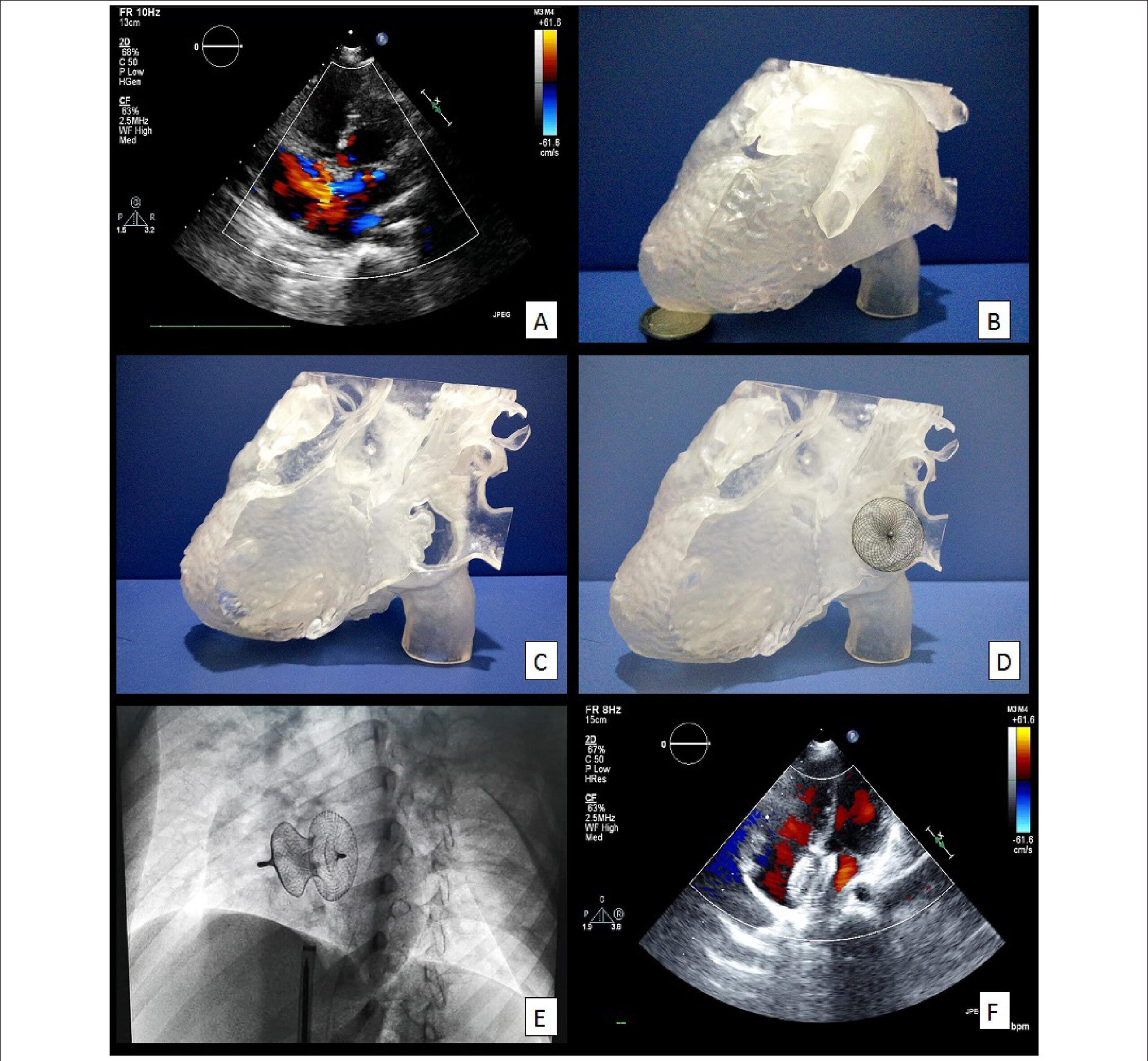
A 32-year-old female with a 2-year history of chest distress was admitted to our department due to exacerbation for 3 days. On physical examination, we found fixed splitting second heart sounds on the patient’s pulmonic area. An echocardiography was performed and showed a 15-mm atrial septal defect of the inferior vena cava type. After obtaining the patient’s consent, a three-dimensional printing cardiac model was printed out. We tried various sizes of ASD occluders on the model to completely cover the defect, which indicated that a 28-mm occluder was appropriate. Thus, we placed a 28-mm ASD occluder during the operation and succeeded after only one attempt. The patient was re-assessed by echocardiography, which showed a favorable position of the ASD occluder without any left-to-right shunt.

Three-dimensional printing (3D printing) is a new technology that converts two-dimensional medical images into a tangible object, allowing not only a comprehensive view of the cardiac anatomical structures but also preoperative simulation to choose the optimal size of ASD occluder. Although it has been applied to orthopedics, general surgery and so on, the use of 3D printing in cardiology is still at its infancy. Our case showed the feasibility of using a 3D printing cardiac model to guide the percutaneous closure of ASD. It is likely to increase the success rate and reduce the operation time for interventional cardiology, especially the complex ASD cases, and more studies should be carried out to extend its fields of application.

[…]
  • Echocardiography/methods
  • Heart Septal Defects, Atrial / surgery
  • Imaging, Three-Dimensional
Read Full Article
Creative Commons Attribution (CC BY) Creative Commons license
01/05/2017 DOI: 10.5935/abc.20170051
Figure 1
ABC
Editorial

Atrial Septal Defect in Adults: Does Repair Always Mean Cure?

Antônio Augusto Lopes et al. Sonia M. F. Mesquita

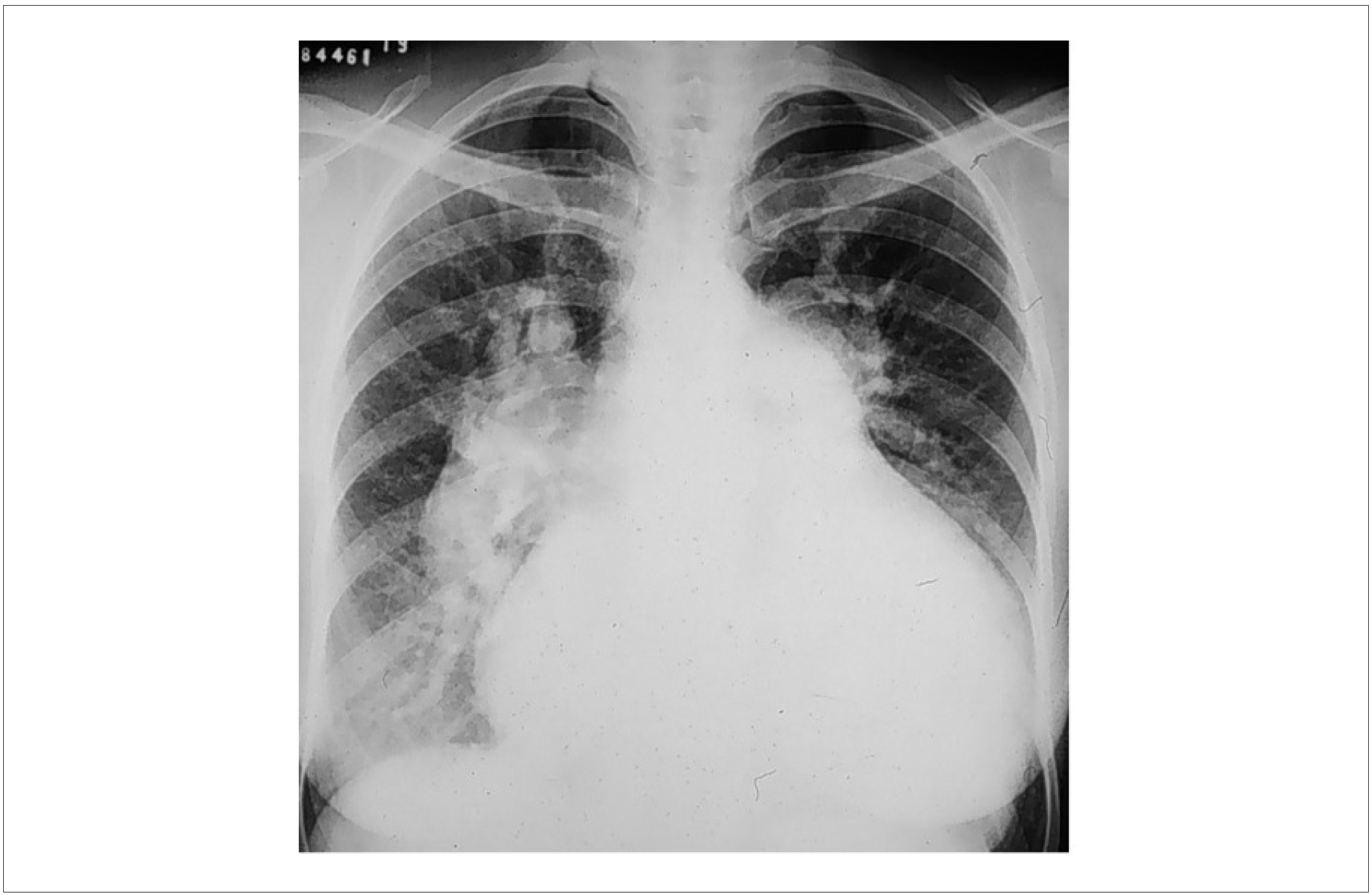
Atrial septal defect (ASD) is the most prevalent congenital cardiac anomaly in adults, accounting for ~35% of all congenital heart defects. Late presentation is due to the insidious development of right ventricular remodeling, with enlargement of right cardiac chambers. Patients may seek medical attention with symptoms related to right or global myocardial dysfunction, arrhythmias or thromboembolic events. Until recently, pulmonary vasculopathy was assumed to be a rare complication in ASD patients. However, with progressive knowledge and interest in treating pulmonary arterial hypertension (PAH), numbers are changing. Of 1877 adults with congenital heart disease followed up for five years in the European Union, 896 had ASD, with PAH prevalences of 12% and 34% for repaired and unrepaired defects respectively. Fifteen patients had the full picture of the Eisenmenger syndrome.

The fortunate side of the scenario is that the widespread use of echocardiography has allowed a big number of patients to be diagnosed early. Furthermore, transcatheter closure of secundum defects offers a less invasive alternative of repair to patients who fulfill anatomical and size criteria, and may be an appropriate therapeutic option for subjects with paradoxical embolism. Also minimally invasive video-assisted surgical techniques have allowed successful closure of the communications, and represent a new and promising therapeutic approach to patients with ASD. The dark side of the story is: with late presentation, treatments may allow patients to become free from the communications, but not from advanced right ventricular remodeling and failure, severe arrhythmias and pulmonary vasculopathy.

[…]

  • Heart Defects, Congenital
  • Heart Septal Defects, Atrial / surgery
  • Hypertension Pulmonary
  • Surgical procedures, minimally invasive
  • Ventricular Dysfunction Right
Read Full Article
Creative Commons Attribution (CC BY) Creative Commons license
01/12/2014 DOI: 10.5935/abc.20140201

How to cite this article

EndNote RIS

Electronic Document Format (Vancouver)

Luo H, Xu Y, Wang Z, Liu Y, Gao C. Three-Dimensional Printing Model-Guided Percutaneous Closure of Atrial Septal Defect. Arquivos Brasileiros de Cardiologia 2017;108(5):484-5.

Electronic Document Format (ABNT)

Luo, Hongxing; Xu, Yu; Wang, Zhongmin; Liu, Yuhao; Gao, Chuanyu. Three-Dimensional Printing Model-Guided Percutaneous Closure of Atrial Septal Defect. Arquivos Brasileiros de Cardiologia, v. 108, n. 5, p. 484-485, Apr. 2017.

Electronic Document Format (APA)

Luo, H., Xu, Y., Wang, Z., Liu, Y., & Gao, C. (2017). Three-Dimensional Printing Model-Guided Percutaneous Closure of Atrial Septal Defect. Arquivos Brasileiros de Cardiologia, 108(5), 484-485.

Electronic Document Format (ISO)

Luo, Hongxing and Xu, Yu and Wang, Zhongmin and Liu, Yuhao and Gao, Chuanyu. Three-Dimensional Printing Model-Guided Percutaneous Closure of Atrial Septal Defect. Arquivos Brasileiros de Cardiologia [online]. 2017, vol. 108, n. 5, [cited 2026-10-14], pp. 484-485. Available from: <https://journals.cardiol.br/en/article/three-dimensional-printing-model-guided-percutaneous-closure-of-atrial-septal-defect/>. ISSN 0066-782X

EndNote RIS

Electronic Document Format (Vancouver)

Lopes AA, Mesquita SMF. Atrial Septal Defect in Adults: Does Repair Always Mean Cure?. Arquivos Brasileiros de Cardiologia 2014;103(6):446-8.

Electronic Document Format (ABNT)

Lopes, Antônio Augusto; Mesquita, Sonia M. F.. Atrial Septal Defect in Adults: Does Repair Always Mean Cure?. Arquivos Brasileiros de Cardiologia, v. 103, n. 6, p. 446-448, Nov. 2014.

Electronic Document Format (APA)

Lopes, A. A., & Mesquita, S. M. F. (2014). Atrial Septal Defect in Adults: Does Repair Always Mean Cure?. Arquivos Brasileiros de Cardiologia, 103(6), 446-448.

Electronic Document Format (ISO)

Lopes, Antônio Augusto and Mesquita, Sonia M. F.. Atrial Septal Defect in Adults: Does Repair Always Mean Cure?. Arquivos Brasileiros de Cardiologia [online]. 2014, vol. 103, n. 6, [cited 2026-10-14], pp. 446-448. Available from: <https://journals.cardiol.br/article/atrial-septal-defect-in-adults-does-repair-always-mean-cure/>. ISSN 0066-782X

  • About ABC Family
  • Internal Regulation
  • Editorial Board
  • Brazilian Society of Cardiology (SBC)

Issues

SBC Guidelines

  • Videos
  • Podcasts
  • News