Atrial Septal Defect in Adults: Does Repair Always Mean Cure?
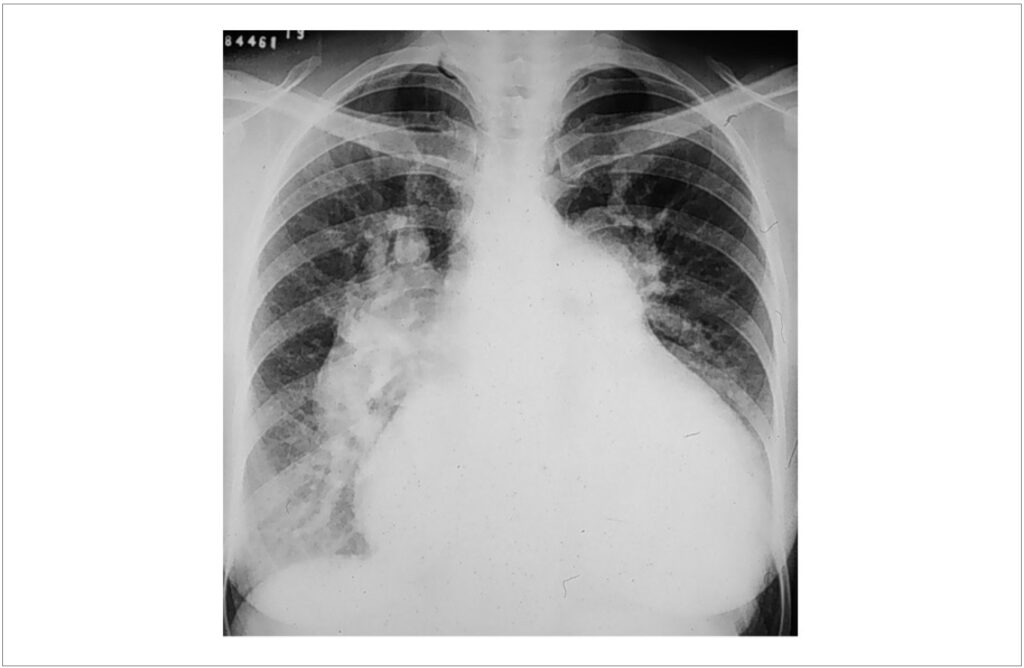
Atrial septal defect (ASD) is the most prevalent congenital cardiac anomaly in adults, accounting for ~35% of all congenital heart defects. Late presentation is due to the insidious development of right ventricular remodeling, with enlargement of right cardiac chambers. Patients may seek medical attention with symptoms related to right or global myocardial dysfunction, arrhythmias or thromboembolic events. Until recently, pulmonary vasculopathy was assumed to be a rare complication in ASD patients. However, with progressive knowledge and interest in treating pulmonary arterial hypertension (PAH), numbers are changing. Of 1877 adults with congenital heart disease followed up for five years in the European Union, 896 had ASD, with PAH prevalences of 12% and 34% for repaired and unrepaired defects respectively. Fifteen patients had the full picture of the Eisenmenger syndrome.
The fortunate side of the scenario is that the widespread use of echocardiography has allowed a big number of patients to be diagnosed early. Furthermore, transcatheter closure of secundum defects offers a less invasive alternative of repair to patients who fulfill anatomical and size criteria, and may be an appropriate therapeutic option for subjects with paradoxical embolism. Also minimally invasive video-assisted surgical techniques have allowed successful closure of the communications, and represent a new and promising therapeutic approach to patients with ASD. The dark side of the story is: with late presentation, treatments may allow patients to become free from the communications, but not from advanced right ventricular remodeling and failure, severe arrhythmias and pulmonary vasculopathy.
[…]
Imagens
Visualizador da galeria de imagens em tela cheia
Os comentários são moderados pela equipe editorial antes da publicação. As discussões devem ser baseadas em evidências e utilizar linguagem científica. Conflitos de interesse devem ser declarados.