| IJCS
Família ABC Arquivos Brasileiros de Cardiologia International Journal of Cardiovascular Sciences ABC Heart Failure & Cardiomyopathy ABC Imagem Cardiovascular
Português English
Família ABC | IJCS
Português English
  • Sobre
    • Sobre a Revista
    • Regimento Interno
    • Seção de Editores
    • Corpo Editorial
    • Prêmio SBC
  • Instruções aos Autores
    • Normas Para Publicação
    • Política Editorial
    • Política de Ética
    • Política Sobre o Uso de Inteligência Artificial
    • Formulário Obrigatório Para Publicação
    • Taxa de Publicação
  • Edições
  • Diretrizes da SBC
  • Temas Livres
    • Como Publicar um Suplemento de Tema Livre?
    • Suplementos Publicados
  • Sobre
    • Sobre a Revista
    • Regimento Interno
    • Seção de Editores
    • Corpo Editorial
    • Prêmio SBC
  • Instruções aos Autores
    • Normas Para Publicação
    • Política Editorial
    • Política de Ética
    • Política Sobre o Uso de Inteligência Artificial
    • Formulário Obrigatório Para Publicação
    • Taxa de Publicação
  • Edições
  • Diretrizes da SBC
  • Temas Livres
    • Como Publicar um Suplemento de Tema Livre?
    • Suplementos Publicados

Família ABC

  • Família ABC
  • Arquivos Brasileiros de Cardiologia
  • International Journal of Cardiovascular Sciences
  • ABC Heart Failure & Cardiomyopathy
  • ABC Imagem Cardiovascular
Buscar em

Nenhum conteúdo encontrado.

Revistas
Ordenação
Tipos de artigo
Outros

  1. Início
  2. IJCS
  3. Edições
  4. 2019, Volume 32, Número 3
Guideline

Guideline for Ventilation/Perfusion Scintigraphy

Marcel Yanagihara Rigolon et al. Claudio Tinoco Mesquita Bárbara Juarez Amorim

Abstract

This paper is about the Guideline for Ventilation / Perfusion Scintigraphy. It has been developed by the Brazilian Society of Nuclear Medicine to be a best practices guide used in Nuclear Medicine. Its function is to be an educational tool to help the Nuclear Medicine Services in Brazil to guarantee a quality care to the patients.

  • Pulmonary Artery/pathology
  • Pulmonary Embolism/complications
  • Pulmonary Embolism/diagnostic imaging
  • Radionuclide Imaging/methods
  • Ventilation-Perfusion Ratio
Ler artigo completo
Creative Commons Attribution (CC BY) Creative Commons license
20/05/2019 DOI: 10.5935/2359-4802.20180103 Visualizações 1
Editorial

Open Science, Cardiology and 20 years of SciELO (Scientific Electronic Library Online)

Claudio Tinoco Mesquita et al. Danielle Borim Carlos Eduardo Rochitte

The SciELO 20 Years Conference, held from September 24 to 28, 2018, in São Paulo, was remarkable in many ways, as it represented the recognition of one of the most important scientific initiatives in Latin America and a focal point for the latest innovations in scientific thinking these days. The focus of the meeting was “Open Science,” which is the practice of science that allows collaboration and contribution among researchers, where research data, laboratory observations and other research processes are available free of charge, under terms that allow the reuse, redistribution and reproduction of research and its underlying data and methods. In the past, Open Science consisted in efforts to offer open access to articles in view of the increasing journal subscription costs charged by the publishers, but the movement quickly condensed several democratizing initiatives of knowledge. This innovative and disruptive way of understanding the very meaning of science has been recently analyzed by Vicente-Saez and Martinez-Fuentes, who concluded that the best definition for Open Science is transparent and accessible knowledge that is shared and developed through collaborative networks (). Current trends in Open Science were addressed at the SciELO 20 Years Conference and are in line with the path mapped out for the journals of the Brazilian Society of Cardiology, such as: open codes, open data, open access to articles, alternative systems for assessing the impact of publications (social impact factor), open data sheets, open laboratory notes, science blogs, collaborative references, citizen science, online data repositories, open peer reviews and access to the manuscripts before they are peer-reviewed (preprints).

[…]

  • Access to Information
  • Biomedical Research
  • Costs and Costs Analysis
  • Information Dissemination/methods
  • Open Access Publishing/history
  • Open Access Publishing/standards
  • Open Access Publishing/trends
  • Publishing/economics
Ler artigo completo
Creative Commons Attribution (CC BY) Creative Commons license
20/05/2019 DOI: 10.5935/2359-4802.20190036
Viewpoint

Abdominal Circumference or Waist Circumference?

Tiago de Oliveira Chaves et al. Michel Silva Reis

Circumference measures, also called perimetry, are part of the anthropometric evaluation. Important Brazilian guidelines, as well as the Brazilian Society of Cardiology (SBC), have considered the abdominal circumference values as a point of reference to classify the risk for cardiovascular disease development.

However, what is the adequate terminology that should be used to quantify the increased cardiovascular disease risk: abdominal circumference or waist circumference?

[…]

  • Abdominal Circumference
  • Anthropometry
  • cardiovascular diseases
  • Risk Factors
  • Waist – Hip Ratio
  • Waist Circumference
Ler artigo completo
Creative Commons Attribution (CC BY) Creative Commons license
20/05/2019 DOI: 10.5935/2359-4802.20180080
Editorial

Consumption of Brazil Nuts Provides Cardiovascular Health Benefits

Mariana Sarto Figueiredo

Indroduction

The prevalence of chronic diseases, such as metabolic syndrome, obesity, dyslipidemia, type 2 diabetes mellitus (DM2), cancer, and neurodegenerative and cardiovascular disorders have been increasing in the world population. However, cardiovascular diseases remain the leading cause of mortality and morbidity worldwide. According to the Barker’s Theory (1993), hormonal, nutritional or environmental changes during critical periods of development such as gestation, lactation or adolescence may result in changes to the basic functions of the human body in childhood and “program” the progeny for the emergence of chronic diseases in the adult life, like DM2, obesity, cardiovascular diseases, intestinal dysbiosis, and hormonal and metabolic dysregulation. This phenomenon is known as “metabolic programming” or “developmental plasticity”.,

In the same direction, many authors have demonstrated the impact of an unhealthy diet on the development of chronic diseases such as metabolic syndrome, obesity, dyslipidemia, type 2 diabetes mellitus, cancer, neurodegenerative diseases and increased cardiovascular disorders., On the other hand, we know that the regular consumption of plant-based foods (cereals, fruits, vegetables, legumes, tree nuts and seeds), moderate consumption of seafood, fish and dairy and reduced consumption of alcohol, red meat and meat products may prevent and/or protect against diseases and provide health benefits, which is now widely recognized by health professionals.,

[…]
  • Anti-Inflammatory Agents
  • Brazil Nuts
  • cardiovascular diseases
  • Healthy Diet
  • Nuts
  • Risk Reduction Behavior
Ler artigo completo
Creative Commons Attribution (CC BY) Creative Commons license
20/05/2019 DOI: 10.5935/2359-4802.20190037
Original Article

Impact of Coronary Artery Bypass Grafting on Muscle Mass Reduction on the 7th Postoperative Day

Bárbara de Oliveira Costa et al. Gabrielle Maciel Ana Beatriz Huguenin Geisiane da Silva … Sheila Moreira da Silva Guimarães Wanise Maria de Souza Cruz Alexandre Siciliano Colanfranceschi Gilson Teles Boaventura

Abstract

Background:

Ischemic heart failure is a chronic and degenerative disease with high morbidity and mortality in the world. Coronary artery bypass grafting is indicated as elective treatment and may cause a catabolic state that depletes energy reserves. Data on body composition evaluation in the postoperative period of major cardiac surgery are limited.

Objective:

To evaluate the influence of elective coronary artery bypass grafting on body composition on the seventh postoperative day of patients with ischemic heart failure.

Methods:

A cross-sectional study was carried out in which eighteen volunteers with New York Heart Association Class II and III heart failure underwent coronary artery bypass grafting. The energy and protein reserves of the participants were evaluated by anthropometry in the preoperative and on the seventh postoperative day. Paired t-Test or Mann-Whitney test was used if applicable. A significance level was considered at p value < 0.05.

Results:

A significant loss of muscle mass was observed through the reduction of arm muscle circumference after surgery (4.2%, p 0.007). Major surgery causes hypermetabolic state and systemic inflammatory stimulus, due to the release of hormones and cytokines that may justify the observed loss of muscle mass.

Conclusion:

Coronary artery bypass grafting had an impact on muscle mass reduction seven days after surgery in patients with ischemic heart failure.

  • Body Composition
  • Coronary,Artery Bypass Grafting
  • Heart Failure / physiopathology
  • Heart Failure/mortality
  • Postoperative Period
Ler artigo completo
Creative Commons Attribution (CC BY) Creative Commons license
01/04/2019 DOI: 10.5935/2359-4802.20190018
Review Article

Nuts and Cardiovascular Diseases: Focus on Brazil Nuts

Ana Carla Tavares da Silva et al. Ludmila F. M. F. Cardozo Beatriz Oliveira da Cruz Denise Mafra Milena Barcza Stockler-Pinto

Abstract

Cardiovascular diseases (CVD) are the main cause of death globally and most CVD can be prevented by addressing their risk factors, such as an unhealthy diet. Many authors have studied the benefits of nut consumption on CVD. Nuts contain high amounts of vegetable protein, unsaturated fatty acids, dietary fibers, vitamins, minerals and many other bioactive compounds, like phytosterols and phenolic compounds, which are able to reduce cholesterol levels and promote antioxidant and anti-inflammatory effects, thereby reducing cardiovascular risks. This review aims to describe studies involving the consumption of nuts, including Brazil nuts and CVD risk factors with positive results in the improvement of lipid profile, glucose metabolism, vascular function, and inflammatory and oxidative stress biomarkers.

  • Anti-Inflammatory Agents
  • Anti-Oxidants
  • cardiovascular diseases
  • cholesterol
  • Diet, High-Protein
  • Nuts
  • Seeds
Ler artigo completo
Creative Commons Attribution (CC BY) Creative Commons license
01/04/2019 DOI: 10.5935/2359-4802.20190016
ERRATA: Cardiomiopatia da Doença de Chagas
Errata

ERRATA: Cardiomiopatia da Doença de Chagas

Edição de Março e Abril de 2018, vol. 31(2), pág. 183

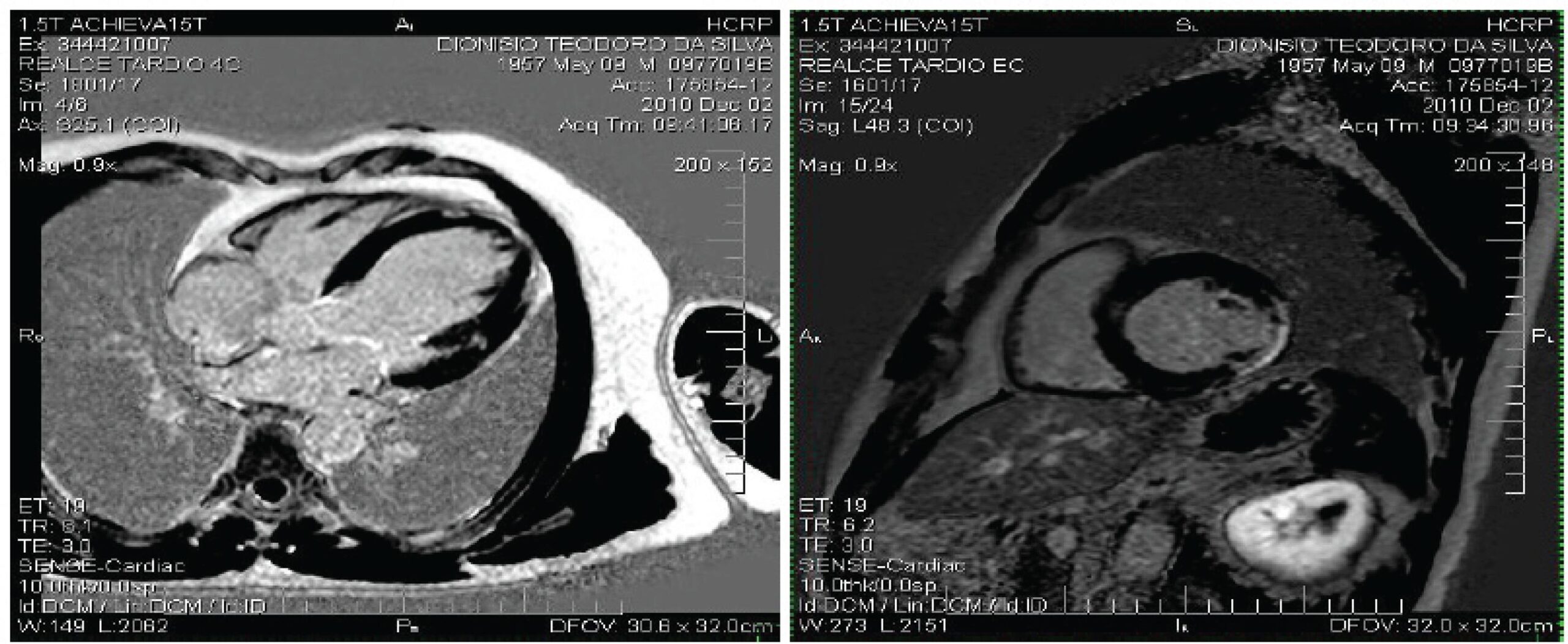
No artigo “Cardiomiopatia da Doença de Chagas”, com número de DOI: 10.5935/2359-4802.20180011, publicado no periódico International Journal of Cardiovascular Sciences, 2018;31(2)173-189, na página: 183 na Figura 5 – Imagens de Realce Tardio onde a fibrose pode ser visibilizada como a área branca inserida no músculo (escuro), indicadas pelas setas. Painel esquerdo observa-se pequena área mesomiocárdica em parede lateral do ventrículo esquerdo em uma imagem de quatro câmaras. Painel direito evidencia extenso acometimento transmural em parede póstero-lateral.

[…]

Ler artigo completo
Creative Commons Attribution (CC BY) Creative Commons license
01/04/2019 DOI: 10.5935/2359-4802.20190019
Original Article

Curcuma Longa Abolishes Phenylephrine-Induced Contractions in Isolated Aortic Artery of Rats

Natacha Pinheiro Melo Brozzo et al. Efraim dos Santos Ferreira Eduardo Andrade Gonçalves Dionatas Ulises de Oliveira Meneguetti … Delano Aníbal da Silva Renildo Moura da Cunha

Abstract

Background:

Curcuma longa has biological effects. Its cardiovascular activities are yet to be scientifically studied.

Objectives:

To investigate the vasorelaxant effects of the aqueous extract of Curcuma longa (AECL).

Methods:

Aortic annuli of normotensive rats, with or without endothelium, were set up in a data storage system with nutrient solution in recipients, with scientifically recommended temperature, aeration and tension. Over contraction by Phenylephrine, the AECL (1, 3, 10, 30, 100, 300 and 1000 µg/mL) was incubated before and after incubation with atropine or L-name or indomethacin. An AECL concentration-response curve was also built over contractions caused by elevation of extracellular K+. Data were significant when p < 0.05, with GraphPad Prism 6.0 software resolutions.

Results:

The AECL induced 100% vasorelaxation also in the endothelium-free annuli. The part of the endothelium-dependent effect had EC50 = 4.32 ± 0.05 µg/mL. With inhibition of NO production, the EC50 increased to 126.50 ± 2.35 µg/mL; after inhibition of prostacyclin production, to 124.6 ± 0.05 µg/mL; and after muscarinic blockade, to 437.10 ± 0.2 µg/mL. Opening of K+ channels (relaxation of 56.98%) and VOCC blockade (relaxation of 31.56%) were evident.

Conclusion:

AECL induced significant vasorelaxation, being more significant in the presence of endothelium. The muscarinic pathway seems to be the main one involved in this effect, followed by the NO production and prostacyclin pathways. The activity in K+ channels by AECL was more significant than its VOCC blockade. The use of other models and tools to study action mechanisms will be important and elucidating.

  • Antioxidants
  • Cardiotonic Agents
  • Crocus
  • Curcuma/adverse effects
  • Hypertension
  • Receptors, Muscarinic
  • Vasodilator Agents
Ler artigo completo
Creative Commons Attribution (CC BY) Creative Commons license
07/03/2019 DOI: 10.5935/2359-4802.20190009 Visualizações 1
Original Article

Effect of Short-Term Inhalation of The Herbicide 2,4D on Cardiac Remodeling: Morphological Aspects

Ana Lucia Ribeiro Negrão et al. Bianca de Oliveira Mariana de Godoy Gonçalves Thaoan Bruno Mariano … Tais Fernanda da Silva Oliveira Ana Karênina Dias Almeida Sabela Renata Calciolari Rossi e Silva Raíssa de Oliveira Mantovani Gisele Alborghetti Nai Francis Lopes Pacagnelli

Abstract

Background:

Brazil is the worldwide leader in the long-term use of pesticides and herbicides. This compromises the health of handlers by causing harmful neurological, respiratory, and cardiovascular changes. The herbicide 2.4D has been shown to cause cardiac overload with subsequent pathological remodeling.

Objective:

To analyze the cardiac morphological repercussions on the left ventricle (LV) of mice submitted to nebulization by the herbicide 2.4D.

Methods:

Fifteen mice were divided into three groups: control group (CG; n = 5) exposed to nebulization with sodium chloride solution; low concentration group (LCG; n = 5) exposed to nebulization of the herbicide 2.4D with 3.71 x 10⁻³ grams; and high concentration group (HCG; n = 5) exposed to nebulization of the herbicide 2.4D with 9.28 x 10⁻³ grams for 15 minutes. The fractal dimension analysis was performed through the box-counting method. Later, the ImageJ program was used to calculate the fractal dimension of each group. To evaluate cardiac remodeling, histological slides were prepared and stained with Hematoxylin-Eosin (HE). Fifty areas of cardiomyocytes were analyzed per animal. The comparisons between groups were performed by ANOVA One-Way with Tukey’s posttest (p < 0.05).

Results:

There was no change in fractal dimension values between the CG = 1.37 ± 0.02, LCG = 1.33 ± 0.04 and the HCG = 1.33 ± 0.07 groups. However, cardiac hypertrophy occurred in the HCG = 303.9 ± 38.80 µm(2) when compared to the CG group = 236.9 ± 61.71 µm(2) (p = 0.034).

Conclusion:

The herbicide 2.4D used for 72 hours did not promote cardiotoxicity when evaluated by fractal dimension. However, cardiomyocyte hypertrophy was observed in the LV.

  • Agrochemicals
  • Herbicides/adverse effects
  • Hypertrophy,Left Ventricular
  • Mice
  • Neurologic Manifestations
  • Pesticides/adverse effects
  • Respiratory Tract Diseases
Ler artigo completo
Creative Commons Attribution (CC BY) Creative Commons license
07/03/2019 DOI: 10.5935/2359-4802.20190014
Review Article

Cardiac Disorder in Chronic Hepatitis C

André Gustavo da Silva Rezende et al. Edmundo Pessoa Lopes Brivaldo Markman-Filho

Abstract

Chronic hepatitis C (CHC) has a high prevalence in the world. In addition to hepatic complications with cirrhosis in about 20% of patients and high risk for hepatocarcinoma, extrahepatic manifestations may also occur. Cardiac involvement in patients with CHC is associated with several factors, such as increased risk for coronary artery disease, primary cardiomyopathies, or hemodynamic and electrophysiological changes observed in liver cirrhosis. Furthermore, antiviral treatment may, in rare cases, causes cardiovascular adverse effects. Cardiac arrhythmias are the main form of clinical presentation, and, often, markers of poor prognosis in individuals with advanced liver disease. Although some mechanisms that justify these changes have already been reported, many questions remain unanswered, especially about the true involvement of the hepatitis C virus in the genesis of primary cardiac abnormalities, and the risk factors for cardiac-related complications of antiviral treatment.

  • Arrhytmias, Cardiac
  • Cardiomiopathies
  • Drug – Related Side Effects and Adverse Reactions
  • Drug Interactions
  • Hepatitis C, Chronic
  • Liver Cirrhosis
Ler artigo completo
Creative Commons Attribution (CC BY) Creative Commons license
07/03/2019 DOI: 10.5935/2359-4802.20190011
Case Report

Coronary Angioplasty with Stent in Woman with Active Vaginal Bleeding

Felipe José de Andrade Falcão et al. Fabiano Lima Cantarelli Aline Hofmann Baião Marco Rivera … Verônica Monteiro Flavio Roberto Azevedo de Oliveira

Abstract

Uterine leiomyoma and coronary artery disease are two common diseases in women. However, the association of uterine bleeding caused by leiomyoma with unstable coronary syndrome is not frequent. Here we describe a case of a patient with active vaginal bleeding and unstable angina who underwent a unique approach by performing percutaneous procedures. The report demonstrates that new interventional options can be used to control active bleeding in patients in need of coronary angioplasty.

  • Angioplasty
  • Embolization Therapeutic
  • Hemorrhage/complications
  • Leiomyoma
  • stent
  • Uterine Hemorrhage
  • Woman
Ler artigo completo
Creative Commons Attribution (CC BY) Creative Commons license
07/03/2019 DOI: 10.5935/2359-4802.20190008
Case Report

Isolated Non-Compacted Myocardium: Should We Consider the Presence of Extrasystoles as the Initial Manifestation?

Erivelton Alessandro do Nascimento et al. Raphaella Nagib Carvalho Santos Fernanda Fraga Tolomelli Dutra Maria Gabriela Inocente Vitório

Abstract

Ventricular non-compaction occurs due to failure in myocardial morphogenesis during the fetal period. Patients can have heart failure, as well as systemic complications due to thromboembolism and cardiac arrhythmias. Early diagnosis is essential. We present the case of an asymptomatic 49-year-old woman who initially manifested ventricular extrasystoles and heart failure with reduced ejection fraction and a myocardial noncompaction diagnosis.

  • Arrhythmias, Cardiac
  • Diagnostic Imaging
  • Heart Failure
  • Isolated Noncompaction of the Ventricular Myocardium
  • Tachycardia,Ventricular
Ler artigo completo
Creative Commons Attribution (CC BY) Creative Commons license
07/03/2019 DOI: 10.5935/2359-4802.20190002
Original Article

Association between Smoking and Alcohol Consumption and the Severity of Coronary Artery Injuries in Patients with AMI

Luis Gustavo Albuquerque et al. Daniel Medeiros Moreira Roberto Léo da Silva Tammuz Fattah

Abstract

Background:

Smoking is the most important risk factor for coronary heart disease (CHD) and ischemic events; alcohol consumption, on the other hand, appears to have a protective role.

Objective:

Assess the association between smoking and alcohol consumption with the severity of coronary artery injuries in patients with acute myocardial infarction (AMI).

Methods:

Cross-sectional study, performed in Santa Catarina. Variables were evaluated using the Chi-squared T/Fisher’s exact test, Kendall’s correlation coefficient, Student’s t test or Mann-Whitney U test. Values of p < 0.05 were considered significant.

Results:

Between August 2016 to June 2017, 226 patients were evaluated with first episode of AMI. There was a difference in sex distribution, showing that 59.7% of men and 85.4% of women were not alcoholic (p < 0.001). There was a higher prevalence of non-hypertensive patients who consumed alcohol than hypertensive ones (40.7% vs. 24.4% and p = 0.010) and patients without diabetes who had drinking habits than those diabetic (36.4% vs. 12.0% and p = 0.001). There was also a higher prevalence of non-diabetic patients who smoked than diabetic ones (38.1% vs. 22.0% and p = 0.035). A weak and negative correlation was found between the number of cigarettes per day and the pack-year with the TIMI frame count (r = -0.174 and p = 0.041 and r = -0.192 and p = 0.027, respectively). The other associations did not show statistical significance.

Conclusion:

The study showed that the number of cigarettes consumed per day and the pack-year is related to a smaller TIMI frame count, i.e., to a better coronary flow, which may be related to the Smoker’s Paradox. There was no correlation between the beverage type and quantity with the SYNTAX score, Ejection fraction and TIMI frame count.

  • Coronary Artery Disease Myocardial Infarction, Alcohol Drinking
  • Risk Factors
  • Tobacco Use Disorder
Ler artigo completo
Creative Commons Attribution (CC BY) Creative Commons license
18/02/2019 DOI: 10.5935/2359-4802.20190007 Visualizações 1
Original Article

Antioxidant and Vasodilatory Action of Grape Juices Produced in Different Regions of Brazil

José Britto Junior et al. Karla Carneiro Siqueira Leite Eric de Souza Gil Matheus Lavorenti Rocha

Abstract

Background:

Grapes and its derivatives (wines and juices) are rich in polyphenols that have high antioxidant and vasodilator capacity. These biological activities may vary in the juices marketed and produced in different regions of Brazil.

Objectives:

To determine the antioxidant and vasorelaxant effects of grape juice samples produced in different regions of Brazil.

Methods:

The content of phenolic compounds and antioxidant capacity were evaluated by the methods of Folin-Ciocalteau, DPPH, ABTS and a new electroanalytical approach (differential pulse voltammetry – DPV). Vasodilator effects were analyzed in isolated aorta from rats in an organ bath.

Results:

The samples from RJ and SP presented respectively the higher and lower phenolic content and also antioxidant capacity by the methods used (ABTS and DPPH). The results of the electrochemical index corroborate to the other tests, with the best results to RJ (21.69 ± 3.15 µA/V) and worse to the SP sample (11.30 ± 0.52 µA/V). In the vascular reactivity studies, the relaxation induced by each sample presented more distinct differences, following the order: RJ (87.9 ± 4.8%) > RS1 (71.6 ± 8.6%) > GO (56.2 ± 7.2%) > SP (39.9 ± 7.8%) > PR (39.4 ± 9.5%) > RS2 (19.5 ± 6.2%). Inhibition of endothelial NO practically abolished (p < 0.001) the relaxation for all samples, except one.

Conclusion:

The phenolic content and antioxidant capacity vary greatly among samples. The results obtained for the order of antioxidant activity were: RJ > RS1 > GO > RS2 > PR > SP. The juices were able to induce vascular relaxation at quite varied levels, and the RJ sample the most effective. The L-NAME practically blocked all samples except one (RS2).

  • Antioxidants/pharmacology
  • Cardiovascular Diseases/prevention and control
  • Epidemiology
  • Fruit and Vegetable Juices/analysis
  • Neoplasms/prevention and control
  • Sucos
  • Vasodilatador Agents/analysis
  • Vasodilatation
  • Vitis
Ler artigo completo
Creative Commons Attribution (CC BY) Creative Commons license
21/01/2019 DOI: 10.5935/2359-4802.20180097
Original Article

Clinical Course of Patients Undergoing Myocardial Revascularization Surgery in a Public Cardiology Referral Hospital in Pará, Brazil

Patrick Hernani Matias Lobato et al. Feliciano Mendes Vieira Junior Mário Barbosa Guedes Nunes Valleria Adriana Queiroz Lima Galucio Ercielem da Lima Barreto

Abstract

Background:

Myocardial revascularization surgery (MRS) is the most frequently performed cardiac surgery in Brazil. However, data on mortality rates among patients undergoing MRS in hospitals other than the main referral centers in the northern Brazil are scarce.

Objective:

To describe the clinical course of patients that submitted to MRS in the major public cardiology referral hospital in the Brazilian Amazon.

Methods:

Retrospective cohort analysis, by review of medical records of patients who had undergone MRS at Hospital das Clínicas Gaspar Vianna (FHCGV) from January 2013 to June 2014.

Results:

A total of 179 patients were evaluated. Mortality rate was 11.7% until 30 days after surgery. Waiting time for surgery ≥ 30 days (OR 2.59, 95%CI 1.02 – 6.56, p = 0.039), infection during hospitalization (OR 3.28, 95%CI 1.15 – 9.39, p = 0.021) and need for hemodialysis after surgery (OR 9.06 95%CI 2.07 – 39.54, p = 0.001) were predictors of mortality after CABG.

Conclusion:

A high mortality rate in the study population was found, higher than that reported in the literature and in other regions of Brazil.

  • Epidemiology
  • Hospitals, Public
  • Myocardial Revascularization/mortality
  • Postoperative Complications
Ler artigo completo
Creative Commons Attribution (CC BY) Creative Commons license
21/01/2019 DOI: 10.5935/2359-4802.20180095 Visualizações 2
Original Article

Adductor Pollicis Muscle Thickness as a Marker of Nutritional Status in Heart Failure

Fabiane da Silva Rosário et al. Denise Tavares Giannini Viviane de Oliveira Leal Ricardo Mourilhe-Rocha

Abstract

Background:

Malnutrition is associated with morbidity and mortality in patients with heart failure (HF). Thus, it is essential to apply reliable indicators to assess the nutritional status of these individuals.

Objective:

To evaluate the thickness of the adductor pollicis muscle (APM) in patients with HF as an indicator of somatic protein status and correlate the obtained values with conventionally used parameters and electrical bioimpedance (EBI) markers.

Methods:

Cross-sectional study with patients with HF undergoing regular outpatient treatment. APM thickness was measured in the dominant arm, and the values obtained were classified according to gender and age. The anthropometric parameters assessed included the body mass index (BMI) and specific parameters to assess the muscle (arm muscle circumference [AMC] and arm muscle area [AMA]). Values of phase angle (PA), standard PA (SPA), and lean mass were obtained by EBI. Statistical analyses were performed with the software Statistical Package for the Social Sciences, version 19, using unpaired Student’s t, Mann-Whitney, or one-way analysis of variance (ANOVA) tests for comparisons between groups, as appropriate. The correlation between variables of interest was performed using Pearson’s or Spearman’s correlation coefficient, as adequate. The level of significance was set at 5%.

Results:

About 70% of the 74 patients evaluated were classified as malnourished according to the APM thickness. Values of AMC, AMA, and lean mass correlated positively with APM thickness (p < 0.005). The APM thickness also correlated positively with PA and SPA (r = 0.49, p < 0.001 and r = 0.31, p = 0.008, respectively).

Conclusion:

Patients with HF presented a high frequency of protein malnutrition when APM thickness was used as an indicator of nutritional status. APM thickness values correlated with conventional measures of somatic protein evaluation and may be related to the prognosis of these patients, since they correlated positively with PA and SPA.

  • Anthropometry
  • Heart Failure
  • Malnutrition / mortality
  • Nutrition Assessment
  • Thumb
Ler artigo completo
Creative Commons Attribution (CC BY) Creative Commons license
21/01/2019 DOI: 10.5935/2359-4802.20180094
Original Article

Implementation of an Acute Coronary Syndrome Simulation Training Strategy for Emergency Healthcare Professionals

Maíra Viana Rego Souza-Silva et al. Priscilla Fortes de Oliveira Passos Thais Ribeiro Lemos Bárbara Campos Abreu Marino … Thatiane Dantas Dias Geisiane Sousa Braga Machado Edson Alexandre Silva Carvalho Gabriel Almeida Silqueira Rocha Antonio Luiz Ribeiro Milena Soriano Marcolino

Abstract

Background:

The knowledge on the management of patients with acute coronary syndrome (ACS) is essential to reduce the gap between evidence and practice.

Objective:

To describe a simulation training strategy for emergency healthcare professionals and provide preliminary data on knowledge acquisition, learners’ confidence and prescription of medications after training.

Methods:

The training was part of the implementation of two myocardial infarction systems of care. It comprehended lectures and simulation-based learning using high and low-fidelity mannequins and actors. It was tested in two phases: the first one in Belo Horizonte and the second one in Montes Claros, both in the state of Minas Gerais. A test was applied before and after training to assess knowledge acquisition. Confidence to perform thrombolysis in ST-elevation myocardial infarction (STEMI) patients was assessed using a questionnaire, and the impact on medication prescription analyzed STEMI patients admitted to hospitals in Montes Claros.

Results:

In the first phase, 156 professionals answered both tests: 70% of them improved their results and the median number of right answers increased (6, interquartile range [IQR] 5-7; vs 7 ([IQR] 6-9; p < 0.05). In the second phase, 242 professionals answered both tests: 58% of the physicians and 83% of the nurses obtained better test scores. Participants referred a positive impact on their clinical practice, 95% reported feeling very secure when perform fibrinolysis after the training, and there was also an impact on medication prescription.

Conclusions:

There was an impact on the learners’ knowledge acquisition and confidence using our two-phase training model, with evidence of impact on performance.

  • acute coronary syndrome
  • Emergency Service Hospital
  • Myocardial Infarction
  • Myocardial Reperfusion
  • Quality Indicators,Health Care
Ler artigo completo
Creative Commons Attribution (CC BY) Creative Commons license
21/01/2019 DOI: 10.5935/2359-4802.20180098 Visualizações 1

Como citar este artigo

EndNote RIS

Formato de Documento Eletrônico (Vancouver)

Rigolon MY, Mesquita CT, Amorim BJ. Guideline for Ventilation/Perfusion Scintigraphy. International Journal of Cardiovascular Sciences 2019;32(3):302-9.

Formato de Documento Eletrônico (ABNT)

Rigolon, Marcel Yanagihara; Mesquita, Claudio Tinoco; Amorim, Bárbara Juarez. Guideline for Ventilation/Perfusion Scintigraphy. International Journal of Cardiovascular Sciences, v. 32, n. 3, p. 302-309, maio. 2019.

Formato de Documento Eletrônico (APA)

Rigolon, M. Y., Mesquita, C. T., & Amorim, B. J. (2019). Guideline for Ventilation/Perfusion Scintigraphy. International Journal of Cardiovascular Sciences, 32(3), 302-309.

Formato de Documento Eletrônico (ISO)

Rigolon, Marcel Yanagihara and Mesquita, Claudio Tinoco and Amorim, Bárbara Juarez. Guideline for Ventilation/Perfusion Scintigraphy. International Journal of Cardiovascular Sciences [online]. 2019, vol. 32, n. 3, [citado 2026-10-14], pp. 302-309. Disponível em: <https://journals.cardiol.br/article/guideline-for-ventilation-perfusion-scintigraphy-2/>. ISSN 2359-4802

EndNote RIS

Formato de Documento Eletrônico (Vancouver)

Mesquita CT, Borim D, Rochitte CE. Open Science, Cardiology and 20 years of SciELO (Scientific Electronic Library Online). International Journal of Cardiovascular Sciences 2019;32(3):203-4.

Formato de Documento Eletrônico (ABNT)

Mesquita, Claudio Tinoco; Borim, Danielle; Rochitte, Carlos Eduardo. Open Science, Cardiology and 20 years of SciELO (Scientific Electronic Library Online). International Journal of Cardiovascular Sciences, v. 32, n. 3, p. 203-204, maio. 2019.

Formato de Documento Eletrônico (APA)

Mesquita, C. T., Borim, D., & Rochitte, C. E. (2019). Open Science, Cardiology and 20 years of SciELO (Scientific Electronic Library Online). International Journal of Cardiovascular Sciences, 32(3), 203-204.

Formato de Documento Eletrônico (ISO)

Mesquita, Claudio Tinoco and Borim, Danielle and Rochitte, Carlos Eduardo. Open Science, Cardiology and 20 years of SciELO (Scientific Electronic Library Online). International Journal of Cardiovascular Sciences [online]. 2019, vol. 32, n. 3, [citado 2026-10-14], pp. 203-204. Disponível em: <https://journals.cardiol.br/article/open-science-cardiology-and-20-years-of-scielo-scientific-electronic-library-online-2/>. ISSN 2359-4802

EndNote RIS

Formato de Documento Eletrônico (Vancouver)

Chaves TO, Reis MS. Abdominal Circumference or Waist Circumference?. International Journal of Cardiovascular Sciences 2019;32(3):290-2.

Formato de Documento Eletrônico (ABNT)

Chaves, Tiago de Oliveira; Reis, Michel Silva. Abdominal Circumference or Waist Circumference?. International Journal of Cardiovascular Sciences, v. 32, n. 3, p. 290-292, maio. 2019.

Formato de Documento Eletrônico (APA)

Chaves, T. O., & Reis, M. S. (2019). Abdominal Circumference or Waist Circumference?. International Journal of Cardiovascular Sciences, 32(3), 290-292.

Formato de Documento Eletrônico (ISO)

Chaves, Tiago de Oliveira and Reis, Michel Silva. Abdominal Circumference or Waist Circumference?. International Journal of Cardiovascular Sciences [online]. 2019, vol. 32, n. 3, [citado 2026-10-14], pp. 290-292. Disponível em: <https://journals.cardiol.br/article/abdominal-circumference-or-waist-circumference-2/>. ISSN 2359-4802

EndNote RIS

Formato de Documento Eletrônico (Vancouver)

Figueiredo MS. Consumption of Brazil Nuts Provides Cardiovascular Health Benefits. International Journal of Cardiovascular Sciences 2019;32(3):205-6.

Formato de Documento Eletrônico (ABNT)

Figueiredo, Mariana Sarto. Consumption of Brazil Nuts Provides Cardiovascular Health Benefits. International Journal of Cardiovascular Sciences, v. 32, n. 3, p. 205-206, maio. 2019.

Formato de Documento Eletrônico (APA)

Figueiredo, M. S. (2019). Consumption of Brazil Nuts Provides Cardiovascular Health Benefits. International Journal of Cardiovascular Sciences, 32(3), 205-206.

Formato de Documento Eletrônico (ISO)

Figueiredo, Mariana Sarto. Consumption of Brazil Nuts Provides Cardiovascular Health Benefits. International Journal of Cardiovascular Sciences [online]. 2019, vol. 32, n. 3, [citado 2026-10-14], pp. 205-206. Disponível em: <https://journals.cardiol.br/article/consumption-of-brazil-nuts-provides-cardiovascular-health-benefits-2/>. ISSN 2359-4802

EndNote RIS

Formato de Documento Eletrônico (Vancouver)

Costa BO, Maciel G, Huguenin AB, Silva G, Guimarães SMS, Cruz WMS, Colanfranceschi AS, et al. Impact of Coronary Artery Bypass Grafting on Muscle Mass Reduction on the 7th Postoperative Day. International Journal of Cardiovascular Sciences 2019;32(3):269-73.

Formato de Documento Eletrônico (ABNT)

Costa, Bárbara de Oliveira; Maciel, Gabrielle; Huguenin, Ana Beatriz; Silva, Geisiane da; Guimarães, Sheila Moreira da Silva; Cruz, Wanise Maria de Souza; Colanfranceschi, Alexandre Siciliano; Boaventura, Gilson Teles. Impact of Coronary Artery Bypass Grafting on Muscle Mass Reduction on the 7th Postoperative Day. International Journal of Cardiovascular Sciences, v. 32, n. 3, p. 269-273, mar. 2019.

Formato de Documento Eletrônico (APA)

Costa, B. O., Maciel, G., Huguenin, A. B., Silva, G. , Guimarães, S. M. S., Cruz, W. M. S., Colanfranceschi, A. S., & Boaventura, G. T. (2019). Impact of Coronary Artery Bypass Grafting on Muscle Mass Reduction on the 7th Postoperative Day. International Journal of Cardiovascular Sciences, 32(3), 269-273.

Formato de Documento Eletrônico (ISO)

Costa, Bárbara de Oliveira and Maciel, Gabrielle and Huguenin, Ana Beatriz and Silva, Geisiane da and Guimarães, Sheila Moreira da Silva and Cruz, Wanise Maria de Souza and Colanfranceschi, Alexandre Siciliano and Boaventura, Gilson Teles. Impact of Coronary Artery Bypass Grafting on Muscle Mass Reduction on the 7th Postoperative Day. International Journal of Cardiovascular Sciences [online]. 2019, vol. 32, n. 3, [citado 2026-10-14], pp. 269-273. Disponível em: <https://journals.cardiol.br/article/impact-of-coronary-artery-bypass-grafting-on-muscle-mass-reduction-on-the-7th-postoperative-day-2/>. ISSN 2359-4802

EndNote RIS

Formato de Documento Eletrônico (Vancouver)

Silva ACT, Cardozo LFMF, Cruz BO, Mafra D, Stockler-Pinto MB. Nuts and Cardiovascular Diseases: Focus on Brazil Nuts. International Journal of Cardiovascular Sciences 2019;32(3):274-82.

Formato de Documento Eletrônico (ABNT)

Silva, Ana Carla Tavares da; Cardozo, Ludmila F. M. F.; Cruz, Beatriz Oliveira da; Mafra, Denise; Stockler-Pinto, Milena Barcza. Nuts and Cardiovascular Diseases: Focus on Brazil Nuts. International Journal of Cardiovascular Sciences, v. 32, n. 3, p. 274-282, mar. 2019.

Formato de Documento Eletrônico (APA)

Silva, A. C. T. , Cardozo, L. F. M. F., Cruz, B. O. , Mafra, D., & Stockler-Pinto, M. B. (2019). Nuts and Cardiovascular Diseases: Focus on Brazil Nuts. International Journal of Cardiovascular Sciences, 32(3), 274-282.

Formato de Documento Eletrônico (ISO)

Silva, Ana Carla Tavares da and Cardozo, Ludmila F. M. F. and Cruz, Beatriz Oliveira da and Mafra, Denise and Stockler-Pinto, Milena Barcza. Nuts and Cardiovascular Diseases: Focus on Brazil Nuts. International Journal of Cardiovascular Sciences [online]. 2019, vol. 32, n. 3, [citado 2026-10-14], pp. 274-282. Disponível em: <https://journals.cardiol.br/article/nuts-and-cardiovascular-diseases-focus-on-brazil-nuts-2/>. ISSN 2359-4802

EndNote RIS

Formato de Documento Eletrônico (Vancouver)

. ERRATA: Cardiomiopatia da Doença de Chagas. International Journal of Cardiovascular Sciences 2019;32(3):310.

Formato de Documento Eletrônico (ABNT)

. ERRATA: Cardiomiopatia da Doença de Chagas. International Journal of Cardiovascular Sciences, v. 32, n. 3, p. 310-310, mar. 2019.

Formato de Documento Eletrônico (APA)

(2019). ERRATA: Cardiomiopatia da Doença de Chagas. International Journal of Cardiovascular Sciences, 32(3), 310-310.

Formato de Documento Eletrônico (ISO)

. ERRATA: Cardiomiopatia da Doença de Chagas. International Journal of Cardiovascular Sciences [online]. 2019, vol. 32, n. 3, [citado 2026-10-14], pp. 310-310. Disponível em: <https://journals.cardiol.br/article/errata-cardiomiopatia-da-doenca-de-chagas/>. ISSN 2359-4802

EndNote RIS

Formato de Documento Eletrônico (Vancouver)

Brozzo NPM, Ferreira ES, Gonçalves EA, Meneguetti DUO, Silva DA, Cunha RM. Curcuma Longa Abolishes Phenylephrine-Induced Contractions in Isolated Aortic Artery of Rats. International Journal of Cardiovascular Sciences 2019;32(3):207-16.

Formato de Documento Eletrônico (ABNT)

Brozzo, Natacha Pinheiro Melo; Ferreira, Efraim dos Santos; Gonçalves, Eduardo Andrade; Meneguetti, Dionatas Ulises de Oliveira; Silva, Delano Aníbal da; Cunha, Renildo Moura da. Curcuma Longa Abolishes Phenylephrine-Induced Contractions in Isolated Aortic Artery of Rats. International Journal of Cardiovascular Sciences, v. 32, n. 3, p. 207-216, mar. 2019.

Formato de Documento Eletrônico (APA)

Brozzo, N. P. M., Ferreira, E. S., Gonçalves, E. A., Meneguetti, D. U. O., Silva, D. A. , & Cunha, R. M. (2019). Curcuma Longa Abolishes Phenylephrine-Induced Contractions in Isolated Aortic Artery of Rats. International Journal of Cardiovascular Sciences, 32(3), 207-216.

Formato de Documento Eletrônico (ISO)

Brozzo, Natacha Pinheiro Melo and Ferreira, Efraim dos Santos and Gonçalves, Eduardo Andrade and Meneguetti, Dionatas Ulises de Oliveira and Silva, Delano Aníbal da and Cunha, Renildo Moura da. Curcuma Longa Abolishes Phenylephrine-Induced Contractions in Isolated Aortic Artery of Rats. International Journal of Cardiovascular Sciences [online]. 2019, vol. 32, n. 3, [citado 2026-10-14], pp. 207-216. Disponível em: <https://journals.cardiol.br/article/curcuma-longa-abolishes-phenylephrine-induced-contractions-in-isolated-aortic-artery-of-rats-2/>. ISSN 2359-4802

EndNote RIS

Formato de Documento Eletrônico (Vancouver)

Negrão ALR, Oliveira B, Gonçalves MG, Mariano TB, Oliveira TFS, Sabela AKDA, Silva RCR, et al. Effect of Short-Term Inhalation of The Herbicide 2,4D on Cardiac Remodeling: Morphological Aspects. International Journal of Cardiovascular Sciences 2019;32(3):247-52.

Formato de Documento Eletrônico (ABNT)

Negrão, Ana Lucia Ribeiro; Oliveira, Bianca de; Gonçalves, Mariana de Godoy; Mariano, Thaoan Bruno; Oliveira, Tais Fernanda da Silva; Sabela, Ana Karênina Dias Almeida; Silva, Renata Calciolari Rossi e; Mantovani, Raíssa de Oliveira; Nai, Gisele Alborghetti; Pacagnelli, Francis Lopes. Effect of Short-Term Inhalation of The Herbicide 2,4D on Cardiac Remodeling: Morphological Aspects. International Journal of Cardiovascular Sciences, v. 32, n. 3, p. 247-252, mar. 2019.

Formato de Documento Eletrônico (APA)

Negrão, A. L. R., Oliveira, B. , Gonçalves, M. G., Mariano, T. B., Oliveira, T. F. S., Sabela, A. K. D. A., Silva, R. C. R. , Mantovani, R. O., Nai, G. A., & Pacagnelli, F. L. (2019). Effect of Short-Term Inhalation of The Herbicide 2,4D on Cardiac Remodeling: Morphological Aspects. International Journal of Cardiovascular Sciences, 32(3), 247-252.

Formato de Documento Eletrônico (ISO)

Negrão, Ana Lucia Ribeiro and Oliveira, Bianca de and Gonçalves, Mariana de Godoy and Mariano, Thaoan Bruno and Oliveira, Tais Fernanda da Silva and Sabela, Ana Karênina Dias Almeida and Silva, Renata Calciolari Rossi e and Mantovani, Raíssa de Oliveira and Nai, Gisele Alborghetti and Pacagnelli, Francis Lopes. Effect of Short-Term Inhalation of The Herbicide 2,4D on Cardiac Remodeling: Morphological Aspects. International Journal of Cardiovascular Sciences [online]. 2019, vol. 32, n. 3, [citado 2026-10-14], pp. 247-252. Disponível em: <https://journals.cardiol.br/article/effect-of-short-term-inhalation-of-the-herbicide-24d-on-cardiac-remodeling-morphological-aspects-2/>. ISSN 2359-4802

EndNote RIS

Formato de Documento Eletrônico (Vancouver)

Rezende AGS, Lopes EP, Markman-Filho B. Cardiac Disorder in Chronic Hepatitis C. International Journal of Cardiovascular Sciences 2019;32(3):283-9.

Formato de Documento Eletrônico (ABNT)

Rezende, André Gustavo da Silva; Lopes, Edmundo Pessoa; Markman-Filho, Brivaldo. Cardiac Disorder in Chronic Hepatitis C. International Journal of Cardiovascular Sciences, v. 32, n. 3, p. 283-289, mar. 2019.

Formato de Documento Eletrônico (APA)

Rezende, A. G. S., Lopes, E. P., & Markman-Filho, B. (2019). Cardiac Disorder in Chronic Hepatitis C. International Journal of Cardiovascular Sciences, 32(3), 283-289.

Formato de Documento Eletrônico (ISO)

Rezende, André Gustavo da Silva and Lopes, Edmundo Pessoa and Markman-Filho, Brivaldo. Cardiac Disorder in Chronic Hepatitis C. International Journal of Cardiovascular Sciences [online]. 2019, vol. 32, n. 3, [citado 2026-10-14], pp. 283-289. Disponível em: <https://journals.cardiol.br/article/cardiac-disorder-in-chronic-hepatitis-c-2/>. ISSN 2359-4802

EndNote RIS

Formato de Documento Eletrônico (Vancouver)

Falcão FJA, Cantarelli FL, Baião AH, Rivera M, Monteiro V, Oliveira FRA. Coronary Angioplasty with Stent in Woman with Active Vaginal Bleeding. International Journal of Cardiovascular Sciences 2019;32(3):297-301.

Formato de Documento Eletrônico (ABNT)

Falcão, Felipe José de Andrade; Cantarelli, Fabiano Lima; Baião, Aline Hofmann; Rivera, Marco; Monteiro, Verônica; Oliveira, Flavio Roberto Azevedo de. Coronary Angioplasty with Stent in Woman with Active Vaginal Bleeding. International Journal of Cardiovascular Sciences, v. 32, n. 3, p. 297-301, mar. 2019.

Formato de Documento Eletrônico (APA)

Falcão, F. J. A., Cantarelli, F. L., Baião, A. H., Rivera, M., Monteiro, V., & Oliveira, F. R. A. (2019). Coronary Angioplasty with Stent in Woman with Active Vaginal Bleeding. International Journal of Cardiovascular Sciences, 32(3), 297-301.

Formato de Documento Eletrônico (ISO)

Falcão, Felipe José de Andrade and Cantarelli, Fabiano Lima and Baião, Aline Hofmann and Rivera, Marco and Monteiro, Verônica and Oliveira, Flavio Roberto Azevedo de. Coronary Angioplasty with Stent in Woman with Active Vaginal Bleeding. International Journal of Cardiovascular Sciences [online]. 2019, vol. 32, n. 3, [citado 2026-10-14], pp. 297-301. Disponível em: <https://journals.cardiol.br/article/coronary-angioplasty-with-stent-in-woman-with-active-vaginal-bleeding-2/>. ISSN 2359-4802

EndNote RIS

Formato de Documento Eletrônico (Vancouver)

Nascimento EA, Santos RNC, Dutra FFT, Vitório MGI. Isolated Non-Compacted Myocardium: Should We Consider the Presence of Extrasystoles as the Initial Manifestation?. International Journal of Cardiovascular Sciences 2019;32(3):293-6.

Formato de Documento Eletrônico (ABNT)

Nascimento, Erivelton Alessandro do; Santos, Raphaella Nagib Carvalho; Dutra, Fernanda Fraga Tolomelli; Vitório, Maria Gabriela Inocente. Isolated Non-Compacted Myocardium: Should We Consider the Presence of Extrasystoles as the Initial Manifestation?. International Journal of Cardiovascular Sciences, v. 32, n. 3, p. 293-296, mar. 2019.

Formato de Documento Eletrônico (APA)

Nascimento, E. A. , Santos, R. N. C., Dutra, F. F. T., & Vitório, M. G. I. (2019). Isolated Non-Compacted Myocardium: Should We Consider the Presence of Extrasystoles as the Initial Manifestation?. International Journal of Cardiovascular Sciences, 32(3), 293-296.

Formato de Documento Eletrônico (ISO)

Nascimento, Erivelton Alessandro do and Santos, Raphaella Nagib Carvalho and Dutra, Fernanda Fraga Tolomelli and Vitório, Maria Gabriela Inocente. Isolated Non-Compacted Myocardium: Should We Consider the Presence of Extrasystoles as the Initial Manifestation?. International Journal of Cardiovascular Sciences [online]. 2019, vol. 32, n. 3, [citado 2026-10-14], pp. 293-296. Disponível em: <https://journals.cardiol.br/article/isolated-non-compacted-myocardium-should-we-consider-the-presence-of-extrasystoles-as-the-initial-manifestation-2/>. ISSN 2359-4802

EndNote RIS

Formato de Documento Eletrônico (Vancouver)

Albuquerque LG, Moreira DM, Silva RL, Fattah T. Association between Smoking and Alcohol Consumption and the Severity of Coronary Artery Injuries in Patients with AMI. International Journal of Cardiovascular Sciences 2019;32(3):261-8.

Formato de Documento Eletrônico (ABNT)

Albuquerque, Luis Gustavo; Moreira, Daniel Medeiros; Silva, Roberto Léo da; Fattah, Tammuz. Association between Smoking and Alcohol Consumption and the Severity of Coronary Artery Injuries in Patients with AMI. International Journal of Cardiovascular Sciences, v. 32, n. 3, p. 261-268, fev. 2019.

Formato de Documento Eletrônico (APA)

Albuquerque, L. G., Moreira, D. M., Silva, R. L. , & Fattah, T. (2019). Association between Smoking and Alcohol Consumption and the Severity of Coronary Artery Injuries in Patients with AMI. International Journal of Cardiovascular Sciences, 32(3), 261-268.

Formato de Documento Eletrônico (ISO)

Albuquerque, Luis Gustavo and Moreira, Daniel Medeiros and Silva, Roberto Léo da and Fattah, Tammuz. Association between Smoking and Alcohol Consumption and the Severity of Coronary Artery Injuries in Patients with AMI. International Journal of Cardiovascular Sciences [online]. 2019, vol. 32, n. 3, [citado 2026-10-14], pp. 261-268. Disponível em: <https://journals.cardiol.br/article/association-between-smoking-and-alcohol-consumption-and-the-severity-of-coronary-artery-injuries-in-patients-with-ami-2/>. ISSN 2359-4802

EndNote RIS

Formato de Documento Eletrônico (Vancouver)

Britto Junior J, Leite KCS, Gil ES, Rocha ML. Antioxidant and Vasodilatory Action of Grape Juices Produced in Different Regions of Brazil. International Journal of Cardiovascular Sciences 2019;32(3):238-46.

Formato de Documento Eletrônico (ABNT)

Britto Junior, José; Leite, Karla Carneiro Siqueira; Gil, Eric de Souza; Rocha, Matheus Lavorenti. Antioxidant and Vasodilatory Action of Grape Juices Produced in Different Regions of Brazil. International Journal of Cardiovascular Sciences, v. 32, n. 3, p. 238-246, jan. 2019.

Formato de Documento Eletrônico (APA)

Britto Junior, J., Leite, K. C. S., Gil, E. S., & Rocha, M. L. (2019). Antioxidant and Vasodilatory Action of Grape Juices Produced in Different Regions of Brazil. International Journal of Cardiovascular Sciences, 32(3), 238-246.

Formato de Documento Eletrônico (ISO)

Britto Junior, José and Leite, Karla Carneiro Siqueira and Gil, Eric de Souza and Rocha, Matheus Lavorenti. Antioxidant and Vasodilatory Action of Grape Juices Produced in Different Regions of Brazil. International Journal of Cardiovascular Sciences [online]. 2019, vol. 32, n. 3, [citado 2026-10-14], pp. 238-246. Disponível em: <https://journals.cardiol.br/article/antioxidant-and-vasodilatory-action-of-grape-juices-produced-in-different-regions-of-brazil-2/>. ISSN 2359-4802

EndNote RIS

Formato de Documento Eletrônico (Vancouver)

Lobato PHM, Vieira Junior FM, Nunes MBG, Galucio VAQL, Barreto EL. Clinical Course of Patients Undergoing Myocardial Revascularization Surgery in a Public Cardiology Referral Hospital in Pará, Brazil. International Journal of Cardiovascular Sciences 2019;32(3):217-26.

Formato de Documento Eletrônico (ABNT)

Lobato, Patrick Hernani Matias; Vieira Junior, Feliciano Mendes; Nunes, Mário Barbosa Guedes; Galucio, Valleria Adriana Queiroz Lima; Barreto, Ercielem da Lima. Clinical Course of Patients Undergoing Myocardial Revascularization Surgery in a Public Cardiology Referral Hospital in Pará, Brazil. International Journal of Cardiovascular Sciences, v. 32, n. 3, p. 217-226, jan. 2019.

Formato de Documento Eletrônico (APA)

Lobato, P. H. M., Vieira Junior, F. M., Nunes, M. B. G., Galucio, V. A. Q. L., & Barreto, E. L. (2019). Clinical Course of Patients Undergoing Myocardial Revascularization Surgery in a Public Cardiology Referral Hospital in Pará, Brazil. International Journal of Cardiovascular Sciences, 32(3), 217-226.

Formato de Documento Eletrônico (ISO)

Lobato, Patrick Hernani Matias and Vieira Junior, Feliciano Mendes and Nunes, Mário Barbosa Guedes and Galucio, Valleria Adriana Queiroz Lima and Barreto, Ercielem da Lima. Clinical Course of Patients Undergoing Myocardial Revascularization Surgery in a Public Cardiology Referral Hospital in Pará, Brazil. International Journal of Cardiovascular Sciences [online]. 2019, vol. 32, n. 3, [citado 2026-10-14], pp. 217-226. Disponível em: <https://journals.cardiol.br/article/clinical-course-of-patients-undergoing-myocardial-revascularization-surgery-in-a-public-cardiology-referral-hospital-in-para-brazil-2/>. ISSN 2359-4802

EndNote RIS

Formato de Documento Eletrônico (Vancouver)

Rosário FS, Giannini DT, Leal VO, Mourilhe-Rocha R. Adductor Pollicis Muscle Thickness as a Marker of Nutritional Status in Heart Failure. International Journal of Cardiovascular Sciences 2019;32(3):253-60.

Formato de Documento Eletrônico (ABNT)

Rosário, Fabiane da Silva; Giannini, Denise Tavares; Leal, Viviane de Oliveira; Mourilhe-Rocha, Ricardo. Adductor Pollicis Muscle Thickness as a Marker of Nutritional Status in Heart Failure. International Journal of Cardiovascular Sciences, v. 32, n. 3, p. 253-260, jan. 2019.

Formato de Documento Eletrônico (APA)

Rosário, F. S., Giannini, D. T., Leal, V. O., & Mourilhe-Rocha, R. (2019). Adductor Pollicis Muscle Thickness as a Marker of Nutritional Status in Heart Failure. International Journal of Cardiovascular Sciences, 32(3), 253-260.

Formato de Documento Eletrônico (ISO)

Rosário, Fabiane da Silva and Giannini, Denise Tavares and Leal, Viviane de Oliveira and Mourilhe-Rocha, Ricardo. Adductor Pollicis Muscle Thickness as a Marker of Nutritional Status in Heart Failure. International Journal of Cardiovascular Sciences [online]. 2019, vol. 32, n. 3, [citado 2026-10-14], pp. 253-260. Disponível em: <https://journals.cardiol.br/article/adductor-pollicis-muscle-thickness-as-a-marker-of-nutritional-status-in-heart-failure-2/>. ISSN 2359-4802

EndNote RIS

Formato de Documento Eletrônico (Vancouver)

Souza-Silva MVR, Passos PFO, Lemos TR, Marino BCA, Dias TD, Machado GSB, Carvalho EAS, et al. Implementation of an Acute Coronary Syndrome Simulation Training Strategy for Emergency Healthcare Professionals. International Journal of Cardiovascular Sciences 2019;32(3):227-3.

Formato de Documento Eletrônico (ABNT)

Souza-Silva, Maíra Viana Rego; Passos, Priscilla Fortes de Oliveira; Lemos, Thais Ribeiro; Marino, Bárbara Campos Abreu; Dias, Thatiane Dantas; Machado, Geisiane Sousa Braga; Carvalho, Edson Alexandre Silva; Rocha, Gabriel Almeida Silqueira; Ribeiro, Antonio Luiz; Marcolino, Milena Soriano. Implementation of an Acute Coronary Syndrome Simulation Training Strategy for Emergency Healthcare Professionals. International Journal of Cardiovascular Sciences, v. 32, n. 3, p. 227-237, jan. 2019.

Formato de Documento Eletrônico (APA)

Souza-Silva, M. V. R., Passos, P. F. O., Lemos, T. R., Marino, B. C. A., Dias, T. D., Machado, G. S. B., Carvalho, E. A. S., Rocha, G. A. S., Ribeiro, A. L., & Marcolino, M. S. (2019). Implementation of an Acute Coronary Syndrome Simulation Training Strategy for Emergency Healthcare Professionals. International Journal of Cardiovascular Sciences, 32(3), 227-237.

Formato de Documento Eletrônico (ISO)

Souza-Silva, Maíra Viana Rego and Passos, Priscilla Fortes de Oliveira and Lemos, Thais Ribeiro and Marino, Bárbara Campos Abreu and Dias, Thatiane Dantas and Machado, Geisiane Sousa Braga and Carvalho, Edson Alexandre Silva and Rocha, Gabriel Almeida Silqueira and Ribeiro, Antonio Luiz and Marcolino, Milena Soriano. Implementation of an Acute Coronary Syndrome Simulation Training Strategy for Emergency Healthcare Professionals. International Journal of Cardiovascular Sciences [online]. 2019, vol. 32, n. 3, [citado 2026-10-14], pp. 227-237. Disponível em: <https://journals.cardiol.br/article/implementation-of-an-acute-coronary-syndrome-simulation-training-strategy-for-emergency-healthcare-professionals-2/>. ISSN 2359-4802

Sede – Rio de Janeiro
Av. Marechal Câmara, 160
3º andar – Sala: 330 – Centro
Rio de Janeiro – CEP: 20020-907
Tel.: (55 +21) 3478-2700
ou (21) 99386-3961
E-mail: revista@cardiol.br

Sede – São Paulo
Alameda Santos, 705 – 11º andar
Cerqueira César | São Paulo
CEP: 01419-001
Tel.: (55 +11) 3411-5500
E-mail: revista@cardiol.br

  • Sobre a Revista
  • Regimento Interno
  • Seção de Editores
  • Corpo Editorial
  • Prêmio SBC

  • Normas Para Publicação
  • Política Editorial
  • Política de Ética
  • Política Sobre o Uso de Inteligência Artificial
  • Formulário Obrigatório Para Publicação
  • Taxa de Publicação

Edições

Diretrizes da SBC

  • Como Publicar um Suplemento de Tema Livre?
  • Suplementos Publicados