Persistent Spontaneous Coronary Artery Dissection with Refractory Angina: Ischemia and Intravascular Ultrasound-Guided Revascularization
Introduction
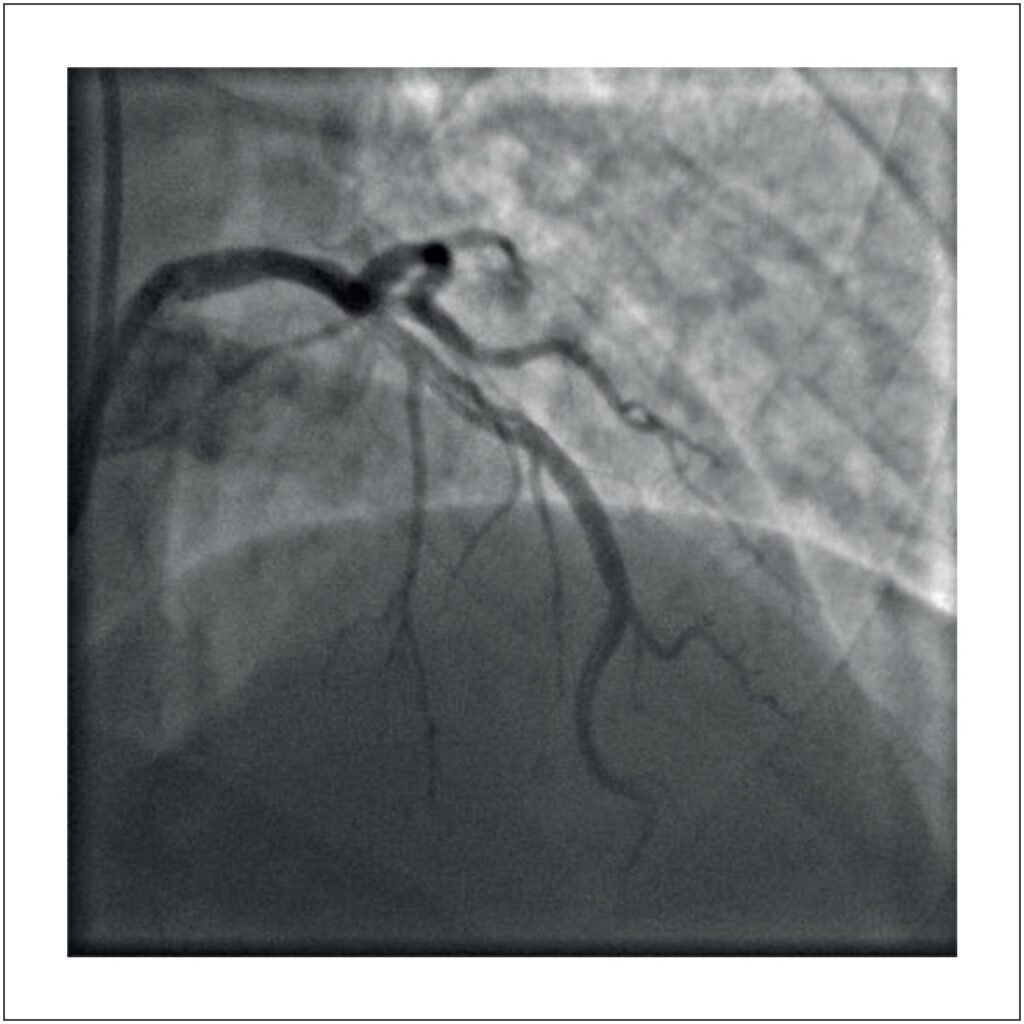
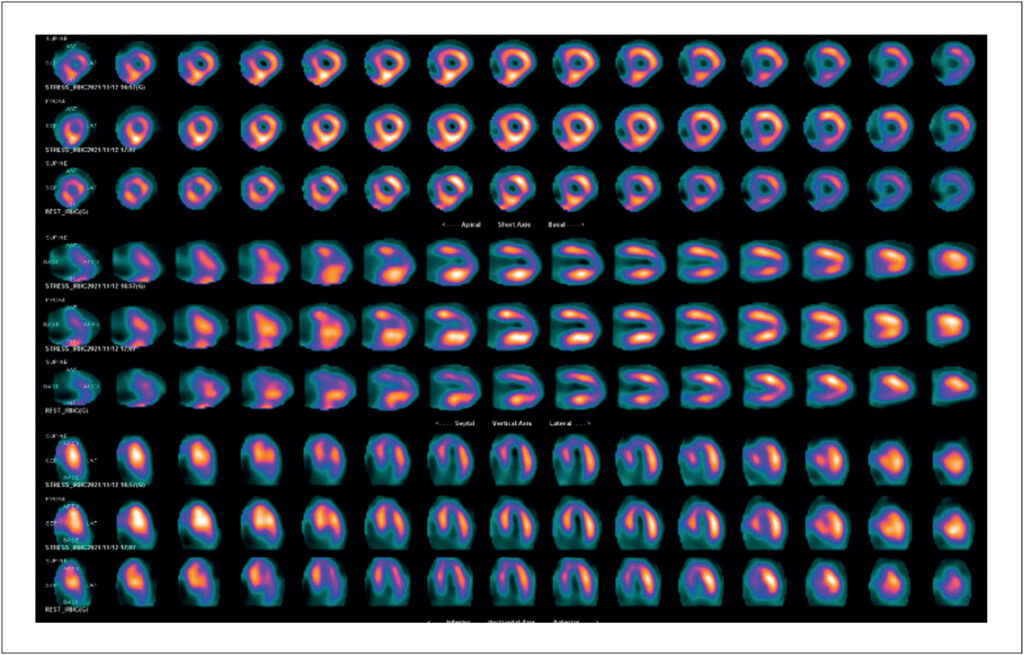
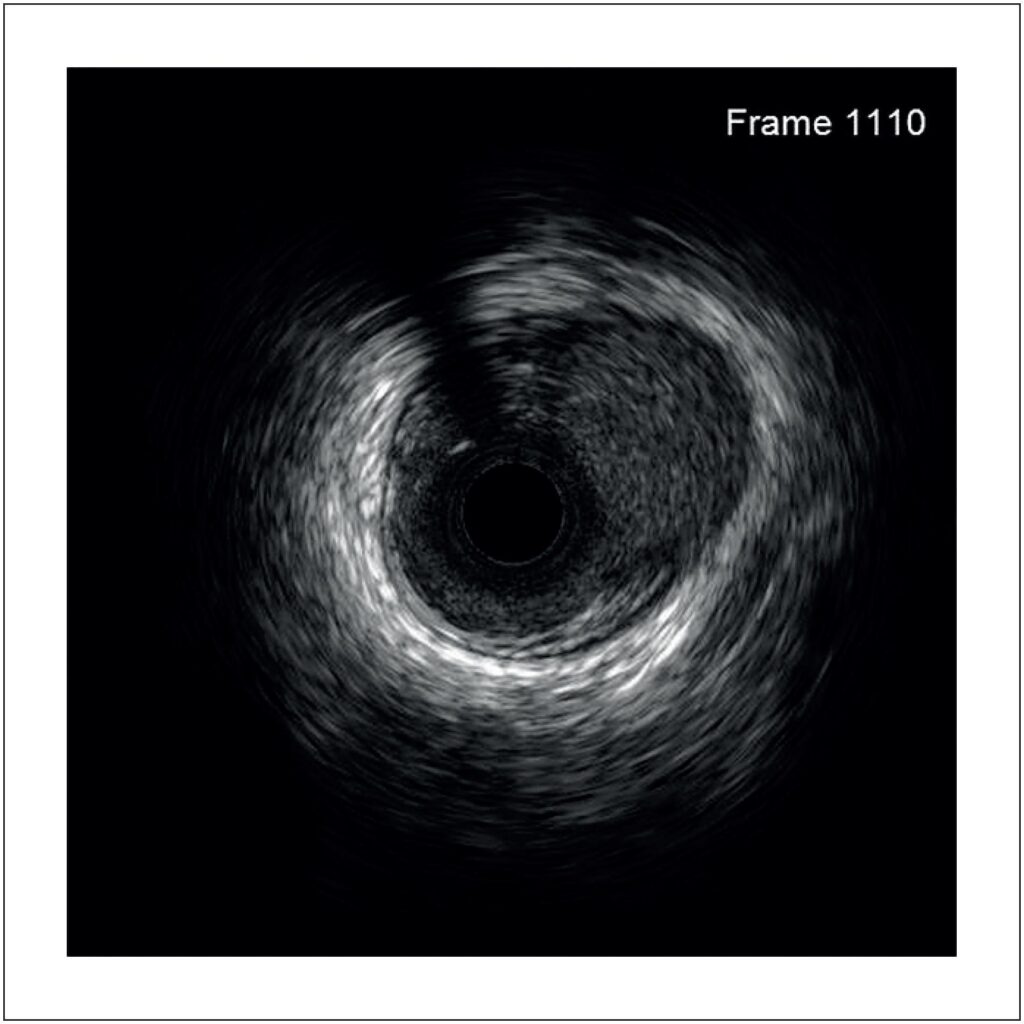
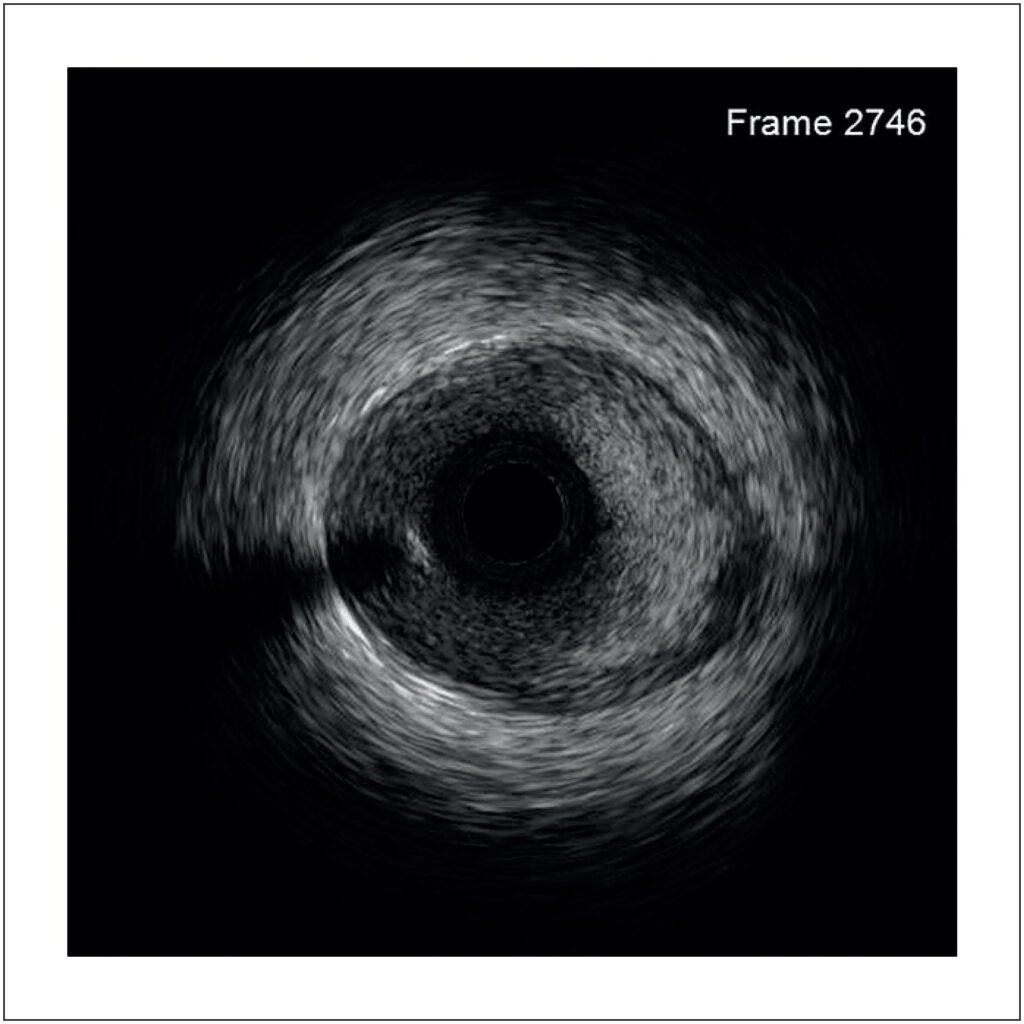
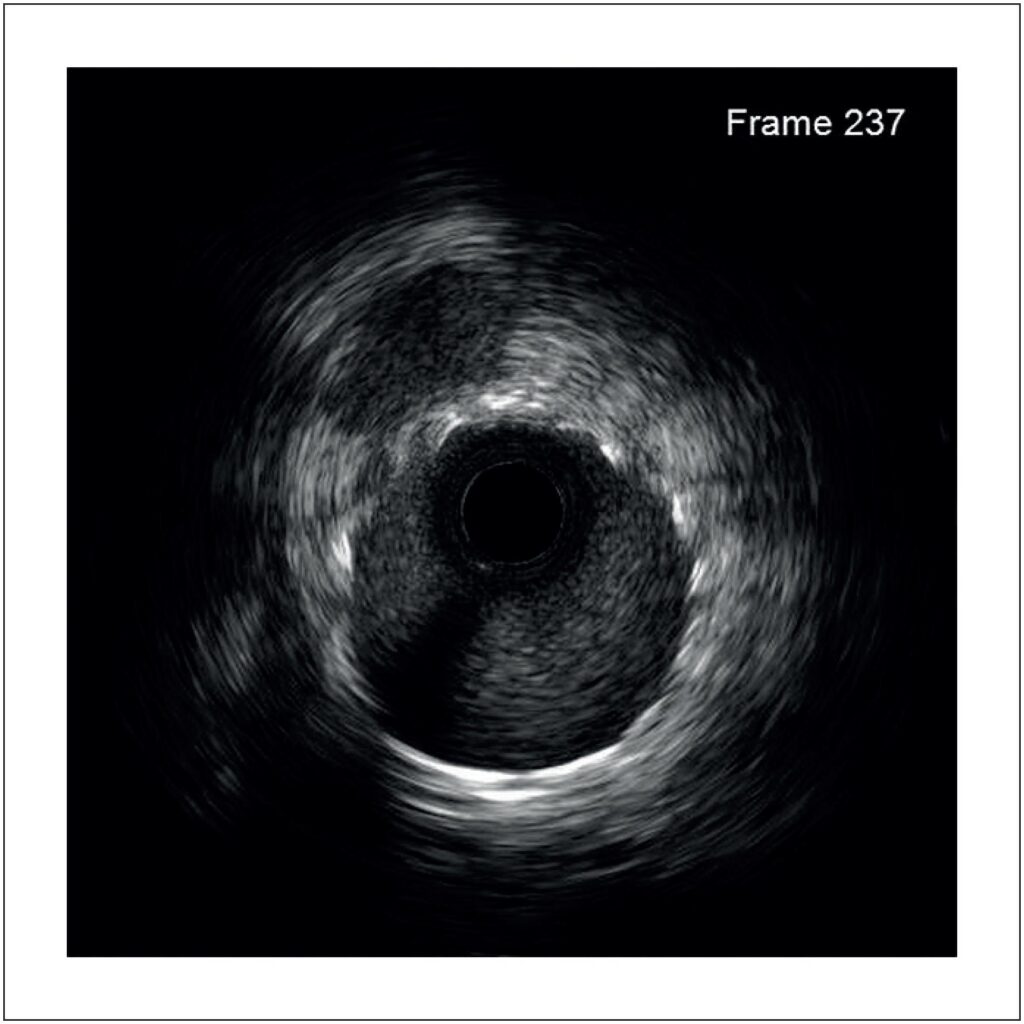
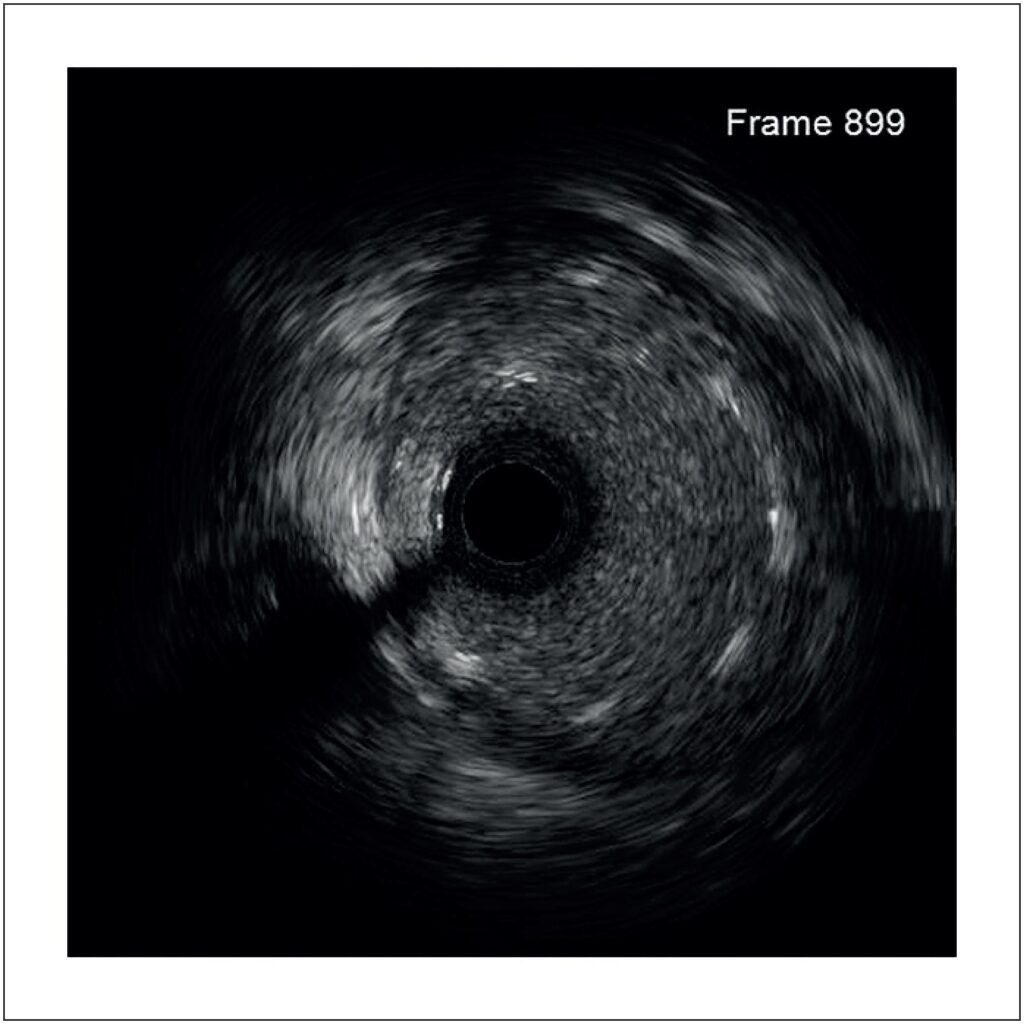
Spontaneous coronary artery dissection (SCAD) is a non-atherosclerotic and underdiagnosed cause of acute coronary syndrome (ACS), particularly in women, estimated to account for 1–4% of all ACS episodes and a considerably higher proportion among young women with ACS.– It is characterized by a sudden dissection of the coronary arterial wall towards the media, resulting in the formation of an intramural hematoma and compression of the true lumen, which can lead to ischemia or myocardial infarction.
The pathophysiology of SCAD differs fundamentally from that of atherosclerotic coronary artery disease, with proposed mechanisms including intimal rupture (“inside-out”) and primary intramural hemorrhage from the vasa vasorum (“outside-in”)., These processes contribute to diverse angiographic presentations and can make diagnosis and management challenging.
[…]
Images
Image gallery fullscreen viewer
Comments are moderated by the editorial team before publication. Discussions should be evidence-based and use scientific language. Conflicts of interest should be declared.