Prognostic Value of the Naples Score for Identifying Patients with Implantable Cardioverter-Defibrillators at Risk of Malignant Ventricular Arrhythmias
Abstract
Background:
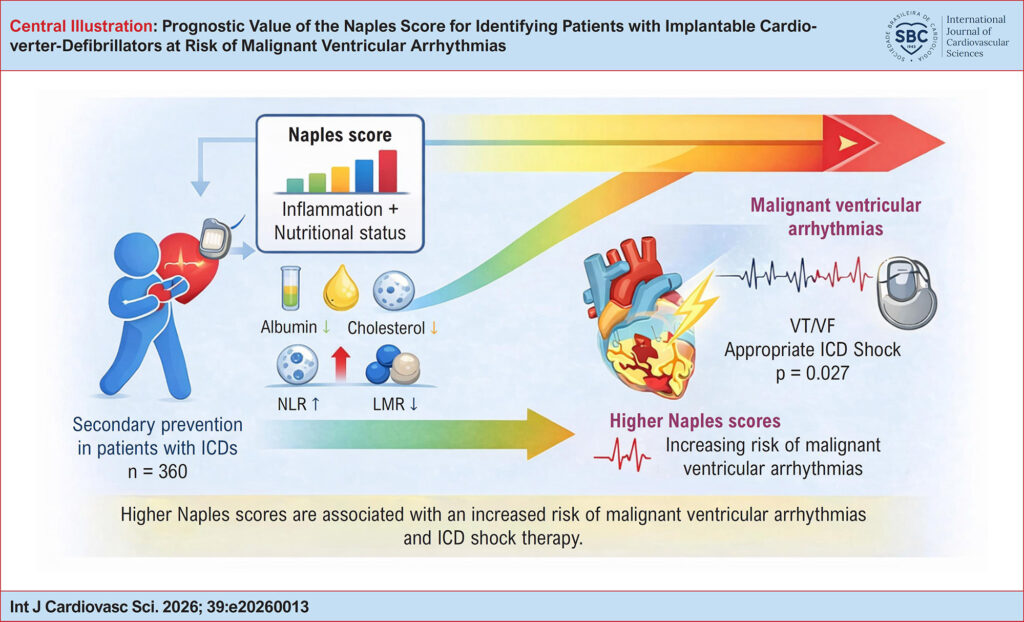
Ventricular arrhythmias, including ventricular tachycardia and ventricular fibrillation, are major causes of sudden cardiac death (SCD) in patients with structural heart disease. Implantable cardioverter-defibrillators (ICDs) are effective in preventing SCD; however, identifying patients at higher risk of malignant ventricular arrhythmias and appropriate ICD therapies remains challenging. The Naples score, a composite marker of systemic inflammation and nutritional status, has emerged as a prognostic indicator in various cardiovascular conditions.
Objectives:
This study aimed to evaluate the predictive value of the Naples score for malignant ventricular arrhythmias and ICD shock therapy in patients undergoing ICD implantation for secondary prevention.
Methods:
This retrospective study included 360 patients who underwent ICD implantation for secondary prevention due to ventricular arrhythmias associated with ischemic heart disease. Patients were categorized into two groups based on the occurrence of appropriate ICD therapy.
Results:
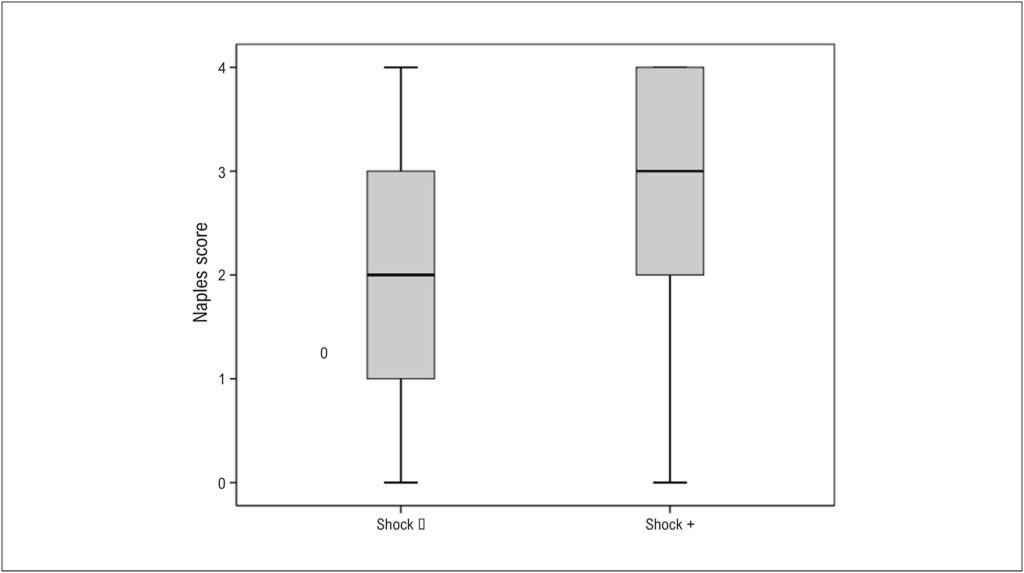
During follow-up, malignant ventricular arrhythmias requiring ICD therapy occurred in 139 patients. The Naples score was significantly higher in patients who experienced ICD shocks compared to those who did not (p = 0.027). However, in multivariable analysis, the Naples score was not identified as an independent predictor of ICD shock.
Conclusions:
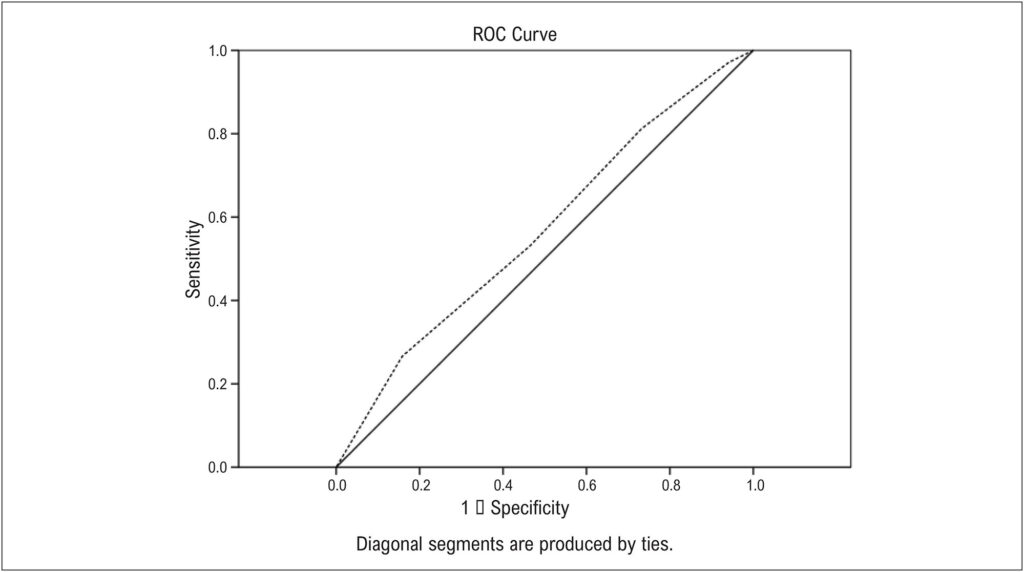
Higher Naples scores were associated with malignant ventricular arrhythmias and ICD shocks at the univariable level. However, the Naples score had limited predictive accuracy and was not found to be an independent predictor in multivariable analysis. The clinical use of the Naples score should be interpreted with caution, and it should not be used as a standalone decision-making tool.
Images
Image gallery fullscreen viewer
Comments are moderated by the editorial team before publication. Discussions should be evidence-based and use scientific language. Conflicts of interest should be declared.