Detection and Location of Myocardial Infarction Using Electrocardiogram: Validation by Cardiovascular Magnetic Resonance Imaging
Abstract
Background
In the assessment of ischemic heart disease, cardiac magnetic resonance (CMR) is considered the gold standard for detecting and locating myocardial infarction (MI), but electrocardiogram (ECG) is less expensive and more widely available. Recognition of MI on ECG outside the acute phase is challenging; Q waves are absent in a significant proportion of patients and may reduce or disappear over time. Although ECG is widely used in the initial assessment of previous infarction, studies to validate ECG using CMR as a reference in the context of chronic coronary disease are limited.
Objectives
To evaluate the diagnostic performance of ECG in detecting and locating CMR-defined MI.
Methods
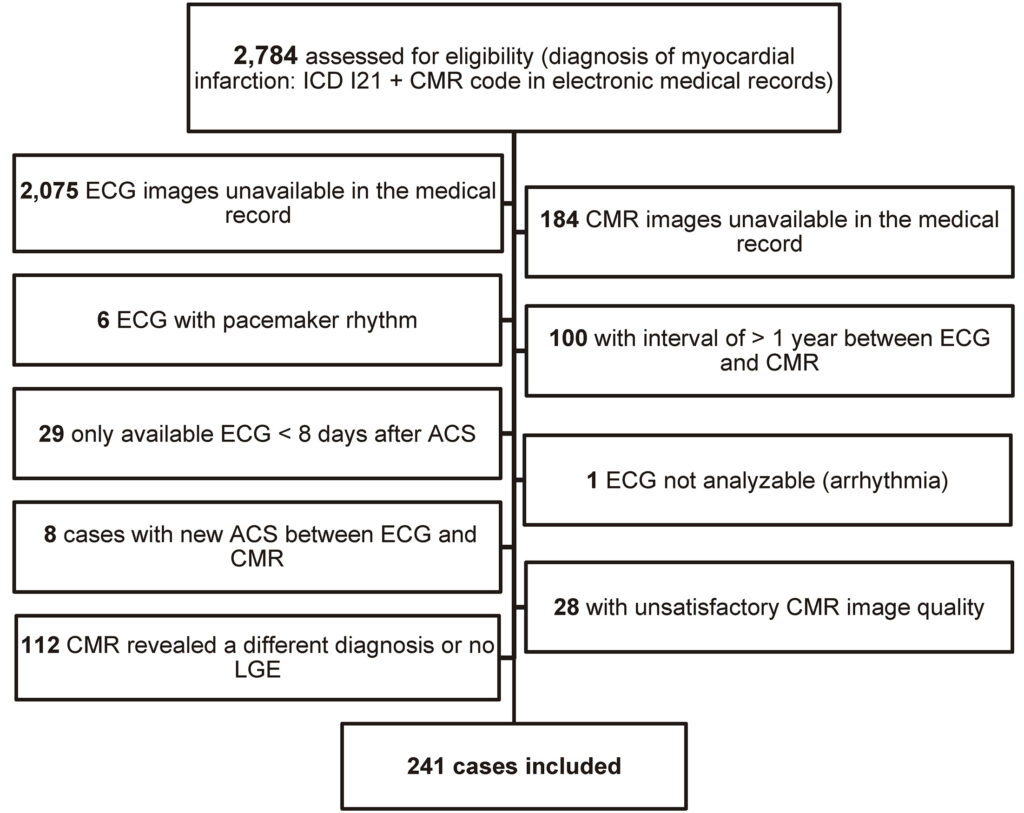
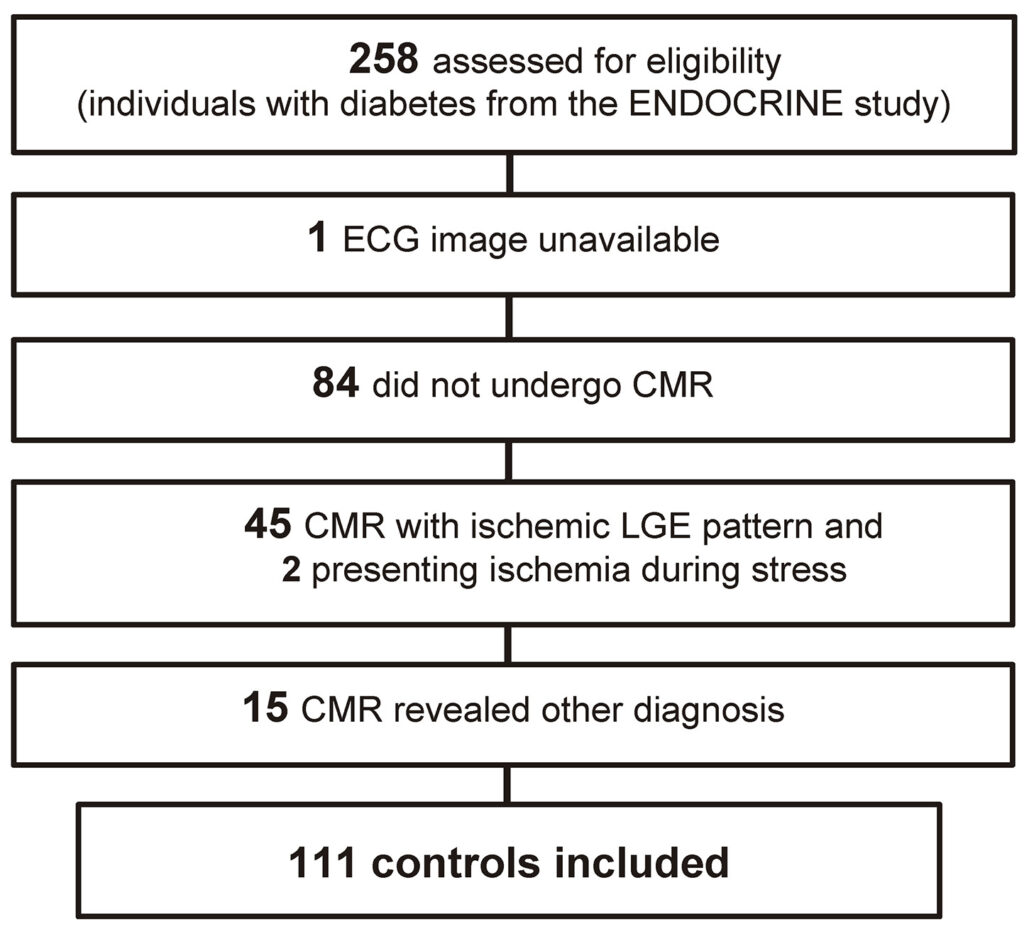
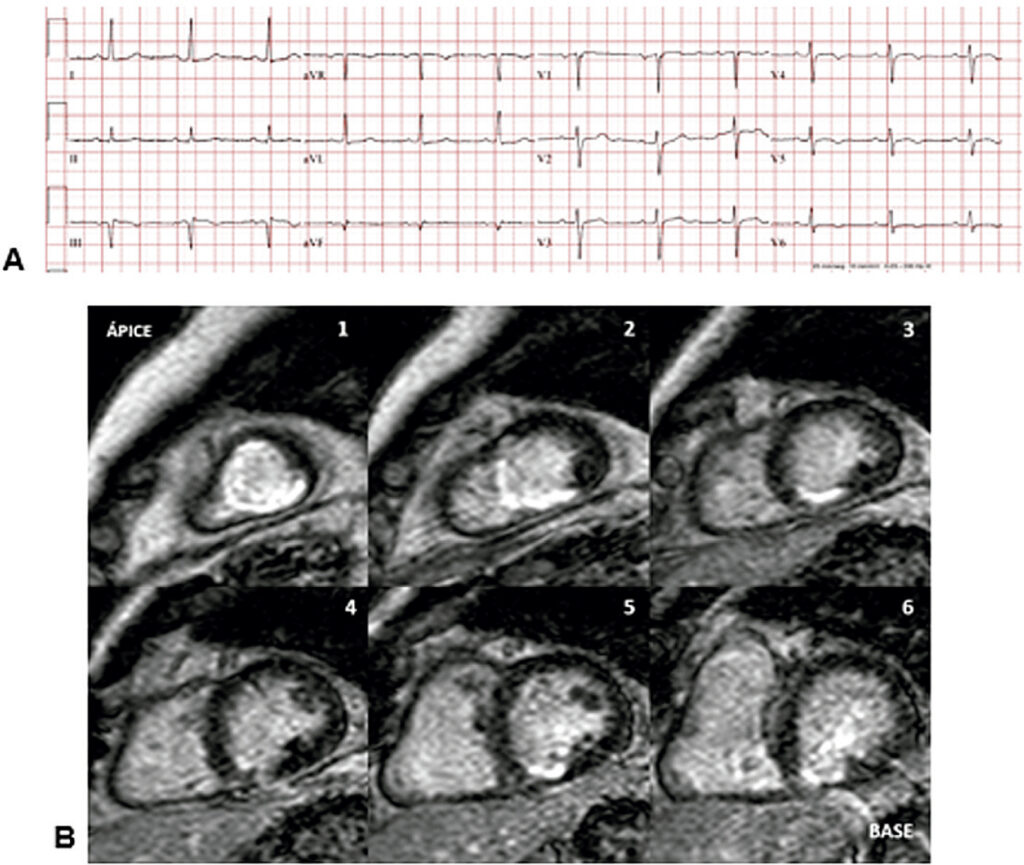
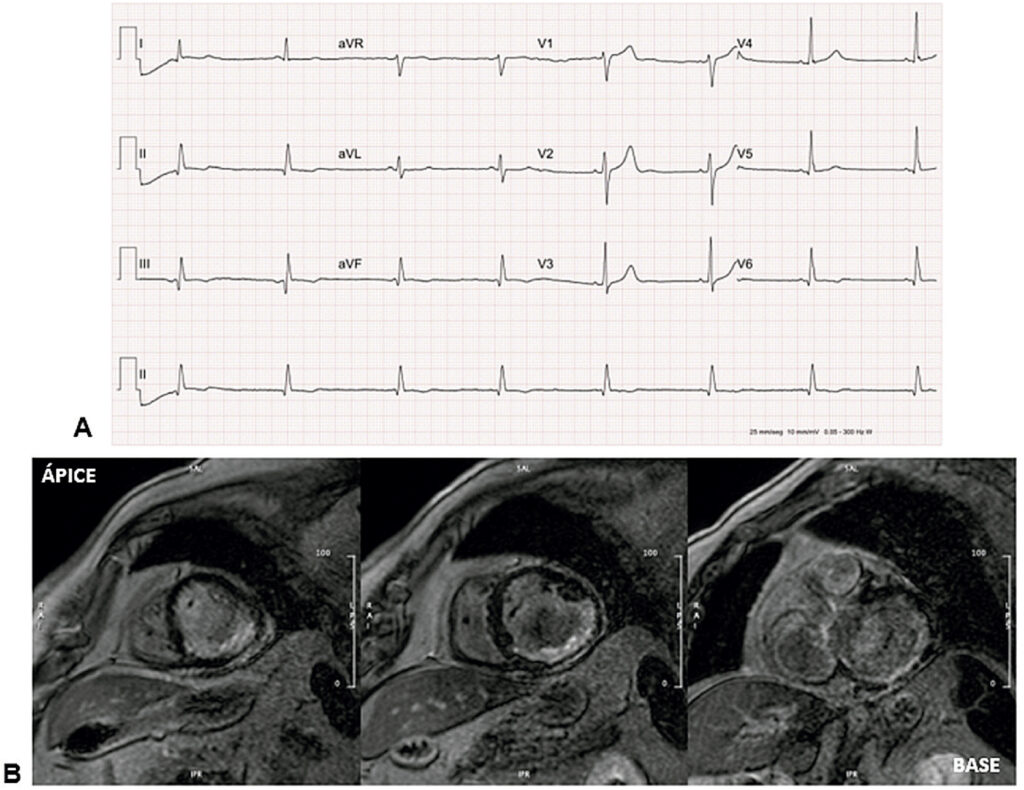
This study included 352 individuals who underwent CMR and ECG, 241 patients with previous MI confirmed by CMR and 111 controls with normal CMR. Their ECG tracings were analyzed by 2 observers, who were blinded to the CMR, for detection and location of MI following to the Fourth Brazilian Society of Cardiology Guidelines on the Analysis and Issuance of Electrocardiographic Reports. The significance level adopted was 5% (p < 0.05).
Results
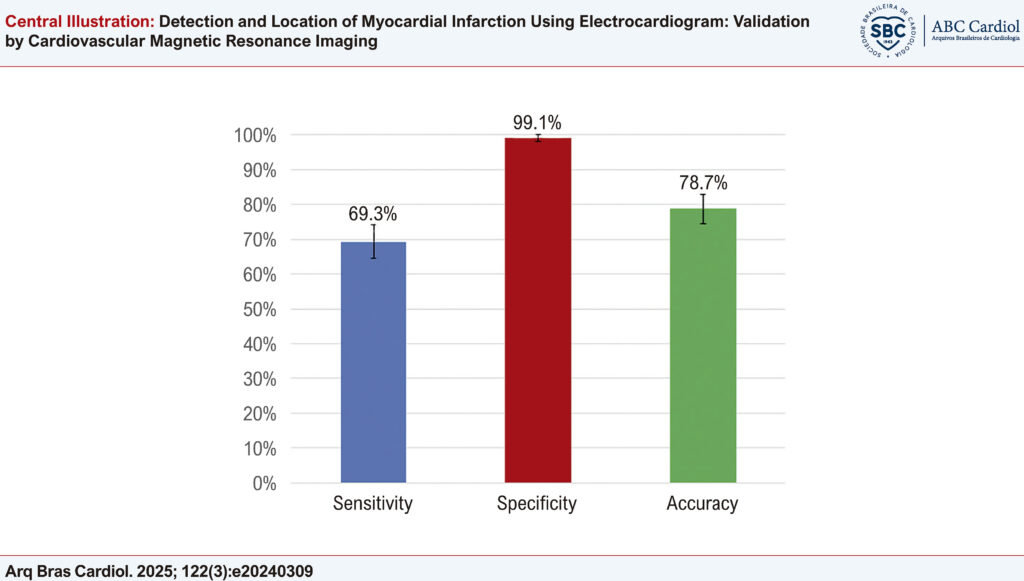
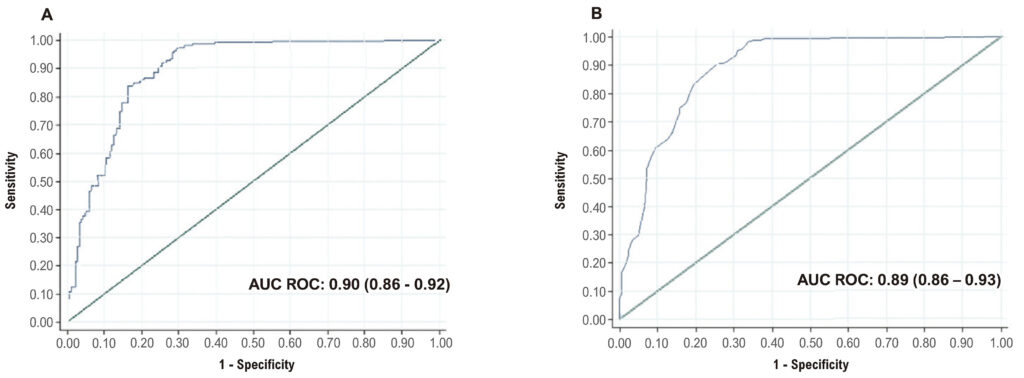
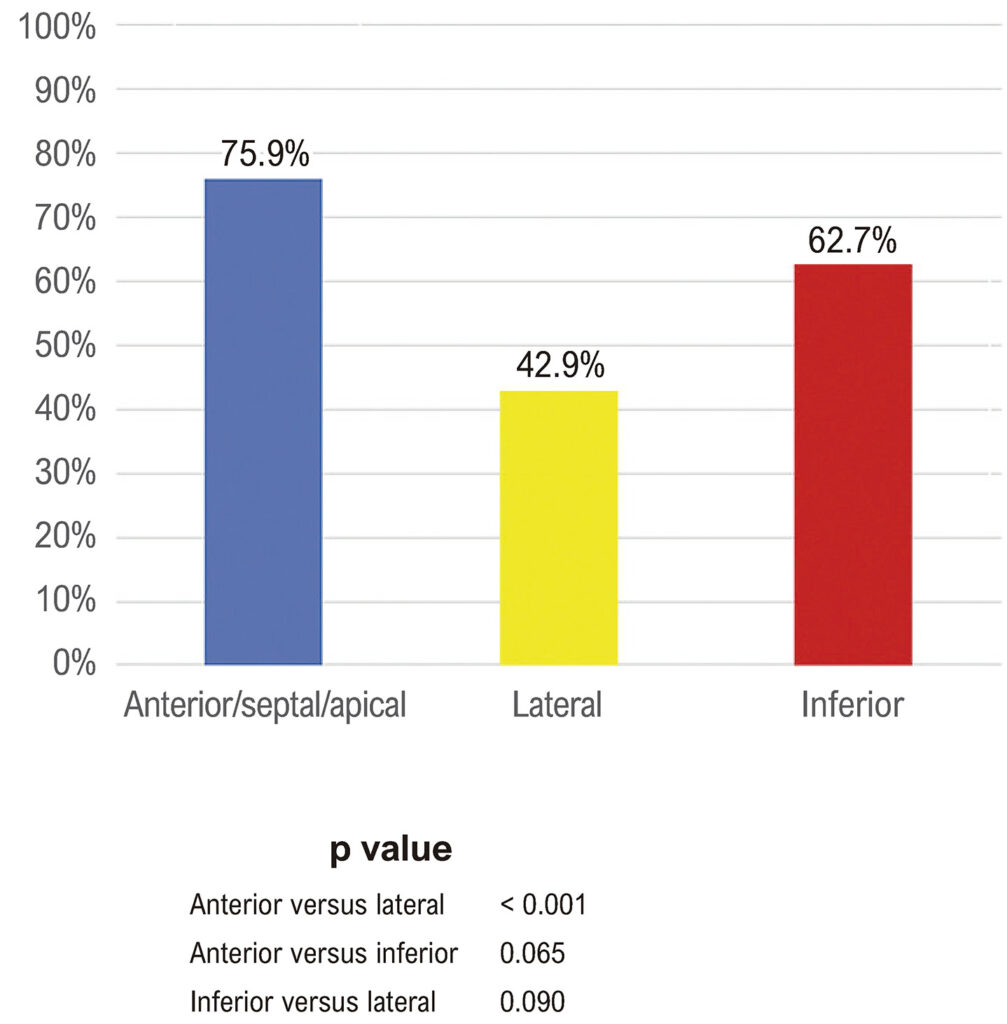
ECG showed good performance for detecting previous MI, with sensitivity of 69.3% (64.5% to 74.1%), specificity of 99.1% (98.1% to 100%), and accuracy of 78.7% (74.4% to 83.0%). However, in locating MI in accordance with CMR, its accuracy was unsatisfactory.
Conclusions
When compared to CMR, ECG was shown to be a method with good accuracy for detecting previous MI, but not for defining its location.
Images
Image gallery fullscreen viewer
Comments are moderated by the editorial team before publication. Discussions should be evidence-based and use scientific language. Conflicts of interest should be declared.