Restrictive Cardiomyopathy and Complete Atrioventricular Block Associated With a Genetic Variant in the Desmin Gene
Introduction
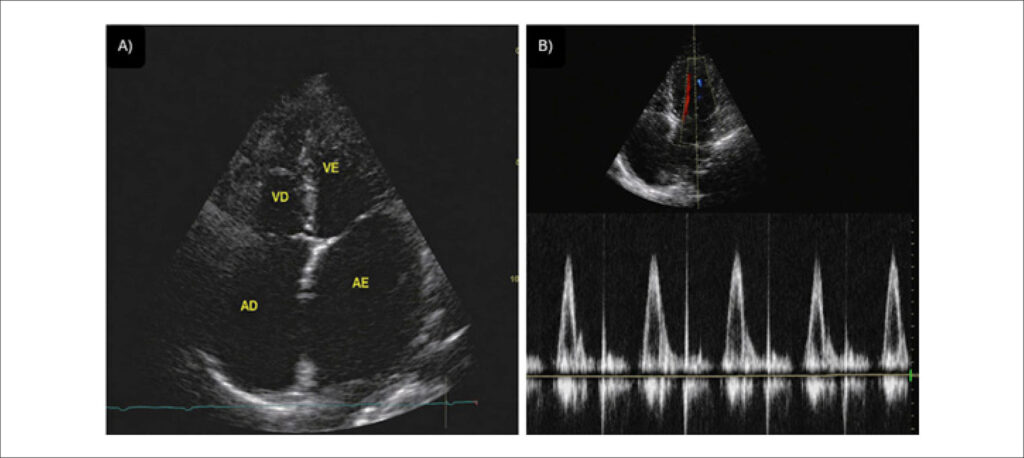
Restrictive cardiomyopathy is an uncommon cardiac condition characterized by severe diastolic dysfunction, increased ventricular stiffness, and atrial enlargement. This condition may lead to the development of heart failure, often with preserved ejection fraction, and is associated with a high mortality rate. Both genetic and nongenetic factors play a role in restrictive cardiomyopathy, and a significant proportion of cases have an unknown etiology. However, the genetic forms of this disease and the molecular mechanisms involved are only partially understood.
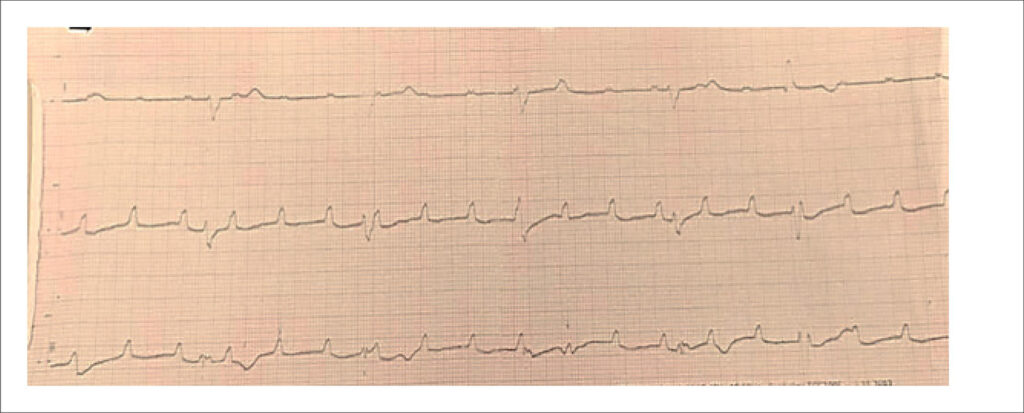
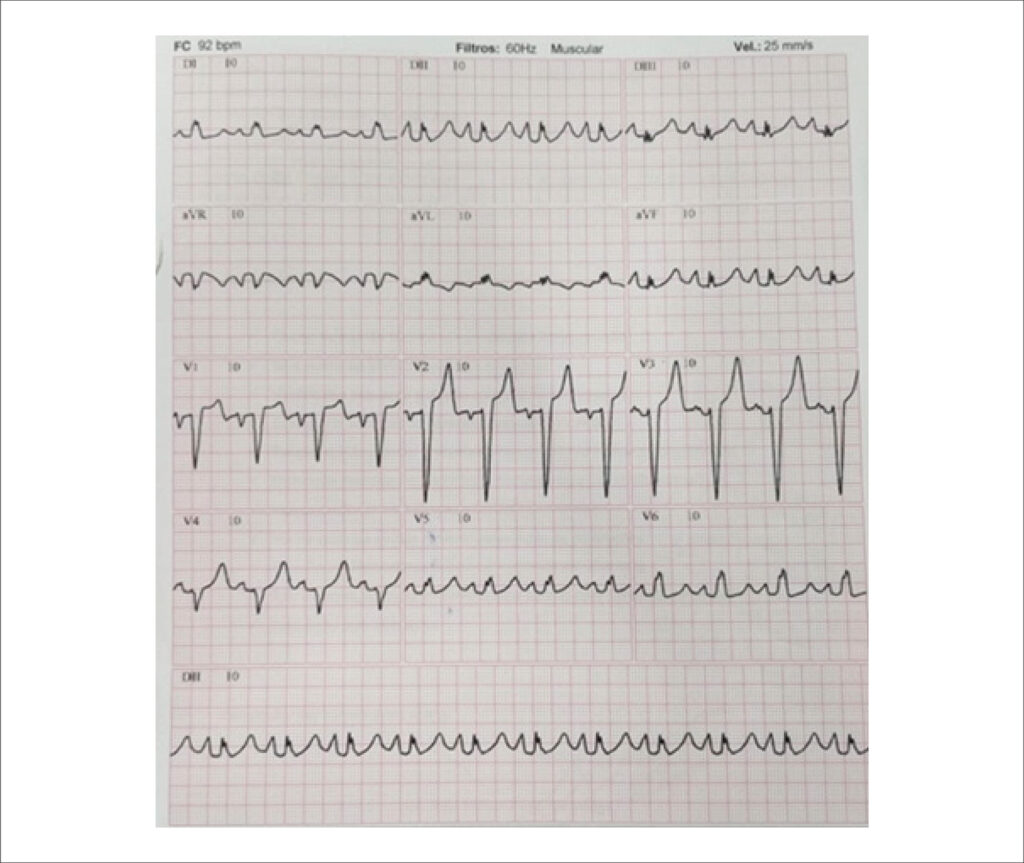
Desmin deposition-associated restrictive cardiomyopathy is a rare genetic condition involving desmin, an intermediate filament protein expressed in cardiac, skeletal, and smooth muscle. This disorder is characterized by the presence of granulofilamentous deposits that are immunoreactive for desmin within the cytoplasm of cardiomyocytes. In addition to impairing ventricular filling during diastole, patients often present with skeletal myopathy, and varying degrees of atrioventricular conduction block are also common. This conduction abnormality may range from mild conduction delay (first- and second-degree atrioventricular block [AVB]) to complete interruption of electrical communication between the atria and ventricles, known as complete atrioventricular block (CAVB) or third-degree AVB.,
[…]
Images
Image gallery fullscreen viewer
Comments are moderated by the editorial team before publication. Discussions should be evidence-based and use scientific language. Conflicts of interest should be declared.