Percutaneous Coronary Intervention With Ridaforolimus-Eluting Stents in Patients With Coronary Artery Disease: A Systematic Review and Single-Arm Meta-Analysis
Abstract
Background:
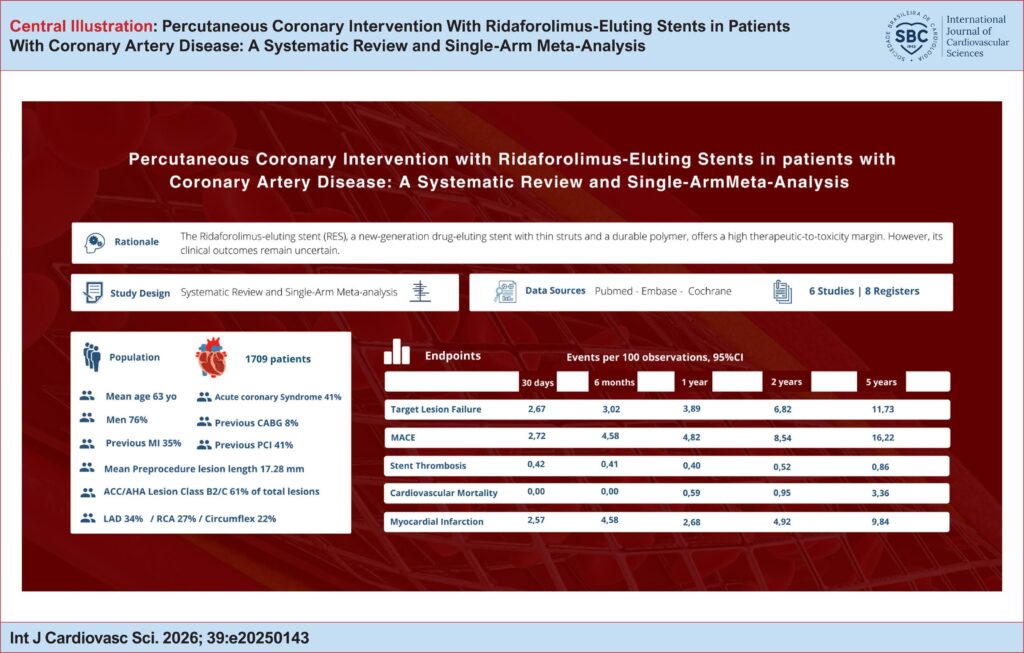
The ridaforolimus-eluting stent (RES) is a new-generation drug-eluting stent (DES) featuring thin struts and a durable polymer, designed to provide a high therapeutic-to-toxicity margin. However, its long-term clinical performance remains uncertain.
Methods:
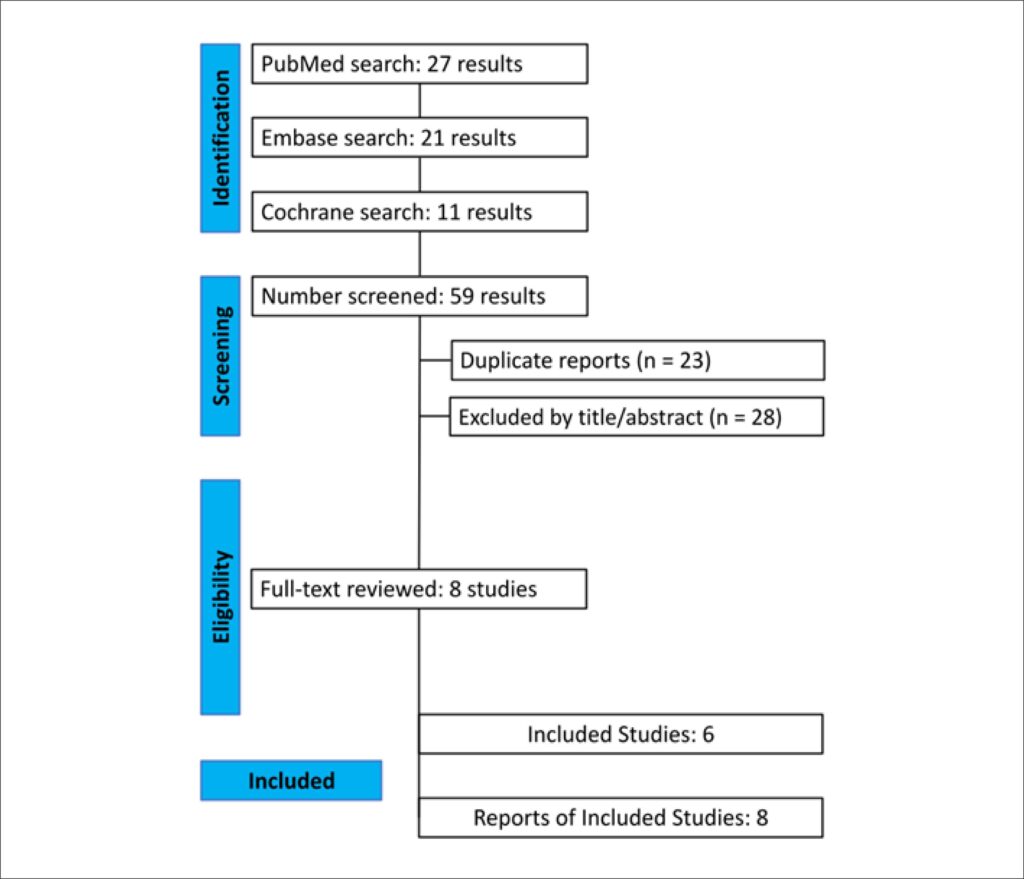
We conducted a systematic review and meta-analysis following Cochrane and PRISMA guidelines. PubMed, Embase, and Cochrane databases were searched for randomized controlled trials (RCTs) and prospective non-RCT studies evaluating RES in patients with coronary artery disease (CAD). Outcomes were expressed as event rates using a generalized linear mixed model (GLMM). Statistical significance was defined as P < 0.05.
Results:
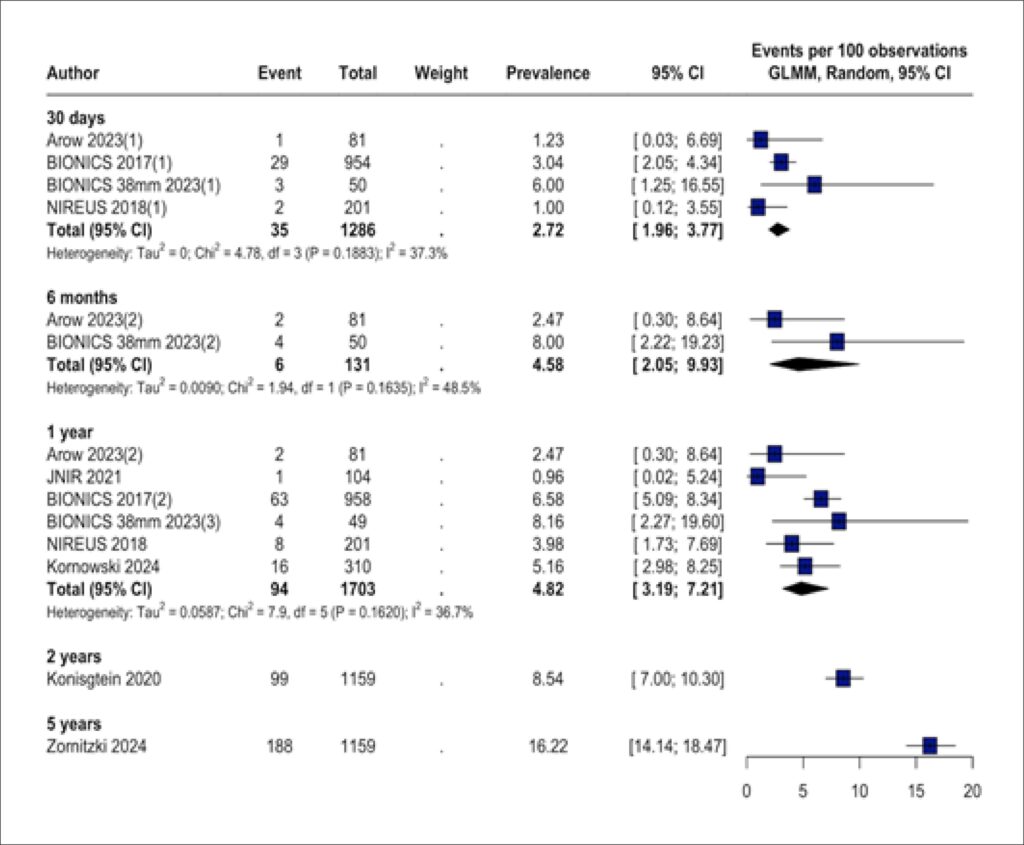
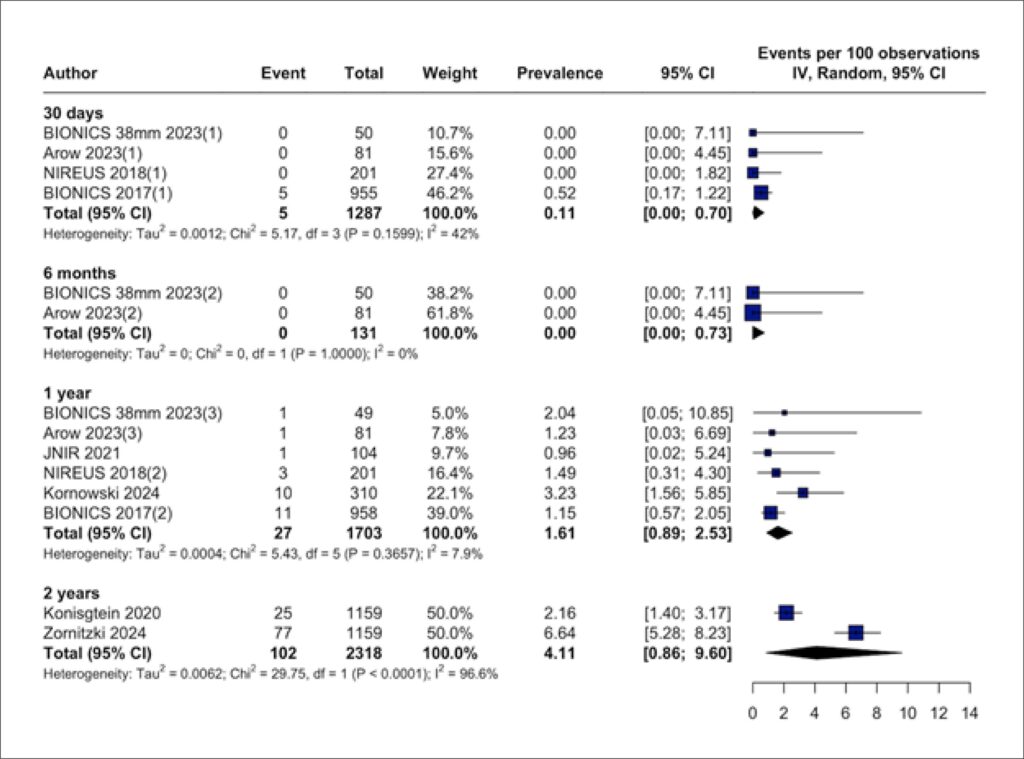
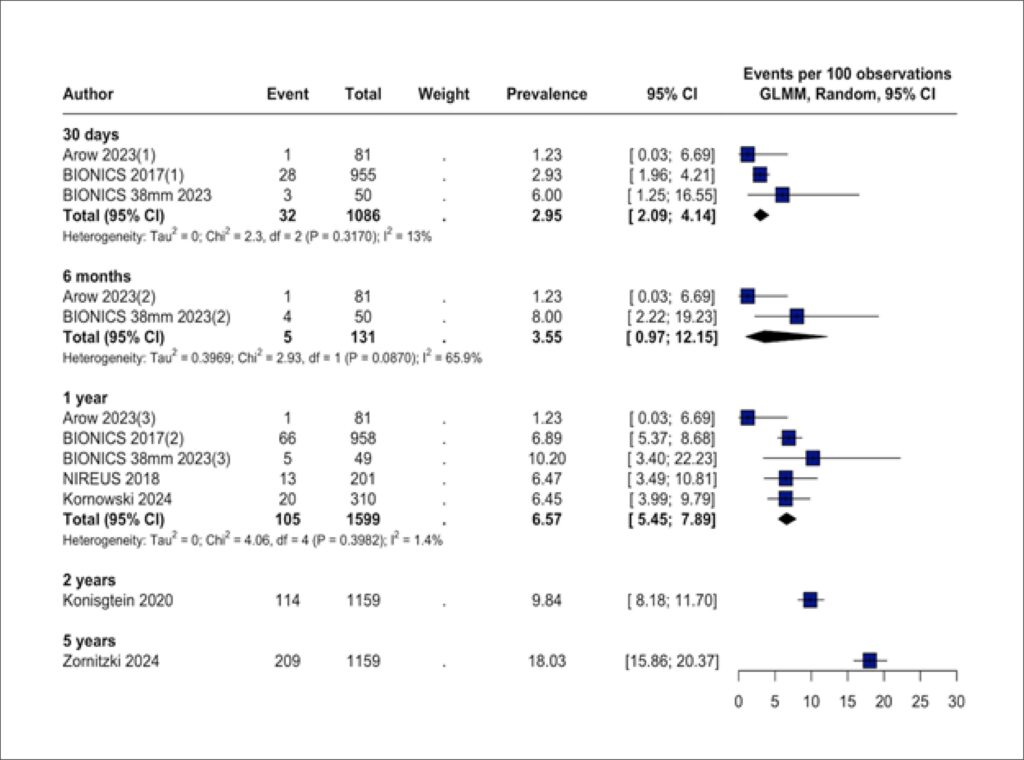
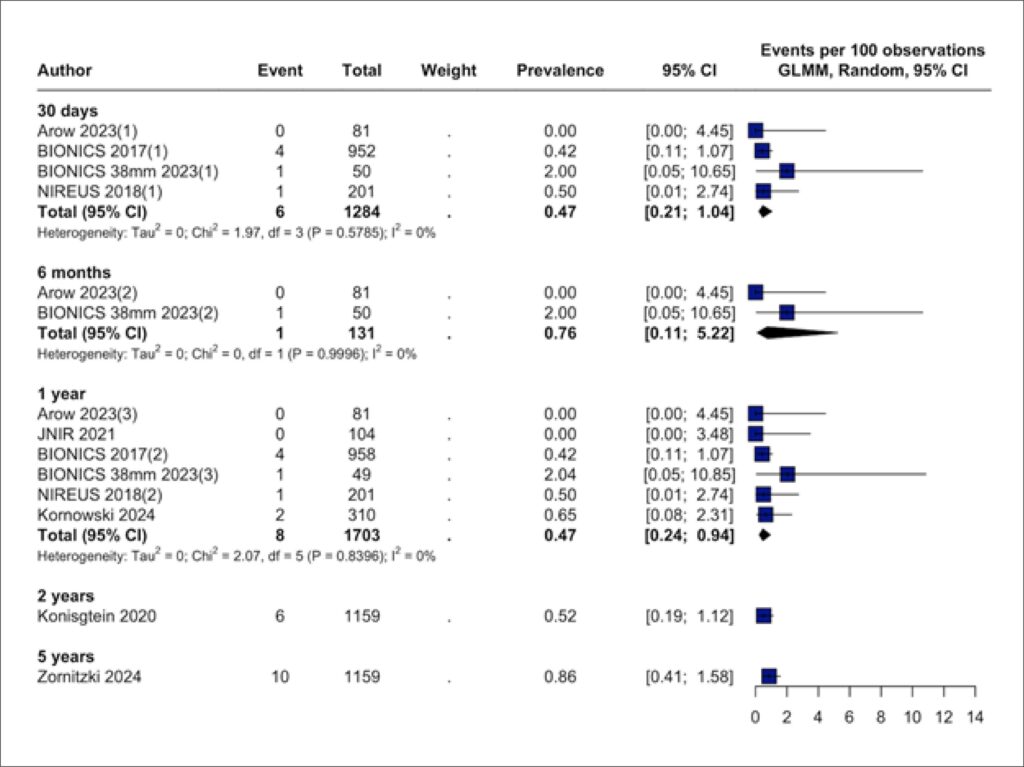
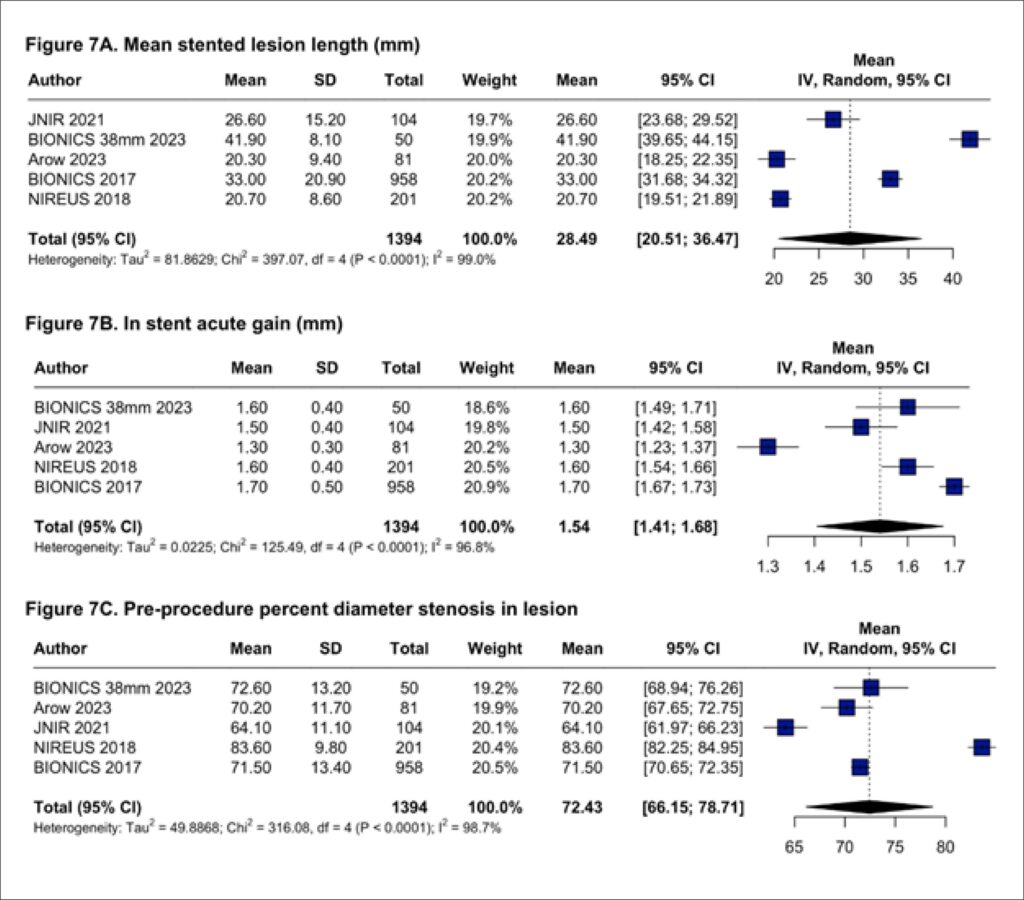
Six studies with eight reports and 1,709 patients were included. The mean age was 63 years; 76% were men; 35% had a previous myocardial infarction (MI); and 41% presented with acute coronary syndrome. Mean lesion length was 27.84 mm, and ACC/AHA lesion class B2/C accounted for 61% of lesions. Target lesion failure (TLF) was 3.89% (95% confidence intervals [CI]: 2.58–5.82) at 1 year and 11.73% (95% CI: 9.94–13.73) at 5 years. Major adverse cardiac events (MACE) occurred in 4.82% (95% CI: 3.19–7.21) at 1 year and 16.22% (95% CI: 14.14–18.47) at 5 years. Cardiovascular mortality remained low, at 0.59% (95% CI: 0.28–1.02) at one year and 3.36% (95% CI: 2.40–4.57) at 5 years. MI occurred in 2.68% (95% CI: 1.50–4.76) at 1 year and 9.84% (95% CI: 8.18–11.70) at five years.
Conclusion:
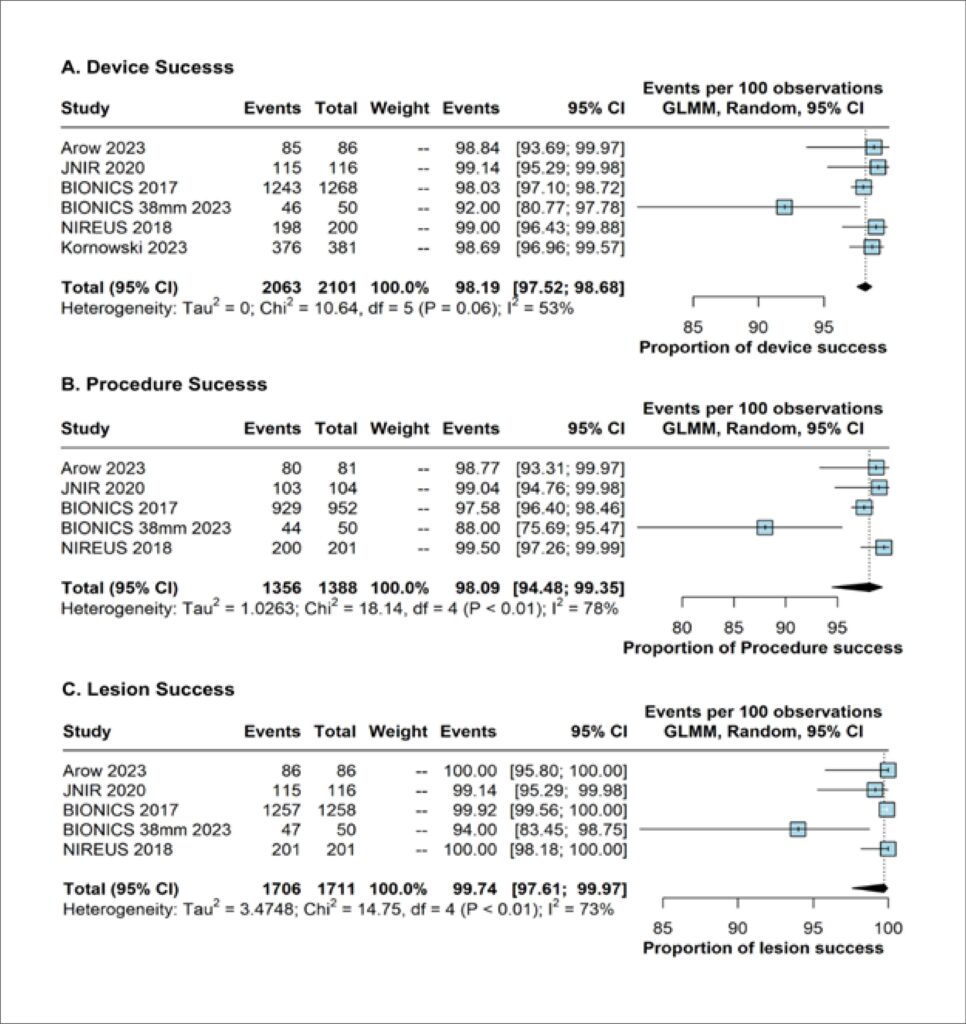
In this single-arm meta-analysis, RES was associated with high procedural success and low observed rates of adverse clinical events across available studies.
Images
Image gallery fullscreen viewer
Comments are moderated by the editorial team before publication. Discussions should be evidence-based and use scientific language. Conflicts of interest should be declared.