Advances in Percutaneous Tricuspid Valve Treatment
Abstract
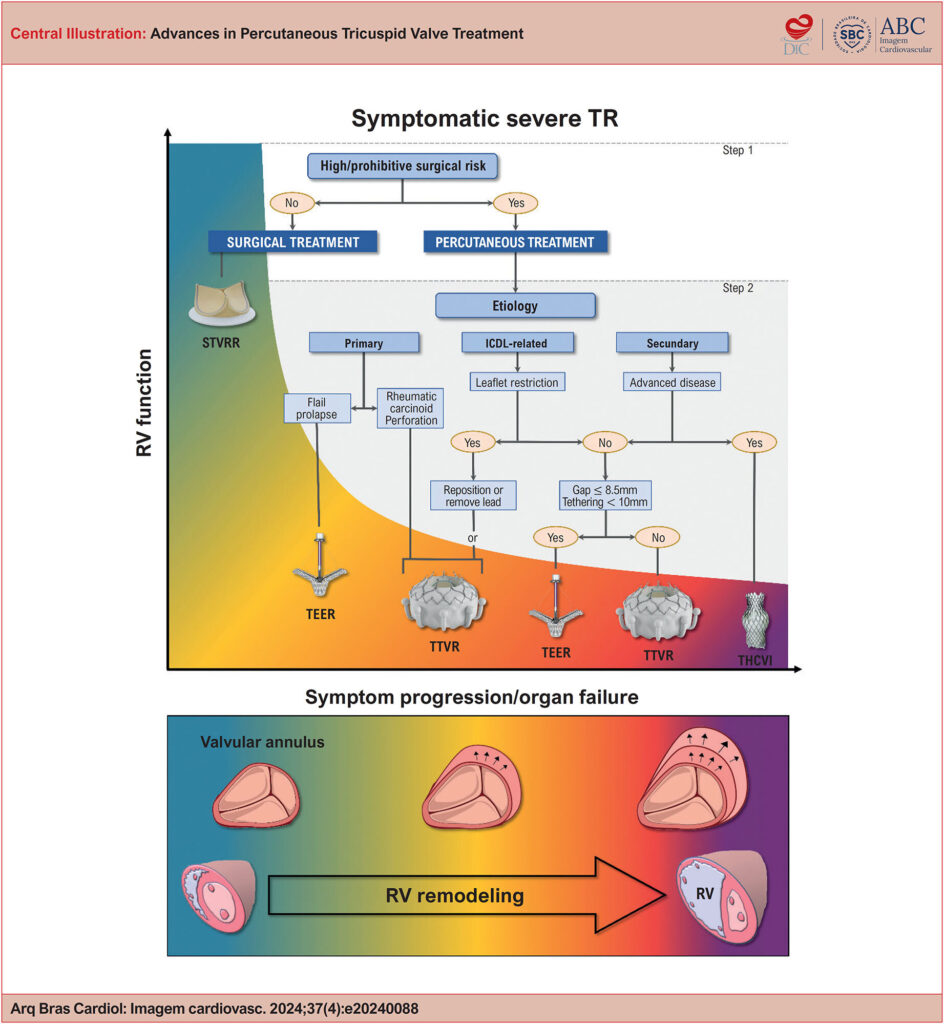
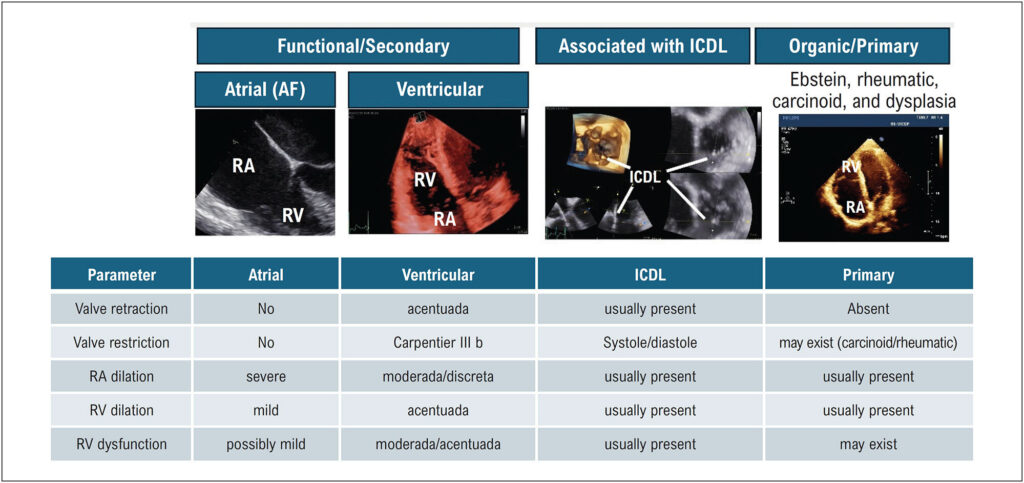
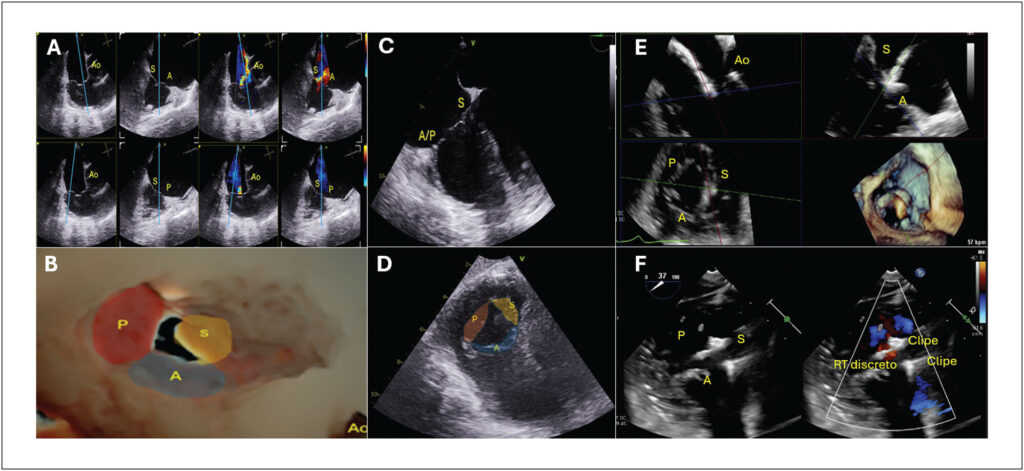
Tricuspid regurgitation (TR) is a frequently underdiagnosed and undertreated condition, often associated with poor clinical outcomes, particularly in elderly and high-risk surgical patients. As the prevalence of TR continues to rise and traditional surgical methods face limitations, percutaneous techniques have emerged as promising alternatives. This article reviews the latest advancements in the percutaneous treatment of TR, highlighting new etiological and quantitative classifications, in addition to exploring the indications and outcomes of key techniques, including percutaneous edge-to-edge repair and transcatheter valve replacement. Moreover, it discusses the anatomical challenges involved and the vital role of echocardiography in periprocedural planning and monitoring. Based on current data, percutaneous interventions have shown effectiveness in alleviating symptoms and enhancing the quality of life for patients with severe TR, making them a viable option for those who are not candidates for conventional surgery.
Images
Image gallery fullscreen viewer
Comments are moderated by the editorial team before publication. Discussions should be evidence-based and use scientific language. Conflicts of interest should be declared.