Diuretic Combinations: Pathophysiology, Evidence, and Clinical Practice
Abstract
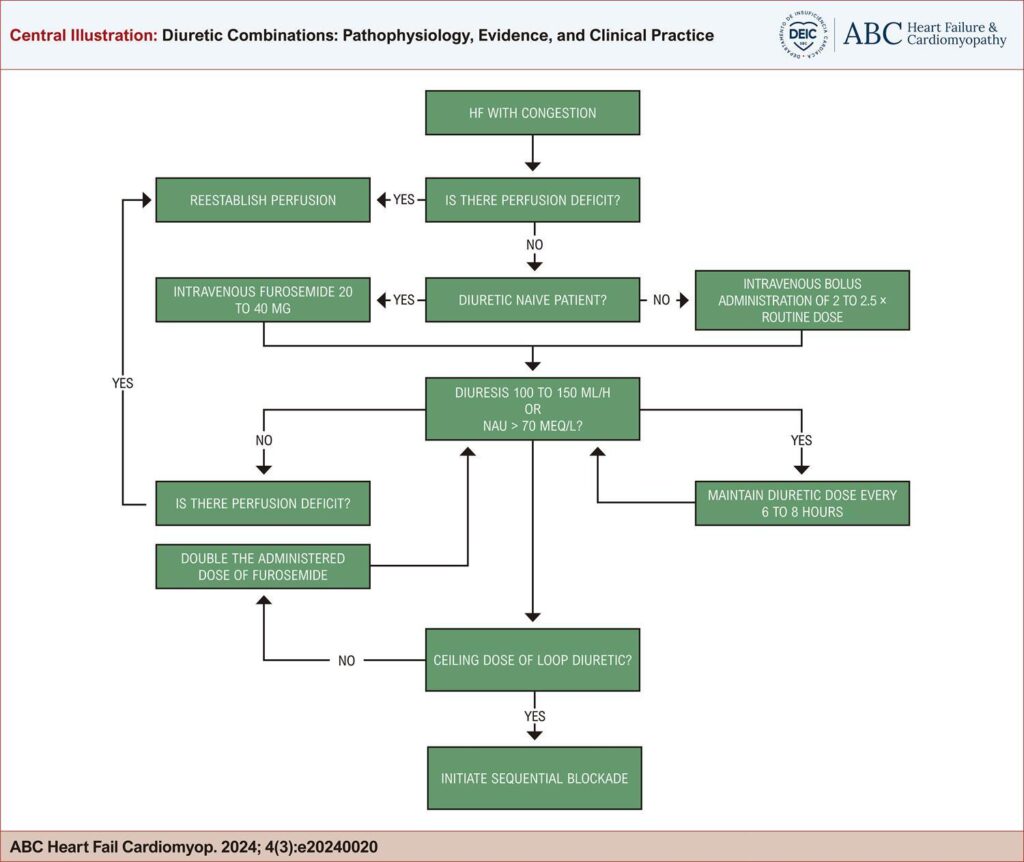
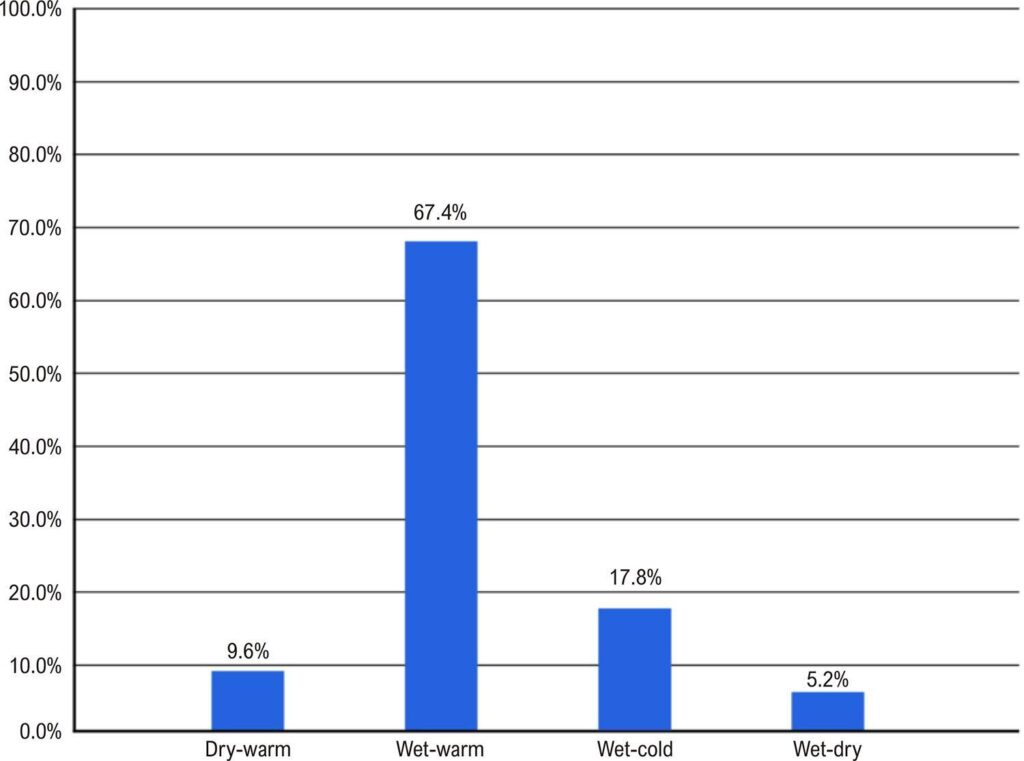
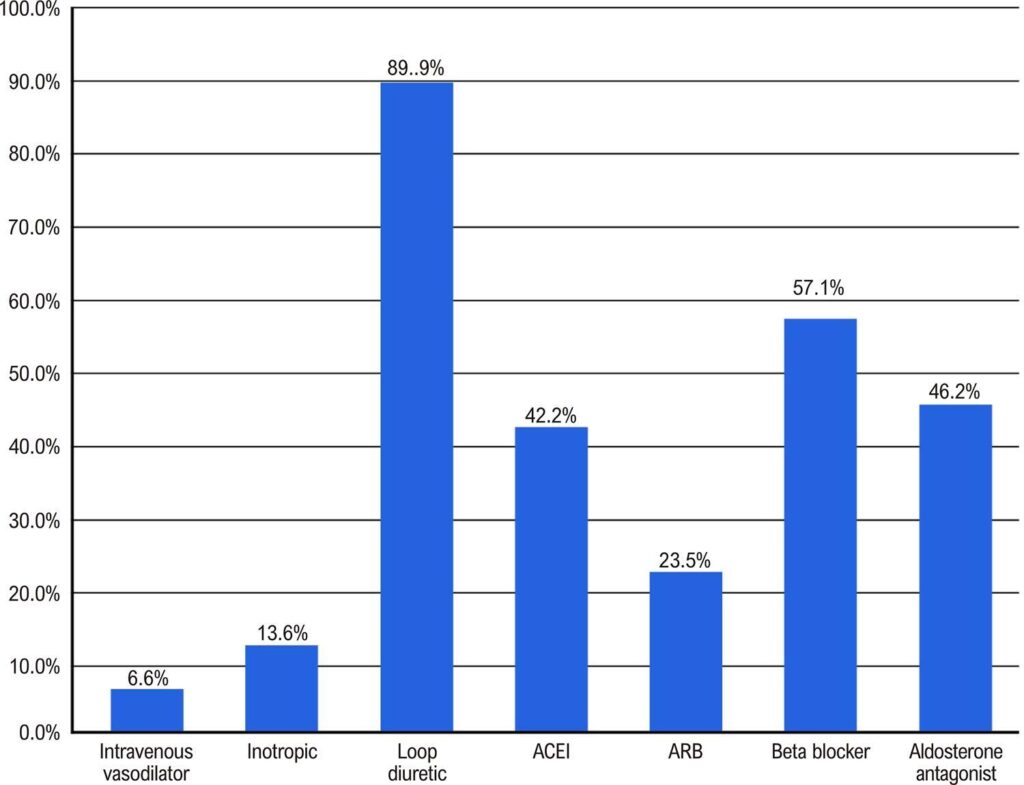
Heart failure is a highly prevalent syndrome worldwide, including in Latin America, where prevalence rates are estimated at 1.2% to 2.1% of the population. This reality is no different in Brazil, where the syndrome is estimated to affect approximately 2% of the adult population, leading to an overwhelming financial impact of approximately 28.1 billion Brazilian reals in 2015 alone, when the total costs to society and the health system were measured. As if the broad economic impact were not enough, heart failure is also one of the leading causes and amplifiers of morbidity and mortality, including important prognostic asymmetries when comparing different socioeconomic realities among the population. In this context, given the unquestionable epidemiological and economic relevance of heart failure, the national BREATHE registry was carried out and published in 2015. It was able to assess that approximately 85.3% of heart failure decompensations in Brazil occurred in profiles with volume congestion, a result that remained similar in the study extension published in 2023. In this type of scenario, the use of diuretics is one of the central pillars of treatment, aiming to correct the volume status and relieve patients’ symptoms.
Images
Image gallery fullscreen viewer
Comments are moderated by the editorial team before publication. Discussions should be evidence-based and use scientific language. Conflicts of interest should be declared.