The Causal Association between Plasma Metabolites-Mediated Immune Cells and Myocardial Infarction: A Mendelian Randomization Study
Abstract
Background
blaMyocardial infarction (MI), as an acute cardiovascular event, has been shown in previous studies to be associated with immune responses and metabolites. However, the causal relationship between immune cells and MI, as well as the mediating role of plasma metabolites, has not been clearly confirmed.
Objectives
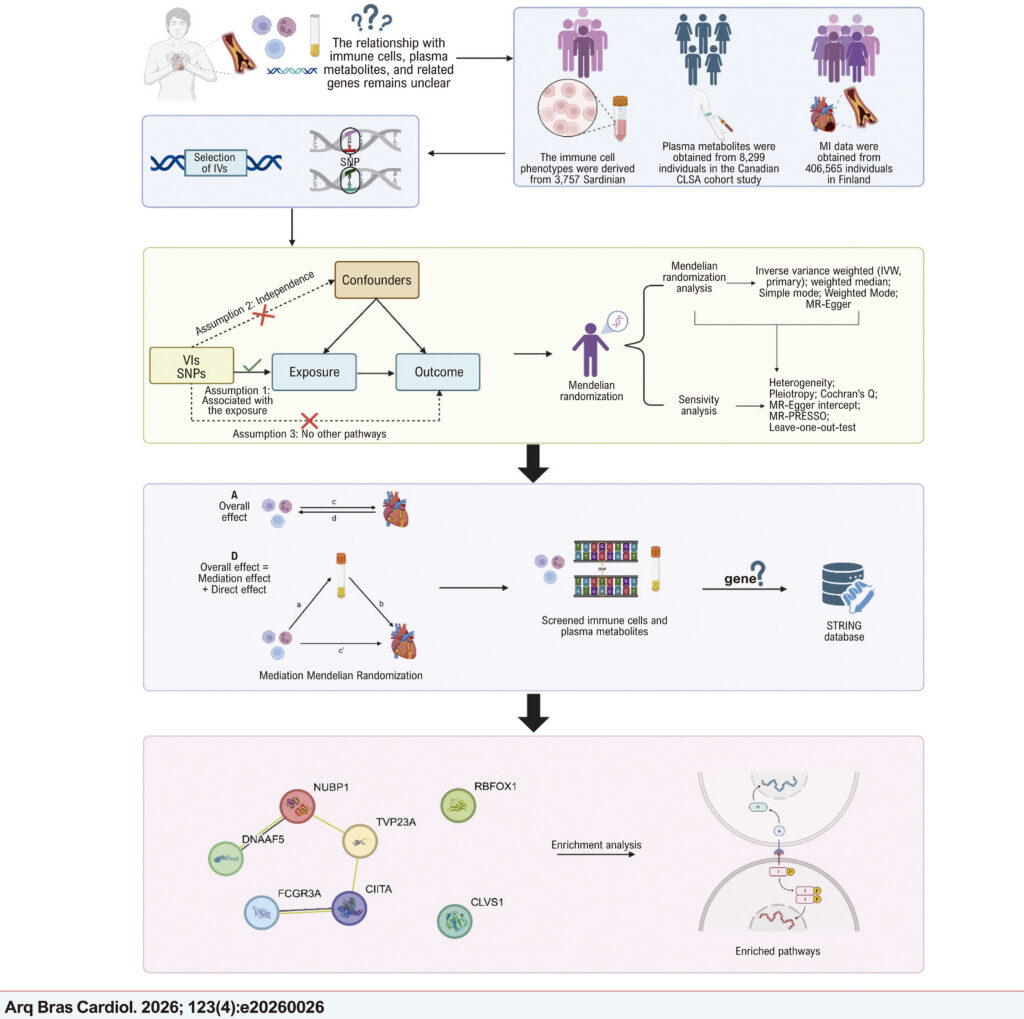
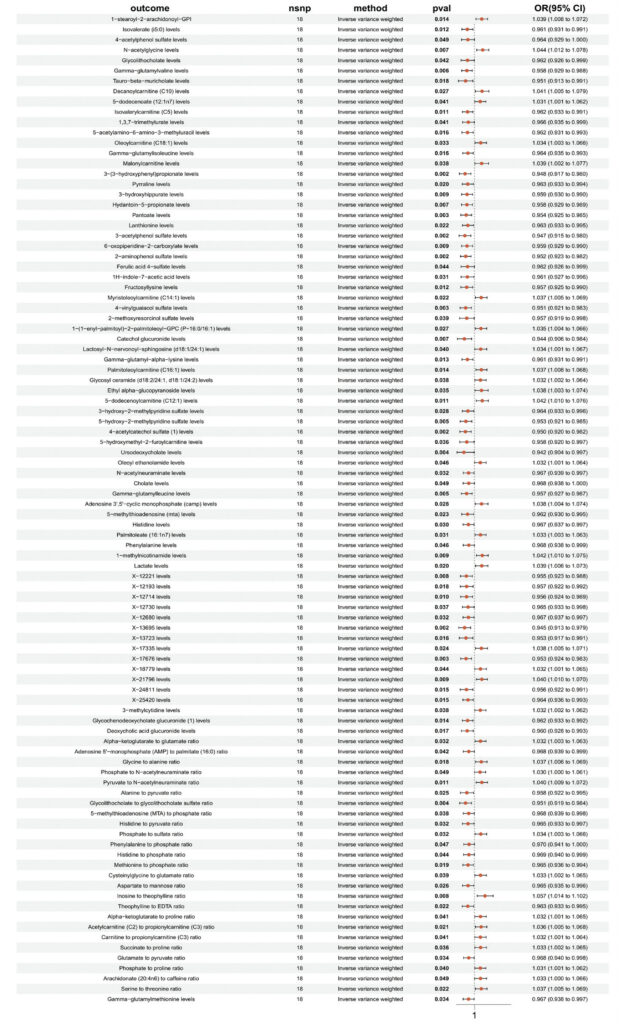
Systematic analysis of the causal association between 731 immune cells and MI, as well as the mediating roles of 1400 plasma metabolites.
Methods
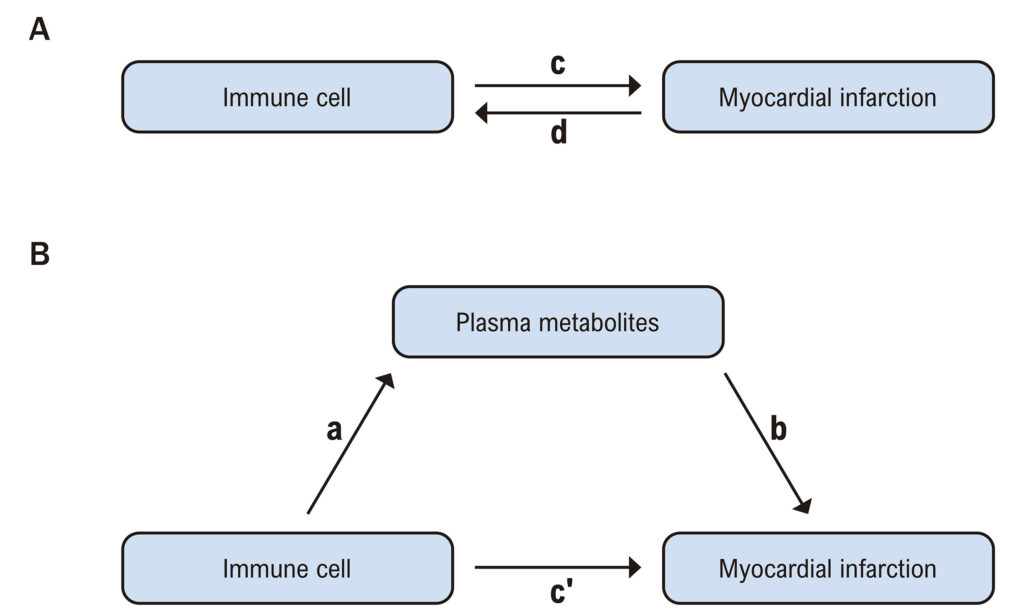
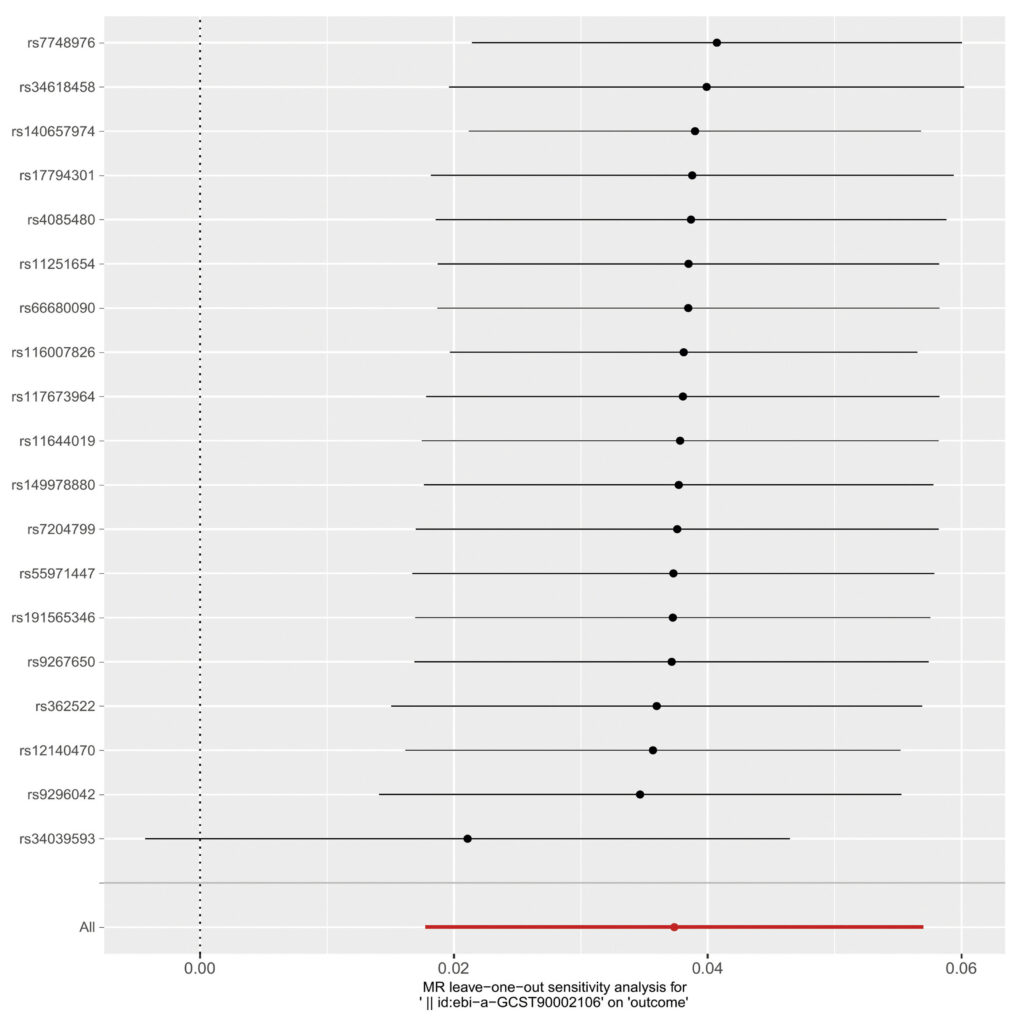
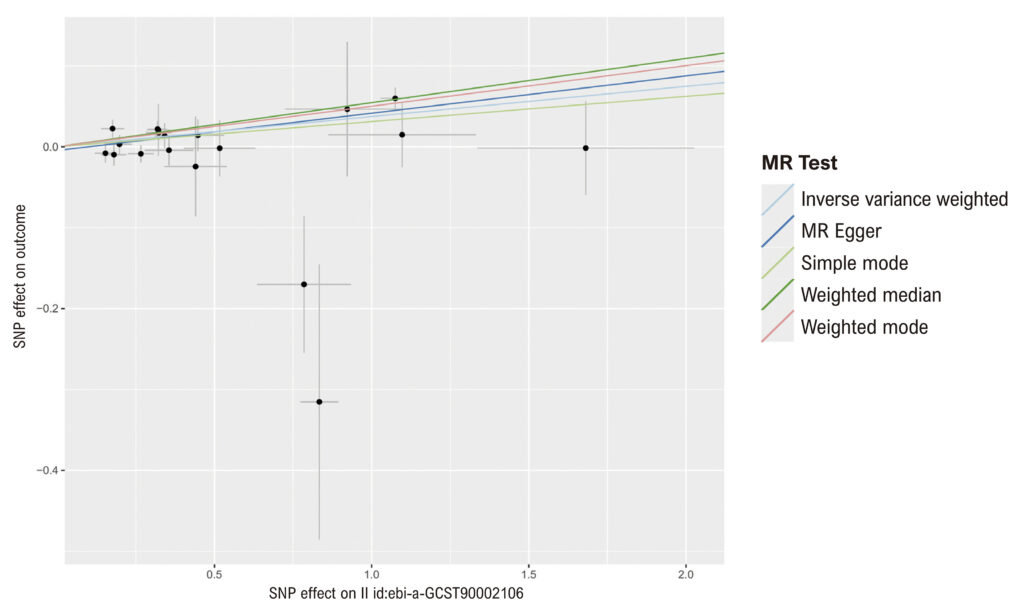
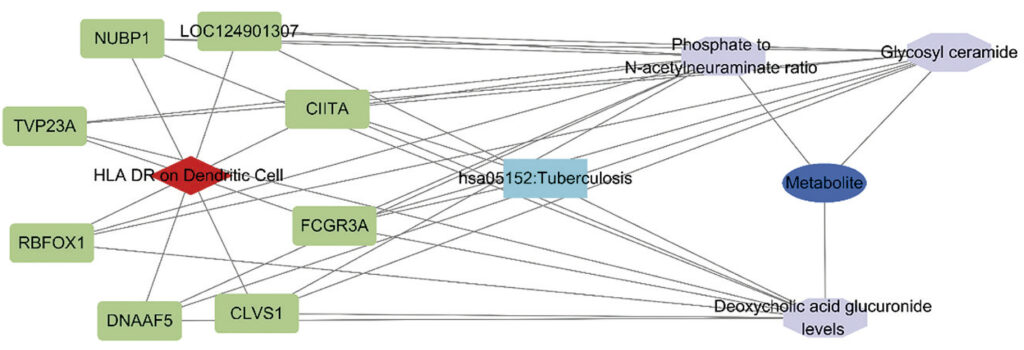
Bidirectional Mendelian randomization (MR) analysis was used to explore the causal relationship between immune cells and MI, and one-step and two-step mediation analyses were performed to identify plasma metabolites. The analysis methods included inverse variance weighted (p<0.05), weighted median (p<0.05), simple mode (p<0.05), weighted mode (p<0.05), MR-Egger regression (p0.05) and MR-PRESSO (p>0.05) to assess the reliability of the results. SNPs associated with immune cells and metabolites were subjected to gene selection using the STRING database, followed by enrichment analysis.
Results
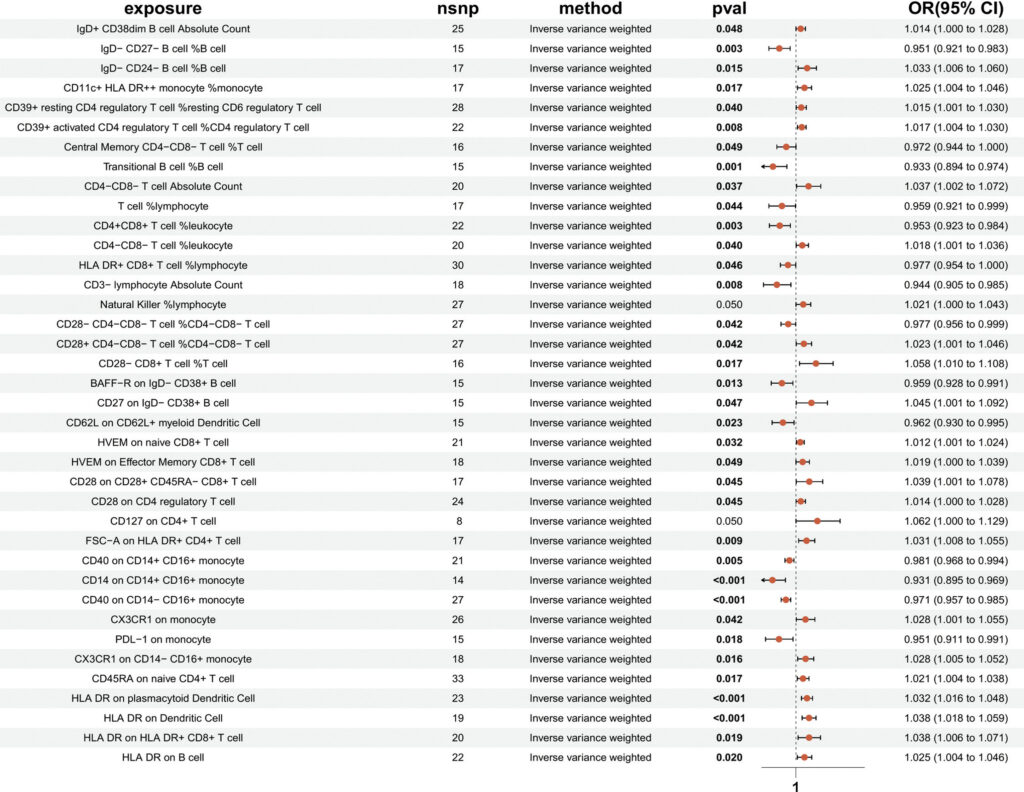
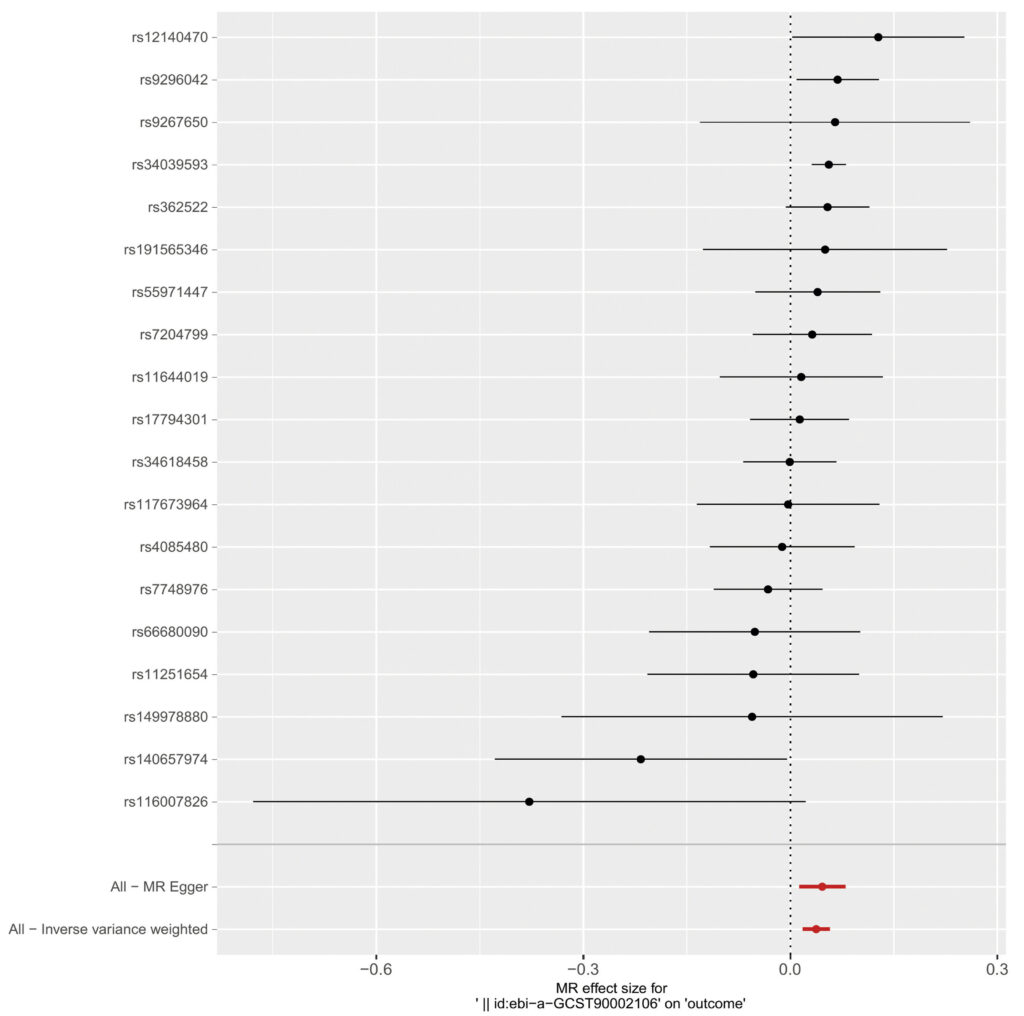
A total of 44 immune cells were identified to have a causal association with MI (p<0.05), among which HLA DR on Dendritic Cell (ebi-a-GCST90002106) showed the strongest significance (p0.05). Plasma metabolites, including Deoxycholic acid glucuronide levels, Phosphate to N-acetylneuraminate ratio, and Glycosyl ceramide, played a mediating role in immune cells and MI, with mediation effects of 7.0%, 4.6%, and 6.6%, respectively. STRING database analysis identified eight key genes and one signaling pathway that potentially link the immune phenotypes and the three metabolites (p< 0.05).
Conclusions
This study identified a causal relationship between immune cells and MI. The metabolites Deoxycholic acid glucuronide levels, Phosphate to N-acetylneuraminate ratio, and Glycosyl ceramide played a partial mediating role in this causal relationship.
Images
Image gallery fullscreen viewer
Comments are moderated by the editorial team before publication. Discussions should be evidence-based and use scientific language. Conflicts of interest should be declared.