Physical Exercise for Active Skin Ulceration Secondary to Peripheral Arterial Occlusive Disease
Introduction
Peripheral arterial occlusive disease (PAOD) is a chronic, initially subclinical, and characteristically inflammatory disease that mainly affects the carotid arteries and lower limbs.,
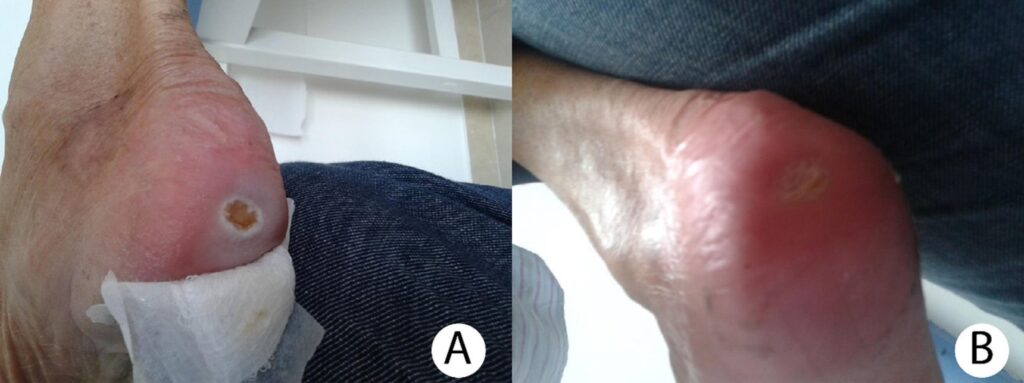
When in the lower limbs, it causes intermittent claudication, associated with a shortened leg gait, cyanotic extremities and decreased muscular force associated with sarcopenia below the obstruction site. At more advanced stages, it can cause ulcerations that are difficult to heal, due to the decrease in blood flow. The final stage of pathophysiology is completed with a trophic lesion and consequent amputation of the affected limb, leading to a decrease in the quality of life and to functional limitations in activities of daily living. This results in increased costs generated by the treatment and impaired productive capacity of these patients.,
[…]
Images
Image gallery fullscreen viewer
Comments are moderated by the editorial team before publication. Discussions should be evidence-based and use scientific language. Conflicts of interest should be declared.