My Approach to Estimate Pulmonary Pressures: Practical Aspects
Abstract
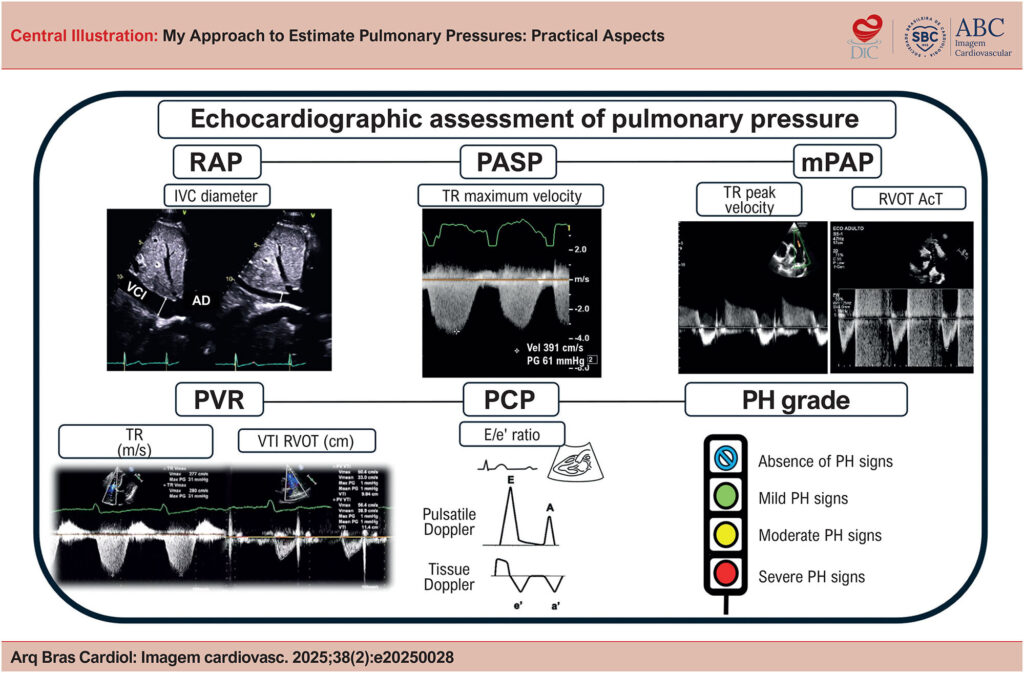
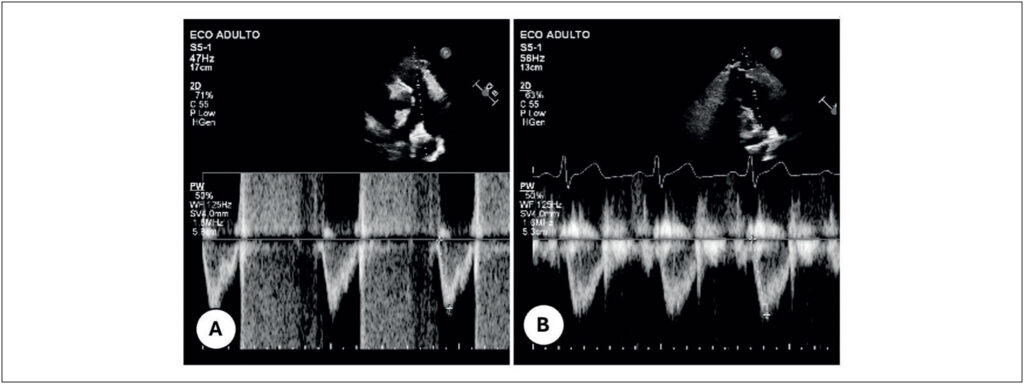
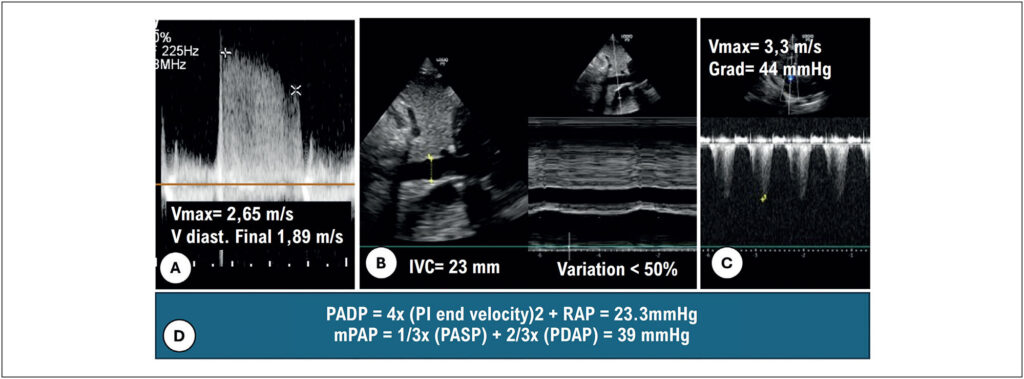
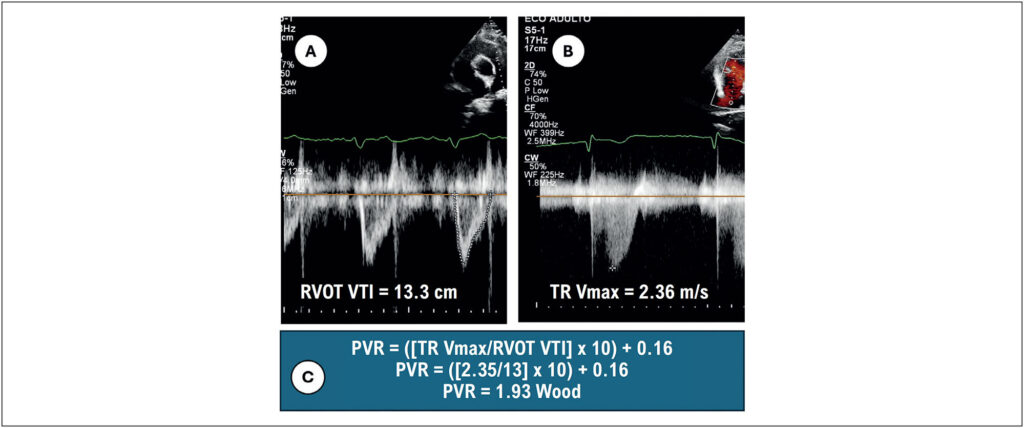
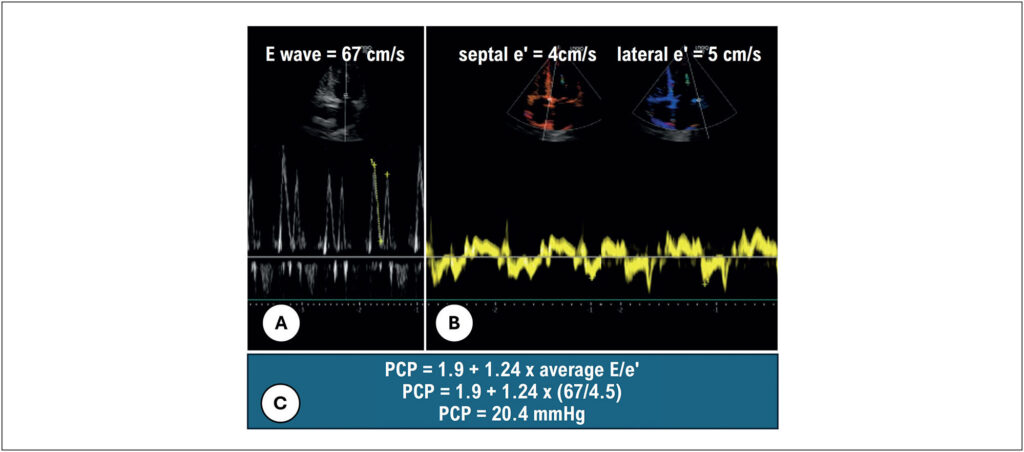
Pulmonary hypertension (PH) is a global disease and is increasingly present in echocardiography laboratories, given the progressive rise in its prevalence with population aging. Previously diagnosed only through invasive methods, echocardiographic assessment of pulmonary pressures has become fundamental in screening and monitoring patients with PH. This topic was revisited by the American Society of Echocardiography in a new guideline published in March 2025, reinforcing the importance of echocardiography in clinical stratification, considering recent updates in the definition of PH. Among the main assessment parameters, systolic pulmonary artery pressure, mean pulmonary artery pressure (mPAP), pulmonary vascular resistance (PVR), and pulmonary capillary pressure (PCP) are described, along with a series of precautions for the correct estimation and interpretation of these values. The classification of PH levels has also been revised in a new framework. As an accessible and reproducible method, the assessment of pulmonary pressures through echocardiography stands out as an essential tool in the evaluation and follow-up of PH.
Images
Image gallery fullscreen viewer
Comments are moderated by the editorial team before publication. Discussions should be evidence-based and use scientific language. Conflicts of interest should be declared.