Development of 3D-Printed Congenital Heart Disease Models Using Feasible Low-Cost Workflow – A Potential Tool to Improve Pediatric Cardiology Education
Abstract
Background
Congenital heart diseases (CHD) require an in-depth anatomopathological understanding. 3D printing is a promising educational tool for creating physical prototypes from imaging data, but costs are a major issue.
Objective
This study aimed to describe a feasible low-cost workflow for the development of 3D-printed (3DP) CHD models and create a shareable educational set.
Methods
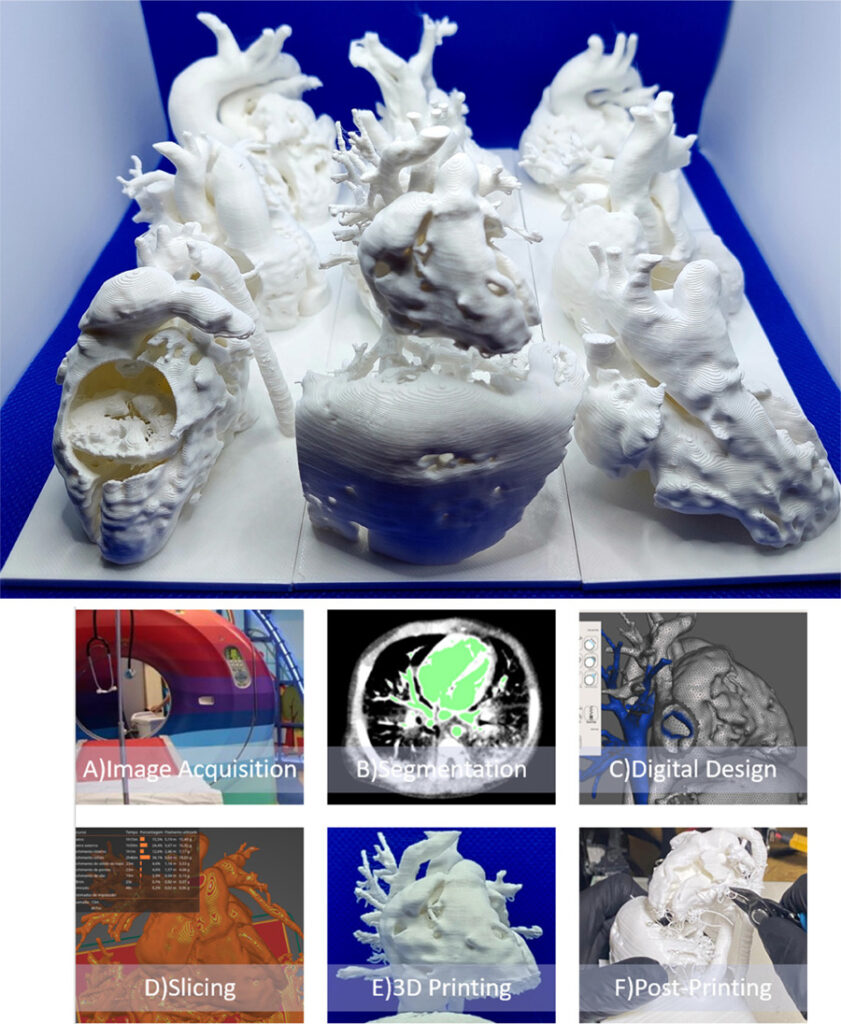
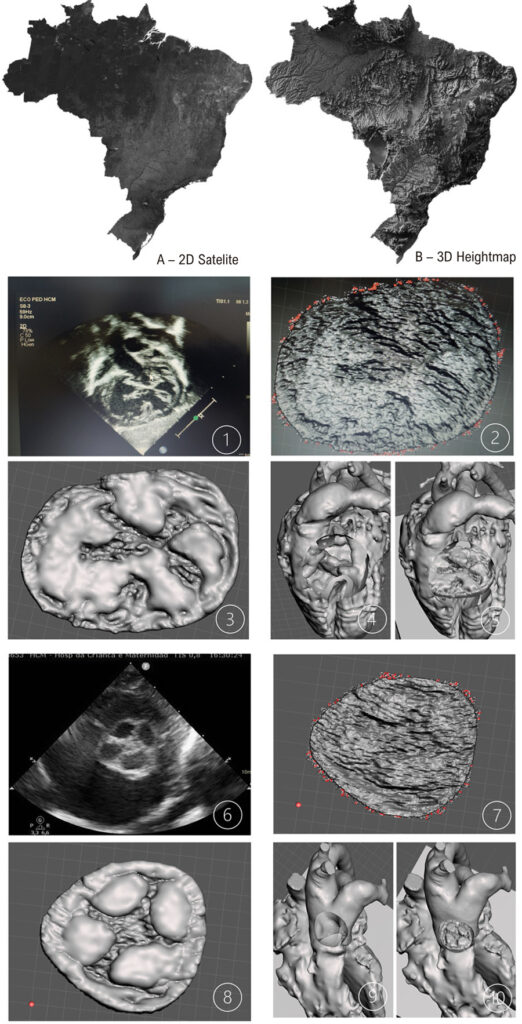
Data from cardiac tomography images were used, following the steps of image acquisition, segmentation, digital design, slicing, 3D printing, and post-printing. Valvar structures were created from echocardiographic data using the cartographic heightmap technique and inserted into prototypes. 3DP models were evaluated by an expert team, enhanced, and applied to medical residents during an educational session. Free software, a desktop 3D printer, and low-cost materials were used.
Results
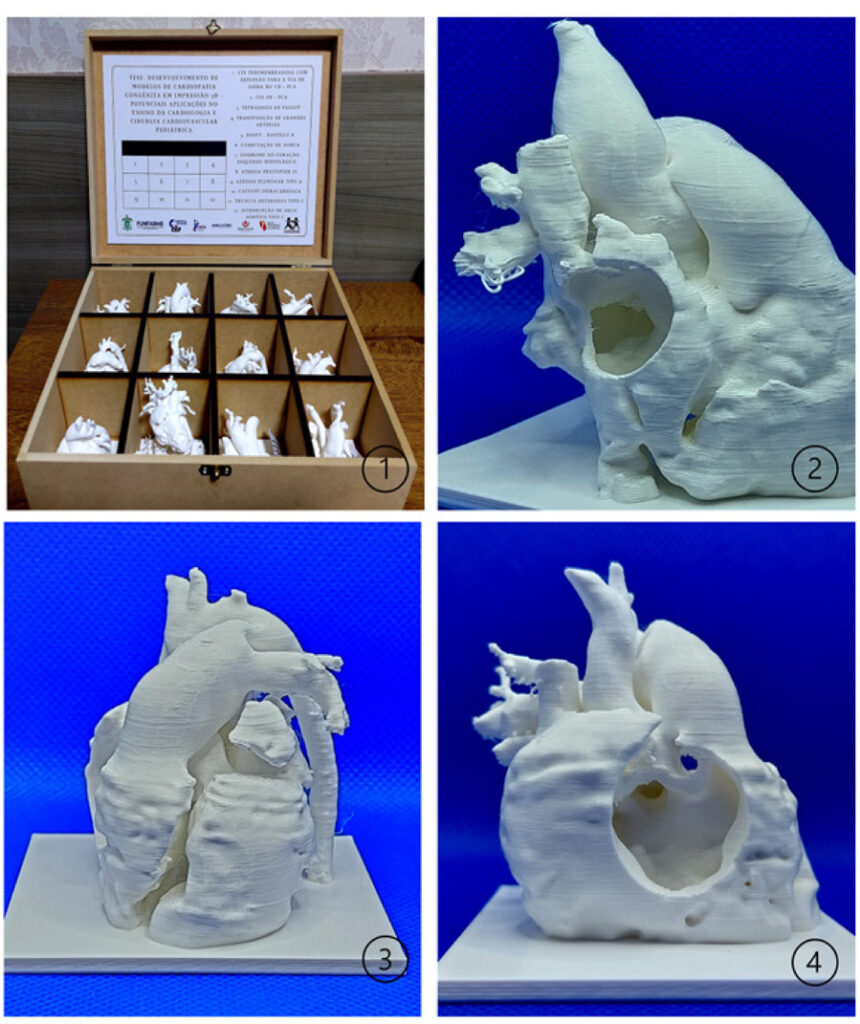
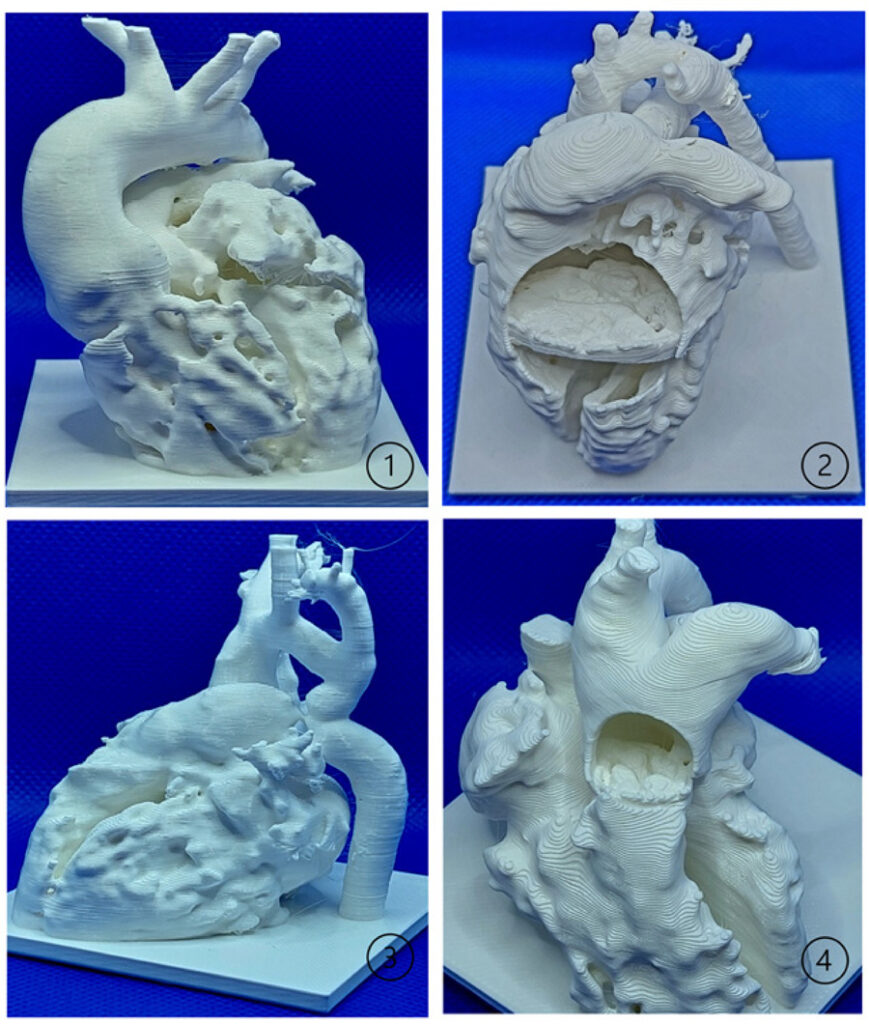
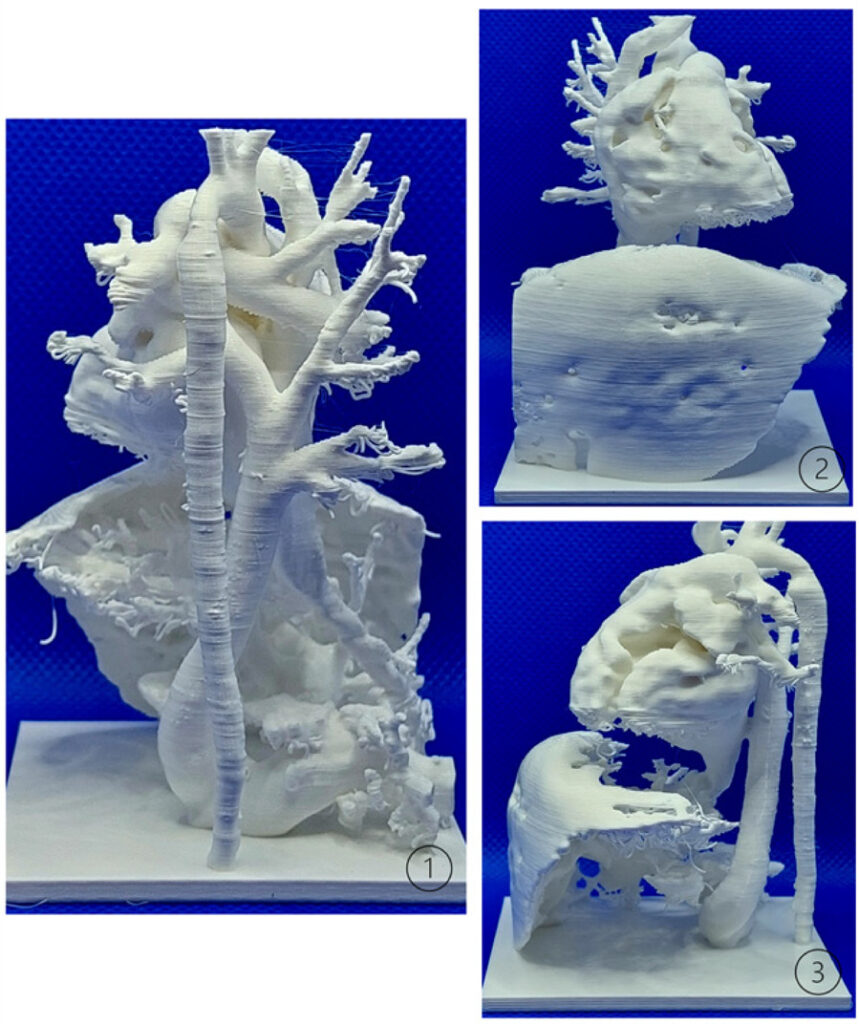
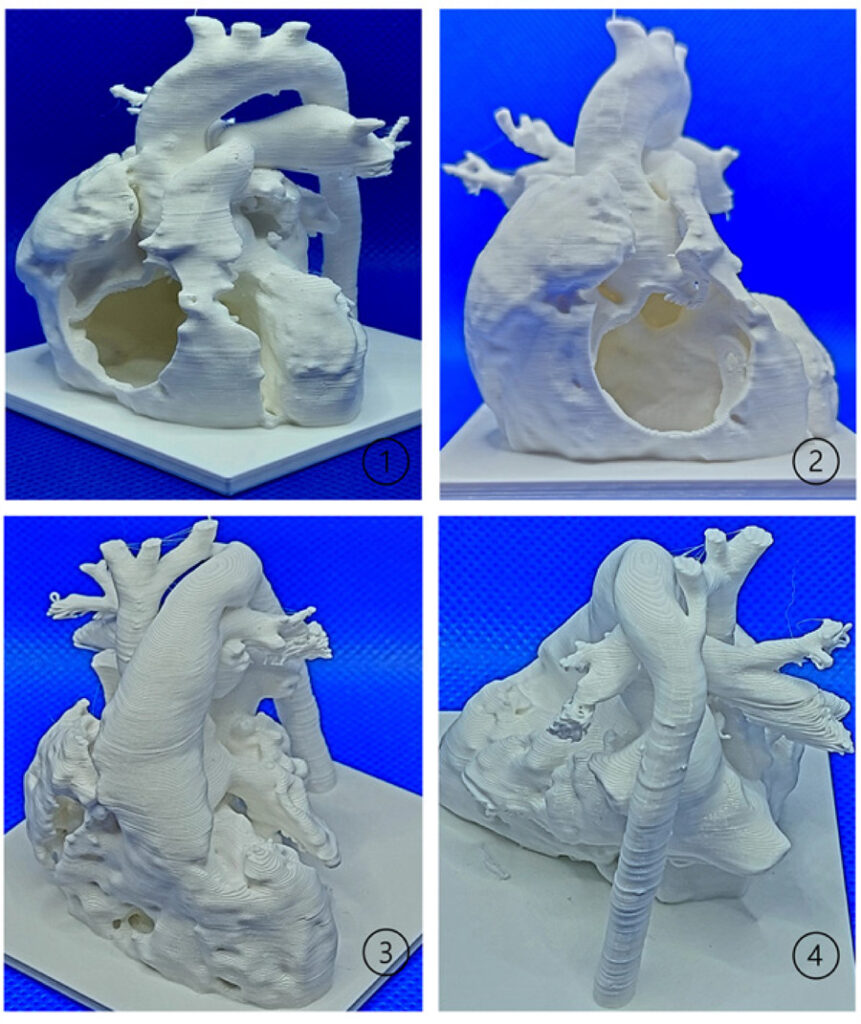
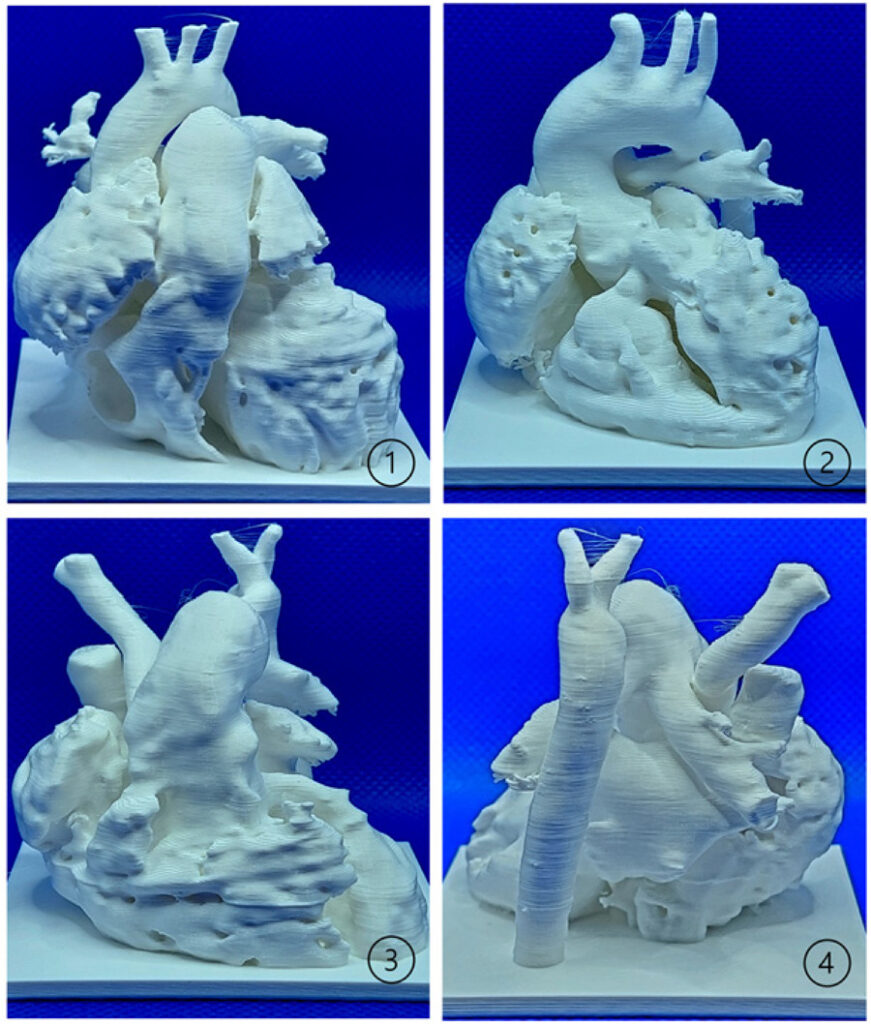
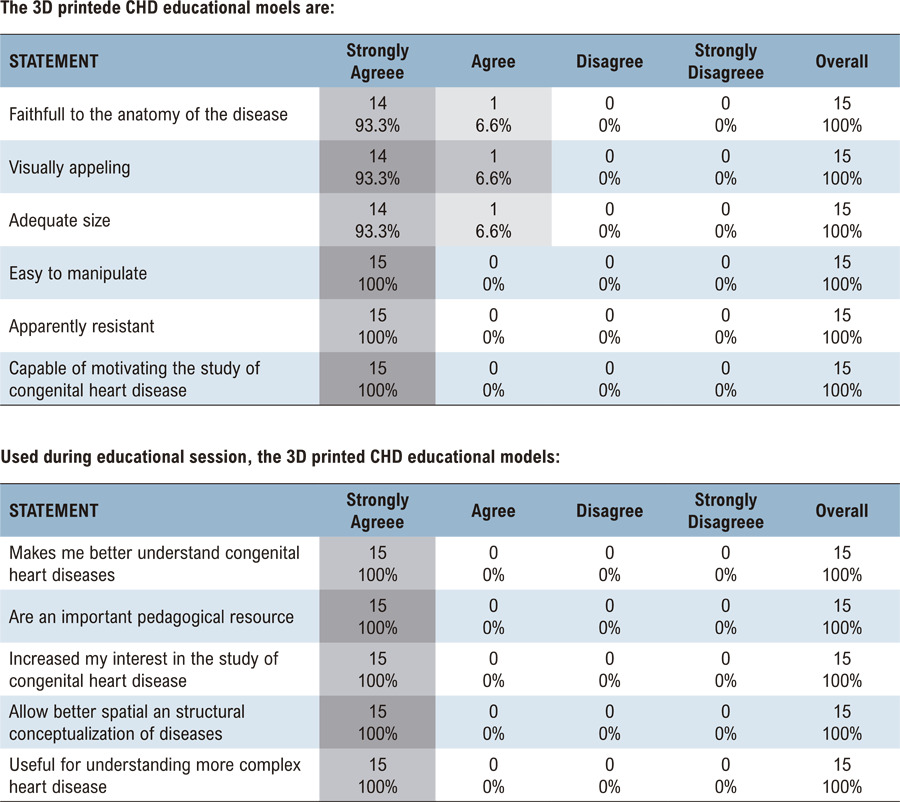
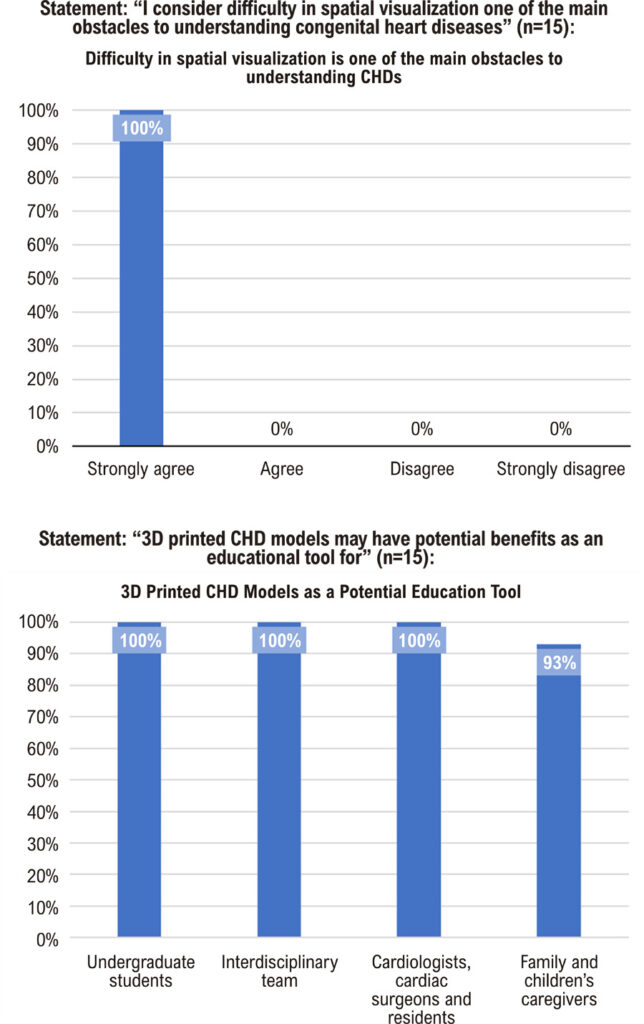
Twelve 3DP models were developed, including ventricular septal defect with patent ductus arteriosus, atrial septal defect, Tetralogy of Fallot, transposition of the great arteries, atrioventricular septal defect, coarctation of the Aorta, hypoplastic left heart syndrome, tricuspid atresia, pulmonary atresia, total anomalous pulmonary venous connection, Truncus arteriosus, and interrupted aortic arch. All residents (100%) agreed that prototypes were “faithful to the anatomy”, “visually appealing”, “motivated the study”, and “allowed better spatial conceptualization”. They related 3DP CHD models “are an important pedagogical resource” and can potentially benefit the education of “undergraduate students” (100%), “interdisciplinary team” (100%), “cardiologists, surgeons and residents” (100%), and “families” (93%).
Conclusion
Development of 3DP CHD models using a low-cost workflow is feasible. Models developed are freely available for download and printing, intending to promote education to all interested in CHD.
Images
Image gallery fullscreen viewer
Comments are moderated by the editorial team before publication. Discussions should be evidence-based and use scientific language. Conflicts of interest should be declared.