Brazil’s First High-Risk Percutaneous Coronary Intervention with Hemodynamic Support from a Percutaneous Pulsatile Device: A Case Report
Abstract
Percutaneous coronary intervention (PCI) is the most widely used coronary revascularization method worldwide, even in cases of high anatomical complexity. However, this increasing complexity has increased the risks associated with the procedure. Mechanical circulatory assist devices (MCADs), such as the iVAC 2L, have been used for hemodynamic support in high-risk PCIs.
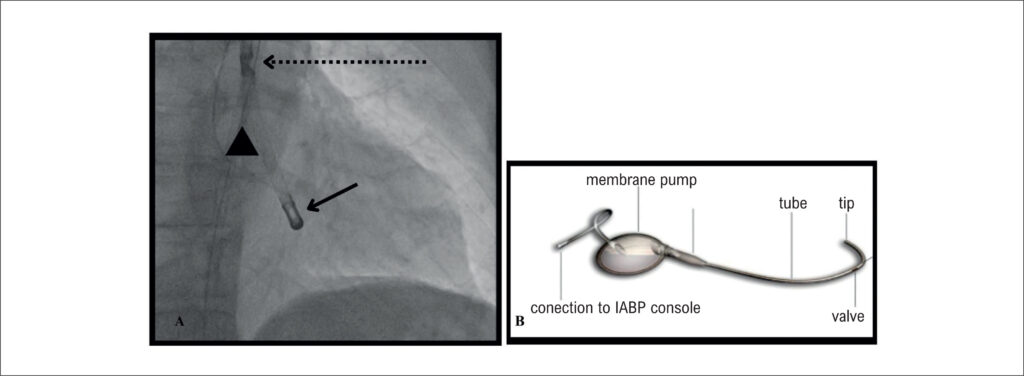
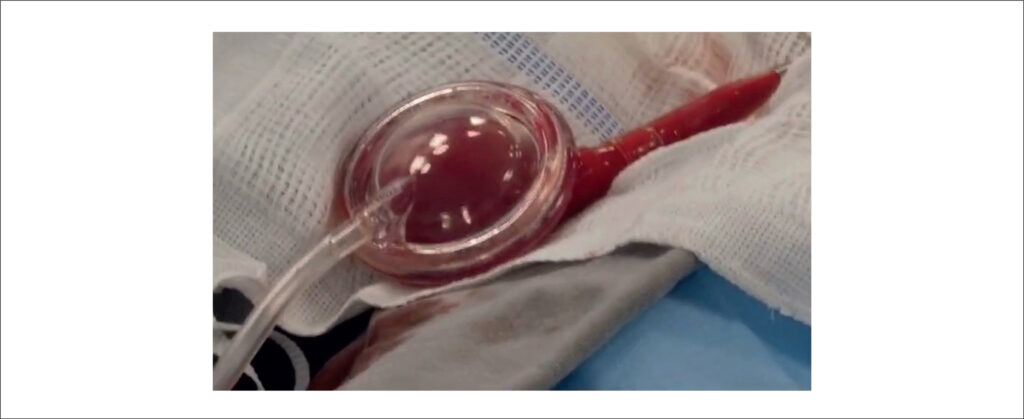
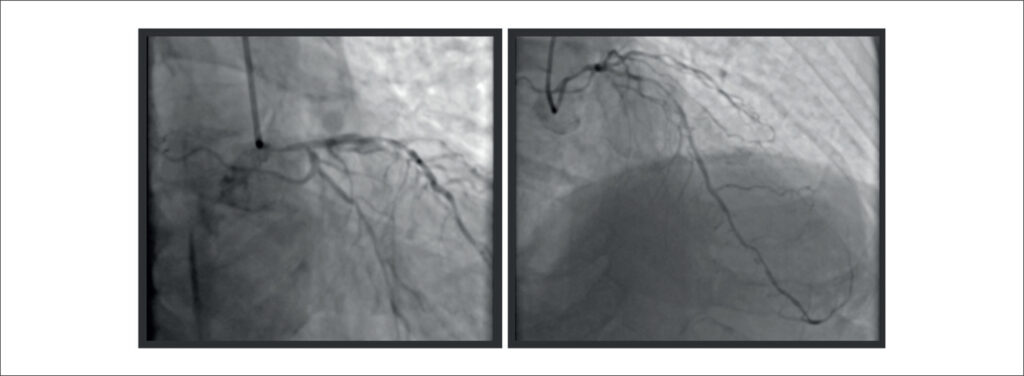
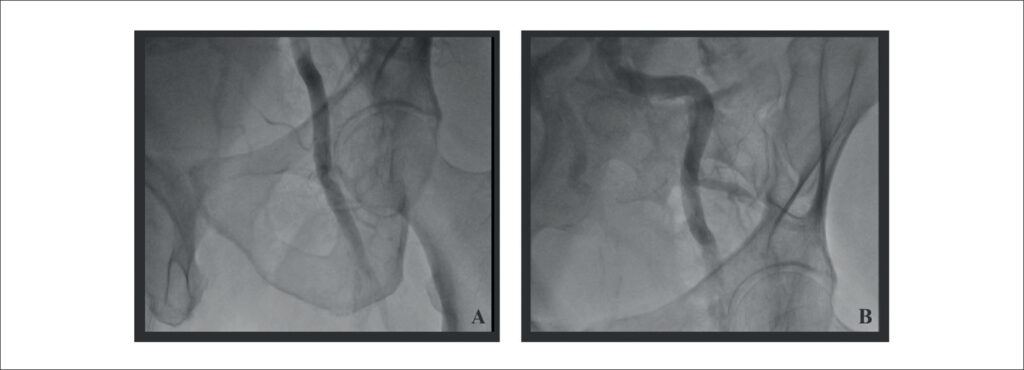
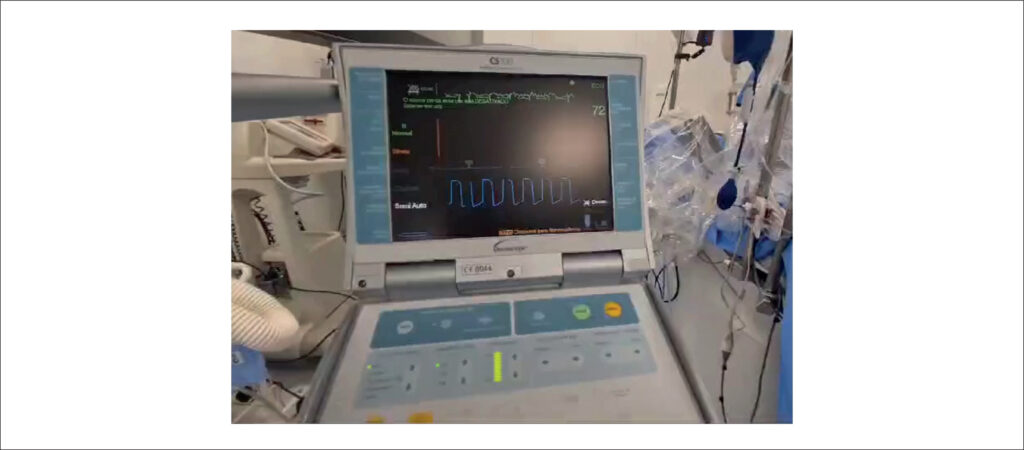
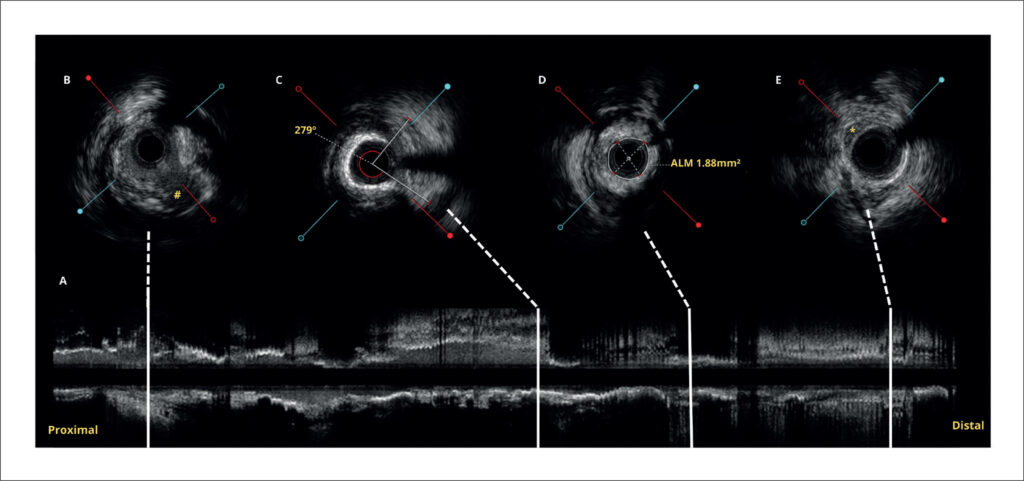
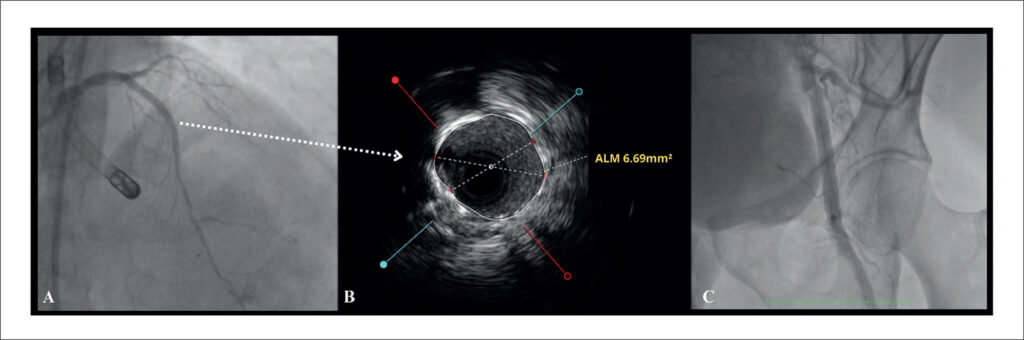
We describe the first case in Brazil of PCI performed with the support of the iVAC 2L, a pulsatile MCAD. The patient, an 81-year-old man, had functional class III angina and severe lesions in the left main coronary artery (LMCA), left anterior descending artery (LAD), and circumflex artery (CX), associated with extensive calcification. The procedure was performed with the support of the iVAC 2L, and PCI was performed with stenting of the LMCA, LAD, and CX. The entire procedure was performed without the need for vasoactive drugs, and the device was removed without vascular complications.
High-risk PCI has become increasingly common, often requiring ventricular mechanical support. The iVAC 2L offers advantages such as pulsatile flow and ease of implantation, making it an alternative to the intra-aortic balloon pump and Impella. This report highlights the potential use of the iVAC 2L in Brazil, expanding therapeutic options for high-risk patients.
Images
Image gallery fullscreen viewer
Comments are moderated by the editorial team before publication. Discussions should be evidence-based and use scientific language. Conflicts of interest should be declared.