Association between the Neutrophil-to-HDL-Cholesterol Ratio and Myocardial Infarction: A Cross-Sectional Study
Abstract
Background
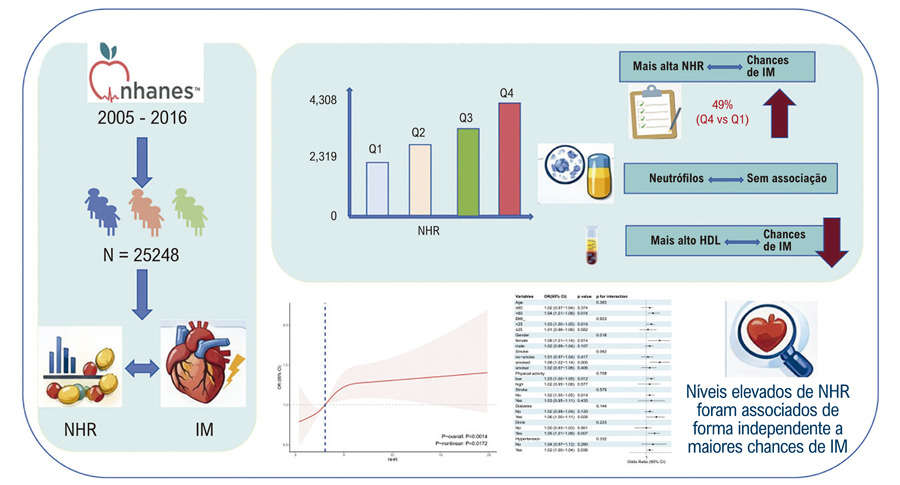
Myocardial infarction (MI) remains a major global health burden. Inflammation and lipid metabolism’s roles in MI pathogenesis have drawn more attention. The neutrophil-to-high-density lipoprotein cholesterol ratio (NHR) is a new composite biomarker integrating inflammation and lipid metabolism markers, but its association with MI is unclear.
Objectives
We investigated the association between NHR and MI.
Methods
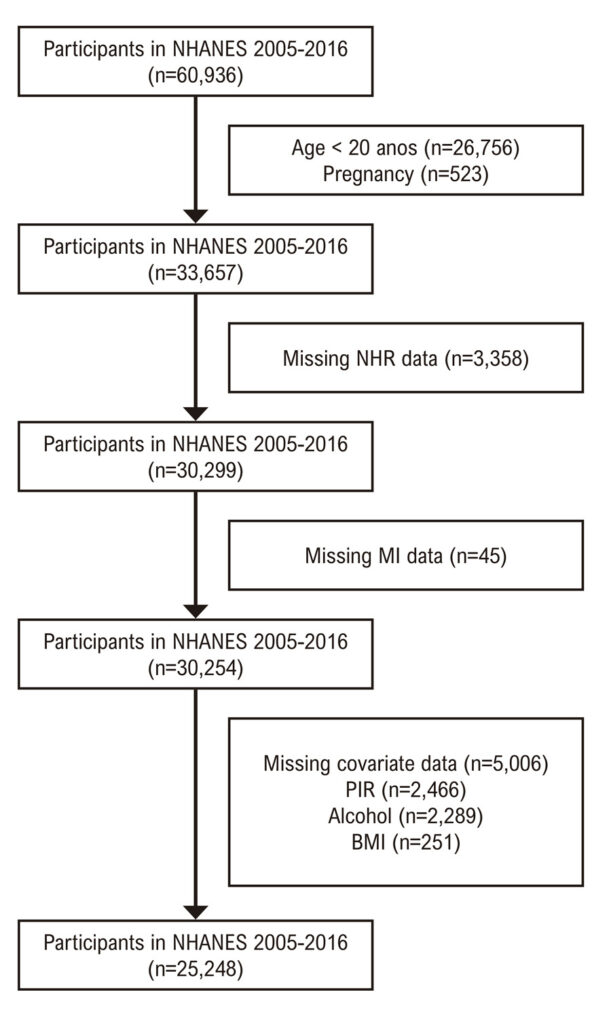
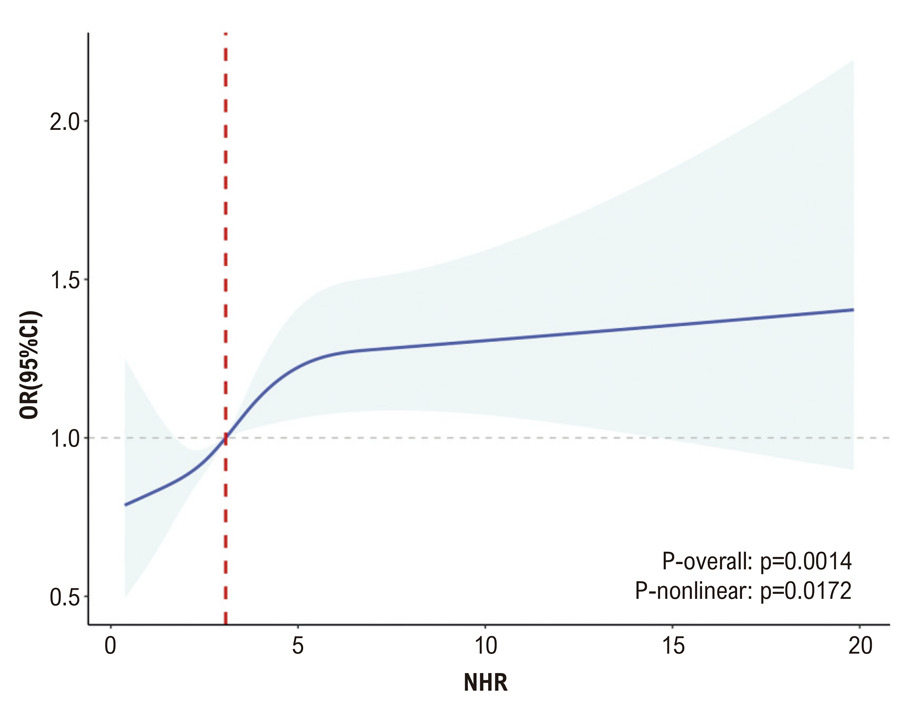
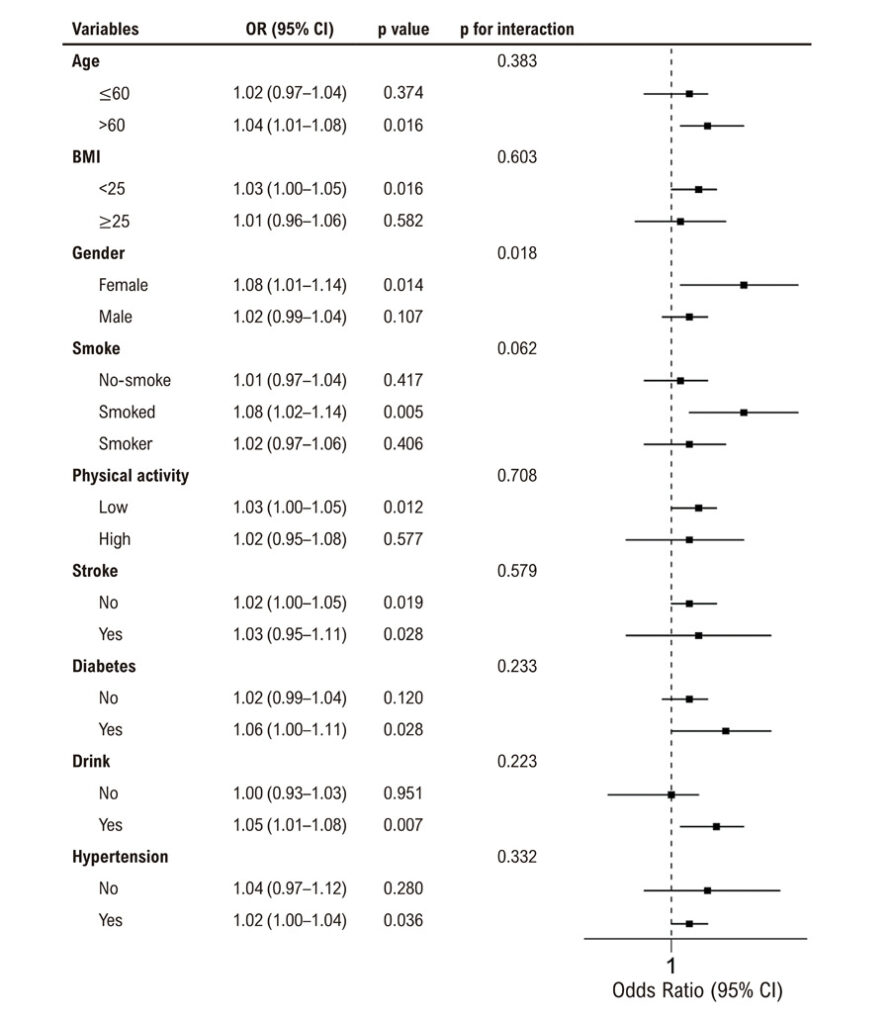
We analyzed data from 25,248 eligible participants from NHANES between 2005 and 2016. A history of MI was determined using questionnaire data, and NHR values were derived from laboratory measurements. Logistic regression models were used to assess the associations of NHR, neutrophil count, and high-density lipoprotein cholesterol (HDL-C) with the odds of MI. Restricted cubic spline (RCS) analysis was used to evaluate potential nonlinear associations. Subgroup analyses and interaction tests were performed to explore potential heterogeneity across demographic and clinical subgroups. Sensitivity analyses were performed to evaluate the robustness of the primary findings. A two-sided P value of <0.05 was considered statistically significant.
Results
Higher NHR was independently associated with higher odds of MI. In the fully adjusted model, participants in the highest NHR quartile had 49% higher odds of MI than those in the lowest quartile. Neutrophil count alone was not significantly associated with MI, whereas HDL-C levels were inversely associated with MI. RCS suggested a modest nonlinear association between NHR and MI. Although a data-driven inflection point was identified at 6.93, this result should be interpreted as exploratory and descriptive rather than a clinically meaningful threshold. Subgroup analyses suggested a stronger association in women, and the interaction by sex was statistically significant. Sensitivity analyses confirmed the robustness of these findings.
Conclusion
In this large, representative sample, elevated NHR was independently associated with higher odds of MI, suggesting that NHR may serve as a potentially informative epidemiological marker for MI. Prospective studies are needed to determine causality and elucidate the underlying mechanisms.
Images
Image gallery fullscreen viewer
Comments are moderated by the editorial team before publication. Discussions should be evidence-based and use scientific language. Conflicts of interest should be declared.