Introduction
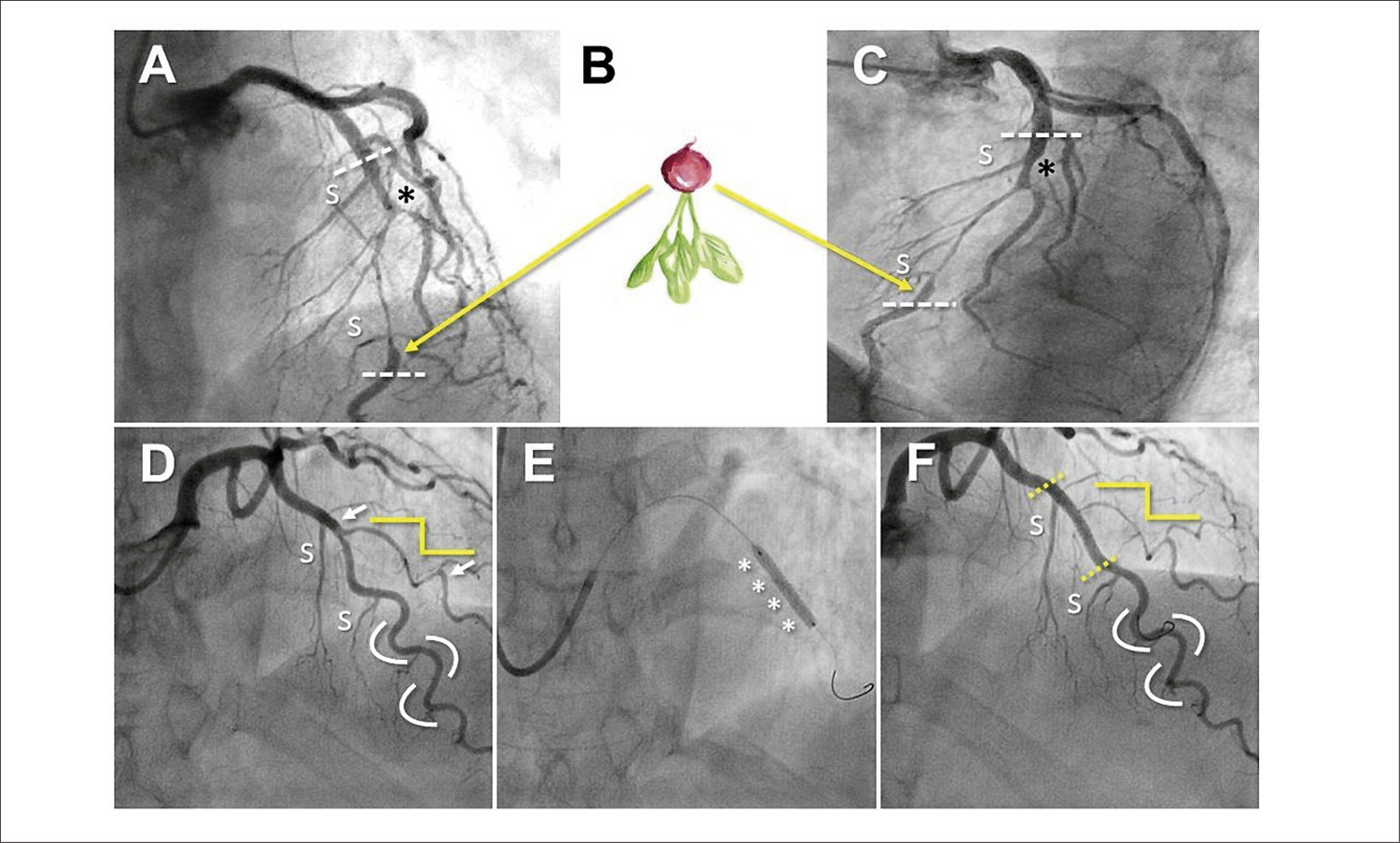
Spontaneous coronary artery dissection (SCAD) is an infrequent but increasingly recognized cause of acute coronary syndrome (ACS) that mainly affects women. It is the main cause of ACS during pregnancy and in up to one-third of women > 50 years old., Owing to a unique demographic profile and a low prevalence of traditional cardiovascular risk factors, its cause appears to be multifactorial, with contributions from genetic factors, hormonal influences, inherited or acquired arteriopathies, and systemic inflammatory diseases. SCAD is defined as a spontaneous – non-iatrogenic – separation of the coronary artery wall layers. Two main mechanisms could explain the pathophysiology of SCAD. In the first one, the primary event is hemorrhage within the media without intimal rupture; in the second mechanism, the primary event is the formation of a tear leading to an intimal flap. This initial disruption leads to the formation of an intramural hematoma or a true and false lumen that may cause myocardial ischemia., Our understanding of this disease has increased greatly in the last decade as a result of international research efforts., However, since ~90% of the cases affect women, the characteristics of SCAD in men and the potential clinical differences between sex remain poorly established. According to previous data, men with SCAD have different predisposing and precipitating factors compared to women. The presence of fibromuscular dysplasia (FMD) and an association with mental disorders seem to be less frequent in men, while intense physical exercise is most commonly observed as a trigger of SCAD in this group., The aim of this study was to compare baseline characteristics, clinical presentation, angiographic features, management strategies, and hospital course between men and women with SCAD.
[…]