Early Cascade Screening and Lipid-Lowering Therapy in Childhood: Challenges in the Management of Familial Hypercholesterolemia
Abstract
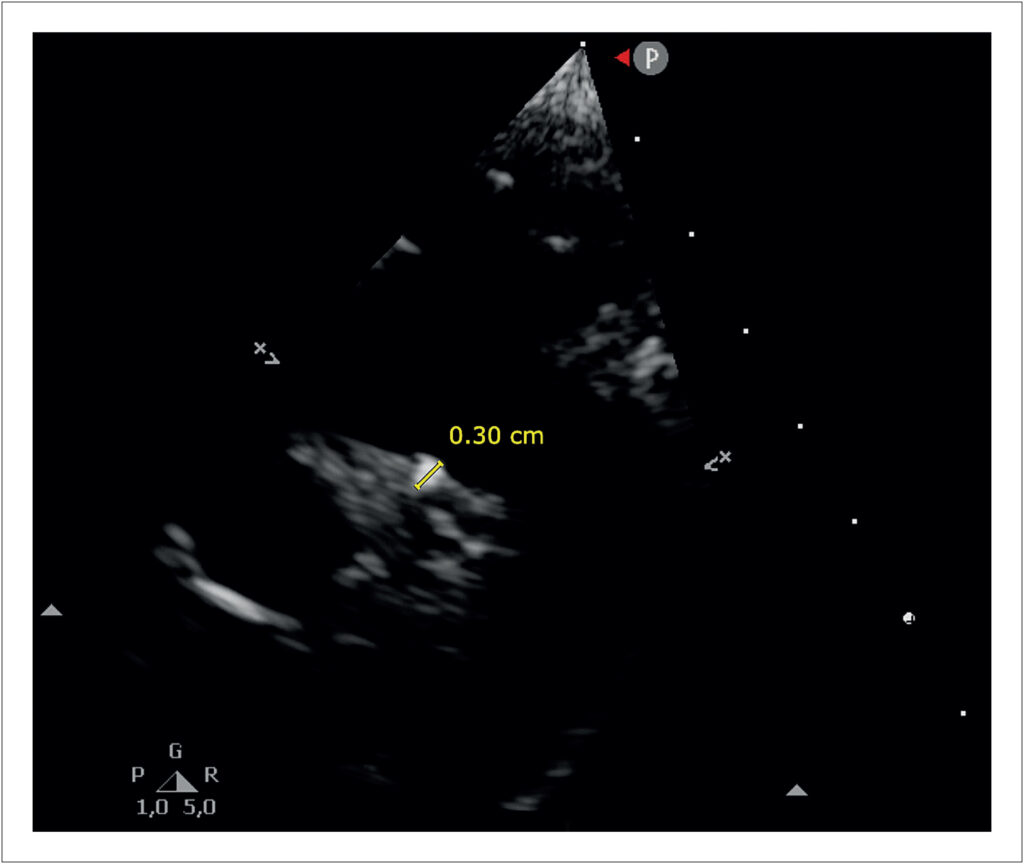
This case highlights the importance of cascade screening for the early diagnosis of Familial Hypercholesterolemia (FH) in children. Early identification at the age of five enabled the timely initiation of lipid-lowering therapy and underscored the need for individualized treatment based on atherosclerotic risk. Despite a substantial reduction in LDL-C levels, the patient remained above recommended therapeutic targets, emphasizing the need for ongoing monitoring and treatment intensification. The detection of subclinical atherosclerosis further reinforces the importance of continuous cardiovascular surveillance. A comprehensive management strategy combining cascade screening, family-based risk assessment, and early intervention is essential to reduce long-term cardiovascular risk and improve clinical outcomes.
Images
Image gallery fullscreen viewer
Comments are moderated by the editorial team before publication. Discussions should be evidence-based and use scientific language. Conflicts of interest should be declared.