Extraction of Totally Implantable Venous Access Devices Using the PISA Technique: A Small Case Series
Introduction
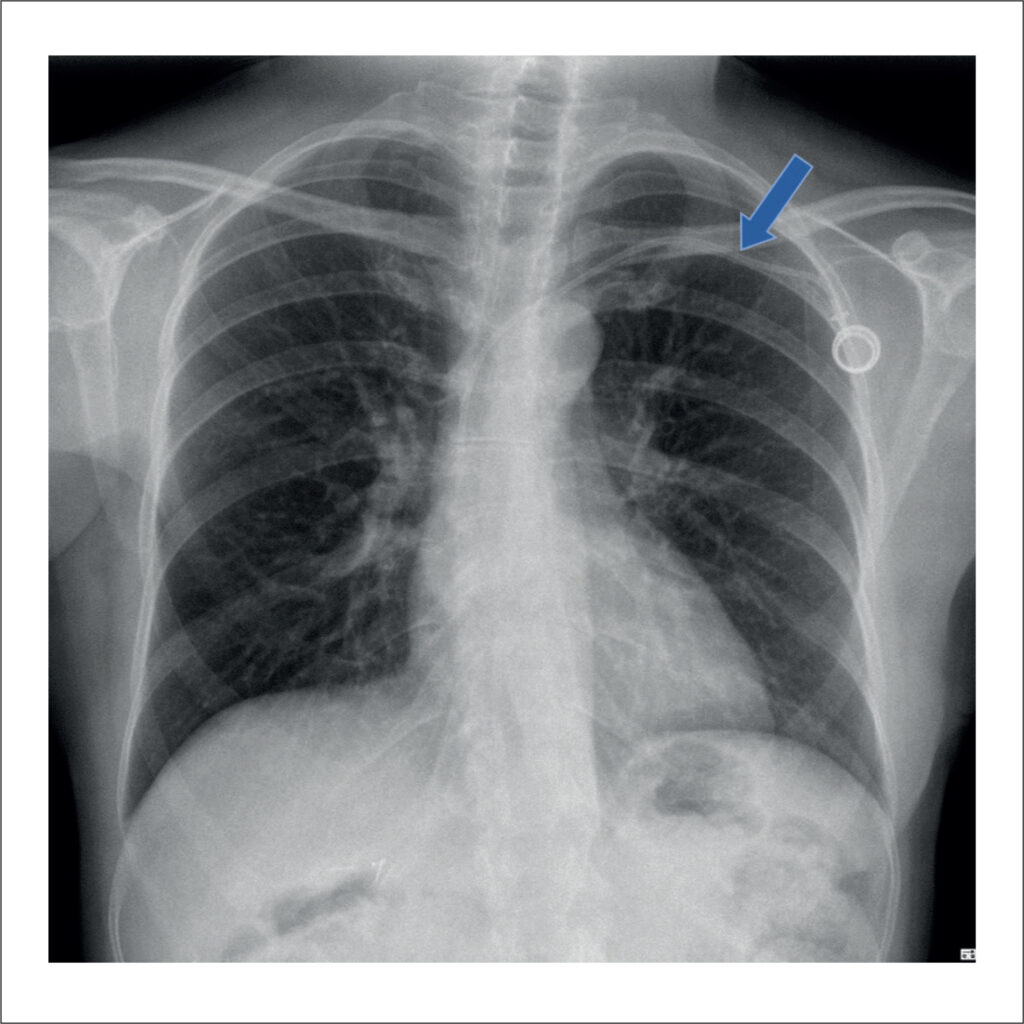
Technological progress has led to the widespread use of implantable medical devices across various conditions, significantly improving patient outcomes. In oncology, totally implantable central venous catheters (TICVCs) are commonly used to facilitate prolonged chemotherapy administration. The end of the therapy is the most common indication for removal. However, different complications associated with the use of these devices have been described, and some of them can justify their removal. Although historically performed by surgeons, removal of TICVC by interventional radiology has become much more frequent in recent decades. The removal of these devices can become technically challenging when significant fibrotic adhesion develops around the catheter tip or along its intravascular course.
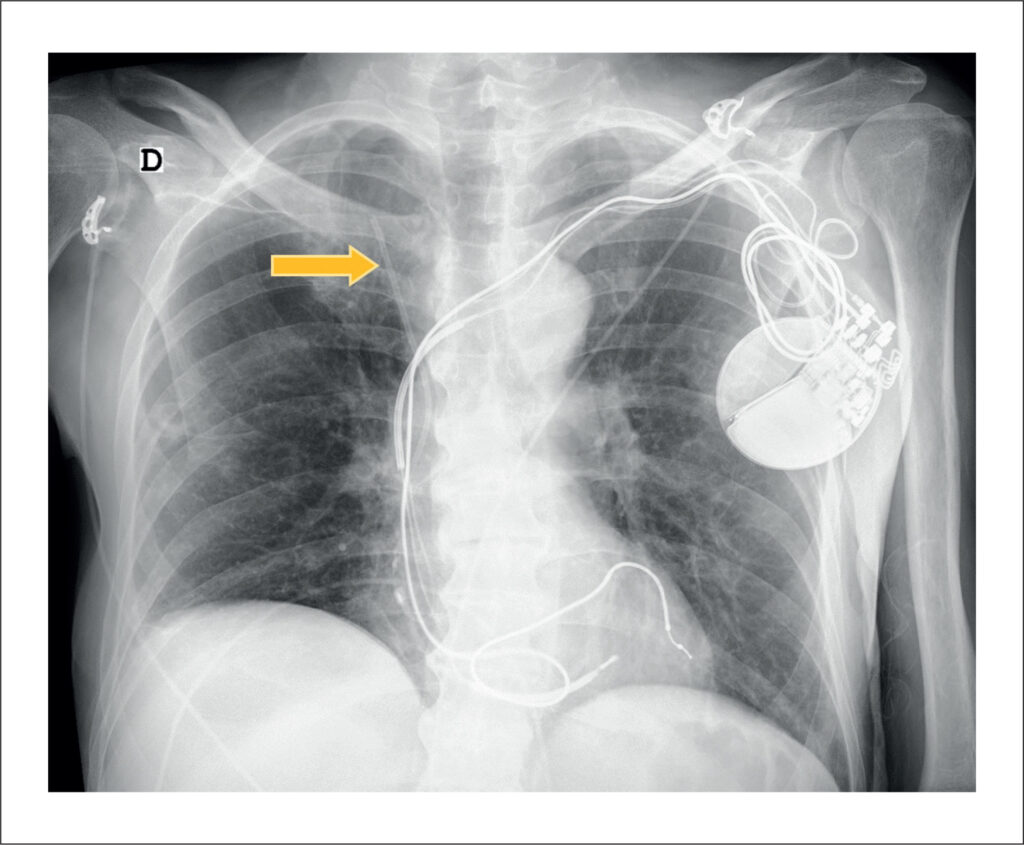
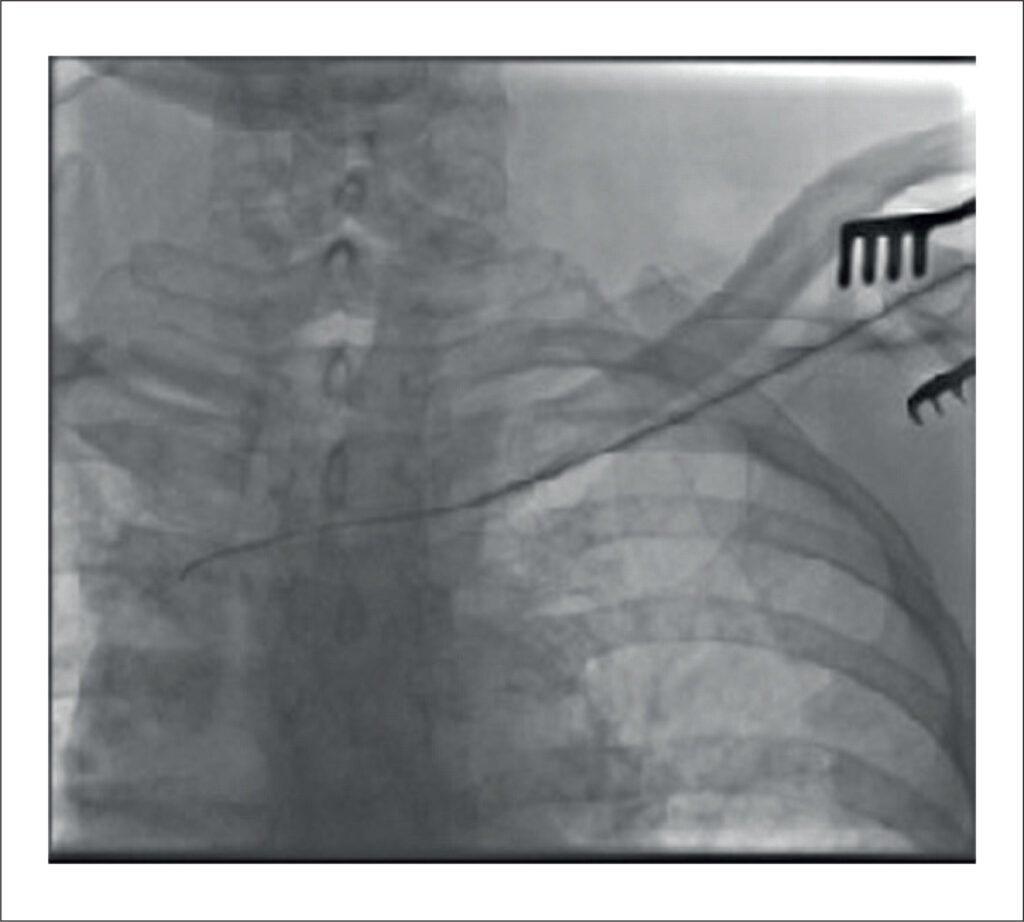
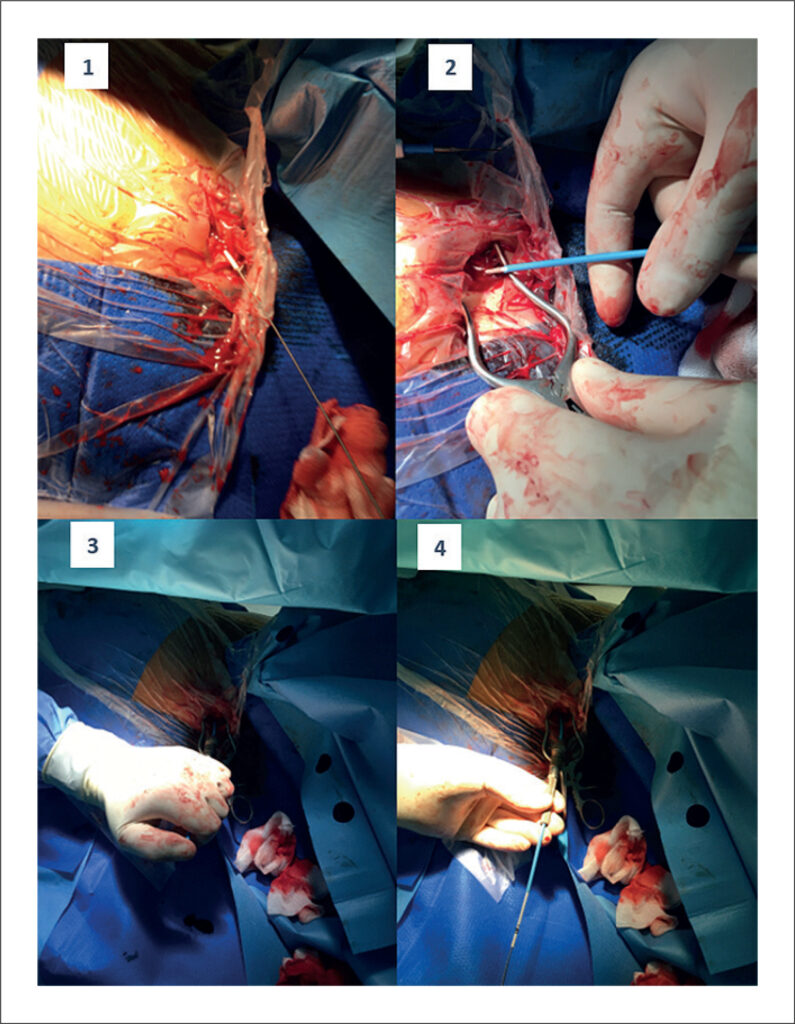
The PISA technique, originally developed for extracting leads from cardiac implantable electronic devices, can be adapted for TICVC removal. It involves identification and exposure of the catheter’s proximal portion, followed by dissection to the vascular entry point. A polypropylene sheath is then advanced over the catheter using rotational motion and light traction to release adhesions and achieve complete extraction.
[…]
Images
Image gallery fullscreen viewer
Comments are moderated by the editorial team before publication. Discussions should be evidence-based and use scientific language. Conflicts of interest should be declared.