Accuracy and Prognosis of Electrocardiographic and Echocardiographic Left Ventricular Hypertrophy in Brazilian Adults – ELSA-Brasil Study
Abstract
Background
Left ventricular hypertrophy (LVH), defined by increased left ventricular mass, is an independent predictor of cardiovascular mortality. Evidence suggests that LVH identified by electrocardiogram (ECG) and echocardiography represents distinct entities with potentially different prognostic implications.
Objectives
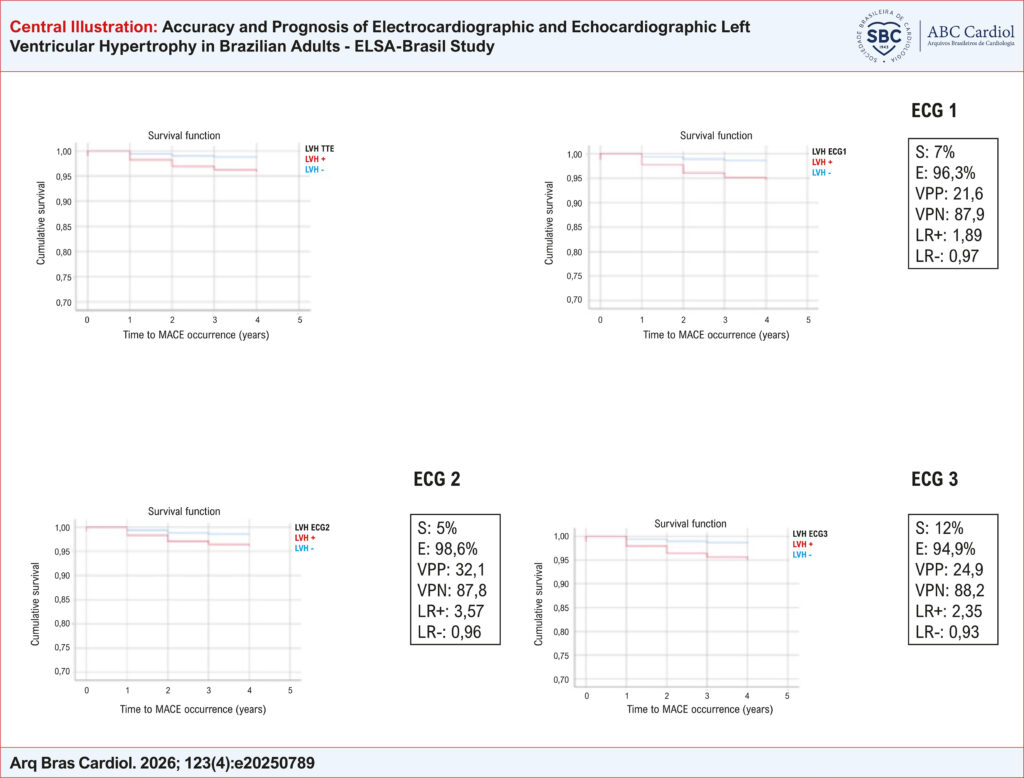
Assess the diagnostic accuracy of electrocardiographic criteria for LVH compared with transthoracic echocardiogram (TTE) and to evaluate their predictive value for fatal cardiovascular outcomes.
Methods
We conducted a cross-sectional diagnostic accuracy analysis and a prospective follow-up within the Longitudinal Study of Adult Health. LVH on ECG was defined by Minnesota Code criteria, and LVH on TTE by increased calculated left ventricular mass. Significance level was defined at 0,05.
Results
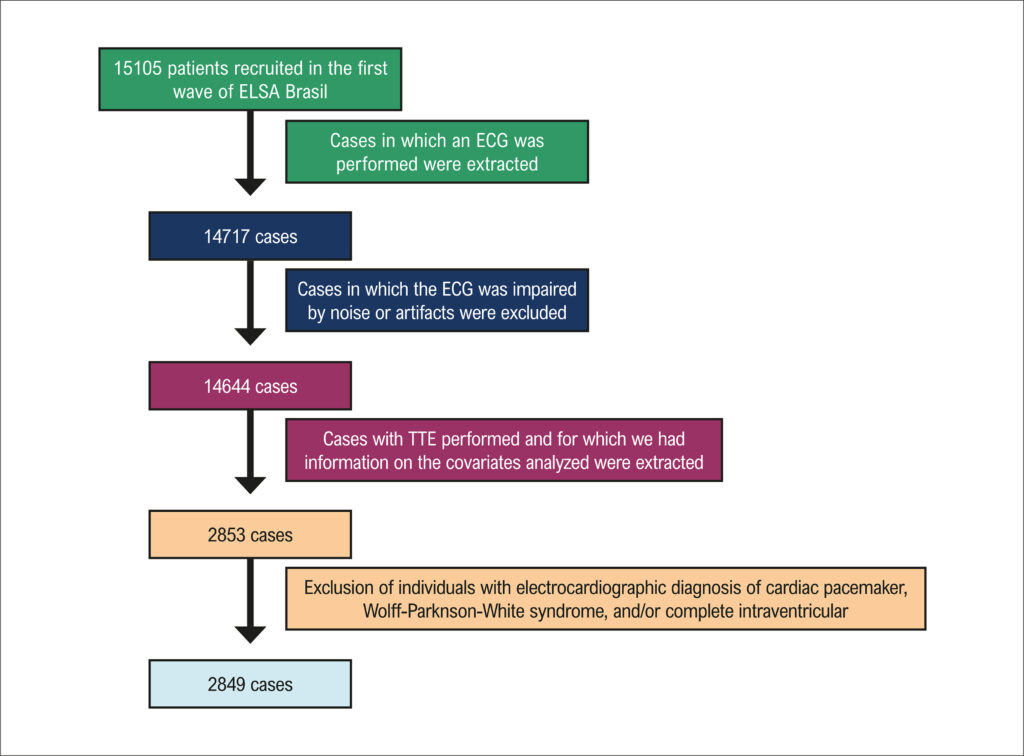
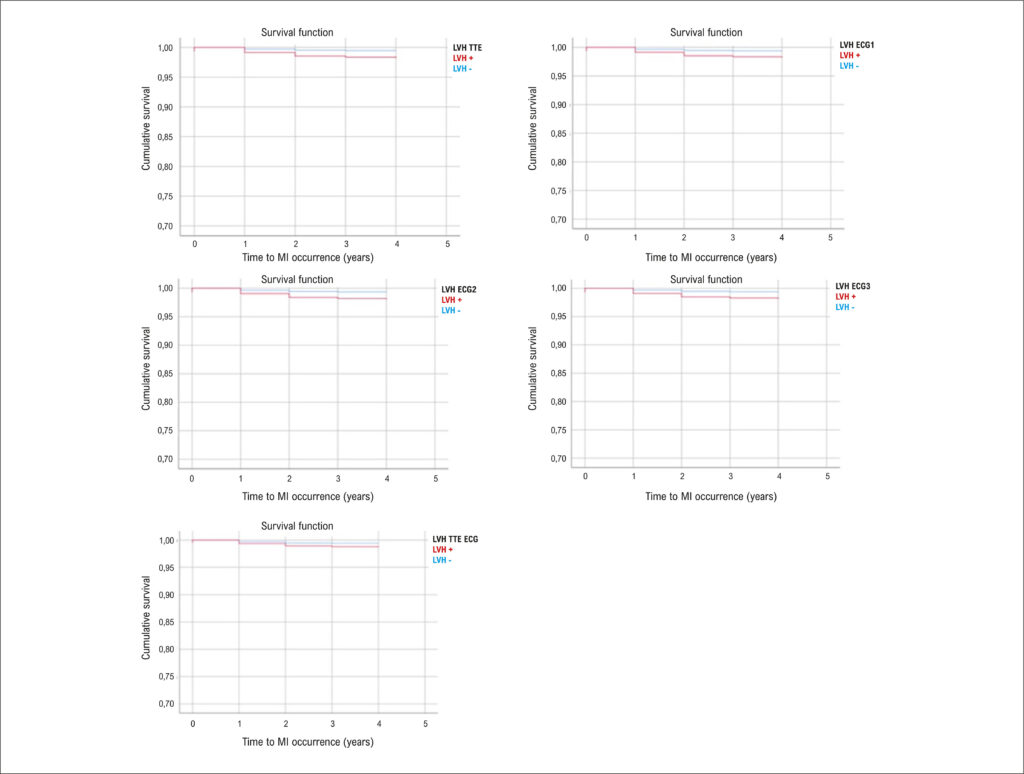
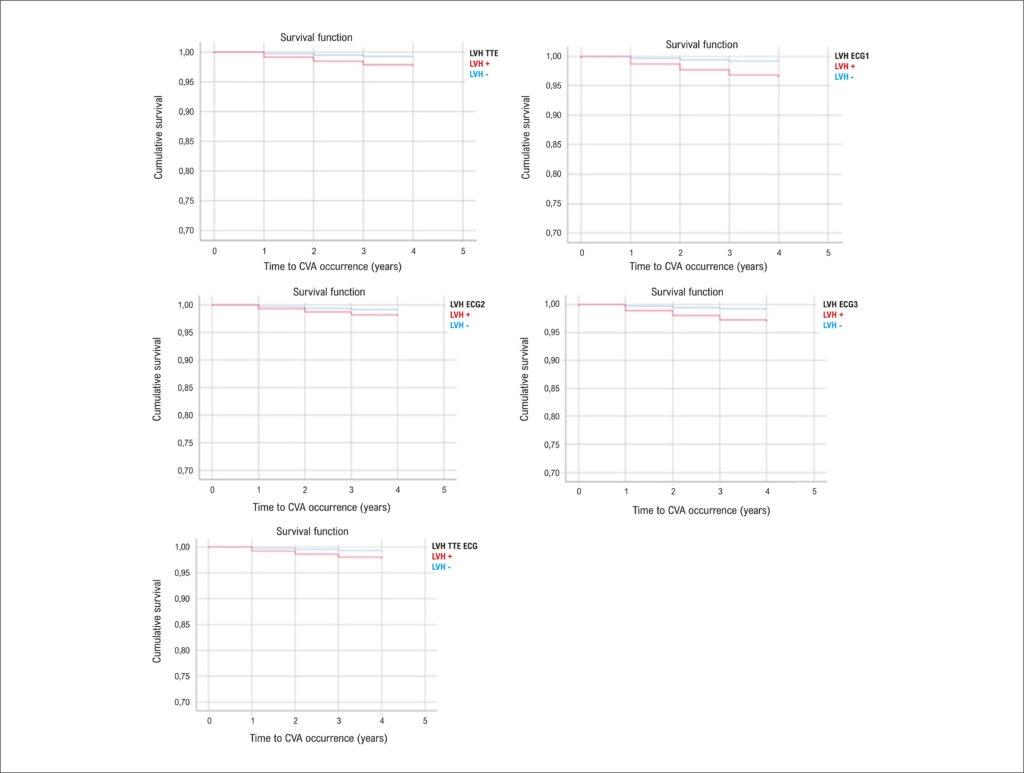
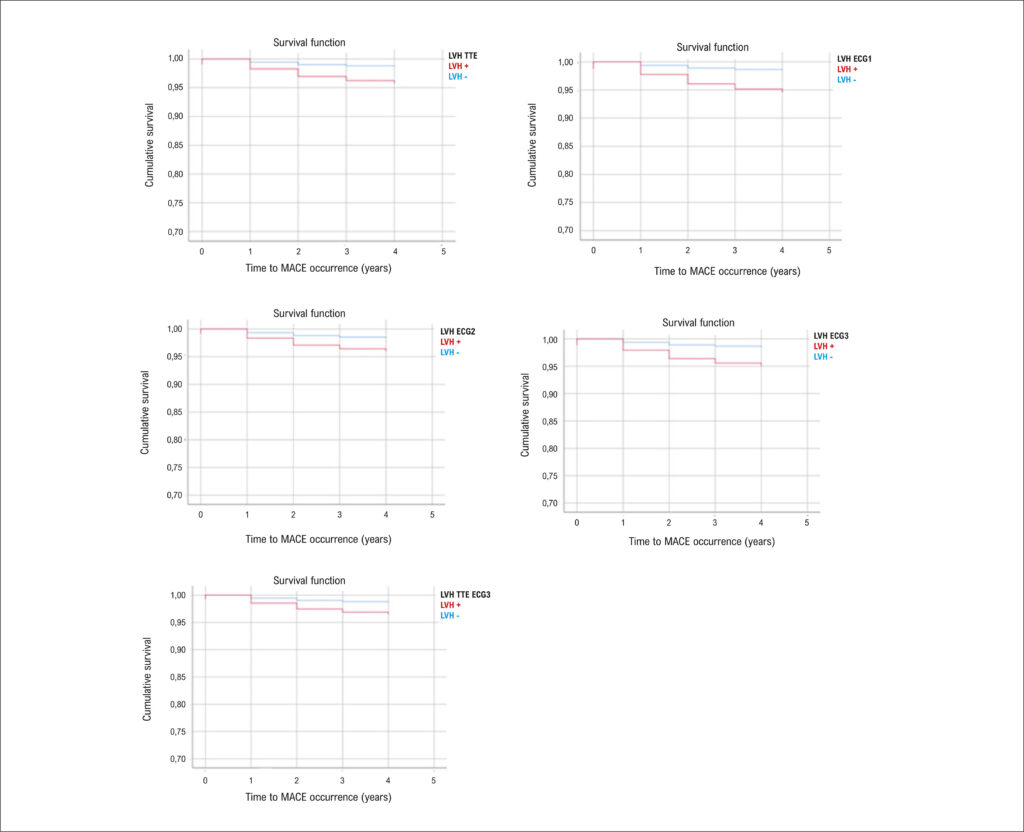
Among 2,849 participants (43.6% male), median age 62 years, 12.5% had LVH by TTE and 5.9% by ECG criteria. ECG-defined LVH showed, from different criteria, very low sensitivity (5–12%) but high specificity (95–99%) compared with TTE. In prognostic analyses, TTE-defined LVH was associated with significant fatal adverse cardiovascular events (FMACE) (HR 3.2, 95% CI 1.7–5.9). ECG-defined LVH also predicted FMACE, with HR close to 3.5 across the different MC criteria in multivariate regression analysis. The predictive capacity remained significant after further adjustment for hypertrophy defined by either of the methods.
Conclusions
Although electrocardiographic criteria demonstrated poor diagnostic accuracy for LVH compared with TTE, both modalities were independently associated with adverse cardiovascular outcomes. These findings suggest that ECG-defined and TTE-defined LVH provide complementary prognostic information and may reflect distinct pathophysiological processes.
Images
Image gallery fullscreen viewer
Comments are moderated by the editorial team before publication. Discussions should be evidence-based and use scientific language. Conflicts of interest should be declared.