Late-Onset Fabry Disease: Diagnostic Challenges and Clinical Evolution
Introduction
Simultaneous cardiac and renal involvement can result from various systemic conditions, such as hypertension, autoimmune diseases, infiltrative diseases, and hereditary syndromes. Fabry disease (FD) is an X-linked genetic disorder caused by a deficiency or absence of the enzyme α-galactosidase A, leading to the progressive accumulation of glycosphingolipids, especially globotriaosylceramide (Gb3), in various tissues. This accumulation of Gb3 promotes multisystemic dysfunctions, with heterogeneous clinical manifestations that vary according to sex, the degree of residual enzymatic activity, and the form of presentation, classic or non-classic.,
The estimated incidence of FD ranges from 1 in 40,000 to 1 in 117,000 individuals worldwide. In Brazil, the epidemiology of FD remains poorly defined due to the rarity of the condition and underreporting of cases, which reinforces the value of clinical reports such as this one.
[…]
Images
Image gallery fullscreen viewer
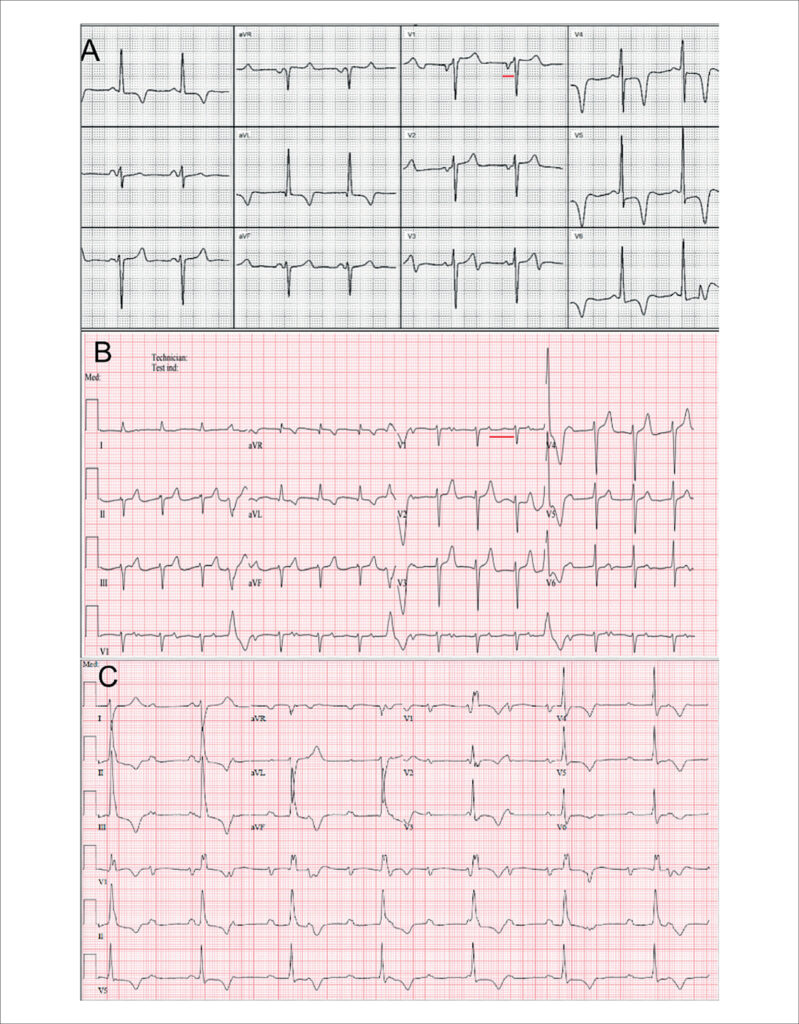
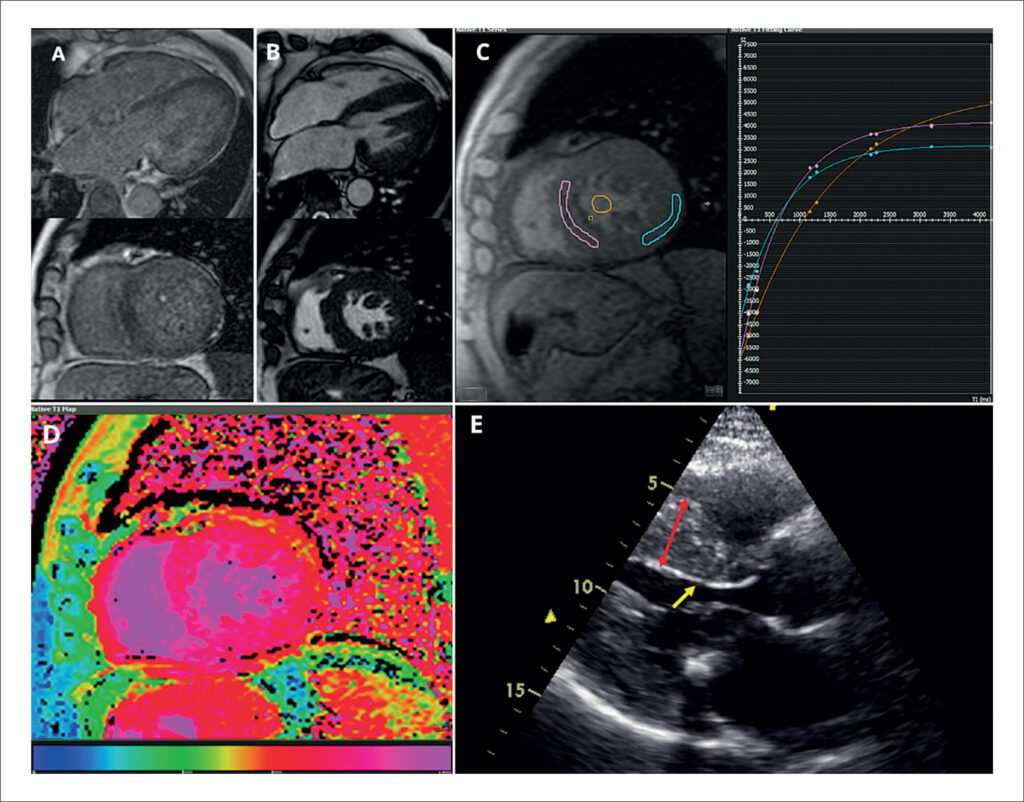
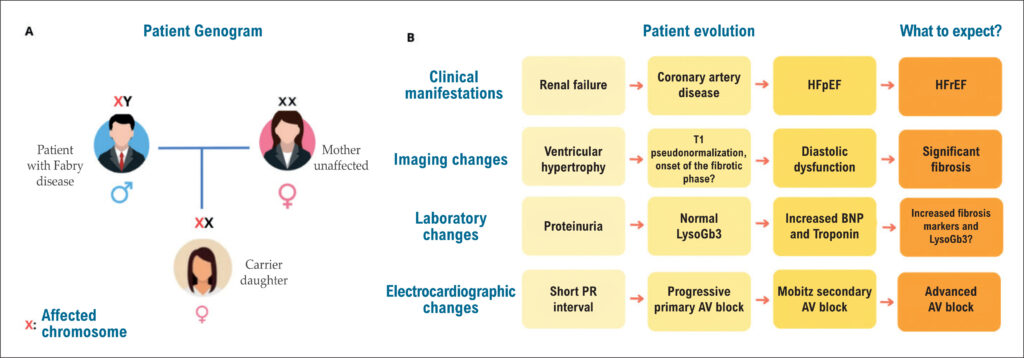
Comments are moderated by the editorial team before publication. Discussions should be evidence-based and use scientific language. Conflicts of interest should be declared.