Myocardial Uptake of 18F-Fluorodeoxyglucose on Positron Emission Tomography/Computed Tomography: A Window into Cardiovascular Phenotypes and Metabolic Signatures in Patients with Cancer
Abstract
Background
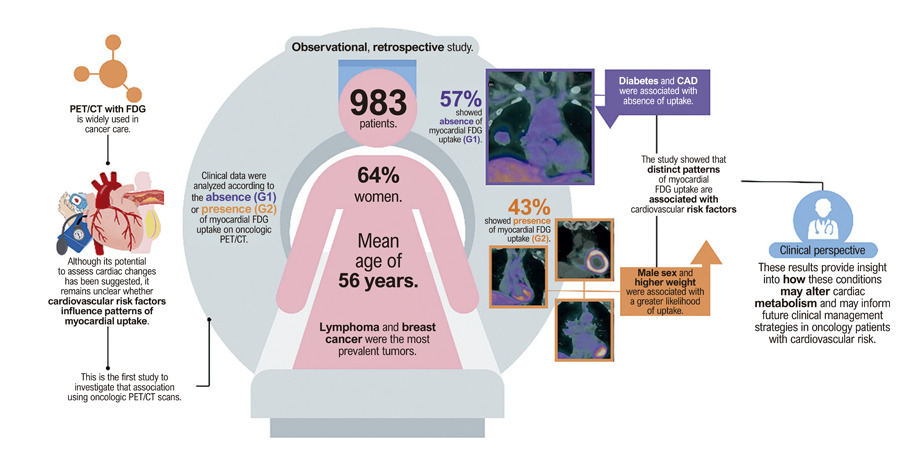
Positron emission tomography/computed tomography (PET/CT) with 18F-fluorodeoxyglucose (FDG) is widely used in cancer care, but its role in assessing cardiotoxicity remains uncertain. Understanding how cardiovascular risk factors influence myocardial glucose uptake may improve its application in this setting.
Objective
To investigate associations between cardiac metabolic patterns on oncologic PET/CT and cardiovascular risk factors.
Methods
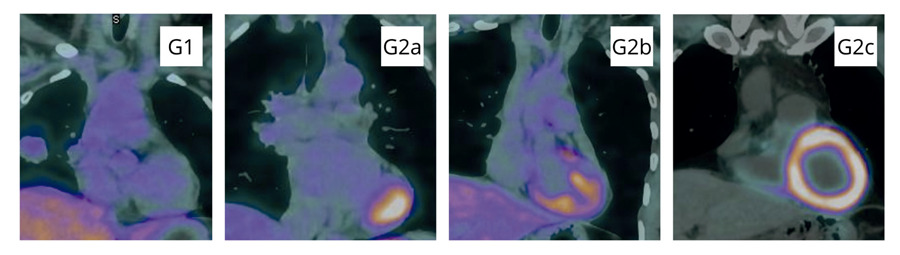
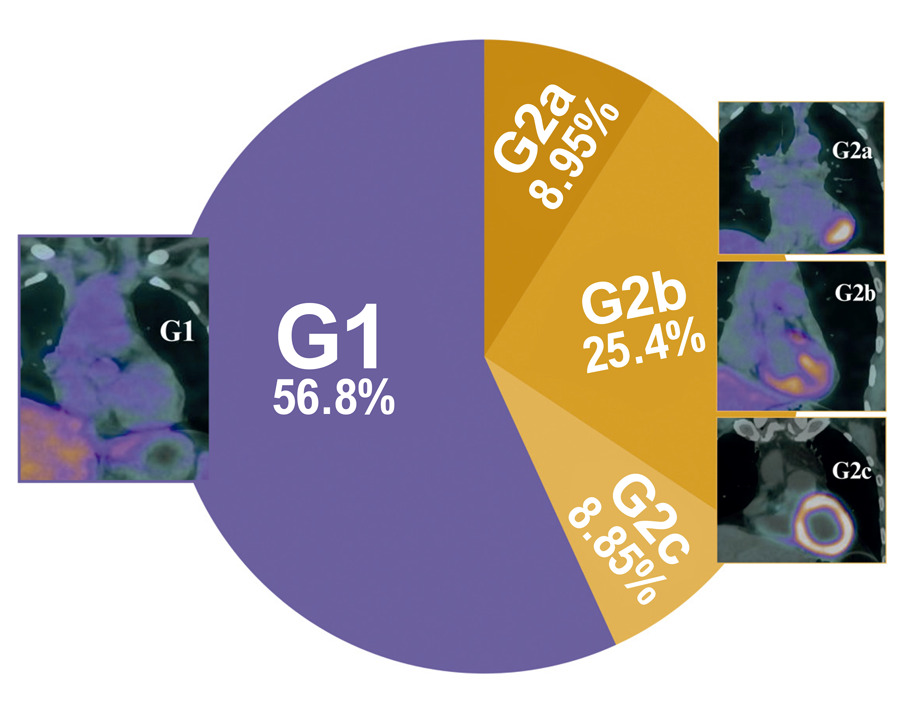
We conducted a retrospective, cross-sectional study classifying oncologic PET/CT scans by absence (G1) or presence (G2) of myocardial FDG uptake, visually defined as greater than the aortic blood pool. Clinical data and cardiovascular risk factors were analyzed, and logistic regression identified predictors of presence or absence of uptake, adjusting for potential confounders. Statistical significance was set at p < 0.05.
Results
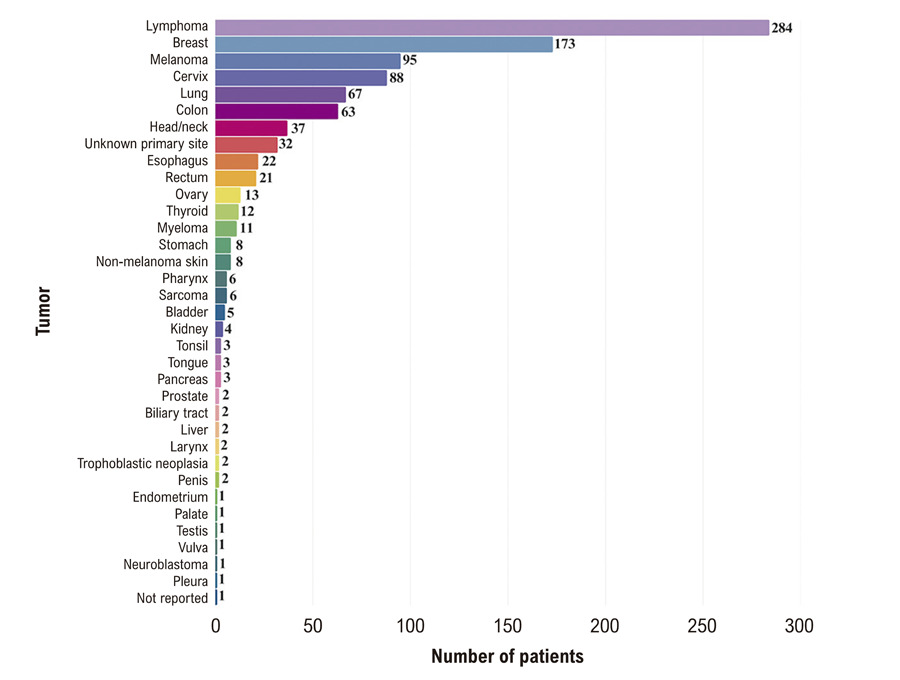
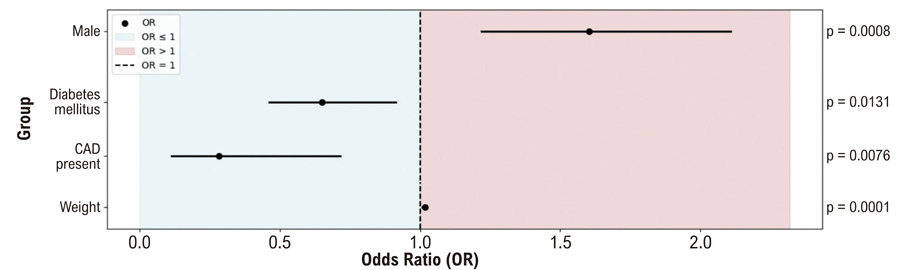
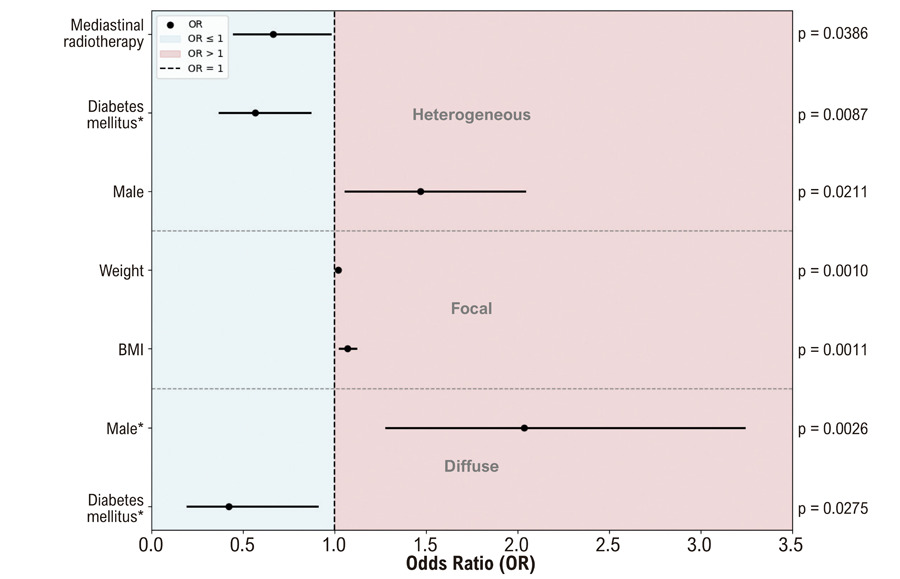
We included 983 scans (64% women; mean age 56 ± 15.8 years; 39.9% with hypertension; 19.7% with diabetes), of which 559 (56.8%) were G1 and 424 (43.2%) were G2. The most prevalent cancers were lymphoma (28.9%) and breast (17.6%). Male sex (p = 0.0008) and higher weight (p = 0.0001) were independent predictors of myocardial FDG uptake, whereas diabetes (p = 0.01) and coronary artery disease (p = 0.007) predicted absence of uptake.
Conclusions
Despite limitations, this study identified distinct patterns of myocardial FDG uptake on oncologic PET/CT independently associated with cardiovascular risk factors. These findings support the potential of FDG PET/CT for evaluating cardiotoxicity after cancer treatment.
Images
Image gallery fullscreen viewer
Comments are moderated by the editorial team before publication. Discussions should be evidence-based and use scientific language. Conflicts of interest should be declared.