Clinical and Echocardiographic Particularities of Hypertrophic Cardiomyopathy in a Brazilian Population and its Prognostic Impact
Abstract
Background
Hypertrophic cardiomyopathy (HCM) presents echocardiographic abnormalities that are important for diagnosis and prognosis. Data are scarce in the Brazilian literature.
Objective
To assess clinical and echocardiographic characteristics and disease progression in a Brazilian cohort of patients with HCM.
Methods
This retrospective cohort included patients with HCM aged ≥ 18 years. Patients with moderate or severe aortic stenosis and those undergoing septal reduction were excluded. The significance level adopted in the statistical analysis was 5%.
Results
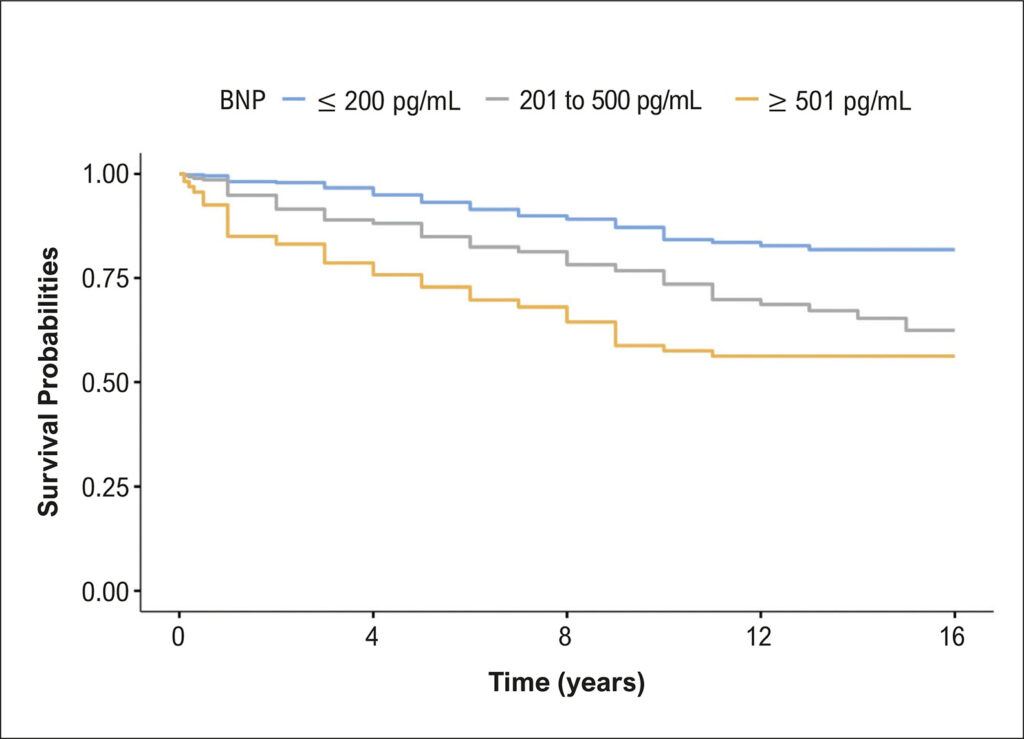
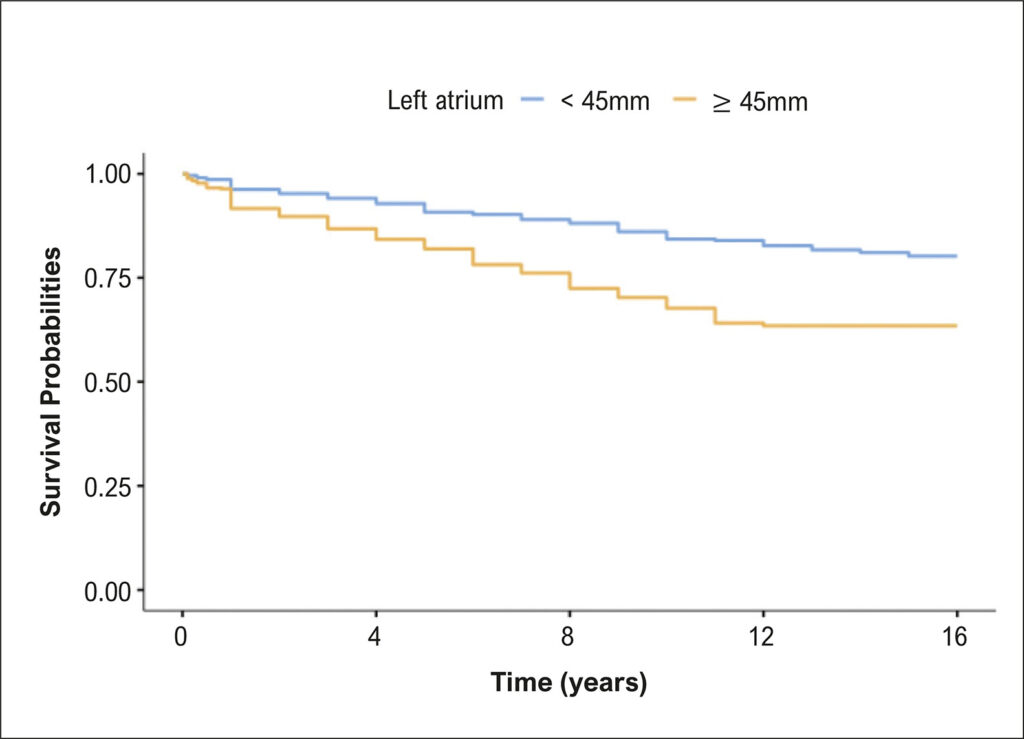
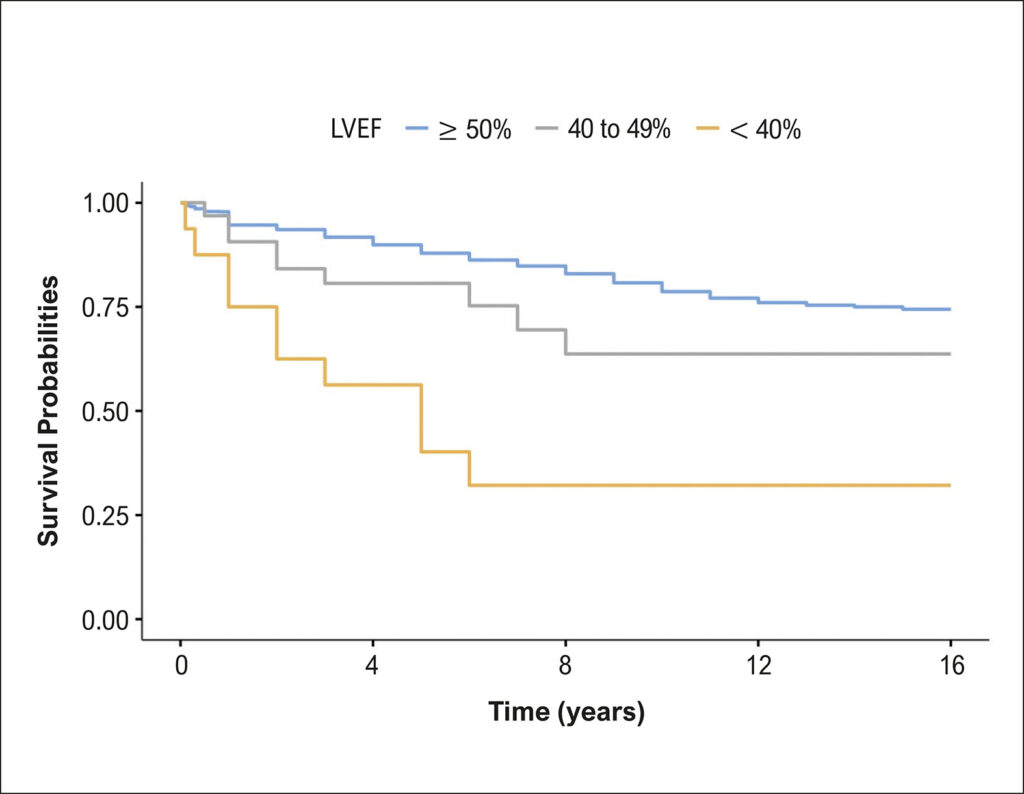
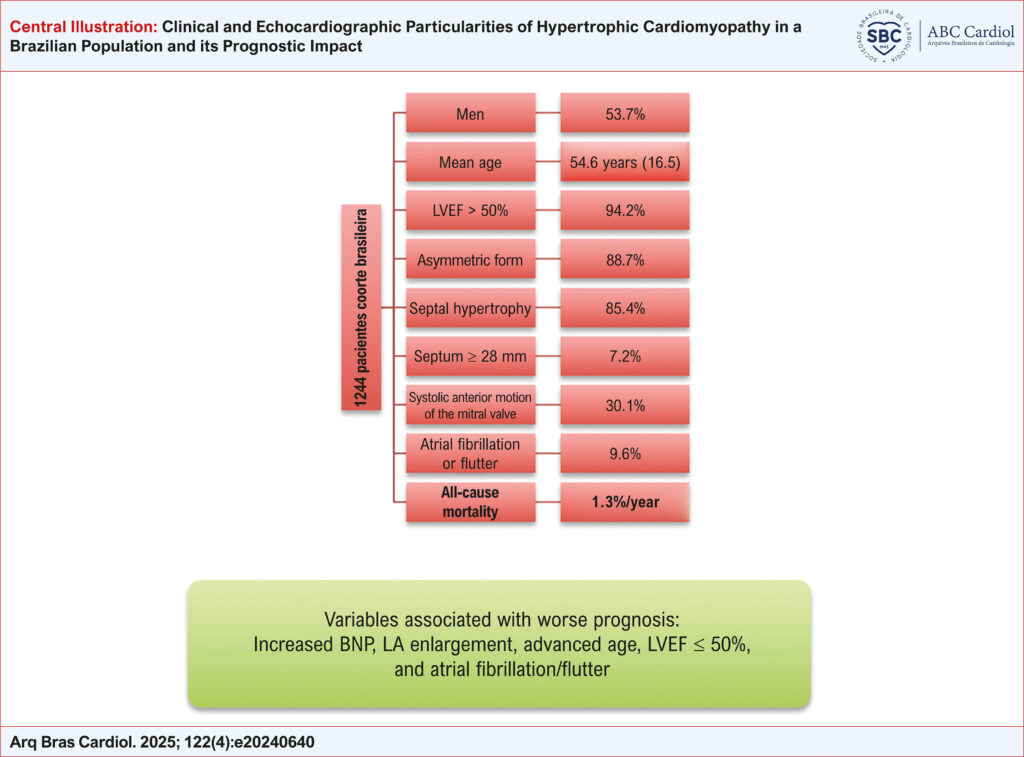
The study included 1244 patients, between 2010 and 2022, with a mean follow-up time of 7.7 ± 4.5 years; 53.6% of patients were men. Mean age was 54.6 ± 16.5 years, and mean left ventricular ejection fraction (LVEF) was 65.8% ± 7.6. We observed LVEF ≤ 50% in 5.8% of patients, asymmetric form in 88.7%, and septal hypertrophy in 85.4%. We found systolic anterior motion of the mitral valve in 30.1% of patients, left ventricular outflow tract obstruction in 30.7%, and septum ≥ 28 mm in 7.2%. Only 1 patient had ventricular aneurysm. Atrial fibrillation/flutter occurred in 9.6% of patients. Overall mortality occurred in 232 patients (1.3%/year). Patients with B-type natriuretic peptide (BNP) > 200 pg/ml, left atrium ≥ 45 mm, and LVEF ≤ 50% had higher mortality (p < 0.001). Age and atrial fibrillation/flutter were also associated with mortality.
Conclusions
The majority of patients had LVEF > 50%, asymmetric hypertrophy, and septal predominance. BNP, LA diameter, LVEF ≤ 50%, age, and atrial fibrillation/flutter were associated with worse prognosis.
Images
Image gallery fullscreen viewer
Comments are moderated by the editorial team before publication. Discussions should be evidence-based and use scientific language. Conflicts of interest should be declared.