The Importance of the Effective Valsalva Maneuver during Echocardiography in Hypertrophic Cardiomyopathy
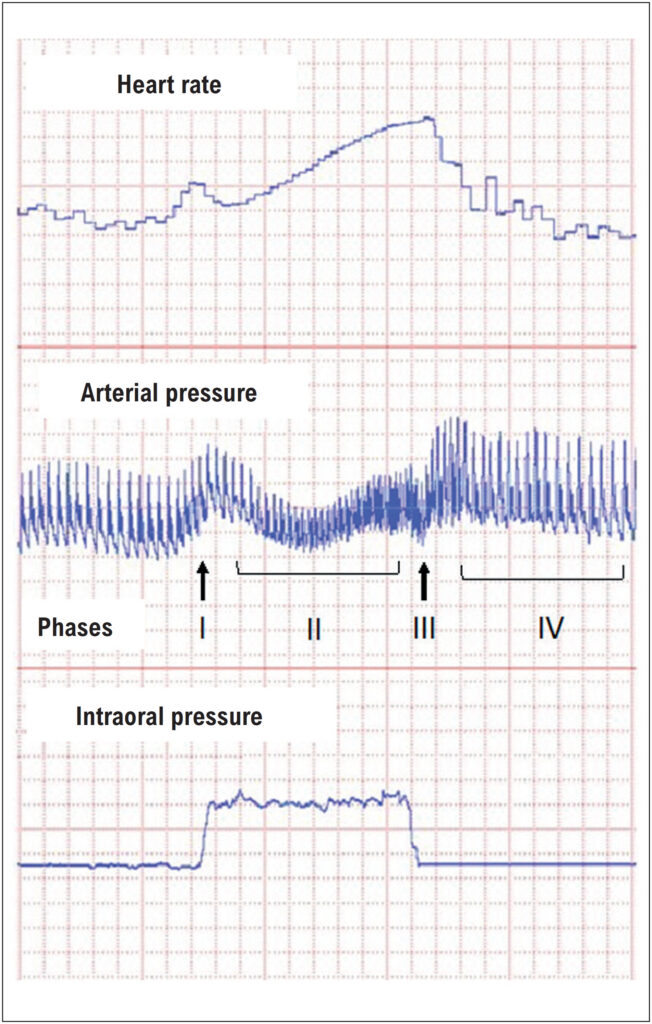
The Valsalva maneuver (VM) was first described in 1704 as a forceful expiration against the closed nose and glottis., At that time, no observations of the circulatory effects were mentioned. In 1853, Weber et al. described the hemodynamic and circulatory effects related to the VM, and it has been widely used in cardiology since then. The initial applications of the VM focused on the investigation of cardiac autonomic reflex control.
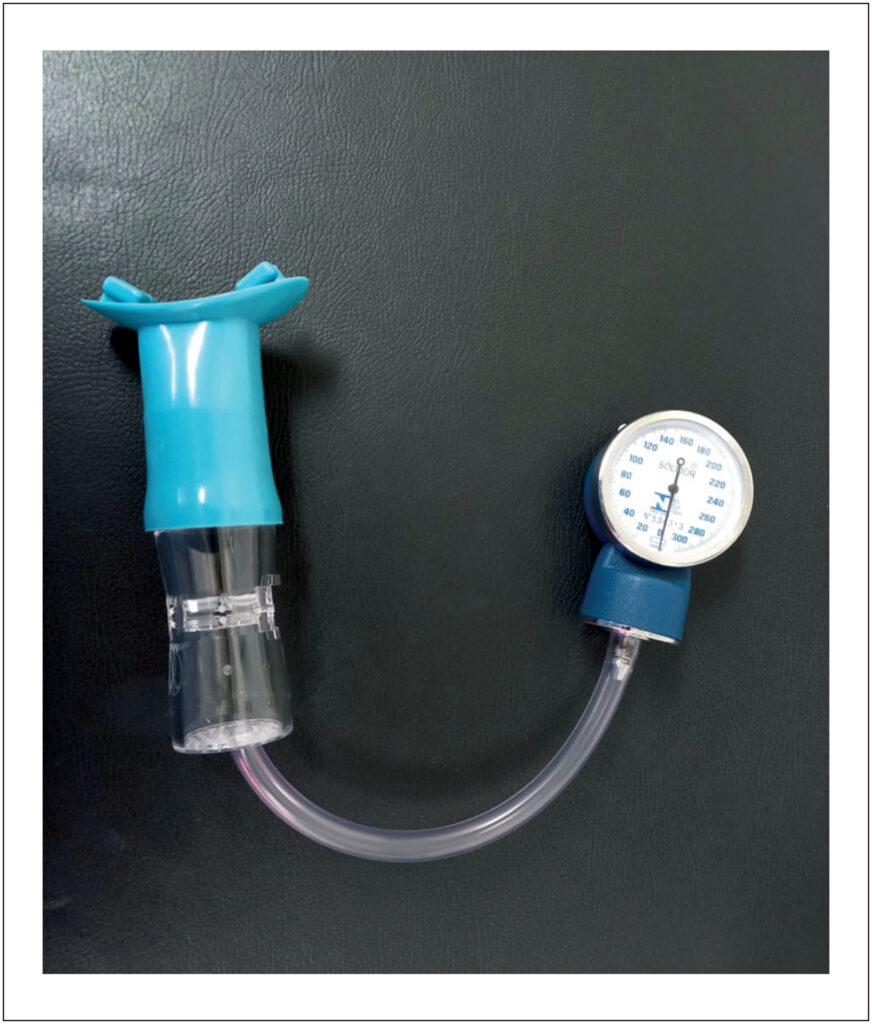
Currently, the VM is recommended in echocardiography, in specific scenarios, such as in patients with hypertrophic cardiomyopathy (HCM), for evaluation of dynamic left ventricular outflow tract (LVOT) obstruction. Nevertheless, its execution varies greatly, and there is a lack of standardization of pressure control and time of execution.
[…]
Images
Image gallery fullscreen viewer
Comments are moderated by the editorial team before publication. Discussions should be evidence-based and use scientific language. Conflicts of interest should be declared.