Vortioxetine’s Therapeutic Potential: Cardiac Responses to Chronic Unpredictable Mild Stress in a Rat Model
Abstract
Background
Stress arises in response to threats or challenges, affecting both physical and mental health. While its harmful effects on the heart are widely recognized, cellular-level investigations remain limited. Antidepressants, including vortioxetine (VOR), are known to impact the cardiovascular system. VOR, used to treat major depressive disorder, is considered a promising option for patients with heart disease due to its anti-inflammatory and antioxidant properties, which may reduce cardiac damage.
Objectives
This study aimed to assess the effects of chronic unpredictable mild stress (CUMS) on rat hearts and evaluate VOR’s potential protective effects against stress-induced cardiac damage.
Methods
Twenty-eight male Wistar Albino rats were divided into four groups. The CUMS group experienced random daily stress for 6 weeks, while the CUMS+VOR group received VOR treatment alongside stress. VOR and control groups were not exposed to stress. Heart samples were examined histopathologically and immunohistochemically.
Results
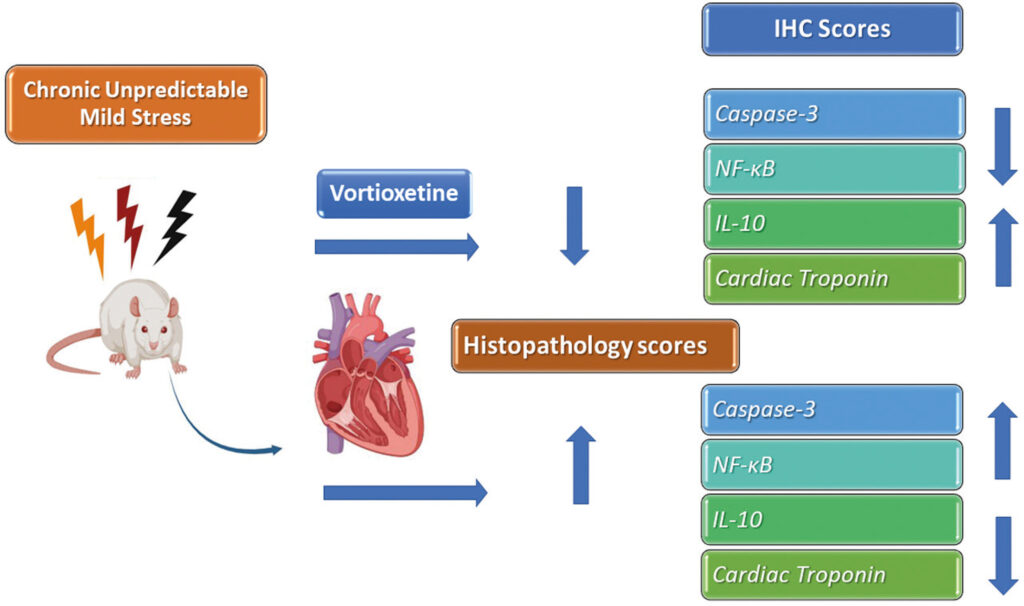
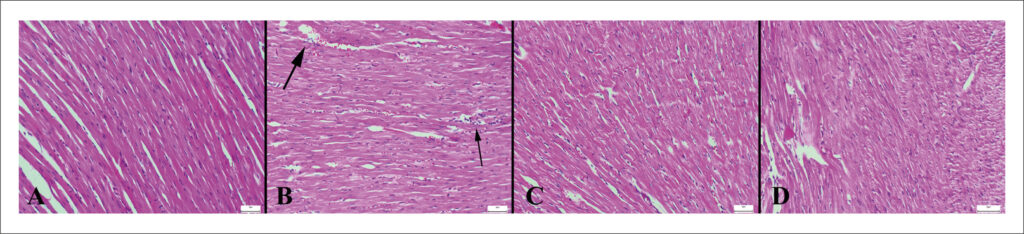
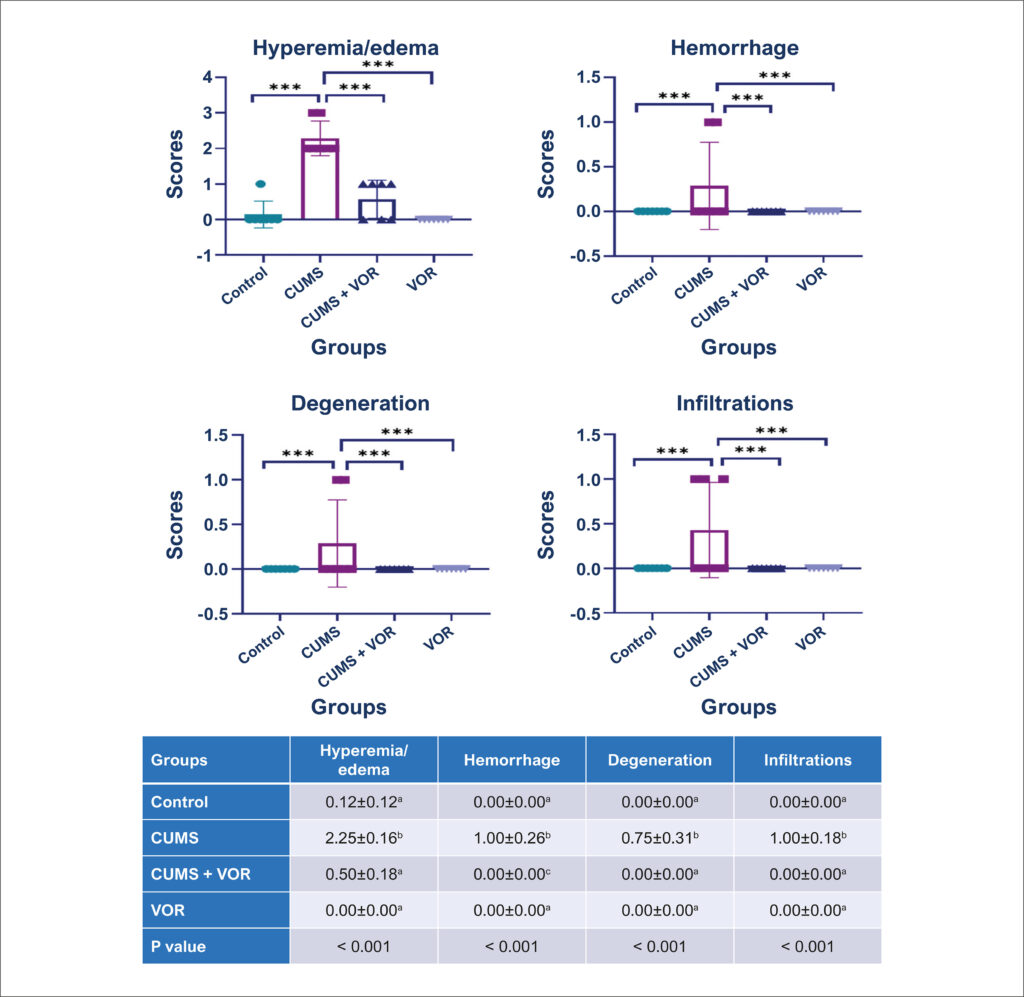
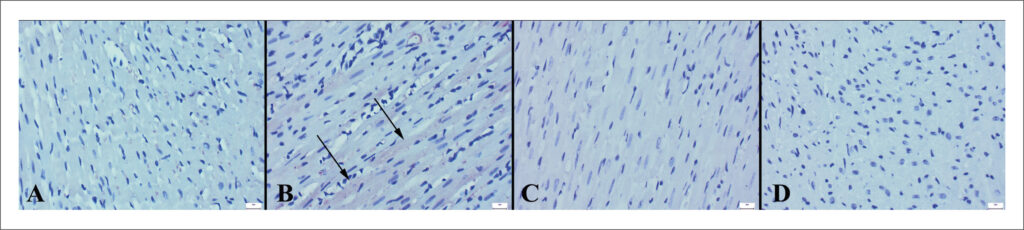
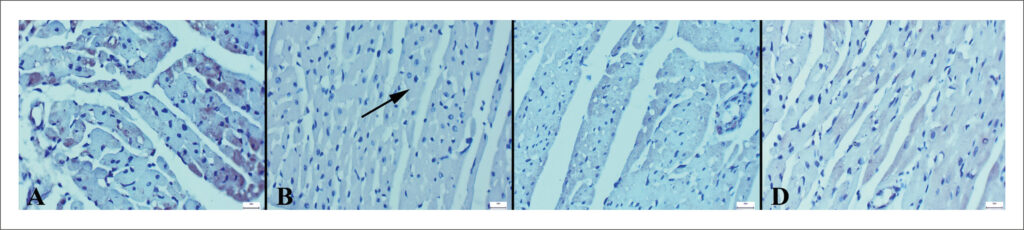
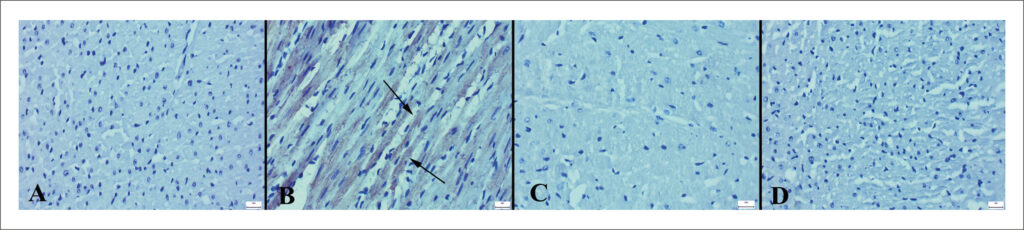
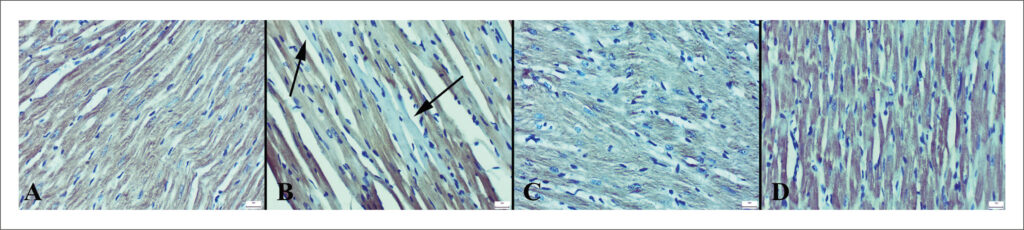
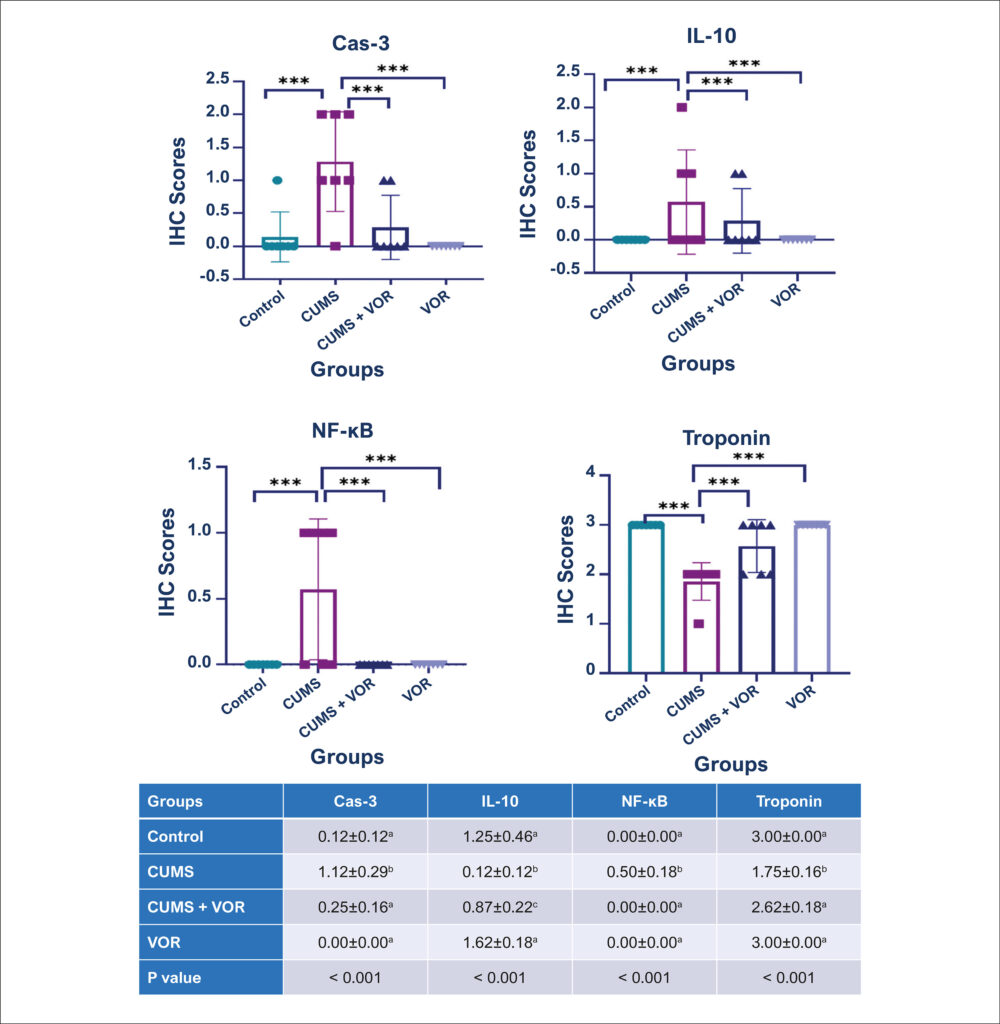
The CUMS group showed increased hyperemia, hemorrhage, edema, vacuolar degeneration, and mononuclear cell infiltrations, with reduced troponin and IL-10 and increased caspase-3 and NF-κB expressions compared to the control group (p≤0.001). VOR treatment improved these findings, normalizing histopathological and immunohistochemical results.
Conclusions
CUMS caused significant cardiac damage in rats, while VOR treatment showed protective effects by alleviating these pathological changes.
Images
Image gallery fullscreen viewer
Comments are moderated by the editorial team before publication. Discussions should be evidence-based and use scientific language. Conflicts of interest should be declared.