The Role of TTN Gene Variants in Dilated Cardiomyopathy
Abstract
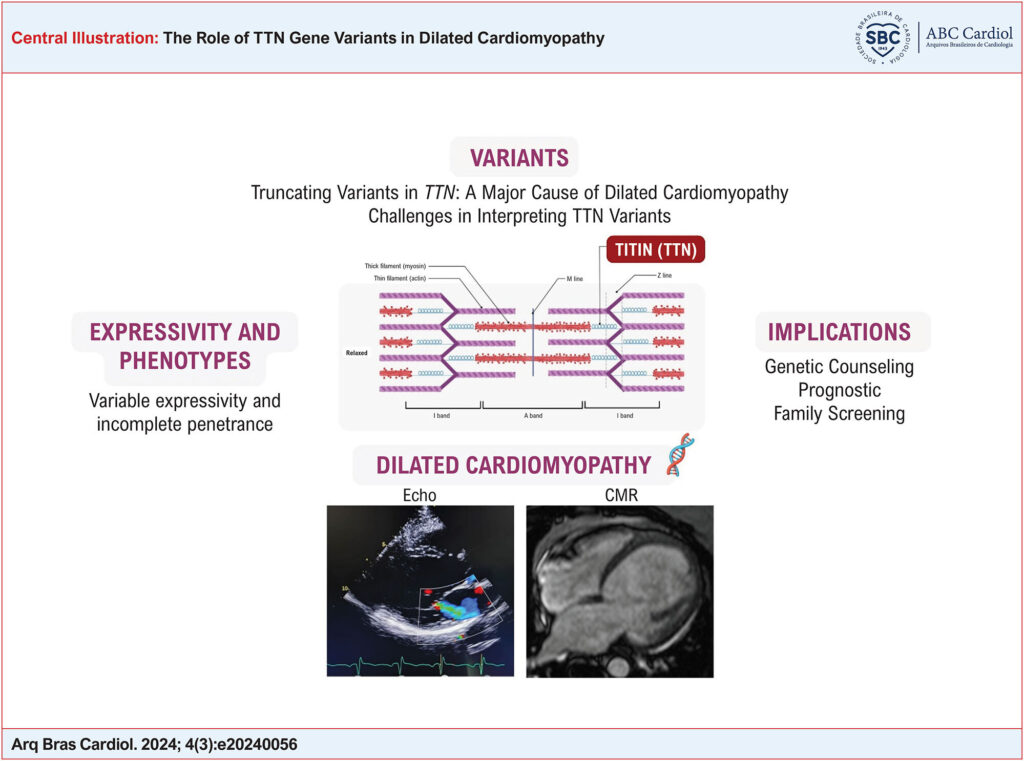
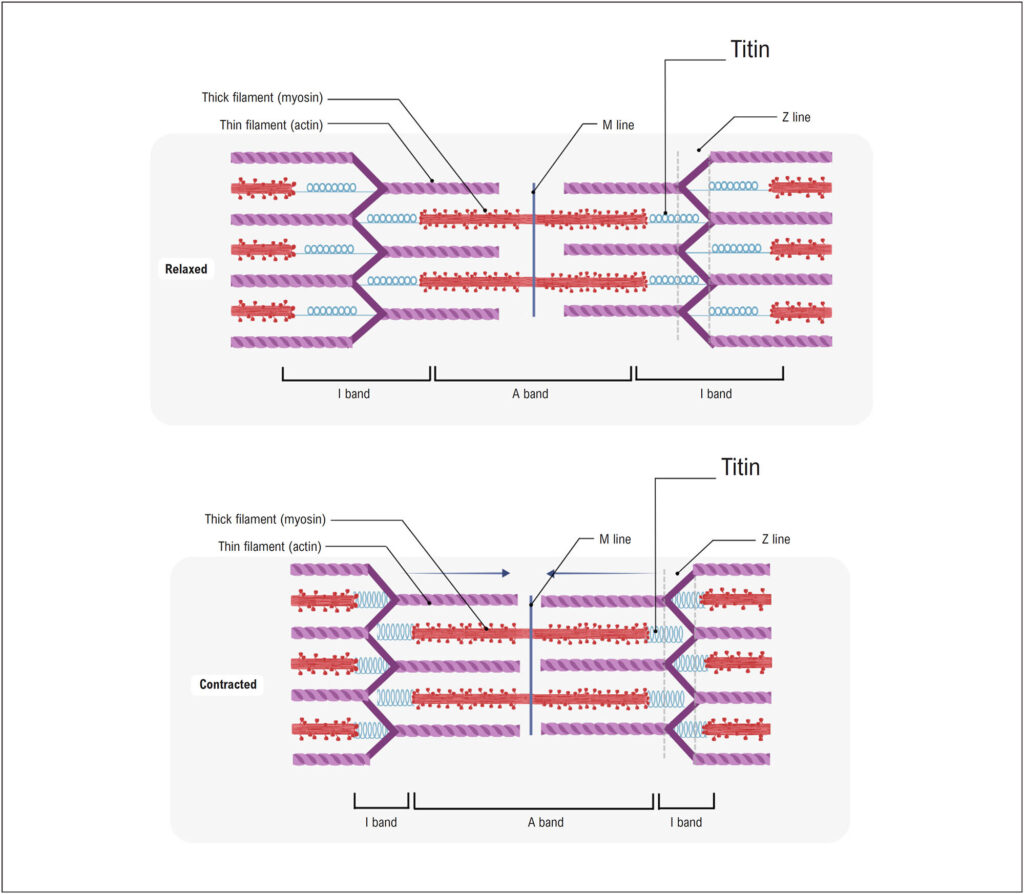
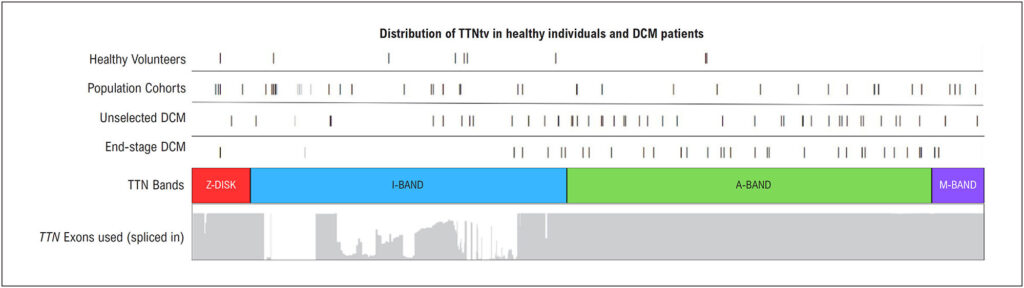
Titin, encoded by the TTN gene, is the largest human protein, essential for maintaining muscle cell stability and regulating myocardial contraction. TTN truncating variants (TTNtv) have emerged as the most common genetic cause of dilated cardiomyopathy (DCM), accounting for up to 25% of familial cases and 18% of sporadic cases. This review examines the complex relationship between TTN variants and DCM, highlighting the challenges posed by incomplete penetrance and variable expressivity. While truncating variants primarily in the A-band region are linked to DCM, not all carriers exhibit clinical symptoms, indicating the influence of additional genetic and environmental factors. We also discuss the prognostic implications of TTN variants, which, despite similar clinical outcomes to other DCM cases, demonstrate a higher rate of reverse remodeling in response to heart failure treatment. Emerging therapeutic strategies targeting the underlying molecular mechanisms of TTN variants, including mTOR inhibitors and CRISPR-based gene editing, offer promising avenues for personalized treatment. Understanding the genetic underpinnings of TTN-related DCM is crucial for improving diagnosis, family screening, and therapeutic outcomes, paving the way for more effective management of this complex condition.
Images
Image gallery fullscreen viewer
Comments are moderated by the editorial team before publication. Discussions should be evidence-based and use scientific language. Conflicts of interest should be declared.