Família ABC Arquivos Brasileiros de Cardiologia International Journal of Cardiovascular Sciences ABC Heart Failure & Cardiomyopathy ABC Imagem Cardiovascular
| ABC
Português English
  • Família ABC
  • Arquivos Brasileiros de Cardiologia
  • International Journal of Cardiovascular Sciences
  • ABC Heart Failure & Cardiomyopathy
  • ABC Imagem Cardiovascular
| ABC
Português English
  • Sobre
    • Sobre a Revista
    • Regimento Interno
    • Seção de Editores
    • Corpo Editorial
    • História
    • Prêmio SBC
  • Instruções aos Autores
    • Normas para Publicação
    • Política Editorial
    • Política de Ética
    • Política sobre o Uso de Inteligência Artificial
    • Formulário Obrigatório para Publicação
    • Taxa de Publicação
  • Edições
  • Diretrizes da SBC
  • Temas Livres
    • Como Publicar um Suplemento de Tema Livre?
    • Suplementos do Congresso Brasileiro de Cardiologia
Buscar em

Nenhum conteúdo encontrado.

Revistas
Ordenação
Tipos de artigo
Outros

  1. Início
  2. ABC
  3. Edições
  4. 2002, Volume 79, Número 3
Atualização

O Ventrículo Direito e a Hipertensão Arterial: Aspectos Ecocardiográficos

Ricardo Pereira Silva et al. Celso Amodeo José Antônio Franchini Ramires

Atualização

O Ventrículo Direito e a Hipertensão Arterial. Aspectos Ecocardiográficos

[…]

Ler artigo completo
Creative Commons Attribution (CC BY) Creative Commons license
13/10/2002 DOI: 10.1590/S0066-782X2002001200013 Visualizações 1
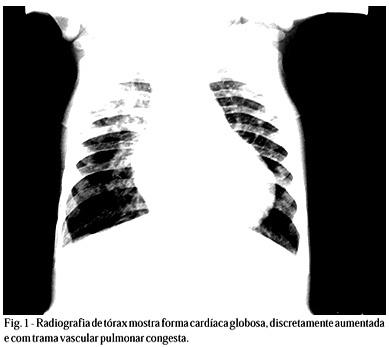
Caso 9/2002 - Instituto do Coração do Hospital das Clínicas da FMUSP
Correlação Clínico-Radiográfica

Caso 9/2002 – Instituto do Coração do Hospital das Clínicas da FMUSP

Edmar Atik

Correlação Clínico-Radiográfica

Correlação Clínico-Radiográfica

[…]

Ler artigo completo
Creative Commons Attribution (CC BY) Creative Commons license
13/10/2002 DOI: 10.1590/S0066-782X2002001200012 Visualizações 1
Original Article

Neonate Aortic Stenosis: Importance of Myocardial Perfusion in Prognosis

Marco Aurélio Santos et al. Vitor Manuel Pereira Azevedo

OBJECTIVE: To analyze our experience with percutaneous aortic balloon valvuloplasty in newborn infants with aortic stenosis, emphasizing the extraordinary importance of myocardial perfusion.METHODS: Over a 10-year-period, 21 neonates underwent percutaneous aortic balloon valvuloplasty. Age ranged from 2 to 27 days, weight ranged from 2.2 to 4.1 kg and 19 were males. All patients presented with congestive heart failure that could not be treated clinically. The onset of symptoms in the first week of life occurred in 9 patients considered as having critical aortic stenosis. Severe aortic stenosis occurred in 12 patients with the onset of symptoms in the second week of life.RESULTS: Mortality reached 100% in the patients with critical aortic stenosis. The procedure was considered effective in the 12 patients with severe aortic stenosis. Vascular complications included the loss of pulse in 12 patients and rupture of the femoral artery in 2 patients. Cardiac complications included acute aortic regurgitation in 2 patients and myocardial perforation in one. In an 8.2±1.3-year follow-up, 5 of the 12 patients died (2 patients due to septicemia and 3 patients due to congestive heart failure). Five of the other 7 patients underwent a new procedure and 2 required surgery.CONCLUSION: Percutaneous aortic valvuloplasty in neonates is not an effective procedure in the 1st week of life, because at this age the common presentation is cardiogenic shock. It is possible that, in those patients with critical aortic stenosis, dilation of the aortic valve during fetal life may change the prognosis of its clinical outcome.

  • aortic stenosis
  • endocardial fibroelastosis
  • Myocardial Ischemia
  • valvuloplasty through balloon catheter
Ler artigo completo
Creative Commons Attribution (CC BY) Creative Commons license
09/10/2002 DOI: 10.1590/S0066-782X2002001200005 Visualizações 5
Original Article

Echocardiographic Abnormalities and Antiphospholipid Antibodies in Patients with Systemic Lupus Erythematosus

Creso Abreu Falcão et al. Izabel Cristina Alves Wiliam Habib Chahade Ângela Luzia Branco Pinto Duarte Norma Lucena-Silva

OBJECTIVE: Lupus anticoagulant and anticardiolipin antibodies (aCL) have been associated with thrombosis, recurrent abortion, and thrombocytopenia in patients with systemic lupus erythematosus (SLE), but their relationship with cardiac disease is less clear. The purpose of this study was to evaluate the association between antiphospholipid antibodies (aPL) and echocardiographic abnormalities in patients with SLE. METHODS: A total of 70 consecutive patients and 42 control subjects underwent M-mode, 2-dimensional and Doppler echocardiography and tests for lupus anticoagulant, aCL IgG, IgM, and IgA. Lupus anticoagulant was assayed with the dilute Russell viper venom time, and aCL IgG, IgM, and IgA were measured by an enzyme-linked immunosorbent assay (ELISA). RESULTS: Lupus anticoagulant showed a prevalence of 10%. As a whole, aCL had a prevalence of 44.3% and aPL had a prevalence of 50%. Patients with echocardiographic abnormalities had a prevalence of 54.3% and showed a trend towards an association with aCL IgG (P=0.06). The presence of pulmonary hypertension (PH) was significantly associated with aCL IgG (p=0.02). CONCLUSION: aCL IgG was significantly associated with PH and showed a strong trend towards an association with echocardiographic abnormalities taken together. These findings suggest a role for aCL IgG in the development of lupus cardiovascular disease.

  • antiphospholipid syndrome
  • lupus coagulation inhibitor
  • lupus erythematosus
Ler artigo completo
Creative Commons Attribution (CC BY) Creative Commons license
09/10/2002 DOI: 10.1590/S0066-782X2002001200008 Visualizações 7
Original Article

Myocardial Revascularization Surgery with Regional Anesthesia Without an Endotracheal Tube in Conscious Patients

Gladyston Luiz Lima Souto et al. Celme da Silva Caetano Júnior Ary Getúlio de Paula Filho Marco Antonio Teixeira … Márcio Roberto Moraes de Carvalho Antonio Carlos Botelho da Silva

OBJECTIVE: To report initial experience with myocardial revascularization surgery (MRS) performed on patients who were totally awake and without an endotracheal tube.METHODS: Between January 1994 and May 2001, 272 patients underwent MRS without extracorporeal circulation. In 24, the operations were performed without the use of an endotracheal tube and with the patients totally awake and breathing normally. The age ranged from 51-75 years with the predominant male sex. Epidural thoracic administratios of the anesthesia was performed. Surgery was performed through a habitual anterolateral thoracotomy. During the entire procedure, the left lung remained partially collapsed.RESULTS: The 24 patients progressed well through the surgery. Pneumothorax time ranged from 70-190 minutes. No electrocardiographic, echocardiographic, or enzymatic alterations occurred that characterized pre- and postoperative infarcts. Twenty-three patients were stable enough to be released after 24 hours.CONCLUSION: This technique could be performed on an large number of selected patients. However, more experience is necessary.

  • coronary artery leypass graft
  • epidural thoracic anesthesia
Ler artigo completo
Creative Commons Attribution (CC BY) Creative Commons license
09/10/2002 DOI: 10.1590/S0066-782X2002001200009 Visualizações 2
Original Article

Trends of the Risk of Death due to Circulatory, Cerebrovascular, and Ischemic Heart Diseases in 11 Brazilian Capitals from 1980 to 1998

Antonio de Padua Mansur et al. Maria de Fátima M. Souza Ari Timermann José Antonio F. Ramires

OBJECTIVE: To assess the trends of the risk of death due to circulatory (CD), cerebrovascular (CVD), and ischemic heart diseases (IHD) in 11 Brazilian capitals from 1980 to 1998. METHODS: Data on mortality due to CD, CVD and IHD were obtained from the Brazilian Health Ministry, and the population estimates were calculated by interpolation with the Lagrange method based on census data from 1980 and 1991 and the population count of 1996. The trends were analyzed with the multiple linear regression method. RESULTS: CD showed a trend towards a decrease in most capitals, except for Brasília, where a mild increase was observed. The cities of Porto Alegre, Curitiba, Rio de Janeiro, Cuiabá, Goiânia, Belém, and Manaus showed a decrease in the risk of death due to CVD and IHD, while the city of Brasília showed an increase in CVD and IHD. The city of São Paulo showed a mild increase in IHD for individuals of both sexes aged 30 to 39 years and for females aged 40 to 59 years. In the cities of Recife and Salvador, a reduction in CD was observed for all ages and both sexes. In the city of Recife, however, an increase in IHD was observed at younger ages (30 to 49 years), and this trend decreased until a mild reduction (-4%) was observed in males ³ 70 years. CONCLUSION: In general, a reduction in the risk of death due to CD and an increase in IHD were observed, mainly in the cities of Recife and Brasília.

  • circulatory diseases
  • Epidemiology
  • Mortality
Ler artigo completo
Creative Commons Attribution (CC BY) Creative Commons license
09/10/2002 DOI: 10.1590/S0066-782X2002001200007 Visualizações 6
Original Article

Unsupervised Rehabilitation: effects of Exercise Training over the Long Run

Japy Angelini Oliveira Filho et al. Ana Cristina Leal Valter Correia Lima Dirceu Vieira Santos Filho Bráulio Luna Filho

OBJECTIVE: To assess the safety and efficacy of unsupervised rehabilitation (USR) in the long run in low-risk patients with coronary artery disease. METHODS: We carried out a retrospective study with 30 patients divided into: group I (GI) – 15 patients from private clinics undergoing unsupervised rehabilitation; group II (GII) – control group, 15 patients from ambulatory clinic basis, paired by age, sex, and clinical findings. GI was stimulated to exercise under indirect supervision (jogging, treadmill, and sports). GII received the usual clinical treatment. RESULTS: The pre- and postobservation values in GI were, respectively: VO2peak (mL/kg/min), 24±5 and 31± 9; VO2 peak/peak HR: 0.18±0.05 and 0.28±0.13; peak double product (DP peak):26,800±7,000 and 29,000 ± 6,500; % peak HR/predicted HRmax: 89.5±9 and 89.3±9. The pre- and post- values in GII were: VO2 peak (mL/kg/min), 27± 7 and 28±5; VO2 peak/peak HR: 0.2±0.06 and 0.2± 0.05; DP peak: 24,900±8,000 and 25,600± 8,000, and % peak HR/predicted HRmax: 91.3±9 and 91.1± 11. The following values were significant: preobservation VO2peak versus postobservation VO2peak in GI (p=0.0 063); postobservation VO2peak in GI versus postobservation VO2peak in GII (p=0.0045); postobservation VO2 peak/peak HR GI versus postobservation peak VO2/peak HR in GII (p=0.0000). The follow-up periods in GI and GII were, respectively, 41.33± 20.19 months and 20.60±8.16 months (p<0.05). No difference between the groups was observed in coronary risk factors, therapeutic management, or evolution of ischemia. No cardiovascular events secondary to USR were observed in 620 patient-months. CONCLUSION: USR was safe and efficient, in low-risk patients with coronary artery disease and provided benefits at the peripheral level.

  • atherosclerotic coronary artery disease
  • Exercise Test
  • unsupervised rehabilitation
Ler artigo completo
Creative Commons Attribution (CC BY) Creative Commons license
09/10/2002 DOI: 10.1590/S0066-782X2002001200004 Visualizações 4
Original Article

Experimental Model of Gene Transfection in Healthy Canine Myocardium: Perspectives of Gene Therapy for Ischemic Heart Disease

Renato A. K. Kalil et al. Leonardo A. K. Teixeira Eduardo T. Mastalir Paulo Moreno … Cecília H. Fricke Nance B. Nardi

OBJECTIVE: To assess the transfection of the gene that encodes green fluorescent protein (GFP) through direct intramyocardial injection. METHODS: The pREGFP plasmid vector was used. The EGFP gene was inserted downstream from the constitutive promoter of the Rous sarcoma virus. Five male dogs were used (mean weight 13.5 kg), in which 0.5 mL of saline solution (n=1) or 0.5 mL of plasmid solution containing 0.5 µg of pREGFP/dog (n=4) were injected into the myocardium of the left ventricular lateral wall. The dogs were euthanized 1 week later, and cardiac biopsies were obtained. RESULTS: Fluorescence microscopy showed differences between the cells transfected and not transfected with pREGFP plasmid. Mild fluorescence was observed in the cardiac fibers that received saline solution; however, the myocardial cells transfected with pREGFP had overt EGFP expression. CONCLUSION: Transfection with the EGFP gene in healthy canine myocardium was effective. The reproduction of this efficacy using vascular endothelial growth factor (VEGF) instead of EGFP aims at developing gene therapy for ischemic heart disease.

  • gene therapy
  • gene transfection
  • ischemic heart disease
Ler artigo completo
Creative Commons Attribution (CC BY) Creative Commons license
09/10/2002 DOI: 10.1590/S0066-782X2002001200003 Visualizações 8
Original Article

Detection of Altered Risk Factors in Hospitalized Patients with Coronary Artery Disease

Avany Fernandes Pereira et al. Maria Dorotéia Borges dos Santos Antônio Carlos Cicogna Carlos Roberto Padovani … Eliane de Abreu Soares Roberto Carlos Burini

OBJECTIVE: To assess biochemical, anthropometric, and dietary variables considered risk factors for coronary artery disease. METHODS: Using anthropometrics, dietary allowance, and blood biochemistry, we assessed 84 patients [54 males (mean age of 55± 8 years) and 30 females (mean age of 57±7 years)], who had severe ( > or = 70% coronary artery obstruction) and nonsevere forms of coronary artery disease determined by cardiac catheterization. The severe form of the disease prevailed in 70% of the males and 64% of the females, and a high frequency of familial antecedents (92% ‘ 88%) and history of acute myocardial infarction (80% ‘ 70%) were observed. Smoking predominated among males (65%) and diabetes mellitus among females (43%). RESULTS: Males and females had body mass index and body fat above the normal values. Females with nonsevere lesions had HDL > 35 mg/dL, and this constituted a discriminating intergroup indicator. Regardless of the severity of the disease, hyperglycemia and hypertriglyceridemia were found among females, and cholesterolemia > 200 mg/dL in both sexes, but only males had LDL fraction > 160 mg/dL and homocysteine > 11.7 mmol/L. The male dietary allowance was inadequate in nutrients for homocysteine metabolism and in nutrients with an antioxidant action, such as the vitamins B6, C, and folate. Individuals of both sexes had a higher lipid and cholesterol intake and an inadequate consumption of fiber. The diet was classified as high-protein, high-fat, and low-carbohydrate. CONCLUSION: The alterations found had no association with the severity of lesions, indicating the need for more effective nutritional intervention.

  • Hospitalization
  • individuals with coronary artery disease
  • Risk Factors
Ler artigo completo
Creative Commons Attribution (CC BY) Creative Commons license
09/10/2002 DOI: 10.1590/S0066-782X2002001200006 Visualizações 4
Original Article

Myocardial Bridges and their Relationship to the Anterior Interventricular Branch of the Left Coronary Artery

Vanildo Júnior de Melo Lima et al. Jennecy Sales Cavalcanti Tetsuo Tashiro

OBJECTIVE: To analyze the relationship between myocardial bridges and the anterior interventricular branch (anterior descending) of the left coronary artery. METHODS: The study was carried out with postmortem material, and methods of dissection and observation were used. We assessed the perimeter of the anterior interventricular branch of the left coronary artery using a pachymeter, calculated its proximal and distal diameters in relation to the myocardial bridge, and also its diameter under the myocardial bridge in 30 hearts. We also observed the position of the myocardial bridge in relation to the origin of the anterior interventricular branch. RESULTS: The diameters of the anterior interventricular branch were as follows: the mean proximal diameter was 2.76±0.76 mm; the mean diameter under the myocardial bridge was 2.08±0.54 mm; and the mean distal diameter was 1.98±0.59 mm. In 33.33% (10/30) of the cases, the diameter of the anterior interventricular branch under the myocardial bridge was lower than the diameter of the anterior interventricular branch distal to the myocardial bridge. In 3.33% (1/30) of the cases, an atherosclerotic plaque was found in the segment under the myocardial bridge. The myocardial bridge was located in the middle third of the anterior interventricular branch in 86.66% (26/30) of the cases. CONCLUSION: Myocardial bridges are more frequently found in the middle third of the anterior interventricular branch of the left coronary artery. The diameter of the anterior interventricular branch of the left coronary artery under the myocardial bridge may be smaller than after the bridge. Myocardial bridges may not provide protection against the formation of atherosclerotic plaque inside the anterior interventricular branch of the left coronary artery.

  • coronary arteries
  • morphometry
  • myocardial bridge
Ler artigo completo
Creative Commons Attribution (CC BY) Creative Commons license
09/10/2002 DOI: 10.1590/S0066-782X2002001200002 Visualizações 5
Normatizacão

Normatização dos Equipamentos e Técnicas de Exame para Realização de Implante de Marcapassos

Normatização

Normatização dos Equipamentos e Técnicas de Exame para Realização de Implante de Marcapassos

[…]

Ler artigo completo
Creative Commons Attribution (CC BY) Creative Commons license
08/10/2002 DOI: 10.1590/S0066-782X2002001200016 Visualizações 1
Editorial

Do Vasodilators Interfere with Left Ventricular Remodeling in Chronic Mitral Regurgitation?

Roney Orismar Sampaio et al. Max Grinberg

Editorial

Do Vasodilators Interfere with Left Ventricular Remodeling in Chronic Mitral Regurgitation?

[…]

Ler artigo completo
Creative Commons Attribution (CC BY) Creative Commons license
08/10/2002 DOI: 10.1590/S0066-782X2002001200001 Visualizações 3
Case Report

Silent Patent Ductus Arteriosus Aneurysm

Aline Medeiros Botta et al. Flávio Aquino Carla Pereira Alberto Fin … Aldemir Nogueira Cláudia Ricachinewsky Fernando Lucchese Silvana Molossi

Ductus arteriosus aneurysm, a rare and potentially fatal condition, has been reported as a complication after surgical ductus arteriosus closure. Its spontaneous appearance as a septic complication, which was common in the presurgical and preantibiotic era, has been rarely reported in the contemporary literature. Persistence of silent ductus arteriosus in healthy children and adults is a frequent condition that currently has an increasing diagnostic possibility due to the availability of more accurate investigative methods, especially echocardiography. We report the case of a 1-year-old child, in whom no previous heart disease was known, who developed a giant aneurysm of the ductus arteriosus during a staphylococcal infection. This complication appeared after craniotomy for emptying an accidental subdural hematoma. This report associates the persistence of ductus arteriosus with a complication considered rare, which has a rapidly fatal evolution.

Ler artigo completo
Creative Commons Attribution (CC BY) Creative Commons license
08/10/2002 DOI: 10.1590/S0066-782X2002001200010 Visualizações 3
Ponto de Vista

É Imperiosa a Indicação de Estudo Eletrofisiológico Invasivo em Pacientes Sobreviventes de Parada Cardíaca?

José Tarcísio Medeiros de Vasconcelos et al. Silas dos Santos Galvão Filho Cecília Monteiro Boya Barcellos

Ponto de Vista

É Imperiosa a Indicação de Estudo Eletrofisiológico Invasivo em Pacientes Sobreviventes de Parada Cardíaca?

[…]

Ler artigo completo
Creative Commons Attribution (CC BY) Creative Commons license
08/10/2002 DOI: 10.1590/S0066-782X2002001200011 Visualizações 2
Normatizacão

Cursos, pré-requisitos e critérios para obtenção do Certificado de Habilitação em Ergometria

Normatização

Normatização

[…]

Ler artigo completo
Creative Commons Attribution (CC BY) Creative Commons license
08/10/2002 DOI: 10.1590/S0066-782X2002001200015
Atualização

Fechamento Percutâneo da Comunicação Interatrial

Valmir Fernandes Fontes et al. Carlos Augusto Cardoso Pedra

Atualização

Fechamento Percutâneo da Comunicação Interatrial

[…]

Ler artigo completo
Creative Commons Attribution (CC BY) Creative Commons license
08/10/2002 DOI: 10.1590/S0066-782X2002001200014

Como citar este artigo

EndNote RIS

Formato de Documento Eletrônico (Vancouver)

Silva RP, Amodeo C, Ramires JAF. O Ventrículo Direito e a Hipertensão Arterial: Aspectos Ecocardiográficos. Arquivos Brasileiros de Cardiologia 2002;79(3):313-8.

Formato de Documento Eletrônico (ABNT)

Silva, Ricardo Pereira; Amodeo, Celso; Ramires, José Antônio Franchini. O Ventrículo Direito e a Hipertensão Arterial: Aspectos Ecocardiográficos. Arquivos Brasileiros de Cardiologia, v. 79, n. 3, p. 313-318, out. 2002.

Formato de Documento Eletrônico (APA)

Silva, R. P., Amodeo, C., & Ramires, J. A. F. (2002). O Ventrículo Direito e a Hipertensão Arterial: Aspectos Ecocardiográficos. Arquivos Brasileiros de Cardiologia, 79(3), 313-318.

Formato de Documento Eletrônico (ISO)

Silva, Ricardo Pereira and Amodeo, Celso and Ramires, José Antônio Franchini. O Ventrículo Direito e a Hipertensão Arterial: Aspectos Ecocardiográficos. Arquivos Brasileiros de Cardiologia [online]. 2002, vol. 79, n. 3, [citado 2026-11-15], pp. 313-318. Disponível em: <https://journals.cardiol.br/article/o-ventriculo-direito-e-a-hipertensao-arterial-aspectos-ecocardiograficos/>. ISSN 0066-782X

EndNote RIS

Formato de Documento Eletrônico (Vancouver)

Atik E. Caso 9/2002 – Instituto do Coração do Hospital das Clínicas da FMUSP. Arquivos Brasileiros de Cardiologia 2002;79(3):312.

Formato de Documento Eletrônico (ABNT)

Atik, Edmar. Caso 9/2002 – Instituto do Coração do Hospital das Clínicas da FMUSP. Arquivos Brasileiros de Cardiologia, v. 79, n. 3, p. 312-312, out. 2002.

Formato de Documento Eletrônico (APA)

Atik, E. (2002). Caso 9/2002 – Instituto do Coração do Hospital das Clínicas da FMUSP. Arquivos Brasileiros de Cardiologia, 79(3), 312-312.

Formato de Documento Eletrônico (ISO)

Atik, Edmar. Caso 9/2002 – Instituto do Coração do Hospital das Clínicas da FMUSP. Arquivos Brasileiros de Cardiologia [online]. 2002, vol. 79, n. 3, [citado 2026-11-15], pp. 312-312. Disponível em: <https://journals.cardiol.br/article/caso-9-2002-instituto-do-coracao-do-hospital-das-clinicas-da-fmusp/>. ISSN 0066-782X

EndNote RIS

Formato de Documento Eletrônico (Vancouver)

Santos MA, Azevedo VMP. Neonate Aortic Stenosis: Importance of Myocardial Perfusion in Prognosis. Arquivos Brasileiros de Cardiologia 2002;79(3):251-5.

Formato de Documento Eletrônico (ABNT)

Santos, Marco Aurélio; Azevedo, Vitor Manuel Pereira. Neonate Aortic Stenosis: Importance of Myocardial Perfusion in Prognosis. Arquivos Brasileiros de Cardiologia, v. 79, n. 3, p. 251-255, out. 2002.

Formato de Documento Eletrônico (APA)

Santos, M. A., & Azevedo, V. M. P. (2002). Neonate Aortic Stenosis: Importance of Myocardial Perfusion in Prognosis. Arquivos Brasileiros de Cardiologia, 79(3), 251-255.

Formato de Documento Eletrônico (ISO)

Santos, Marco Aurélio and Azevedo, Vitor Manuel Pereira. Neonate Aortic Stenosis: Importance of Myocardial Perfusion in Prognosis. Arquivos Brasileiros de Cardiologia [online]. 2002, vol. 79, n. 3, [citado 2026-11-15], pp. 251-255. Disponível em: <https://journals.cardiol.br/article/neonate-aortic-stenosis-importance-of-myocardial-perfusion-in-prognosis-2/>. ISSN 0066-782X

EndNote RIS

Formato de Documento Eletrônico (Vancouver)

Falcão CA, Alves IC, Chahade WH, Duarte LBP, Lucena-Silva N. Echocardiographic Abnormalities and Antiphospholipid Antibodies in Patients with Systemic Lupus Erythematosus. Arquivos Brasileiros de Cardiologia 2002;79(3):285-91.

Formato de Documento Eletrônico (ABNT)

Falcão, Creso Abreu; Alves, Izabel Cristina; Chahade, Wiliam Habib; Duarte, Ângela Luzia Branco Pinto; Lucena-Silva, Norma. Echocardiographic Abnormalities and Antiphospholipid Antibodies in Patients with Systemic Lupus Erythematosus. Arquivos Brasileiros de Cardiologia, v. 79, n. 3, p. 285-291, out. 2002.

Formato de Documento Eletrônico (APA)

Falcão, C. A., Alves, I. C., Chahade, W. H., Duarte, L. B. P., & Lucena-Silva, N. (2002). Echocardiographic Abnormalities and Antiphospholipid Antibodies in Patients with Systemic Lupus Erythematosus. Arquivos Brasileiros de Cardiologia, 79(3), 285-291.

Formato de Documento Eletrônico (ISO)

Falcão, Creso Abreu and Alves, Izabel Cristina and Chahade, Wiliam Habib and Duarte, Ângela Luzia Branco Pinto and Lucena-Silva, Norma. Echocardiographic Abnormalities and Antiphospholipid Antibodies in Patients with Systemic Lupus Erythematosus. Arquivos Brasileiros de Cardiologia [online]. 2002, vol. 79, n. 3, [citado 2026-11-15], pp. 285-291. Disponível em: <https://journals.cardiol.br/article/echocardiographic-abnormalities-and-antiphospholipid-antibodies-in-patients-with-systemic-lupus-erythematosus-2/>. ISSN 0066-782X

EndNote RIS

Formato de Documento Eletrônico (Vancouver)

Souto GLL, Caetano Júnior CS, Paula Filho AG, Teixeira MA, Carvalho MRM, Silva ACB. Myocardial Revascularization Surgery with Regional Anesthesia Without an Endotracheal Tube in Conscious Patients. Arquivos Brasileiros de Cardiologia 2002;79(3):297-301.

Formato de Documento Eletrônico (ABNT)

Souto, Gladyston Luiz Lima; Caetano Júnior, Celme da Silva; Paula Filho, Ary Getúlio de; Teixeira, Marco Antonio; Carvalho, Márcio Roberto Moraes de; Silva, Antonio Carlos Botelho da. Myocardial Revascularization Surgery with Regional Anesthesia Without an Endotracheal Tube in Conscious Patients. Arquivos Brasileiros de Cardiologia, v. 79, n. 3, p. 297-301, out. 2002.

Formato de Documento Eletrônico (APA)

Souto, G. L. L., Caetano Júnior, C. S., Paula Filho, A. G. , Teixeira, M. A., Carvalho, M. R. M. , & Silva, A. C. B. (2002). Myocardial Revascularization Surgery with Regional Anesthesia Without an Endotracheal Tube in Conscious Patients. Arquivos Brasileiros de Cardiologia, 79(3), 297-301.

Formato de Documento Eletrônico (ISO)

Souto, Gladyston Luiz Lima and Caetano Júnior, Celme da Silva and Paula Filho, Ary Getúlio de and Teixeira, Marco Antonio and Carvalho, Márcio Roberto Moraes de and Silva, Antonio Carlos Botelho da. Myocardial Revascularization Surgery with Regional Anesthesia Without an Endotracheal Tube in Conscious Patients. Arquivos Brasileiros de Cardiologia [online]. 2002, vol. 79, n. 3, [citado 2026-11-15], pp. 297-301. Disponível em: <https://journals.cardiol.br/article/myocardial-revascularization-surgery-with-regional-anesthesia-without-an-endotracheal-tube-in-conscious-patients-2/>. ISSN 0066-782X

EndNote RIS

Formato de Documento Eletrônico (Vancouver)

Mansur AP, Souza MFM, Timermann A, Ramires JAF. Trends of the Risk of Death due to Circulatory, Cerebrovascular, and Ischemic Heart Diseases in 11 Brazilian Capitals from 1980 to 1998. Arquivos Brasileiros de Cardiologia 2002;79(3):277-84.

Formato de Documento Eletrônico (ABNT)

Mansur, Antonio de Padua; Souza, Maria de Fátima M.; Timermann, Ari; Ramires, José Antonio F.. Trends of the Risk of Death due to Circulatory, Cerebrovascular, and Ischemic Heart Diseases in 11 Brazilian Capitals from 1980 to 1998. Arquivos Brasileiros de Cardiologia, v. 79, n. 3, p. 277-284, out. 2002.

Formato de Documento Eletrônico (APA)

Mansur, A. P., Souza, M. F. M., Timermann, A., & Ramires, J. A. F. (2002). Trends of the Risk of Death due to Circulatory, Cerebrovascular, and Ischemic Heart Diseases in 11 Brazilian Capitals from 1980 to 1998. Arquivos Brasileiros de Cardiologia, 79(3), 277-284.

Formato de Documento Eletrônico (ISO)

Mansur, Antonio de Padua and Souza, Maria de Fátima M. and Timermann, Ari and Ramires, José Antonio F.. Trends of the Risk of Death due to Circulatory, Cerebrovascular, and Ischemic Heart Diseases in 11 Brazilian Capitals from 1980 to 1998. Arquivos Brasileiros de Cardiologia [online]. 2002, vol. 79, n. 3, [citado 2026-11-15], pp. 277-284. Disponível em: <https://journals.cardiol.br/article/trends-of-the-risk-of-death-due-to-circulatory-cerebrovascular-and-ischemic-heart-diseases-in-11-brazilian-capitals-from-1980-to-1998-2/>. ISSN 0066-782X

EndNote RIS

Formato de Documento Eletrônico (Vancouver)

Oliveira Filho JA, Leal AC, Lima VC, Santos Filho DV, Luna Filho B. Unsupervised Rehabilitation: effects of Exercise Training over the Long Run. Arquivos Brasileiros de Cardiologia 2002;79(3):239-44.

Formato de Documento Eletrônico (ABNT)

Oliveira Filho, Japy Angelini; Leal, Ana Cristina; Lima, Valter Correia; Santos Filho, Dirceu Vieira; Luna Filho, Bráulio. Unsupervised Rehabilitation: effects of Exercise Training over the Long Run. Arquivos Brasileiros de Cardiologia, v. 79, n. 3, p. 239-244, out. 2002.

Formato de Documento Eletrônico (APA)

Oliveira Filho, J. A., Leal, A. C., Lima, V. C., Santos Filho, D. V., & Luna Filho, B. (2002). Unsupervised Rehabilitation: effects of Exercise Training over the Long Run. Arquivos Brasileiros de Cardiologia, 79(3), 239-244.

Formato de Documento Eletrônico (ISO)

Oliveira Filho, Japy Angelini and Leal, Ana Cristina and Lima, Valter Correia and Santos Filho, Dirceu Vieira and Luna Filho, Bráulio. Unsupervised Rehabilitation: effects of Exercise Training over the Long Run. Arquivos Brasileiros de Cardiologia [online]. 2002, vol. 79, n. 3, [citado 2026-11-15], pp. 239-244. Disponível em: <https://journals.cardiol.br/article/unsupervised-rehabilitation-effects-of-exercise-training-over-the-long-run-2/>. ISSN 0066-782X

EndNote RIS

Formato de Documento Eletrônico (Vancouver)

Kalil RAK, Teixeira LAK, Mastalir ET, Moreno P, Fricke CH, Nardi NB. Experimental Model of Gene Transfection in Healthy Canine Myocardium: Perspectives of Gene Therapy for Ischemic Heart Disease. Arquivos Brasileiros de Cardiologia 2002;79(3):228-32.

Formato de Documento Eletrônico (ABNT)

Kalil, Renato A. K.; Teixeira, Leonardo A. K.; Mastalir, Eduardo T.; Moreno, Paulo; Fricke, Cecília H.; Nardi, Nance B.. Experimental Model of Gene Transfection in Healthy Canine Myocardium: Perspectives of Gene Therapy for Ischemic Heart Disease. Arquivos Brasileiros de Cardiologia, v. 79, n. 3, p. 228-232, out. 2002.

Formato de Documento Eletrônico (APA)

Kalil, R. A. K., Teixeira, L. A. K., Mastalir, E. T., Moreno, P., Fricke, C. H., & Nardi, N. B. (2002). Experimental Model of Gene Transfection in Healthy Canine Myocardium: Perspectives of Gene Therapy for Ischemic Heart Disease. Arquivos Brasileiros de Cardiologia, 79(3), 228-232.

Formato de Documento Eletrônico (ISO)

Kalil, Renato A. K. and Teixeira, Leonardo A. K. and Mastalir, Eduardo T. and Moreno, Paulo and Fricke, Cecília H. and Nardi, Nance B.. Experimental Model of Gene Transfection in Healthy Canine Myocardium: Perspectives of Gene Therapy for Ischemic Heart Disease. Arquivos Brasileiros de Cardiologia [online]. 2002, vol. 79, n. 3, [citado 2026-11-15], pp. 228-232. Disponível em: <https://journals.cardiol.br/article/experimental-model-of-gene-transfection-in-healthy-canine-myocardium-perspectives-of-gene-therapy-for-ischemic-heart-disease-2/>. ISSN 0066-782X

EndNote RIS

Formato de Documento Eletrônico (Vancouver)

Pereira AF, Santos MDB, Cicogna AC, Padovani CR, Soares EA, Burini RC. Detection of Altered Risk Factors in Hospitalized Patients with Coronary Artery Disease. Arquivos Brasileiros de Cardiologia 2002;79(3):263-8.

Formato de Documento Eletrônico (ABNT)

Pereira, Avany Fernandes; Santos, Maria Dorotéia Borges dos; Cicogna, Antônio Carlos; Padovani, Carlos Roberto; Soares, Eliane de Abreu; Burini, Roberto Carlos. Detection of Altered Risk Factors in Hospitalized Patients with Coronary Artery Disease. Arquivos Brasileiros de Cardiologia, v. 79, n. 3, p. 263-268, out. 2002.

Formato de Documento Eletrônico (APA)

Pereira, A. F., Santos, M. D. B. , Cicogna, A. C., Padovani, C. R., Soares, E. A., & Burini, R. C. (2002). Detection of Altered Risk Factors in Hospitalized Patients with Coronary Artery Disease. Arquivos Brasileiros de Cardiologia, 79(3), 263-268.

Formato de Documento Eletrônico (ISO)

Pereira, Avany Fernandes and Santos, Maria Dorotéia Borges dos and Cicogna, Antônio Carlos and Padovani, Carlos Roberto and Soares, Eliane de Abreu and Burini, Roberto Carlos. Detection of Altered Risk Factors in Hospitalized Patients with Coronary Artery Disease. Arquivos Brasileiros de Cardiologia [online]. 2002, vol. 79, n. 3, [citado 2026-11-15], pp. 263-268. Disponível em: <https://journals.cardiol.br/article/detection-of-altered-risk-factors-in-hospitalized-patients-with-coronary-artery-disease-2/>. ISSN 0066-782X

EndNote RIS

Formato de Documento Eletrônico (Vancouver)

Lima VJM, Cavalcanti JS, Tashiro T. Myocardial Bridges and their Relationship to the Anterior Interventricular Branch of the Left Coronary Artery. Arquivos Brasileiros de Cardiologia 2002;79(3):219-22.

Formato de Documento Eletrônico (ABNT)

Lima, Vanildo Júnior de Melo; Cavalcanti, Jennecy Sales; Tashiro, Tetsuo. Myocardial Bridges and their Relationship to the Anterior Interventricular Branch of the Left Coronary Artery. Arquivos Brasileiros de Cardiologia, v. 79, n. 3, p. 219-222, out. 2002.

Formato de Documento Eletrônico (APA)

Lima, V. J. M., Cavalcanti, J. S., & Tashiro, T. (2002). Myocardial Bridges and their Relationship to the Anterior Interventricular Branch of the Left Coronary Artery. Arquivos Brasileiros de Cardiologia, 79(3), 219-222.

Formato de Documento Eletrônico (ISO)

Lima, Vanildo Júnior de Melo and Cavalcanti, Jennecy Sales and Tashiro, Tetsuo. Myocardial Bridges and their Relationship to the Anterior Interventricular Branch of the Left Coronary Artery. Arquivos Brasileiros de Cardiologia [online]. 2002, vol. 79, n. 3, [citado 2026-11-15], pp. 219-222. Disponível em: <https://journals.cardiol.br/article/myocardial-bridges-and-their-relationship-to-the-anterior-interventricular-branch-of-the-left-coronary-artery-2/>. ISSN 0066-782X

EndNote RIS

Formato de Documento Eletrônico (Vancouver)

. Normatização dos Equipamentos e Técnicas de Exame para Realização de Implante de Marcapassos. Arquivos Brasileiros de Cardiologia 2002;79(3):326.

Formato de Documento Eletrônico (ABNT)

. Normatização dos Equipamentos e Técnicas de Exame para Realização de Implante de Marcapassos. Arquivos Brasileiros de Cardiologia, v. 79, n. 3, p. 326-326, out. 2002.

Formato de Documento Eletrônico (APA)

(2002). Normatização dos Equipamentos e Técnicas de Exame para Realização de Implante de Marcapassos. Arquivos Brasileiros de Cardiologia, 79(3), 326-326.

Formato de Documento Eletrônico (ISO)

. Normatização dos Equipamentos e Técnicas de Exame para Realização de Implante de Marcapassos. Arquivos Brasileiros de Cardiologia [online]. 2002, vol. 79, n. 3, [citado 2026-11-15], pp. 326-326. Disponível em: <https://journals.cardiol.br/article/normatizacao-dos-equipamentos-e-tecnicas-de-exame-para-realizacao-de-implante-de-marcapassos/>. ISSN 0066-782X

EndNote RIS

Formato de Documento Eletrônico (Vancouver)

Sampaio RO, Grinberg M. Do Vasodilators Interfere with Left Ventricular Remodeling in Chronic Mitral Regurgitation?. Arquivos Brasileiros de Cardiologia 2002;79(3):213-4.

Formato de Documento Eletrônico (ABNT)

Sampaio, Roney Orismar; Grinberg, Max. Do Vasodilators Interfere with Left Ventricular Remodeling in Chronic Mitral Regurgitation?. Arquivos Brasileiros de Cardiologia, v. 79, n. 3, p. 213-214, out. 2002.

Formato de Documento Eletrônico (APA)

Sampaio, R. O., & Grinberg, M. (2002). Do Vasodilators Interfere with Left Ventricular Remodeling in Chronic Mitral Regurgitation?. Arquivos Brasileiros de Cardiologia, 79(3), 213-214.

Formato de Documento Eletrônico (ISO)

Sampaio, Roney Orismar and Grinberg, Max. Do Vasodilators Interfere with Left Ventricular Remodeling in Chronic Mitral Regurgitation?. Arquivos Brasileiros de Cardiologia [online]. 2002, vol. 79, n. 3, [citado 2026-11-15], pp. 213-214. Disponível em: <https://journals.cardiol.br/article/do-vasodilators-interfere-with-left-ventricular-remodeling-in-chronic-mitral-regurgitation-2/>. ISSN 0066-782X

EndNote RIS

Formato de Documento Eletrônico (Vancouver)

Botta AM, Aquino F, Pereira C, Fin A, Nogueira A, Ricachinewsky C, Lucchese F, et al. Silent Patent Ductus Arteriosus Aneurysm. Arquivos Brasileiros de Cardiologia 2002;79(3):305-7.

Formato de Documento Eletrônico (ABNT)

Botta, Aline Medeiros; Aquino, Flávio; Pereira, Carla; Fin, Alberto; Nogueira, Aldemir; Ricachinewsky, Cláudia; Lucchese, Fernando; Molossi, Silvana. Silent Patent Ductus Arteriosus Aneurysm. Arquivos Brasileiros de Cardiologia, v. 79, n. 3, p. 305-307, out. 2002.

Formato de Documento Eletrônico (APA)

Botta, A. M., Aquino, F., Pereira, C., Fin, A., Nogueira, A., Ricachinewsky, C., Lucchese, F., & Molossi, S. (2002). Silent Patent Ductus Arteriosus Aneurysm. Arquivos Brasileiros de Cardiologia, 79(3), 305-307.

Formato de Documento Eletrônico (ISO)

Botta, Aline Medeiros and Aquino, Flávio and Pereira, Carla and Fin, Alberto and Nogueira, Aldemir and Ricachinewsky, Cláudia and Lucchese, Fernando and Molossi, Silvana. Silent Patent Ductus Arteriosus Aneurysm. Arquivos Brasileiros de Cardiologia [online]. 2002, vol. 79, n. 3, [citado 2026-11-15], pp. 305-307. Disponível em: <https://journals.cardiol.br/article/silent-patent-ductus-arteriosus-aneurysm-2/>. ISSN 0066-782X

EndNote RIS

Formato de Documento Eletrônico (Vancouver)

Vasconcelos JTM, Galvão Filho SS, Barcellos CMB. É Imperiosa a Indicação de Estudo Eletrofisiológico Invasivo em Pacientes Sobreviventes de Parada Cardíaca?. Arquivos Brasileiros de Cardiologia 2002;79(3):308-11.

Formato de Documento Eletrônico (ABNT)

Vasconcelos, José Tarcísio Medeiros de; Galvão Filho, Silas dos Santos; Barcellos, Cecília Monteiro Boya. É Imperiosa a Indicação de Estudo Eletrofisiológico Invasivo em Pacientes Sobreviventes de Parada Cardíaca?. Arquivos Brasileiros de Cardiologia, v. 79, n. 3, p. 308-311, out. 2002.

Formato de Documento Eletrônico (APA)

Vasconcelos, J. T. M. , Galvão Filho, S. S., & Barcellos, C. M. B. (2002). É Imperiosa a Indicação de Estudo Eletrofisiológico Invasivo em Pacientes Sobreviventes de Parada Cardíaca?. Arquivos Brasileiros de Cardiologia, 79(3), 308-311.

Formato de Documento Eletrônico (ISO)

Vasconcelos, José Tarcísio Medeiros de and Galvão Filho, Silas dos Santos and Barcellos, Cecília Monteiro Boya. É Imperiosa a Indicação de Estudo Eletrofisiológico Invasivo em Pacientes Sobreviventes de Parada Cardíaca?. Arquivos Brasileiros de Cardiologia [online]. 2002, vol. 79, n. 3, [citado 2026-11-15], pp. 308-311. Disponível em: <https://journals.cardiol.br/article/e-imperiosa-a-indicacao-de-estudo-eletrofisiologico-invasivo-em-pacientes-sobreviventes-de-parada-cardiaca/>. ISSN 0066-782X

EndNote RIS

Formato de Documento Eletrônico (Vancouver)

. Cursos, pré-requisitos e critérios para obtenção do Certificado de Habilitação em Ergometria. Arquivos Brasileiros de Cardiologia 2002;79(3):323-5.

Formato de Documento Eletrônico (ABNT)

. Cursos, pré-requisitos e critérios para obtenção do Certificado de Habilitação em Ergometria. Arquivos Brasileiros de Cardiologia, v. 79, n. 3, p. 323-325, out. 2002.

Formato de Documento Eletrônico (APA)

(2002). Cursos, pré-requisitos e critérios para obtenção do Certificado de Habilitação em Ergometria. Arquivos Brasileiros de Cardiologia, 79(3), 323-325.

Formato de Documento Eletrônico (ISO)

. Cursos, pré-requisitos e critérios para obtenção do Certificado de Habilitação em Ergometria. Arquivos Brasileiros de Cardiologia [online]. 2002, vol. 79, n. 3, [citado 2026-11-15], pp. 323-325. Disponível em: <https://journals.cardiol.br/article/cursos-pre-requisitos-e-criterios-para-obtencao-do-certificado-de-habilitacao-em-ergometria/>. ISSN 0066-782X

EndNote RIS

Formato de Documento Eletrônico (Vancouver)

Fontes VF, Pedra CAC. Fechamento Percutâneo da Comunicação Interatrial. Arquivos Brasileiros de Cardiologia 2002;79(3):319-22.

Formato de Documento Eletrônico (ABNT)

Fontes, Valmir Fernandes; Pedra, Carlos Augusto Cardoso. Fechamento Percutâneo da Comunicação Interatrial. Arquivos Brasileiros de Cardiologia, v. 79, n. 3, p. 319-322, out. 2002.

Formato de Documento Eletrônico (APA)

Fontes, V. F., & Pedra, C. A. C. (2002). Fechamento Percutâneo da Comunicação Interatrial. Arquivos Brasileiros de Cardiologia, 79(3), 319-322.

Formato de Documento Eletrônico (ISO)

Fontes, Valmir Fernandes and Pedra, Carlos Augusto Cardoso. Fechamento Percutâneo da Comunicação Interatrial. Arquivos Brasileiros de Cardiologia [online]. 2002, vol. 79, n. 3, [citado 2026-11-15], pp. 319-322. Disponível em: <https://journals.cardiol.br/article/fechamento-percutaneo-da-comunicacao-interatrial/>. ISSN 0066-782X

Sede – Rio de Janeiro
Av. Marechal Câmara, 160
3º andar – Sala: 330 – Centro
Rio de Janeiro – CEP: 20020-907
Tel.: (55 +21) 3478-2700
ou (21) 99386-3961
E-mail: revista@cardiol.br

Sede – São Paulo
Alameda Santos, 705 – 11º andar
Cerqueira César | São Paulo
CEP: 01419-001
Tel.: (55 +11) 3411-5500
E-mail: revista@cardiol.br

  • Sobre a Revista
  • Regimento Interno
  • Seção de Editores
  • Corpo Editorial
  • História
  • Prêmio SBC

  • Normas para Publicação
  • Política Editorial
  • Política de Ética
  • Política sobre o Uso de Inteligência Artificial
  • Formulário Obrigatório para Publicação
  • Taxa de Publicação

Edições

Diretrizes da SBC

  • Como Publicar um Suplemento de Tema Livre?
  • Suplementos do Congresso Brasileiro de Cardiologia
Accessibility Adjustments

Powered by OneTap

How long do you want to hide the toolbar?
Hide Toolbar Duration
Select your accessibility profile
Vision Impaired Mode
Enhances website's visuals
Seizure Safe Profile
Clear flashes & reduces color
ADHD Friendly Mode
Focused browsing, distraction-free
Blindness Mode
Reduces distractions, improves focus
Epilepsy Safe Mode
Dims colors and stops blinking
Content Modules
Font Size

Default

Line Height

Default

Color Modules
Orientation Modules