The Role of BNP and Dickkopf-3 in Arrhythmias: A New Perspective in Biomarkers
Abstract
Background:
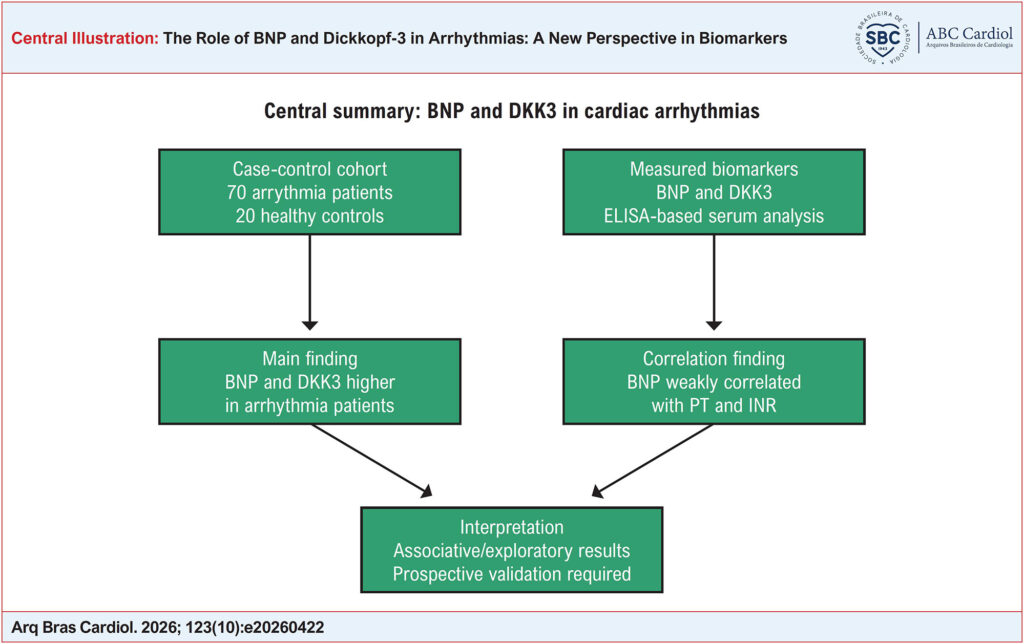
Elevated levels of type B natriuretic peptide (BNP) and Dikkopf-3-associated protein (DKK-3) are associated with a range of clinical, hematological, and physiological conditions.
Objectives:
This study aims to evaluate the relationship between BNP and DKK-3 levels and cardiac arrhythmias, and to explore their associations with available clinical and laboratory variables.
Methods:
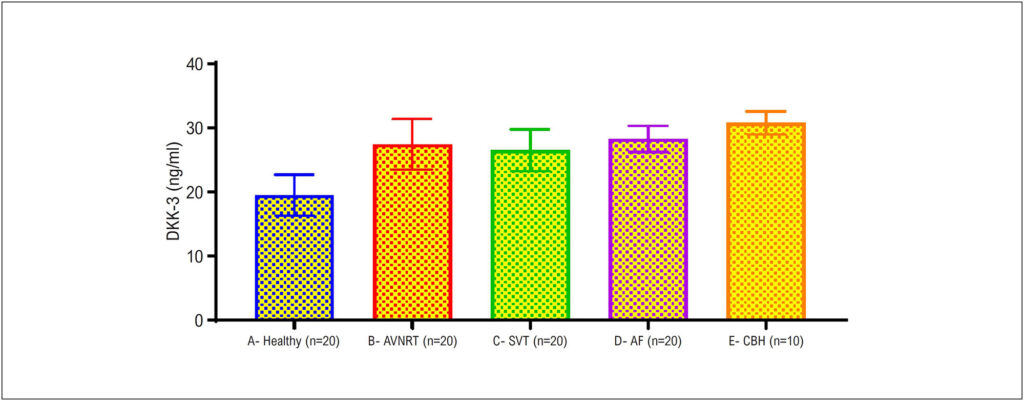
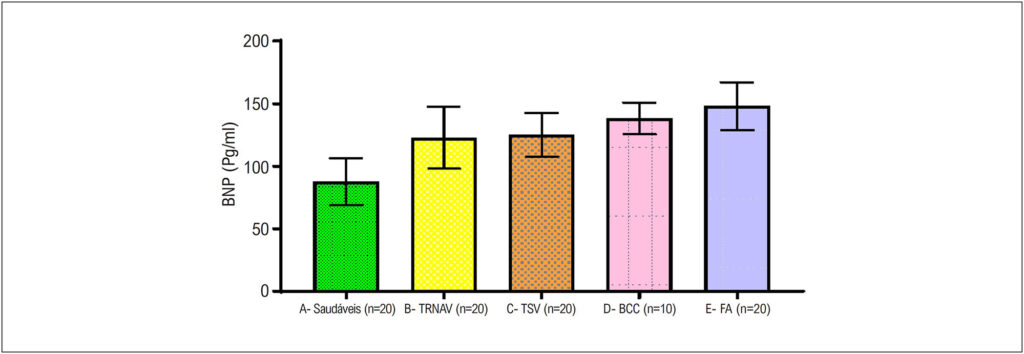
This case-control study included 90 participants: 70 patients with confirmed cardiac arrhythmias and 20 healthy controls. The arrhythmia group included atrioventricular nodal reentry tachycardia (AVNRT; n=20), supraventricular tachycardia (SVT; n=20), atrial fibrillation (AF; n=20), and complete heart block (CHB; n=10). Serum BNP and DKK3 concentrations were measured using an enzyme-linked immunosorbent assay. The significance level adopted in the statistical analysis was 5%.
Results:
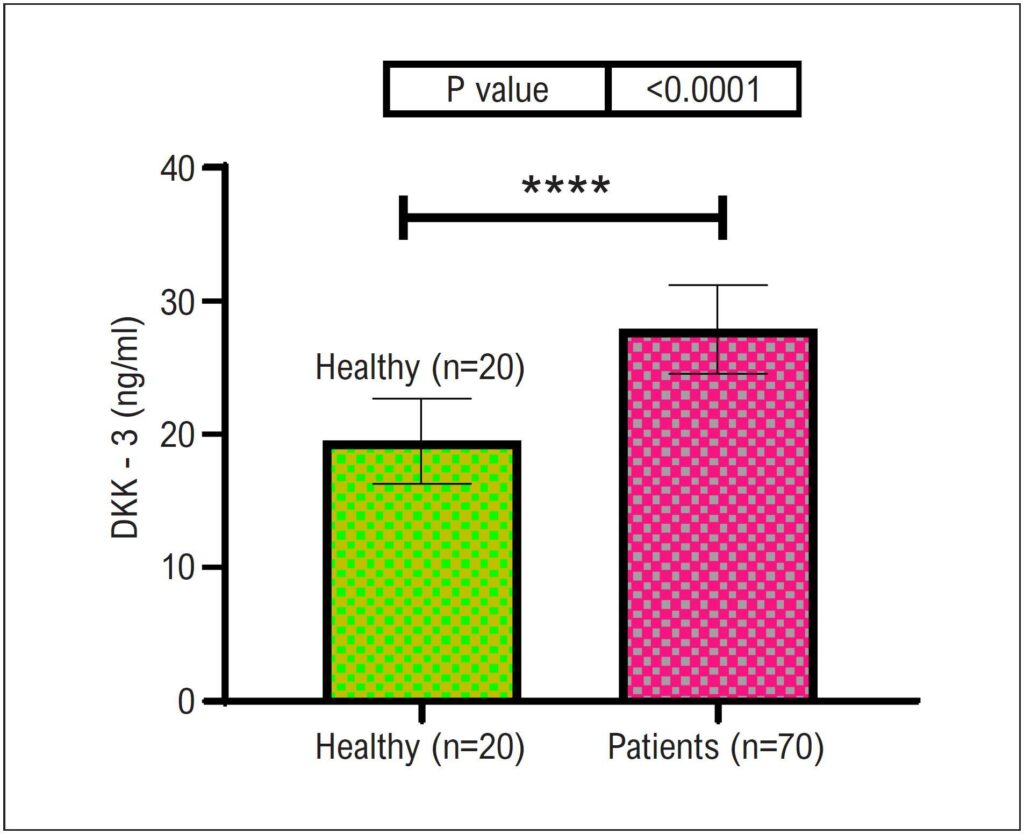
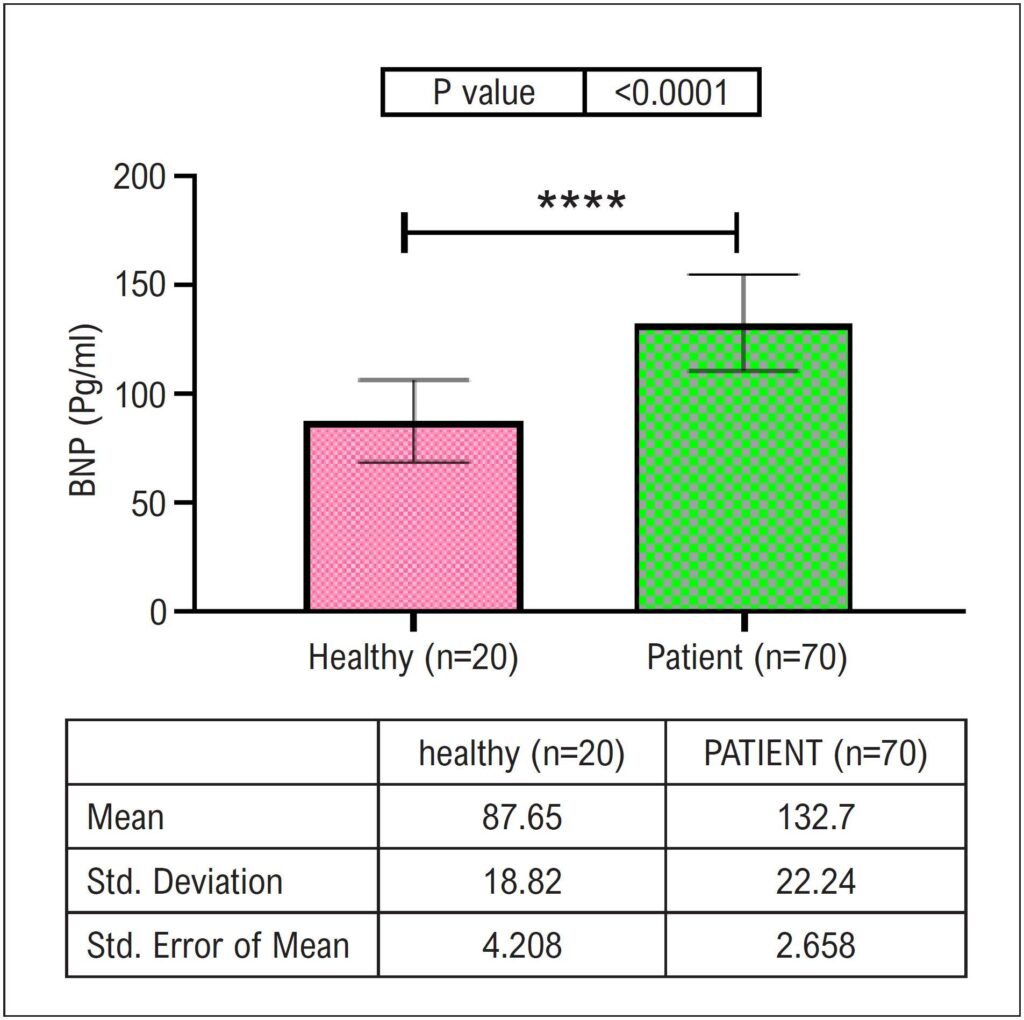
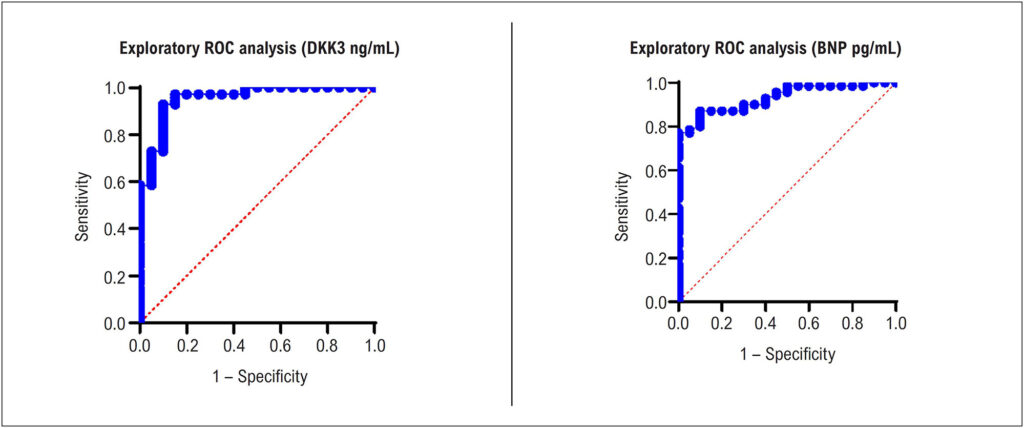
DKK3 and BNP levels were significantly higher in patients with arrhythmias than in controls. BNP showed weak but statistically significant positive correlations with prothrombin time and international normalized ratio. Exploratory ROC analysis showed an AUC of 0.954 for DKK3 and 0.932 for BNP. In separate multivariable logistic models adjusted for age, sex, body mass index, and smoking, both DKK3 and BNP were associated with arrhythmia status; however, when entered together in the same model, neither biomarker remained statistically significant at the 5% level.
Conclusion:
BNP and DKK3 were significantly elevated in patients with cardiac arrhythmias compared with controls. These findings suggest an association between these biomarkers and arrhythmia status. Because of the case-control design, limited sample size, and incomplete availability of some cardiac clinical variables, the results should be considered exploratory and associative rather than predictive or prognostic.
Images
Image gallery fullscreen viewer
Comments are moderated by the editorial team before publication. Discussions should be evidence-based and use scientific language. Conflicts of interest should be declared.