Integrated Multiorgan Ultrasound for Assessment of Congestion in Heart Failure
Introduction
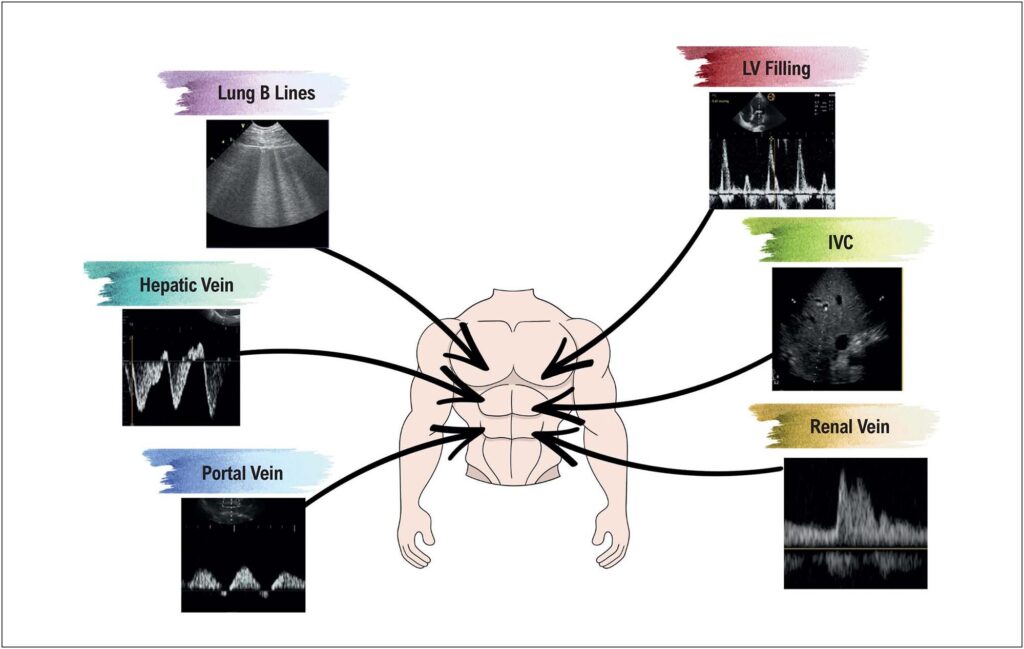
Heart Failure (HF) is a complex clinical syndrome in which fluid overload and congestion play a central role in symptoms, hospitalization, and mortality. Traditional methods for assessing congestion, such as clinical examination and natriuretic peptide levels, often lack sensitivity and provide limited information about the distribution and severity of fluid accumulation.
Traditional bedside methods, such as auscultation for lung crepitations, chest radiography to detect overt pulmonary oedema, and palpation to grade pitting oedema, can help identify congestion. However, these approaches often only detect congestion after it is well established. In modern practice, echocardiography and focused ultrasound allow clinicians to identify congestion much earlier when applied systematically and evidence-based protocols. Echocardiography provides valuable information regarding Ejection Fraction (EF) and structural abnormalities that contribute to heart failure and fluid overload. Lung ultrasound, particularly the BLUE protocol with a B profile, can reveal early pulmonary congestion long before clinical signs become apparent, allowing timely intervention.,
[…]
Images
Image gallery fullscreen viewer
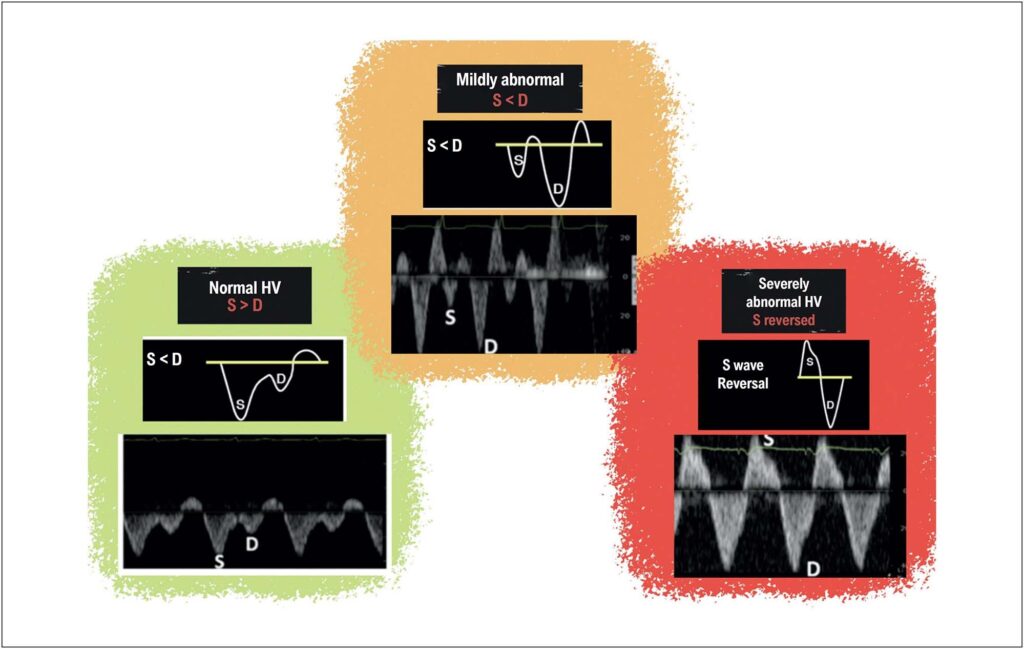
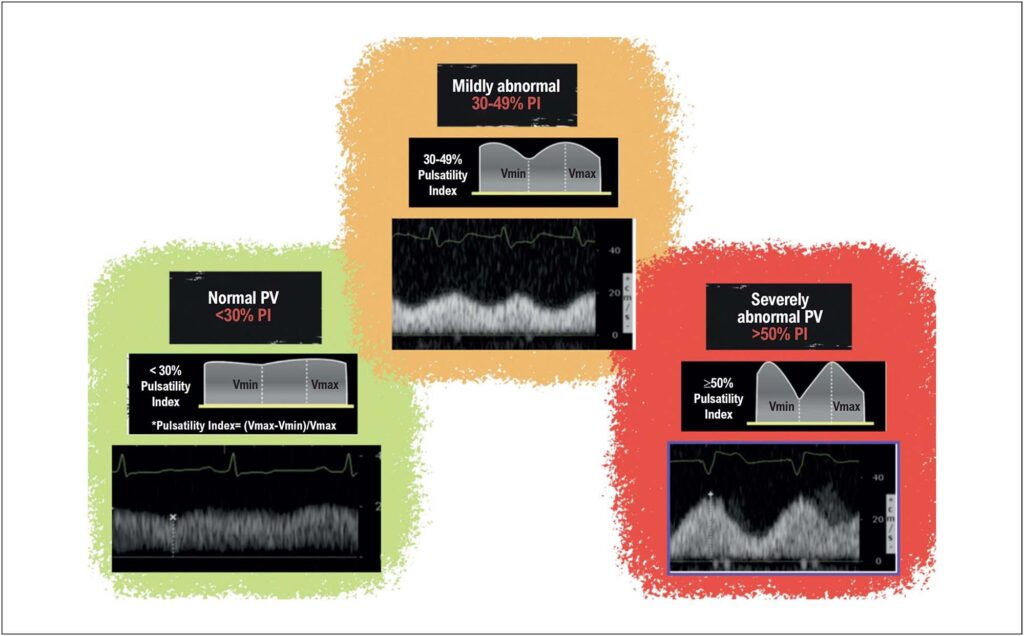
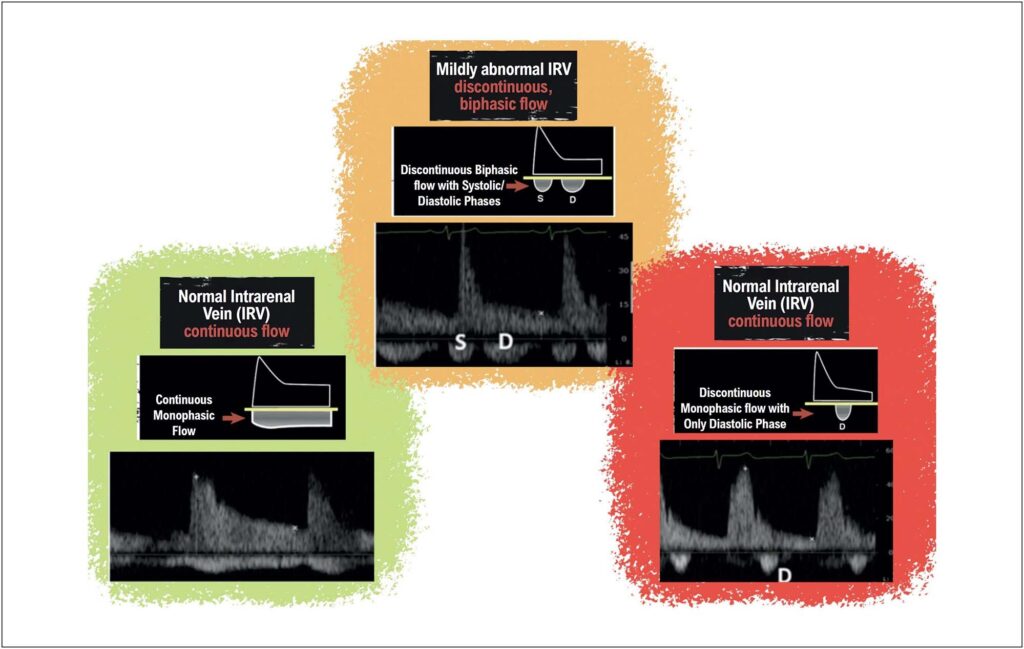
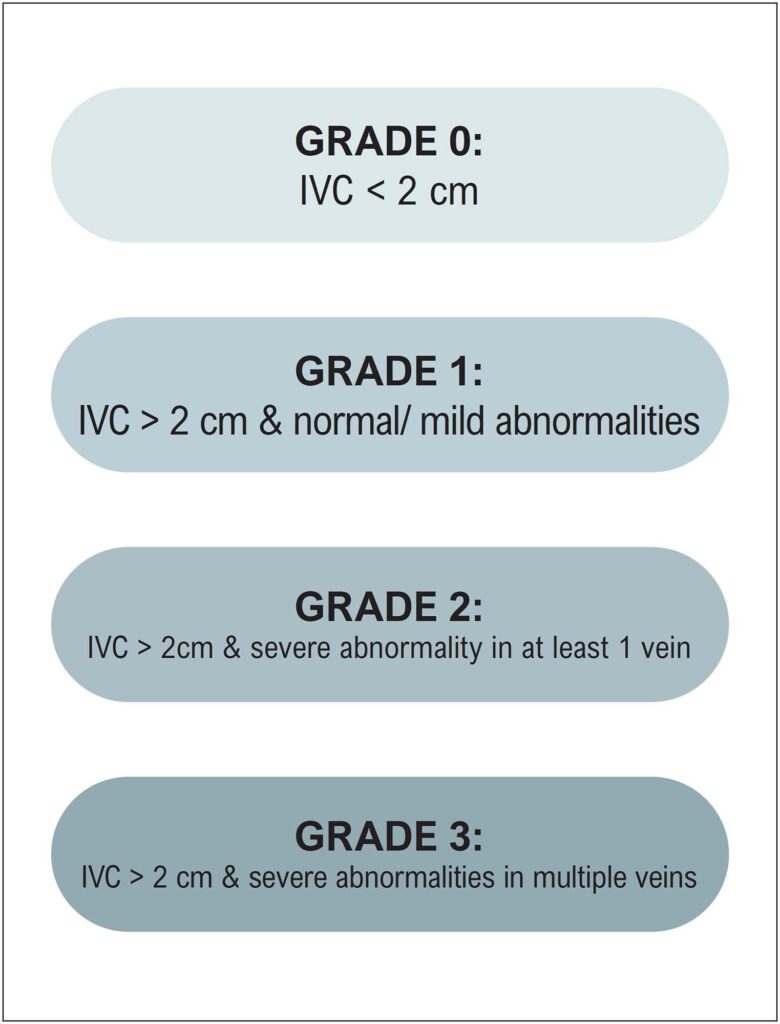
Comments are moderated by the editorial team before publication. Discussions should be evidence-based and use scientific language. Conflicts of interest should be declared.