Exploring MYH7 in Cardiomyopathies: Genetic Drivers and Clinical Outcomes
Abstract
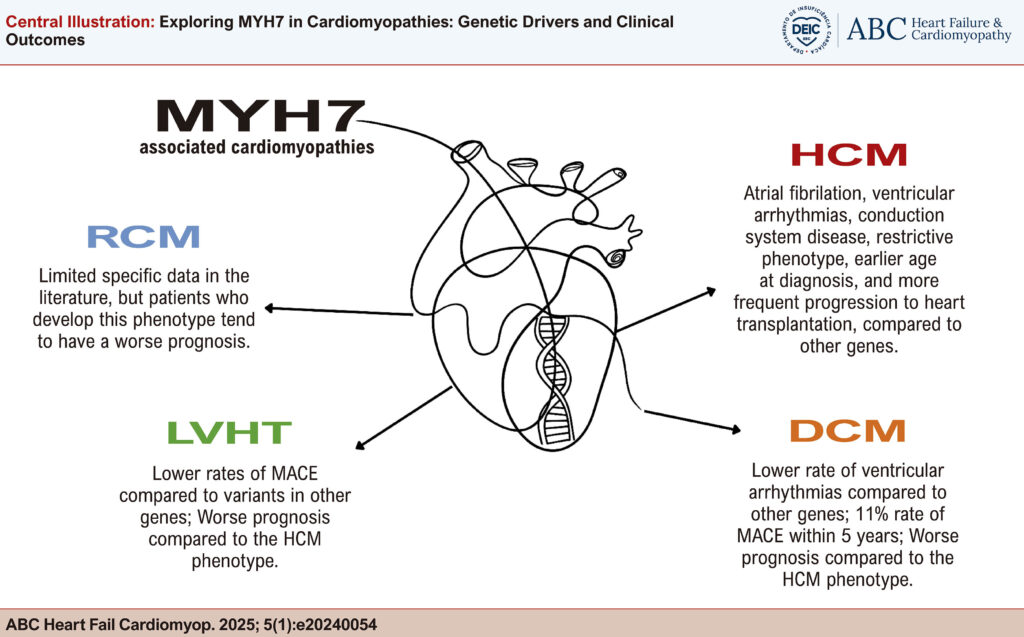
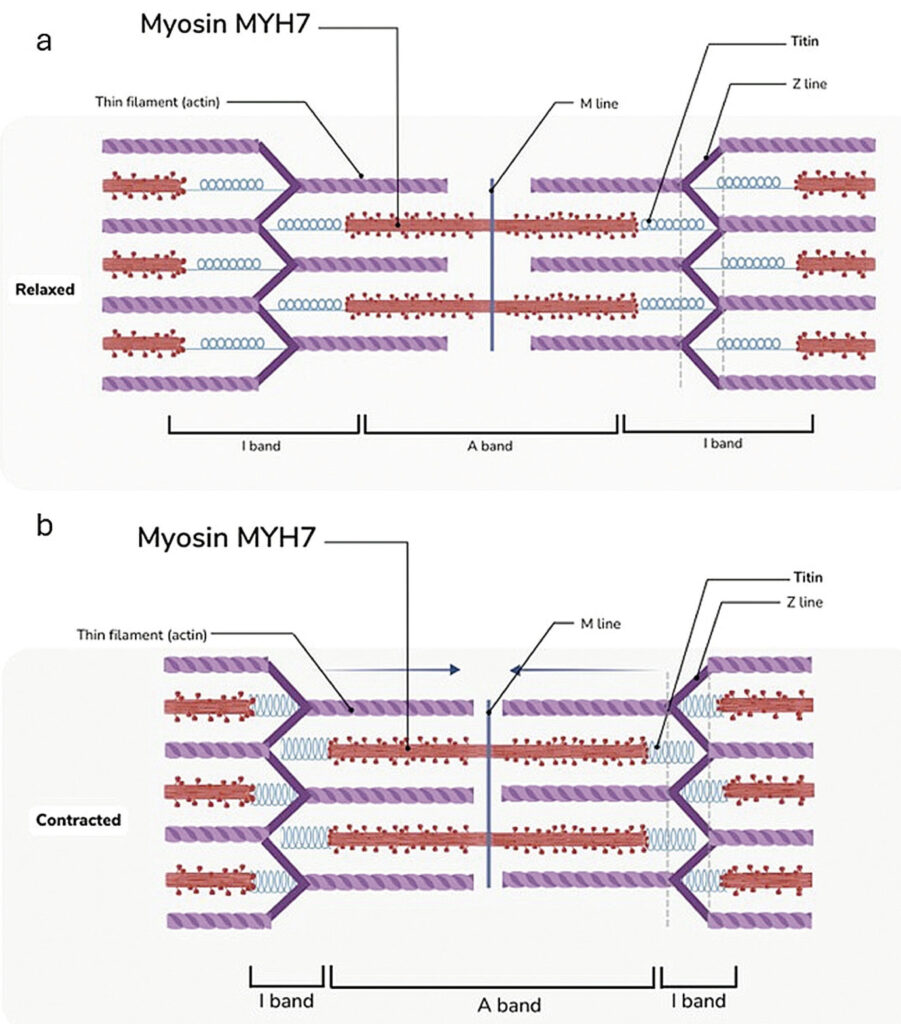
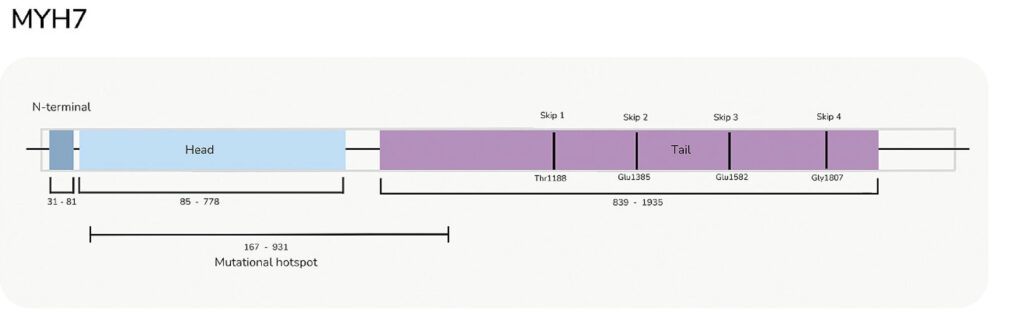
The MYH7 gene, which encodes the beta-myosin heavy chain, is a critical component in the structural and functional integrity of cardiac and skeletal muscle cells. Variants in MYH7 are among the most common genetic causes of cardiomyopathies, particularly hypertrophic cardiomyopathy (HCM) and dilated cardiomyopathy (DCM), and have also been implicated in restrictive cardiomyopathy (RCM) and left ventricular hypertrabeculation (LVHT). This review explores the molecular mechanisms by which MYH7 variants lead to these diverse phenotypes, focusing on the genotype-phenotype correlations that underlie the clinical manifestations of each condition. MYH7 variants are primarily missense variants concentrated in the myosin head domain, affecting the contractile function of the protein. These variants lead to a wide spectrum of cardiac abnormalities, from thickening of the myocardial walls to dilation of the cardiac chambers. The review also addresses the broader implications of MYH7 mutations, including their role in skeletal myopathies and potential associations with cancer. Understanding the pathogenic mechanisms of MYH7 variants not only increases diagnostic accuracy but also informs the development of targeted therapies. As the integration of genetic knowledge into clinical practice continues to evolve, the MYH7 gene remains a critical focus for advancing the management and treatment of cardiomyopathies, offering patients hope for improved clinical outcomes through precision medicine.
Images
Image gallery fullscreen viewer
Comments are moderated by the editorial team before publication. Discussions should be evidence-based and use scientific language. Conflicts of interest should be declared.