Gene Silencing Therapeutics in Cardiology: A Review Article
Abstract
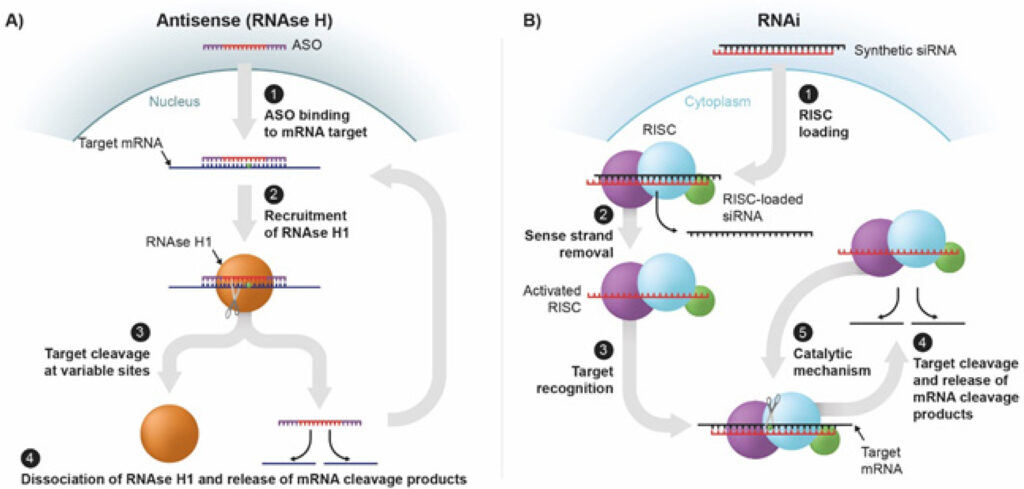
Therapeutics that inhibit enzymes, receptors, ion channels, and cotransporters have long been the mainstay of cardiovascular medicine. Now, oligonucleotide therapeutics offer a modern variation on this paradigm of protein inhibition. Rather than target a protein, however, small interfering ribonucleic acids and antisense oligonucleotides target the messenger RNA (mRNA) from which a protein is translated. Endogenous, cellular mechanisms enable the oligonucleotides to bind a selected sequence on a target mRNA, leading to its degradation. The catalytic nature of the process confers an advantage over the stoichiometric binding of traditional small molecule therapeutics to their respective protein targets. Advances in nucleic acid chemistry and delivery have enabled development of oligonucleotide therapeutics against a wide range of diseases, including hyperlipidemias and hereditary transthyretin-mediated amyloidosis with polyneuropathy. While most of these therapeutics were initially designed for rare diseases, recent clinical trials highlight the potential impact of oligonucleotides on more common forms of cardiovascular disease.
Images
Image gallery fullscreen viewer
Comments are moderated by the editorial team before publication. Discussions should be evidence-based and use scientific language. Conflicts of interest should be declared.