Diagnostic Test Accuracy of Exercise Testing in Detecting High-Risk Accessory Pathways in WPW: A Systematic Review and Meta-Analysis
Abstract
Background
Wolff-Parkinson-White (WPW) syndrome is characterized by ventricular pre-excitation, which can lead to severe arrhythmic events such as supraventricular tachycardia and pre-excited atrial fibrillation. The diagnostic value of non-invasive exercise tests in detecting high-risk accessory pathways remains inconsistent in the literature.
Objectives
To evaluate the diagnostic accuracy of non-invasive exercise tests compared to invasive electrophysiological studies (EPS) for identifying high-risk accessory pathways in WPW syndrome.
Methods
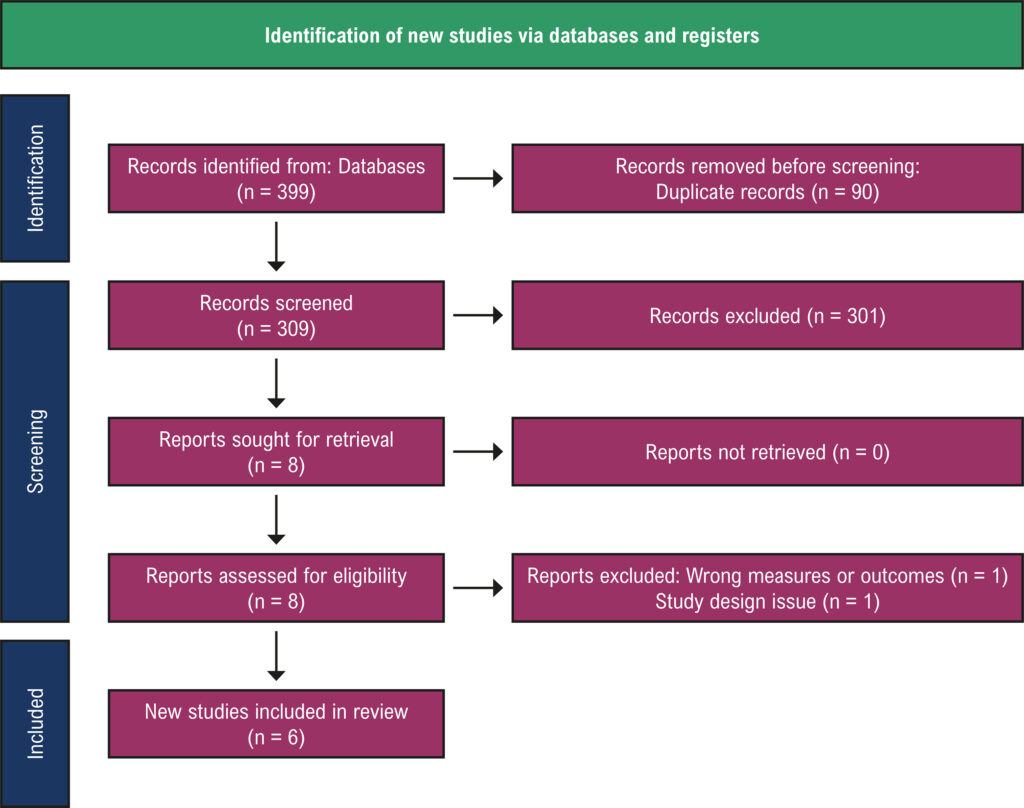
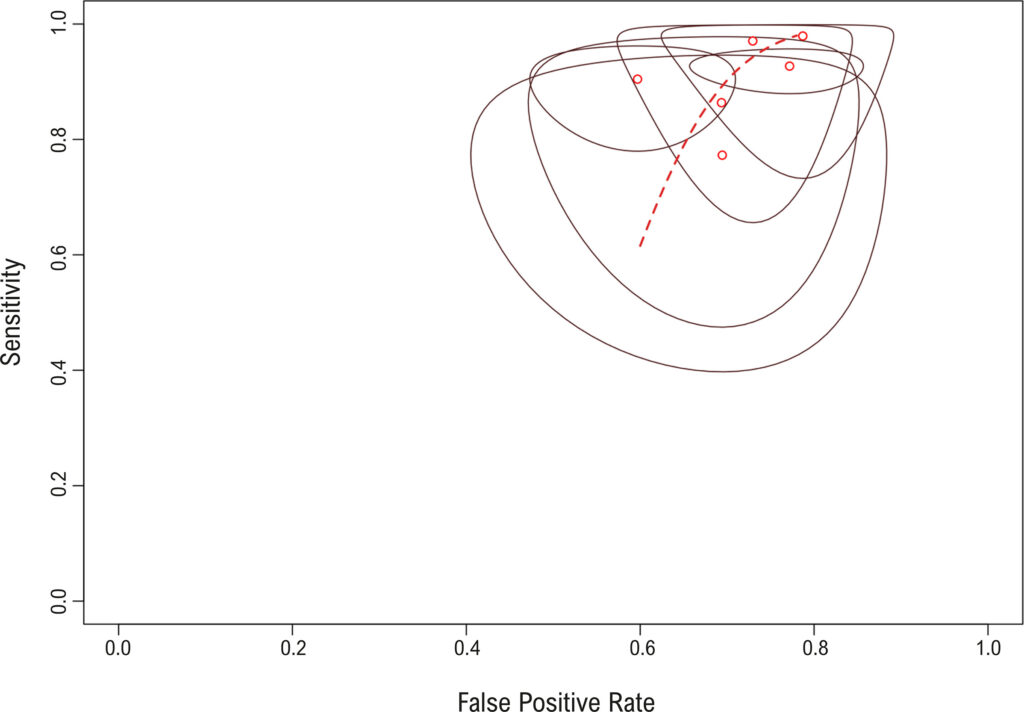
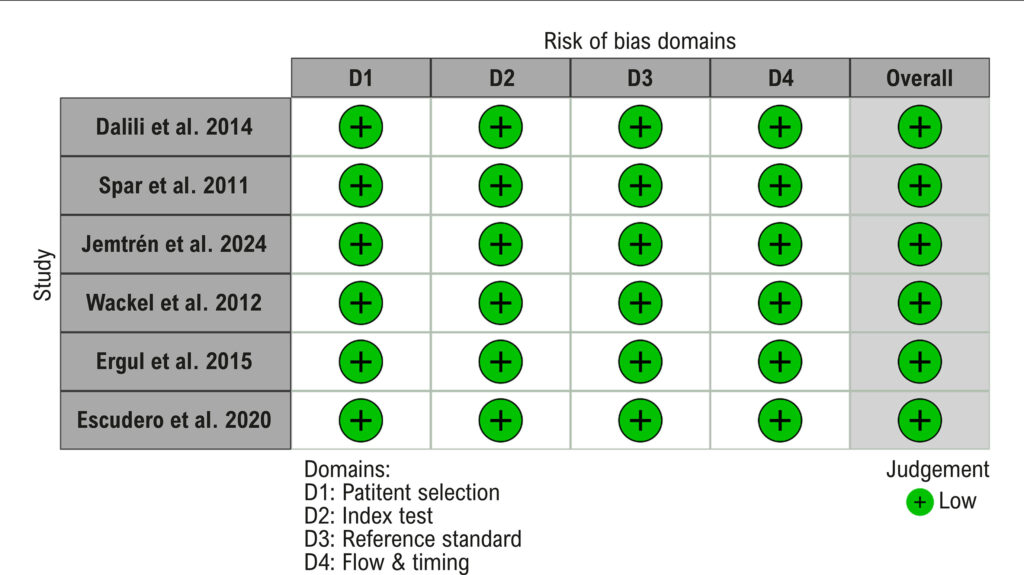
Following PRISMA-DTA guidelines, a comprehensive search was conducted in PubMed, Scopus, and Web of Science databases. Eligible studies assessed the sensitivity, specificity, and likelihood ratios of non-invasive exercise tests in WPW patients, using EPS as the reference standard. A bivariate random-effects model was applied for meta-analysis.
Results
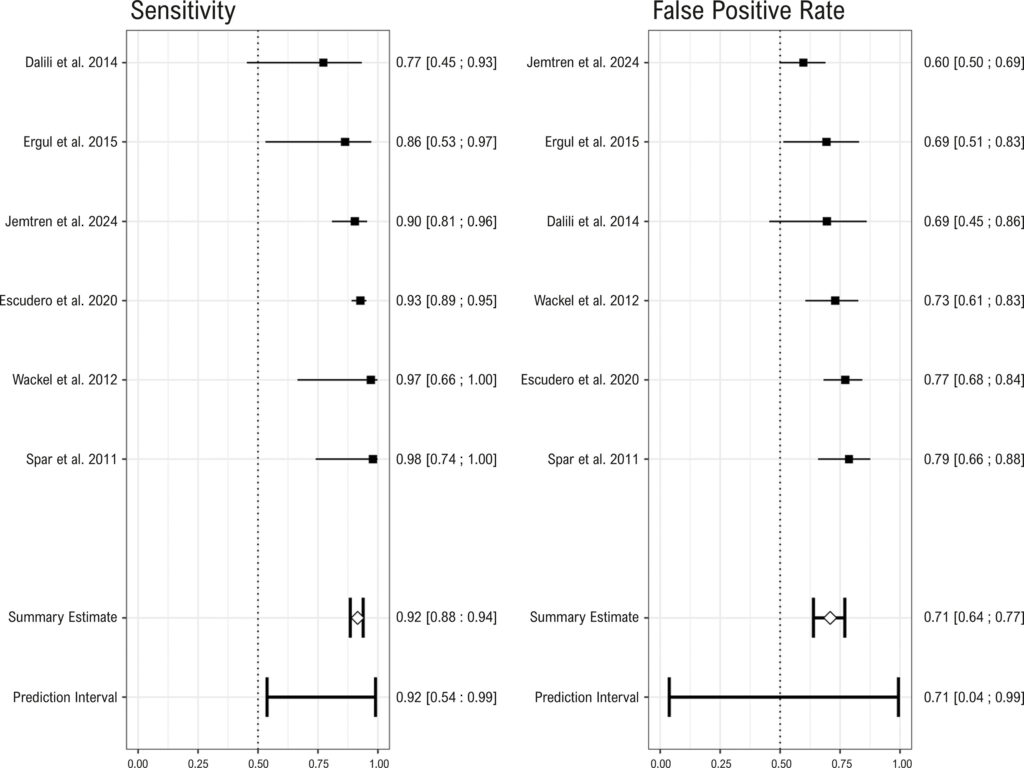
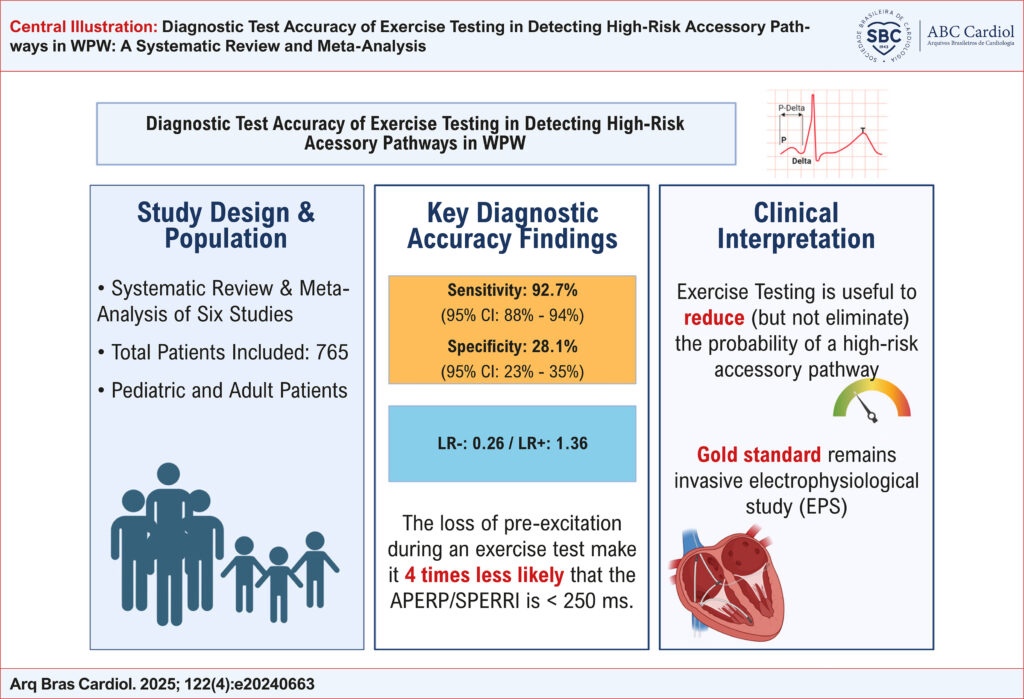
Six studies, comprising a total of 765 patients, met the inclusion criteria. The pooled sensitivity was 92.7% (95% CI: 88.0% – 94.0%), while the pooled specificity was 28.1% (95% CI: 23% – 35.1%). A negative likelihood ratio (LR-) of 0.260 (95% CI: 0.174 – 0.387) indicated that the presence of a high-risk accessory pathway is about four times less likely after a negative test result. Sensitivity analysis restricted to pediatric patients showed consistent results.
Conclusion
Non-invasive exercise tests demonstrate a reasonable diagnostic utility for ruling out high-risk pathways in WPW syndrome. However, caution is advised when using these tests as standalone criteria for risk stratification.
Images
Image gallery fullscreen viewer
Comments are moderated by the editorial team before publication. Discussions should be evidence-based and use scientific language. Conflicts of interest should be declared.