Echocardiographic Characteristics of PRKAG2 Syndrome: An Integrative Review
Abstract
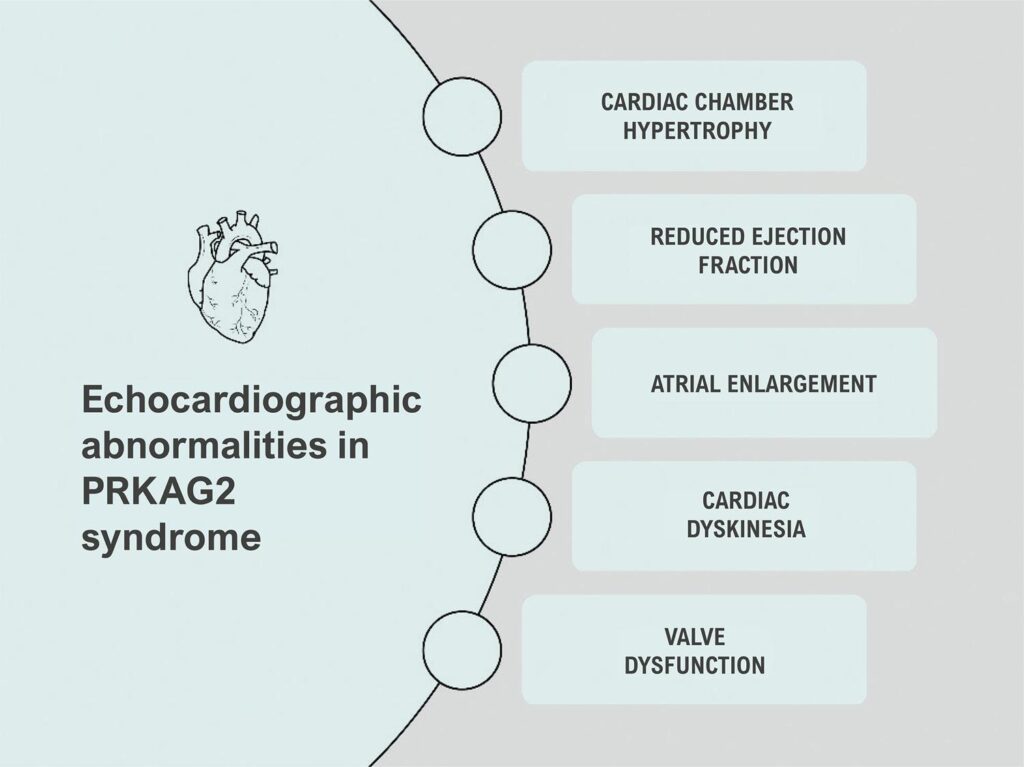
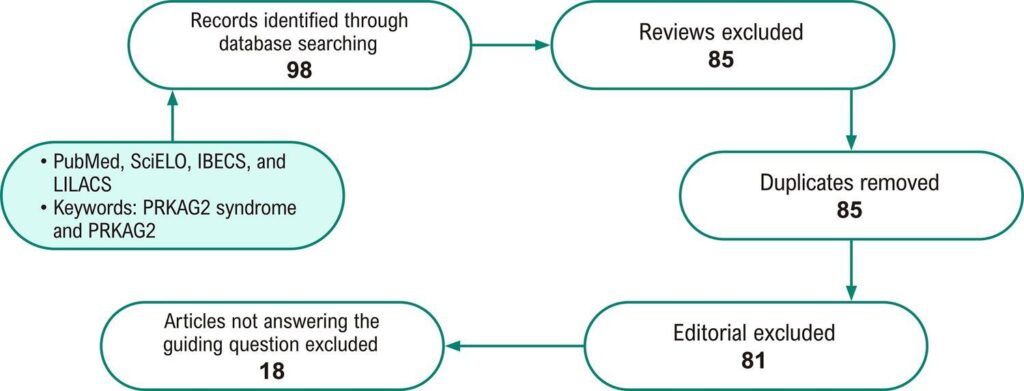
PRKAG2 syndrome is a rare, early-onset, autosomal dominant, inherited lysosomal glycogen storage disease that develops with ventricular preexcitation syndrome, supraventricular arrhythmias, and cardiac hypertrophy. The disease is caused by mutations in the gene encoding the adenosine monophosphate-activated protein kinase (AMPK) protein, leading to glycogen accumulation in cardiomyocytes. Echocardiography is a noninvasive, widely available, and highly effective technique for identifying and quantifying left ventricular hypertrophy (LVH). Therefore, this review focuses mainly on echocardiographic patterns, describing the main alterations in patients with PRKAG2 syndrome. O objective of this paper is to conduct an integrative review of the echocardiographic features presented by patients with PRKAG2 syndrome. We conducted an integrative review of echocardiographic features in PRKAG2 syndrome by searching PubMed, SciELO, IBECS, and LILACS electronic databases using the following keywords: “PRKAG2 syndrome” and “PRKAG2.” The predominant echocardiographic finding in patients with PRKAG2 syndrome was cardiac chamber hypertrophy, particularly affecting the left ventricle. In addition, other findings included abnormal ejection fraction, changes in strain patterns, and heart valve abnormalities. Cardiac chamber hypertrophy was demonstrated in most studies, with a predominance of LVH. Reduced ejection fraction was also described, both in the left and right ventricles. Other features reported included atrial enlargement, cardiac dyskinesia, and valve dysfunction. However, the findings varied widely, highlighting the phenotypic variability of this syndrome.
Images
Image gallery fullscreen viewer
Comments are moderated by the editorial team before publication. Discussions should be evidence-based and use scientific language. Conflicts of interest should be declared.