Resilience in Patients with Ischemic Heart Disease
Background:
Resilience is a psychosocial factor associated with clinical outcomes in chronic diseases. The relationship between this protective factor and certain diseases, such heart diseases, is still under-explored.
Objective:
The present study sought to investigate the frequency of resilience in individuals with ischemic heart disease.
Method:
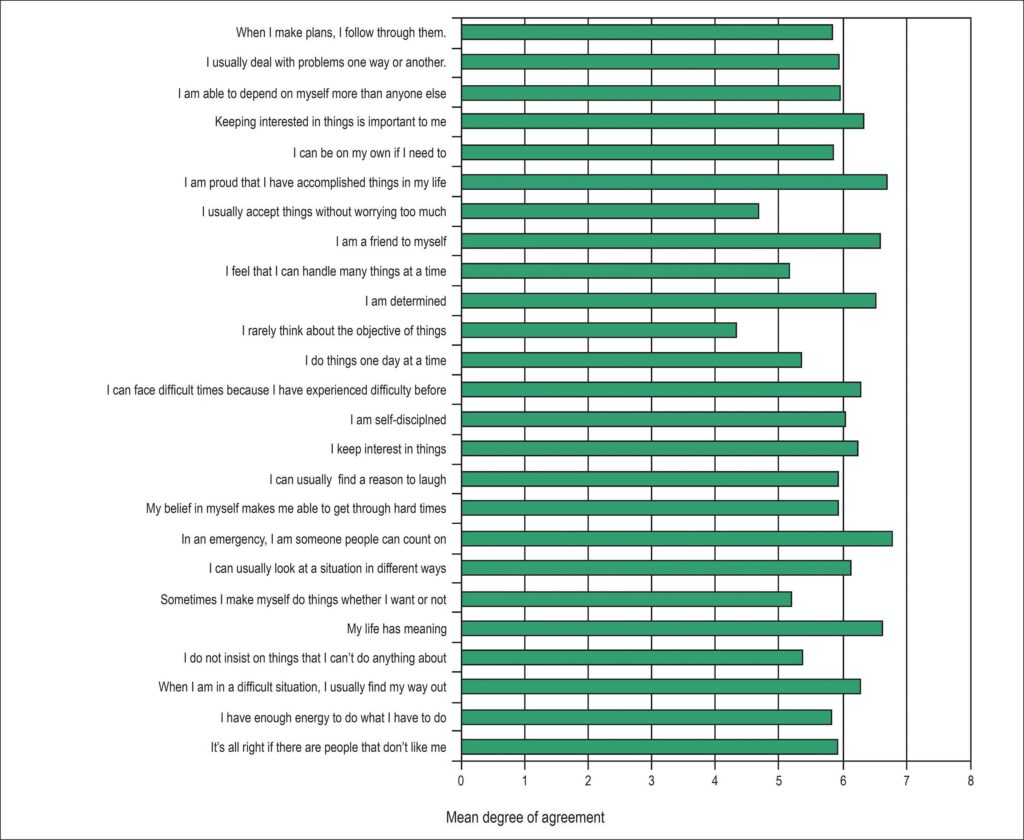
This was a cross-sectional study with 133 patients of both genders, aged between 35 and 65 years, treated at Rio Grande do Sul Cardiology Institute – Cardiology University Foundation, with a diagnosis of ischemic heart disease during the study period. Sixty-seven patients had a history of acute myocardial infarction. The individuals were interviewed and evaluated by the Wagnild & Young resilience scale and a sociodemographic questionnaire.
Results:
Eighty-one percent of patients were classified as resilient according to the scale.
Conclusion:
In the sample studied, resilience was identified in high proportion among patients with ischemic heart disease.
Images
Image gallery fullscreen viewer
Comments are moderated by the editorial team before publication. Discussions should be evidence-based and use scientific language. Conflicts of interest should be declared.