Spontaneous Coronary Artery Dissection in a Patient with Cerebrotendinous Xanthomatosis
Introduction
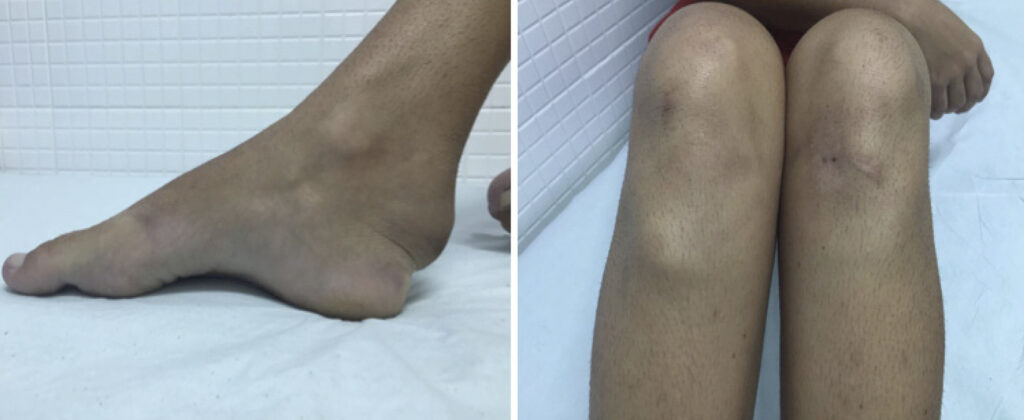
Cerebrotendinous xanthomatosis (CTX) is an autosomal recessive disease characterized by the formation of xanthomatous lesions in many tissues, particularly the brain and tendons. The disorder is a consequence of the reduced production of bile acids, predominantly chenodeoxycholic acid (CDCA), and an increased formation of cholestanol. Common clinical manifestations include infant-onset diarrhea and juvenile-onset bilateral cataract, usually followed by tendon xanthomas and progressive neurological dysfunction. The final diagnosis is based on biochemical abnormalities, including elevated plasma cholestanol level and increased levels of bile alcohol in urine associated with a diminished biliary concentration of CDCA. The treatment is based on oral supplementation of CDCA, which, if initiated early, can prevent major clinical problems, as it produces a reduction in cholestanol synthesis and plasma levels.
Cardiovascular impairment in patients with CTX is mostly associated with premature atherosclerosis. Blood lipid analysis in patients with CTX revealed dramatically high levels of 27-hydroxycholesterol and low levels of high-density lipoprotein cholesterol (HDL), which place these patients at a high risk of cardiovascular disease.
[…]
Images
Image gallery fullscreen viewer
Comments are moderated by the editorial team before publication. Discussions should be evidence-based and use scientific language. Conflicts of interest should be declared.