Hypertensives’ Knowledge About High-Sodium Foods and Their Behavior
Abstract
Background:
In Brazil, the prevalence of systemic arterial hypertension (SAH) is approximately 30% of the total population. In 2010, SAH was the cause of death of about 9.4 million people worldwide. A healthy dietary pattern is important to maintain proper blood pressure levels and, consequently, disease control.
Objectives:
To describe the knowledge and practices of hypertensive patients cared for at a public hypertension outpatient clinic, and its relationship with high-sodium food.
Methods:
We applied a questionnaire to patients with questions related to sociodemographics, dietary pattern, frequency of ingestion of certain foods, and knowledge about their own disease.
Results:
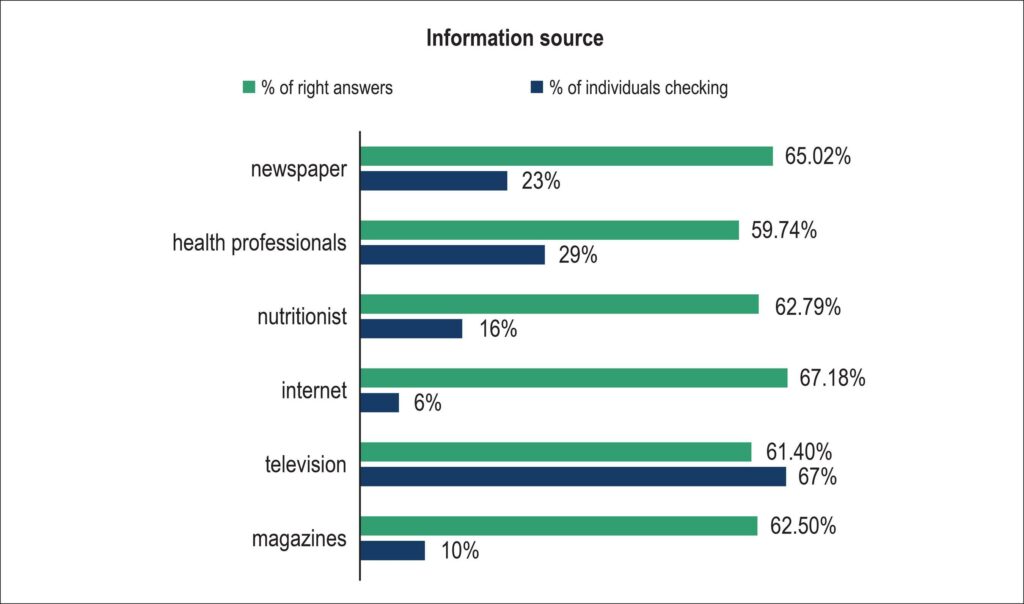
We studied 221 patients, 56.1% of whom were women, and 53.8% had only elementary education. Their mean age was 57.7 ±13.5 years, and 75.6% of them reported having high blood pressure, and 11.3%, diabetes mellitus. Regarding dietary pattern, 62% used ready-to-use seasonings, but 94.1% reported not adding extra salt to their ready meals. Regarding patients’ knowledge about high-sodium foods and SAH, only 8 patients had 100% of right answers, 37 patients had 73.8%, and 42 patients, 57% of right answers.
Conclusion:
Knowledge about SAH prevention and high-sodium foods was insufficient. Based on this study’s findings, more effective educational strategies targeted at this population can be developed.
Images
Image gallery fullscreen viewer
Comments are moderated by the editorial team before publication. Discussions should be evidence-based and use scientific language. Conflicts of interest should be declared.