Carotid Sinus Massage in Syncope Evaluation: A Nonspecific and Dubious Diagnostic Method
Abstract
Background:
Carotid sinus hypersensitivity (CSH) is a frequent finding in the evaluation of syncope. However, its significance in the clinical setting is still dubious. A new criterion was proposed by Solari et al. with a symptomatic systolic blood pressure (SBP) cut-off value of ≤ 85 mmHg to refine the vasodepressor (VD) response diagnosis.
Objective:
To determine and compare the response to carotid sinus massage (CSM) in patients with and without syncope according to standard and proposed criteria.
Methods:
CSM was performed in 99 patients with and 66 patients without syncope. CSH was defined as cardioinhibitory (CI) for asystole ≥ 3 seconds, or as VD for SBP decrease ≥ 50 mmHg.
Results:
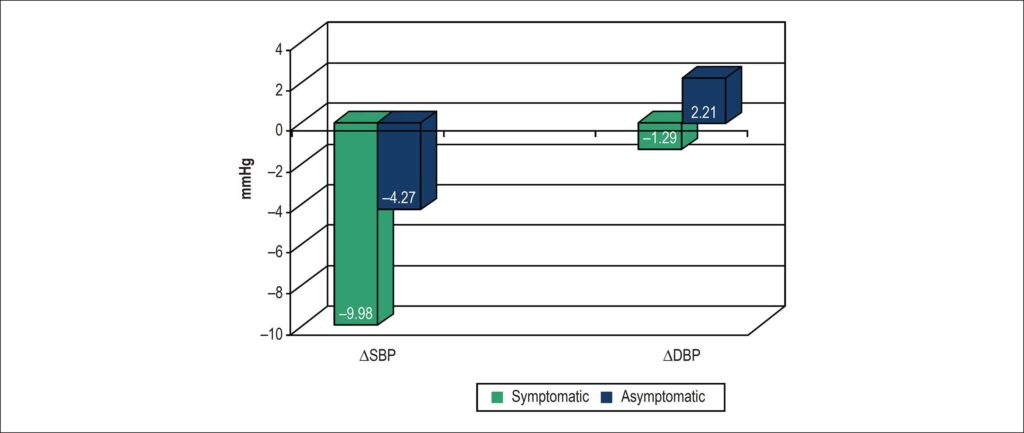
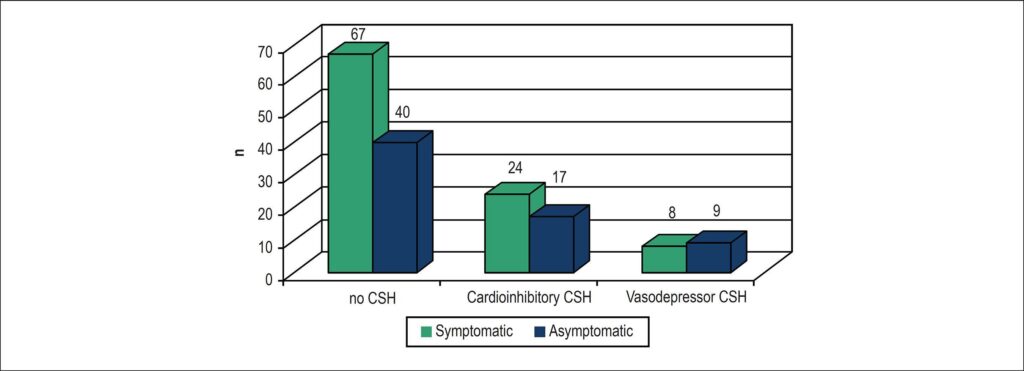
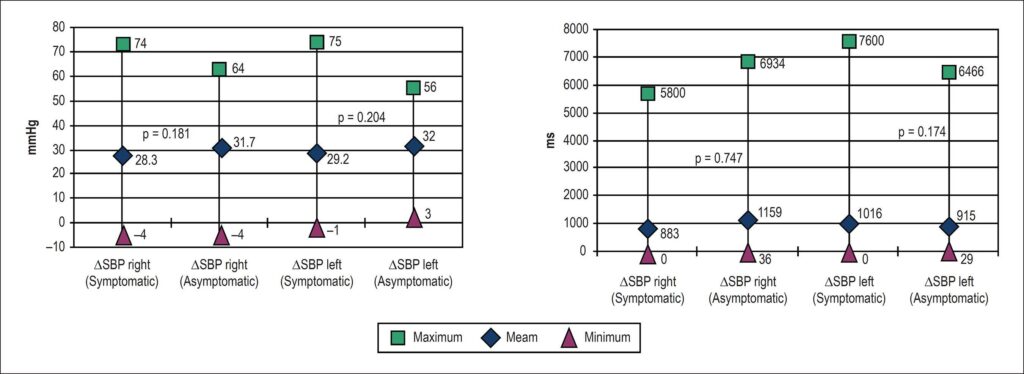
No differences in the hemodynamic responses were observed during CSM between the groups, with 24.2% and 25.8% CI, and 8.1% and 13.6% VD in the symptomatic and asymptomatic groups, respectively (p = 0.466). A p value 2.5 seconds, regardless of the pattern of response or the presence of previous syncope.
Conclusion:
The response to CSM in patients with and without syncope was similar; therefore, CSH may be an unspecific condition. Clinical correlation and other methods of evaluation, such as long-lasting ECG monitoring, may be necessary to confirm CSH as the cause of syncope.
Images
Image gallery fullscreen viewer
Comments are moderated by the editorial team before publication. Discussions should be evidence-based and use scientific language. Conflicts of interest should be declared.