Prevalence of Lens Opacity in Interventional Cardiologists and Professional Working in the Hemodynamics in Brazil
Abstract
Background:
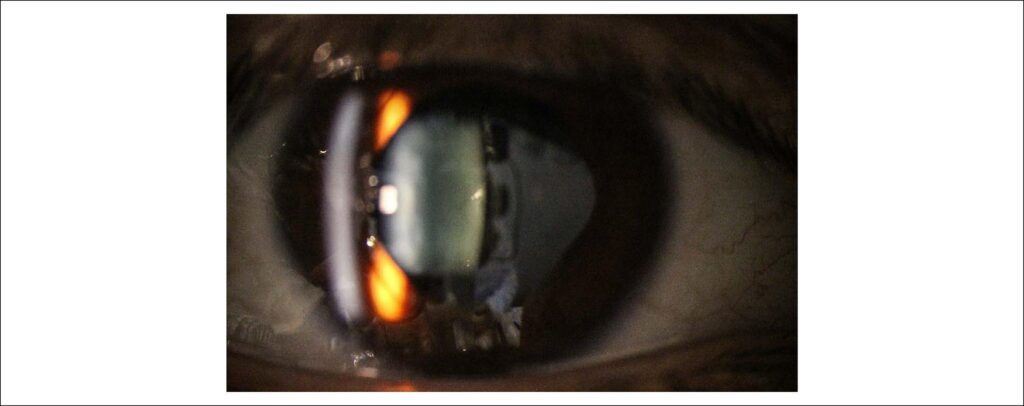
Posterior subcapsular cataract is a tissue reaction commonly found among professionals exposed to ionizing radiation.
Objective:
To assess the prevalence of cataract in professionals working in hemodynamics in Brazil.
Methods:
Professionals exposed to ionizing radiation (group 1, G1) underwent slit lamp examination with a biomicroscope for lens examination and compared with non-exposed subjects (group 2, G2). Ophthalmologic findings were described and classified by opacity degree and localization using the Lens Opacities Classification System III. Both groups answered a questionnaire on work and health conditions to investigate the presence of risk factors for cataract. The level of significance was set at 5% (p < 0.05).
Results:
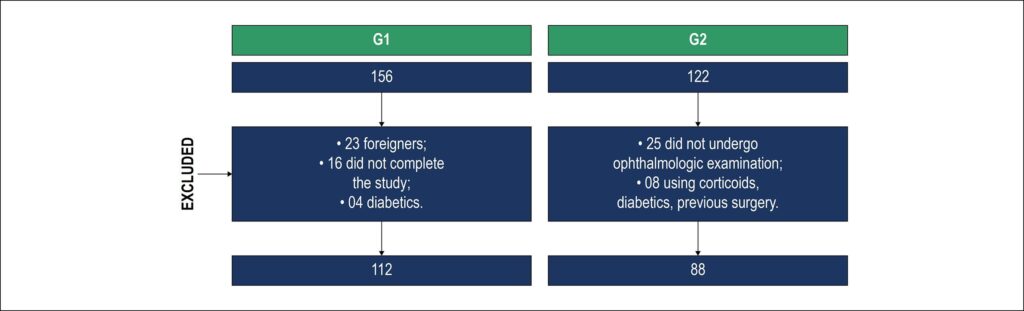
A total of 112 volunteers of G1, mean age of 44.95 (±10.23) years, and 88 volunteers of G2, mean age of 48.07 (±12.18) years were evaluated; 75.2% of G1 and 85.2% of G2 were physicians. Statistical analysis between G1 and G2 showed a prevalence of posterior subcapsular cataract of 13% and 2% in G1 and G2, respectively (0.0081). Considering physicians only, 38% of G1 and 15% of G2 had cataract, with the prevalence of posterior subcapsular cataract of 13% and 3%, respectively (p = 0.0176). Among non-physicians, no difference was found in the prevalence of cataract (by types).
Conclusions:
Cataract was more prevalent in professionals exposed to ionizing radiation, with posterior subcapsular cataract the most frequent finding.
Images
Image gallery fullscreen viewer


Comments are moderated by the editorial team before publication. Discussions should be evidence-based and use scientific language. Conflicts of interest should be declared.