Retrospective Analysis of 2.154 Cardiopulmonary Arrest Assistance Provided by a Mobile Emergency Service From 2018-2022
Abstract
Background
It is estimated that 1 in 10 patients will survive a cardiopulmonary arrest (CPA), with half of them occurring in an out-of-hospital setting. Mobile pre-hospital care services aim to reduce morbidity and mortality resulting from CPA.
Objective
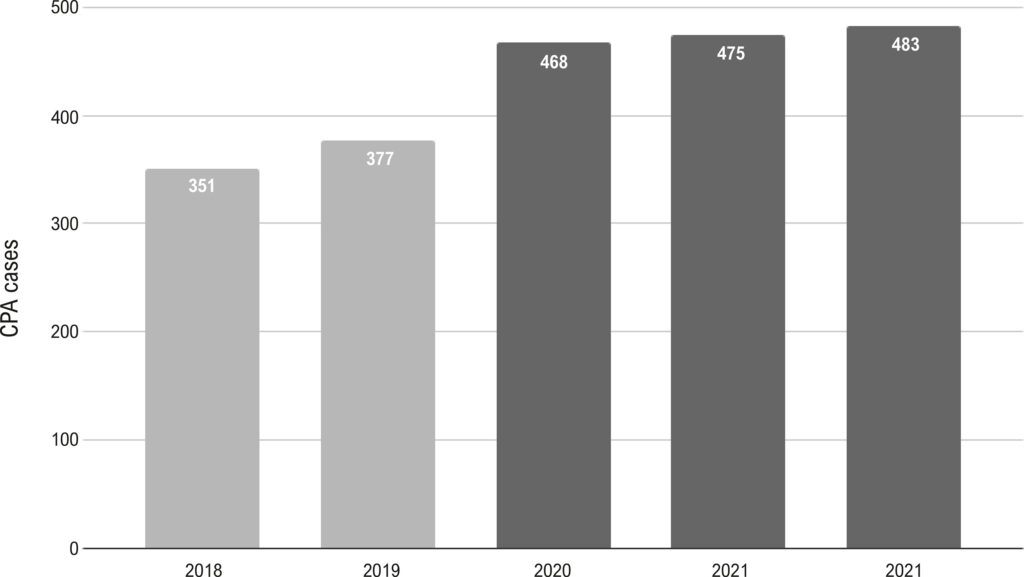
To analyze five years of data regarding response time for assistance, mortality, and characteristics of victims of out-of-hospital CPA cases treated by a public mobile emergency service in Southern Brazil.
Methods
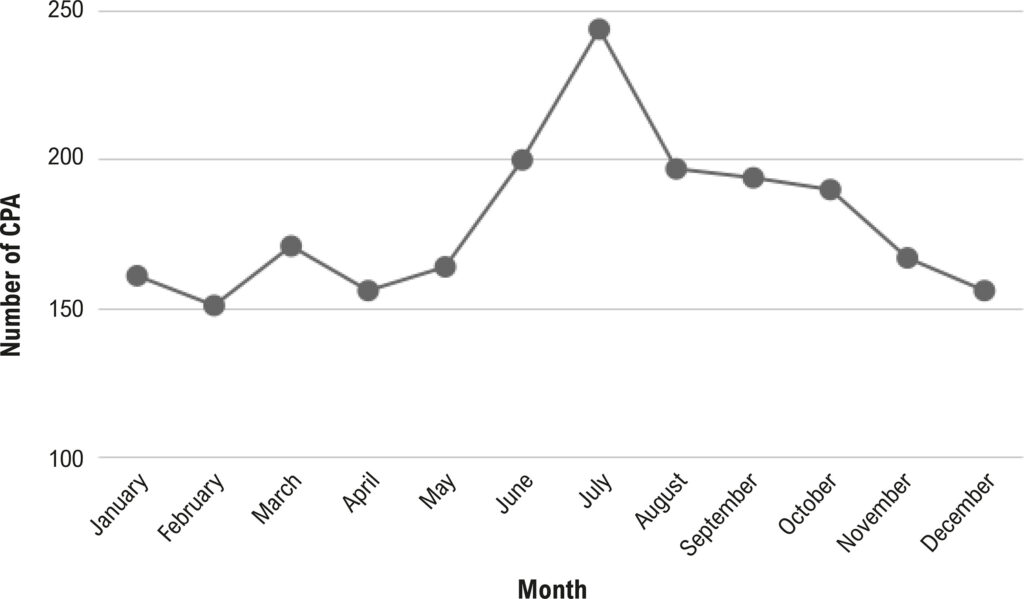
Data collected between 2018 and 2022 included the number of CPA cases, victim profile (age and sex), and details of each incident (day of the week, month, shift, city area, time elapsed before initiating basic life support [BLS], and mortality prior to arrival at the referral hospital). Pearson’s Chi-square and Mann-Whitney U tests were used with a significance level of 5%.
Results
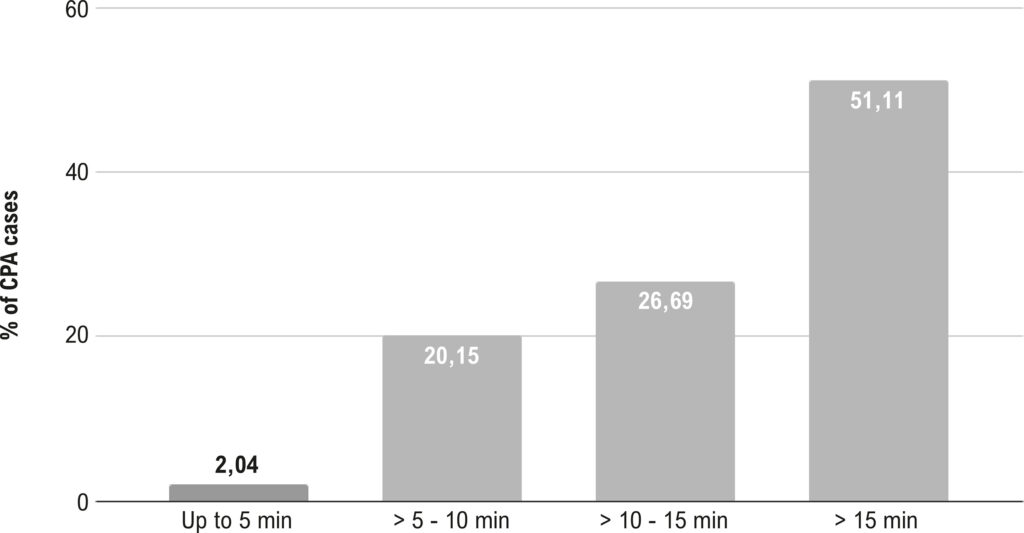
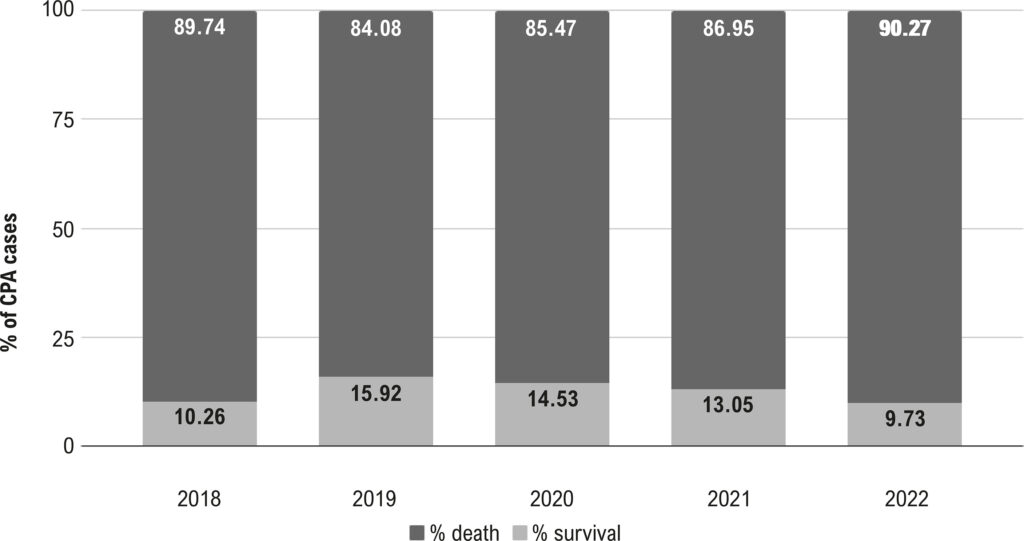
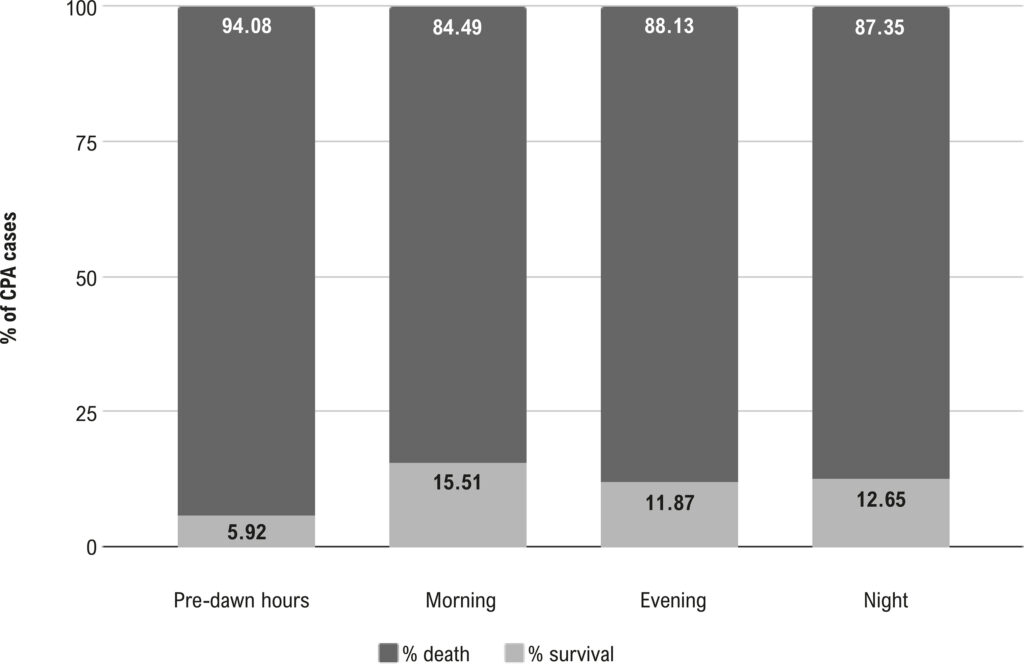
The victims’ profile was mostly elderly (60%) and men (55.9%). The mortality rate from CPA was 87.3%, with over half of the cases (51.11%) requiring more than 15 minutes to initiate assistance. A longer response time was significantly associated with higher CPA mortality rates (p < 0.05).
Conclusion
The data showed a profile of victims that was mostly male and elderly. In more than half of the cases, BLS initiation took over 15 minutes, a delay that was linked to the high mortality rate of CPA, highlighting the association between mortality and time to assistance.
Images
Image gallery fullscreen viewer
Comments are moderated by the editorial team before publication. Discussions should be evidence-based and use scientific language. Conflicts of interest should be declared.